Best Month to Catch Walleye in New Mexico
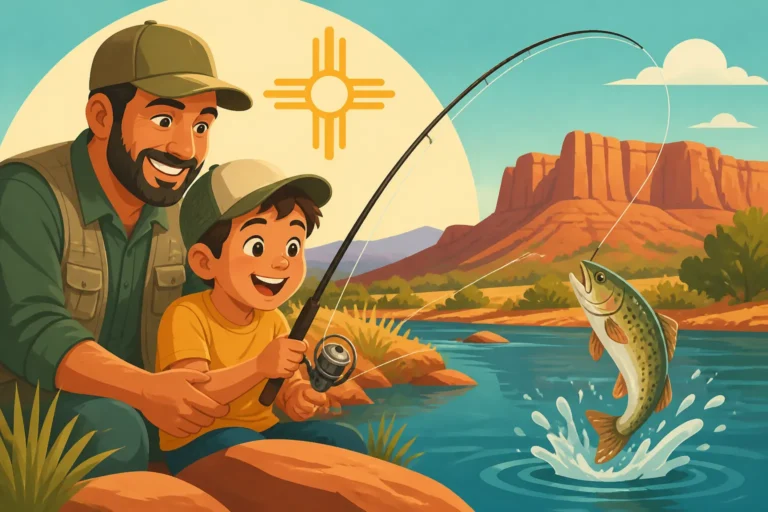
Trying to pin down the absolute "best" month to catch walleye in New Mexico can feel like chasing a phantom, especially when different anglers swear by different times of the year. It’s frustrating when you invest time and effort, only to come up short because you missed the prime window. This guide is here to demystify walleye seasonality, revealing the sweet spots on the calendar when these toothy predators are most active and giving you the strategies to make your next trip a successful one.
Understanding Walleye Seasonality in the Land of Enchantment
Walleye are fascinating fish, and their behavior, particularly their feeding patterns and movements, are highly dictated by water temperature and the changing seasons. Unlike some fish that might be consistently active, walleye have distinct peaks and valleys in their catchability throughout the year in New Mexico's diverse waters. Knowing these seasonal shifts is the key to unlocking consistent success, moving you from just hoping for a bite to actively targeting them when they're most vulnerable.
The Peak Window: Late Spring to Early Summer
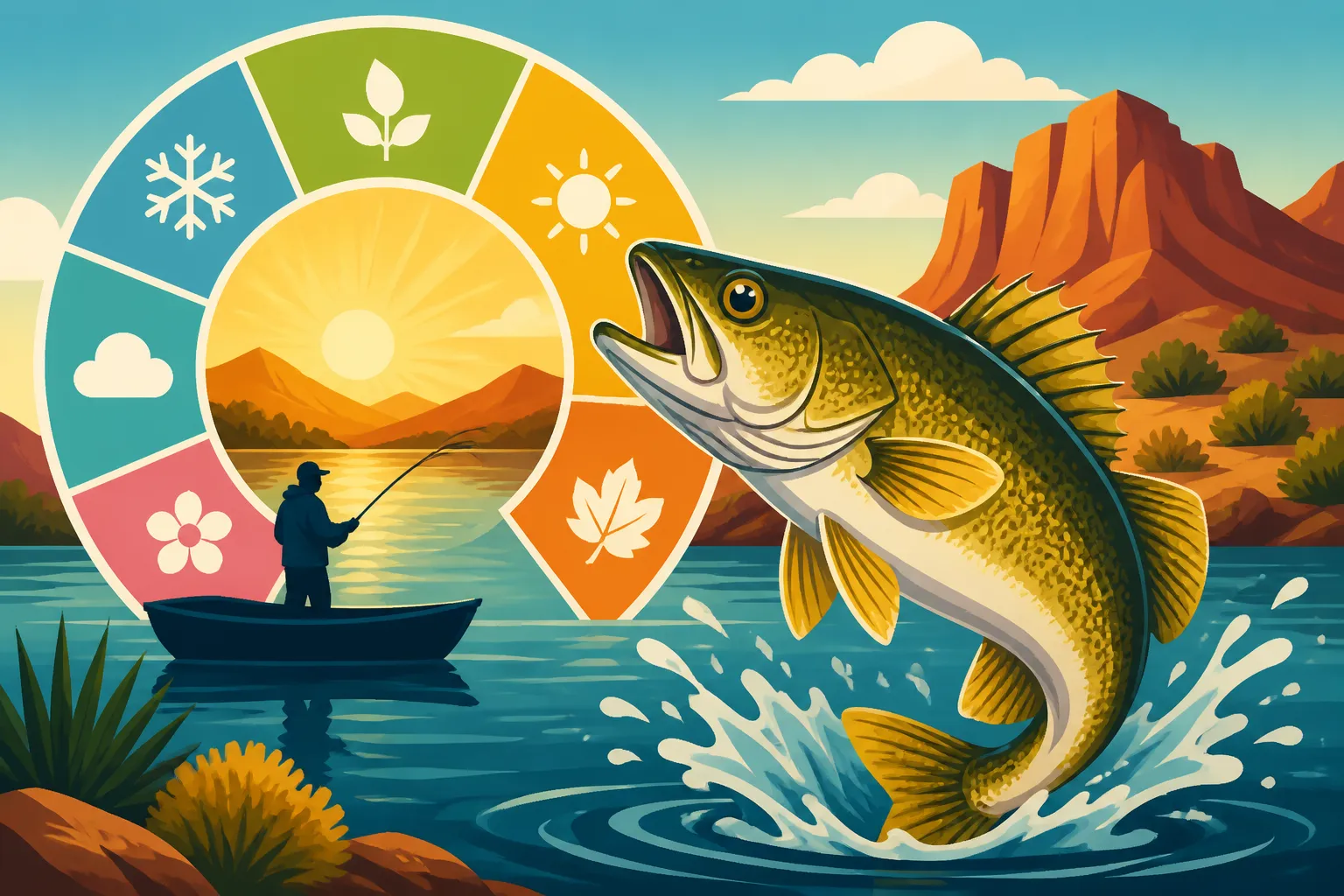
If you’re looking for the absolute sweet spot, mark your calendar for April through June. This three-month stretch is hands-down the most productive period for walleye fishing across New Mexico. Why? It's all about their biological imperative: spawning. As the waters begin to warm after winter, walleye move from their deeper wintering grounds to shallower areas, first to feed heavily in preparation for spawning (pre-spawn), then to actually reproduce (spawn), and finally to recover and feed aggressively again (post-spawn).
During the pre-spawn phase in April, walleye are hungry. They’re bulking up, and they’re often concentrated, making them easier to locate. As water temperatures climb into the 40s and 50s Fahrenheit, they start to stage near their spawning grounds. Then, as the water hits the mid-40s to low 50s, the spawning ritual begins, usually in late April to early May. Post-spawn, from late May through June, these fish are recovering and are incredibly aggressive feeders as they try to regain lost energy. This means they're often willing to chase down a variety of baits and lures, offering some of the best action of the year. Lakes like Ute Lake, Conchas Lake, and even Clayton Lake really shine during this period.
Fall Opportunities: A Secondary Feeding Frenzy
While spring takes the crown, don't overlook the autumn months, particularly October and November. As the scorching New Mexico summer heat fades and water temperatures begin to drop again, walleye experience a resurgence of activity. This is a secondary feeding frenzy, driven by their need to pack on fat reserves for the lean winter months ahead. They become much more active during daylight hours than they were in the summer, often moving shallower to ambush baitfish that are also fattening up.
The fall bite can be incredibly rewarding, sometimes even rivaling the spring in terms of the size of the fish you might encounter. They’re less stressed than during the spawn, and simply focused on eating. This is a fantastic time for anglers who prefer to avoid the spring crowds or who enjoy the crisp, clear New Mexico fall weather. You’ll find them relating to drop-offs, points, and structural elements where baitfish congregate. Tactics that work in spring, like jigging and casting crankbaits, become highly effective again as walleye aggressively chase down meals.
Prime Pre-Spawn and Spawning Action
Understanding the walleye's lifecycle and how it correlates with water temperature is paramount to consistently hooking up. The transition from winter dormancy to spring reproduction is a period of intense activity and predictable movement.
March and Early April: The Pre-Spawn Feast
Imagine the walleye emerging from the sluggishness of winter, their metabolism kicking into high gear as the sun starts to warm the shallow coves and rocky points. This is exactly what happens in March and early April in New Mexico. Water temperatures are still quite chilly, often in the high 30s to low 40s, but the fish sense the impending spawn. They start to move from the deep main lake basins towards shallower staging areas near traditional spawning sites. These spots often include prominent points, submerged humps, rocky shorelines, and areas with hard bottom.
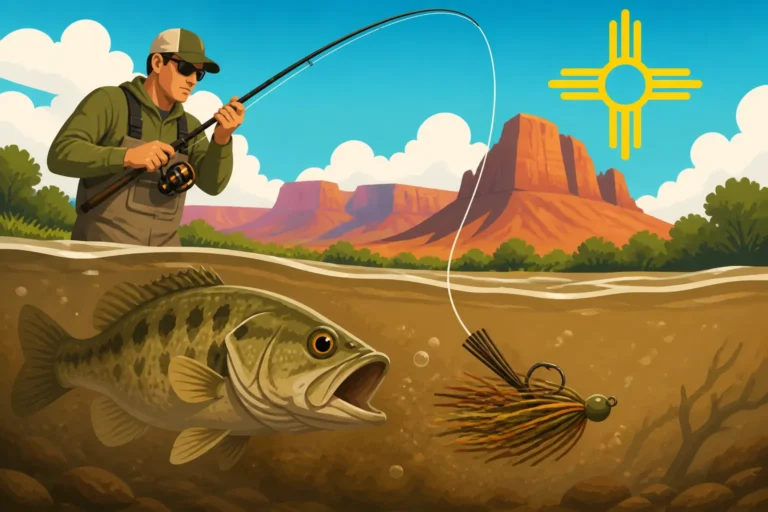
During this pre-spawn period, walleye are focused almost entirely on feeding. They need to build up energy stores for the arduous process of spawning. This is a fantastic time to target them with slower presentations. Jigs tipped with live minnows or soft plastics are deadly, worked slowly along the bottom. Medium-diving crankbaits that mimic baitfish can also be incredibly effective, especially when trolled or retrieved slowly along contour lines. Many anglers find that these fish are surprisingly aggressive despite the cold water, willing to chase a well-presented lure. If you're looking to stock up on a good selection of jigs and crankbaits, checking out a site like Amazon can give you a wide variety of options for different water depths and conditions.
Late April to May: Spawning Strategies
As the calendar flips to late April and into May, New Mexico’s waters warm further, typically reaching the mid-40s to low 50s Fahrenheit, triggering the actual walleye spawn. Walleye are broadcast spawners, meaning they scatter their eggs over hard, rocky bottoms in shallower water, often near current or wave action. This makes them highly concentrated in specific areas, but also very sensitive to disturbance.
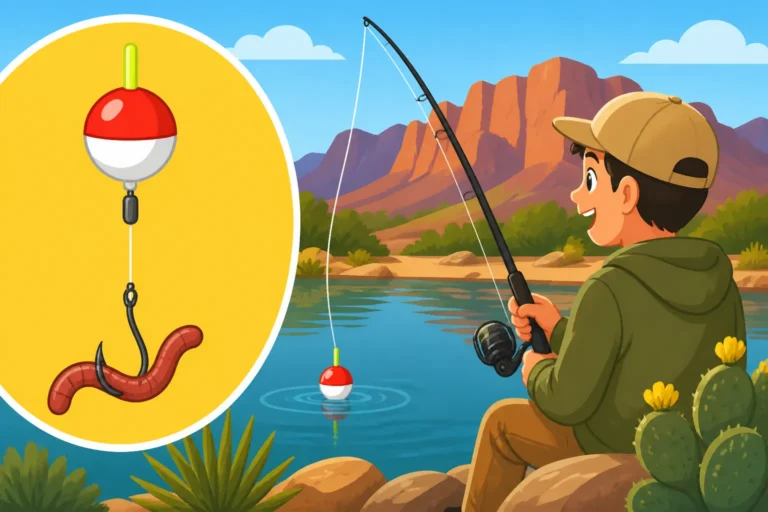
Fishing during the spawn requires a thoughtful approach. While the fish are congregated, they aren't necessarily focused on eating, so presentations need to be subtle and enticing. Vertical jigging directly over known spawning beds can be effective, using small jigs tipped with a minnow or a subtle plastic. Drifting or slow trolling with a live bait rig, like a simple crawler harness or a minnow rig, can also tempt less aggressive fish. It's important to practice ethical angling during this sensitive time. Many anglers prefer to catch and release during the spawn to help protect the population. Be mindful of New Mexico Statewide Bag Limit for Walleye if you do plan to keep fish, as regulations are designed to sustain these valuable fisheries.
Summer and Fall Walleye Tactics
The New Mexico summer can be brutal, and walleye definitely feel the heat. But don't despair – they're still catchable! You just need to adjust your tactics and consider their preferences for cooler, deeper water or the low-light hours.
June to September: Deep Water and Night Bites
Once the post-spawn frenzy subsides and New Mexico's summer sun starts to bake the landscape, surface water temperatures can climb significantly. Walleye, being cold-water fish, will seek refuge in deeper, cooler waters, often congregating around submerged structure like humps, drop-offs, and channel edges. This means your tactics need to go deep.
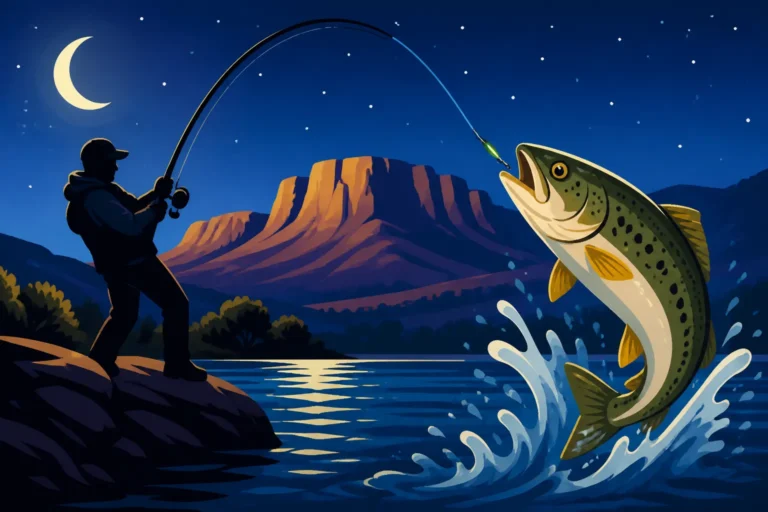
Trolling with deep-diving crankbaits or spinner rigs weighted with bottom bouncers becomes a prime strategy. Using a good fish finder is almost essential to locate these deeper schools of fish, often suspending at specific depths over structure. Kayak anglers might find pedal-driven kayaks a good option for covering water while trolling, and you can find a variety of such gear on Amazon. The heat of the day can make fishing tough, but the early morning, late evening, and especially night fishing can be incredibly productive during summer. Walleye move shallower under the cover of darkness to feed, providing an excellent opportunity for anglers willing to brave the night. Fishing around lighted docks or using glow-in-the-dark lures can make a huge difference. For more general advice on fishing during the warmer months, check out our guide on Summer Fishing in New Mexico.
October to November: The Fall Feeding Frenzy
As fall colors paint the New Mexico landscape and air temperatures cool, so do the lake waters. This change signals a renewed surge of energy for walleye, marking a fantastic secondary peak for fishing. From October through November, walleye are highly active, driven by an instinctive need to consume as much food as possible before winter sets in. They become less particular and often more aggressive than during the summer months.
During the fall, walleye will often move shallower again, following schools of baitfish that are also feeding heavily. Look for them on flats adjacent to deep water, along points, and around underwater humps. Casting crankbaits, jigging with soft plastics or blade baits, and slow-trolling live bait rigs can all be incredibly effective. The bites can be powerful and aggressive, making for exhilarating fishing. This is a great time to experiment with different lure colors and retrieve speeds. Don't forget to review the New Mexico Fishing Season Calendar to ensure you're up-to-date on any seasonal regulations.
Key New Mexico Walleye Fisheries and Tactics
While walleye can be found in several New Mexico lakes, a few spots consistently stand out as prime destinations for targeting these delicious fish. Knowing where to go and what works best in those specific locations can elevate your walleye game significantly.
Conchas Lake: A Walleye Stronghold
When you talk about walleye fishing in New Mexico, Conchas Lake is often the first name that comes up, and for good reason. This massive reservoir, located in northeastern New Mexico, boasts a healthy and robust walleye population. Anglers flock here during the peak spring and fall months, and for those who know their stuff, even during the summer. Conchas offers diverse habitat, from rocky main lake points and submerged islands to expansive flats and creek channels.
To consistently catch walleye at Conchas, understanding the lake's structure is crucial. During the spring pre-spawn and spawn, target rocky points and shallow flats near the dam or in the lower lake. As waters warm, the walleye move deeper, often suspending over main lake channels or congregating around significant underwater humps. Trolling with various crankbaits, like Bandit 200s or Flicker Shads, at different depths is a highly effective strategy, especially in summer. Jigging with heavier jigs, often 3/8 to 1/2 ounce, tipped with a curly tail grub or a minnow, works well when fish are concentrated on structure. You can dive deeper into specific techniques for this gem with our guide on Walleye at Conchas Lake, and learn more about How to Locate Walleye at Conchas Lake for precision targeting.
Ute Lake and Clayton Lake: Other Hotspots
While Conchas gets a lot of attention, Ute Lake and Clayton Lake are also fantastic destinations for walleye in New Mexico, each offering its own unique flavor of fishing.
Ute Lake, near Logan, is New Mexico's second-largest lake and is known for its clear waters and excellent walleye, smallmouth bass, and crappie populations. Walleye here often relate to the abundant submerged timber, rock piles, and channel bends. The spring bite at Ute Lake is particularly strong, with walleye moving into shallower coves and along main lake points. Trolling crankbaits is a popular and effective method, as is casting jigs or plastic worms to submerged structure. For those keen on specifics, our broader article on Walleye Fishing in New Mexico offers more insights into this and other fisheries.
Clayton Lake, a state park near the town of Clayton, offers a more intimate fishing experience but can still produce some impressive walleye. In fact, Clayton Lake holds the current state record for walleye, which speaks volumes about its potential. Walleye here are often found relating to the dam face, rocky shorelines, and the deeper channels. Spring and fall are prime, with jigging and slow-trolling being highly productive. Because it's a smaller lake, it's easier to cover water and locate fish. Exploring specific tips in our guide on Walleye at Clayton Lake can give you an edge for this beautiful northeastern New Mexico fishery. For all your tackle needs, from jig heads to a diverse selection of crankbaits, a quick search on Amazon will bring up plenty of options to fill your Best Lures for a New Mexico Tackle Box.
New Mexico Walleye Activity and Recommended Techniques by Month
To give you a clearer picture, here’s a breakdown of general walleye activity and suggested tactics throughout the year in New Mexico:
| Month | General Walleye Activity | Primary Technique Focus | Notes |
|---|---|---|---|
| January | Slow, deep, wintering fish | Vertical jigging deep structure | Very slow presentations; ice fishing where available and safe. |
| February | Still deep and slow, but pre-spawn movements begin | Vertical jigging, slow-trolling with blade baits | Walleye start migrating towards spawning areas; look for subtle bites. |
| March | Pre-spawn staging, feeding heavily | Jigging (live bait/plastics), slow-trolling crankbaits | Fish concentrate on points/humps; excellent feeding activity as waters warm. |
| April | Peak pre-spawn to early spawn | Jigging (live bait), crankbait trolling/casting | Transition from heavy feeding to spawning; some of the best fishing of the year. |
| May | Peak spawn to post-spawn recovery | Jigging (subtle), live bait rigs, shallow crankbaits | Spawning activity, followed by aggressive post-spawn feeding. |
| June | Post-spawn feeding frenzy, moving deeper | Trolling deep crankbaits, bottom bouncers, jigging structure | Strong feeding as fish recover; start transitioning to deeper water. |
| July | Deep, summer patterns, often nocturnal | Deep trolling, vertical jigging main lake structure, night fishing | Hot water pushes walleye deep; focus on low-light periods. |
| August | Similar to July, deep and light-sensitive | Deep trolling with downriggers, night fishing | Walleye typically hold tight to deep structure; very challenging during daylight. |
| September | Transition as waters cool, fish become more active | Deep trolling, jigging structure, crankbait casting | Walleye start to move shallower and feed more aggressively. |
| October | Fall feeding frenzy, aggressive shallow movements | Casting crankbaits/jigs, trolling, live bait | Excellent secondary peak; walleye are actively bulking up for winter. |
| November | Strong fall bite, moving towards deeper wintering areas | Jigging, crankbait casting, slow-trolling | Last chance for aggressive shallow action before winter sets in. |
| December | Wintering patterns, deep and sluggish | Vertical jigging deep structure | Similar to January/February, but can be good if you locate a school. |
This table provides a general guide, but always remember that local conditions, such as water levels, recent weather, and specific lake characteristics, can influence walleye behavior. Staying flexible and observant on the water will always serve you best! For more on specific techniques, be sure to read our detailed guide on Jigging for Walleye in New Mexico and to find the perfect lure, check out our piece on Best Jig Color for New Mexico Walleye.
Disclaimer
Fishing conditions and regulations in New Mexico can change. Always consult the most current New Mexico Department of Game and Fish regulations before planning any fishing trip to ensure compliance with all laws and to help conserve New Mexico's valuable fisheries.