Jigging for Walleye in New Mexico
Walleye are one of New Mexico's most sought-after game fish, yet they can be notoriously elusive, leaving many anglers scratching their heads. Their tendency to suspend, hold to structure, and react differently to various presentations makes them a challenging but rewarding quarry. If you've ever felt the frustration of marking fish on your sonar but failing to get a bite, this comprehensive guide is for you. We're going to dive deep into the art and science of jigging for walleye in the diverse waters of New Mexico, giving you the insights and techniques to turn those marks into hooksets.
Understanding New Mexico Walleye and Their Behavior
Before you even think about dropping a jig, it’s absolutely critical to understand the walleye themselves. These are not indiscriminate eaters; they’re often subtle, light-biting fish with specific preferences that change with the seasons and even the time of day. Knowing where they live and how their behavior shifts will give you a significant advantage in figuring out your jigging strategy.
Where Walleye Live in New Mexico
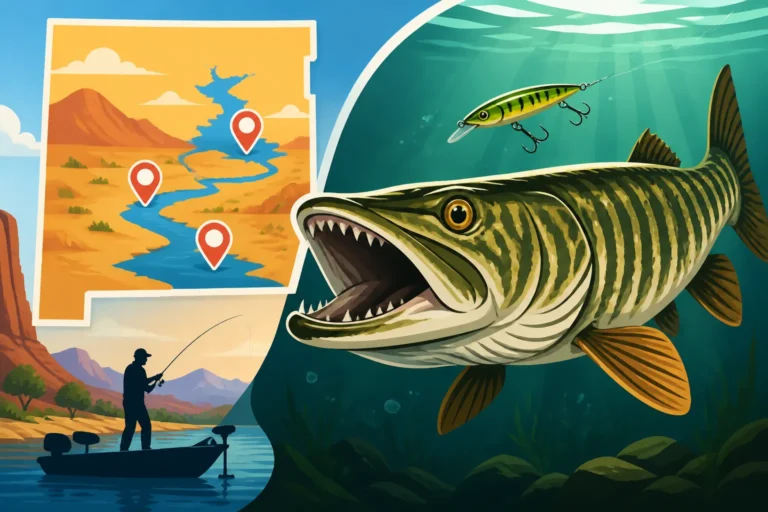
Walleye aren't found in every single body of water across New Mexico. They thrive in particular reservoir environments that offer the right blend of structure, depth, and forage. The major players in New Mexico for walleye fishing are Conchas Lake, Ute Lake, Clayton Lake, and to some extent, even parts of Elephant Butte Lake. What makes these waters so appealing to walleye? They typically provide ample forage, primarily shad and sometimes perch, which walleye aggressively pursue.
These lakes also boast the kind of underwater topography that walleye adore: rocky points, submerged humps, ledges, and deep river channels. Walleye are ambush predators, so they love to position themselves along these features, hidden from their prey until the opportune moment. For instance, you’ll often find them lurking on the dark, deep side of a breakline where they can dart out into shallower water to feed. Understanding these habitat preferences is the first step in knowing where to precisely drop your jig, focusing your efforts on these prime ambush points rather than just casting blindly.
Seasonal Movements and Feeding Habits
Walleye behavior is far from static; it shifts dramatically with changes in water temperature and the progression of the seasons. What works in spring won't necessarily yield results in summer, and knowing these patterns is key to successful jigging throughout the year.
- Spring: As ice melts and water temperatures begin to rise (usually in the low 40s to 50s Fahrenheit), walleye begin their pre-spawn migrations. They move from deeper main lake basins to shallower, rocky areas, often near stream inlets or main lake points, where they will eventually spawn. Jigging can be exceptionally productive during this period, targeting these staging areas. After the spawn, they disperse slightly but will still relate to structure as they recover and begin to feed actively again.
- Summer: When the scorching New Mexico summer heat sets in, walleye retreat to deeper, cooler, and more oxygenated waters. You'll often find them suspending over humps, gathering on deep points, or along steep ledges where they can find thermal refuge and access baitfish. Night feeding becomes more common as they move shallower under the cover of darkness. This means your jigging tactics might need to go vertical, directly over deep structure, or adjusted for after-dark excursions.
- Fall: As water temperatures cool down, walleye enter a major feeding frenzy, bulking up for the leaner winter months. They become much more aggressive and can often be found shallower again, moving with schools of baitfish. This is a prime time for active jigging, as they're willing to chase and strike.
- Winter: Walleye metabolism slows down in colder water, but they are still catchable. They typically hold deep, often suspended over main lake basins or near sharp drop-offs. If the lakes freeze, ice fishing with jigs is a popular and effective method.
Understanding these seasonal shifts dictates not only where you jig but also how you present your bait and at what depth. For a more comprehensive overview of year-round opportunities, you might want to check out the broader New Mexico Fishing Season Calendar.
Essential Jigging Gear for New Mexico Walleye
Having the right tools for the job is non-negotiable when targeting walleye with jigs. These fish often have a subtle bite, and without sensitive, appropriately matched gear, you'll miss more fish than you catch. From the rod in your hand to the electronics guiding your boat, every piece of equipment plays a crucial role.
Rods, Reels, and Line Selection
The sensitivity of your setup can make or break a walleye jigging trip. A light tap from a walleye might feel like nothing more than a faint tick, or even just added weight on your line, so your gear needs to transmit every subtle vibration.
- Rods: Look for a sensitive medium-light to medium power rod, typically 6'6" to 7'6" in length. Graphite rods are superior for jigging due to their excellent sensitivity, allowing you to feel the faintest bites and bottom changes. A fast or extra-fast action tip is critical; it gives you the responsiveness needed to detect those subtle bites and set the hook quickly before the walleye spits the jig. The right rod provides the backbone for a solid hookset while retaining enough tip flex to impart subtle action to your jig.
- Reels: For most jigging applications, a spinning reel in the 2000-3000 size range offers versatility and ease of use. If you're planning on heavier jigs or deep vertical presentations, a low-profile baitcasting reel can provide more direct line control and power. Regardless of type, ensure your reel has a smooth, consistent drag system. Walleye often make powerful runs, and a sticky drag can lead to break-offs.
- Line: This is where things get really important for jigging:
- Braided Line: A braided main line (8-15 lb test) is often the top choice for walleye jigging. It offers virtually no stretch, providing unparalleled sensitivity that allows you to feel everything happening at the end of your line, especially in deep water where stretch would dampen bites. However, braid is visible, so it's crucial to tie on a fluorocarbon leader (6-12 lb test, 3-6 feet long) for invisibility and abrasion resistance.
- Fluorocarbon: This line can be used as a main line (8-12 lb test) or, more commonly, as a leader. It has low stretch and is nearly invisible underwater, making it a good compromise if you prefer not to use braid as your main line.
- Monofilament: Due to its significant stretch, monofilament is generally not ideal as a primary jigging line for walleye as it drastically reduces sensitivity. It's better suited for other presentations or as backing on a reel.
Balancing your rod, reel, and line is paramount for optimal feel and control. You’ll be amazed at the difference a properly matched setup makes. Many excellent options for sensitive rods and reels can be found on Amazon, making it convenient to gear up for your next walleye adventure.
Jig Types and Colors That Work
The world of jigs for walleye is vast, but focusing on a few proven types and understanding color theory will significantly improve your chances. Matching the jig to the conditions and the walleye's mood is an art form.
- Jig Heads: The weight of your jig head (ranging from 1/8 oz in shallow water to 1 oz or more in deep water or heavy current) is dictated by depth, wind, and current. Beyond weight, head shape matters:
- Round Heads: Standard and versatile.
- Stand-Up Heads: Designed to keep your soft plastic or bait upright off the bottom, making it more visible and reducing snags.
- Football Heads: Excellent for maintaining bottom contact on rocky or gravel bottoms, providing good feel.
- Aspirin Heads: Can cut through current effectively.
- Soft Plastics: These are the most common dressings for jig heads:
- Grubs/Paddle Tails: Curly tail grubs and paddle tail swimbaits (like Sassy Shads or Berkley Gulp! Minnows) are incredibly versatile. The paddle tail creates vibration and a swimming action, while curly tails offer a more subtle, undulating movement.
- Minnow Imitations: Fluke-style baits or soft plastic stickbaits closely mimic baitfish, making them excellent choices in clearer water or when walleye are finicky.
- Tube Jigs: These hollow, cylindrical baits create a spiraling fall that can be very enticing, often mimicking crawfish or small baitfish.
- Blade Baits: While not a traditional "jig," blade baits (like Johnson ThinFisher or Heddon Sonar) are often jigged vertically. Their intense vibration and flash are excellent for triggering reaction strikes from active or cold-water fish.
- Colors: Walleye are color-sensitive, and finding the right hue can be a game-changer.
- Natural Colors: White, pearl, chartreuse, various shades of green, and browns are staples, mimicking common walleye forage like shad or perch.
- Bright/Reaction Colors: Orange, pink, and firetiger patterns can be exceptionally effective, especially in stained or murky water, or when you need to trigger an aggressive response.
- Glow-in-the-Dark: Absolutely crucial for deep water, night fishing, or heavily overcast days. A quick charge with a flashlight can make your jig irresistible.
Always start with colors that imitate the prevalent baitfish in the lake, but don't hesitate to experiment if bites are slow. Sometimes a completely unexpected color can unlock the bite.
Here's a quick overview of common jig types and their applications:
| Jig Type | Ideal Conditions | Walleye Behavior Targeted | Notes |
|---|---|---|---|
| Stand-Up Jig Head | Rocky/gravel bottoms, light current | Bottom feeding, searching | Keeps bait upright, less snagging, good for tipping with live bait |
| Football Jig Head | Gravel, broken rock, heavier current | Bottom feeding, good feel | Excellent bottom contact, less rolling, effective for slower drags |
| Paddle Tail Grub (on jig) | All conditions, varied retrieves | Active, suspended fish | Creates vibration, versatile for casting, vertical, or drifting |
| Minnow-Shaped Plastic (on jig) | Clearer water, finicky fish | Realistic presentation, subtle | Mimics natural prey, can be fished slowly or with darting action |
| Blade Bait | Active fish, colder water, schooling | Reaction strikes, high vibration | Excellent for finding active fish, effective vertically |
| Tube Jig | Rocky areas, mimicking crawfish/baitfish | Ambush predators, slower fall | Spiraling action, effective when fish are sluggish or on specific structure |
Sonar and Electronics for Locating Walleye
If there's one piece of equipment that truly levels up your walleye jigging game, it's quality electronics. Walleye are often suspended, related to subtle bottom features, or tightly schooled, making them incredibly difficult to find without a good fish finder.
- Fish Finders (Sonar): Modern fish finders are your underwater eyes.
- 2D Sonar: High-frequency 2D sonar provides excellent detail directly below your boat, showing individual fish and bottom contours. This is vital for vertical jigging, allowing you to see your jig and target fish.
- Side Imaging/Down Imaging: These technologies (often called StructureScan or Mega Imaging) are game-changers for scanning wider areas and identifying subtle structure like rock piles, brush piles, and schools of baitfish off to the sides or directly below the boat with photographic clarity. Brands like Humminbird and Garmin offer excellent units that combine these features.
- GPS/Mapping: Essential for navigation and marking key spots.
- Waypoints: Use GPS to mark exact locations where you find fish, submerged structure, or successful jigging spots. Walleye often return to the same areas.
- Lake Maps: Detailed mapping (e.g., LakeMaster or Navionics charts) allows you to visualize underwater contours, breaklines, and potential holding areas before you even get on the water.
- Electric Trolling Motor with GPS Spot-Lock: A must-have for precise boat control. Features like Minn Kota's i-Pilot or Motorguide's Pinpoint GPS allow you to "anchor" your boat electronically over a specific spot, even in wind or current. This frees you up to focus on jigging, holding you perfectly over that productive hump or school of suspended walleye.
Without good electronics, you're essentially fishing blind for walleye. The ability to locate fish, identify structure, and stay precisely on top of them is paramount. Investing in reliable units, readily available on Amazon or from specialized marine electronics retailers, is truly a game-changer for consistent walleye success.
Mastering Jigging Techniques for New Mexico Waters
Once you have your gear sorted and a good understanding of walleye behavior, it's time to put it all into action. Jigging isn't just about dropping a lure; it's about subtle movements, precise presentations, and a keen sense of feel. Different situations call for different jigging strategies.
Vertical Jigging Strategies
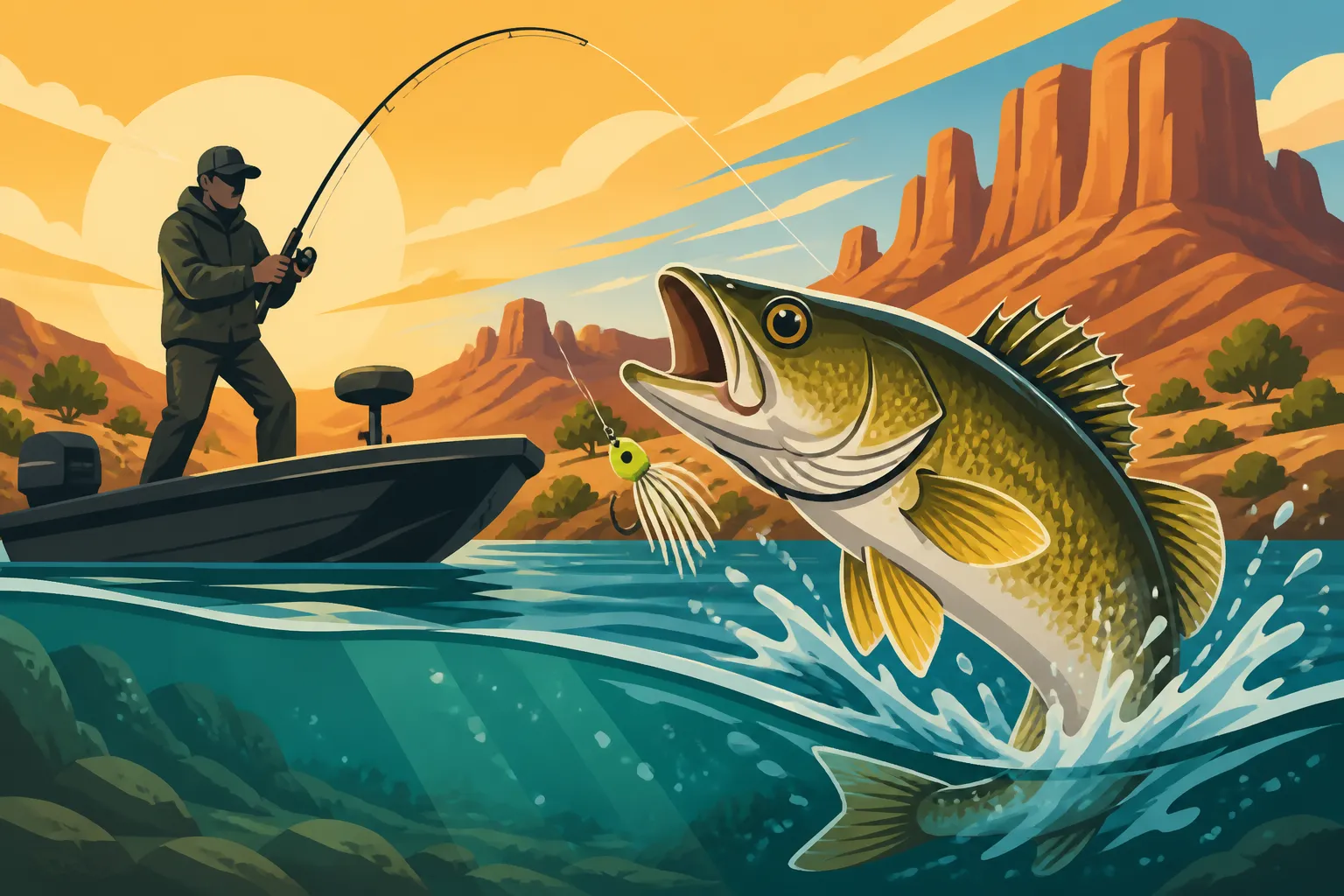
Vertical jigging is often the most precise and effective method when you've located walleye directly below your boat, whether they're holding tight to structure or suspended in the water column.
- When to Use: This technique shines when targeting specific fish you've marked on your sonar, holding over deep humps, submerged timber, along steep breaks, or when walleye are suspended in open water. It's also excellent for precise boat control in windy conditions or strong currents.
- The Technique:
- Positioning: Use your electric trolling motor and sonar to carefully position your boat directly over the fish or structure you want to target. The goal is to keep your jig as close to vertical as possible.
- Depth Control: Drop your jig straight down to the desired depth. This might be right on the bottom, or if you're marking suspended fish, a few feet above them. Watch your line counter or simply keep an eye on your sonar screen, where you should ideally be able to see your jig.
- Action: The action imparted to the jig is usually subtle. Start with small lifts and falls, typically just a few inches to a foot. Experiment with the cadence – a slow, methodical rise and fall might be effective one day, while sharp, aggressive snaps might trigger bites the next.
- The Fall: Many, many walleye bites occur as the jig falls. This is why a sensitive rod and braided line are so crucial. Pay extreme attention to any unnatural "tick," "thump," or even just a feeling of added weight or slackness in your line during the fall.
- Maintain Contact: Always try to maintain some degree of contact with your line. If you're letting the jig fall on a completely slack line, you'll miss the majority of bites.
- "Dead Sticking": Sometimes, particularly when walleye are finicky, the most effective "jigging" is no jigging at all. Drop your jig to the desired depth and hold it perfectly still, or with just the slightest tremor from your hand. The subtle scent and movement of a tipped jig can entice reluctant biters.
- "Snapping": This is a more aggressive form of vertical jigging. You make sharp, quick lifts of 1-3 feet, then immediately drop the rod tip, allowing the jig to fall back on a semi-slack line. The idea is to trigger a reaction strike.
The key to vertical jigging is precision and a heightened sense of feel. It's a method that truly rewards patience and attention to detail.
Casting and Drifting Jigs
While vertical jigging is precise, casting and drifting allow you to cover more water and search for active walleye, especially in shallower areas or when fish are more scattered.
- When to Use: These techniques are excellent for exploring broader areas like large flats, expansive breaklines, or long points. They're also useful when high winds make precise boat positioning for vertical jigging difficult, or when you want to avoid motoring directly over fish.
- Casting:
- Fan Casting: Position your boat slightly off a promising structure (e.g., a rocky point or weed line) and cast your jig in a fan-like pattern, covering a wide area.
- Retrieve: Allow the jig to sink to the desired depth, often to the bottom. Use a slow, rhythmic retrieve, incorporating short hops, lifts, or drags along the bottom. The goal is to imitate a bottom-feeding baitfish or crawfish.
- Bottom Contact: Maintain light bottom contact. Feel for changes in bottom composition – a transition from soft mud to hard rock often signals a good walleye holding area.
- Feel for Bites: Similar to vertical jigging, many bites occur on the fall or as you drag the jig. Watch your line for any twitch or stop, and set the hook immediately.
- Drifting:
- Wind/Current: Utilize the natural elements – wind or current – to slowly move your boat over a large area that you believe holds walleye. A drift sock (sea anchor) can be deployed from the bow or stern to control and slow your boat's drift speed, ensuring your jigs stay near the bottom.
- Presentations: Cast your jigs out from the boat, letting them drag or hop along the bottom as the boat drifts. The constant movement helps you cover ground and increases your chances of encountering active fish.
- Covering Water: This method is highly effective for searching large flats or expansive structures, particularly on big lakes like Conchas Lake. It's a great way to locate schools of walleye that might be scattered.
These methods are less about pinpoint precision and more about methodical searching. They complement vertical jigging beautifully, allowing you to first find the fish, and then, if desired, zero in on them.
Tipping Jigs for Added Attraction
Walleye are notoriously finicky eaters, and sometimes, the best soft plastic or blade bait isn't enough. That's where tipping your jigs comes in – adding natural scent, flavor, and subtle movement that can often convert a looker into a biter.
- Live Bait Options: Nothing beats fresh, live bait for scent and natural action, and it’s a classic choice for tipping walleye jigs.
- Minnows: Shiner minnows or fathead minnows are perennial favorites. Hook them through the lips or lightly behind the dorsal fin to keep them lively. Their natural scent trail and subtle quivering are often irresistible to walleye.
- Nightcrawlers: A small piece of a nightcrawler threaded onto the hook provides a tantalizing scent and a wiggling tail.
- Leeches: Durable and active, leeches are particularly effective in warmer water. Hook them once through the sucker end.
- Artificial Scents/Attractants: If live bait isn't available, or if regulations prohibit it, modern artificial attractants can provide a powerful edge. Gels, sprays, or pastes (from reputable brands like Pro-Cure or Berkley PowerBait) can be applied directly to your soft plastics or jig heads. These often contain powerful fish-attracting pheromones or scents.
- Soft Plastic Additions: Some anglers use small pieces of highly scented soft plastics, like Berkley Gulp! or PowerBait, as a form of "tipping." These provide an added scent trail and subtle action without the need for live bait.
The added scent, flavor, and natural texture from tipping a jig often provide that extra enticement needed to turn curious walleye into committed biters. When considering the Best Jig Color for New Mexico Walleye, remember that even the perfect color can be made more effective with a well-chosen tip.
Top New Mexico Walleye Waters for Jigging
New Mexico might be known for its high desert and mountains, but it also boasts some exceptional walleye fisheries. While walleye are present in several lakes, a few stand out as prime destinations for anglers looking to put a bend in their jigging rod.
Conchas Lake Walleye Fishing
Located in eastern New Mexico near Tucumcari, Conchas Lake is widely regarded as New Mexico's premier walleye destination. If you're serious about walleye, this is a place you simply have to experience.
- Why it's Great for Jigging: Conchas Lake offers a superb mix of walleye habitat. It features an abundance of rocky points, submerged humps, ledges, and extensive underwater timber. The lake also supports a robust population of shad, which provides the primary forage for its thriving walleye population, leading to aggressive feeding behavior.
- Key Jigging Areas:
- Main Lake Points & Humps: Walleye frequently stack up on these prominent features, particularly during the summer and fall. Look for sharp drops, access to deep water, and any submerged brush or rock piles on your sonar.
- River Channels: Both the Conchas River and Canadian River arms of the lake have well-defined river channels. Walleye often relate to the edges of these channels, especially where they intersect with structure or shallower feeding flats.
- Rock Walls & Bluffs: Jigging along these vertical structures can be highly productive, especially during the cooler spring and fall months when walleye are cruising closer to the banks.
- Trophy Potential: Conchas Lake has a reputation for yielding trophy-sized walleye, making it a favorite for anglers chasing a personal best or even the state record. Its diverse structure and rich forage base allow walleye to grow to impressive sizes. For more specific tactics to target these lunkers, you might want to delve into How to Locate Walleye at Conchas Lake.
Ute Lake Walleye Action
Also located in eastern New Mexico, near the town of Logan, Ute Lake stands as another fantastic walleye fishery. While sometimes overshadowed by Conchas, Ute Lake consistently produces good numbers of keeper-sized fish and offers excellent jigging opportunities.
- Jigging Potential: Ute Lake features a compelling mix of rocky structure, numerous main lake points, and expansive submerged flats. The lake's water clarity can vary, but it's often a bit clearer than Conchas, which might necessitate slightly more subtle presentations and longer fluorocarbon leaders on your jigs.
- Prime Spots:
- Mid-Lake Humps & Reefs: Walleye love to congregate on these deeper, isolated structures. Use your electronics to find them and mark them as waypoints.
- Dam Face & Rocky Shorelines: These areas can hold good numbers of fish, particularly during the cooler seasons. Jigging perpendicular to the dam or along steep rocky shorelines can be effective.
- Points and Drop-offs: Focus on areas where deep water quickly transitions to shallower feeding grounds. Walleye will often stage on the deeper side of these breaks, waiting to ambush baitfish.
- Consistent Production: Ute Lake is known for its consistent walleye population, providing steady action for anglers employing jigging techniques. Success often comes from meticulously working the lake's abundant underwater structure and adapting to the current conditions.
Other Productive Walleye Lakes
While Conchas and Ute are undoubtedly the stars of the show, New Mexico offers other waters where determined anglers can find walleye action through jigging.
- Clayton Lake: Situated in northeastern New Mexico, Clayton Lake is a smaller, more intimate impoundment, but it holds a solid walleye population. Jigging near the dam, along rocky points, and around any submerged structure can be effective. This lake is often overlooked, offering a quieter experience with good potential for Walleye at Clayton Lake.
- Elephant Butte Lake: Predominantly famous for its striped bass, Elephant Butte Lake, New Mexico's largest body of water, also harbors a significant walleye population. They are typically found in the deeper sections of the lake, relating to the main river channel, extensive submerged brush, and rocky points. Targeting walleye here often involves exploring deeper water, especially in the lake's northern sections, which offer more traditional walleye habitat.
Each of these lakes presents unique characteristics and challenges, making New Mexico a diverse and rewarding state for walleye jigging. To ensure you're compliant with local rules and harvest guidelines across these varied fisheries, make sure to review the official New Mexico Statewide Bag Limit for Walleye regulations.
Adapting Jigging to Conditions and Challenges
Even with the best gear and knowledge of prime locations, walleye can still throw you curveballs. Weather conditions, water clarity, and even the walleye's mood can all dictate how successful your jigging efforts will be. Knowing how to adapt your technique to these variables is a hallmark of an experienced walleye angler.
Wind, Current, and Water Clarity Adjustments
The environment itself can significantly impact how walleye behave and how effectively you can present your jig. Smart anglers learn to work with, and sometimes against, these natural forces.
- Wind:
- The Benefit: Wind can be your friend when walleye fishing. It creates subtle currents, pushes baitfish into concentrated areas, and positions walleye on wind-blown points or shorelines where they actively feed. It also breaks up the surface, providing cover for the fish and making them less wary. Use the wind to your advantage for controlled drifts while jigging, deploying a drift sock to fine-tune your speed.
- The Challenge: Strong winds make boat control incredibly difficult. Staying on a specific waypoint or maintaining a vertical presentation becomes a constant battle. In these conditions, you'll need to use heavier jigs to maintain bottom contact and feel for bites. You might also need to shift to casting and drifting techniques rather than trying to hold perfectly still.
- Current:
- The Benefit: Current, whether natural river flow or dam releases, concentrates both baitfish and walleye, making them more predictable. Walleye often face into the current, waiting for food to be swept to them, presenting a perfect ambush opportunity.
- The Challenge: Strong currents require heavier jigs to get down to the fish and maintain bottom contact. Precise boat control is essential to stay vertical or keep your jig in the strike zone. Often, jigging upstream or cross-current can be effective, allowing your jig to tumble naturally with the flow.
- Water Clarity:
- Clear Water: In clear waters, walleye become more wary and rely heavily on sight. This calls for more natural jig colors (white, pearl, greens), lighter fluorocarbon leaders, and often smaller, more subtle jig presentations. Downsizing your line and jig can make a huge difference.
- Stained/Murky Water: When the water is dirty or stained, walleye rely more on their lateral line to detect vibrations and their sense of smell. This is when brighter colors (chartreuse, orange, firetiger), jigs with rattles or vibrations (like blade baits or jigs with scent chambers), and heavy scent applications become paramount. More aggressive jigging might be needed to attract attention in reduced visibility.
Always be ready to adjust your jig weight, color, and presentation technique to these dynamic environmental factors. Flexibility is a virtue when jigging for walleye.
Dealing with Finicky Biters
Some days, walleye seem to ignore everything you throw at them, leaving you wondering if they're even in the lake. When the bite gets tough, it’s time to slow down, rethink, and experiment.
- Slow Down, Slow Down, Slow Down: This is often the first and most critical adjustment. Walleye can be incredibly lethargic, especially in colder water or after a cold front. Reduce your jigging action to incredibly subtle lifts and drops, just inches off the bottom. Try "dead sticking" – holding the jig perfectly still for extended periods, allowing the bait's scent and natural movement to do the work.
- Downsize and Lighten Up: If larger jigs aren't getting bit, switch to smaller jigs (1/8 oz, 1/16 oz), lighter line, and smaller, more natural bait profiles. A tiny jig tipped with a small minnow might be the only thing they'll touch when they're being incredibly selective.
- Change Colors (Again): Don't be afraid to cycle through your tackle box. If natural colors aren't working, try a bright "reaction" color, or vice versa. Experiment with glow jigs, particularly in low-light conditions or deeper water where they can stand out more.
- Add Scent (Always a Good Idea): When fish are finicky, scent can be the ultimate convincer. Live bait (minnows, leeches, nightcrawlers) provides natural scent, but artificial gel or spray attractants applied to soft plastics can also trigger strikes. Walleye often "taste" a bait before fully committing, and scent can extend their hold time, giving you precious extra seconds to set the hook.
- Check Different Depths and Structures: Walleye can suspend or change depths quickly. If your usual spots aren't producing, use your sonar to scan for fish in different parts of the water column or on alternative structures (e.g., move from a main lake point to a submerged hump, or check a deep flat). Sometimes they'll be just a few feet shallower or deeper than expected.
- Patience and Persistence: Tough bites require more than just technique; they demand patience and persistence. Don't get discouraged. Keep trying different approaches, even if they seem counterintuitive. The walleye code is rarely easy to crack, but the reward is worth the effort.
Catch and Release Best Practices for Walleye
New Mexico's walleye fisheries are a precious resource, and practicing responsible catch and release helps ensure their sustainability for future generations of anglers. It's about respecting the fish and the environment.
- Minimize Fight Time: Use appropriate tackle, such as a medium action rod (for example, the perfect setup for Best Rod Action for Walleye Jigging), to land fish as quickly as possible. Prolonged fights exhaust fish, reducing their chances of survival after release.
- Handle with Care:
- Wet Hands: Always, always wet your hands thoroughly before touching a walleye. Dry hands can remove the fish's protective slime coat, leaving it vulnerable to disease and infection.
- Support the Fish: When handling a walleye, support its body horizontally, especially for larger fish. Avoid hanging them vertically by the lip, which can damage their jaws and internal organs. If you must lift them with a lip gripper, ensure their body is fully supported underneath.
- Barbless Hooks: Consider crimping down the barbs on your jigs or using barbless hooks. This makes hook removal quicker and less damaging to the fish's mouth.
- Quick Release: Have your tools ready (pliers or hook removers). Remove the hook quickly and gently. If a fish is deeply hooked and removing the hook would cause excessive damage, it's often better to cut the line as close to the hook as possible, as the hook will eventually rust out.
- Revive if Necessary: If the walleye appears stressed, lethargic, or swims upside down after release, take the time to revive it. Hold the fish gently upright in the water, facing into a gentle current (or slowly move it back and forth if there's no current) until it regains its strength and can swim away strongly on its own.
- Photograph Responsibly: If you plan to take a photo, do so quickly, keeping the fish out of the water for the shortest time possible. Get your camera ready beforehand.
Adhering to these practices not only helps conserve the walleye population but also contributes to a healthier fishery overall. For general state-wide rules that promote sustainable fishing, be sure to review the New Mexico Fishing Regulations Overview.
Disclaimer
Fishing regulations and conditions in New Mexico can change frequently. Always consult the latest New Mexico Department of Game and Fish (NMDGF) regulations and local advisories before heading out on your fishing trip. This guide is for informational purposes only and does not constitute official legal advice.