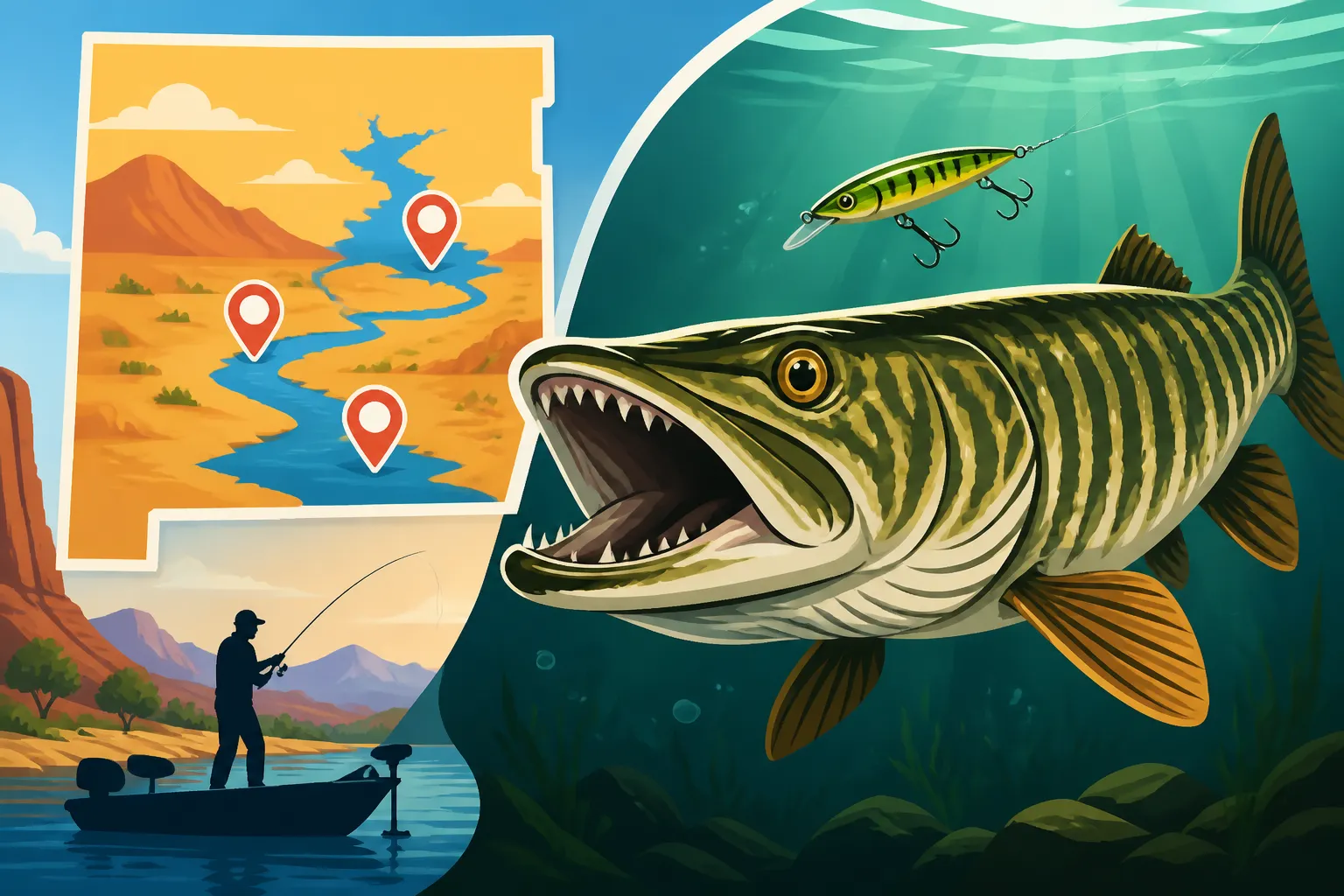
Where and How to Target Tiger Muskie
There's nothing quite like the thrill of chasing a truly challenging fish, and for many anglers, the elusive tiger muskie in New Mexico represents the pinnacle of that pursuit. It can be incredibly frustrating to spend hours on the water, throwing big baits, only to come up empty-handed against such a notoriously finicky predator. This comprehensive guide is here to equip you with the knowledge, strategies, and gear you'll need to increase your odds of finally hooking into one of these magnificent, hard-fighting hybrids.
Understanding the Elusive Tiger Muskie in New Mexico
Tiger muskie fishing isn't for the faint of heart, or for those who lack patience. These fish are often called "the fish of 10,000 casts," and while that might be a bit of an exaggeration, it certainly highlights the dedication required. But what exactly makes them such a unique and challenging quarry in the Land of Enchantment?
What Makes Tiger Muskie Unique?
Tiger muskie (or muskellunge, Esox masquinongy) are fascinating creatures, primarily because they aren't a naturally occurring species. They're a sterile hybrid, a cross between a true muskellunge and a northern pike (Esox lucius). This unique parentage gives them a distinctive appearance, usually with tiger-like stripes or blotches on their flanks, and a reputation for aggressive strikes and incredible fighting power. Unlike some other fish, they don't reproduce in the waters where they are stocked, meaning their populations are entirely managed by state wildlife agencies.
Their hybrid vigor means they grow fast and can reach impressive sizes, often exceeding 40 inches in New Mexico. They are apex predators, meaning they sit at the top of the food chain in their environment, feasting on smaller fish and anything else they can get their formidable jaws around. This predatory nature, combined with their sharp senses and often solitary habits, makes them a true trophy fish for those willing to put in the effort.
Why New Mexico Stocks Tiger Muskie
You might wonder why New Mexico would introduce a sterile hybrid fish. The decision to stock tiger muskie, particularly in lakes like Bluewater, stems from a strategic approach to fisheries management. One primary reason is their role in controlling populations of undesirable or overpopulated species. As voracious predators, they can help thin out excessive numbers of common carp or other rough fish, thus improving the overall health of the ecosystem for more desirable game fish.
Beyond population control, tiger muskie offer an incredible recreational fishing opportunity. They provide a unique challenge for anglers seeking a large, hard-fighting species, creating a specialized fishery that attracts dedicated enthusiasts. This helps diversify fishing opportunities beyond the popular trout and bass fisheries. Plus, because they are sterile, there's no risk of them overpopulating or establishing themselves as an invasive species through natural reproduction. Why New Mexico Stocked Tiger Muskies in Its Lakes provides more insight into this management decision.
Prime New Mexico Waters for Tiger Muskie
When it comes to targeting tiger muskie in New Mexico, location is absolutely key. These fish require specific habitat and forage, and not all New Mexico waters are suitable for them. Knowing where to focus your efforts dramatically increases your chances of success.
Bluewater Lake: The Premier Destination
If there's one name synonymous with tiger muskie fishing in New Mexico, it's Bluewater Lake. Located west of Grants, this lake has been the consistent hotspot for these toothy predators for many years. It's often where you'll hear tales of anglers landing impressive, even record-breaking, tiger muskie. The lake offers the perfect combination of deep, cool water, abundant forage fish, and plenty of submerged structure where muskie love to ambush prey.
When fishing Bluewater Lake, focus your attention on areas with significant structure. This includes submerged timber, rock piles, sudden drop-offs, and weed lines (especially during warmer months). These areas provide cover for muskie to hide and wait for unsuspecting baitfish. Early mornings and late evenings, or even cloudy days, are often the most productive times, as muskie tend to be more active during low-light conditions. Exploring different depths along these structures can also reveal where the fish are holding based on water temperature and oxygen levels. Bluewater Lake Trout Stocking Schedule might focus on trout, but understanding stocking patterns can sometimes give clues about the overall health of the lake's forage base.
Other Potential Waters and What to Look For
While Bluewater Lake is the undisputed king for tiger muskie, New Mexico has explored stocking them in other waters over the years, or certain conditions might allow for transient populations. However, information on other active muskie fisheries can be less consistent. Regardless of the specific lake, understanding what constitutes good muskie habitat is crucial.
Look for lakes that are relatively large, with diverse depths and ample cover. Clearer water often helps with sight-fishing for these ambush predators, but they can adapt to murkier conditions if forage is plentiful. Large baitfish populations, such as suckers, trout, or even larger sunfish and perch, are essential to sustain trophy-sized muskie. Always check the latest fishing regulations for any water you plan to fish, as stocking programs and species presence can change. Lakes with a healthy population of larger forage fish are always a good bet for finding these top-tier predators.
Essential Gear and Tackle for Tiger Muskie Fishing
Chasing tiger muskie isn't like panfishing; you need specialized, heavy-duty gear designed to handle powerful strikes and sustained battles. Skimping on tackle will almost certainly lead to heartbreak. Investing in the right equipment is non-negotiable for success and safety.
Heavy-Duty Rods and Reels
Your rod and reel combination is your primary tool in the fight. For tiger muskie, you'll want a heavy or extra-heavy power baitcasting rod, typically between 7'6" and 9' in length. The longer rod provides better casting distance with large lures and more leverage during a fight. A fast action tip is usually preferred, allowing for powerful hooksets and sensitivity, while the strong backbone handles the immense power of a muskie. Best Rod Power for Tiger Muskie Fishing offers more detail on this specific choice.
Pair your rod with a robust baitcasting reel designed for large lures and heavy line. Look for models with a strong drag system and a high line capacity. A low gear ratio can provide more torque for reeling in large, resistant lures and fighting powerful fish, though a higher gear ratio can be useful for quickly burning lures or picking up slack. Spool your reel with braided line, as its lack of stretch offers superior sensitivity and hook-setting power. A line test of 65 to 100 pounds is not uncommon, especially when fishing around heavy cover.
Lures and Baits That Entice
Tiger muskie are opportunistic feeders, but they prefer a substantial meal. Your lure selection should reflect this. We're talking big baits here, often 6 inches and up, sometimes much larger. The key is to mimic the large baitfish they naturally prey upon. You can find an excellent variety of muskie lures and related tackle on Amazon.
- Jerkbaits: These lures are designed to be retrieved with a jerking motion, creating an erratic, wounded-fish action that can trigger aggressive strikes. Both hard plastic and soft plastic jerkbaits are effective.
- Bucktails and Spinnerbaits: These are perennial muskie favorites, creating a lot of flash and vibration in the water. Larger blades and heavier skirts are key. Different blade configurations (Colorado, Indiana, Willowleaf) offer varied retrieves and vibrations.
- Large Crankbaits and Swimbaits: These are excellent for covering water and targeting fish at various depths. Deep-diving crankbaits can be trolled or cast to reach suspended fish. Realistic swimbaits, either hard or soft, can perfectly imitate the local forage.
- Topwater Lures: During warmer months, especially at dawn or dusk, large topwater lures like walk-the-dogs, prop baits, or even large poppers can elicit explosive and unforgettable strikes.
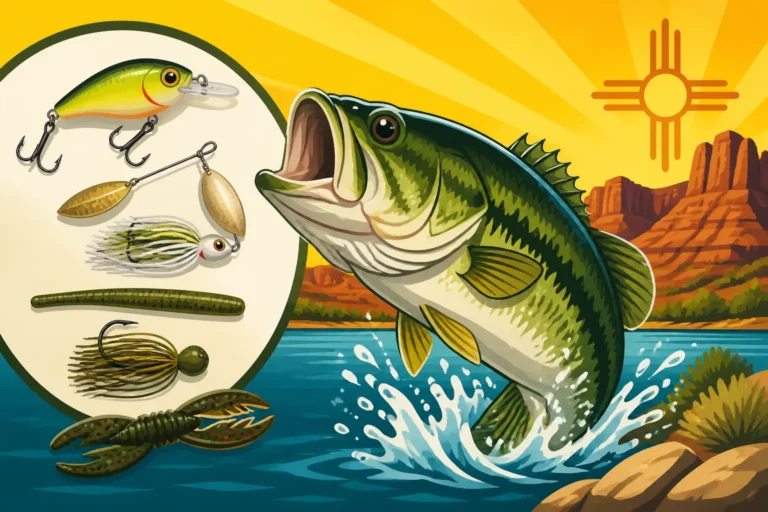
Experiment with colors. Natural baitfish patterns are often a good starting point, but don't shy away from brighter, more aggressive colors on cloudy days or in stained water. The key is often finding what they're willing to hit that day. Best Lures for New Mexico Bass might give you some ideas for larger bass lures that can cross over for smaller muskie.
Specialty Gear You Can't Forget
Beyond the basics, several pieces of specialty gear are absolutely vital for safe and successful tiger muskie fishing:
- Steel or Fluorocarbon Leader: Muskie have razor-sharp teeth capable of easily cutting through monofilament or fluorocarbon main line. A heavy-duty steel or thick fluorocarbon leader (100-200 lb test) is non-negotiable. This is perhaps the most crucial piece of specialized gear. Best Leader Wire for Tiger Muskie Fishing delves deeper into leader choices.
- Long-Nose Pliers or Jaw Spreaders: To safely unhook a muskie, you need long tools to keep your hands away from those teeth. Pliers for removing hooks and jaw spreaders to keep the mouth open are essential.
- Large Landing Net: A net specifically designed for muskie or pike, with a deep, rubberized, knotless mesh, is crucial. This not only protects the fish (especially important for catch and release) but also makes landing a thrashing muskie much safer for you. Best Landing Nets for New Mexico Catch and Release Fishing emphasizes the importance of a good net.
- Heavy-Duty Bolt Cutters: In the rare event a fish is deeply hooked and cannot be safely unhooked, having bolt cutters to quickly snip the hook is a humane option.
- Fish Grips/Boga Grips: These tools allow you to safely secure the fish by the lower jaw for photos and measurements without harming it or getting bitten.
Safety should always be paramount. Those teeth are no joke, and a muskie thrashing can lead to serious injury if you're not prepared.
Effective Techniques for Targeting Tiger Muskie
Catching a tiger muskie isn't just about having the right gear; it's also about employing the right techniques and having the mental fortitude to stick with it. These fish are known for their follows and their reluctance to commit, so patience and persistence are key.
Casting and Retrieving Strategies
Most tiger muskie fishing involves casting large lures and retrieving them to entice a strike. The speed and action of your retrieve can be critical. Sometimes, a fast, erratic retrieve triggers a chase, mimicking a fleeing baitfish. Other times, a slow, methodical presentation is what they want, suggesting an easy meal. Vary your retrieve speed and incorporate pauses, jerks, and twitches to make your lure look as natural and enticing as possible.
Pay close attention to structure. Cast your lures near submerged timber, along weed lines, over rock piles, and into eddies. Fan-casting to cover a wide area and then honing in on productive spots is a good strategy. Remember that muskie are ambush predators, so think about where a fish would hide to surprise its prey. Often, the strike comes just as the lure is clearing a piece of cover. Don't be afraid to cast the same spot multiple times, approaching from different angles.
Trolling for Deep-Water Tigers
While casting is popular, trolling can be incredibly effective, especially on larger lakes like Bluewater, or when fish are holding deeper or scattered across a wide area. Trolling allows you to cover vast amounts of water and present lures at precise depths for extended periods. This method is particularly useful when you're trying to locate schools of baitfish, which muskie will often follow.
When trolling, use large, deep-diving crankbaits or swimbaits. Pay close attention to your depth finder to identify structure, drop-offs, and baitfish schools. Vary your speed, making subtle turns or weaving patterns with your boat, as these changes in speed and direction can often trigger a follow or a strike. Some anglers use planer boards to spread out their lines and cover even more water, especially helpful in clearer waters where fish might shy away from the boat. Trolling Techniques for New Mexico Lakes can offer broader insights into this method.
The Art of the Follow-Up
This is perhaps the most unique aspect of muskie fishing: the "figure-eight." It's incredibly common for a tiger muskie to follow your lure right up to the boat without striking. This is where the figure-eight comes into play. As your lure nears the boat, instead of simply reeling it in, smoothly guide your rod tip into a large, figure-eight pattern alongside the boat, keeping the lure in the water and moving.
This sudden change in direction and speed can often be the final trigger for a muskie that was just observing the lure. It mimics a wounded or confused baitfish making a last-ditch effort to escape. Many muskie are caught right at the boat this way, providing an adrenaline-pumping, up-close strike. Be prepared to set the hook hard if a fish commits during this maneuver. Persistence and the willingness to execute this every single cast are vital to success.
Best Times and Conditions for Tiger Muskie Success
Just like any other fish, tiger muskie have preferred times and conditions when they are most active and likely to feed. Understanding these factors can significantly boost your success rate.
Seasonal Considerations
- Spring: As water temperatures rise after ice-out, muskie become more active. They'll often be found cruising shallower waters, looking to feed after a slower winter. This can be an excellent time for casting larger jerkbaits and bucktails in bays and along warming shorelines.
- Summer: During the heat of summer, muskie may retreat to deeper, cooler waters, often suspending over structure or near thermoclines. Early morning and late evening become prime times for casting, while trolling can be highly effective during the day to target those deeper, suspended fish. Night fishing can also be productive. Summer Fishing in New Mexico details general summer fishing strategies that can be adapted.
- Fall: This is arguably the most anticipated season for muskie anglers. As water temperatures begin to drop, muskie enter a "feeding frenzy" to bulk up for winter. They become incredibly aggressive, and big lures are often the most effective. This is when many trophy-sized fish are caught. They might be found shallower again, moving to follow baitfish preparing for winter. Fall Fishing in New Mexico provides a broader context for this productive season.
Daily Factors: Weather and Water
Muskie are sensitive to environmental changes. Here are some daily factors to consider:
- Cloud Cover: Overcast or cloudy days can often be better than bright, sunny days. Low light conditions can make muskie feel more comfortable moving into shallower water to feed.
- Barometric Pressure: A stable or slowly falling barometric pressure often precedes active feeding. A rapidly dropping barometer associated with a major storm front can sometimes trigger a pre-front bite, but post-front conditions, with high pressure and clear skies, often make fishing tough.
- Water Temperature: Optimal water temperatures vary by season, but muskie are cold-blooded and their metabolism is directly tied to water temperature. Understanding the thermal preferences of their prey can also give clues as to where the muskie will be.
- Wind: A moderate chop on the water can actually be beneficial. It breaks up the surface, making it harder for muskie to spot you, and can also create current that positions baitfish. Too much wind, however, can make boat control and casting difficult.
Ultimately, dedication and time on the water are the greatest determinants of success. Even on "off" days, a muskie can be caught, so keep casting, keep working that figure-eight, and stay persistent!
Tiger Muskie Gear and Technique Overview
| Gear Type / Technique | Best Use Case | Key Considerations | Example Lure/Setup |
|---|---|---|---|
| Heavy Rod | Casting large lures, strong hooksets | 7'6" – 9', Heavy/Extra-Heavy power, Fast action | St. Croix Legend Tournament Musky Rod |
| Baitcasting Reel | High line capacity, powerful drag | 65-100 lb braid, large arbor, strong gears | Shimano Tranx, Daiwa Lexa |
| Steel/Fluoro Leader | Preventing bite-offs, lure action | 100-200 lb test, 12-18 inches long | AFW Surflon Micro Supreme, Seaguar Fluoro |
| Bucktails/Spinners | Covering water, flash & vibration | Larger blades (8-10), heavy skirt, varied retrieve | Musky Mayhem Tackle Cowgirl |
| Jerkbaits | Erratic action, triggering strikes | Hard or soft plastic, suspend/float/sink, twitch | Livetarget Rainbow Smelt Jerkbait |
| Swimbaits | Realistic imitation, deep presentations | Hard or soft body, slow roll or jig, varied sizes | Megabass Magdraft, Savage Gear Line Thru |
| Trolling | Covering open water, finding suspended fish | Large crankbaits, accurate depth control, varied speed | Rapala Super Shad Rap, Cisco Kid |
| Figure-Eight | Triggering follows at the boat | Smooth, wide motion, keep lure in water, be ready | Any lure after retrieve |
Disclaimer
This article is for general informational purposes only and does not constitute professional advice. Laws, prices and regulations vary by location and change over time. Consult a qualified professional for guidance on your specific situation.