How to Fish a Jig-and-Minnow Combo for Crappie
Crappie fishing in New Mexico can be incredibly rewarding, but sometimes it feels like they’ve simply vanished, leaving you wondering if your bait isn't quite hitting the mark. We’ve all been there, staring at an empty minnow bucket and an idle bobber. This comprehensive guide will walk you through everything you need to know about successfully fishing a jig-and-minnow combo, a classic technique that consistently coaxes even the most finicky crappie out of hiding, turning those slow days into memorable ones.
Why the Jig-and-Minnow Combo Reigns Supreme for New Mexico Crappie
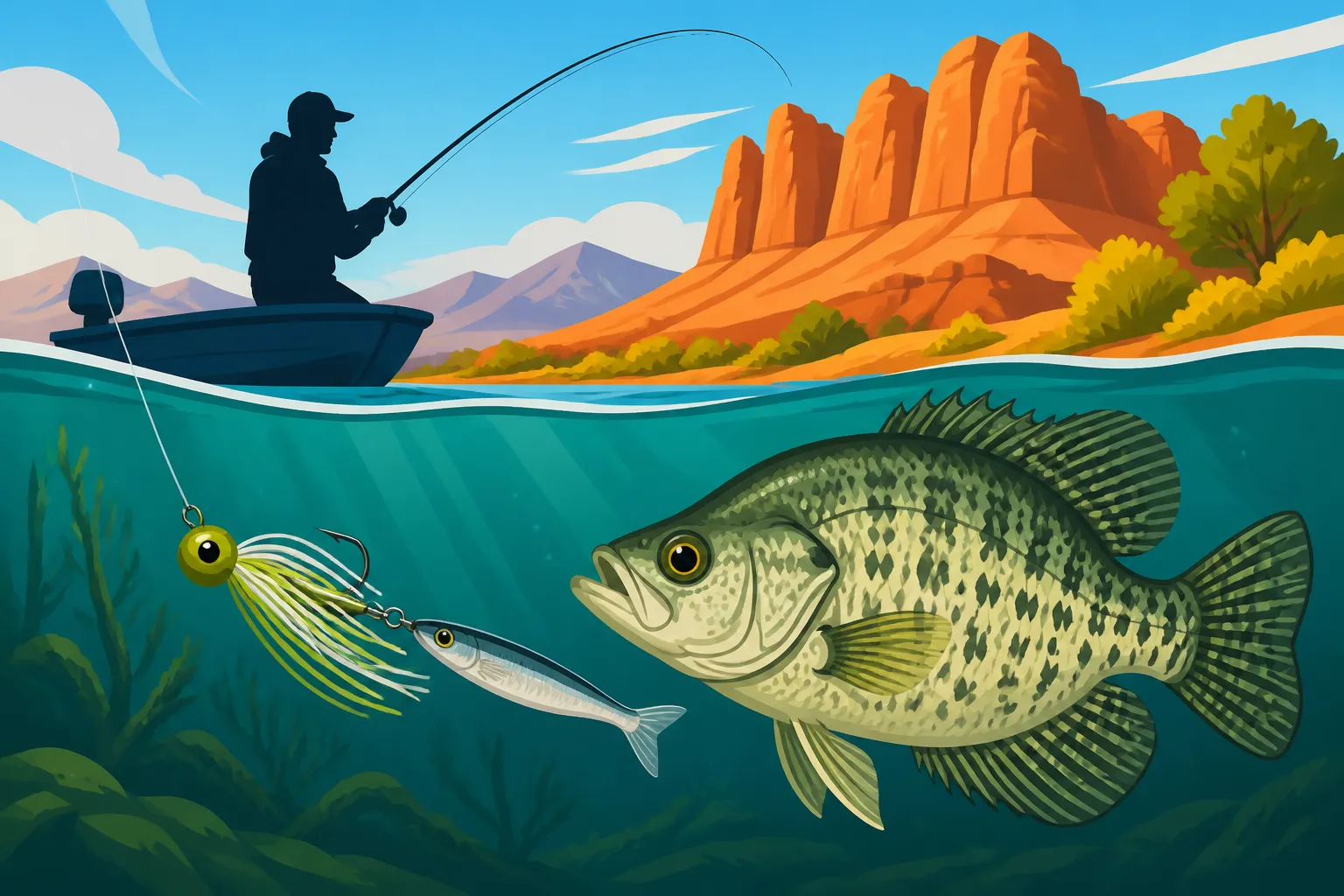
When it comes to tempting crappie, especially the bigger slab-sided beauties that lurk in New Mexico's reservoirs, few presentations are as effective and versatile as the humble jig-and-minnow combo. It combines the natural appeal of live bait with the added flash and control of an artificial lure, creating a one-two punch that crappie simply can't resist. It's a method that works wonders whether you're a seasoned angler or just starting out, and it's a staple in many a New Mexico angler's arsenal.
The Irresistible Allure of Live Minnows
Imagine you're a crappie, hanging out in a brush pile, just waiting for an easy meal to swim by. What's more enticing than a small, struggling baitfish? Live minnows are pure gold for crappie fishing because they tick all the boxes: sight, smell, and natural movement. They don't just sit there; they swim erratically, occasionally darting or twitching, mimicking what a crappie would naturally hunt. This natural, unpredictable action is something no artificial lure can perfectly replicate.
The subtle vibrations and scent trails that a live minnow emits also play a huge role. Crappie, especially in murky waters or low light conditions, rely heavily on their lateral lines and sense of smell to locate prey. A lively minnow, even when mostly stationary, is constantly sending out signals that scream "food!" It's this innate, primal appeal that makes live minnows an unparalleled choice when crappie are being particularly finicky or pressured.
How Jigs Enhance the Presentation
While minnows are fantastic on their own, pairing them with a jig head elevates their effectiveness dramatically. The jig head serves multiple purposes, transforming a simple minnow into a more controlled and attractive presentation. First, it provides weight, allowing you to cast farther, sink faster, and maintain a specific depth in the water column, which is absolutely critical when crappie are suspended at a certain level. Without that weight, your minnow might just float aimlessly or struggle against currents.
Second, the jig head adds visual appeal. Many jig heads come in a variety of vibrant colors – chartreuse, pink, white, black, or even metallic finishes – that can provide an extra flash or contrast, drawing attention to your minnow. This is especially useful in stained water or on overcast days when crappie might need a little extra help spotting their meal. The jig also allows for subtle jigging motions, giving the minnow a dying-fish flutter or dance that can trigger a strike even from a hesitant crappie.
Essential Gear for Your Jig-and-Minnow Setup
Having the right equipment makes all the difference when you're targeting crappie. You don't need a boatload of expensive, specialized gear, but a few key items will significantly boost your success and make your fishing experience much more enjoyable. Think light, sensitive, and precise. Many of these items can be found readily on Amazon or at your local tackle shop.
Rods, Reels, and Line Choices
For crappie fishing with a jig-and-minnow, the name of the game is sensitivity. You'll want a light to ultralight action spinning rod, typically in the 5 to 7-foot range. This type of rod allows you to feel those incredibly subtle crappie bites, which can sometimes feel like nothing more than a slight tap or the line going slack. A fast action tip is also beneficial, as it provides that delicate sensitivity while still offering enough backbone to set the hook and fight a decent crappie.
Pair your light rod with a small spinning reel (e.g., a 1000 or 2000 series). This keeps the setup balanced and lightweight, reducing fatigue during a long day of fishing. As for line, 4 to 6-pound test monofilament or fluorocarbon is generally ideal. Monofilament offers good knot strength and some stretch, while fluorocarbon provides incredible sensitivity, lower visibility in the water, and excellent abrasion resistance against submerged structures. The choice often comes down to personal preference and the water clarity you're fishing. For more general advice on setting up your tackle, check out Best Tackle Box Setup for New Mexico Anglers.
Selecting the Right Jig Heads and Minnow Buckets
The jig head is a crucial component of this combo. For crappie, you'll primarily be using jig heads ranging from 1/32 ounce to 1/8 ounce. The lighter weights are fantastic for subtle presentations in shallow water or when crappie are extremely finicky, while the heavier weights help you get down quickly in deeper water or when there's a bit more current. Experiment with colors: chartreuse, white, pink, and black are perennial favorites. The hook size on the jig head should match your minnow size; a small minnow on a hook that's too large will look unnatural.
Equally important is a good minnow bucket. Keeping your minnows alive and lively is paramount to their effectiveness. Look for insulated buckets with an aerator, especially on warmer days. A healthy, active minnow is far more appealing to a crappie than a sluggish or dead one. You can find a wide variety of durable and efficient minnow buckets, some with built-in aerators, easily on Amazon. Remember, happy minnows mean happy anglers!
Essential Accessories for a Successful Day
Beyond your rod, reel, line, jigs, and minnows, a few other accessories will make your crappie fishing trip more productive and comfortable. A pair of needle-nose pliers or a hook remover is essential for safely extracting hooks, especially from deeper-mouthed fish, and minimizing stress on the fish if you're practicing catch and release. Small line clippers are handy for quick reties.
If you're fishing from a boat or kayak, a depth finder or fish finder is an invaluable tool for locating submerged brush piles, timber, and crappie schools. For bank anglers, a simple adjustable bobber can help present your jig-and-minnow at a precise depth. Don't forget a small, rubber-coated landing net; it helps protect the fish's slime coat if you plan to release them and ensures you don't lose that trophy crappie at the last second. Many anglers find great convenience in pre-assembled fishing kits or specialized tackle boxes that can be found on sites like Amazon, often including many of these vital small tools.
Mastering the Art of Rigging Your Combo
Getting your jig-and-minnow combo rigged correctly is key to ensuring a natural presentation and solid hooksets. There are a few variations, but the fundamental principle is always to present the minnow in the most appealing way possible while keeping it securely on the hook.
Simple Single Jig-and-Minnow Rig
The most straightforward and widely used method is the single jig-and-minnow rig. Begin by tying your chosen jig head directly to your main fishing line using a strong knot like an improved clinch knot or a Palomar knot. Ensure the knot is snug against the eye of the jig. Once your jig is tied on, it's time to add the minnow. There are two primary ways to hook a minnow for this setup.
The first, and most common, is to hook the minnow gently through both lips, from the bottom up, ensuring the hook point is exposed above its nose. This allows the minnow to swim naturally and stay alive for a good amount of time. The second method is to hook it lightly through the back, just behind the dorsal fin, being careful not to hit its spine. This method is often used when crappie are less active, as it presents the minnow horizontally and can give it a more injured look. With either method, the goal is to keep the minnow alive and kicking, adding that crucial lifelike action to your presentation.
Double Jig-and-Minnow Setup for More Chances
When crappie are schooling heavily, or you're trying to quickly determine their preferred depth, a double jig-and-minnow setup can be incredibly effective. This rig essentially allows you to present two baits at different depths simultaneously, doubling your chances of a bite. There are a couple of ways to achieve this. One popular method is to use a dropper loop knot to create a small loop a foot or so above your main jig. You then tie a second, lighter jig head to this loop.
Another common double-rig uses a three-way swivel. Tie your main line to one eye, a leader with your bottom jig to a second eye, and a shorter leader with your upper jig to the third eye. When employing a double jig rig, be mindful of potential tangles, especially when casting. A slower, more controlled cast is often best. Also, consider the total weight to ensure your rod can handle it comfortably. This setup is particularly effective when you've located a school but aren't quite sure if they're feeding high or low within the school.
Hooking Your Minnow for Maximum Action and Lifespan
How you hook your minnow directly impacts its presentation and how long it remains active. For a lively, swimming action, hooking the minnow through both lips is generally preferred. This allows it to swim freely and naturally, enticing active crappie. If you’re gently drifting or slow-trolling, this method works very well.
When crappie are lethargic or holding tight to structure, a subtle presentation might be better. Hooking the minnow through the back, just below the dorsal fin, presents it horizontally and slightly injured, which can trigger a reaction strike. Always be gentle when hooking a minnow; a quick, clean hook placement will keep it alive longer. If you’re fishing in current, consider hooking through the lips to prevent the current from turning the minnow unnaturally. Regularly check your minnows; if they become sluggish or die, replace them with a fresh, lively one. A dead minnow rarely gets a bite.
Effective Techniques for Presenting Your Combo to Crappie
Knowing how to present your jig-and-minnow combo is just as important as having the right gear. Crappie can be found in a variety of water depths and near different types of cover, so adapting your technique to the situation is crucial.
Vertical Jigging in Structure
Vertical jigging is perhaps the most effective technique when crappie are holding tight to submerged structures like brush piles, sunken timber, rock piles, or bridge pilings. This often requires a boat or kayak to position yourself directly over the top of the structure. Use your depth finder to locate these fish-holding havens. Once you're positioned, slowly lower your jig-and-minnow combo directly into the structure.
The key here is a slow, methodical presentation. Let your jig sink to the depth where you're marking fish, or just above the top of the cover. Then, use very subtle lifts and drops of your rod tip – think inches, not feet – to make the minnow dance and twitch. Hold it still for a few seconds between movements. Often, the bite will be incredibly light, feeling like a spongy weight or just a slight slackening of your line. Be ready to set the hook at the slightest indication. This technique is deadly in many of New Mexico's larger impoundments like Elephant Butte Lake or Conchas Lake, where crappie often relate to such deep structure. How to Find Crappie in New Mexico Reservoirs can offer more insights.
Casting and Retrieving Around Cover
When crappie are spread out along weed lines, submerged ledges, or scattered brush, casting and retrieving can be highly productive. This technique is often used by bank anglers or when fish are in shallower water. Cast your jig-and-minnow combo past your target area and allow it to sink to the desired depth. Once it's there, begin a slow, steady retrieve, punctuated by subtle twitches of the rod tip and short pauses.
Vary your retrieve speed and depth until you find what the crappie prefer. Sometimes they want a slow, consistent pull, while other times a stop-and-go retrieve with a few short hops is what triggers a strike. Pay close attention to where you get bites, as this will help you identify the depth and type of cover the crappie are utilizing. This technique is versatile and can be effective in many different scenarios, from small ponds to large reservoirs.
Using a Bobber for Suspended Crappie
A bobber rig is a fantastic way to present a jig-and-minnow combo, especially for suspended crappie or when fishing with kids. It simplifies depth control and gives a clear visual indicator of a bite. Use a slip bobber if you need to fish deeper than your rod length, as it allows the line to slide through, letting you cast easily before stopping at a pre-set bobber stop. For shallower depths, a fixed spring bobber works perfectly.
Set your bobber to suspend your jig-and-minnow just above where you expect the crappie to be. Cast it out and let the minnow do its work. The bobber will keep your bait at a consistent depth, and any crappie strike, no matter how gentle, will cause the bobber to dip, twitch, or go under. This is an incredibly effective and often relaxing way to fish, particularly when crappie are roaming open water or holding at a specific depth over submerged features. This setup makes it easy to enjoy a day on the water, even when you're just getting started.
Where and When to Target Crappie with a Jig-and-Minnow in New Mexico
New Mexico offers some incredible crappie fishing opportunities, but success often hinges on knowing where to go and when to cast your line. Understanding the seasonal movements of crappie and their preferred habitats is key to filling your cooler. Always make sure to check the New Mexico Fishing Regulations Overview for current limits and specific rules.
Prime Crappie Locations in New Mexico
Crappie thrive in many of New Mexico's larger reservoirs, which provide the abundant structure and forage they love. Some of the top spots include:
- Conchas Lake: Known for its strong crappie population, especially around the timber and rocky points. Conchas Lake Crappie Fishing offers detailed insights.
- Ute Lake: Another eastern New Mexico gem that can produce excellent crappie, particularly in its many coves and flooded timber areas.
- Sumner Lake: This lake offers good crappie fishing, often found relating to submerged brush and defined creek channels.
- Elephant Butte Lake: While famous for its striped bass, Elephant Butte also holds respectable numbers of crappie in its vast waters, often near flooded mesquite trees and deeper structure. Find more in the Elephant Butte Lake Fishing Guide.
- Santa Rosa Lake: Can be a sleeper crappie spot, especially during the spring spawn when they move into shallower, protected coves.
These lakes typically offer the kind of underwater cover that crappie adore, from flooded timber to rocky ledges and brush piles. Using your fish finder to pinpoint these structures is essential, as crappie are rarely found far from cover. When planning your trip, you might also want to look up Best Lakes for Black Crappie in New Mexico for more specific guidance on different species.
Seasonal Strategies for Crappie Success
Crappie behavior changes dramatically with the seasons, influencing where you'll find them and how they'll bite.
- Spring (Pre-spawn & Spawn): This is often the most anticipated time for crappie anglers. As water temperatures rise into the 50s and 60s Fahrenheit, crappie move from deeper winter haunts into shallower coves and protected areas to spawn. Look for them in 2-10 feet of water around brush, emergent vegetation, or docks. A jig-and-minnow combo under a bobber is incredibly effective here.
- Summer: Once the spawn is over and water temperatures continue to climb, crappie retreat to deeper, cooler water. They'll often suspend over open water humps, deep timber, or the shady side of bridge pilings. Vertical jigging directly over these structures becomes the go-to technique. Early morning and late evening bites are often best.
- Fall: As water temperatures begin to drop, crappie become very active again, feeding heavily in preparation for winter. They'll often move back into shallower coves and creek arms, mimicking their spring patterns but often at slightly deeper depths. They can be found cruising near baitfish schools.
- Winter: Crappie become lethargic in cold water, moving to deep, stable areas like channel bends, deep timber, or main lake points. The bite will be much more subtle, requiring light tackle and extremely slow presentations. Vertical jigging with minimal movement is key, and the jig-and-minnow is still a top choice for these slow-moving fish. Understanding these seasonal shifts is crucial for successful Best Time to Catch Crappie in New Mexico.
Daily Timing and Environmental Factors
Beyond the seasons, daily timing and environmental conditions also play a significant role. Crappie are often most active during periods of low light, such as early morning and late afternoon/evening. Overcast days can extend this feeding window, as the diffused light encourages them to stay active in shallower water longer. Barometric pressure can also influence their behavior; stable or slowly falling pressure often correlates with good fishing, while rapidly changing pressure can make them shut down.
Water temperature is arguably the most critical factor, dictating everything from spawning to feeding activity. Keep an eye on local water temperature reports if possible, or use a thermometer on the water. Finally, always be aware of the New Mexico Fishing Season Calendar for any specific regulations or changes that might affect your crappie pursuit. Combining all these factors will give you the best chance to consistently catch crappie in New Mexico.
Crappie Jig Head and Color Selection Guide
Choosing the right jig head and color can significantly impact your crappie fishing success. While live minnows provide the primary appeal, the jig adds that extra touch. Here's a simple guide to help you decide.
| Jig Head Weight (oz) | Primary Use Case | Preferred Depth Range | Suggested Colors | Notes |
|---|---|---|---|---|
| 1/32 | Shallow water, finicky fish, slow fall | 0-10 feet | White, Chartreuse, Pink, Black, Natural (clear water) | Excellent for suspended crappie or delicate bites. |
| 1/16 | All-around versatile, good for most situations | 5-20 feet | Chartreuse, White, Pink, Black, Red, Orange | The most common and effective weight for general crappie fishing. |
| 1/8 | Deeper water, windy conditions, faster fall | 15-30+ feet | Chartreuse, White, Black, Metallic (gold/silver) | Helps get down quickly to deep schools or in stronger currents. |
| Jig Head Color | Water Clarity / Light Conditions | Crappie Mood | ||
| Chartreuse/Neon | Stained to muddy water, overcast skies, low light | Active, aggressive | Highly visible, great for attracting attention. | |
| White/Pearl | Clear to moderately clear water, sunny days | Active, sight-feeding | Mimics baitfish, good contrast in clear water. | |
| Pink/Orange | Stained water, dawn/dusk, pre-spawn | Aggressive, curious | Can be an excellent "attractor" color, especially in spring. | |
| Black/Dark | Clear water, subtle presentation, night fishing | Finicky, skittish | Silhouette against sky, great in clear water when fish are spooky. | |
| Natural (Grey/Brown) | Very clear water, highly pressured fish | Neutral, cautious | Blends in, less intimidating for wary crappie. |
This table provides a good starting point, but always remember that crappie can be unpredictable. Don't be afraid to experiment with different combinations until you find what's working on any given day. Sometimes, a slight change in color or weight can make all the difference!
Disclaimer
This article is for general informational purposes only and does not constitute professional advice. Laws, prices and regulations vary by location and change over time. Consult a qualified professional for guidance on your specific situation.