Best Time to Catch Trout Right After Stocking
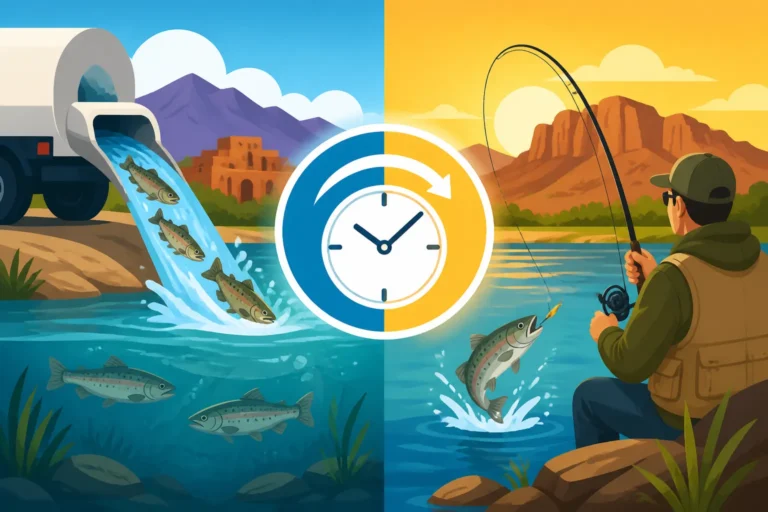
Many New Mexico anglers find themselves asking the age-old question: when is the absolute best time to hit the water after a fresh trout stocking? It's a common frustration, isn't it? You hear the good news that the New Mexico Department of Game and Fish has stocked your favorite pond or river, and you rush out there, only to find the fish aren't biting, or worse, they're gone! This guide is here to unravel the mystery, helping you understand the subtle science and practical strategies behind catching trout right after they've been introduced to a new environment, maximizing your chances for a successful and enjoyable day out.
The Initial Buzz: Understanding Trout Stocking in New Mexico
When you hear that a body of water has been "stocked," it conjures up images of eager, hungry fish just waiting for your hook. While there's some truth to that, the reality is a bit more nuanced. Understanding the stocking process itself is the first step in predicting trout behavior and timing your fishing trip perfectly.
How New Mexico Trout Stocking Works
New Mexico's trout stocking program is a vital part of maintaining accessible fishing opportunities across the state, especially in urban ponds and popular recreation areas. The New Mexico Department of Game and Fish (NMDGF) raises these fish, typically rainbow trout, in hatcheries before releasing them into lakes, rivers, and ponds. This isn't a random affair; there's a schedule, albeit one that can be influenced by water levels, temperatures, and available fish. These stocked fish are often of catchable size, meaning they're ready for you to take home, but they aren't necessarily "wild" in their instincts. They've been fed pellets in a controlled environment, and their initial reaction to a new, vast body of water can vary wildly. Sometimes they go into a feeding frenzy, other times they're disoriented and seek cover. Knowing your New Mexico Fishing Season Dates and Limits is crucial here, as stocking often aligns with peak fishing seasons.
Think of it this way: these fish have lived a pretty cushy life in a concrete raceway. Suddenly, they're in a massive, open water body with currents, predators, and natural food sources they've never seen. It's like sending a kid from a structured classroom straight into a bustling, unfamiliar city park. Their first instinct might be to stick together, find cover, or simply remain still until they figure things out. This "shock" period is a real thing, and it directly impacts how quickly they'll start biting. The goal of the stocking program is to provide consistent fishing, and knowing their schedule can really pay off for anglers looking for steady action.
Common Trout Species Stocked
While New Mexico is home to several beautiful native trout species, like the Rio Grande Cutthroat Trout and Gila Trout, the vast majority of fish stocked for recreational purposes are rainbow trout. These hardy fish are bred for fast growth in hatchery environments and adapt relatively well to diverse water conditions, making them ideal candidates for stocking programs. They're also generally eager eaters, which is a big plus for anglers. You'll find them in community ponds, high mountain lakes, and various river sections that receive regular infusions. When you're considering the Best Bait for New Mexico Trout or Best Lures for New Mexico Trout, remember that these stocked rainbows often respond well to baits mimicking their hatchery diet or bright, flashy lures that grab their attention.
Occasionally, brown trout might also be stocked, particularly in certain river sections, but rainbow trout are by far the most prevalent. The NMDGF focuses on providing ample opportunities for people to catch fish, and rainbows fit that bill perfectly. Knowing that you're primarily targeting rainbows helps narrow down your tackle and technique choices. These fish are generally less wary than wild trout and are often conditioned to respond to common baits and lures, which is excellent news for anglers, especially those just starting out or fishing with kids.
The Golden Window: Timing Your Trip After Stocking
This is the million-dollar question for many anglers: exactly when should you go after hearing about a stocking? There's definitely a sweet spot, a "golden window" where your chances are highest, but it's not always as simple as rushing out the door the moment the truck leaves.
The Immediate Aftermath: Frenzy or Freeze?
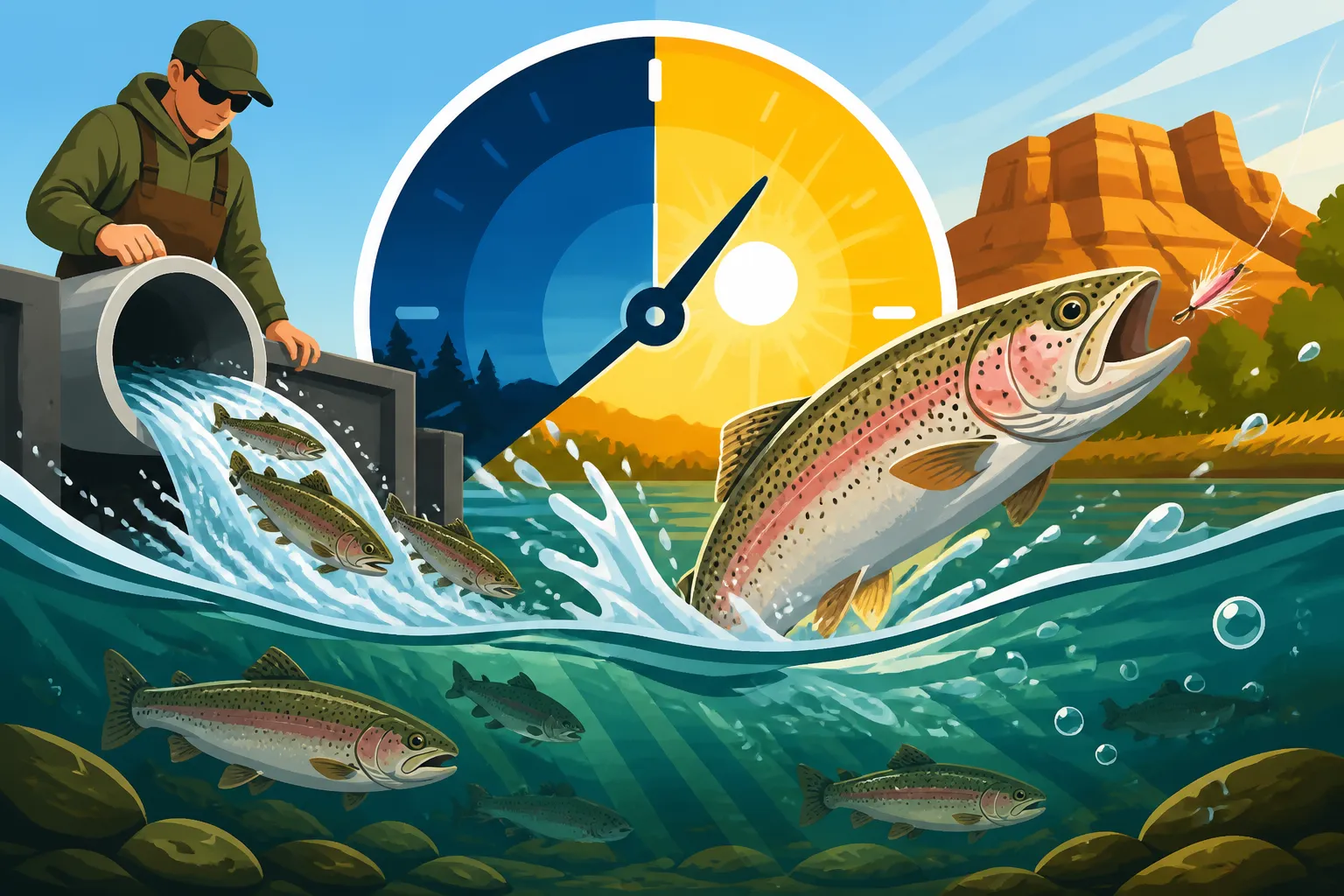
The very first few hours after a trout stocking can be incredibly productive, or surprisingly slow. It largely depends on how the fish were transported and released, the water temperature, and how "spooked" they are. If the fish were handled gently and released into calm water, they might immediately go into a feeding frenzy. Having just been transported, they might be disoriented but also hungry, having not been fed for a while. This is when artificial baits like PowerBait, corn, or small worms, or even brightly colored spoons and spinners, can be incredibly effective. Sometimes, the fish are so eager they'll hit almost anything. This immediate period can last anywhere from a few hours to the end of the first day. This is often the time when you might even see fish boiling on the surface or congregating in tight schools as they adjust.
However, sometimes the initial shock of being released into a new, open environment causes them to "freeze." They might scatter and seek cover at the bottom or along submerged structures, remaining relatively inactive as they adapt. In this scenario, aggressive presentations might spook them further. A more subtle approach, like a slowly drifting worm or a small nymph imitation under a bobber, might yield better results. You have to be adaptable and read the fish's mood. Packing a variety of options, from flashy lures to natural baits, is always a good idea. Many anglers will check Amazon for multi-packs of popular trout spinners or small jig heads to cover all their bases.
The First Few Days: Settling In
For many anglers, the period roughly 24-72 hours after stocking is often considered the prime time. By this point, the initial shock has worn off for most of the fish, and they've begun to explore their new surroundings, establish some sense of comfort, and crucially, start looking for food. They're still relatively naive to predators and fishing pressure, making them easier targets than wild trout. This is when those pellet-imitating baits, like PowerBait or salmon eggs, really shine, as the fish are still accustomed to their hatchery diet. Small, bright spoons, spinners, and even fly patterns like San Juan Worms or egg patterns can also be highly effective.
During these first few days, the trout often haven't spread out too much and can still be found congregating in deeper holes, near inlet pipes, or along weed lines. They might move closer to the banks during low-light conditions. You'll likely encounter other anglers, as this is the most popular time to fish after a stocking. This period offers a fantastic opportunity, especially for families or beginners, to experience consistent bites. Learning about PowerBait Fishing Tips for New Mexico can significantly boost your success during this phase.
Beyond the First Week: Adapting to the Wild
Once a week or two has passed since the stocking, the dynamics change considerably. The trout have now had time to disperse throughout the water body, become more acclimated to natural food sources, and, unfortunately, become warier due to fishing pressure. They start to develop more "wild" instincts, associating commotion with danger and becoming pickier about what they'll eat. This doesn't mean the fishing drops off completely, but it does mean you'll need to adjust your tactics.
You'll often find these more adapted trout in less accessible areas, deeper water, or tightly against cover. They might switch their diet to natural insects, small minnows, or aquatic invertebrates. This is when switching from bright, flashy lures to more natural-looking presentations, or from PowerBait to live worms or crickets, can be key. Fly anglers might find success with nymphs, streamers, or even dry flies if there's a hatch. The fish become smarter, and so must the angler. This extended period requires more patience, observation, and skill, but it can still yield rewarding catches, often of larger, healthier fish that have had time to grow. Understanding the natural behavior of Trout Species in New Mexico becomes more important here.
Essential Tactics for Freshly Stocked Trout
To truly make the most of that golden window, you need to bring the right tools and know-how. Freshly stocked trout, while sometimes easy, aren't always a guaranteed catch. A few key tactical adjustments can make all the difference.
Bait and Lure Selection
When targeting trout that have just been stocked, your bait and lure choices are paramount. As mentioned, these fish are often raised on pellet food, so baits that mimic this, or are highly visible and smelly, tend to work wonders.
- Pellet-Style Baits: Hands down, scented dough baits like PowerBait, especially in bright colors (chartreuse, orange, rainbow), are a staple. These mimic the shape and smell of the hatchery feed. Just a small ball on a treble hook, fished off the bottom with a small sinker, is often all it takes. PowerBait Fishing Tips for New Mexico delves deeper into this.
- Natural Baits: Worms (nightcrawlers, mealworms, red wigglers) are universal trout attractants. They’re natural, they move, and trout can't resist them. Salmon eggs are another fantastic choice, particularly for recently stocked rainbows. They're often seen as a high-energy food source. You can find a wide variety of these baits, or the components to make your own, on Amazon.
- Small Lures: Spinners and spoons are excellent for actively searching for fish. Brands like Mepps, Panther Martin, and Roostertail in sizes #0 to #2, in bright colors (silver, gold, brass, or with red/orange accents), are often irresistible to hungry, disoriented trout. Their flash and vibration grab attention quickly. Little inline spinners are a must-have in your tackle box for How to Catch Trout in New Mexico.
- Micro Jigs: For a more subtle approach, especially if the fish are a bit shy, small jigs (1/32 to 1/16 oz) tipped with a small piece of worm, PowerBait, or even a soft plastic grub can be deadly. Fish these slowly near the bottom or suspended under a bobber.
Presentation Matters
It's not just what you use, but how you present it. Stocked trout don't always behave like their wild cousins.
- Still Fishing the Bottom: For dough baits and natural baits, a simple Carolina rig or an egg sinker rig is often best. Use a swivel, a 12-18 inch leader (2-4 lb test monofilament or fluorocarbon), and a small bait holder hook. The bait floats off the bottom, putting it right in their strike zone without getting lost in weeds or mud. This is a very effective technique, especially for sedentary, newly stocked fish.
- Under a Bobber: Sometimes, trout suspend in the water column. A slip bobber rig allows you to present a worm, egg, or micro jig at a specific depth without it sinking to the bottom. Watch the bobber closely for any dips or subtle movements. This is a great way to cover different depths and target cruising fish.
- Slow Retrieve for Lures: When casting spinners or spoons, a slow, steady retrieve is usually more effective than a fast one. Give the fish time to see the lure and react. Vary your retrieve speed occasionally, adding a twitch or a pause to entice a strike. If fishing in current, cast slightly upstream and let the lure drift down, just faster than the current, to mimic a natural food item.
Finding the Fish
Where do stocked trout go? Unlike wild trout who have established territories, newly stocked fish are often disoriented.
- Near the Stocking Point: Many times, trout will hang around the area where they were released for a while. If you know the exact stocking location, start there.
- Deep Holes and Structure: These fish seek comfort and security. Deeper pockets, drop-offs, submerged logs, rocks, or weed beds provide cover and a sense of safety from predators. They might also congregate where the water is slightly cooler, especially on warmer days.
- Inlets and Outlets: Any area with a slight current or fresh water inflow can be a magnet for trout. These spots often bring in new food and provide oxygenated water. This is particularly true in rivers or ponds with small feeder streams.
- Shady Areas: On bright, sunny days, trout will retreat to shady spots to escape direct sunlight and feel more secure. Look for shadows cast by trees, bridges, or steep banks.
Maximizing Your Chances: Other Factors to Consider
Beyond timing and tactics, a few other elements can play a crucial role in whether you have a banner day or come home empty-handed. Paying attention to these details can elevate your entire New Mexico fishing experience. Don't forget, having a valid New Mexico Fishing License Guide is the very first step!
Weather and Water Conditions
Trout, particularly hatchery-raised ones, can be sensitive to environmental changes.
- Water Temperature: Trout prefer cooler water, generally between 50-65°F. If the water is too warm, they become lethargic and less likely to feed. Conversely, extremely cold water can also slow them down. After stocking, a sudden change in water temperature from their hatchery environment can put them in shock. This is why spring and fall often offer the most consistent post-stocking action.
- Cloud Cover and Rain: Overcast days or light rain can often lead to excellent fishing. The reduced light makes trout feel more secure and encourages them to feed more actively. A slight chop on the water from wind can also break up their visibility, making them less wary. However, heavy rain can muddy the water, making it harder for fish to see your bait.
- Barometric Pressure: While often debated, many experienced anglers believe that stable or slowly falling barometric pressure (often associated with approaching low-pressure systems and pre-frontal conditions) can trigger increased feeding activity. A sudden, sharp drop or rise in pressure might put fish off the bite.
Always check the local weather forecast and water conditions before heading out. A quick online search or a call to a local bait shop can give you invaluable insights into the current fishing conditions, helping you decide if it’s truly the Best Time of Day to Catch Trout in Summer Heat.
Gear Up for Success
Having the right equipment, even for "easy" stocked trout, makes a significant difference in your enjoyment and success. You don't need fancy, expensive gear, but reliable tackle is key.
- Light Rod and Reel: A light to ultralight spinning rod (5-7 feet long) paired with a small spinning reel spooled with 4-6 lb test monofilament or fluorocarbon line is perfect. This setup allows for accurate casting of light lures and baits and makes fighting even smaller trout exciting. For specific guidance, you might explore Best Rod Setup for New Mexico Trout Fishing.
- Small Hooks and Sinkers: Opt for small, sharp hooks (sizes 8-12) to match the smaller mouths of stocked trout and to present your bait naturally. Use minimal weight – split shot or small egg sinkers – to allow your bait to drift or sink slowly.
- Waders and Boots: If you're fishing rivers or stream sections, waders can give you access to areas inaccessible from the bank and help you stay warm and dry. Just be mindful of safety, especially in moving water. For some areas, like those listed in New Mexico Special Trout Water Rules, wading might be essential.
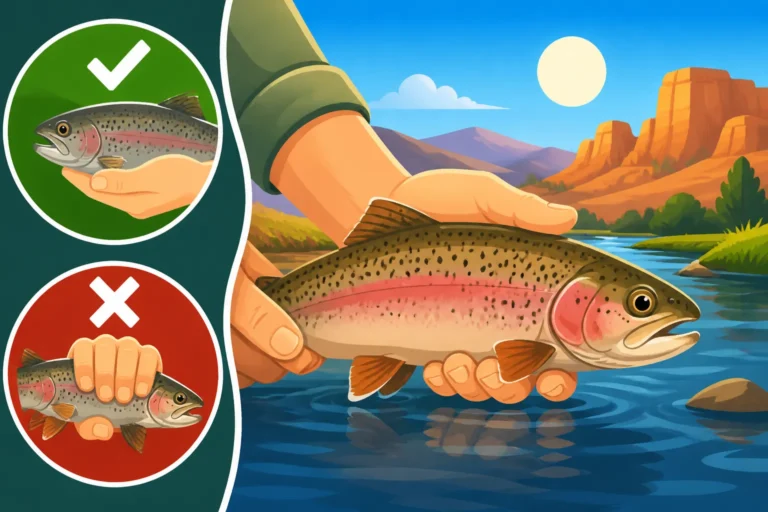
- Essentials: Don't forget a small pair of pliers for hook removal, a stringer or cooler (especially on Amazon) if you plan to keep fish, and a landing net. A rubberized landing net is always recommended for catch and release to protect the fish's slime coat. And of course, your New Mexico Fishing License Costs Explained will remind you to budget for that all-important permit.
The Importance of Regulations
Finally, it cannot be stressed enough: always know and follow the local fishing regulations. Stocked waters often have specific bag and possession limits, and sometimes even bait restrictions. For example, some "Quality Waters" in New Mexico have special rules like barbless hooks or artificial lures only.
- Bag and Possession Limits: Stocking programs are designed to provide harvest opportunities, but limits are in place to ensure sustainability. Always know how many fish you can keep. New Mexico Daily Trout Bag Limit and New Mexico Trout Possession Limit are critical to understand.
- Bait Restrictions: While most stocked ponds allow live bait and PowerBait, some areas, particularly river sections or designated "Quality Waters," may restrict you to artificial lures or flies only. Check the NMDGF fishing regulations booklet or website for the specific water body you plan to visit.
- Habitat Stamps: Don't forget your New Mexico Habitat Stamp and Validation Requirements! Most public lands require this, and it helps fund critical conservation efforts.
Following these rules not only keeps you out of trouble but also contributes to the health and longevity of New Mexico's fantastic fisheries. Responsible angling ensures that these stocking programs continue to provide great opportunities for everyone for years to come.
Post-Stocking Trout Behavior and Recommended Tactics
To help you visualize the best approach, here's a quick summary of how trout behave after stocking and what you can do to maximize your catch during each phase.
| Time After Stocking | Trout Behavior | Recommended Tactics | Prime Bait/Lure Examples |
|---|---|---|---|
| 0-24 Hours | Initial Shock/Frenzy: Disoriented, may school tight, occasionally aggressive feeding or hiding. | Still fish near bottom, light tackle, small baits, cast near stocking point. | Scented PowerBait (bright colors), salmon eggs, small worms, small flashy spinners (e.g., Mepps Aglia #0-1), micro-jigs. Many anglers stock up on these versatile options by checking Amazon for deals. |
| 24-72 Hours | Settling In: More comfortable, actively exploring and seeking food, still somewhat naive. | Target deeper holes, structure. Vary depths with bobbers or slow retrieves. | PowerBait, worms, salmon eggs, small spoons (e.g., Kastmaster 1/8 oz), small inline spinners (e.g., Panther Martin #2), soft plastic grubs. |
| 1-2 Weeks | Adapting/Wary: Dispersing, learning natural food sources, becoming more cautious due to pressure. | More subtle presentations, natural baits, target less pressured areas. | Live worms, crickets, natural-colored nymphs (fly fishing), small streamers, smaller, less flashy spinners/spoons, PowerBait (earth tones). Knowing New Mexico Trout Fishing Rules helps ensure you're using legal bait. |
| 2+ Weeks | Accustomed/Educated: Behaving more like wild trout, actively feeding on natural forage, very wary. | Focus on matching the hatch (fly fishing), finesse techniques, deeper water, low-light fishing. | Nymphs, dry flies (if hatch present), small minnow imitations, live worms, very subtle PowerBait presentations. Consult guides on Fly Fishing Techniques for New Mexico Rivers for advanced tactics. |
Remember, every water body and every stocking event is a little different. Observe the conditions, try different approaches, and most importantly, enjoy your time out on the water.
Disclaimer
This article is for general informational purposes only and does not constitute professional advice. Laws, prices and regulations vary by location and change over time. Consult a qualified professional for guidance on your specific situation.