How to Catch Gila Trout Without Harming the Population
Many anglers dream of catching a Gila trout, a truly special and resilient native fish, but the thought of accidentally harming these precious creatures in the process can be a real worry. This guide is all about equipping you with the knowledge and techniques to pursue Gila trout responsibly, ensuring every catch is a moment of connection with nature, not a threat to their delicate population.
Understanding the Gila Trout's Delicate Status
The Gila trout is more than just another fish; it's a living piece of New Mexico's natural history, and its journey back from the brink of extinction is a testament to dedicated conservation efforts. If you're going to fish for them, it’s vital to understand just how special and vulnerable they truly are.
A Brief History of a Native Treasure
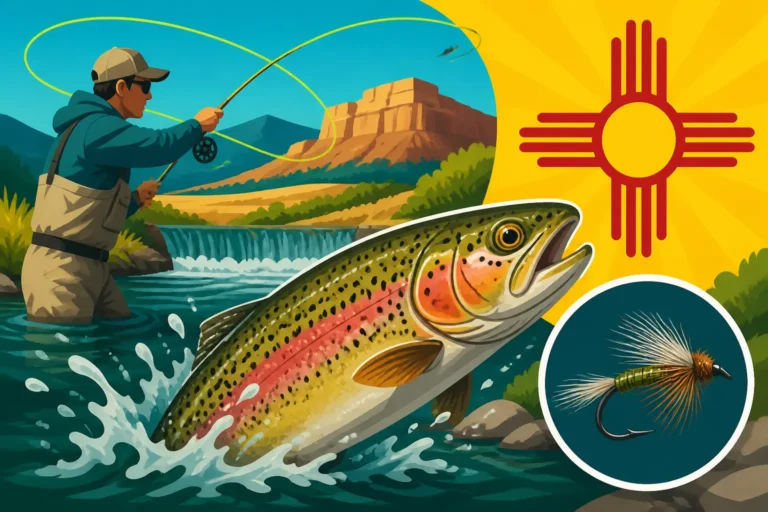
Imagine a fish that evolved over millennia in the high-elevation streams and rivers of the Gila Wilderness – a true survivor. That's the Gila trout. These beautiful trout, often sporting iridescent gold and copper hues, were once widespread in their native range but faced severe decline due to habitat loss, competition from non-native species, and overfishing. For decades, they were listed as an endangered species, a stark reminder of how human activity can impact delicate ecosystems. Thankfully, through incredible recovery programs, including habitat restoration, removal of invasive species, and careful reintroductions, their populations have slowly rebounded. Today, they are listed as threatened, a step in the right direction, but still necessitating extreme care and respect from anyone hoping to encounter them. This history means that every interaction an angler has with a Gila trout is part of their ongoing recovery story. Learning about native fish species like the Gila trout is truly fascinating. You can learn more about Native Fish Species of New Mexico through dedicated resources.
Where to Find Gila Trout and Their Unique Habitats
Finding Gila trout isn't like finding a rainbow trout in a stocked pond. Their habitats are typically remote, pristine, and often found within the protected boundaries of the Gila National Forest in southwestern New Mexico. These are typically smaller, cold-water streams with dense riparian vegetation, clear water, and often steep canyon walls. The fish depend on these specific conditions – good water quality, stable temperatures, and plenty of natural cover – to thrive. When you're seeking Gila trout, you're often embarking on a wilderness adventure, which adds to the allure but also increases your responsibility. Accessing these areas often requires hiking, sometimes for miles, which naturally helps protect them from overcrowding. Always remember that the journey is as much a part of the experience as the fishing itself, and respecting the remoteness is crucial. You might be interested in knowing Where You Can Legally Fish for Gila Trout to plan your adventure.
Regulations for Gila Trout Fishing
Because of their threatened status, fishing for Gila trout comes with very specific and often stringent regulations designed for their protection. These aren't just suggestions; they are critical rules that every angler must follow to ensure the species continues its recovery. Typically, Gila trout fisheries are managed as "catch-and-release only" zones, meaning any Gila trout caught must be immediately and carefully returned to the water unharmed. Additionally, specific gear restrictions often apply, such as the mandatory use of artificial lures and flies with single, barbless hooks. This minimizes stress and injury to the fish. Sometimes, special permits, beyond a standard New Mexico fishing license, are required to access these specific recovery waters. Always check the very latest New Mexico Fishing Regulations Overview before you head out, and pay close attention to any New Mexico Special Trout Water Rules that might apply to Gila trout streams. Ignorance of the rules is never an excuse when it comes to protecting a threatened species. For specifics, you might want to look into Gila Trout Bag Limit in New Mexico and Do You Need a Permit to Fish for Gila Trout?.
Essential Gear and Tackle for Conservation-Minded Anglers
When you're targeting Gila trout, your gear choices aren't just about catching fish; they're about minimizing impact and maximizing the chances of a healthy release. Think lightweight, ethical, and practical.
The Right Rod, Reel, and Line for Sensitive Waters
For Gila trout, finesse is the name of the game. These fish inhabit smaller streams, and they can be spooked easily. A lightweight setup not only makes the experience more enjoyable in these intimate settings but also helps you present your offerings delicately and fight the fish efficiently without over-stressing it.
- Rod: A light-action spinning rod, typically in the 5 to 6.5-foot range, paired with ultra-light tackle, is ideal. For fly anglers, a 2-weight to 4-weight fly rod, between 6.5 and 8 feet, offers the necessary sensitivity and delicate presentation. You want enough backbone to control the fish quickly but not so much that you overpower it in a way that risks injury during the fight. Finding the right balance is key. If you're looking for new gear, you can find a wide selection of Best Rods and Reels for New Mexico Trout Fishing online, including on platforms like Amazon.
- Reel: Match your reel to your rod. A small, lightweight spinning reel with a smooth drag system is perfect for spinning setups. For fly fishing, a simple, click-and-pawl or small disc-drag reel is more than sufficient. The critical component is a smooth drag that can handle sudden runs without jerking, which can lead to broken lines or mouth damage to the fish.
- Line: Ultra-light monofilament line, around 2-4 pound test, is excellent for spinning gear, offering good knot strength and low visibility. For fly fishing, a weight-forward floating line matched to your rod weight, with a tapered leader (7.5 to 9 feet, 5x or 6x tippet), will ensure subtle presentations. The lighter line also provides a sporting challenge with these smaller, feisty fish.
Choosing Hooks and Lures That Protect the Fish
This is arguably the most crucial gear decision for Gila trout fishing. The goal is to catch, not to harm.
- Barbless Hooks: This is non-negotiable in Gila trout waters. Barbless hooks minimize tissue damage, make hook removal much easier and quicker, and greatly increase the fish's chances of survival. You can buy hooks that are already barbless, or you can easily crimp down the barb on any standard hook with a pair of pliers. It takes seconds and makes a world of difference. Understanding the Barbless Hook Fishing Technique for New Mexico Rivers is paramount here.
- Artificial Lures and Flies: Regulations typically prohibit the use of live bait, and for good reason. Live bait can be swallowed deeply, leading to internal injuries that are often fatal. Artificial lures and flies, when used correctly, tend to hook fish in the lip or jaw, making for an easier, safer release.
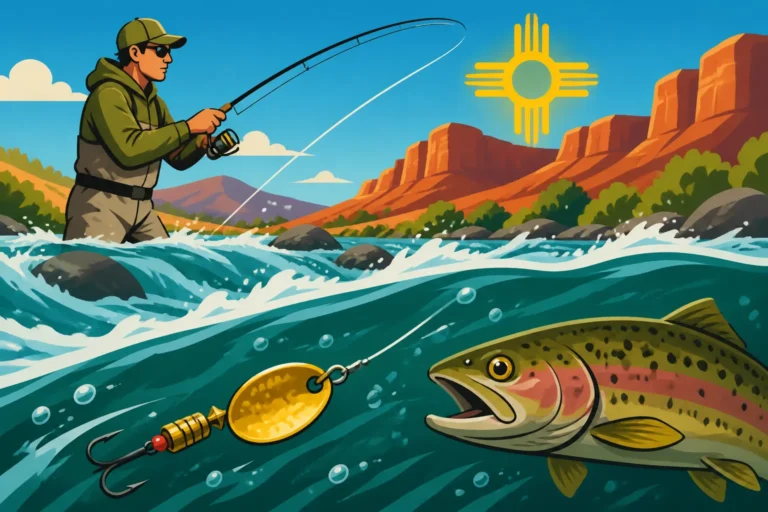
- Spinning Lures: Small inline spinners (like Panther Martins or Mepps) or tiny spoons (such as Kastmasters) are effective. Ensure they have single, barbless hooks. You might need to replace treble hooks with single barbless ones.
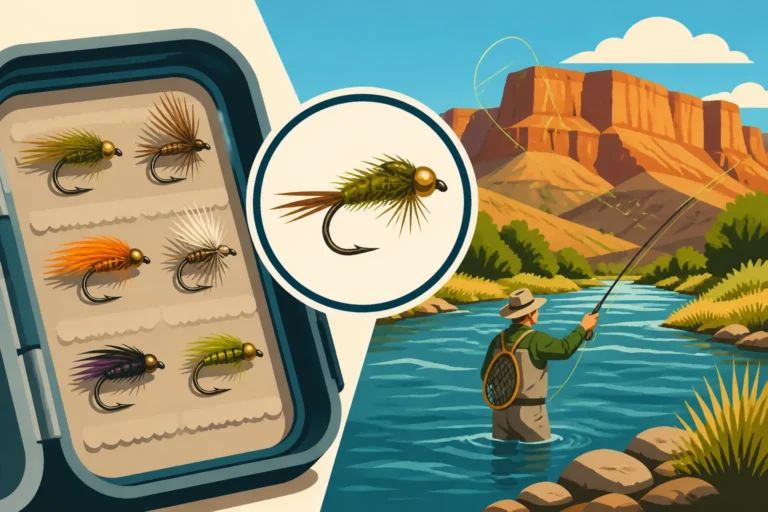
- Flies: Dry flies that imitate small mayflies, caddis, or terrestrials are excellent, especially during hatches. Nymphs (like small Pheasant Tails, Hare's Ears, or Copper Johns) fished under an indicator are also very productive. Streamers can work, but again, ensure they have single, barbless hooks. Consider learning some Fly Fishing Techniques for New Mexico Rivers to maximize your success and minimize harm. A quick search on Amazon will show you countless options for flies and artificial lures.
Wading Gear and Ethical Stream Access
Gila trout often live in remote, sensitive environments. Your approach to these streams is just as important as your fishing technique.
- Wading Boots and Waders: Good wading boots with felt or rubber soles (check local regulations for felt, as some areas restrict it to prevent invasive species transfer) provide excellent traction and support when navigating slippery, rocky streambeds. Lightweight, breathable waders are comfortable for hiking to these spots and keep you dry in cold water. But beyond comfort, the cleanliness of your wading gear is crucial.
- Preventing Invasive Species Transfer: Always clean and dry your wading gear thoroughly before moving between different watersheds. Microscopic organisms, aquatic invasive species, or even disease pathogens can hitchhike on your boots, waders, and nets, and unknowingly introduce them into pristine Gila trout habitat. This simple step is a vital part of protecting these fragile ecosystems.
- Minimizing Streambed Disturbance: When wading, move slowly and deliberately. Avoid unnecessary disturbance of the streambed and riparian vegetation. Try to stay out of the water as much as possible, or wade only when necessary and where the bank is too steep for safe casting. These small streams are delicate, and every step can impact fish habitat. Consider investing in comfortable yet durable wading boots through retailers like Amazon that specialize in outdoor gear.
Masterful Techniques for Catching and Releasing Gila Trout
Catching a Gila trout is a rewarding experience, but the true master angler knows that the art lies not just in the catch, but in the careful release. It's about respecting the fish and its environment throughout the entire process.
Approaching the Water with Stealth and Respect
Gila trout in their native streams are wild and wary. They aren't accustomed to heavy human pressure, and their survival instincts are finely tuned. A clumsy approach can send them darting for cover, making fishing impossible.
- Low Profile: When you approach a stream, stay low, out of sight as much as possible. Avoid wearing brightly colored clothing that can spook fish. Think like a predator stalking its prey – slow, silent movements.
- Shadow Management: Be mindful of your shadow. Casting a large shadow over the water can alarm fish and send them hiding. Position yourself to cast with the sun, or from a position where your shadow falls behind you or is broken up by trees.
- Minimize Noise: Avoid stomping along the bank or dropping gear loudly. Vibrations carry through the ground and water, alerting fish to your presence. These small, clear streams leave little room for error; the fish can see and feel you more easily than you might think. Many of the techniques for "How to Catch Trout in New Mexico" apply here, but with an even greater emphasis on subtlety.
Presentation is Key: Fly Fishing and Light Tackle Strategies
Delicate presentation is critical for enticing Gila trout without scaring them off.
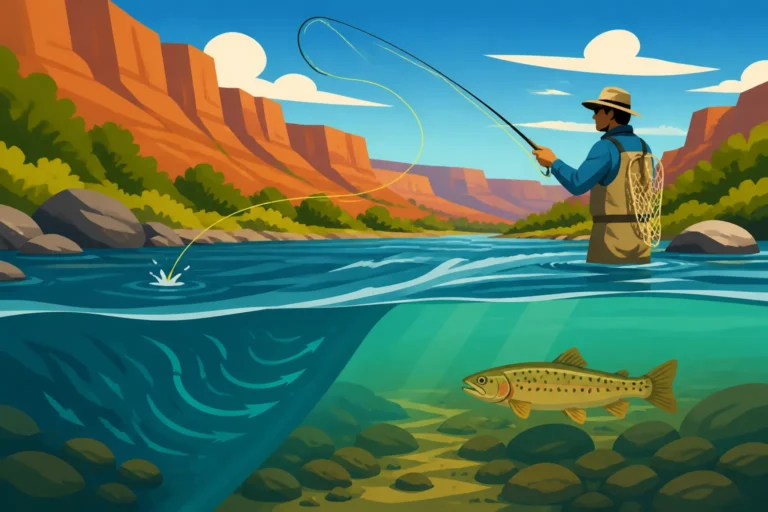
- Fly Fishing: For fly anglers, short, accurate casts are often more effective than long, powerful ones. Focus on gentle landings that mimic natural insect drifts. Mending your line to achieve a drag-free float is paramount, especially when fishing nymphs. Often, Gila trout hold in small pockets, behind rocks, or under overhanging banks. Getting your fly into these precise locations and letting it drift naturally without drag is key. Don't be afraid to try different patterns and sizes; Gila trout can be picky eaters. When in doubt, start with smaller, more imitative patterns.
- Light Spinning Tackle: If you're using a spinning rod, cast your artificial lure gently upstream or across the current, letting it drift naturally before starting a slow retrieve. Avoid heavy splashes or unnatural movements that could scare the fish. Work the lure with subtle twitches and pauses, mimicking a struggling insect or small baitfish. Pay attention to how the current affects your lure and try to keep it moving as naturally as possible. Sometimes, a simple, straight retrieve is all it takes, but often, adding some subtle action can trigger a strike.
- Reading the Water: Learn to read the water, identifying potential holding lies like current seams, eddies behind rocks, or deeper pools. These are the places where Gila trout will conserve energy and ambush food. Knowing How to Read Water on the San Juan River can translate well to understanding Gila trout streams.
The Art of the Gentle Release: Step-by-Step Guide
This is where your commitment to conservation truly shines. A gentle, swift release ensures the Gila trout survives to spawn and grow. This is the cornerstone of Catch and Release Best Practices in New Mexico.
- Minimize Fight Time: Once hooked, try to land the fish as quickly as possible without "horsing" it in. A prolonged fight can exhaust the fish, making it more vulnerable to stress and predation after release.
- Handle with Care: Wet your hands thoroughly before touching the fish. Dry hands can remove the fish's protective slime coat, leaving it susceptible to disease. Avoid squeezing the fish, especially around its belly or gills.
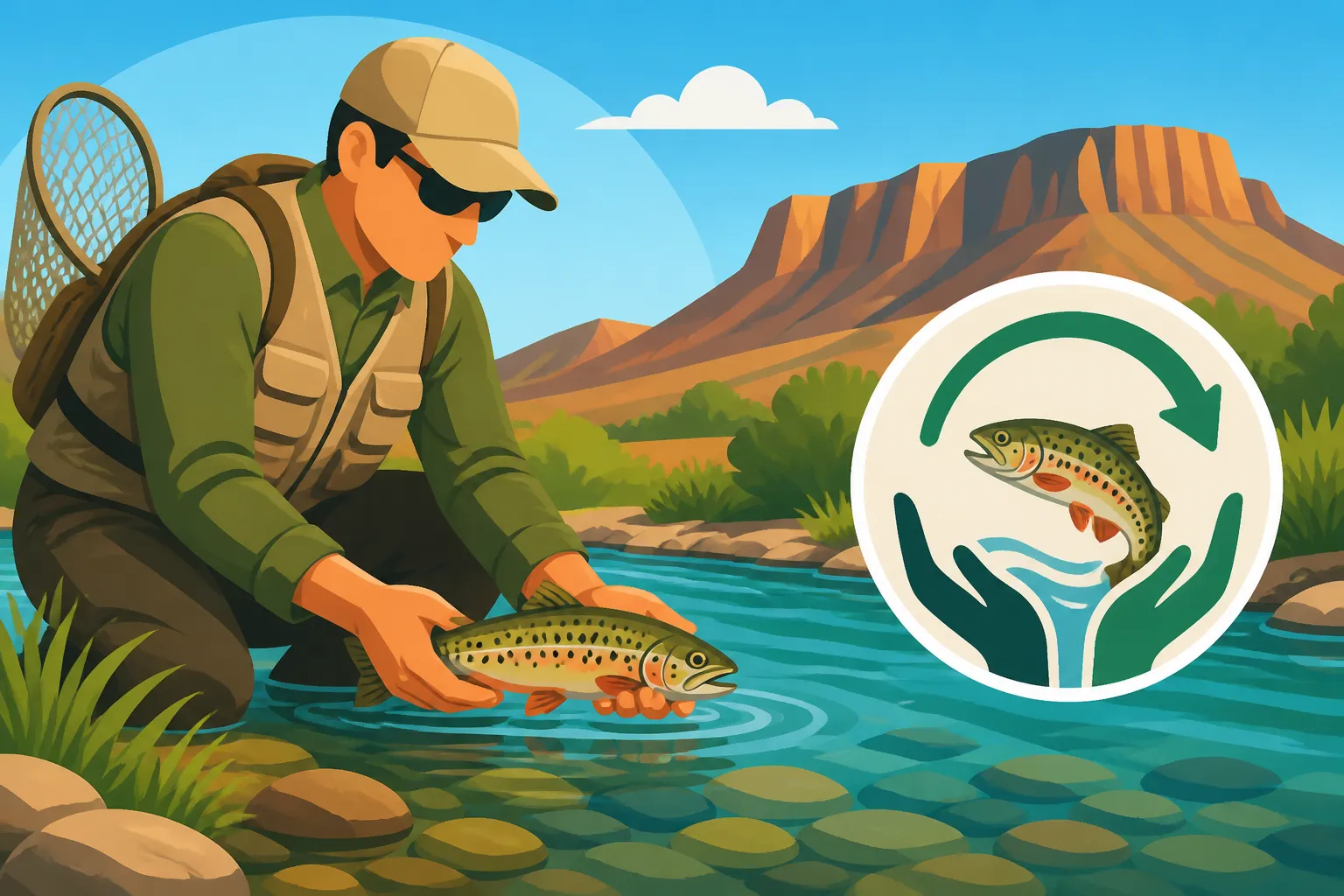
- Keep it in the Water: Whenever possible, unhook the fish while it's still in the water. This dramatically reduces stress and injury. If you must remove it from the water for a quick photo, do so for mere seconds, supporting its full body weight horizontally. Never hold a trout vertically by its jaw or tail. Learning How to Handle a Trout Before Releasing It is perhaps the single most important skill for a conservation-minded angler.
- Quick Hook Removal: Use needle-nose pliers or a hemostat to gently remove the barbless hook. If the hook is deeply embedded (rare with barbless hooks and artificial lures), cut the line as close to the hook as possible rather than tearing the hook out, as the hook will eventually rust away.
- Revive the Fish: Hold the fish gently upright in the current, facing upstream. Allow water to flow over its gills. It will revive itself when it's ready, often giving a strong kick and swimming away. Don't rush this process; let it recover fully before letting it go. Never toss or throw a fish back into the water.
Here's a quick summary of vital release practices:
| Practice | Benefit | Why it's Important for Gila Trout |
|---|---|---|
| Wet Hands Only | Preserves protective slime coat | Prevents disease, vital for delicate fish |
| Keep Fish in Water | Reduces stress, minimizes oxygen deprivation | Maximizes survival rates for threatened species |
| Barbless Hooks | Easy, quick hook removal with minimal tissue damage | Less injury means higher chance of recovery |
| Use Pliers/Hemostats | Faster unhooking, keeps fingers away from sharp teeth and gills | Expedites release, reduces handling time |
| Support Horizontally | Protects internal organs and spine | Prevents fatal internal damage, especially with larger fish |
| Revive Gently | Allows fish to recover energy and oxygen before swimming off | Ensures fish has strength to escape predators and find shelter |
| Minimize Photo Time | Less time out of water, less stress | Prioritizes fish welfare over personal trophy photos |
Contributing to Gila Trout Conservation Beyond the Catch
Your impact as an angler extends far beyond the moment a fish takes your lure. By adopting a broader conservation mindset, you become a steward of these incredible resources.
The Importance of "Leave No Trace" Principles
When you're venturing into the remote, often pristine habitats of the Gila trout, embracing "Leave No Trace" principles isn't just a suggestion; it's a moral imperative. These guidelines are designed to minimize human impact on the environment, ensuring that these wild places remain wild for future generations and for the wildlife that depends on them.
- Plan Ahead and Prepare: Know the regulations, anticipate weather conditions, and pack appropriate gear. This includes packing out everything you pack in.
- Travel and Camp on Durable Surfaces: Stick to existing trails, campsites, and streambanks. Avoid trampling fragile vegetation or creating new paths.
- Dispose of Waste Properly: Pack out all trash, including food scraps, fishing line, and human waste (where appropriate). If you bring it in, it leaves with you.
- Leave What You Find: Don't disturb historical artifacts, rocks, plants, or other natural objects. Appreciate them in their natural setting.
- Minimize Campfire Impacts: Use established fire rings or avoid fires altogether. Ensure fires are completely out before leaving.
- Respect Wildlife: Observe wildlife from a distance. Do not feed animals. Keep noise to a minimum.
- Be Considerate of Other Visitors: Share the trails and streams, allowing others to enjoy the solitude and beauty of the wilderness.
By adhering to these principles, you help preserve the very environment that allows Gila trout to thrive. This commitment is part of what makes Best Fishing Gear for New Mexico Anglers and Best Fishing Backpack and Wading Gear for New Mexico crucial investments, as good gear helps you practice these principles effectively.
Reporting and Community Involvement
Anglers are often the first line of defense for New Mexico's fisheries. Your observations can be incredibly valuable to conservation efforts.
- Report Violations: If you witness illegal activity, such as fishing in closed areas, using prohibited bait, or harvesting Gila trout, report it to the New Mexico Department of Game and Fish. Your call could prevent significant harm to the population.
- Participate in Citizen Science: Some conservation groups or state agencies might have programs where anglers can report sightings of Gila trout, water quality observations, or other relevant data. Keep an eye out for these opportunities.
- Join Conservation Groups: Consider becoming a member of organizations dedicated to cold-water conservation, like Trout Unlimited. These groups often conduct habitat restoration projects, advocate for protective legislation, and educate the public. Your membership or volunteer time can directly contribute to the well-being of Gila trout and their habitats. Even a purchase on Amazon of some relevant literature can help you connect with these groups and their missions.
Educating Others: Spreading the Word About Ethical Fishing
As an angler who understands the delicate balance of Gila trout conservation, you have a unique opportunity and responsibility to educate others.
- Lead by Example: The best way to teach is by demonstrating responsible behavior. When you're fishing with friends or family, show them the proper techniques for catch-and-release, explain why barbless hooks are essential, and exemplify "Leave No Trace" principles.
- Share Knowledge: Don't be afraid to politely share what you've learned about Gila trout and their conservation needs. Many people simply aren't aware of the specific challenges faced by threatened species. A friendly conversation can go a long way in fostering a conservation ethic in others.
- Be an Advocate: Support policies and initiatives that protect cold-water habitats and native fish species. Engage in local discussions about land use and water management. Your voice, combined with the voices of other informed anglers, can make a difference. By focusing on these principles, you contribute directly to the ongoing recovery and sustained health of the Gila trout population, ensuring that these golden fish continue to grace New Mexico's pristine waters for generations to come.
Disclaimer
This article is for general informational purposes only and does not constitute professional advice. Laws, prices and regulations vary by location and change over time. Consult a qualified professional for guidance on your specific situation.