Where You Can Legally Fish for Gila Trout
Feeling the pull of New Mexico's wild places, eager to cast your line for a truly unique native trout, only to find yourself utterly confused about where you're even allowed to go? You're not alone. Fishing for the elusive Gila trout isn't like heading to your local stocked pond; it requires careful planning and a deep understanding of very specific regulations to protect this special fish. This guide is here to untangle that web of rules, showing you exactly where you can legally pursue the Gila trout in New Mexico, what you need to do to prepare, and how to ensure your trip supports their ongoing conservation.
Understanding the Gila Trout and Its Conservation Status
The Gila trout is more than just another fish; it's a testament to incredible conservation efforts and a living piece of New Mexico's natural heritage. Its story is one of near-extinction and remarkable recovery, which is why fishing for it comes with such stringent, yet essential, regulations.
A Brief History of the Gila Trout's Journey
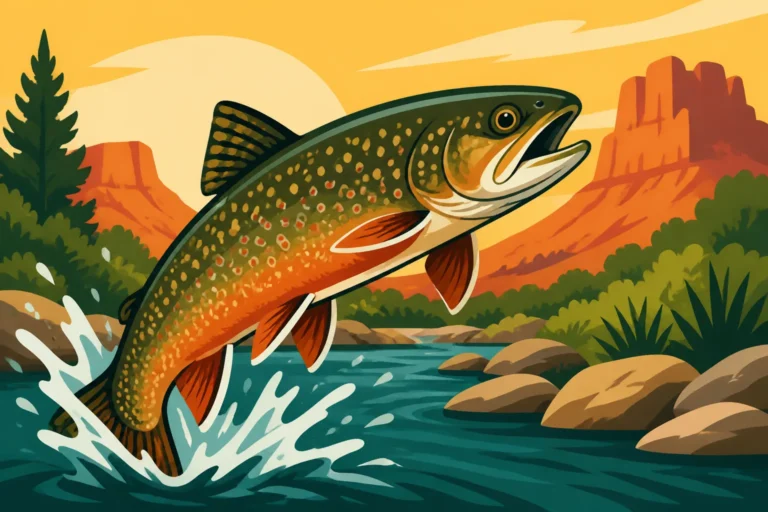
Imagine a time when this beautiful, golden-hued trout, native only to the Gila River basin, was on the brink of disappearing forever. That was the reality for the Gila trout for many years, primarily due to habitat degradation, hybridization with non-native rainbow trout, and overfishing. For decades, dedicated biologists and conservationists worked tirelessly to bring them back from the edge. They relocated pure strains to isolated, high-elevation streams, removed non-native species, and restored critical habitats. This intense effort paid off, and the Gila trout's status improved dramatically, moving from "endangered" to "threatened" and, in some areas, to being managed for recreational fishing under strict guidelines. It’s a true success story, but one that relies heavily on responsible angling. You can learn more about its unique characteristics by reading How to Tell a Gila Trout From a Rainbow Trout.
This journey from near oblivion means that every Gila trout you encounter is a direct result of these decades of hard work. When you're standing on the banks of a designated Gila trout stream, you're not just fishing; you're participating in a living conservation project. It’s a privilege, not just a pastime, and that reverence should guide every cast and every interaction with these magnificent fish. The continued health of these populations depends on anglers understanding and respecting the rules in place.
Why Legal Fishing Zones are Crucial
The specific, often remote, locations where you can legally fish for Gila trout are not arbitrary. They are carefully chosen by the New Mexico Department of Game and Fish (NMDGF) and federal agencies like the U.S. Forest Service to ensure the long-term survival and genetic purity of the species. These zones typically represent streams that hold genetically pure Gila trout populations, or waters that are actively being managed to re-establish them. Without these designated zones and the strict rules that accompany them, the Gila trout's fragile recovery could easily be jeopardized.
The regulations, which often include catch-and-release only, artificial lures with barbless hooks, and specific season dates, are designed to minimize stress on the fish and prevent the spread of diseases or competitive species. Think of it as a carefully managed wilderness laboratory, where every angler has a role in protecting the integrity of the experiment. If everyone adhered to these rules, the chances of the Gila trout thriving in its native range are significantly higher. It means that while the desire to catch a Gila trout is strong, the commitment to its conservation must be even stronger.
Identifying Designated Gila Trout Waters in New Mexico
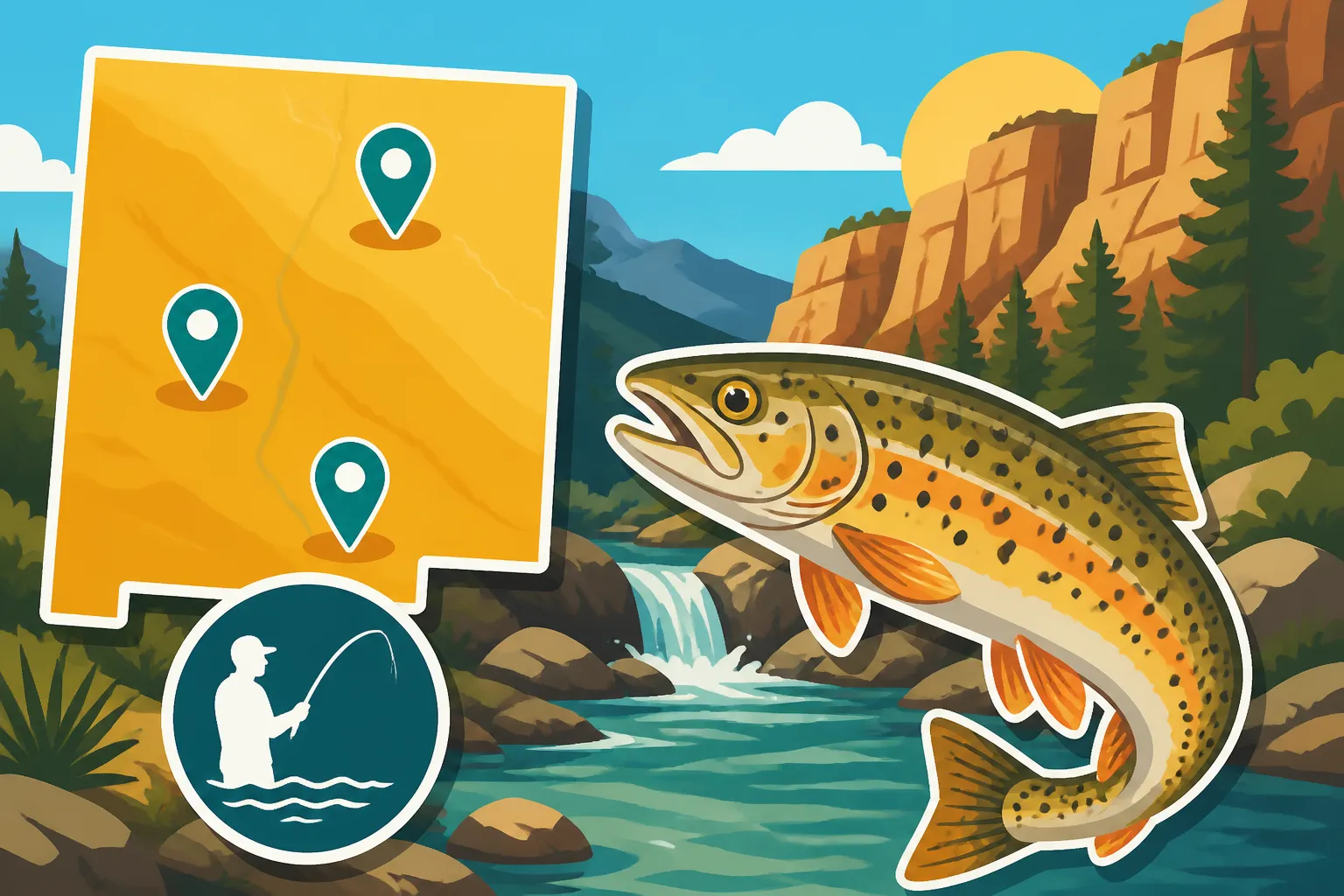
Finding where to legally fish for Gila trout is perhaps the most critical step in planning your trip. These waters are primarily located within the sprawling and rugged Gila National Forest in southwestern New Mexico, a region renowned for its wilderness and stunning natural beauty. However, not just any stream in the Gila National Forest holds Gila trout, and not all of those streams are open to public fishing.
Specific Streams and Rivers
The New Mexico Department of Game and Fish provides specific lists of waters where Gila trout fishing is permitted, usually updated annually in their fishing regulations booklet. These lists are dynamic, as stream conditions, population assessments, and ongoing restoration projects can lead to changes. It’s absolutely vital to consult the most current regulations before heading out. Generally, these waters are smaller, high-elevation streams nestled deep within the wilderness. They are not easily accessible, often requiring significant hiking, sometimes even backpacking overnight. This remoteness naturally limits pressure and helps protect the populations.
Some of the historically managed Gila trout waters that have been open for fishing include segments of streams like Mineral Creek, Sapillo Creek, and Willow Creek, all found within the Gila National Forest. However, availability can vary. For instance, Mineral Creek, a tributary to the Gila River, has often been a go-to spot, known for its healthy Gila trout populations. Access typically involves hiking down into canyons, which can be challenging but incredibly rewarding. Similarly, the headwaters of Sapillo Creek, often requiring a good hike, have offered opportunities. It's not about convenience; it's about the adventure and the reward of connecting with a truly wild fish in its pristine home. Always check the official NMDGF regulations for the most current list of open waters, as specific sections or even entire streams might be closed due to recovery efforts or environmental factors such as drought or fire. You might also want to explore Best Fishing Spots in the Gila National Forest for broader area information.
Here’s a simplified overview of some potential Gila Trout waters, but remember, always verify the current regulations before you go:
| Stream Name | General Location | Access Notes | Special Rules |
|---|---|---|---|
| Mineral Creek | Gila National Forest | Typically requires hiking; access can be challenging. | Catch & Release, artificial flies/lures, barbless hooks |
| Sapillo Creek | Gila National Forest | Upper stretches often remote, requiring hiking. | Catch & Release, artificial flies/lures, barbless hooks |
| Willow Creek | Gila National Forest | Remote access, often requires hiking or backpacking. | Catch & Release, artificial flies/lures, barbless hooks |
| Whitewater Creek | Gila National Forest | Portions have historically been open; check for specific sections. | Catch & Release, artificial flies/lures, barbless hooks |
| Mogollon Creek | Gila National Forest | Similar remote access challenges; conditions can change. | Catch & Release, artificial flies/lures, barbless hooks |
It cannot be stressed enough that these waters are remote. You won't find a paved road leading directly to a designated Gila trout pool. Expect rugged trails, stream crossings, and a true wilderness experience. This isolation is part of what makes fishing for Gila trout so special, but it also demands thorough preparation.
Permit Requirements and Special Regulations
Beyond your standard New Mexico fishing license and the Habitat Management and Access Validation, you might need additional permits to access some of these Gila trout waters. Many of these streams flow through federally designated wilderness areas within the Gila National Forest. For entry into a wilderness area, particularly for overnight stays, you are often required to obtain a Wilderness Permit, even if it's free. These permits help land managers monitor usage and ensure the wilderness character is preserved. It's your responsibility to check with the local Forest Service office (e.g., Gila National Forest Supervisors Office or specific Ranger Districts like the Glenwood Ranger District) well in advance of your trip. Don't just assume; a quick phone call or visit to their website can save you a lot of trouble. Finding specific information on whether you need an additional permit to fish for this species can be found in Do You Need a Permit to Fish for Gila Trout?.
The fishing regulations for Gila trout are exceptionally strict, reflecting their protected status. Almost universally, Gila trout fishing is catch-and-release only. This means that once you land one, you are expected to release it as quickly and safely as possible. Furthermore, only artificial lures and flies with single, barbless hooks are permitted. This rule is designed to minimize injury to the fish, ensuring that they have the best possible chance of survival after being caught. Using bait or barbed hooks is a serious violation and can result in significant penalties. You might find more general rules in New Mexico Trout Fishing Rules. Always double-check the current New Mexico Fishing Regulations Overview for any specific daily bag or possession limits, although for Gila trout, it is almost always zero.
Adhering to these special regulations is not just about avoiding a fine; it's about being a responsible steward of a precious natural resource. Every Gila trout released unharmed contributes to the species' continued recovery. These fish are often found in fragile ecosystems, so even your presence needs to be mindful. Pack out everything you pack in, stay on established trails where possible, and minimize your impact on the stream banks.
Preparing for Your Gila Trout Fishing Expedition
Embarking on a Gila trout expedition isn't just a fishing trip; it's an adventure into true wilderness. Proper preparation is key, not only for a successful outing but also for your safety and to ensure you protect the delicate environment these fish call home.
Essential Gear and Tackle Considerations
Given the remote, rugged nature of Gila trout waters, your gear needs to be thoughtfully selected. You'll likely be hiking several miles, often through challenging terrain, so lightweight and reliable equipment is paramount.
For the actual fishing, a light-action fly rod (3- or 4-weight) or an ultralight spinning rod (4-6 lb test line) is ideal. Gila trout are not typically large fish, and lighter tackle makes the experience more sporting while also being less cumbersome to carry. Since only artificial lures and flies are allowed, focus on a selection of small, native-mimicking patterns for fly fishing (like small dry flies, nymphs, and emergers) or tiny spinners and spoons for spin fishing. Don't forget to pinch down the barbs on all your hooks before you go – this is a non-negotiable rule. Many anglers find durable, waterproof fly boxes from brands available on Amazon incredibly useful for organizing their barbless flies and lures. You can often find a good selection of specialized ultralight tackle and fly-fishing accessories on Amazon that are perfect for these remote, walk-in fisheries.
Beyond your rod and reel, think about:
- Wading Gear: While some Gila trout streams can be fished from the bank, you'll often need to wade. Lightweight, breathable chest waders and sturdy wading boots with good ankle support are crucial for navigating uneven stream beds and slippery rocks. A quality wading staff is also a lifesaver for stability and testing depth.
- Backpack: A comfortable, adequately sized backpack (20-40 liters for a day trip, larger for overnight) is essential to carry all your gear, water, food, and emergency supplies. Look for one with good lumbar support, especially if you plan to cover serious ground.
- Water & Food: This is not a place to run out of water. Carry plenty, and consider a water filter or purification tablets for refilling from streams (always treat stream water!). Pack high-energy, non-perishable snacks.
- Navigation: A reliable map (topographic is best), a compass, and a GPS device or a smartphone with downloaded offline maps are critical. Cell service is virtually nonexistent in much of the Gila National Forest.
- Safety Gear: First-aid kit, headlamp (even for day trips), fire starter, emergency shelter (like a lightweight tarp or space blanket), sun protection (hat, sunscreen, polarized sunglasses which you can easily find on Amazon), and a whistle. Layered clothing is also key, as mountain weather can change rapidly.
- Bear Canister/Bag: If you're staying overnight, bear-resistant food storage is essential. The Gila is home to black bears.
Remember, every ounce counts when you're hiking into these areas. Prioritize utility and durability. You might want to consider checking out Best Fishing Gear for New Mexico Anglers for a more general overview.
Catch and Release Best Practices for Gila Trout
Since Gila trout fishing is almost always catch-and-release only, employing proper techniques to ensure the fish's survival is paramount. This isn't just a suggestion; it's a fundamental part of Gila trout conservation.
Here’s how to do it right:
- Minimize Fight Time: Use appropriate tackle to land the fish quickly. A prolonged fight exhausts the fish, reducing its chances of survival.
- Handle with Care: Keep the fish in the water as much as possible. If you must lift it, wet your hands first to protect its delicate slime coat, which is vital for disease resistance. Avoid squeezing or handling it by the gills or eyes.
- Barbless Hooks are Essential: This cannot be emphasized enough. Barbless hooks allow for quick and easy removal, minimizing tissue damage. If you accidentally use a barbed hook, use forceps or pliers to carefully back it out.
- Remove the Hook Quickly: Use forceps or needle-nose pliers to gently remove the hook. If the hook is deeply ingested, cut the line as close to the hook as possible rather than trying to remove it, as this can cause more harm.
- Revive the Fish: Hold the fish gently in the water, facing upstream, allowing water to flow over its gills. Support its body until it regains its strength and can swim away on its own. Do not release it until it vigorously kicks its tail.
- Minimize Photo Time: If you take a photo, keep the fish in the water as much as possible, or lift it briefly (wet hands!) for a quick shot, then immediately return it to the water for revival.
Practicing these methods is crucial. The goal is for that Gila trout to swim away strong, ready to spawn and contribute to future generations. Your responsible actions directly support the long-term health of this unique species. For more detailed advice, refer to Catch and Release Best Practices in New Mexico. You can also find high-quality, lightweight fishing nets with rubber mesh, perfect for gentle catch-and-release, on Amazon before your trip.
Conclusion
Chasing Gila trout in New Mexico is an experience unlike any other, offering not just the thrill of the catch but a profound connection to a truly wild, native species and the wilderness it calls home. While the regulations surrounding Gila trout fishing might seem daunting at first, they are a vital component of the species' incredible conservation success story. By understanding where these precious fish reside in the Gila National Forest, adhering strictly to catch-and-release principles with artificial, barbless hooks, and properly preparing for a remote wilderness trip, you become an active participant in their ongoing recovery. So, do your homework, pack smart, respect the rules, and go forth to experience the magic of fishing for New Mexico's golden gem.
Disclaimer
This article is for general informational purposes only and does not constitute professional advice. Laws, prices and regulations vary by location and change over time. Consult a qualified professional for guidance on your specific situation.