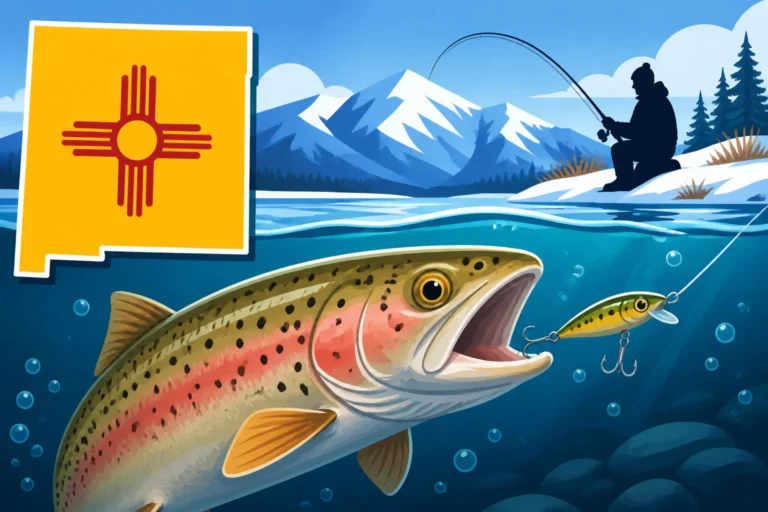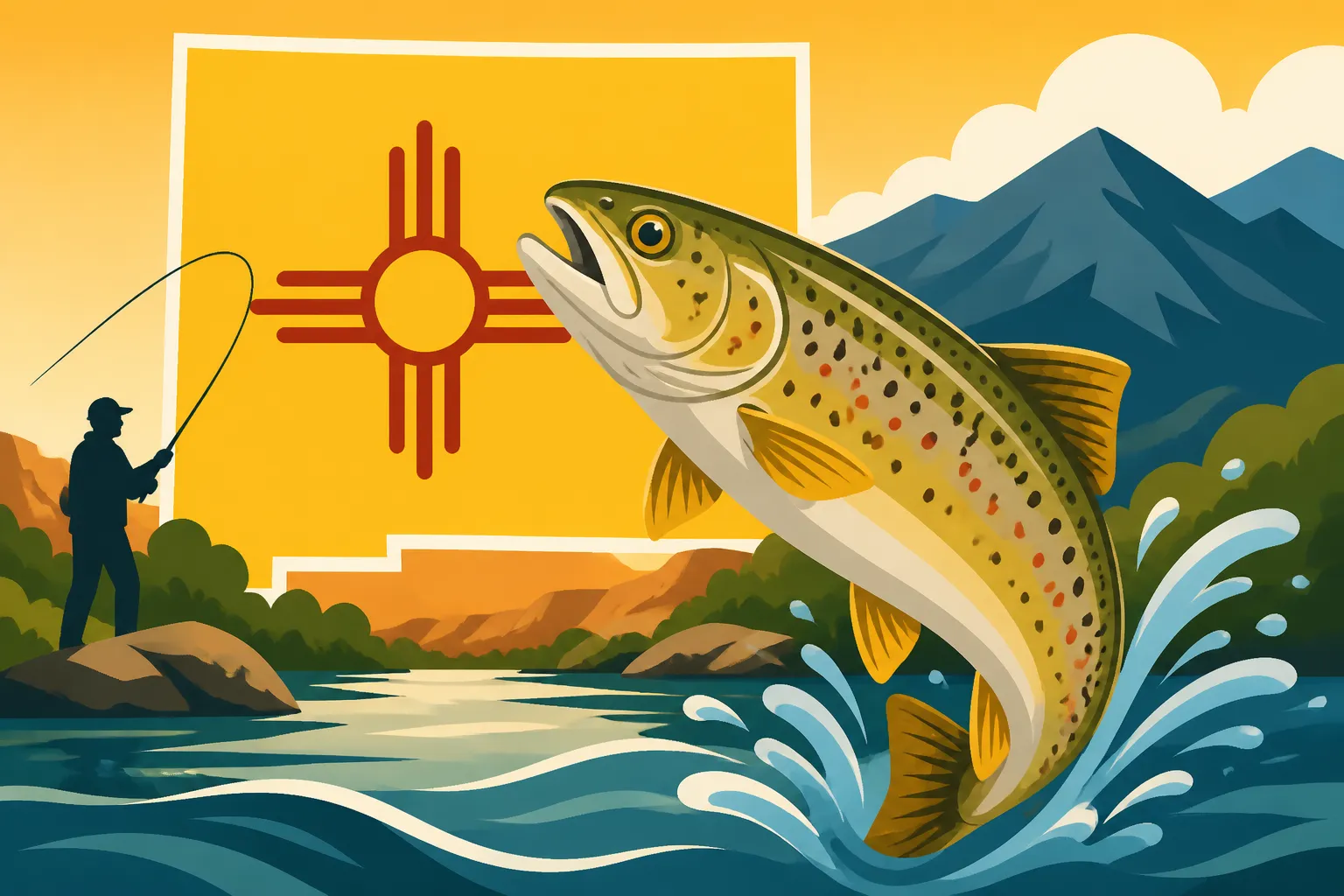
New Mexico’s State Fish
You know, living in New Mexico, we're surrounded by such incredible natural beauty and unique wildlife. But often, amidst all the talk of magnificent elk or soaring eagles, we forget about one of our most precious aquatic treasures. Many folks who love to fish or even just appreciate the outdoors might not even realize that New Mexico has an official state fish, a true native gem that tells a story of the land itself. This guide is going to take a deep dive into what makes our state fish so special, where you can find it, and how we can all play a part in protecting its legacy for generations to come.
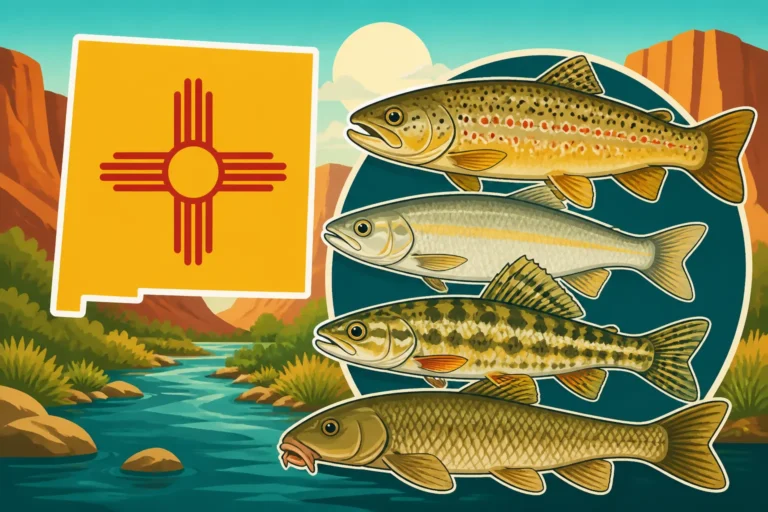
The Official State Fish of New Mexico: The Rio Grande Cutthroat Trout
For anyone who’s ever cast a line into New Mexico's pristine mountain waters, or simply admired the vibrant life beneath the surface, the Rio Grande Cutthroat Trout stands as a living symbol of our state's wild heart. It’s not just any fish; it’s a species deeply intertwined with the history and ecology of the Land of Enchantment.
A Living Symbol of New Mexico's Natural Heritage
The Rio Grande Cutthroat Trout was officially designated as New Mexico's state fish back in 1955, and for very good reason. This isn't a species that was introduced from somewhere else; it’s a native, having evolved right here in the headwaters of the Rio Grande and Pecos River drainages for thousands of years. Imagine, these fish have been swimming in our high-country streams since before recorded history, adapting to the unique challenges and opportunities presented by our specific ecosystem. They are a testament to the resilience and biodiversity of our landscape.
Their presence is a strong indicator of healthy, pristine water environments, which, as any angler knows, are increasingly precious. Seeing a flash of their distinctive colors darting through a clear mountain stream isn't just a moment of beauty; it's a reminder of what we strive to preserve in New Mexico. They are part of the very fabric of our natural identity, representing the untamed spirit of our mountains and waters.
Key Characteristics and Identification
Distinguishing a Rio Grande Cutthroat Trout from other trout species, especially the more common rainbow trout, can be a bit tricky for the untrained eye. However, once you know what to look for, their unique features become quite clear. The most iconic characteristic, and the one that gives them their name, is the distinctive red or orange "cutthroat" slash marks found in the folds under their lower jaw. Think of it like a bold, painted streak on either side of their throat.
Beyond this striking mark, their body coloration typically ranges from an olive-green to a yellowish-brown on their back, fading into beautiful golden-yellow sides, and often a vibrant red or orange belly, especially during spawning season. Their bodies are adorned with irregularly shaped, larger black spots that tend to be more concentrated towards the tail, rather than evenly distributed across their entire body like many rainbow trout. Younger fish, and sometimes even adults, may also retain faint vertical parr marks along their sides, which are remnants from their juvenile stage. Knowing these details can truly enhance your appreciation when you encounter one of these magnificent fish in its natural element.
To help visualize these differences, here's a quick comparison:
| Feature | Rio Grande Cutthroat Trout | Rainbow Trout (Common) |
|---|---|---|
| Native Status | Native to specific drainages in New Mexico | Widely introduced and stocked in many waters |
| "Cutthroat" Mark | Distinctive red/orange slash beneath the lower jaw | Absent |
| Body Color | Olive-green/yellow-brown back, golden-yellow sides, red/orange belly | Bluish-green/olive back, silvery sides, often pink/red lateral stripe |
| Spotting | Irregular, larger black spots, often concentrated near tail | Numerous, smaller, more evenly distributed black spots |
| Parr Marks | May retain into adulthood | Typically fade or disappear in adults |
| Habitat | Primarily cold, clear, high-elevation mountain streams/headwaters | Adaptable to wider range, including larger rivers and lakes |
Understanding Their Habitat: Where They Thrive
Rio Grande Cutthroat Trout are true connoisseurs of cold, clean water. Their preferred habitat is typically found in the high-elevation mountain streams, headwater creeks, and alpine lakes of northern and central New Mexico. These are often small, pristine waterways that flow through dense conifer forests or open mountain meadows, maintaining consistently cold temperatures even through the summer months. They absolutely need clear, well-oxygenated water, which is why their presence is such a reliable indicator of a healthy ecosystem.
You'll find them navigating through intricate stream systems, utilizing deep pools, undercut banks, and complex riffles for shelter, feeding, and spawning. These environments are often remote and require a bit of effort to reach, which is part of their mystique. Think of the rugged Pecos Wilderness, the high reaches of the Carson National Forest, or the secluded sections of the Gila National Forest – these are the kinds of wild, undisturbed places where the Rio Grande Cutthroat Trout finds its home. Preserving these habitats is paramount, as any degradation directly impacts the survival of this sensitive species.
Where to Find and Fish for Rio Grande Cutthroat Trout
The pursuit of the Rio Grande Cutthroat Trout is an adventure in itself, often leading anglers into some of New Mexico's most breathtaking and secluded landscapes. It’s not about ease of access, but about the reward of connecting with a true native species in its unspoiled environment.
Prime Fishing Locations in New Mexico
If you're eager to experience the thrill of catching New Mexico's state fish, you'll need to set your sights on the high country. Some of the most renowned areas for finding Rio Grande Cutthroat Trout are within the Pecos Wilderness, where numerous small creeks and high-alpine lakes hold strong, self-sustaining populations. Think of places like the Rio Mora, the Pecos River's headwaters, or some of the smaller, unnamed tributaries tucked away in the mountains. The Gila National Forest in southwestern New Mexico also harbors some populations, particularly in the upper reaches of the Gila River and its feeder streams, representing a different genetic lineage adapted to that specific region.
Further north, the Carson National Forest is another stronghold. Streams like the Rio Pueblo, Red River tributaries, and various small waters flowing out of the Latir Peaks Wilderness often hold these native beauties. Many of these spots require hiking several miles into the backcountry, away from paved roads and easy access points. This remoteness is a double-edged sword: it means less fishing pressure, but also demands a greater commitment from the angler in terms of preparation and physical exertion. Always consult local regulations and land access information before planning your trip, as some areas may have specific closures or restrictions to protect these vulnerable populations.
Responsible Angling for a Native Treasure
Catching a Rio Grande Cutthroat Trout is a privilege, and it comes with a responsibility to ensure their continued survival. Most anglers targeting this species practice catch-and-release exclusively, and in many specific areas, it's a mandatory regulation. When fishing for these sensitive native trout, it's highly recommended to use Barbless Hook Fishing Technique for New Mexico Rivers. Barbless hooks minimize the damage to the fish's mouth, making the release much smoother and increasing its chances of survival. You can often buy barbless hooks, or simply pinch down the barb on your existing hooks with a pair of pliers.
Light tackle is the name of the game here. A light spinning rod with a thin line or, even better, a small fly rod (think 2 to 4-weight) is ideal. When fly fishing, small dry flies that mimic native insects, or tiny nymph patterns, often prove effective. Approach the water cautiously, as these fish can be skittish. Once you've hooked one, land it quickly and gently. Keep the fish in the water as much as possible for photographs and release. Catch and Release Best Practices in New Mexico are crucial here: avoid squeezing the fish, especially around the gills, and allow it to recover in the current before letting it swim off on its own power. Always check the current New Mexico Trout Fishing Rules and New Mexico Special Trout Water Rules for bag limits, gear restrictions, and any specific conservation measures in the area you plan to fish. Sometimes, areas with native trout populations have even stricter regulations to protect them.
Conservation and the Future of the Rio Grande Cutthroat Trout
The Rio Grande Cutthroat Trout, while a resilient symbol, faces numerous challenges in the modern era. Its continued existence relies heavily on dedicated conservation efforts and the informed participation of anglers and outdoor enthusiasts alike.
Challenges Facing This Iconic Species
The biggest threats to the Rio Grande Cutthroat Trout are multifaceted, stemming primarily from habitat degradation and genetic dilution. For centuries, these fish thrived in isolated, pristine mountain streams. However, human activities like logging, mining, grazing, and road construction can lead to increased sedimentation in streams, higher water temperatures, and altered stream flows, all of which are detrimental to cutthroat trout. They need cold, clear, stable aquatic environments to reproduce and survive.
Perhaps an even more insidious threat is hybridization with non-native trout species, particularly rainbow trout, which were widely stocked in New Mexico waters for decades. When rainbow trout breed with cutthroat trout, their offspring are a hybrid, and the unique genetic makeup of the pure Rio Grande Cutthroat is diluted. This genetic "swamping" can eventually lead to the loss of the distinct native species altogether. Climate change also presents a growing challenge, as warmer temperatures and altered precipitation patterns can reduce cold water habitat, making many streams unsuitable for cutthroat trout. It’s a constant battle to maintain the delicate balance these fish require to thrive.
Ongoing Efforts to Protect and Restore Populations
Thankfully, many dedicated individuals and organizations are working tirelessly to ensure the survival of the Rio Grande Cutthroat Trout. The New Mexico Department of Game and Fish, along with federal agencies like the U.S. Forest Service and Bureau of Land Management, lead many of these initiatives. A primary focus is on habitat restoration, which includes projects like fencing riparian areas to prevent livestock grazing, planting native vegetation to stabilize stream banks and provide shade, and removing artificial barriers that prevent fish movement.
Another critical component is the identification and protection of genetically pure populations. This often involves extensive surveying and genetic testing. Once pure populations are identified, efforts are made to protect them from hybridization, sometimes through the removal of non-native fish species from specific stream sections, or by installing barriers to prevent non-native fish from moving upstream. Stocking programs are also utilized, but with a twist: only genetically pure Rio Grande Cutthroat Trout are stocked into suitable habitats, often in areas where they were historically found but had been extirpated. Anglers play a vital role too, by practicing catch-and-release, using barbless hooks, and supporting conservation organizations. Every responsible action helps ensure that this living symbol of New Mexico continues to grace our waters.
Essential Gear for Targeting Rio Grande Cutthroat
To successfully and responsibly fish for Rio Grande Cutthroat Trout, having the right gear is crucial. Given their preference for remote, high-country streams, your equipment needs to be both effective for fishing and suitable for the trek.
Light Tackle and Fly Fishing Essentials
When it comes to fishing for these wary native trout, subtlety is key. For fly anglers, a lightweight fly rod, typically a 2-weight to 4-weight, between 7 and 8.5 feet long, is perfect. This setup allows for delicate presentations of small flies, which are often necessary in clear, shallow mountain streams. Pair it with a matching fly reel and a weight-forward floating line. When you’re putting together your fly box, focus on smaller patterns. Classic dry flies like Parachute Adams, Elk Hair Caddis, or small attractor patterns in sizes 14-20 are often productive. For subsurface action, tiny nymph patterns such as Hare's Ear, Pheasant Tail, or even a San Juan Worm in similar small sizes can be deadly. You can often find a good selection of these specific flies and appropriate leader/tippet materials by browsing online retailers like Amazon, making it convenient to stock up before your adventure. Remember, barbless hooks are highly recommended, or you can easily crimp down the barbs on your existing hooks with pliers.
If spin fishing is more your style, opt for an ultralight spinning rod, around 5 to 6 feet long, paired with a small, lightweight spinning reel spooled with 2 to 4-pound test monofilament or fluorocarbon line. Micro-spinners, small spoons, or tiny soft plastic baits (like a one-inch Gulp! Minnow) can be effective. Again, remove or pinch down those barbs to make catch and release easier on the fish. For more specific advice on setting up your gear, check out our guide on Best Rods and Reels for New Mexico Trout Fishing or Fly Fishing Gear for New Mexico Rivers.
High-Country Preparedness
Beyond your fishing setup, preparing for the high-country environment is just as important. Waders are almost a necessity for navigating rocky streams and staying comfortable in cold water. Breathable chest waders paired with sturdy wading boots (often with felt or rubber soles for grip) are ideal. Since you'll likely be hiking to reach these remote spots, a comfortable fishing backpack is essential to carry your gear, water, snacks, and any emergency supplies. A good pair of polarized sunglasses will help you spot fish in clear water and protect your eyes from the intense high-altitude sun.
Always pack layers of clothing, as mountain weather can change rapidly from warm sun to sudden rain or cold winds. A waterproof rain jacket is a must. Navigation tools, whether a physical map and compass or a reliable GPS device with downloaded maps, are crucial given the remote nature of many cutthroat habitats. Don't forget bug spray, a first-aid kit, and enough water for your hike and fishing excursion. Remember, while a quick online search on Amazon can get you started with many gear essentials, always prioritize quality and durability for backcountry adventures. Being well-prepared ensures not only a more successful fishing trip but also a safer and more enjoyable experience in New Mexico's stunning wilderness.
Disclaimer
This article is for general informational purposes only and does not constitute professional advice. Laws, prices and regulations vary by location and change over time. Consult a qualified professional for guidance on your specific situation.