Fish Stocked at Eagle Nest Lake
Planning a fishing trip to Eagle Nest Lake is an adventure, but knowing what finned friends you're likely to encounter can make all the difference in your preparation and success. It's easy to wonder if the rumors about certain species are true or if the lake holds what you're hoping to catch. This guide is here to clear up the mystery, diving deep into the fish species regularly stocked in Eagle Nest Lake, offering insights into their habits, and helping you tailor your approach for a memorable day on the water.
The Main Attractions: Trout and Salmon at Eagle Nest Lake
Eagle Nest Lake, nestled high in the Sangre de Cristo Mountains, is renowned for its cold-water fishery. This isn't a place where you'll find sprawling bass populations or giant catfish. Instead, the focus here is squarely on the trout and the unique Kokanee salmon, thanks to a diligent stocking program that keeps angler's lines tight. Understanding these primary species is key to unlocking the lake's potential.
Rainbow Trout: The Perennial Favorite
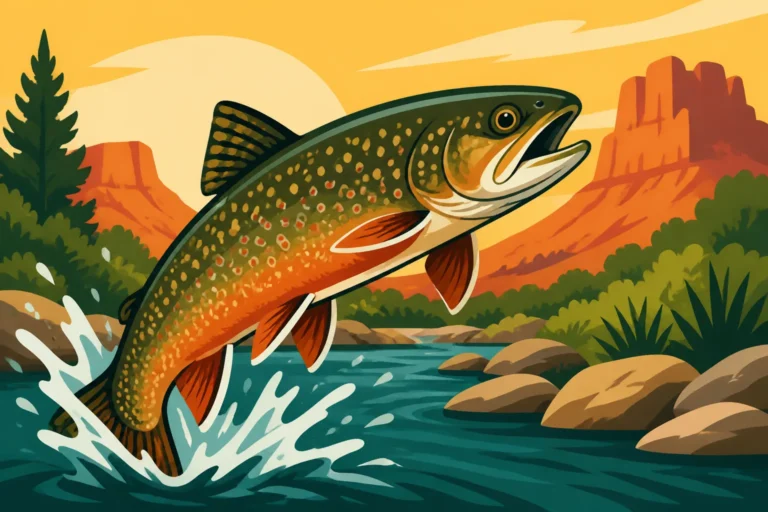
Rainbow trout are undoubtedly the workhorses of Eagle Nest Lake's stocking program. They are introduced into the lake in significant numbers, ensuring that there's always a healthy population for anglers to pursue. These fish are known for their beautiful iridescent colors, strong fighting spirit, and willingness to strike a variety of baits and lures, making them a fantastic target for anglers of all skill levels.
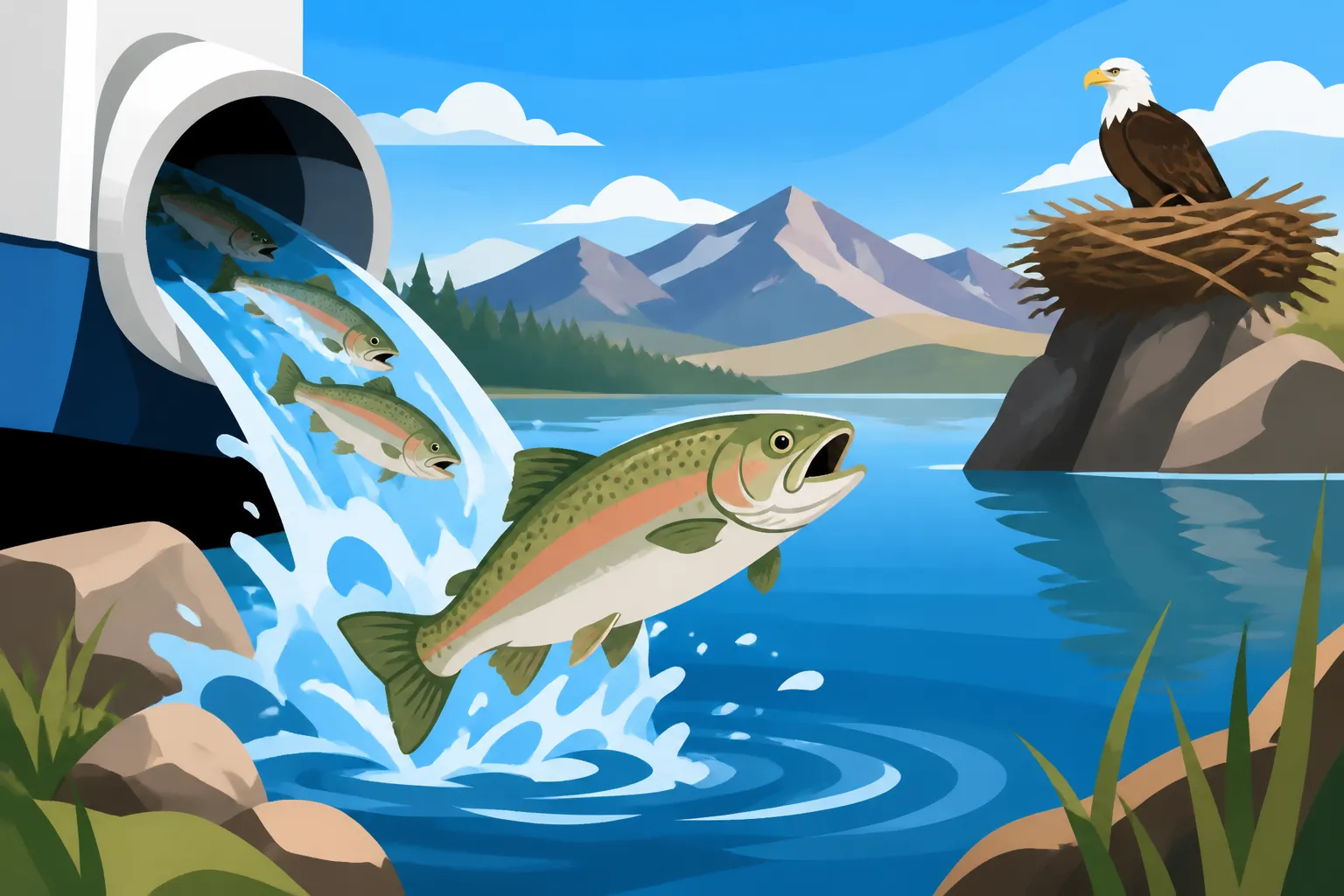
When newly stocked, rainbow trout tend to congregate in certain areas, often near the boat ramps or where the water flows in, as they acclimate to their new environment. As they settle in, they spread out across the lake, seeking out cooler, deeper waters during the warmer months and moving closer to shore in spring and fall. These fish are relatively quick growers, and you can expect to find rainbows ranging from pan-sized keepers to some surprisingly robust individuals that have had a chance to feast and mature in the rich waters of Eagle Nest Lake. They are a staple of Rainbow Trout Fishing in New Mexico, and for good reason!
Rio Grande Cutthroat Trout: A Native Gem
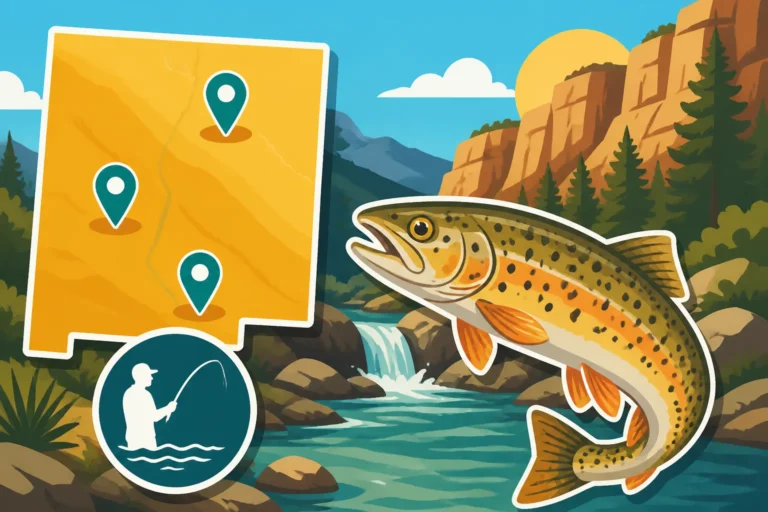
While not stocked in the same sheer numbers as rainbow trout, the Rio Grande cutthroat trout holds a special place in New Mexico's angling heart. As the state fish and a species with significant conservation efforts behind it, these native trout are sometimes introduced into Eagle Nest Lake to help sustain their population and offer anglers a unique opportunity. They are identifiable by the distinctive orange or red slash marks under their lower jaw, which gives them their "cutthroat" name.
Catching a Rio Grande cutthroat is often considered a trophy experience, not necessarily for size, but for the connection to New Mexico's natural heritage. These fish can be a bit more wary than their rainbow cousins, often preferring natural presentations of flies or very subtle lures. They tend to stick to areas with good cover and clear, cold water, which can sometimes mean targeting them in specific coves or deeper sections of the lake. Learning How to Identify a Rio Grande Cutthroat Trout can certainly add to the excitement of your catch.
Kokanee Salmon: A Seasonal Treat
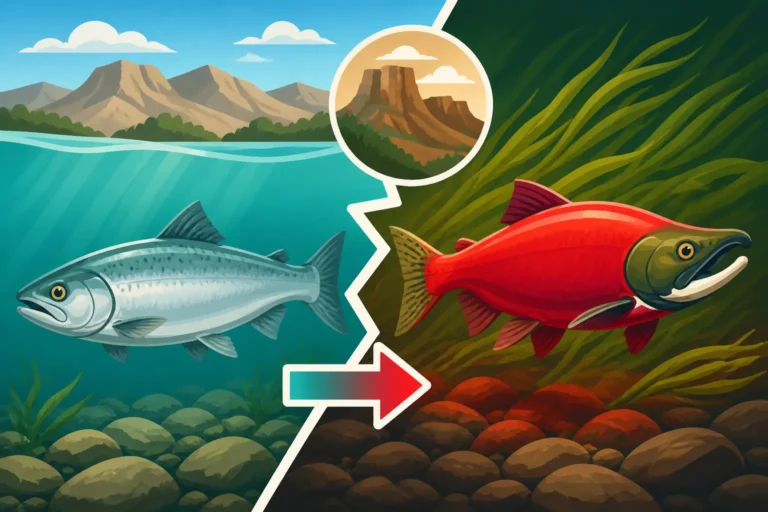
Kokanee salmon are a landlocked sockeye salmon, and they represent a unique and highly anticipated fishery at Eagle Nest Lake, particularly in the fall. Unlike the trout, which are generally available year-round, Kokanee have a distinct life cycle and seasonal behaviors that make them a target during specific times, especially when they begin their spawning run.
These schooling fish spend most of their lives in the deeper, open waters of the lake, feeding on zooplankton. They are known for their delicious red-orange flesh and can provide fast-paced action when you locate a school. As fall approaches, their bodies begin to transform, taking on a brilliant red hue, and the males develop a humped back and hooked jaw in preparation for spawning. This is when the popular "snagging" season often opens, allowing anglers to target them as they move into shallower waters. Trolling with downriggers in the open water is a common technique for these fish before the snagging season begins.
Understanding Eagle Nest Lake's Stocking Program
The health and vitality of a cold-water fishery like Eagle Nest Lake rely heavily on robust and consistent stocking efforts. The New Mexico Department of Game and Fish (NMDGF) manages these programs, taking into account environmental conditions, angler demand, and conservation goals for native species. Knowing a little about how and why they stock can give you an edge in predicting fish behavior.
Why Eagle Nest Lake Gets Stocked Regularly
Eagle Nest Lake, while a stunning natural resource, isn't a self-sustaining trout or salmon fishery in the same way a pristine mountain stream might be. The lake's ecosystem, while cold, experiences pressures from angling, predation, and fluctuating water conditions. Regular stocking ensures that there are always ample fish for recreational angling, preventing overfishing of naturally reproducing populations (where they exist) and providing a consistent experience for visitors.
The NMDGF typically aims to stock various sizes of fish, from fingerlings to larger catchable trout, throughout the year, though stocking efforts will naturally fluctuate with seasonal conditions and resource availability. This creates a diverse age structure in the lake, meaning you might hook into a recently stocked feisty pan-sized rainbow or a larger, more cunning holdover trout that has been in the lake for a season or two. This practice helps maintain a vibrant Eagle Nest Lake Fishing experience.
Seasonal Stocking Patterns and What to Expect
Stocking patterns at Eagle Nest Lake, like many New Mexico waters, are influenced by the seasons. In general, spring and fall see some of the heaviest stocking activity when water temperatures are most favorable for trout. This is often when you'll find fish most active and willing to bite near shore. During the heat of summer, stocking may decrease or focus on larger, hardier fish, and the trout will seek deeper, cooler water. In winter, ice fishing can be excellent, targeting fish that have settled into their cold-water patterns.
The Seasonal Stocking Schedule in New Mexico is a crucial piece of information for serious anglers, as freshly stocked fish can often be eager to bite. However, it's also important to remember that these fish, especially the larger ones, quickly adapt to their environment. They learn to avoid common baits and lures and start feeding on natural forage, becoming more challenging to catch. Therefore, relying solely on recent stocking reports without adapting your techniques might lead to frustration.
Fishing Techniques and Gear for Eagle Nest Lake's Stocked Species
Equipping yourself with the right knowledge and gear is paramount when targeting the diverse cold-water species of Eagle Nest Lake. From the eager rainbow trout to the elusive cutthroat and the schooling Kokanee, each species presents its own set of challenges and rewards.
Targeting Rainbow Trout
Rainbow trout are the most forgiving of the lake's stocked fish, making them a great target for beginners and seasoned anglers alike. For bait fishing, tried-and-true options like PowerBait (in various colors), worms, and corn are incredibly effective. You can fish these on the bottom with a simple slip-sinker rig or suspend them under a bobber, especially in shallower areas or around points.
For lure fishing, small spinners like Mepps, Panther Martins, or Kastmasters in silver, gold, or brass colors are excellent choices. Tossing and retrieving these near shorelines, drop-offs, or submerged structures can often provoke a strike. Fly anglers will find success with nymphs, streamers like Woolly Buggers, or even dry flies during hatches. Often, a medium-light spinning rod and reel combo, capable of handling 4-6 pound test line, is ideal. You can find many reliable spinning combos suitable for trout fishing on Amazon, often at various price points. Best Lures for New Mexico Trout offers even more specific recommendations.
Pursuing Rio Grande Cutthroat Trout
When it comes to Rio Grande cutthroat trout, a more delicate approach often yields better results. These native trout can be particular and are easily spooked. Fly fishing is particularly effective, with small nymphs (like Pheasant Tails or Hare's Ears), dry flies (such as Elk Hair Caddis or Parachute Adams), and tiny emergers working well. Focus on presentations that drift naturally and don't create much splash.
If you're using spinning gear, opt for the lightest line you can manage (2-4 pound test) and cast very small, natural-looking lures or plastics. Micro-jigs, tiny spoons, or even small pieces of Gulp! PowerBait that mimic natural insects can entice a strike. Stealth is key; approach potential fishing spots quietly and make long, accurate casts to avoid disturbing the fish. Remember, these are often caught in the same waters, so understanding New Mexico Trout Fishing Rules is vital, especially concerning catch limits and release practices for native species.
Hooking Kokanee Salmon
Kokanee salmon fishing, especially before the fall spawning run, typically involves trolling in the open water. These fish spend most of their lives suspended in the water column, feeding on plankton. Anglers use specialized gear like downriggers to get their lures to the precise depth where the Kokanee are holding. Small dodgers or flashers paired with mini-hoochies, wedding rings, or small spoons are classic setups. Tipping your lure with a kernel of shoepeg corn soaked in a kokanee scent is a time-honored tradition that significantly increases success.
During the fall spawning run, when snagging may be permitted (always check current regulations!), the technique changes dramatically. Large, weighted treble hooks are used to "snag" the fish as they congregate. It's a different kind of fishing, and it's heavily regulated, so be sure to consult the latest New Mexico Fishing Regulations Overview for specific dates and rules regarding snagging. If you need to upgrade your trolling gear or stock up on kokanee scents, checking out options on Amazon can save you a trip to multiple bait shops.
Eagle Nest Lake: Beyond the Big Three
While trout and Kokanee salmon dominate the conversation at Eagle Nest Lake, it's important to remember that ecosystems are complex. Other species can sometimes be present, influencing the fishery or occasionally surprising an angler.
Yellow Perch: An Unexpected Catch
Yellow perch are not typically stocked intentionally in Eagle Nest Lake, but they are present and have established populations in many New Mexico waters. These feisty panfish can offer a fun diversion, especially for kids or when the trout bite is slow. They tend to school together, so if you catch one, there are likely more in the vicinity.
Perch are often found near submerged structures, weed beds, or along drop-offs. They readily hit small baits like worms, grubs, or small pieces of cut bait. Tiny jigs, spinners, or spoons can also be effective. While not the primary target species for most at Eagle Nest Lake, a cooler full of perch can make for an excellent fish fry, and they offer a different kind of angling challenge. A lightweight rod and reel, perfect for panfish, can be easily found and ordered through Amazon for your next outing.
Navigating Regulations for All Species
Regardless of what you're targeting at Eagle Nest Lake, staying informed about New Mexico Fishing Regulations Overview is crucial. Limits, seasons, and tackle restrictions can vary, especially for native species like the Rio Grande Cutthroat Trout, or for specific seasonal activities like Kokanee salmon snagging.
It’s always a good practice to obtain a copy of the most recent New Mexico Fishing Rules & Regulations booklet before your trip, or consult the NMDGF website. Understanding daily bag and possession limits, such as the New Mexico Daily Trout Bag Limit, ensures you're fishing responsibly and legally. Penalties for violations can be steep, and nobody wants their relaxing day on the lake to turn into an expensive headache.
| Species | Primary Stocking Status | Typical Size Range (inches) | Primary Fishing Method | Common Baits/Lures | Notes |
|---|---|---|---|---|---|
| Rainbow Trout | High Volume | 10 – 18 | Bank, Boat, Trolling | PowerBait, Worms, Spinners, Nymphs | Aggressive, good fighters, most common catch. |
| Rio Grande Cutthroat Trout | Conservation Focus | 8 – 14 | Bank, Fly Fishing | Small Flies, Micro-lures, Tiny Worms | Native species, more wary, catch and release encouraged for conservation. |
| Kokanee Salmon | Moderate Volume | 12 – 18 | Trolling (pre-spawn), Snagging (spawn) | Dodgers/Flashers, Hoochies, Corn, Treble Hooks | Schooling fish, seasonal snagging opportunities, excellent table fare. |
| Yellow Perch | Established Population | 6 – 10 | Bank, Boat | Worms, Small Jigs, Minnows | Not actively stocked, present in lake, fun panfish, often found near structure. |
Fishing Eagle Nest Lake provides a fantastic opportunity to connect with nature and enjoy some of the best cold-water fishing New Mexico has to offer. By understanding the stocked species and adapting your techniques, you're well on your way to a successful and enjoyable day. Whether you're chasing the vibrant rainbows, seeking the elusive cutthroat, or timing your trip for the exciting Kokanee run, Eagle Nest Lake promises memorable angling experiences.
Disclaimer
This article is for general informational purposes only and does not constitute professional advice. Laws, prices and regulations vary by location and change over time. Consult a qualified professional for guidance on your specific situation.