Kokanee Color Change During Spawning Season
One of the most breathtaking transformations you’ll ever witness in the world of New Mexico fishing is the dramatic color change of kokanee salmon during their spawning season. It's a natural spectacle that turns these ordinarily silvery fish into vibrant, fiery red creatures, but it also carries important implications for anglers. This guide will dive deep into why kokanee undergo this incredible metamorphosis, what it means for their behavior, and how you, as a responsible angler, can understand and appreciate this unique phase of their life cycle.
The Phenomenon of Kokanee Color Change
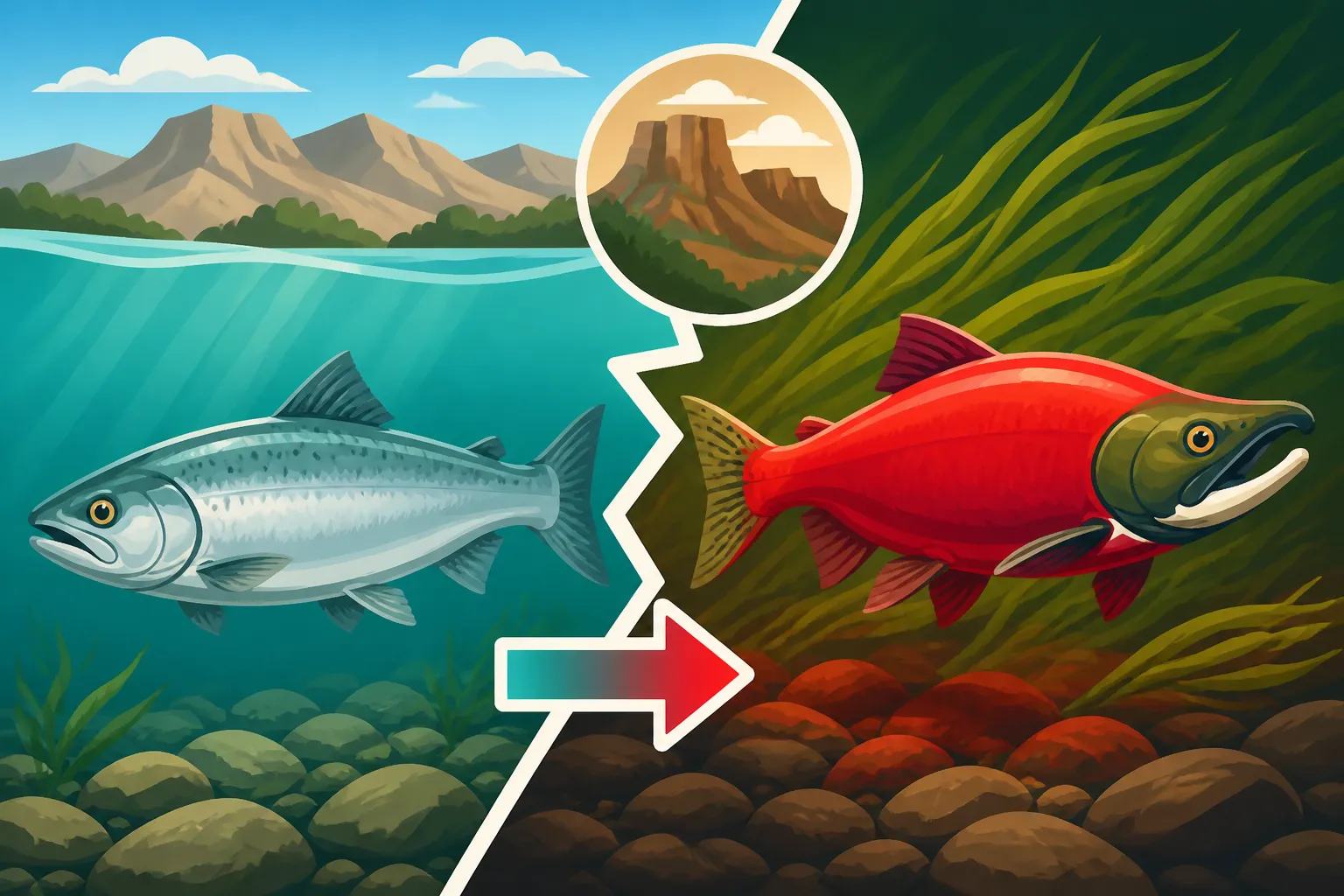
Kokanee salmon, a landlocked sockeye salmon, are truly remarkable fish. For most of their lives, they sport a sleek, silvery body, often with a darker back and subtle speckles, perfectly camouflaged for life in the open water of New Mexico's larger reservoirs. But as their biological clock ticks towards the end of their life cycle, an incredible change begins to unfold, driven by the most powerful urge in nature: reproduction.
Why Kokanee Change Color
The primary reason kokanee salmon change their color so dramatically is for spawning. This vibrant coloration serves as a crucial visual signal to attract mates and communicate readiness for reproduction. Think of it like a neon sign flashing "I'm ready to spawn!" to other kokanee. The bright reds and oranges make them stand out in the stream or lake shallows, a stark contrast to their usual camouflaged appearance. This change is not just skin deep; it's a complete physiological overhaul, initiated by hormonal shifts that dictate their migration upstream or into shallow lake areas to deposit and fertilize eggs. The energy expenditure required for this transformation and the subsequent spawning act is immense, often leaving them unable to feed effectively, and ultimately leading to their demise after the spawn.
The Stages of Transformation
The color change isn't instant; it's a gradual, yet profound, process that occurs over several weeks, sometimes even a couple of months, as the spawning season approaches. Initially, you might notice a subtle darkening or a faint blush of orange or pink developing along their sides. This often starts as they begin to school up and move towards their natal spawning grounds. As the process intensifies, the fish's silver scales begin to absorb the vibrant red and orange pigments, becoming less reflective and more saturated in color. Their fins can also take on a darker hue, and males, in particular, develop a pronounced humped back (kype) and an elongated, hooked jaw, further distinguishing them. The shift is so complete that a fish you once identified as silvery might now look like an entirely different species, a testament to nature's incredible design. This gradual transformation is a beautiful prelude to the culmination of their lives' purpose.
Hormonal Influence and Environmental Cues
The dramatic shift in kokanee coloration is primarily triggered by an intricate interplay of hormones and environmental cues. As the days shorten and water temperatures begin to drop in late summer and early fall, these environmental signals tell the fish that it's time. Internally, their bodies respond by releasing specific hormones, particularly sex steroids, which directly influence the production and deposition of pigments in their skin cells. These hormones also drive the physical changes in their body shape, such as the male's kype. While the exact timing can vary slightly depending on water temperatures and individual lake conditions – for instance, Kokanee Salmon Spawning Time at Navajo Lake might differ slightly from other locations – the underlying biological mechanism is universal. It's a finely tuned system, perfected over millennia, ensuring the species' survival through successful reproduction.
What the Color Change Means for Anglers
Understanding the kokanee's color change is incredibly important for anglers, not just for appreciating nature, but for ethical fishing practices and locating actively feeding fish.
Identifying Spawning Kokanee
When you see a kokanee salmon that's deep red, orange, or even mottled with dark green patches, especially with a humped back or hooked jaw, you're almost certainly looking at a fish that's actively engaged in or preparing for spawning. These fish will typically be found in shallower areas of lakes, near river mouths, or upstream in tributaries, where they seek out gravel beds for egg deposition. Their behavior also changes significantly; they become more aggressive towards perceived threats to their redds (nests) but much less interested in feeding. Spotting these brilliantly colored fish is a clear indicator that you're in a spawning zone, and it should prompt a shift in your approach as an angler. You might even find yourself observing more than fishing, which is a wonderful experience in itself.
Impact on Fishing Behavior
For most of their lives, kokanee are plankton feeders, and anglers target them by trolling with small dodgers and lures that imitate their preferred food. However, once the color change sets in and they begin their spawning run, their feeding behavior all but ceases. Their digestive systems start to atrophy, and their sole focus becomes reproduction. This means that catching a bright red kokanee on a traditional trolling setup is often more a matter of irritation strikes than a genuine feeding response. They might aggressively "snap" at a lure or fly out of territorial instinct or annoyance, rather than hunger. This makes them notoriously difficult to catch intentionally with standard methods during this phase, and many anglers shift their focus to non-spawning fish in deeper water or other species entirely. It's a good time to remember that while the sight of them is stunning, they aren't looking for a meal.
Ethical Considerations for Targeting Spawners
Catching spawning kokanee raises significant ethical questions for many anglers. Because these fish are at the end of their life cycle and are expending all their energy on reproduction, their flesh quality rapidly deteriorates, becoming soft, pale, and often mushy. Many find them unsuitable for consumption. More importantly, disturbing fish on their spawning beds can disrupt the reproductive process, potentially impacting future generations. This is especially critical in areas designated as New Mexico Special Trout Water Rules or other sensitive fisheries.
If you do hook a spawning kokanee, practicing strict Catch and Release Best Practices in New Mexico is paramount. Minimize handling, keep the fish in the water as much as possible, and use barbless hooks to facilitate a quick release. Some anglers choose to avoid targeting these fish altogether during their spawning run, allowing them to complete their natural cycle undisturbed. The best practice, if you are seeking a meal, is to target kokanee before they turn red and begin their migration, when their flesh is firm and delicious.
The Visual Spectrum: A Guide to Kokanee Colors
The color palette of a spawning kokanee is truly a sight to behold, showcasing nature's artistry in its rawest form. From subtle shifts to brilliant hues, each stage tells a story.
From Silvery to Brilliant Red
Imagine a freshly caught kokanee from the deep, its body shimmering like polished silver, perhaps with a subtle blue-green tint on its back. This is its pelagic phase, when it's actively feeding and growing. As fall approaches and the spawning urge takes hold, this silver sheen gradually gives way. The sides begin to flush with pinks and oranges, deepening into a rich, vibrant crimson or brick red. This intense coloration is often accompanied by a darkening of the head, which can become olive green, black, or even a deep coppery brown. The fins, once clear or subtly tinted, may turn a smoky gray or black. The transformation is so profound that a fish previously camouflaged in the open water now becomes a beacon, signaling its intent to procreate.
Here’s a simplified look at the color progression:
| Stage | Body Color | Head Color | Male Secondary Features | Female Secondary Features |
|---|---|---|---|---|
| Feeding | Silvery, blue-back | Grey/Green | None | None |
| Pre-Spawn | Pinkish/Orange flush | Darkening Green | Slight kype | Swollen belly |
| Spawning | Brilliant Red/Crimson | Olive/Dark Green | Pronounced kype, hooked jaw | Darker, still swollen belly |
| Post-Spawn | Darker Red/Brown, fading | Dark Brown/Black | Still pronounced kype | Slimmer, discolored |
Distinguishing Between Sexes During Spawning
While both male and female kokanee undergo significant color changes, there are distinct visual differences that help distinguish them during the spawning season. Males are generally more dramatic in their transformation. They develop that iconic humped back, or "kype," which can be quite pronounced, and their jaws elongate and hook. Their red coloration also tends to be more intense and uniform across their body, often extending onto their head.
Female kokanee, while also turning red, usually have a less pronounced kype and a more rounded body shape, especially when gravid (full of eggs). Their heads tend to remain a darker, olive-green or brownish color, contrasting with their red bodies, and their red might appear slightly less intense or more mottled than the males. They might also show visible signs of egg deposition, particularly in their anal fin area, towards the very end of the spawning process. These distinctions are crucial for understanding the dynamics of the spawning beds and respecting the individual roles of the fish.
Variations and Local Factors
It’s important to remember that while the general pattern of kokanee color change is consistent, there can be variations. Factors like the specific genetic strain of kokanee, water chemistry, clarity, and even the availability of certain pigments in their diet can influence the exact shade and intensity of their red. For example, some fish might appear a deep maroon, while others are a brighter, almost neon orange-red. The specific conditions in different bodies of water, such as Heron Lake Kokanee Salmon Fishing versus Navajo Lake Kokanee Salmon Fishing, might also lead to subtle differences. Environmental stressors or premature spawning runs due to unusual temperature fluctuations could also result in less vibrant or more mottled coloring. Always keep an eye out for these subtle differences; they’re part of what makes observing these fish so endlessly fascinating.
Best Practices When Encountering Spawning Kokanee
Encountering kokanee during their spectacular color change is an unforgettable experience. As anglers, we have a responsibility to respect this critical phase of their life cycle.
Respecting the Spawning Grounds
When you come across kokanee salmon actively spawning, whether in a stream or in the shallow margins of a lake, the most important thing is to give them space. Spawning fish are extremely vulnerable and easily disturbed. Walking directly through active spawning beds (often identifiable by clean, disturbed gravel where females are digging redds) can destroy eggs that have already been laid. It's vital to avoid wading or boating directly over these areas. Observe from a distance, perhaps using binoculars, and let nature take its course. If you're targeting other species, try to steer clear of these sensitive zones. Preserving these vital spawning areas ensures the health and future of New Mexico’s kokanee populations.
Gear Considerations for Sensitive Spawners
If you find yourself inadvertently hooking a spawning kokanee, having the right gear can make all the difference in minimizing stress and increasing their chances of survival post-release. Using Barbless Hook Fishing Technique for New Mexico Rivers is highly recommended, as it allows for quicker and cleaner hook removal, reducing the amount of time the fish is out of water or struggling. Some anglers even bend down the barbs on their existing hooks before heading out. A soft, rubberized landing net, easily found on platforms like Amazon, is also excellent for handling these delicate fish, as it protects their slime coat and fins much better than knotted nylon nets. The goal is to get the fish unhooked and back into the water with minimal fuss, allowing it to continue its vital work.
Finding Pre-Spawn and Post-Spawn Fish
For anglers looking to catch kokanee for sport and table fare, the key is to target them before they turn fully red and begin their spawning run. These "silver" fish are actively feeding, fighting hard, and offer excellent eating quality. Look for them in the deeper, cooler parts of the lake, where they spend most of their lives. During the late summer, before the major color change, they will still be actively feeding. Learning Best Time of Year to Fish in New Mexico for kokanee often means understanding these seasonal movements.
Once the main spawning event is over, the fish will have completed their life cycle and passed away. However, understanding the timing of the spawn can help you locate trout and other predators that might be staging below the spawning grounds, feeding on loose eggs or decaying kokanee carcasses. It's a natural cycle, and while one species' life ends, it provides sustenance for another. Always check the current New Mexico Fishing Season Dates and Limits for specific regulations on kokanee in your chosen body of water.
Disclaimer
This article is for general informational purposes only and does not constitute professional advice. Laws, prices and regulations vary by location and change over time. Consult a qualified professional for guidance on your specific situation.