Navajo Lake Kokanee Salmon Fishing
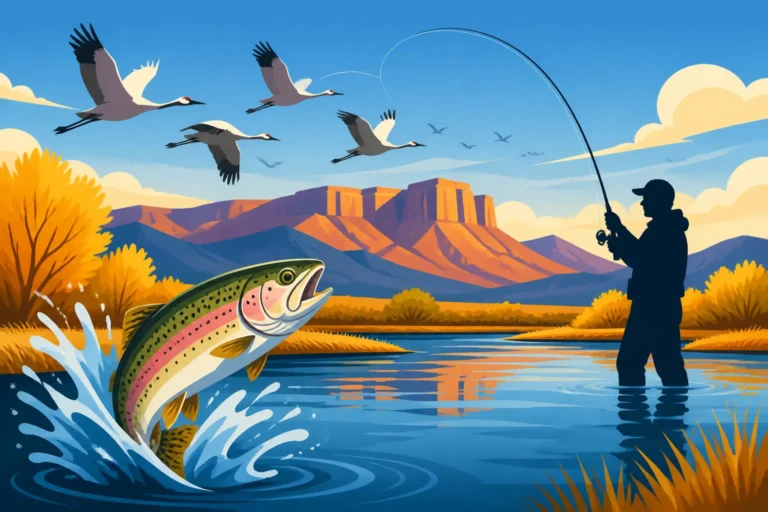
Navajo Lake, a gem nestled in the Four Corners region of New Mexico, holds a special place in the hearts of anglers, especially those chasing the elusive Kokanee salmon. Many seasoned fishers and newcomers alike find themselves scratching their heads, wondering how to consistently put these beautiful landlocked sockeye in the net in such a vast and often challenging reservoir. This comprehensive guide aims to demystify Kokanee salmon fishing at Navajo Lake, providing you with the insights, techniques, and local knowledge to make your next trip a resounding success.
Understanding Kokanee Salmon in Navajo Lake
Kokanee salmon are truly a unique species, and understanding their distinct behaviors is the first step to becoming a successful angler on Navajo Lake. Unlike their sea-going relatives, these sockeye salmon spend their entire lives in freshwater, making them a prized catch in landlocked lakes.
The Life Cycle and Habits of Navajo Kokanee
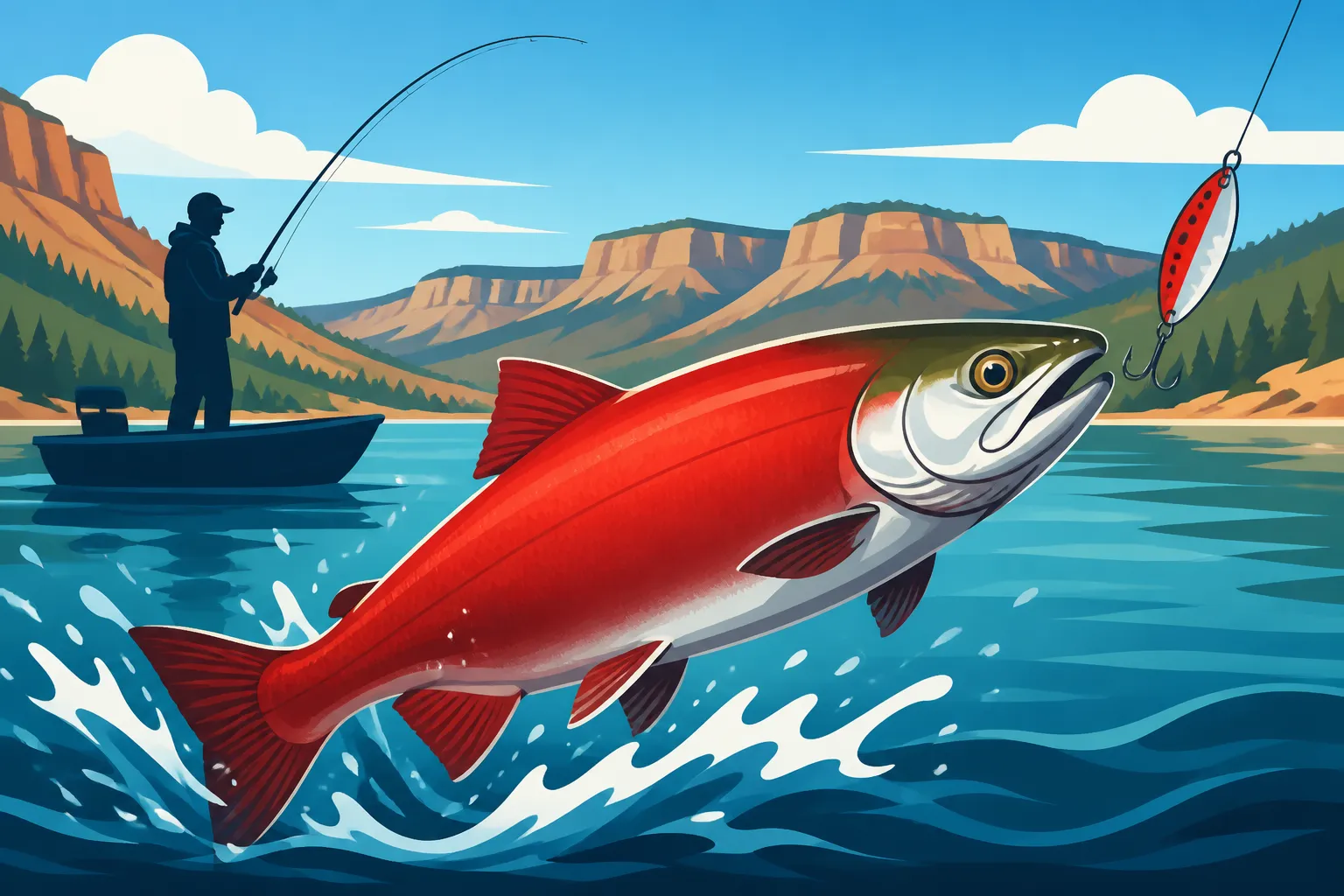
Kokanee salmon in Navajo Lake typically follow a four-year life cycle. They hatch from eggs laid in the fall, spend their early years feeding on zooplankton, and then mature rapidly. What makes them so interesting is their schooling behavior. These fish love to hang out together, often in large, dense schools, which means if you find one, you're likely to find many. Their diet primarily consists of tiny crustaceans and plankton, so they aren't chasing after big flashy lures like bass might. This planktivorous diet is key to understanding the types of lures and baits that entice them. They are also incredibly sensitive to light and temperature, often preferring deeper, cooler waters during the brighter parts of the day and warmer months, moving shallower during dawn, dusk, or overcast conditions. Learning about their spawning migration is also vital; typically, in the fall, Kokanee undergo a dramatic transformation, turning brilliant red as they prepare to reproduce, a unique sight on the lake. You can learn more about this fascinating cycle in our guide to Kokanee Salmon Spawning Time at Navajo Lake.
Identifying Kokanee vs. Other Salmonids
It's easy to confuse Kokanee with other trout and salmon species, especially smaller ones, but there are some tell-tale signs. Mature Kokanee develop a distinctive hooked jaw (kype) in males and turn bright red during their spawning phase. Even when not spawning, their bodies are generally more slender and torpedo-shaped than, say, a rainbow trout, and they often have fewer spots, if any, on their tails. Their flesh, when caught, is a vibrant orange-red, a direct result of their diet. Knowing how to correctly identify your catch is important for adherence to New Mexico fishing regulations, especially since bag limits can vary between species. For a broader look at what swims in these waters, check out our piece on Fish Species Found in New Mexico.
Why Navajo Lake is a Premier Kokanee Fishery
Navajo Lake isn't just a good place for Kokanee; it's one of the best. The lake's deep, cold waters, combined with a rich supply of zooplankton, create an ideal habitat for these salmon to thrive. The New Mexico Department of Game and Fish actively manages the fishery, including stocking efforts, to maintain a healthy population. The sheer size of Navajo Lake also plays a role, offering vast areas of undisturbed water where Kokanee can school and grow. This robust ecosystem means that anglers have consistent opportunities for good catches, and the average size of the Kokanee here is often quite impressive, making for a truly rewarding experience.
When to Fish for Kokanee Salmon at Navajo Lake
Timing is everything when it comes to Kokanee fishing, and Navajo Lake is no exception. Understanding the seasonal movements and daily patterns of these fish will significantly improve your chances of success.
Seasonal Patterns and Peak Times
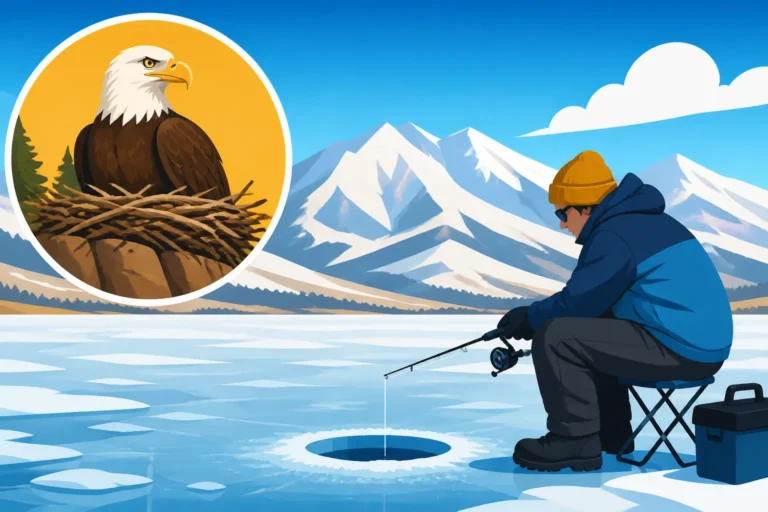
Kokanee salmon fishing at Navajo Lake follows distinct seasonal patterns. Spring, especially from April to June, is often considered prime time. As the water begins to warm, Kokanee will move into the upper water column, making them more accessible to trollers. During summer, from July to August, they retreat to deeper, cooler waters, often suspending over significant depths. This requires specialized gear like downriggers to reach them effectively. Fall, particularly September and October, marks the spawning season. While the fish are vibrant and aggressive, regulations may change, and many anglers choose to participate in snagging season where permitted, which can be an incredibly productive but short window. You can find specific dates and limits in the New Mexico Fishing Season Dates and Limits guide. Winter offers a different challenge; if the lake freezes over sufficiently, ice fishing for Kokanee can be quite successful, though this is less common for Kokanee and more for other species.
Understanding the Spawn: Opportunities and Restrictions
The Kokanee salmon spawn at Navajo Lake is a spectacular event, typically occurring in the fall. As the water cools, the fish migrate towards tributary inlets or specific shallow areas to deposit their eggs. During this period, their appearance changes dramatically, turning bright red, and males develop a pronounced kype. Historically, New Mexico has allowed a snagging season for Kokanee during this time, a method where fish are "snagged" rather than caught by mouth. It’s a contentious but often very effective way to harvest large numbers of fish, though it's crucial to be aware of and strictly follow the specific dates and regulations published by the New Mexico Department of Game and Fish. These rules can change annually, so always consult the most current New Mexico Fishing Regulations Overview before heading out.
Daily Timing and Weather Considerations
Just like many other fish, Kokanee salmon are most active during low-light conditions. Dawn and dusk are often the most productive times to target them. During these periods, they tend to move shallower in the water column to feed. On bright, sunny days, especially in summer, they will often descend to deeper, cooler zones, sometimes 40 to 60 feet down or more. Overcast days can extend their active period in shallower waters, providing excellent opportunities throughout the day. Wind can also play a role; a light chop on the water can break up the surface, making fish feel more secure and less wary of boats. However, strong winds can make boat control and lure presentation difficult, especially for precision trolling.
Where to Find Kokanee Salmon at Navajo Lake
Navajo Lake is enormous, and knowing where to start looking for Kokanee can feel overwhelming. These salmon are pelagic, meaning they spend most of their lives in the open water, suspending at specific depths over great depths.
Key Structures and Depths
Kokanee salmon at Navajo Lake aren't typically found hugging the shore or hiding in brush. Instead, they relate to subtle underwater structures and, more importantly, specific temperature and oxygen levels in the water column. They'll often suspend over deep channels, submerged points, or near the main lake basin where vast schools of plankton congregate. During warmer months, look for them in the thermocline – the layer of water where the temperature changes rapidly. This layer often sits anywhere from 25 to 60 feet down, depending on the season and specific conditions. Your fish finder will be your best friend here, helping you identify bait balls and the fish arches that signify Kokanee schools. The key is finding the right depth zone where these fish are comfortable and actively feeding.
Popular Fishing Areas and Coves
While Kokanee are found throughout the main body of Navajo Lake, certain areas consistently produce good results. The area near the Navajo Dam is a popular spot, as is the main channel leading towards the dam. The deeper sections of the San Juan arm and the Pine River arm can also hold large schools of Kokanee, particularly when they begin their spawning run. Look for areas with a consistent deep water presence, but also keep an eye out for shallower coves or bays that might offer transient feeding opportunities during low light. Some experienced anglers will venture further up the arms, especially in the fall, following the fish as they prepare for their journey upstream. However, remember that the fish can move, so what was hot yesterday might be cold today. Consulting with local bait shops or guides, or even platforms like FishingBooker, can provide up-to-the-minute intel on where the fish are biting.
Reading the Water and Locating Schools
Becoming adept at reading the water and using your electronics is paramount for Kokanee success. A quality fish finder is non-negotiable. Look for dense schools of baitfish, often appearing as fuzzy clouds on your screen; Kokanee will usually be nearby, feeding on these. Pay attention to the depth at which these bait balls are holding, as that will be your target depth for your lures. Also, keep an eye on surface activity. While Kokanee don't typically jump like rainbows, you might occasionally see them break the surface, especially during low light, or notice birds diving, indicating baitfish activity below. Trolling passes are also a form of "reading the water" – if you're marking fish but not getting bites, experiment with depths, speeds, and lure colors until you crack the code.
Essential Gear and Techniques for Navajo Lake Kokanee
Chasing Kokanee is a specialized pursuit that often requires a dedicated tackle setup. It's not just about having the right gear, but knowing how to use it effectively.
Trolling Setups and Lure Selection
Trolling is hands down the most popular and effective method for catching Kokanee salmon at Navajo Lake. The goal is to present your lure at the exact depth where the fish are holding. This typically involves light to medium-light action rods, sensitive enough to detect the subtle bites of Kokanee. Reels are often conventional or small baitcasters, loaded with light monofilament or fluorocarbon line. The real secret weapon for depth control is a downrigger or planner board system. Downriggers allow you to precisely lower your lure to a specific depth, keeping it there as you troll.
Lure selection for Kokanee is critical. Small dodgers and flashers are almost universally used to attract the fish. These create vibrations and flash that mimic schooling baitfish, drawing Kokanee to your trailing lure. Behind the dodger, popular choices include small hootchies, wedding rings, or Kokanee spoons, typically 1 to 2 inches long. Color can be incredibly important and change daily. Pink, orange, chartreuse, and white are common starting points, often tipped with a piece of corn or Gulp! bait for added scent and appeal. Some anglers swear by the effectiveness of PowerBait. For more ideas on what to use, consult our article on Best Lures for New Mexico Trout.
Jigging and Still Fishing Strategies
While trolling dominates, jigging and still fishing can also be effective, particularly when fish are schooling tightly or you're fishing a specific structure from an anchored boat. For jigging, small, flashy jigs (1/8 to 1/4 ounce) in similar colors to trolling lures, often tipped with corn, can be dropped directly into schools identified on your fish finder. A slow, subtle jigging motion is usually more effective than aggressive jerking. Still fishing can be done by anchoring over a known school and using a bait presentation, such as a worm or PowerBait, suspended at the target depth. While less common for active Kokanee, it can be a relaxing way to fish, especially if you have a sensitive bite alarm. These methods are particularly effective during the spawning season when Kokanee are concentrated in smaller areas.
Electronics: Fish Finders and Downriggers
In the pursuit of Kokanee, electronics are your best friends. A good quality fish finder is essential for locating schools of fish, identifying baitfish concentrations, and determining the thermocline or preferred depth. Look for units with clear, high-resolution displays and strong transducer power. Many modern fish finders also offer side-imaging or down-imaging, which can give you a broader picture of the underwater landscape and fish distribution.
Downriggers are the workhorse for deep-water Kokanee trolling. These devices allow you to clip your fishing line to a heavy cannonball weight, which is then lowered to a precise depth, carrying your lure with it. Once a fish bites, the line releases from the clip, allowing you to fight the fish directly without the weight. Proper use of downriggers allows for consistent lure presentation in the fish's strike zone, which is crucial when Kokanee are holding deep. For more detailed tips on trolling, including the proper deployment of downriggers, check out Trolling Techniques for New Mexico Lakes.
| Season | Best Depths (Approx.) | Recommended Lures/Bait | Primary Technique | Notes |
|---|---|---|---|---|
| Spring | 15-30 feet | Pink/Orange Hootchies, Small Spoons (tipped with corn) | Trolling with planer boards/shallow downriggers | Fish are more active, moving up. |
| Summer | 30-60+ feet | Chartreuse/White Wedding Rings, Small Spoons (tipped with corn/Gulp!) | Deep Trolling with downriggers | Follow the thermocline. |
| Fall | Variable (shallow for spawn) | Snagging rigs (during open season), bright spoons | Snagging (regulated), Trolling | Spawning colors, aggressive. |
| Winter | 20-40 feet (if ice fishing) | Small Jigs, PowerBait | Ice Fishing, Deep Trolling | Less common, but possible in open water. |
Navigating Navajo Lake: Boating and Access
Navajo Lake is a large body of water, and proper preparation for boating and access is crucial for a safe and successful Kokanee fishing trip.
Boat Ramps and Marina Services
Navajo Lake offers several excellent boat ramps and marina services to accommodate anglers. The main launch areas include Pine River, Sims Mesa, and Two Rivers Marina. Pine River is a very popular spot, offering multiple ramps and usually easy access. Sims Mesa is another good option, especially for those accessing the eastern side of the lake. Two Rivers Marina provides full services, including fuel, boat rentals, and supplies, making it a convenient base of operations. Before you head out, it's always wise to check the current lake levels, as lower water can affect ramp accessibility, especially for larger boats. Detailed information on access points can be found in our dedicated guide to Navajo Lake Boat Ramps. If you plan to rent a boat or even hire a local guide, a service like FishingBooker can help you sort through the options and find the best fit for your trip.
Safety on the Water: Hazards and Best Practices
Navigating Navajo Lake requires a keen awareness of safety. The lake can get rough, especially during windy afternoons, with strong waves that can challenge even experienced boaters. Always check the weather forecast before launching and be prepared for sudden changes. Essential safety gear, including enough life jackets for everyone on board, a fire extinguisher, signaling devices (whistle or horn), and navigation lights, is not just recommended but legally required. Submerged hazards like old timber or rock formations can exist, particularly during low water conditions, so stay alert and use your depth finder. Filing a float plan with someone on shore is always a good practice, letting them know where you're going and when you expect to return. For a complete rundown on what's required on your vessel, see our New Mexico Boat Registration and Titling Guide.
Shore Fishing Opportunities
While Kokanee salmon fishing at Navajo Lake is predominantly a boat-based activity due to their pelagic nature, shore fishing can offer some limited opportunities, particularly during the spawning season. During the fall, as Kokanee move into shallower areas to spawn, anglers on foot might find success near tributary mouths or along specific rocky shores where fish gather. However, outside of this brief window, consistently catching Kokanee from shore is challenging. Bank anglers are more likely to target other species like bass, catfish, or rainbow trout. If you're keen on shore fishing, focus on areas easily accessible from the state parks around the lake, but keep your expectations realistic for Kokanee.
Conservation and Regulations for Kokanee Fishing
Responsible angling is paramount to maintaining the health of Navajo Lake's Kokanee fishery for future generations. Understanding and adhering to the regulations is every angler's responsibility.
Current Bag and Possession Limits
The New Mexico Department of Game and Fish sets specific bag and possession limits for Kokanee salmon to manage the population. These limits can vary annually, especially during the special snagging season, so it is absolutely critical to consult the most current official New Mexico Fishing Regulations. Generally, there's a daily bag limit for Kokanee, and a possession limit that refers to the total number of fish you can have in your possession, including those at home. Exceeding these limits can result in significant fines and penalties. Remember, these rules are in place to ensure a sustainable fishery, so always err on the side of caution. For a complete understanding of all statewide fishing rules, refer to the official New Mexico Fishing Regulations Overview.
Catch and Release Best Practices
Even if you plan to keep your limit, practicing good catch and release techniques for any fish you intend to return to the water is vital for their survival. Kokanee are delicate fish, and rough handling can cause stress or injury that leads to mortality. If you're practicing catch and release, consider using barbless hooks to minimize damage, and handle the fish as little as possible. Keep them in the water if you can while removing the hook. If you must remove them, do so with wet hands, supporting their body, and release them gently back into the water, allowing them time to recover before swimming off. Minimizing their time out of the water is the single most important factor. Our guide on New Mexico Catch and Release Regulations offers more advice on ethical angling.
Respecting the Resource and Other Anglers
Navajo Lake is a shared resource, and showing respect for the environment and fellow anglers is part of the fishing etiquette. This means packing out all your trash, avoiding disturbing wildlife, and being mindful of your noise levels, especially early in the morning. When trolling, maintain a consistent course and speed, and be courteous to other boats, giving them plenty of space, especially if they are actively fighting a fish. Being a good steward of the lake ensures that everyone can continue to enjoy the fantastic Kokanee salmon fishing opportunities that Navajo Lake provides. If you're new to the lake or looking for a professional experience, consider hiring a local guide through a platform like FishingBooker, which not only connects you with experts but also promotes responsible fishing practices.
Disclaimer
Fishing regulations and conditions in New Mexico can change. Always consult the official New Mexico Department of Game and Fish regulations prior to your trip. This guide is for informational purposes only and should not be considered legal advice.