Bosque del Apache Fishing Access
It's easy to feel a bit lost when you hear about fishing opportunities in places primarily known for something else, like the Bosque del Apache National Wildlife Refuge. You might picture a pristine bird sanctuary and wonder, "Can I really fish there? And if so, how in the world do I even access the water without disturbing a flock of cranes or getting tangled in red tape?" This guide is here to untangle all that for you, offering a clear, detailed look at how you can enjoy angling within the unique and protected landscapes of the Bosque del Apache, covering everything from specific access points to the nuanced regulations you'll need to follow.
Understanding Fishing at Bosque del Apache National Wildlife Refuge
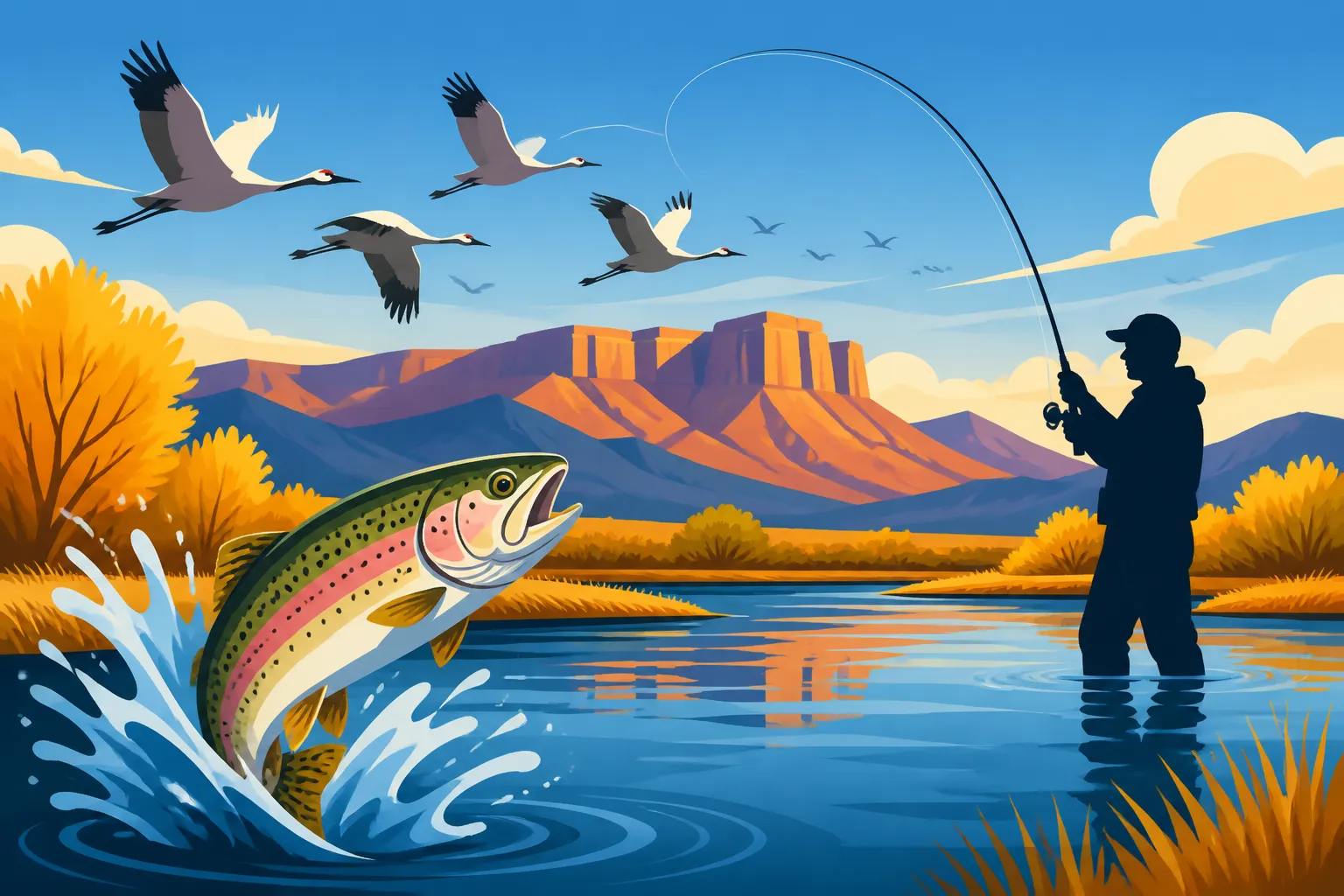
Bosque del Apache National Wildlife Refuge is a jewel of New Mexico, renowned globally as a critical stopover for hundreds of thousands of migratory birds, including sandhill cranes and various species of geese and ducks. Its primary mission is wildlife conservation and providing crucial habitat. This focus naturally means that recreational activities, including fishing, are carefully managed to ensure minimal impact on the delicate ecosystems and the wildlife that call the refuge home, or pass through seasonally.
The Unique Environment and Its Challenges for Anglers
For many years, the thought of fishing within a wildlife refuge like Bosque del Apache seemed almost contradictory. You'd imagine hushed environments, strictly enforced no-entry zones, and an overarching focus on winged creatures, not finned ones. This perception can certainly be a source of frustration for anglers. "Is it just for birdwatchers?" you might ask, feeling like fishing might be an afterthought, or even discouraged.
The reality is nuanced. While the refuge's priority is wildlife, particularly migratory birds, it doesn't mean fishing is off-limits. However, it does mean that the experience is different from a typical state park or reservoir. Access can be restricted to specific areas and times, and rules about what you can and cannot do are often more stringent than general statewide regulations. The challenge for anglers lies in understanding these specific, often localized, rules and adapting their approach to respect the refuge's conservation goals. You won't find bustling marinas or widely advertised fishing tournaments here, but rather a quieter, more contemplative angling experience that aligns with the natural tranquility of the refuge.
General Regulations and Permits Beyond a State License
Before you even think about casting a line at Bosque del Apache, it's absolutely crucial to understand that your standard New Mexico fishing license, while mandatory, is often just the beginning. Think of it this way: the state license grants you the right to fish in New Mexico waters, but a refuge permit grants you the privilege to fish within its specific boundaries, often with additional conditions.
The U.S. Fish and Wildlife Service, which manages the refuge, issues its own set of regulations. These can include requirements for a specific refuge entrance fee or a fishing permit issued directly by the refuge. For instance, you might need to purchase a daily or annual visitor pass, which sometimes includes permission to fish in designated areas. It's not uncommon for federal refuges to have special rules regarding fishing methods, like requiring the use of artificial lures with single barbless hooks in certain areas, even if statewide rules are more lenient. Bait restrictions are also common to protect water quality and prevent the introduction of invasive species.
Therefore, simply having your New Mexico fishing license guide in hand isn't enough. You must check the official Bosque del Apache National Wildlife Refuge website or call their visitor center directly for the most current rules and any required permits before your visit. Ignoring these can lead to fines and a less-than-pleasant encounter with refuge staff. Keep in mind that these rules can change seasonally, particularly during peak bird migration periods, when certain areas might be temporarily closed to all public access to minimize disturbance. You'll also want to make sure your New Mexico Habitat Management and Access Validation Stamp is current, as this is often required for fishing on federal lands. For more general information on state requirements, check out the comprehensive New Mexico Fishing Regulations Overview.
Specific Access Points and Fishable Waters
Finding exactly where you can fish at Bosque del Apache can be a bit of a scavenger hunt if you don't know what you're looking for. Unlike well-marked state parks, fishing access points here are subtle and tied to the refuge's infrastructure.
The Rio Grande and Its Tributaries Within the Refuge
The mighty Rio Grande, one of New Mexico's most iconic waterways, flows directly through and along the western boundary of the Bosque del Apache National Wildlife Refuge. This is arguably the most significant fishing opportunity within the refuge. Access to the main stem of the Rio Grande can be found via specific designated points that the refuge allows. These aren't always grand boat ramps; often, they are simple pull-offs along the public auto tour loop roads or short trails leading to the riverbank.
One key area to investigate is along the western side of the refuge, where the Rio Grande forms the boundary. Historically, some access has been available off of county roads or designated refuge roads that parallel the river. Anglers usually target species like channel catfish, various carp species, and sometimes even a stray bass or drum, depending on the river's flow and recent conditions. Bank fishing is the primary method here, as large boats are generally not feasible or permitted directly within the refuge boundaries due to access limitations and the desire to minimize disturbance. If you're planning to fish the river, familiarize yourself with the Rio Grande Fishing Guide to understand the fish species and general conditions you might encounter. Always be vigilant for signage that clearly delineates public access from restricted areas, and never venture off marked paths. Local knowledge, sometimes gleaned from a fishing guide found via a service like FishingBooker (though less common within the refuge itself, they might guide near the refuge and offer invaluable insights), can be incredibly helpful for pinpointing the best, legal spots.
Ponds, Ditches, and Canals: Hidden Opportunities
Beyond the main river, Bosque del Apache features an intricate network of managed impoundments, irrigation ditches, and canals. These waters are primarily designed to manage water flow for agricultural purposes within the refuge and to create diverse wetland habitats for birds. While many are strictly for wildlife, some of these smaller, man-made waterways can offer limited, but unique, fishing opportunities.
These spots are usually accessed on foot, sometimes requiring a bit of a hike from designated parking areas. The fishing experience here is often intimate and quiet, focusing on smaller panfish like bluegill, green sunfish, and sometimes smaller largemouth bass or even carp that have migrated in from the Rio Grande or are present from past stocking efforts. Due to their shallow and often seasonal nature, these waters can fluctuate dramatically in depth and fish availability. During periods of lower water or active irrigation, some ditches might be completely dry or unfishable.
It's vital to check the refuge's current conditions and fishing pamphlets. Sometimes, specific ponds or stretches of ditch might be opened for limited periods, or for youth fishing events, while others remain permanently closed to angling. These areas are often walk-in only, meaning no kayaks, canoes, or float tubes, even if they might seem perfect for them. The restrictions are in place to prevent disturbance to nesting birds and other sensitive wildlife. Always assume an area is closed to fishing unless explicitly marked otherwise by the refuge. For targeting these smaller species, lighter tackle is typically best, and simple baits like worms or small jigs often produce the most action.
What to Expect When Fishing Bosque del Apache
Fishing at Bosque del Apache is an experience that balances the thrill of the catch with the serenity of a natural wildlife sanctuary. It's not about trophy hunting as much as it is about appreciating the unique environment and the fish it sustains.
Target Species and Best Techniques
When you decide to wet a line at Bosque del Apache, it's wise to set realistic expectations for the species you're likely to encounter. This isn't a renowned trout fishery; instead, you'll be focusing predominantly on warmwater species.
- Catfish: Channel catfish are probably your most reliable target, especially in the Rio Grande. They thrive in the river's currents and can grow to respectable sizes. For these whiskered fighters, traditional techniques work best. Using cut bait (like shad or carp), chicken livers, or various prepared "stink baits" can be incredibly effective. Fishing during the late evening and into the night can often yield the best results, as catfish are primarily nocturnal feeders. If you're serious about targeting them, refer to our Catfish Fishing in New Mexico guide for more detailed techniques and bait recommendations, particularly the Best Bait for Catfish in New Mexico Rivers. Just be mindful of refuge rules regarding night access.
- Carp: Common carp are abundant in the Rio Grande and many of the refuge's ditches and ponds. While often overlooked by some anglers, carp provide a powerful fight and can be great fun, especially for those looking for a bend in their rod. Simple baits like corn, dough balls, or even bread are highly effective. A patient approach, often with a slip-sinker rig on the bottom, is key.
- Panfish and Bass: In some of the smaller ponds and ditches, you might find bluegill, sunfish, and occasional largemouth bass. These are usually smaller, making them excellent targets for kids or light tackle enthusiasts. Small worms, crickets, or tiny spinners and jigs can entice them. While bass aren't the primary focus here, they add an exciting surprise to a panfish outing. For a broader understanding of species, check out the Warm Water Game Fish in New Mexico guide.
Remember, the goal here is often less about filling a cooler and more about enjoying the peaceful setting and the challenge of fishing in a unique environment.
Essential Gear and Conservation Practices
When packing for a fishing trip to Bosque del Apache, think versatile and respectful. You'll want gear that allows for flexibility while adhering to the refuge's conservation ethos.
- Rods and Reels: A medium-light to medium action spinning rod, around 6 to 7 feet long, spooled with 8-12 lb test monofilament or fluorocarbon line, will cover most of your needs. This setup is robust enough for larger catfish and carp but sensitive enough for panfish. For more specialized angling, a dedicated catfish rod might be beneficial for the Rio Grande. If you're looking for recommendations, our guide on Best Fishing Gear for New Mexico Anglers offers a great starting point.
- Tackle: Keep it simple. A selection of hooks (sizes 2-6 for panfish/bass, 1/0-3/0 for catfish), an assortment of sinkers (split shot, egg sinkers), and a few bobbers will be sufficient. For lures, small spinners, soft plastic grubs, or jigs could work in the ditches.
- Conservation First: This is perhaps the most critical aspect of fishing within a national wildlife refuge.
- Leave No Trace: Pack out everything you pack in. This means all trash, leftover bait, and fishing line. Wildlife can easily become entangled in discarded line or ingest litter.
- Respect Wildlife: Maintain a respectful distance from all wildlife. This includes not approaching birds, especially during nesting or roosting periods. Keep noise levels down.
- Designated Areas Only: Only fish in areas explicitly permitted by the refuge. Venturing into closed areas, even unintentionally, can lead to serious penalties and jeopardize future fishing access for everyone.
- Barbless Hooks/Lures: Even if not explicitly stated for all waters, consider using barbless hooks or crimping down barbs on your lures. This minimizes harm to fish, particularly if you plan to practice catch and release, which is highly encouraged in such sensitive environments.
- Fish Handling: If you catch a fish you intend to release, handle it gently, keep it in the water as much as possible, and release it quickly.
- No Live Bait (Unless specified): Be very cautious with live bait. Many refuges prohibit the use of live bait fish to prevent the introduction of invasive species or diseases. Always check current regulations.
It can be frustrating to feel constrained by rules, especially when you just want to enjoy a peaceful day on the water. However, understanding that these rules serve to protect the very environment you're there to appreciate can shift your perspective.
Planning Your Trip and Respecting the Refuge
A successful and enjoyable fishing trip to Bosque del Apache hinges on careful planning and a deep respect for its primary purpose as a wildlife sanctuary.
Best Times to Visit and Check Conditions
Timing is everything when it comes to fishing Bosque del Apache, not just for fish activity, but also for refuge access and wildlife viewing.
- Seasonal Considerations: While fishing can be possible year-round in the Rio Grande, specific refuge rules might vary by season. The peak bird migration seasons (typically fall and winter) see the highest number of visitors and potentially more restricted access to certain areas to protect the birds. Spring and summer might offer more open access, but river levels can fluctuate significantly due to snowmelt runoff or monsoon season rains, affecting fishability. Always consult the New Mexico Fishing Season Calendar for general statewide guidance, but layer that with refuge-specific information.
- Water Levels and Flow: The Rio Grande's flow can change rapidly. High, muddy water after heavy rains or snowmelt runoff makes fishing challenging. Conversely, very low water levels can concentrate fish but also make them more susceptible to stress. Before heading out, check the U.S. Geological Survey (USGS) website for real-time streamflow data for the Rio Grande near Socorro or other nearby gauges. This data will give you a crucial insight into current river conditions.
- Refuge Hours and Closures: Bosque del Apache has specific operating hours for its auto tour loops and visitor services. Fishing access will typically be restricted to these hours unless otherwise noted for specific areas (e.g., if night fishing is allowed in a particular section, which is rare for refuges). Always check the official refuge website for any temporary closures due to weather, maintenance, or specific wildlife management activities. Nothing is more frustrating than driving all the way there only to find your intended fishing spot closed.
Being a Responsible Angler in a Wildlife Haven
Fishing within a national wildlife refuge is a privilege, and maintaining that privilege requires adherence to a higher standard of environmental stewardship.
- Minimizing Disturbance: Imagine you're a bird, trying to feed or rest, and someone is making a lot of noise or moving erratically nearby. That's why keeping a low profile is essential. Stay on designated paths, avoid loud conversations, and minimize sudden movements. This not only benefits the wildlife but also enhances your own experience of tranquility.
- Leave No Trace Principles: This cannot be stressed enough. Carry a small trash bag to ensure all fishing line, bait containers, snack wrappers, and anything else you bring in, comes out with you. Discarded fishing line is a major hazard to birds and other animals.
- Educate Yourself: Take the time to read the interpretive signs, visitor guides, and maps provided by the refuge. They often contain valuable ecological information and reiterate rules that are important for your safety and the well-being of the wildlife. If you're unsure about a rule, ask refuge staff at the visitor center. They are there to help you understand how to recreate responsibly.
- Respect Other Visitors: Bosque del Apache attracts many birdwatchers and photographers who also seek peace and quiet. Share the space harmoniously.
- The Value of Local Insight: While you won't find guides specializing only in Bosque del Apache fishing, guides who operate in the wider New Mexico area and are familiar with various waters can offer broad insights into river conditions, fish behavior, and ethical angling. Platforms like FishingBooker can help you connect with experienced local guides for other New Mexico hotspots, and the lessons learned about respecting the environment and understanding local nuances are universally applicable, especially in sensitive areas like the refuge. Consider a New Mexico Annual Fishing License to cover all your fishing adventures across the state.
By embracing these practices, you ensure that your fishing adventure at Bosque del Apache is not only successful for you but also contributes positively to the ongoing conservation efforts of this truly special place.
Bosque del Apache Fishing Overview
| Fish Species Expected | Typical Location | Recommended Baits / Lures | Key Considerations |
|---|---|---|---|
| Channel Catfish | Rio Grande | Cut Bait, Stink Baits, Chicken Livers | Active in evenings/night (check refuge night access rules). |
| Common Carp | Rio Grande, Larger Ditches | Corn, Dough Balls, Bread | Strong fighters; bottom fishing with weight. |
| Bluegill / Sunfish | Smaller Ponds, Ditches | Worms, Crickets, Small Jigs | Light tackle; good for beginners and kids. |
| Largemouth Bass | Ponds, Deeper Ditches | Small Spinners, Worms, Plastic Grubs | Less common, generally smaller individuals. |
Disclaimer
The information provided in this guide is for general informational purposes only and is subject to change. Fishing regulations, access points, and refuge rules can be updated by the New Mexico Department of Game and Fish and the U.S. Fish and Wildlife Service. Always consult the official Bosque del Apache National Wildlife Refuge website or contact their visitor center directly for the most current and accurate information before planning your trip. Fishing in a wildlife refuge requires heightened awareness and adherence to conservation practices; personal responsibility is paramount.