Bonito Lake Fishing
The dream of casting a line into the clear, cool waters of Bonito Lake is one many New Mexico anglers hold dear. Yet, for years, this beautiful high-mountain lake has remained largely inaccessible, a source of frustration and longing for those who remember its pristine fishing. This comprehensive guide aims to unravel the complexities surrounding Bonito Lake, detailing its current status, what makes it such a special place, and what anglers can anticipate for its future, offering a realistic look at fishing prospects in this iconic New Mexico location.
The Enduring Legacy and Closure of Bonito Lake
Bonito Lake, nestled in the Lincoln National Forest near Ruidoso, has a long and storied history, not just as a picturesque destination, but as a vital resource and a cherished fishing spot. Before its prolonged closure, it was a jewel in New Mexico's crown, known for its cold, clear waters and abundant trout populations.
A History Forged by Fire and Purpose
Bonito Lake's story is inextricably linked to its role as the primary water supply for the city of Alamogordo. Built in the early 20th century, the lake and its surrounding watershed have always been managed with meticulous care, understanding its crucial importance for drinking water. For generations, anglers enjoyed access, creating cherished memories of catching trout amidst the stunning mountain scenery. It was a place where families introduced their kids to fishing, and seasoned anglers sought solace and challenging sport.
However, the devastating Little Bear Fire in 2012 changed everything. The wildfire, which ravaged over 44,000 acres of the Lincoln National Forest, severely impacted the Bonito Lake watershed. The fire stripped the landscape of vegetation, leading to massive erosion and sedimentation into the lake. This influx of ash, debris, and sediment not only compromised the water quality for Alamogordo's residents but also severely damaged the aquatic habitat for fish. The sheer scale of the environmental impact necessitated immediate and long-term action, leading to the unfortunate but necessary closure of the lake to public access for fishing and recreation.
The Long Road to Recovery
The closure wasn't a snap decision; it was a critical measure to protect both the drinking water supply and the lake's delicate ecosystem. The City of Alamogordo, along with federal and state partners, embarked on an extensive, multi-year recovery project. This has involved massive watershed restoration efforts, including planting new vegetation, stabilizing hillsides, and improving water intake infrastructure. The process is slow and arduous, especially in a high-mountain environment where conditions can be harsh.
Understanding the depth of the ecological damage helps explain the extended closure. It's not just about restocking fish; it's about rebuilding an entire ecosystem from the ground up to ensure its long-term health and viability. The aim is to restore the watershed to a point where it can naturally filter water, prevent excessive sedimentation, and once again support a healthy fish population without compromising the integrity of Alamogordo's drinking water.
Current Realities: Is Bonito Lake Open for Fishing?
This is the question on every angler's mind: "Can I fish Bonito Lake now?" The simple, and often disappointing, answer remains largely no. Despite over a decade passing since the Little Bear Fire, Bonito Lake has faced a very long and careful restoration process.
The Persistent Closure and What It Means
As of early 2024, Bonito Lake remains closed to public fishing and recreation. This is a critical piece of information for anyone planning a trip to the Ruidoso area. The City of Alamogordo, which manages the lake as its municipal water supply, has maintained the closure to allow the watershed to continue its recovery from the 2012 Little Bear Fire. The primary concern is protecting the drinking water quality from any potential contamination or disturbance, which even limited recreational activity could introduce.
This closure means there are no legal access points for fishing, boating, or even bank access around the lake. Trespassing on the property, which is clearly marked, can result in fines and other penalties. It’s a tough pill to swallow for eager anglers, but respecting these regulations is crucial for the ongoing recovery efforts and ensures the community's water supply remains safe. While whispers of reopening dates occasionally surface, official sources consistently confirm the need for continued patience. For the most up-to-date information, checking the City of Alamogordo's official website or contacting the New Mexico Department of Game and Fish (NMDGF) directly is always advisable.
Looking Ahead: Potential Reopening and Phased Access
While a full public reopening isn't imminent, there's always hope for the future. When Bonito Lake eventually reopens, it is highly likely to be a phased approach, perhaps with limited access initially. This could mean specific days, designated fishing areas, or even a lottery system to control angler numbers and minimize environmental impact. The NMDGF and the City of Alamogordo would work together to establish new rules and regulations tailored specifically to Bonito Lake's unique status as a municipal water supply and a recovering ecosystem.
Anglers should anticipate stringent regulations focusing on catch-and-release, specific gear limitations (e.g., artificial lures only, barbless hooks), and potentially restrictions on bait. These measures would be designed to protect a newly re-established fishery and ensure minimal disturbance to the watershed. Any future opening would be a monumental achievement, signaling a successful recovery and a testament to dedicated conservation efforts. Until then, anglers must seek alternative waters.
Imagining Bonito Lake's Fishery: Species and Potential
Even with the current closure, it's worth understanding what made Bonito Lake a premier fishing destination and what its future fishery might hold. Knowing the typical species and environment can help you appreciate its value and prepare for its eventual reopening.
The Once-Thriving Trout Haven
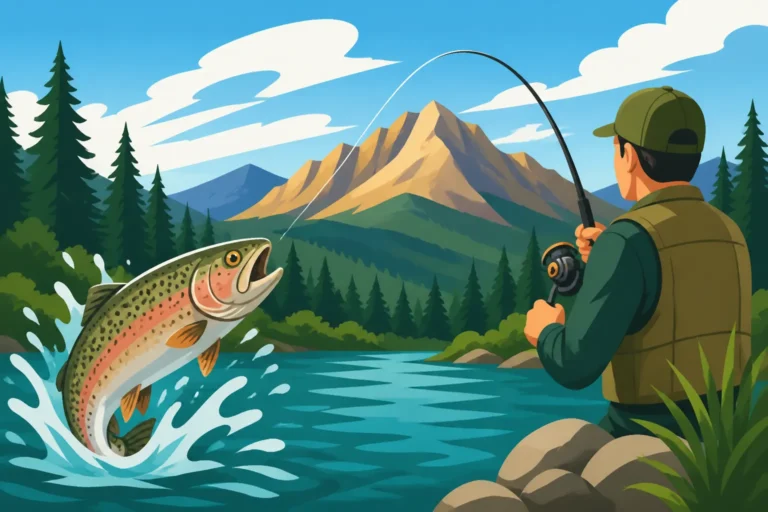
Before the fire, Bonito Lake was a renowned cold-water fishery, primarily celebrated for its rainbow trout. The New Mexico Department of Game and Fish regularly stocked the lake, ensuring a vibrant population that provided excellent angling opportunities. Anglers would often find good numbers of healthy rainbows, with some reaching impressive sizes due to the lake's rich food sources and pristine habitat.
Beyond rainbow trout, it was not uncommon to encounter brown trout, particularly in the deeper, cooler sections of the lake and near inflowing streams. These wilder, more elusive fish added an exciting challenge for experienced anglers. Bonito Lake's high elevation and deep waters created an ideal environment for these trout species, making it a reliable spot for those seeking a productive day on the water amidst stunning natural beauty. The cold, oxygen-rich waters were perfect for trout to thrive, supporting a healthy food chain of insects and smaller aquatic life.
What the Future Fishery Might Look Like
When Bonito Lake eventually reopens, the fishing experience might initially be different from what long-time anglers remember. Given the significant environmental rehabilitation, the NMDGF would likely implement a careful stocking program to re-establish the trout populations. This could involve stocking fingerlings or larger catchable trout, depending on the recovery of the natural habitat and food sources. The goal would be to create a sustainable fishery that balances recreational opportunity with ecological health.
It's probable that rainbow trout would be the primary species stocked, as they are resilient and provide excellent sport. There's also the potential for native species reintroduction or support for naturally reproducing populations of brown trout if the habitat fully recovers. Anglers might see a greater emphasis on catch-and-release practices to help the fishery mature and sustain itself. The vision for Bonito Lake's future fishery is one of careful stewardship, aiming to restore it to its former glory while ensuring its long-term protection as a critical water source and a valued natural resource.
Essential Tactics for Future Bonito Lake Adventures
Even though Bonito Lake is currently closed, it's never too early to dream and prepare. Understanding the types of fishing methods and gear that would be most effective in a high-mountain, cold-water lake like Bonito can help you be ready when its gates finally open.
Tried-and-True Trout Techniques
For a lake like Bonito, historically known for its trout, several techniques would undoubtedly prove successful. Traditional bait fishing, using power bait, corn, or worms, is often effective for stocked rainbow trout. A simple bobber setup or a slip-sinker rig cast from the bank can yield excellent results, especially near areas where fish might congregate, like inlets or drop-offs. Given the potential for a recovering natural insect population, fly fishing would also be a highly rewarding pursuit. Dry flies mimicking emerging insects, various nymph patterns, and small streamers could entice both stocked and any wild trout. For more insights on this, you might explore various Trout Fishing Techniques for New Mexico which would be applicable.
Lure fishing is another versatile option. Small spinners like Mepps, Rooster Tails, or Panther Martins, in silver, gold, or brass finishes, are consistently good for trout. Spoons, such as Kastmasters or Little Cleos, can also be very effective, especially when trying to reach deeper fish. Trolling with small spoons or Rapala-style lures from a boat (if permitted in the future) would cover more water and target larger, cruising trout. The key is to match the lure size and color to the prevailing conditions and the fish's mood.
Gear Considerations for High-Altitude Angling
Fishing at a high-altitude lake like Bonito means being prepared for varying weather conditions and needing reliable gear. A versatile medium-light spinning rod (6-7 feet) paired with a 2000 or 2500 series reel spooled with 4-6 lb test monofilament or fluorocarbon line would be ideal for most trout fishing scenarios. For fly anglers, a 4-weight or 5-weight fly rod with a matching reel and a floating line would handle most fly presentations effectively. You can learn more about appropriate equipment from our guide on Best Rods and Reels for New Mexico Trout Fishing.
Beyond rods and reels, a quality pair of polarized sunglasses would be invaluable for spotting fish in clear water and reducing glare. A small landing net, preferably one with a rubber mesh to minimize harm to fish during catch and release, is also a must-have. Don't forget essentials like needle-nose pliers for hook removal, a small tackle box with various lures and weights, and appropriate layers of clothing to adapt to rapidly changing mountain weather. When the time comes to finally plan your trip, considering these gear elements will ensure you're well-equipped for a successful and comfortable experience.
| Gear Type | Recommended Item | Purpose/Benefit |
|---|---|---|
| Rod | Medium-light Spinning (6-7 ft) | Versatile for bait, lures; good casting distance. |
| Reel | 2000-2500 series Spinning | Balances well with rod, sufficient line capacity. |
| Line | 4-6 lb Mono/Fluorocarbon | Low visibility, good knot strength for trout. |
| Fly Rod | 4-5 weight | Ideal for trout, handles various fly sizes. |
| Fly Reel | Matching to rod weight | Balances the fly rod, smooth drag. |
| Flies | Nymphs, Dry Flies, Streamers | Covers various insect stages and prey imitations. |
| Lures | Spinners (Mepps), Spoons (Kastmaster) | Effective for active trout, good casting. |
| Bait | Power Bait, Worms, Corn | Proven attractants for stocked trout. |
| Eyewear | Polarized Sunglasses | Reduces glare, helps spot fish. |
| Net | Rubber Mesh Landing Net | Minimizes harm to fish for catch and release. |
| Tools | Needle-nose Pliers | Essential for safely removing hooks. |
Exploring Nearby Waters: Alternatives While Bonito Lake Recovers
With Bonito Lake currently off-limits, it's natural to feel a bit disappointed, especially if you had your heart set on fishing in the Ruidoso area. But don't despair! New Mexico is rich with fantastic fishing opportunities, and several excellent alternatives are within a reasonable drive, offering diverse experiences until Bonito Lake reopens.
Other Trout Hotspots in the Ruidoso Area
If trout fishing is your passion, the area around Ruidoso still has plenty to offer. The Rio Ruidoso itself, particularly the sections flowing through public lands, is regularly stocked by the NMDGF with rainbow trout. This river offers a beautiful, easily accessible stream fishing experience, perfect for fly anglers or those using light spinning gear. While not a lake, it provides that serene, cold-water trout environment many seek. Be sure to check the New Mexico Trout Fishing Rules as specific sections might have special regulations regarding bait or tackle.
Another excellent option is Alto Lake. This small, serene lake, managed by the Village of Alto and stocked with trout, is a popular spot for both bait and lure fishing. It's often stocked with rainbow trout and offers good bank access, making it a great family-friendly location. The scenery is beautiful, and it's much closer to Ruidoso, providing a convenient alternative to Bonito. Mescalero Lake, located on the Mescalero Apache Reservation, is another noteworthy spot. While it requires a tribal permit in addition to a state license, it's known for its quality trout fishing and stunning surroundings, making it a worthwhile destination. You can often find fishing guides through platforms like FishingBooker that operate in these areas, offering expert knowledge and equipment.
Broader New Mexico Destinations for Diverse Angling
If you're willing to venture a bit further, New Mexico boasts an incredible array of fishing locations that cater to various species and techniques. For those seeking large lake experiences, Elephant Butte Lake, New Mexico's largest reservoir, is a phenomenal destination for striped bass, largemouth bass, walleye, and catfish. It's a completely different experience from a mountain trout lake, offering vast waters and powerful fish. You can find out more about this huge lake in our comprehensive guide, Elephant Butte Lake Fishing Guide.
Further north, the San Juan River below Navajo Dam is world-renowned for its trophy trout fishery, often considered one of the best in the nation. This "Quality Waters" section is a fly-fishing mecca, teeming with large, wild rainbow and brown trout. It offers a challenging yet incredibly rewarding experience for dedicated anglers. Check our San Juan River Fishing Guide for an in-depth look. For high-mountain lake fishing similar to what Bonito once offered, but on a larger scale, Heron Lake and Navajo Lake are excellent choices for kokanee salmon and trout, particularly in the northern part of the state. These lakes offer stunning scenery and excellent cold-water fishing.
No matter your preference, New Mexico ensures that while Bonito Lake rests, there are countless other waters waiting to be explored. A quick look at the New Mexico Fishing License Guide is always the first step before heading out to any of these great spots.
Navigating Regulations, Permits, and Conservation Efforts
When Bonito Lake eventually reopens for fishing, understanding and adhering to its specific rules, as well as general New Mexico fishing regulations, will be paramount. Even for alternative lakes, a grasp of the legal framework and conservation ethics is crucial for a sustainable angling future.
General New Mexico Fishing Regulations
Before even thinking about a particular lake, every angler needs a valid New Mexico fishing license. Whether you're a resident or a visitor, understanding the New Mexico Fishing License Costs Explained and obtaining the correct license is the foundational step. The license year runs from April 1st to March 31st annually, so it's important to keep track of renewal dates. Beyond the basic license, some areas or activities might require additional stamps or validations. For instance, the New Mexico Habitat Stamp and Validation Requirements is often needed when fishing on certain public lands managed by federal agencies.
Furthermore, anglers must be intimately familiar with the statewide New Mexico Fishing Regulations Overview. This includes daily bag and possession limits for various species, which can differ significantly between trout, bass, catfish, and other game fish. Specific size limits may also apply in certain waters. Understanding these rules is not just about avoiding penalties, but about contributing to the conservation of New Mexico's diverse fisheries. The NMDGF publishes an annual fishing proclamation that details all these rules, and it's easily accessible online or at license vendors.
Anticipating Bonito Lake Specific Rules
When Bonito Lake reopens, it's highly likely to have its own set of special regulations, given its sensitive nature as a municipal water supply and a recovering habitat. These rules will probably be more restrictive than general statewide regulations, designed to protect water quality and promote the health of the newly re-established fishery.
Here are some potential rules anglers might encounter:
- Catch-and-Release Only: This is a common regulation for recovering or trophy fisheries, ensuring fish populations can grow and reproduce.
- Artificial Lures and Flies Only: This restriction minimizes the introduction of non-native species or diseases that can be carried by live bait, and it generally promotes more challenging and sustainable angling.
- Barbless Hooks: Often required in quality waters to reduce harm to fish, making release easier and less stressful for the fish.
- Limited Access: Designated fishing areas, specific hours, or even a reservation system might be implemented to control angler density and minimize impact on the surrounding watershed.
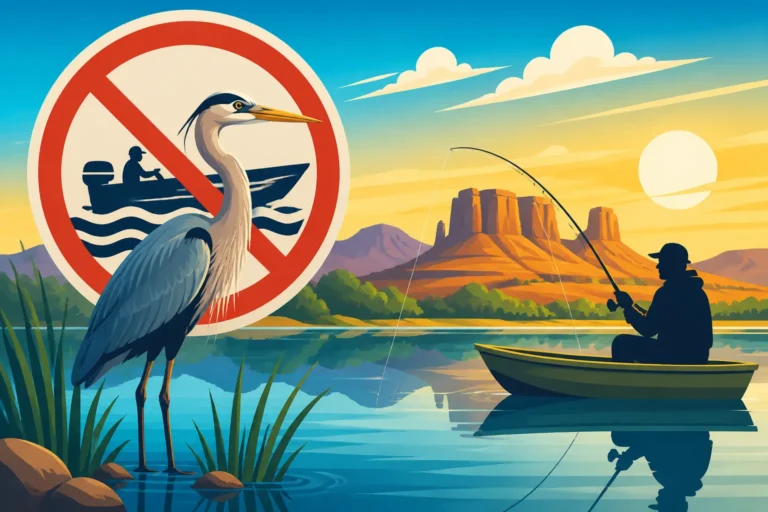
- No Boats or Electric Motors Only: To protect water quality and reduce disturbances, gas-powered boats are often restricted or prohibited on municipal water supply lakes.
- Special Permits: In addition to a state fishing license, a separate permit from the City of Alamogordo might be required to fish Bonito Lake, with funds potentially going directly to lake management and conservation.
Adhering to these rules will not only be legally required but also an ethical responsibility for every angler who wishes to enjoy Bonito Lake's beauty in the future. The long-term health and accessibility of this cherished resource will depend heavily on the responsible actions of its visitors. Conservation efforts, like those highlighted in Catch and Release Best Practices in New Mexico, will be critical to the lake's future.
The Role of Conservation and Future Sustainability
The story of Bonito Lake is a powerful reminder of the delicate balance between recreation, natural resources, and community needs. The extensive restoration work undertaken by the City of Alamogordo and the NMDGF is a testament to their commitment to bringing this fishery back. As anglers, our role in this future is immense. Practicing responsible angling, such as proper catch-and-release techniques, packing out all trash, and respecting all signage and regulations, contributes directly to the sustainability of the fishery.
The funds generated from fishing license sales and potentially specific Bonito Lake permits will play a crucial role in future stocking programs, habitat monitoring, and ongoing maintenance. By supporting these efforts, anglers become partners in conservation, ensuring that Bonito Lake, when it reopens, can once again offer exceptional fishing experiences for generations to come.
Disclaimer
The information provided in this guide is based on current understanding and publicly available data. Fishing regulations, lake access, and specific conditions can change rapidly. Always consult the latest New Mexico Department of Game and Fish regulations and the official website for the City of Alamogordo before planning any fishing trip to Bonito Lake or any other body of water in New Mexico. Conditions, especially regarding lake closures and openings, are subject to environmental factors and administrative decisions.