Bill Evans Lake Fishing
One of the most common frustrations for anglers looking to explore new waters in New Mexico is figuring out which lakes are worth the drive and what specific challenges and rewards they offer. You might spend hours researching, only to arrive at a spot that doesn't live up to the hype, or worse, you're unprepared for its unique conditions. This comprehensive guide is designed to cut through that confusion, giving you an in-depth look at fishing Bill Evans Lake, a gem nestled in the southwestern part of the state, so you can plan your trip with confidence and maximize your success on the water.
Exploring the Unique Environment of Bill Evans Lake
Bill Evans Lake is a relatively small but mighty reservoir in southwestern New Mexico, often overshadowed by larger bodies of water, but it holds its own as a fantastic fishing destination. Its unique characteristics, from its tranquil setting to its specific water management, make it a distinct experience for anglers seeking both challenge and solitude.
Geographical Context and Lake Characteristics
Situated near Cliff, New Mexico, Bill Evans Lake is part of the state park system and is a true oasis in a more arid region. Unlike some of New Mexico's larger, wind-swept reservoirs, Bill Evans is much more intimate, covering roughly 60 acres with a maximum depth of around 30 feet when full. This smaller size contributes to a more sheltered and often calmer fishing experience, making it particularly appealing for kayakers, float tubers, or those fishing from smaller boats. The surrounding landscape, characterized by rolling hills and juniper, offers a picturesque backdrop that feels a world away from the hustle and bustle. The lake is fed by groundwater and a diversion from the nearby Gila River, which ensures a relatively consistent water level compared to some other drought-impacted lakes, though levels can fluctuate depending on precipitation and irrigation needs. This steady water source helps maintain a healthy ecosystem for the fish, and the clarity of the water is generally excellent, which can be both a blessing and a challenge for anglers.
Water Management and Its Impact
The New Mexico State Parks and the New Mexico Department of Game and Fish actively manage Bill Evans Lake to ensure a thriving fishery and recreational opportunities. Because it’s a relatively small, contained system, the management here is quite hands-on. This often includes regular stockings of trout and other species to maintain a robust population. Anglers benefit directly from these efforts, as it means there’s a consistent supply of fish to target. However, this also means that the fishing pressure can sometimes be higher, especially on weekends or during peak stocking times. Understanding the management cycles, which often involve seasonal stockings, can give you a significant edge in planning your visit. For instance, knowing when the trout trucks have made their rounds can dramatically increase your chances of a successful outing, particularly in the cooler months. The lake's clear water, a result of good management and its relatively clean source, means that fish can be more easily spooked, requiring more subtle approaches and careful presentation, especially when targeting larger, more wary fish.
Diverse Fish Species at Bill Evans Lake
While Bill Evans Lake might be small, it boasts a surprisingly diverse range of fish species, making it a well-rounded destination for anglers with varying preferences. The lake's management focuses on providing a quality experience, meaning you can expect to encounter several popular game fish.
Primary Game Fish Targeted
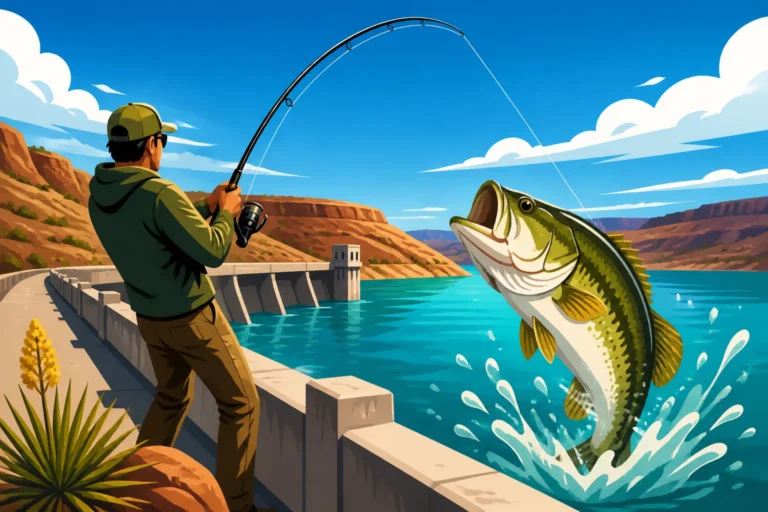
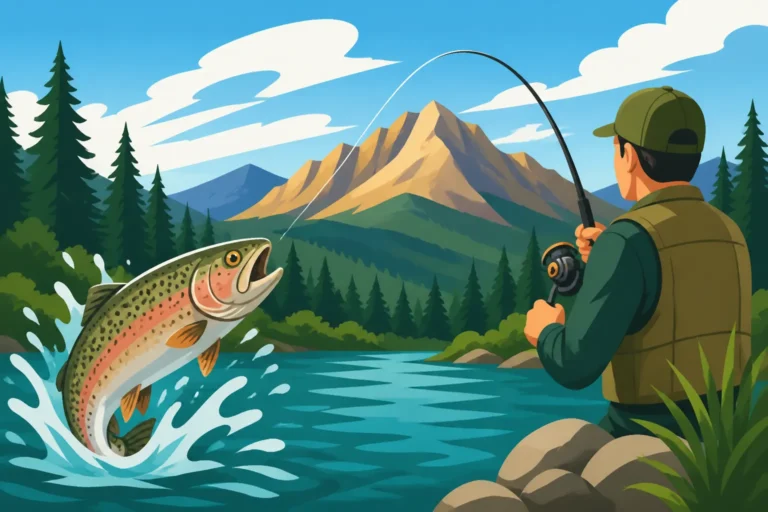
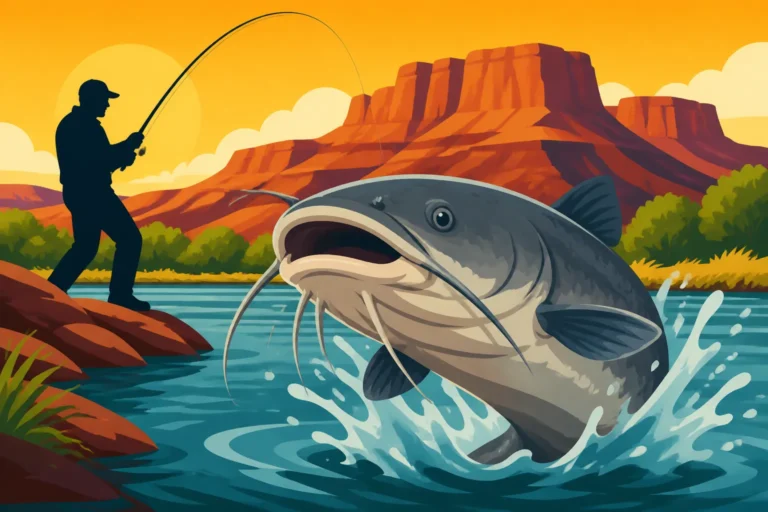
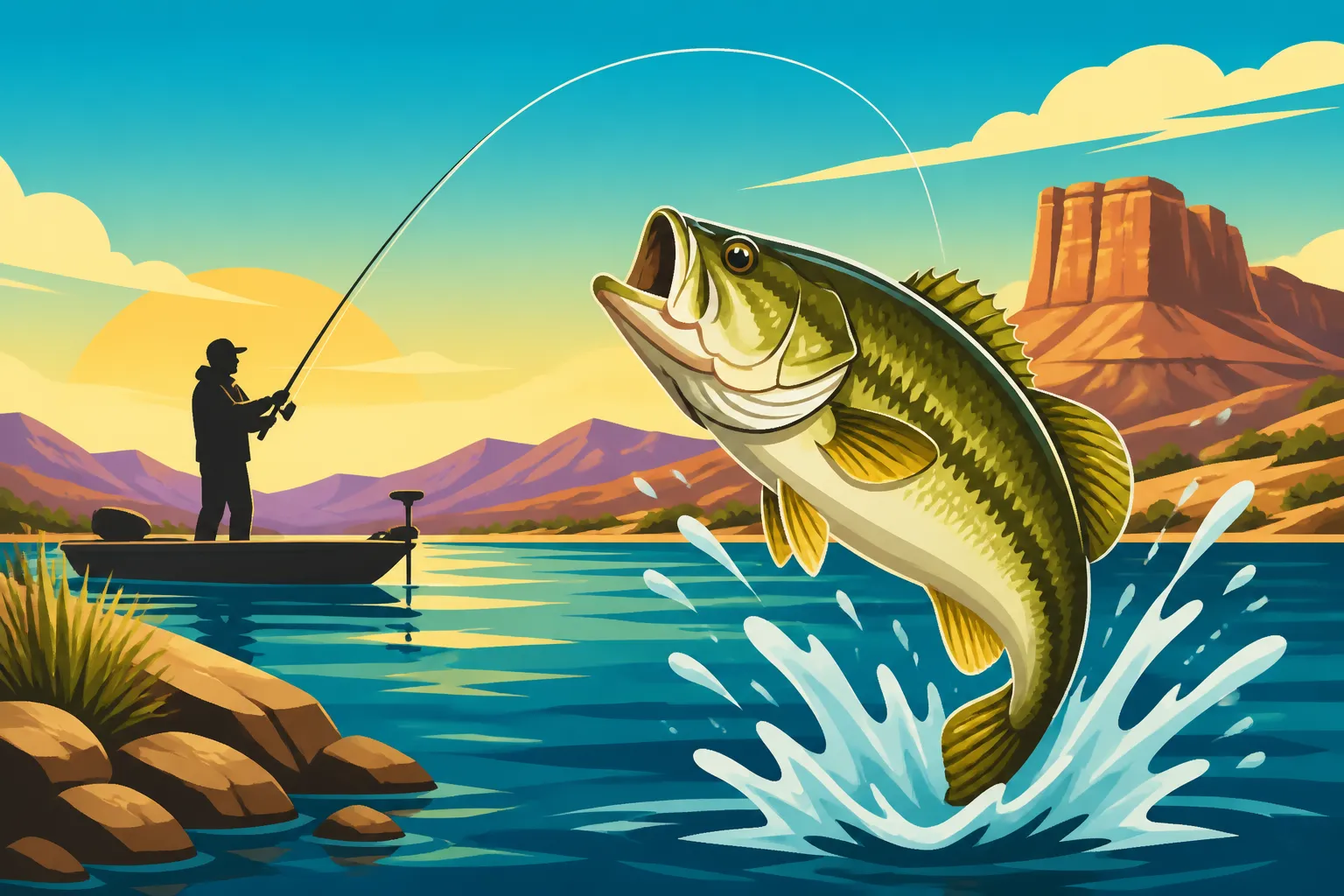
The undisputed stars of Bill Evans Lake are the Rainbow Trout. These beautiful, feisty fish are regularly stocked by the New Mexico Department of Game and Fish, ensuring a steady supply for anglers. You'll find them throughout the year, though they are most active and concentrated in the cooler months, from fall through spring. Many anglers come specifically for the trout, using a variety of techniques to entice a bite. Besides rainbows, Largemouth Bass are also a significant draw. These aggressive predators thrive in the lake's warmer waters during spring, summer, and early fall, offering exciting topwater action or battles in the submerged cover. While not always reaching trophy sizes, catching a respectable bass at Bill Evans is a common occurrence. Additionally, Channel Catfish provide another excellent option, especially for those who enjoy night fishing or a strong fight. They can grow quite large here and are often targeted with bait during the warmer parts of the year.
Seasonal Stocking Programs
The stocking program at Bill Evans Lake is crucial to its reputation as a consistent trout fishery. The New Mexico Department of Game and Fish stocks the lake regularly, especially from late fall through early spring, when water temperatures are ideal for trout. These stockings primarily consist of Rainbow Trout, which rapidly adapt to the lake's environment and provide immediate angling opportunities. Information on these stocking schedules is typically available on the NMDGF website, and savvy anglers keep a close eye on these announcements. Fishing just a few days after a fresh stock can often lead to high catch rates. However, it's worth noting that newly stocked trout can sometimes be less wary and more eager to bite, while those that have been in the lake for a while become more accustomed to their surroundings and demand a more refined approach. You might also find other species occasionally supplemented, but trout remain the priority for the stocking efforts. This consistent replenishment ensures that even with fishing pressure, the lake remains a productive spot for catching trout.
Other Recreational Species
Beyond the main game fish, Bill Evans Lake also supports populations of panfish, which are fantastic for introducing kids to fishing or for a relaxing day on the water. You'll often find Bluegill and other sunfish species thriving in the shallower, weedier areas of the lake. These smaller fish are abundant and eager to bite, providing continuous action for light tackle. While not as large or famous as the trout or bass, they offer a different kind of fun and are excellent table fare. Catching panfish can be a great way to pass the time between bites from larger species, or to simply enjoy the meditative aspect of fishing. For those looking for a diverse angling experience, knowing that you can switch between targeting a big bass, a feisty trout, or a handful of panfish keeps things exciting and unpredictable.
Effective Fishing Techniques and Optimal Seasons
Fishing Bill Evans Lake successfully often comes down to understanding the lake's nuances and adapting your techniques to the conditions and the fish you're targeting. Given its clear waters and varied species, a versatile approach is key.
Fly Fishing Strategies for Bill Evans Lake
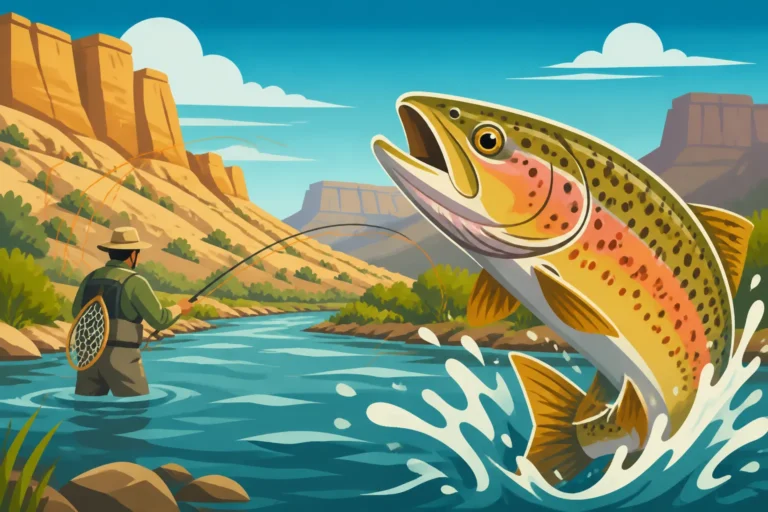
Bill Evans Lake is a truly fantastic spot for fly fishing, especially for trout. The lake's clear water means sight fishing opportunities abound, and the relatively calm conditions are perfect for presenting delicate dry flies or precisely weighted nymphs. When targeting trout, consider using smaller patterns that imitate the lake's natural insect life. Midges, scuds, and small leeches are often productive, either fished under an indicator or slowly stripped with an intermediate line. Many fly anglers find success with patterns like balanced leeches, small Woolly Buggers, or various midge pupa imitations. During spring and fall, when trout are most active, you might even witness strong dry fly hatches, offering exhilarating surface action. For those seeking a deeper challenge, sight fishing for cruising trout along the edges can be incredibly rewarding, requiring stealth and accurate casting. Remember that the clear water means your leader and tippet choice can be critical; go lighter on the tippet (5x or 6x) to avoid spooking fish. For those new to fly fishing, Bill Evans Lake provides an accessible environment to practice casts and presentations. Learning to adjust your approach based on the specific conditions of the day is a big part of the fun, and this lake offers ample opportunity for that.
Spin Fishing and Bait Fishing Approaches
For anglers preferring traditional spin fishing or bait fishing, Bill Evans Lake offers plenty of productive avenues. When it comes to spin fishing for trout, small spinners (like Panther Martin or Mepps) and spoons (like Kastmasters or Thomas Buoyants) in silver, gold, or brass finishes can be incredibly effective, especially when retrieved at varying speeds. For deeper-holding trout, small jigs tipped with a piece of worm or PowerBait can also be deadly. You'll want a light-action rod and a sensitive line, perhaps 4-6 lb test, to feel those subtle bites. For largemouth bass, switch to slightly heavier gear. Plastic worms, spinnerbaits, crankbaits, and even topwater lures like poppers and frogs work well, particularly around submerged structures, weed beds, and along the shoreline during warmer months. Fishing in the early morning or late evening often yields the best results for bass.
Bait fishing is a popular and very effective method, especially for those targeting stocked trout or channel catfish. For trout, PowerBait (in various colors like rainbow, green, or orange) fished off the bottom with a small treble hook and an egg sinker rig is a classic and reliable choice. Live worms or corn can also be productive. For catfish, stink baits, cut bait, or even chicken livers fished on the bottom are proven winners. Night fishing with bait for catfish can be particularly fruitful, offering a different kind of thrill under the New Mexico stars. Always remember to check the New Mexico Fishing Regulations Overview before using live bait, as restrictions may apply in certain waters to prevent the introduction of invasive species.
Seasonal Fishing Strategies and Hotspots
Understanding the seasonality of Bill Evans Lake is paramount to consistent success.
- Spring: This is prime time for trout, as the water is cool and stocking is frequent. Trout will be active throughout the lake. Bass fishing also begins to pick up as water temperatures rise, with fish moving into shallower areas for spawning. Early spring is when you might catch your largest trout before the water gets too warm.
- Summer: While trout fishing can slow down as surface water warms, they often retreat to deeper, cooler sections of the lake or near any springs. Dawn and dusk are the best times for trout. Summer is prime for largemouth bass, especially in the mornings and evenings when they are actively feeding on baitfish and insects near structure. Catfish are also highly active during the summer nights.
- Fall: A fantastic time for all species. Trout become very active again as the water cools, spreading out across the lake. Bass are in their "fall feed" mode, aggressively bulking up before winter, making them easier to catch. Fall also brings beautiful scenery, making the experience even more enjoyable.
- Winter: Trout remain the primary target, though fishing pressure often drops. Ice fishing is sometimes possible on Bill Evans Lake, though it's not a consistent occurrence like some northern New Mexico lakes due to its lower elevation. Always check ice conditions very carefully if considering it. Otherwise, target trout in deeper sections using slower presentations.
Hotspots usually include the dam face, areas around any submerged timber, and points extending into the lake. The coves, especially those with some weed growth, are excellent for bass. For trout, look for areas where the lake receives fresh water or where depth changes abruptly. Consulting a local expert or a service like FishingBooker to find a guide familiar with Bill Evans Lake can provide invaluable, up-to-the-minute insights into current hotspots and the most effective techniques.
Access, Amenities, and Regulations
Planning a fishing trip to Bill Evans Lake involves more than just knowing what fish to target; it's also about understanding how to get there, what facilities are available, and most importantly, adhering to local regulations.
Boat Access and Restrictions
Bill Evans Lake offers convenient boat access, making it popular for anglers who prefer to fish from the water. There is a single paved boat ramp available for launching, which generally accommodates most trailered boats, kayaks, and canoes. However, it's crucial to understand the restrictions: Bill Evans Lake has a no-wake speed limit. This means that all motorized boats must operate at a slow, idle speed, creating minimal wake. This regulation helps maintain the peaceful atmosphere of the lake and ensures safety for all water users, particularly those in smaller crafts like kayaks and float tubes, or those swimming. For serious anglers, this can be a blessing, as it eliminates disturbances that often spook fish in larger, faster lakes. While you can use gasoline motors, electric trolling motors are very popular here due to the no-wake rule, offering quiet, efficient propulsion for covering the lake's 60 acres. Before you head out, make sure your boat is properly registered in New Mexico. You can learn more about this process by checking out our New Mexico Boat Registration and Titling Guide. Always inspect your boat for invasive species before launching and after retrieving to protect the lake's ecosystem.
Bank Fishing and Shoreline Access
For those without a boat, Bill Evans Lake is also an excellent destination for bank fishing, offering extensive and easily accessible shoreline access. The lake's relatively compact size means that good fishing spots are often within casting distance from shore. There are numerous designated fishing areas and clear paths along the banks, making it easy to find a comfortable spot to set up. Many anglers enjoy fishing near the boat ramp area, along the dam, or exploring the various coves. These areas often provide access to drop-offs, submerged structures, or weed beds where fish like to hold. Because the water is often quite clear, bank anglers should consider their visibility to the fish and approach their chosen spot quietly and cautiously to avoid spooking their quarry. This accessibility makes Bill Evans Lake an ideal location for families, beginners, or anyone who simply enjoys the simplicity of shore fishing without the hassle of launching a boat.
Nearby Facilities and Camping Opportunities
Bill Evans Lake is part of a New Mexico State Park, which means it offers more than just fishing; it's a full-service recreational area. You'll find well-maintained restrooms, picnic areas, and paved parking lots, making your visit comfortable and convenient. For those looking to extend their stay, the state park also provides excellent camping facilities. There are developed campsites available, many with electric hookups, water, and picnic tables, as well as more primitive sites for a rustic experience. Reservations are often recommended, especially during peak seasons like spring and fall, or around holidays, to ensure you secure a spot. Camping at Bill Evans allows you to maximize your fishing time, giving you the opportunity to fish early mornings and late evenings when activity is often at its peak. Staying right by the lake also means you're perfectly positioned to enjoy other park amenities like hiking trails or simply soaking in the serene desert landscape after a successful day of fishing.
Navigating New Mexico Fishing Regulations
Understanding and adhering to the fishing regulations in New Mexico is not just about avoiding fines; it's about protecting the state's valuable fisheries and ensuring sustainable angling for everyone. Bill Evans Lake, like all public waters, operates under a specific set of rules.
Essential Licenses and Stamps Required
Before you even think about casting a line at Bill Evans Lake, you absolutely need to have the correct licensing in hand. For residents and non-residents alike, a valid New Mexico Fishing License is mandatory if you are 18 years or older. There are various options available, from annual licenses to short-term permits like the New Mexico One-Day and Five-Day Fishing Licenses, which might be perfect if you're just visiting for a brief trip. Additionally, many anglers will also need a New Mexico Habitat Management and Access Validation Stamp. This stamp is a required purchase for most license holders and helps fund habitat improvement and public access projects across the state. Some exemptions exist, such as for very young anglers or certain disabled veterans, but it’s always best to check the current NMDGF regulations thoroughly to be sure. You can easily purchase these licenses and stamps online through the NMDGF website, from authorized vendors, or even by phone. Make sure your license is physically on you or readily accessible on your mobile device when you're out fishing.
Specific Bag and Possession Limits
Each fish species at Bill Evans Lake has specific daily bag and possession limits, which are designed to prevent overfishing and maintain healthy populations. For Rainbow Trout, which are heavily stocked, the statewide daily bag limit is generally 5 fish, with a possession limit of 10. However, these numbers can vary, so always refer to the latest NMDGF fishing proclamation. For Largemouth Bass, New Mexico often implements specific size restrictions in addition to bag limits, such as a minimum length or slot limits, to protect breeding populations. For instance, some waters might have a 14-inch minimum length, or allow you to keep only one bass over a certain size. Channel Catfish also have bag limits, typically 10 fish per day. Panfish like bluegill often have very generous limits, or sometimes no limit at all, given their abundance. It's your responsibility as an angler to know and respect these limits. Exceeding them can result in significant fines and the loss of your fishing privileges. A quick consultation of the New Mexico Fishing Regulations Overview will provide the most up-to-date information.
Special Rules and Considerations
While Bill Evans Lake doesn't typically have the same kind of "Special Trout Water" or "Quality Waters" designations that apply to highly regulated rivers like certain sections of the San Juan, there are still some important rules to keep in mind. One significant consideration is the use of live bait. In some New Mexico waters, certain live baits (like minnows or other baitfish) are prohibited to prevent the spread of invasive species or diseases. Always confirm what types of bait are permissible at Bill Evans Lake before you arrive. Catch and release practices are highly encouraged, especially for larger bass or native species if encountered, even if not explicitly required by regulation. Proper handling of fish you intend to release, such as minimizing their time out of water and using wet hands, greatly increases their survival rate. For detailed rules on specific techniques or gear, such as New Mexico Trout Fishing Rules, consulting the official NMDGF fishing proclamation is your best bet, as regulations can occasionally be updated. Staying informed helps ensure a positive experience for both you and the fishery.
Planning Your Bill Evans Lake Fishing Expedition
A successful fishing trip to Bill Evans Lake, like any good adventure, benefits immensely from thoughtful planning. From gathering your gear to considering local resources, a little preparation goes a long way.
Essential Gear and Tackle Checklist
As we've discussed, Bill Evans Lake caters to various fishing styles, so your gear list will depend on your target species and preferred method. However, here’s a general checklist to get you started:
General Gear:
- Fishing License and Habitat Stamp: Absolutely essential and often overlooked until the last minute!
- Rod and Reel:
- For Trout: Light to ultralight spinning rod (5'6" to 6'6") with a 500-1000 size reel, spooled with 4-6 lb monofilament or fluorocarbon. For fly fishing, a 3-5 weight fly rod is ideal.
- For Bass: Medium to medium-heavy spinning or baitcasting rod (6'6" to 7'0") with a 2500-3000 size spinning reel or a baitcaster, spooled with 8-12 lb fluorocarbon or braid with a fluorocarbon leader.
- For Catfish: Medium to medium-heavy spinning rod (7'0" or longer) with a 3000-4000 size reel, spooled with 10-15 lb monofilament or braid.
- Tackle Box/Bag: Organize your lures, hooks, weights, and tools.
- Assorted Hooks: Various sizes for different baits and fish.
- Weights/Sinkers: Split shot, egg sinkers, bullet weights.
- Bobbers/Indicators: For suspending bait or nymphs.
- Lures/Flies:
- Trout: Small spinners, spoons, PowerBait, salmon eggs, worms, corn, various trout flies (midges, scuds, small leeches, Woolly Buggers).
- Bass: Plastic worms, jigs, spinnerbaits, crankbaits, topwater lures.
- Catfish: Stink bait, cut bait, chicken livers, worms.
- Pliers/Forceps: For hook removal.
- Line Clippers: Essential for tying knots.
- Landing Net: A rubberized net is ideal for catch-and-release to protect fish slime coats.
- Cooler with Ice: To keep your catch fresh (if keeping fish) and drinks cold.
- Sun Protection: Hat, polarized sunglasses, sunscreen (the New Mexico sun is intense!).
- Water/Hydration: Always bring more than you think you'll need.
- Snacks: Fishing makes you hungry!
- First-Aid Kit: Small but vital for minor scrapes or cuts.
- Waders and Wading Boots: If you plan on wading, especially for fly fishing.
Remember, this is a starting point. Tailor your gear to what you specifically want to target. For more detailed recommendations on specific equipment, our guide to the Best Fishing Gear for New Mexico Anglers can be a useful resource.
Best Time to Visit and Weather Considerations
The "best" time to visit Bill Evans Lake really depends on what you're hoping to catch.
- Trout: For peak trout action, target the cooler months from October through April. During these times, the water temperatures are ideal, and trout are actively feeding and more widely dispersed throughout the lake. Fishing after a fresh stocking can be particularly productive.
- Bass & Catfish: For bass and catfish, May through September offers the best opportunities. Summer mornings and evenings are particularly good for bass, while catfish can be caught day and night.
Weather Considerations:
New Mexico weather can be highly variable, even in the milder southwest.
- Sun: Expect abundant sunshine. Adequate sun protection is non-negotiable.
- Wind: While Bill Evans is more sheltered than larger reservoirs, wind can still pick up, especially in the afternoons. This can make casting more challenging and create choppier conditions for smaller boats.
- Monsoon Season: From July to September, New Mexico experiences its monsoon season, characterized by sudden, often intense thunderstorms. These can bring heavy rain and lightning, so always keep an eye on the sky and be prepared to take shelter.
- Temperature Swings: Even in spring and fall, daytime temperatures can be warm, but evenings can cool down significantly. Dress in layers to adapt to changing conditions.
Checking the local weather forecast for Cliff, NM, before you leave is always a wise decision.
Local Resources and Guide Services
While Bill Evans Lake is fairly straightforward to fish, having access to local knowledge can significantly enhance your trip.
- New Mexico Department of Game and Fish (NMDGF): This is your primary resource for all things regulatory, stocking reports, and general information about the lake. Their website is invaluable.
- Local Bait and Tackle Shops: If you're driving through Silver City, Lordsburg, or even Deming, look for local bait and tackle shops. These places are treasure troves of up-to-date information on what's biting, what baits are working, and any recent changes in lake conditions. Don't be shy; ask the folks behind the counter – they live and breathe fishing.
- Online Fishing Forums and Social Media Groups: Many local angling communities exist online where you can get tips, ask questions, and hear about recent catches.
- Guide Services: For a truly dialed-in experience, especially if you're targeting a specific species or are new to the area, consider hiring a local fishing guide. A guide can provide the boat, specialized tackle, and expert knowledge to put you on fish quickly. Services like FishingBooker can help you connect with experienced guides operating in the southwestern New Mexico region who are familiar with Bill Evans Lake. They can save you hours of trial and error, making your limited time on the water much more productive and enjoyable. This is particularly useful if you're interested in learning specialized techniques, such as fly fishing the lake's unique features.
Remember, every fishing trip is an opportunity to learn and connect with the natural world. With a bit of planning and the right approach, Bill Evans Lake promises a rewarding angling experience in a beautiful New Mexico setting.
Bill Evans Lake Fishing Summary Table
To help you quickly reference key information about fishing at Bill Evans Lake, here's a handy summary table. This provides a snapshot of what to expect and how to prepare for your trip.
| Feature / Aspect | Description | Best Season(s) | Recommended Gear/Technique |
|---|---|---|---|
| Location | Near Cliff, southwestern New Mexico, part of a State Park. | Year-round | N/A |
| Size / Depth | Approx. 60 acres, maximum depth ~30 feet. Smaller, intimate lake. | Year-round | Smaller boats, kayaks, float tubes; excellent for bank fishing. |
| Primary Fish Species | Rainbow Trout, Largemouth Bass, Channel Catfish. | Trout: Fall-Spring; Bass/Catfish: Spring-Fall | Varies by species (see below). |
| Trout Fishing | Regularly stocked by NMDGF. Clear water, active and feisty. | Fall, Winter, Spring | Light spinning gear, PowerBait, worms, small spinners, spoons. Fly fishing: Midges, scuds, leeches. |
| Bass Fishing | Good population, especially near structure and weed beds. | Spring, Summer, Fall | Medium spinning/baitcasting, plastic worms, spinnerbaits, crankbaits, topwater lures. |
| Catfish Fishing | Excellent for bait fishing, especially at night. | Summer, Fall | Medium-heavy gear, stink bait, cut bait, chicken livers. |
| Panfish | Bluegill and other sunfish present, great for kids. | Spring-Fall | Ultralight gear, small hooks, worms, corn, tiny jigs. |
| Boat Access | Single paved ramp. No-wake speed limit strictly enforced. | Year-round | Electric trolling motor highly recommended. |
| Bank Access | Extensive and easily accessible shoreline. Numerous fishing areas. | Year-round | All methods viable from shore. |
| Camping/Amenities | New Mexico State Park offers developed/primitive campsites, restrooms, picnic areas. | Spring-Fall | Reservations recommended during peak season. |
| Required Licenses | Valid NM Fishing License + Habitat Management & Access Validation. (Some exemptions apply.) | N/A | Purchase online, from vendors, or by phone before fishing. |
| Regulations | Statewide bag/possession limits apply (check NMDGF for current details). No specific "Special Trout Water" rules typically, but check live bait restrictions. | N/A | Refer to current NMDGF fishing proclamation. |
| Water Clarity | Generally clear to very clear. | Year-round | Lighter line, subtle presentations may be required. |
This table provides a quick reference, but always remember to consult the official New Mexico Department of Game and Fish regulations for the most current and detailed rules before your trip.
Disclaimer
Fishing regulations, conditions, and fish populations can change. While every effort has been made to provide accurate and up-to-date information, it is the sole responsibility of the angler to consult the latest New Mexico Department of Game and Fish (NMDGF) regulations and local advisories before engaging in any fishing activities. Always prioritize safety and environmental stewardship during your outdoor adventures.