Conchas Lake Fishing From the Dam
Let's be real, finding a prime fishing spot from shore can sometimes feel like hunting for a needle in a haystack, especially on vast New Mexico lakes with limited public access. Many anglers shy away from the idea of fishing directly from a dam, picturing a sterile, challenging environment. But what if I told you that the dam at Conchas Lake offers some of the most consistent, accessible, and often overlooked fishing opportunities in the entire state? This guide is going to walk you through everything you need to know about successfully fishing the Conchas Lake dam, from what species to target to the best tactics to employ, helping you unlock a fantastic angling experience that's often just a cast away.
Understanding Conchas Lake and its Dam for Anglers
Conchas Lake, nestled in northeastern New Mexico, is a true gem in the high desert landscape. It's a vast reservoir formed by the damming of the Conchas River, offering a diverse fishery that appeals to a wide range of anglers. For those of us who prefer to keep our feet on solid ground or who simply don't have a boat, the dam itself presents a unique and incredibly fruitful option for fishing.
A Brief Overview of Conchas Lake
Conchas Lake is one of New Mexico's larger reservoirs, located about 30 miles northwest of Tucumcari. Its sprawling arms and coves make for an impressive body of water, and it's surrounded by Conchas Lake State Park, which provides plenty of amenities. The lake is known for its relatively clear waters in some areas, though runoff can occasionally bring some murkiness. What makes Conchas so special, especially for bank anglers, is the sheer variety of fish it holds. You're not just limited to one or two species; this lake boasts healthy populations of walleye, crappie, various bass species, and channel catfish, making it a diverse playground for anyone with a rod and reel. If you're planning a full trip, exploring the broader Conchas Lake State Park Fishing Access can give you more options beyond the dam itself.
The topography of the lake is diverse, featuring everything from submerged timber and rocky points to sandy beaches and deep channels. This variety means that fish have a multitude of habitats to choose from, and understanding these patterns is key to successful angling. The water levels can fluctuate throughout the year, which also plays a significant role in where fish hold and how accessible certain areas become. For anglers who love the thrill of variety, Conchas Lake certainly delivers, and the dam often acts as a microcosm of the lake's broader fishing potential, concentrating fish into a more manageable area.
Why the Dam Area is a Unique Fishing Spot
Fishing directly from the dam at Conchas Lake offers several distinct advantages that are often overlooked by anglers focused solely on boat fishing or traditional bank spots. First and foremost is accessibility. The dam provides easy, stable access to deep water, which is often difficult to reach from other shorelines without a boat. You can walk right up to the edge, set up your gear, and immediately be casting into prime habitat. This ease of access is a huge plus, especially for families or anglers with mobility challenges.
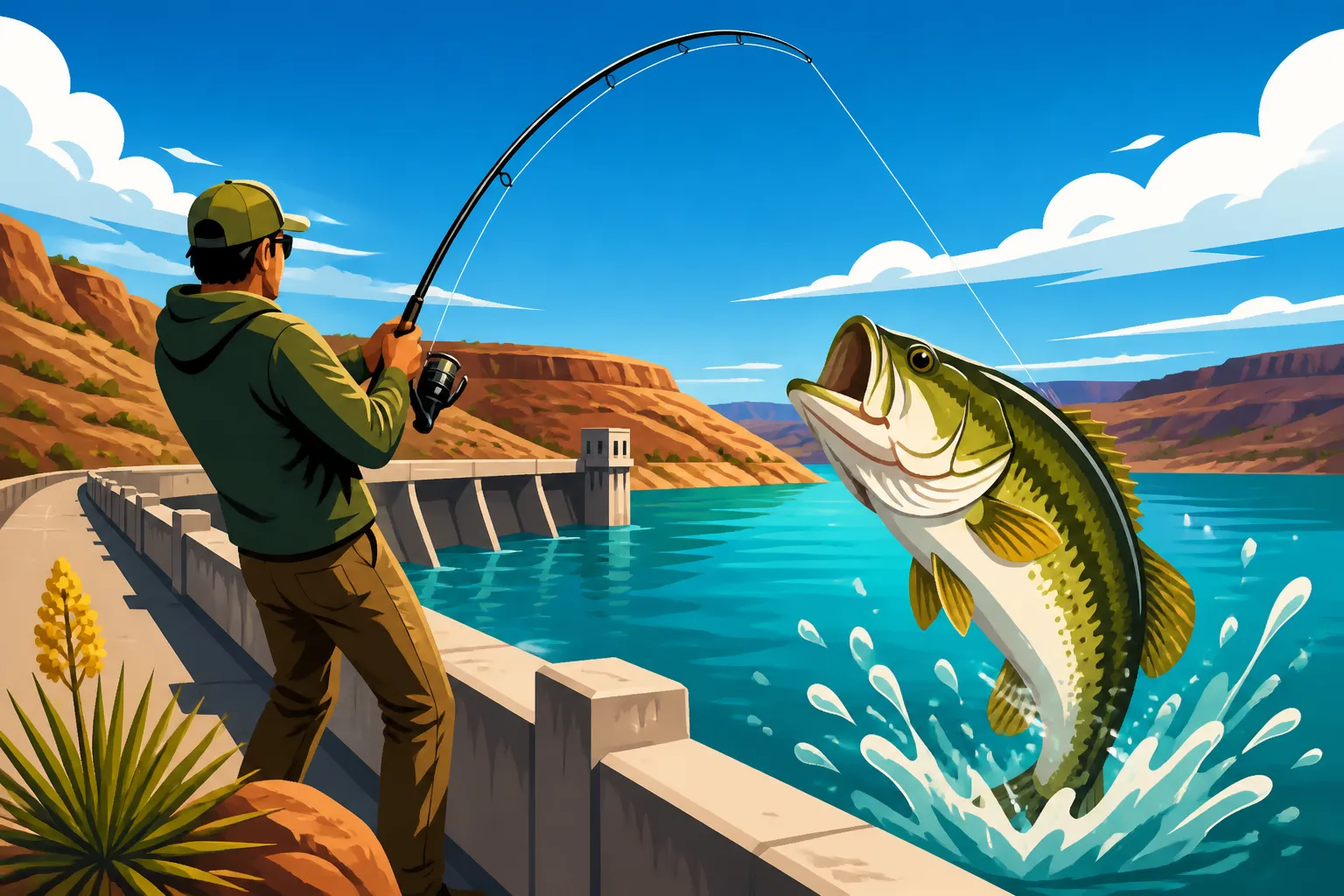
Beyond accessibility, the dam itself is a massive piece of structure. Fish, by nature, are drawn to structure. The concrete face of the dam, its riprap edges, and the sheer drop-offs it creates provide ideal ambush points and cover for many species. These deep waters stay cooler in the summer, offering a thermal refuge for fish, and can provide more stable temperatures in the winter. Furthermore, any water flow over or through the dam (especially if gates are open for releases, though this isn't constant) can create current, concentrating baitfish and, in turn, game fish. This makes the dam a dynamic environment where fish are often actively feeding, offering exciting opportunities you might not find elsewhere. It's a prime example of how human-made structures can become fantastic fish habitats, simplifying the hunt for that perfect cast.
What Fish You Can Target from Conchas Lake Dam
Conchas Lake is a fantastic mixed-bag fishery, and the dam concentrates many of these species, making it an ideal spot to target a variety of fish in one location. Knowing what to expect and when to expect them is half the battle.
Key Species and Their Habits Near the Dam
When you're casting from the Conchas Lake dam, you've got a good chance of hooking into several popular game fish. Among the most sought-after are Walleye. These toothy predators love rocky structures and deeper water, making the dam's face and the immediate drop-offs perfect ambush points for them. They'll often hug the bottom or suspend just off the dam wall, especially during low light conditions or cooler weather. They're often found patrolling for baitfish, so mimicking small fish is usually a good strategy. If you're keen on landing these prized fish, learning more about Conchas Lake Walleye Fishing can certainly help refine your approach.
Another highly popular target, especially for those who enjoy panfish, is Crappie. Both white and black crappie thrive in Conchas Lake, and they frequently gather around submerged structures near the dam. While they might not be right up against the main dam face, the riprap along the edges and any nearby submerged brush piles or artificial structures can hold massive schools. They tend to suspend in the water column, rather than hugging the bottom like walleye, often at specific depths that can change daily. You can also expect to find plenty of Channel Catfish near the dam. These bottom dwellers are constantly on the prowl for an easy meal. The deeper water and potential for debris accumulating at the base of the dam create excellent feeding grounds for catfish, especially after a rain or when there's some current.
Finally, you'll also have opportunities for various Bass species, including Largemouth and Smallmouth, and often White Bass. Largemouth bass will relate more to any existing vegetation or structure along the dam's edges, while smallmouth will prefer the rocky terrain. White bass, on the other hand, are often found in schools, chasing baitfish in open water near the dam or when current is present. They're aggressive fighters and a blast to catch, providing plenty of action. Keeping up with New Mexico Warm Water Fish Bag Limits is always a good idea to ensure you're compliant with regulations.
Seasonal Considerations for Dam Fishing
The changing seasons play a huge role in how fish behave at Conchas Lake, and fishing from the dam is no exception. Understanding these seasonal shifts can drastically improve your chances of success.
- Spring: As water temperatures begin to rise in spring, fish become much more active. This is often the prime time for walleye and crappie near the dam. Walleye might be moving shallower to feed more aggressively, while crappie will start to congregate for their pre-spawn and spawning phases, often around any submerged structures or rocky points adjacent to the dam. Early spring can see some fantastic action as fish shake off their winter sluggishness. The dam's proximity to deeper water also means fish don't have far to retreat if a cold front pushes through, making it a consistently productive spot. This is also a good time to consult the New Mexico Fishing Season Calendar to align your trip with peak activity.
- Summer: Summer can be a bit more challenging during the heat of the day, but the dam's deep water offers a significant advantage. Fish will retreat to cooler, deeper sections to escape the scorching sun. This means targeting walleye and catfish primarily on the bottom, or crappie suspended in the mid-to-deep water column. Early mornings, late evenings, and even night fishing can be incredibly productive for all species, as they move shallower to feed under the cover of darkness or cooler temperatures. The dam's accessible nature makes these low-light adventures much easier to undertake.
- Fall: Fall is another fantastic season for dam fishing at Conchas Lake. As temperatures drop, fish begin to feed heavily in preparation for winter. Walleye will become very active, often moving shallower to gorge on baitfish. Crappie schools can be massive, and catfish will still be active, particularly in the early fall. The dam provides excellent access to these migrating and feeding fish. The cooler, more stable weather often makes for a more comfortable and enjoyable fishing experience, with plenty of action to be found.
- Winter: Don't write off winter fishing from the dam! While slower, it can still produce some trophy-sized fish. The deeper water near the dam acts as a thermal refuge, keeping temperatures more stable than shallower areas. Walleye will still be present, often hugging the bottom in the deepest sections, moving slowly but willing to strike a well-presented bait. Catfish might be less active but can still be caught. If ice fishing is a possibility on other parts of the lake, the dam's open water provides a unique alternative, ensuring you can fish even when much of the lake is frozen over.
Essential Techniques and Gear for Conchas Lake Dam Fishing
Successfully fishing from the Conchas Lake dam isn't just about showing up; it's about having the right approach and the right tools. Because you're typically casting into deeper water and often targeting fish holding tight to structure, your setup and technique will differ slightly from open-water or shallow-bank fishing.
Recommended Baits and Lures
For Walleye and Bass, jigs are incredibly effective. A 1/4 to 1/2 ounce jig head tipped with a curly tail grub (white, chartreuse, or motor oil colors are great) or a plastic swimbait can be deadly. Blade baits and jigging spoons are also excellent choices for vertical jigging near the dam wall or bouncing along the bottom, mimicking injured baitfish. For those who prefer live bait, a simple jig head with a live minnow hooked through the lip or back is often irresistible to walleye. During the day, particularly when fish are deeper, these presentations are key. When they are more aggressive or cruising, small to medium-sized crankbaits that dive to appropriate depths can also be very effective, especially those with a tight wobble. You might want to check out some best lures for New Mexico walleye to get more ideas.
Crappie typically prefer smaller presentations. Tiny jigs (1/16 to 1/8 ounce) with plastic tube jigs, curly tail grubs, or even tiny soft plastic minnows are excellent. Tipping these jigs with a small piece of crappie nibbler or a live minnow can be a game-changer. A bobber rig, allowing you to suspend your bait at precise depths, is also a classic and effective method, especially when crappie are schooling at specific depths. For Catfish, traditional bottom fishing rigs are the way to go. Use a slip sinker rig with a wide gap hook. Cut bait (shad, carp, or even hot dogs), stink baits, and nightcrawlers are all highly effective. For those who enjoy a bit of finesse, even a simple worm on a hook can entice a hungry channel cat.
White Bass are aggressive and will hit a variety of fast-moving lures. Inline spinners, small spoons, and fast-retrieved small crankbaits or swimbaits are excellent choices. They often school up and chase bait, so keeping an eye out for surface activity can help you pinpoint their location. Having a versatile tackle box is essential, and incorporating some of these specialized lures will definitely increase your success rate from the dam.
| Target Species | Best Bait/Lure from Dam | Prime Season | Notes for Dam Fishing |
|---|---|---|---|
| Walleye | Jigs (Blade, Hair), Crankbaits, Nightcrawlers, Live Minnows | Spring, Fall, Winter | Target rocky breaks, deeper drops; often hug bottom or suspend. |
| Crappie | Small Jigs (Tube, Curly Tail), Live Minnows, Crappie Nibblers | Spring, Fall | Suspended near structure, calmer days; look for brush piles. |
| Channel Catfish | Cut Bait (Shad), Stink Bait, Worms | Summer, Fall | Bottom fishing near current breaks; often active after dark. |
| Largemouth Bass | Spinnerbaits, Jigs, Soft Plastics (Worms) | Spring, Summer | Structure on the dam's edge, shaded areas; cover near riprap. |
| Smallmouth Bass | Small Crankbaits, Jigs, Tubes, Grubs | Spring, Summer | Rocky terrain; aggressive strikes on bottom-bounced lures. |
| White Bass | Spoons, Small Crankbaits, Inline Spinners | Spring, Summer | Follow schools, target active feeding; fast retrieve needed. |
Rod, Reel, and Line Setup
When fishing from the Conchas Lake dam, versatility is key, but so is power. You'll want a rod that can handle decent casting distances but also has enough backbone to fight larger fish that might be hugging the structure or come up from the deep. A medium to medium-heavy spinning rod, around 6'6" to 7'6" in length, is often ideal. This length gives you good casting leverage and enough sensitivity to detect subtle bites. A fast action tip is beneficial for quick hooksets, especially important when fishing jigs or trying to feel light bites from walleye.
Pair this with a reliable spinning reel in the 2500-4000 series size. Look for a reel with a smooth drag system, as you might hook into anything from a feisty white bass to a stubborn channel cat or a large walleye. Line choice is crucial. Many anglers prefer braided line (15-20 lb test) for its sensitivity and strength, especially when fishing around potentially abrasive concrete or rocks. If you use braid, a fluorocarbon leader (8-12 lb test) of 2-4 feet is highly recommended. This provides stealth in clear water and some abrasion resistance, plus it acts as a shock absorber. Alternatively, a good quality monofilament line (8-12 lb test) can also work, especially for crappie and catfish, offering a bit more stretch which can be forgiving. Don't forget a sturdy landing net, especially one with a rubberized mesh if you plan on practicing catch and release, as this minimizes harm to the fish.
Safety and Practical Tips for Dam Anglers
Safety should always be your top priority when fishing any large body of water, and fishing from a dam presents its own unique considerations. Always be aware of your surroundings. Dams can have steep, slippery surfaces, especially if wet from rain or mist. Wear appropriate footwear with good grip. Pay attention to any warning signs or restricted areas – these are there for your safety and to protect the infrastructure. Wind can be a significant factor on large open reservoirs like Conchas Lake, creating choppy conditions and making casting challenging. Be mindful of your cast to avoid snagging overhead lines or other anglers. Even when fishing from the bank, it's wise to consider basic New Mexico Fishing Regulations Overview to stay compliant.
Practical tips for a successful trip include bringing a good quality cooler with ice to keep your catch fresh, especially during the warmer months. A comfortable, portable chair will make those longer waits much more enjoyable. Don't forget sun protection – New Mexico sun can be intense, so a wide-brimmed hat, polarized sunglasses (which help you see into the water better), and sunscreen are essential. Consider packing a small tackle box or backpack with extra lures, line, hooks, and sinkers, as snags are always a possibility when fishing around submerged structures. For those looking to maximize their experience, or if they prefer a guided approach, services found through platforms like FishingBooker can help connect you with local experts who might offer shore-based guiding, giving you an edge in understanding the dam's specific nuances. If you're really looking to explore the lake comprehensively, even without a personal boat, you might look into local guides found on FishingBooker who specialize in the area. These experienced guides can share their deep knowledge of Conchas Lake, including the most productive techniques for the dam and surrounding waters. Ultimately, patience and persistence are your best friends when dam fishing; sometimes it takes a little while for the fish to turn on, but when they do, the action can be incredible.
Disclaimer
The information provided in this guide is for general informational purposes only. Fishing conditions, regulations, and access points can change frequently. Always consult the latest New Mexico Department of Game and Fish regulations before heading out. Be aware of private property boundaries and respect local rules and guidelines. Fish responsibly and practice Leave No Trace principles.