Best New Mexico Lakes for Ice Fishing
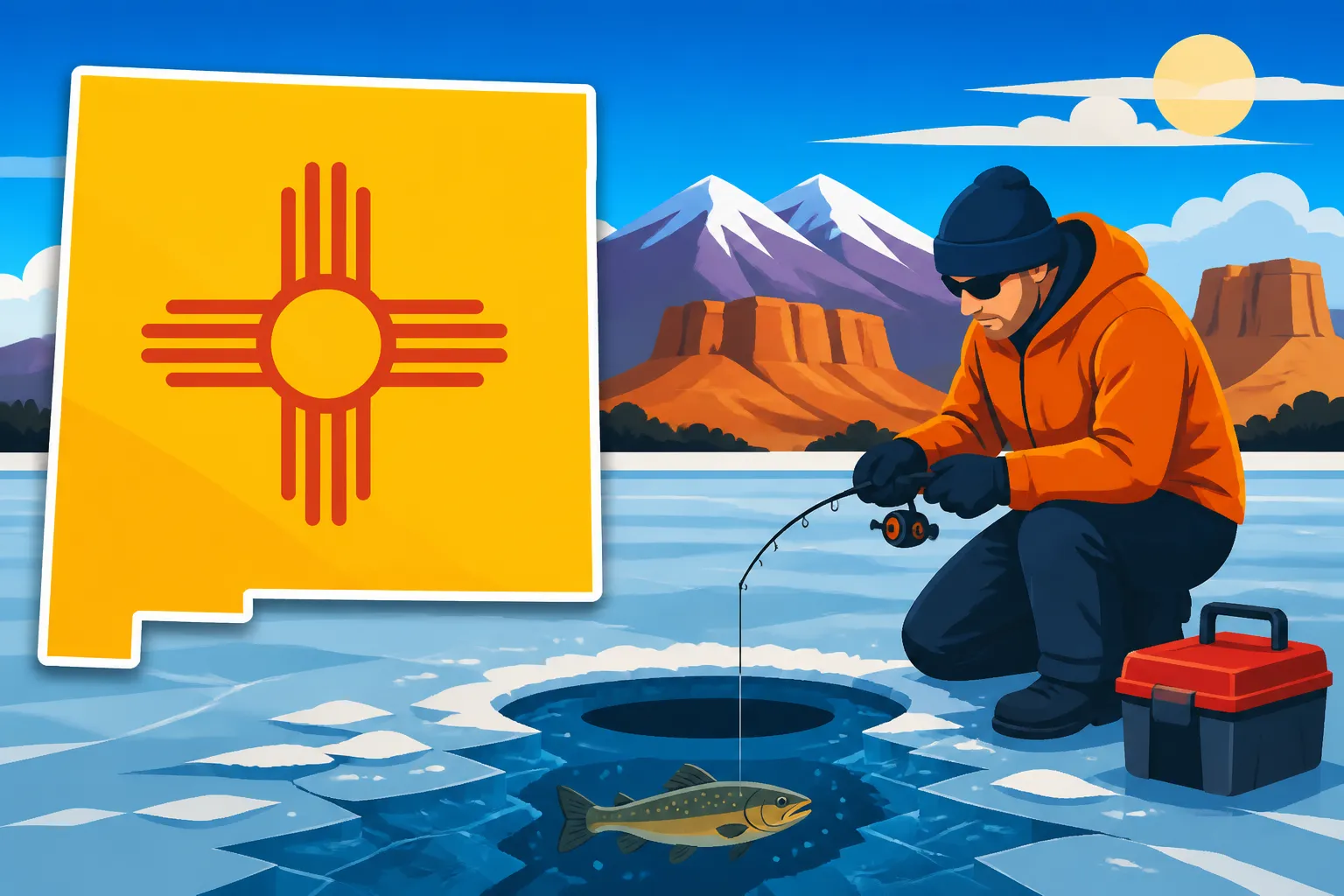
It’s a common misconception, especially for folks not from around here, that New Mexico is all scorching deserts and year-round sunshine. But those of us who live and breathe the Land of Enchantment know better! When winter rolls in and the high country gets truly cold, several of our beautiful lakes transform into incredible ice fishing destinations. If you've ever dreamed of drilling through a solid sheet of ice to pull out a feisty trout or a monster muskie but felt unsure where to even start in our unique climate, this comprehensive guide is for you. We're going to dive deep into the best New Mexico lakes for ice fishing, making sure you're prepared, informed, and ready for a truly unique winter angling adventure.
Understanding New Mexico's Ice Fishing Landscape
Ice fishing in New Mexico isn't quite like what you see in the classic movies set in the Midwest. Our high desert environment brings its own set of challenges and charms, making it a distinct experience that requires a bit more local knowledge and a healthy dose of caution.
The Unique Challenges of High Desert Ice
One of the biggest hurdles for ice anglers in New Mexico is the variability of our winters. We can have glorious, consistently cold snaps perfect for solid ice, followed by a few unseasonably warm days that can wreak havoc on ice stability. This means that while certain lakes are known to freeze over reliably, you can never assume safe ice without checking current conditions. The sun, even in winter, can be intense at our higher elevations, contributing to ice degradation, especially near shorelines or darker objects. Factors like wind, snow cover, and fluctuating overnight temperatures all play a role. It’s not uncommon for a lake to have a good 6 inches of ice one week, only to be borderline safe or even partially open water the next if a warm front pushes through. This constant flux underscores why vigilance and local knowledge are paramount for a safe and enjoyable trip.
General Ice Fishing Season in New Mexico
Generally, the ice fishing season in New Mexico runs from late December through early March, but this is a broad stroke. For lower elevation lakes or those that don't see prolonged cold, the window might be much shorter or non-existent in milder winters. Higher elevation lakes, particularly those above 8,000 feet, tend to freeze earlier and hold ice longer. For example, Eagle Nest Lake often sees safe ice well into February, sometimes even early March, while other, lower-lying bodies of water might only offer a few weeks of sporadic hard water. The New Mexico Department of Game and Fish (NMDGF) is an invaluable resource, often providing updates on ice conditions, as do many local bait shops and guide services. It's always best practice to check the most up-to-date reports before heading out.
Top Lakes for Ice Fishing in New Mexico
While New Mexico might not boast hundreds of ice fishing lakes, the ones that do freeze over reliably offer some truly exceptional opportunities for winter anglers. Each has its own unique character and target species.
Eagle Nest Lake
Without a doubt, Eagle Nest Lake stands out as one of New Mexico's premier ice fishing destinations. Nestled at over 8,200 feet in elevation, this sprawling reservoir reliably develops thick, safe ice most winters. It's a favorite not just for its consistent ice, but for the diverse array of fish lurking beneath the surface. Anglers here regularly pull out rainbow trout, which are heavily stocked by the NMDGF, along with substantial brown trout, feisty Kokanee salmon, and even yellow perch. The perch fishing can be particularly active, with anglers often catching large numbers. Many local guides listed on platforms like FishingBooker often target this lake due to its reliability and varied species.
When ice fishing at Eagle Nest, popular spots often include the areas near the dam, the state park shoreline, and the various coves. A good sonar or flasher is incredibly helpful here to locate schools of fish and find optimal depths, which can vary from 15 to 40 feet depending on the species you're targeting. For trout, PowerBait, corn, or small jigs tipped with a grub are often effective, while Kokanee can be enticed with small Swedish Pimples or Kastmasters. If you're looking for a comprehensive guide to this spot, our article on Eagle Nest Lake Ice Fishing provides even more detailed tactics. Remember that a current New Mexico Fishing License Guide is essential before you even think about drilling your first hole.
Bluewater Lake
For those seeking a truly unique challenge, Bluewater Lake is the place to be. Located in west-central New Mexico, this lake is famous for its tiger muskie, a sterile hybrid known for its aggressive strikes and impressive size. While catching a tiger muskie through the ice is certainly a test of patience and skill, it's an incredibly rewarding experience. Beyond muskie, Bluewater also offers excellent fishing for rainbow and brown trout, which are regularly stocked. The combination of these species makes it an exciting destination for anglers willing to brave the cold.
Ice conditions at Bluewater can be a bit less predictable than Eagle Nest due to its slightly lower elevation, so it's crucial to check local reports. When targeting muskie, anglers often use large dead baits like smelt or sucker minnows on quick-strike rigs, set below tip-ups. For trout, smaller jigs, spoons, or standard trout baits work well. The lake's clear water often means fish are spooky, so stealth and light line can be advantageous. Our guide on Tiger Muskie in New Mexico offers deeper insights into how to tackle this formidable fish, and keeping up with the Bluewater Lake Trout Stocking Schedule can help plan your trout excursions.
Heron Lake
Known for its calm, no-wake waters, Heron Lake offers a serene and picturesque ice fishing experience, particularly for those targeting Kokanee salmon and various trout species. Located in northern New Mexico, Heron Lake often freezes solid enough for ice fishing, providing ample opportunities to jig for Kokanee or set up tip-ups for rainbow and brown trout. The no-wake rule enforced during open water season contributes to a peaceful environment during the ice season, too, as it often attracts a quieter crowd.
Kokanee salmon are a primary draw here, and anglers find success using small, colorful jigs tipped with corn or mealworms. These fish tend to suspend in schools, so a fish finder is invaluable for locating them in the water column. Trout can be found closer to the bottom or along underwater structures. The tranquil atmosphere makes it a perfect spot for families or those looking to escape the hustle and bustle. For specific strategies on catching these landlocked salmon, check out our piece on Heron Lake Kokanee Salmon Fishing. Don't forget, the New Mexico Habitat Stamp Cost and Requirement applies here as well, as it does for most state-managed waters.
Fenton Lake
Fenton Lake State Park, nestled in the Jemez Mountains, is a gem for ice anglers, particularly those looking for trout in a more intimate setting. This smaller, high-elevation lake provides a reliable freeze and is regularly stocked with rainbow trout, making it an excellent choice for beginners and experienced anglers alike. While Fenton Lake is primarily a fly-fishing-only lake during the open water season, ice fishing regulations typically open it up to other bait and lure presentations, though always double-check the current NMDGF proclamation.
The relatively small size of Fenton Lake means that fish can be easier to locate, and it's a fantastic place to introduce kids to ice fishing. Small jigs, wax worms, power bait, or even a simple worm under a bobber can be incredibly effective for the eager rainbow trout. Being a state park, access is usually well-maintained, but winter road conditions in the Jemez can be challenging, so a 4×4 vehicle is often recommended. If you're curious about this spot's unique rules, our guide on Fenton Lake Fly Fishing Only Rules details its warmer month restrictions. This lake is truly one of New Mexico's best kept secrets for a peaceful winter fishing trip, offering a stark contrast to some of the larger, more bustling reservoirs. For a deeper dive into winter tactics here, see our article on Fenton Lake Winter Trout Fishing.
Essential Gear and Safety for New Mexico Ice Fishing
Venturing onto the ice requires more than just your usual fishing rod. Proper gear and, more importantly, a steadfast commitment to safety are non-negotiable for a successful and secure ice fishing outing in New Mexico.
Must-Have Ice Fishing Gear
First and foremost, you'll need a way to get through the ice. An auger is essential for drilling holes, and you have choices: manual hand augers are great for lighter ice or a good workout, while propane, electric, or gas-powered augers make quick work of thicker ice. Given New Mexico's variable conditions, a reliable power auger can save you a lot of effort. Beyond that, an ice fishing shelter, whether a portable pop-up or a more robust shanty, provides crucial protection from wind and cold, making your time on the ice far more comfortable. Many anglers also rely on electronics, such as fish finders or flashers, to locate fish and understand their depth. These devices are invaluable for identifying structure and active fish, especially for suspended species like Kokanee.
Then comes your actual fishing tackle. Ice fishing rods are typically shorter than conventional rods, ranging from 24 to 36 inches, allowing for precise jigging and easier handling in confined spaces. Pair these with a small spinning reel spooled with fluorocarbon or monofilament line, which performs better in cold temperatures. Finally, your bait and lures should be tailored to your target species – small tungsten jigs, spoons, live bait (where allowed), or PowerBait are all common choices. To ensure you’re picking the best tools for the job, our detailed guide on the Best Ice Fishing Auger for New Mexico can help you make an informed decision, as can our recommendations for the Best Ice Fishing Shelter for New Mexico.
Prioritizing Ice Safety
This cannot be stressed enough: ice safety is paramount. Never assume ice is safe. Always check the ice thickness yourself using an ice spud, auger, or by consulting local reports from bait shops or park rangers. A general rule of thumb for clear, solid ice is 4 inches for walking alone, 5-7 inches for small groups, and 8-12 inches for snowmobiles or ATVs. However, remember that ice thickness can vary dramatically even across a small lake due to currents, springs, or pressure ridges. Always be wary of areas around inlets, outlets, and dark objects frozen into the ice, as these spots can be thinner.
Never fish alone, and always inform someone of your fishing plans and expected return time. Carry essential safety equipment, including ice picks (worn around your neck for quick access if you fall through), a throw rope, and a personal flotation device (PFD). If you're considering driving a vehicle on the ice, be absolutely certain of the conditions and understand the risks involved. It’s a good idea to refresh your knowledge on these critical numbers by reading up on How Thick Does Ice Need to Be to Fish Safely?. Even when conditions seem perfect, it pays to exercise extreme caution and be prepared for the unexpected.
Staying Warm and Prepared
Cold weather fishing isn't just about catching fish; it's about staying warm and comfortable. Layering your clothing is key. Start with a moisture-wicking base layer, add an insulating middle layer (fleece or down), and top it off with a waterproof and windproof outer shell. Insulated boots are non-negotiable, preferably rated for extreme cold, along with warm hats, gloves, and neck gaiters. Hand warmers and foot warmers can also be a lifesaver on particularly frigid days. Staying hydrated is also crucial, so bring plenty of water and hot beverages in a thermos. High-energy snacks will help maintain your body temperature and focus. Checking the weather forecast and preparing for worst-case scenarios, including unexpected drops in temperature or sudden snow squalls, is just part of the ice fishing experience. Our article on What to Wear Ice Fishing in New Mexico offers comprehensive advice for dressing appropriately.
Regulations and Best Practices
Like any fishing activity in New Mexico, ice fishing is subject to specific regulations designed to protect our natural resources and ensure fair sport. Being informed and practicing ethical angling are crucial.
Understanding Licenses and Stamps
Before you even think about stepping onto the ice, you'll need a valid New Mexico fishing license. For most waters, including the popular ice fishing lakes, you'll also need a New Mexico Habitat Management & Access Validation (often referred to simply as a Habitat Stamp). These fees contribute directly to conservation efforts and improving access for anglers across the state. Licenses are typically valid for a year from the date of purchase, but always check the current NMDGF proclamation for precise dates and any new requirements. Non-residents will need a non-resident license, which varies in cost. Many people, including those planning their trip through resources like FishingBooker, find it easy to purchase these online through the NMDGF website.
There are various license options available, including annual, short-term, and senior/junior rates, so make sure you get the one that fits your needs. Our comprehensive New Mexico Fishing Regulations Overview covers all the bases for licensing. It's also worth noting that exemptions sometimes exist for very young children or specific events like free fishing days, but generally, if you're over the age of 12, a license and validation are required.
Bag and Possession Limits
Each species of fish has specific bag and possession limits, which dictate how many fish you can keep in a single day (bag limit) and how many you can have in your possession at any given time (possession limit). For example, New Mexico's statewide trout limit is usually 5 fish per day, with a possession limit of 10. However, special rules apply to certain waters or species. Tiger Muskie, for instance, often have very restrictive limits or are catch-and-release only. Kokanee salmon limits might also differ during certain times of year, especially if snagging is allowed.
It is absolutely vital to consult the current New Mexico Fishing Rules & Regulations booklet (the NMDGF proclamation) before each fishing trip. These rules can change annually, and ignorance is not an excuse for violations. Pay close attention to any "Special Trout Water" rules that might apply to a particular section of a lake or river, as these often have different tackle or bait restrictions. For general limits, you can often find information in our New Mexico Trout Bag and Possession Limits guide. Always measure your fish carefully and release any that are undersized or over your limit quickly and gently.
Ethical Angling and Environmental Stewardship
Ice fishing, by its very nature, is a close-quarters activity, often shared with other anglers, wildlife, and even other recreational users of the lake. Practicing good ethical angling and environmental stewardship ensures a positive experience for everyone and preserves these precious resources for future generations. This means always cleaning up your fishing area, taking all trash, discarded fishing line, and bait containers with you. Leave no trace.
When handling fish in cold weather, try to minimize their exposure to the air, especially if you plan to release them. A wet gloved hand is better than a dry one for handling, and using a rubberized landing net can help protect their delicate slime coat. If you're keeping fish, dispatch them humanely and store them properly to maintain freshness. Respect other anglers' space, keep noise levels down, and be mindful of wildlife. Our natural beauty is one of New Mexico's greatest assets, and it's our shared responsibility to protect it.
New Mexico Ice Fishing Lake Comparison
To help you choose your next ice fishing adventure, here's a quick comparison of the top New Mexico lakes for hard-water angling:
| Lake | Primary Species Targeted | Typical Prime Months | Unique Features | Notes |
|---|---|---|---|---|
| Eagle Nest Lake | Rainbow Trout, Brown Trout, Kokanee Salmon, Yellow Perch | Late Dec – Early Mar | High elevation, consistent ice, diverse species, large lake | Great for all skill levels, often very active. |
| Bluewater Lake | Tiger Muskie, Rainbow Trout, Brown Trout | Mid Jan – Late Feb | Trophy Tiger Muskie potential, stocked trout. | Muskie require specialized gear; ice can be variable. |
| Heron Lake | Kokanee Salmon, Rainbow Trout, Brown Trout | Late Dec – Late Feb | "No-wake" rules create a peaceful atmosphere. | Excellent for Kokanee jigging; scenic and tranquil. |
| Fenton Lake | Rainbow Trout | Late Dec – Mid Feb | Smaller, intimate setting, regularly stocked. | Great for beginners and families; winter road access can be tricky. |
Disclaimer
The information provided in this guide is for general informational purposes only. Fishing conditions, regulations, and ice safety can change rapidly. Always consult the most current New Mexico Department of Game and Fish (NMDGF) regulations and local conditions reports before planning and undertaking any fishing trip. Safety should always be your top priority when venturing onto the ice.