Fenton Lake Fly Fishing Only Rules
It's a familiar scenario for many anglers heading to New Mexico's beautiful Jemez Mountains: you've packed your favorite spinning rod or a tub of worms, dreamt of catching some trout at Fenton Lake, and then BAM! You see the signs – "Fly Fishing Only." It can be a real head-scratcher and a quick end to a fishing trip if you're not prepared, especially if you're coming from waters with more relaxed regulations. This guide is here to clear up exactly what "fly fishing only" means at Fenton Lake, why these specific rules are in place, and how you can still have an incredible, memorable experience targeting its thriving trout populations.
Understanding Fenton Lake's Fly Fishing Only Regulations
Fenton Lake, nestled high in the Jemez Mountains of New Mexico, is not just any fishing spot; it's a designated "Special Trout Water." This classification comes with a very specific set of regulations designed to protect and enhance its trout populations, ensuring a quality fishing experience for generations. For many, arriving with conventional gear and finding these strict rules can be disheartening, but understanding the intent behind them makes all the difference.
The Core Rule: Artificial Flies and Single, Barbless Hooks
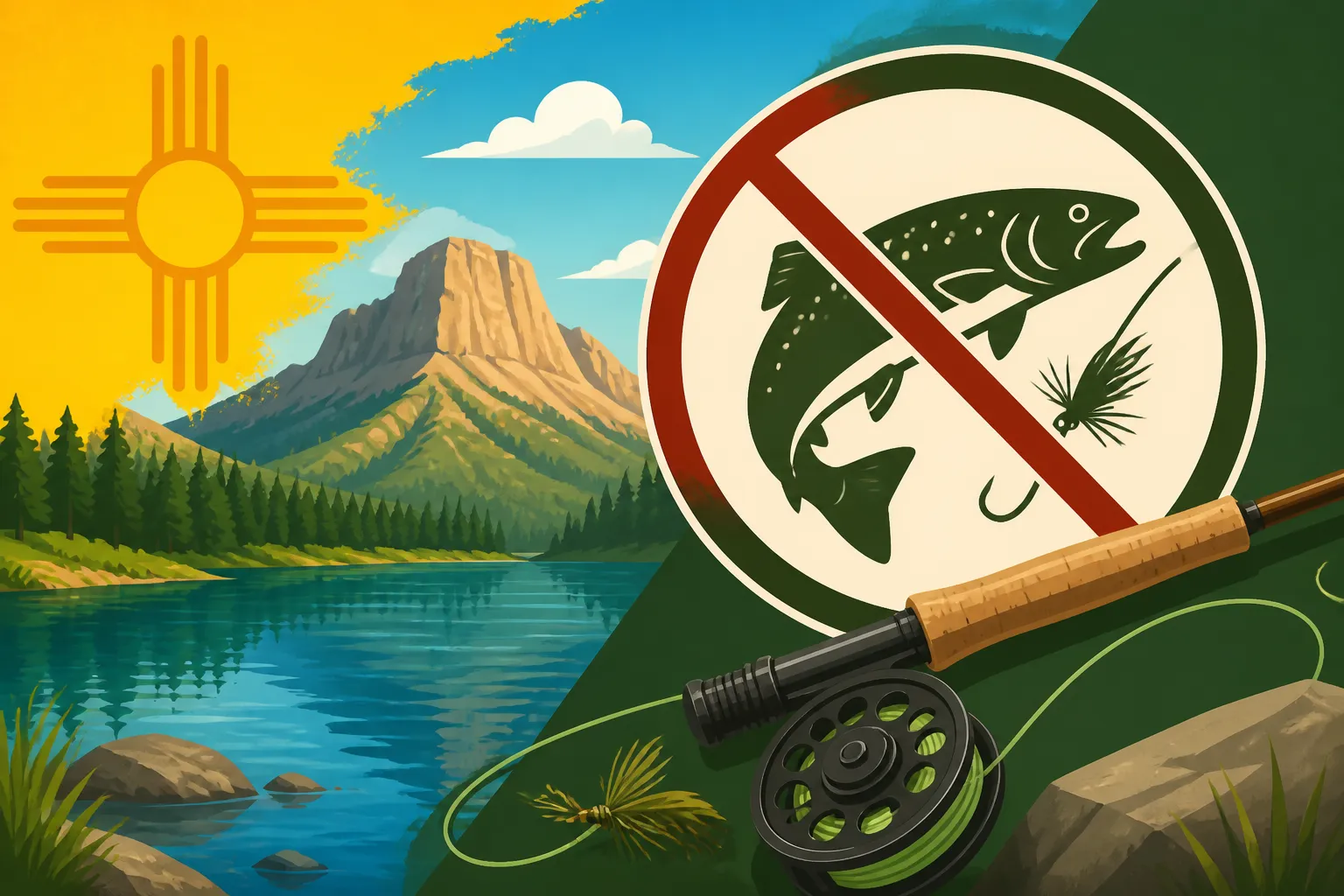
At the heart of Fenton Lake's regulations is the mandate for "artificial flies only" and the use of "single, barbless hooks." Let's break down what that truly means for you, the angler. An artificial fly, in this context, refers to a fishing lure constructed of natural or synthetic materials tied onto a hook to imitate an insect or other aquatic organism. Think feathers, fur, thread, and tinsel. This explicitly prohibits any form of natural bait, such as worms, powerbait, corn, salmon eggs, or any scented soft plastics. If it's edible or designed to attract fish through smell or taste, it's out. The goal here is to encourage a more sporting method of catch and to minimize the ingestion of non-natural substances by fish, which can lead to higher mortality rates.
The "single, barbless hook" requirement is equally crucial for the health of the fishery. A barbless hook allows for easier, quicker, and less damaging removal from a fish's mouth, drastically increasing the survival rate of fish that are caught and released. If you're using flies that come with barbed hooks, you must pinch down the barb with a pair of pliers before casting. This isn't just a suggestion; it's a firm rule meant to support the lake's catch-and-release philosophy for many of its larger trout. Anglers often appreciate this rule because it means the lake holds a healthy population of feisty fish that have been caught before and will continue to provide great sport.
Why "Special Trout Water" Designations Matter
New Mexico's Department of Game and Fish (NMDGF) doesn't just randomly designate waters as "Special Trout Waters." These designations are strategic, often applied to waters with the potential to sustain exceptional trout fishing, or those that hold sensitive native species. For Fenton Lake, this means creating an environment where trout can thrive, grow larger, and offer a challenging, rewarding experience for anglers who embrace the fly fishing method. The regulations are a key component of the state's broader New Mexico Trout Fishing Rules.
By limiting tackle to artificial flies and barbless hooks, NMDGF aims to:
- Reduce Fish Mortality: Fewer fish die from deep hooking or excessive handling compared to traditional bait fishing, where fish often swallow the hook.
- Promote Catch and Release: While you can keep a limited number of trout at Fenton Lake (always check the current bag limits, as they can change seasonally), the regulations encourage anglers to release most of their catch, especially larger, older fish that contribute significantly to the lake's breeding population.
- Enhance Water Quality: Less discarded bait or foreign substances entering the water contributes to a cleaner, healthier aquatic ecosystem for the trout and their food sources.
- Maintain Genetic Integrity: For certain waters, this approach helps protect native trout species or specific strains of stocked trout from hybridization or disease introduction.
- Offer a Unique Angling Experience: It creates a destination for those who specifically enjoy the art and challenge of fly fishing, drawing a particular type of angler who values the conservation aspect.
If you're still feeling a bit lost on why these rules exist or how to navigate them, many local fly shops or fishing guides can offer invaluable advice. You might even consider checking out platforms like FishingBooker, which can connect you with guides specializing in New Mexico fly fishing, who can break down the nuances of these rules on the water.
The Philosophy Behind Fenton Lake's Unique Rules
The strict "fly fishing only" rules at Fenton Lake are not arbitrary restrictions designed to make fishing harder. Instead, they are rooted in a deep understanding of fisheries management and a commitment to providing a premier angling experience. It's about balancing recreational opportunity with the long-term health and sustainability of a valuable natural resource.
Fostering a Quality Trout Fishery
The primary goal of designating Fenton Lake as a fly fishing only, single barbless hook water is to cultivate and maintain a high-quality trout fishery. When NMDGF manages a lake this way, they are often aiming for:
- Larger, Healthier Fish: With reduced mortality from catch-and-release and less pressure from bait fishermen, trout have a better chance to grow to impressive sizes. This means you have a real shot at catching a trophy-sized Rainbow Trout or German Brown Trout that has seen many flies before, making the catch all the more satisfying.
- Enhanced Natural Behavior: Fish in these environments tend to be less conditioned to readily taking easy bait, making them more challenging to entice. This encourages anglers to learn about insect hatches, fish behavior, and precise fly presentations, elevating the sport beyond simply waiting for a bite.
- Sustainable Populations: By maximizing the survival of released fish, the lake can support a robust population without solely relying on continuous stocking. This creates a more resilient and natural fishery. While the lake still benefits from New Mexico Fishing Season Dates and Limits for trout stocking, these regulations allow those stocked fish to thrive and contribute to a more dynamic ecosystem.
Imagine spending a quiet morning on Fenton Lake, the crisp mountain air filling your lungs, and then hooking into a strong, healthy trout that fights hard. That experience, often elusive in heavily fished waters, is precisely what these regulations strive to preserve. It's about respecting the fish and the environment, creating a cycle where careful angling leads to better fishing for everyone in the long run.
The Role of Conservation and Angler Ethics
Beyond simply growing bigger fish, Fenton Lake's regulations are a clear statement about conservation and promoting ethical angling practices. NMDGF invests significant resources into maintaining these waters, and they rely on anglers to uphold the spirit of these rules.
- Minimizing Environmental Impact: Fly fishing generally leaves a lighter footprint on the environment. There's no leftover bait, fewer discarded lines (ideally), and a greater emphasis on wading rather than relying solely on boats (though boats are permitted, often with specific restrictions on motor type).
- Educating Anglers: These rules serve as an educational tool, encouraging anglers to understand why certain practices are harmful and how they can contribute to conservation. It fosters a community of anglers who are more aware of their impact and more dedicated to preserving natural resources. This dovetails nicely with the broader objectives of the New Mexico Habitat Management and Access Validation Stamp, which funds crucial conservation efforts across the state.
- Promoting Respect for Wildlife: The challenge of fly fishing often leads to a deeper appreciation for the fish and their habitat. It's not just about catching; it's about the entire interaction – observing, understanding, and then skillfully presenting. Anglers who embrace these rules often become passionate advocates for the health of New Mexico's waters.
By choosing to fish Fenton Lake, you're not just casting a line; you're participating in a conservation effort. You're agreeing to a higher standard of angling, one that prioritizes the welfare of the fish and the integrity of the ecosystem. It's a commitment that pays off in unforgettable fishing experiences and a healthy lake for future generations.
Essential Gear and Techniques for Fenton Lake Fly Anglers
So, you've decided to embrace the challenge and beauty of fly fishing at Fenton Lake. Fantastic! Now, let's talk about getting you set up with the right gear and a few techniques to increase your chances of success on these special waters. It's not as intimidating as it might seem, and with a little preparation, you'll be enjoying the pristine waters in no time.
Recommended Fly Rods, Reels, and Lines
For Fenton Lake's trout, a versatile fly rod setup is key. You're looking for something that can handle both the delicate presentation of small dry flies and the ability to cast heavier nymphs or streamers, especially when the wind picks up, which it often does in the mountains.
- Rod: A 4-weight or 5-weight fly rod, typically between 8.5 to 9 feet in length, is generally considered ideal. A 4-weight offers a more delicate presentation, perfect for wary trout sipping tiny dry flies, while a 5-weight provides a bit more backbone for casting larger flies, battling bigger fish, and handling breezy conditions. If you're only planning to fish smaller streams nearby, a 3-weight might be fun, but for the lake, stick to a 4 or 5.
- Reel: A reliable reel with a smooth drag system is important, not necessarily for fighting huge fish, but for consistency and protecting lighter tippets. A mid-arbor or large-arbor reel will pick up line faster, which is helpful when a fish suddenly runs towards you. Ensure it's properly matched to your rod's weight.
- Line: A weight-forward (WF) floating fly line is your best all-around choice for Fenton Lake. It casts well, floats high, and allows for various presentations. If you plan to fish deeper sections or target fish holding near the bottom, you might consider a sinking tip line or a full sinking line, but start with floating for versatility.
- Leader and Tippet: Begin with a 7.5 to 9-foot tapered leader. The "tapered" part helps transfer casting energy smoothly from your fly line to your fly, allowing for better presentation. Attach a section of tippet to the end of your leader. For Fenton Lake, tippet sizes from 4X to 6X are common. Thicker 4X or 5X for larger flies and windier days, and finer 6X for delicate presentations with smaller flies in clear water.
You can often find great starter combos that include a rod, reel, and line, which is a fantastic way to begin your fly fishing journey without breaking the bank. For those looking for more specific guidance on different setups, you might find valuable information in resources like Fly Fishing Gear for New Mexico Rivers, even though Fenton Lake is a stillwater, many principles apply.
Popular Flies and Presentation Strategies
The "right" fly at Fenton Lake can change daily, even hourly, depending on insect hatches, water temperature, and fish mood. However, a well-stocked fly box with a variety of patterns will serve you well.
- Nymphs: These flies imitate aquatic insect larvae and pupae. They are often fished subsurface, either suspended under an indicator or stripped slowly. Popular choices include:
- Pheasant Tail Nymph: A classic imitation for mayfly nymphs.
- Hare's Ear Nymph: Another versatile pattern, mimicking various aquatic insects.
- Prince Nymph: Good for stoneflies and other larger insects.
- San Juan Worm (barbless, of course!): Despite its simplicity, often incredibly effective, especially after rain or when trout are keyed into worms. Remember, it must be artificial and barbless.
- Egg Patterns: Effective, especially during spawning seasons (though remember ethical considerations for actively spawning fish).
- Streamers: These patterns imitate baitfish or larger aquatic insects. They are generally fished by stripping them through the water to create an enticing, darting motion.
- Woolly Bugger (various colors like olive, black, brown): An all-time favorite that can imitate leeches, sculpins, or large nymphs.
- Mohair Leech: Another excellent choice for imitating leeches, which are a common food source.
- Dry Flies: These flies float on the surface, imitating adult insects. They are exciting to fish when trout are rising (feeding on surface insects).
- Parachute Adams: A universally effective mayfly imitation.
- Elk Hair Caddis: Great for imitating caddisflies.
- Griffith's Gnat: Excellent for mimicking clusters of tiny midges.
When it comes to presentation, often a slow, steady retrieve with nymphs or streamers works well. For dry flies, observation is key: look for rising fish and try to "match the hatch" – use a fly that mimics the insects currently emerging. If you're completely new to fly selection, checking out resources like Fly Selection for New Mexico's San Juan River can provide foundational knowledge, although you'll need to adapt for lake conditions. Sometimes, a quick chat with a local outfitter or guide you found on FishingBooker can give you the most up-to-date intel on what's working.
Wading and Bank Access Considerations
Fenton Lake offers good bank access, and wading can significantly expand your fishing opportunities.
- Wading Gear: A good pair of breathable chest waders and sturdy wading boots with felt or rubber soles are highly recommended. The water can be chilly, even in summer, and stepping into the lake allows you to reach deeper drop-offs or cover more water. For advice on staying comfortable, check out articles like Best Waders for New Mexico Rivers. Always exercise caution when wading, especially in unfamiliar waters or areas with soft bottom.
- Access Points: Fenton Lake State Park provides numerous access points around the lake, including designated fishing piers and ample shoreline. You can often walk along the banks to find promising spots where submerged structure or deeper water creates good fish habitat.
- Boat Fishing: While you don't need a boat, small boats, kayaks, or float tubes are excellent for covering more water and accessing areas further from shore. Just be sure to check any specific NMDGF regulations regarding motor types (e.g., electric-only zones) if you plan to use a motorized vessel. These details are typically outlined in the NMDGF annual fishing proclamation.
Remember, regardless of your chosen method, always prioritize safety and respect the environment. Pack out everything you pack in, and handle fish gently for release.
Planning Your Fly Fishing Trip to Fenton Lake
A successful fly fishing trip to Fenton Lake involves a bit more than just grabbing your gear and heading out. Thoughtful planning can make all the difference, from knowing what fish to expect to ensuring you have all the necessary permits.
What to Expect: Fish Species and Size
Fenton Lake is primarily a put-and-take trout fishery, meaning it's regularly stocked by the NMDGF. However, due to its "Special Trout Water" status and the catch-and-release ethos, many of the stocked fish survive and grow, offering anglers a shot at larger specimens.
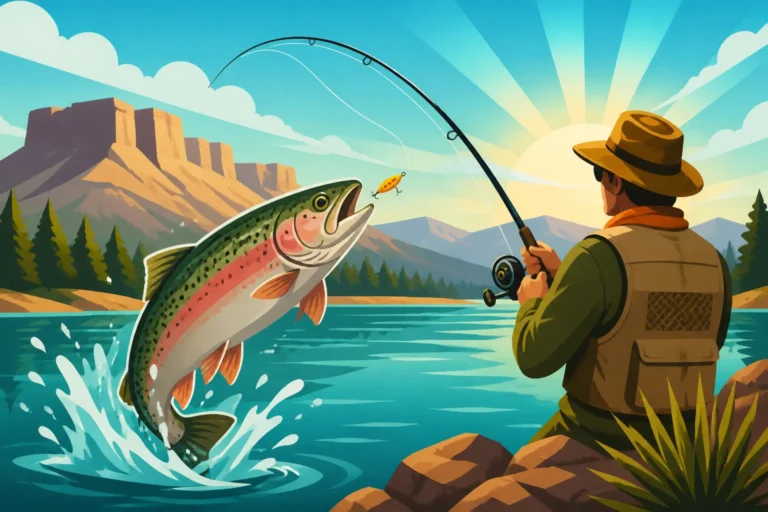
- Rainbow Trout: These are the most commonly stocked species and make up the bulk of the catch. They are known for their feisty fights and willingness to hit a variety of fly patterns. While many are stocker size (10-14 inches), some can grow significantly larger, especially if they've overwintered in the lake.
- Brown Trout: NMDGF also stocks German Brown Trout in Fenton Lake. These fish are often more elusive and can be harder to catch than rainbows, but they are highly prized by anglers for their striking beauty and challenging nature. Browns also have the potential to grow quite large, and catching a trophy brown on a fly rod is a memorable achievement.
- Tiger Muskie: Although rare, Fenton Lake has been stocked with Tiger Muskie in the past, primarily as a biological control for undesirable fish species. While you're unlikely to target them specifically with typical trout flies, be aware that a larger streamer might occasionally tempt one. Always be prepared for a surprise and know how to safely handle these toothy predators if you encounter one. For a deeper dive into the different species you might encounter across the state, read our guide on Trout Species in New Mexico.
Because of the "quality water" management, the fish here tend to be healthier and often display more natural feeding behaviors than those in more heavily pressured, multi-use lakes.
Essential Permits and Best Times to Visit
Before you even think about casting a line, make sure your paperwork is in order. New Mexico has clear requirements for anglers.
- Fishing License: Every angler aged 18 and older must possess a valid New Mexico Fishing License Guide. Non-residents will need to purchase an out-of-state license. You can purchase an New Mexico Annual Fishing License or a shorter duration one if you're just visiting.
- Habitat Stamp/Validation: In addition to your fishing license, most anglers will need to purchase a New Mexico Habitat Management and Access Validation Stamp. This stamp supports habitat improvement projects and provides access to various public lands for fishing and other recreational activities. There are some exemptions, so check the NMDGF regulations if you believe you might qualify.
- Seasonality: Fenton Lake is generally accessible year-round, though conditions vary greatly.
- Spring (April-May): Often excellent as water temperatures rise, fish become more active, and insect hatches begin.
- Summer (June-August): Can be good, especially in early mornings and late evenings. Midday can be slower due to warmer water and bright sun. Thunderstorms are common in the afternoons during monsoon season, so always be prepared for changing weather.
- Fall (September-November): Many consider fall to be the prime season. Cooler temperatures invigorate the fish, and beautiful autumn colors add to the experience. Brown trout often become more active as their spawning season approaches.
- Winter (December-March): If the ice is safe and thick enough, Fenton Lake can offer fantastic Fenton Lake Winter Trout Fishing. Always check ice conditions with the State Park or NMDGF before venturing out.
It's always a good idea to check the New Mexico Department of Game and Fish website for the latest stocking reports and any emergency closures before you head out. Websites like FishingBooker can also provide insights from local guides about current conditions and prime fishing times for Fenton Lake, helping you plan your visit more effectively.
Local Amenities and Nearby Alternatives
Fenton Lake isn't just a fishing spot; it's part of Fenton Lake State Park, offering additional amenities that make a fishing trip more comfortable and enjoyable.
- Fenton Lake State Park: The park itself offers camping facilities, picnic areas, and restrooms. This makes it an ideal destination for a weekend fishing getaway or a day trip with the family. The convenience of having these facilities nearby is a huge plus, especially for anglers who like to spend multiple days on the water.
- Nearby Towns: The closest towns for supplies are Jemez Springs (to the south) and Los Alamos (to the east). Jemez Springs offers a quaint village atmosphere with a few small stores and restaurants. Los Alamos is a larger community with more extensive amenities, including grocery stores, gas stations, and tackle shops, perfect for grabbing those last-minute flies or a forgotten leader.
- Alternative Fishing: If you find that fly fishing only is not quite your speed, or if you want to diversify your trip, the Jemez Mountains area offers other fishing opportunities. While Fenton Lake has its specific rules, other nearby waters or designated "general regulation" waters may allow bait and lures. Always consult the NMDGF fishing proclamation for the specific rules of any body of water you plan to visit. For general information on the lake and its surroundings, explore our comprehensive Fenton Lake Fishing guide.
| Allowed Gear at Fenton Lake (Fly Fishing Only) | Prohibited Gear at Fenton Lake |
|---|---|
| Artificial Flies (tied with natural/synthetic materials) | Live Bait (worms, minnows) |
| Single Hooks | Multiple Hooks on a Single Line |
| Barbless Hooks (or pinched barbs) | Barbed Hooks |
| Fly Rods, Fly Reels, Fly Lines | Spinning Rods, Baitcasting Rods |
| Sinking/Floating Fly Line | Lures with scent, PowerBait, Corn |
| Leaders & Tippets | Scented Soft Plastics |
| Indicators & Strike Detectors | Spin Lures (spoons, spinners, plugs) |
Whether you're a seasoned fly angler or an eager beginner ready to try something new, Fenton Lake offers a truly special fishing experience. Its unique rules ensure a healthy, vibrant fishery, making every catch a testament to both conservation and the skill of the angler. Embrace the challenge, enjoy the stunning New Mexico landscape, and you'll quickly understand why these regulations are so valued.
Disclaimer
The information provided in this guide is for general informational purposes only and is subject to change. Fishing regulations, license requirements, and access rules are set by the New Mexico Department of Game and Fish and can be updated annually or more frequently. It is the responsibility of every angler to consult the most current New Mexico Fishing Rules and Regulations handbook or the NMDGF website before engaging in any fishing activity. Always prioritize safety and adhere to all local, state, and federal laws.