Sumner Lake Fishing
It's incredibly frustrating when you're looking for a great fishing spot in New Mexico, but all the advice seems to point to the same few crowded lakes. You want something a little off the beaten path, a place with real potential for diverse catches and a less frantic atmosphere. This comprehensive guide will pull back the curtain on Sumner Lake, revealing why this often-overlooked reservoir is a fantastic destination for anglers and how you can maximize your success there.
Discovering Sumner Lake: A Gem in New Mexico's High Desert
Sumner Lake, tucked away in the high desert landscape of eastern New Mexico, often flies under the radar compared to its larger, more famous counterparts like Elephant Butte or Navajo Lake. But for those in the know, this reservoir offers a unique and incredibly rewarding fishing experience, particularly if you're chasing walleye, catfish, or even some feisty bass. It's a place where the wide-open spaces and stunning sunsets are as much a part of the appeal as the tug on your line.
Geographical Location and Unique Environment
Sumner Lake is situated in De Baca County, about 10 miles northwest of the small town of Fort Sumner. This region is quintessential New Mexico high desert – arid, scrubby, and breathtakingly beautiful, with wide-open skies that stretch for miles. The lake itself is an impoundment on the Pecos River, one of the state's most significant waterways. This Pecos River connection is crucial, as it influences the water quality, nutrient flow, and ultimately, the fish populations within the lake. While you might expect a desert lake to be barren, Sumner Lake is surprisingly vibrant, supporting a robust ecosystem that thrives on the river's contributions and the annual stocking efforts by the New Mexico Department of Game and Fish. The surrounding landscape, dotted with junipers and mesquite, provides a rugged backdrop that feels wild and untamed, offering a serene escape from urban bustle.
Lake Characteristics and Water Level Dynamics
As a reservoir, Sumner Lake's size and depth can fluctuate significantly, primarily dictated by irrigation demands from downstream agricultural areas and the natural flows of the Pecos River. At its conservation pool, it spans approximately 2,000 to 4,000 surface acres, offering plenty of water to explore. Anglers often find the changing water levels a bit of a challenge – one year a favorite point might be under water, the next it's a dry bank. However, these fluctuations also create diverse habitats, as flooded vegetation and varying shorelines provide new cover and feeding opportunities for fish. The lake features a mix of rocky points, submerged timber, and gradual sandy slopes, all of which are important to understand for successful fishing. Much of the lake bed is composed of hard rock and gravel, especially in the upper Pecos arm, which can be fantastic for walleye. Keeping an eye on current water levels through the New Mexico Department of Game and Fish website or other local resources is always a wise first step before planning your trip.
Primary Game Fish Species You'll Encounter at Sumner Lake
One of the biggest draws of Sumner Lake is the diversity of its fish populations. While some lakes might be known for one or two species, Sumner offers a well-rounded angling experience, with distinct seasons and techniques for targeting each kind of fish. This means you can often switch tactics or target different species if one bite isn't cooperating, which is a huge plus for keeping the action consistent.
Walleye: The Prized Target
For many seasoned New Mexico anglers, Sumner Lake is synonymous with walleye. These elusive, hard-fighting, and incredibly tasty fish are the undisputed prize of the lake. Walleye thrive in Sumner's relatively clear, rocky waters, growing to impressive sizes, with 20-inch fish being common and larger trophy fish always a possibility. They are ambush predators, often found near submerged structure, drop-offs, or rocky points, especially during low-light conditions. Targeting walleye here requires patience and a good understanding of their behavior, but the reward is absolutely worth the effort. Their silver-gold flanks and opaque eyes are a welcome sight for any angler. If you're serious about chasing these toothy critters, understanding New Mexico walleye fishing techniques specifically for reservoirs like Sumner will be incredibly beneficial.
Channel Catfish: Abundant and Reliable
If you're looking for consistent action and strong fighters, the channel catfish population at Sumner Lake is incredibly robust. These whiskered bottom-dwellers are abundant throughout the lake and provide excellent sport for anglers of all skill levels. They're less particular than walleye, often hitting a wide variety of baits, making them a fantastic target for family outings or when you just want to feel a bend in your rod. Channel cats here can range from pan-sized eaters to large bruisers weighing well over ten pounds. They are particularly active during warmer months and are often caught closer to shore, making them accessible to both boat and bank anglers. Knowing the New Mexico Warm Water Fish Bag Limits will ensure you're compliant with regulations when you land these tasty fish.
Black Bass Largemouth and Smallmouth and Panfish
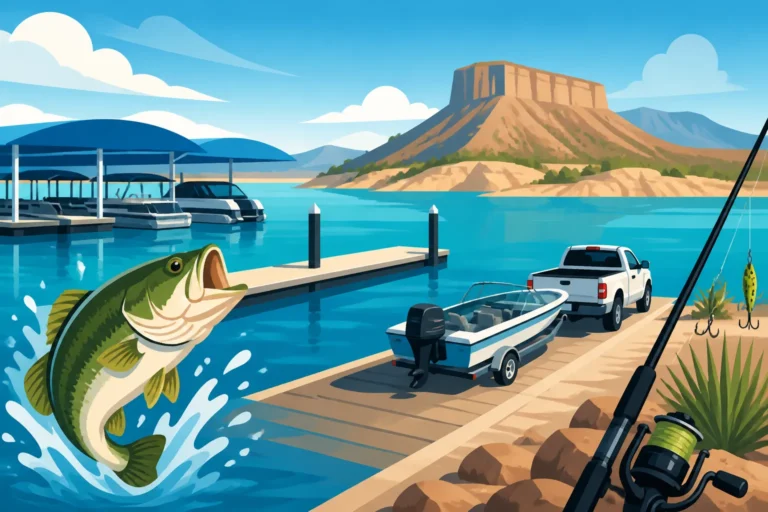
Sumner Lake also supports healthy populations of black bass, primarily largemouth and smallmouth, offering a different kind of challenge. Largemouth bass will often be found in areas with more submerged vegetation or timber, especially in shallower coves or the upper Pecos arm. They love to ambush prey from cover, making them a thrilling target for those who enjoy casting jigs and soft plastics. Smallmouth bass, on the other hand, prefer rocky habitats, congregating around points, ledges, and rocky shorelines, providing a powerful fight for their size. Beyond the bass, anglers will also find good numbers of panfish, including crappie and bluegill. These smaller species are perfect for younger anglers or anyone looking for steady action. They often school up around brush piles, docks (if present), or submerged trees, and can be caught with simple setups like a bobber and worm.
Mastering Fishing Techniques for Sumner Lake's Waters
Fishing Sumner Lake successfully isn't just about showing up; it's about understanding the nuances of its waters and the habits of its fish. The diverse topography and species require a versatile approach, but mastering a few key techniques will significantly increase your chances of a memorable catch. The frustration of trying the wrong technique in the right spot is something many anglers know all too well, so let's break down what truly works here.
Effective Strategies for Walleye
When it comes to walleye at Sumner Lake, trolling is often the most productive method, especially for covering large areas and finding active fish. Anglers typically use crankbaits that dive to different depths, matching the forage and the depth where walleye are holding. Popular crankbait colors often include firetiger, perch, or various shad patterns. Experiment with speed and depth until you find what triggers a bite. Bottom bouncers paired with spinner rigs or worms (like a live nightcrawler) can also be incredibly effective, particularly when fish are holding tight to the bottom structure. Jigging, especially with bucktail jigs or soft plastic swimbaits, can work well around rocky points and ledges during specific times, especially in cooler water. Using your fish finder to locate schools of baitfish or prominent underwater structures is paramount for consistent walleye success. Consider trying different trolling patterns and depths; sometimes a slight turn or a change in speed is all it takes to get those elusive walleye to strike. For more detailed insights into this approach, check out our guide on Trolling Techniques for New Mexico Lakes.
Bank and Shoreline Tactics for Catfish and Panfish
For those preferring to stay on solid ground, Sumner Lake offers excellent opportunities for bank fishing, particularly for catfish and panfish. Channel catfish are less depth-sensitive and will often cruise the shallower edges of the lake, especially in the evenings and overnight. Simple bottom rigs with a weight and a hook, baited with stink bait, chicken liver, cut bait, or even large nightcrawlers, are highly effective. Cast these rigs near natural features like submerged brush, small coves, or any visible structure along the shoreline. For panfish like crappie and bluegill, a light spinning rod with a small hook under a bobber is perfect. Baiting with a small piece of worm, a mealworm, or a tiny jig can yield steady action. Target areas with submerged brush, weed beds (if present), or rocky outcrops near the shore. These techniques are fantastic for introducing kids to fishing, as they're straightforward and often result in frequent bites. Our guide on Best Bait for Catfish in New Mexico Rivers offers some excellent specific bait choices that translate well to lake fishing too.
Lure and Fly Fishing for Bass
Bass anglers at Sumner Lake will find both largemouth and smallmouth responsive to a variety of artificial lures. For largemouth bass, focus on areas with cover, such as submerged timber, brush piles, or flooded vegetation. Techniques like Texas-rigging or Carolina-rigging soft plastic worms and creature baits, or throwing spinnerbaits and crankbaits, are highly effective. Look for quiet coves or the upper sections of the lake where the Pecos River influence brings in more cover. Smallmouth bass, true to their nature, will gravitate towards rocky environments. Target points, bluff walls, and rocky banks with small crankbaits, tube jigs, or finesse worms. These fish are aggressive and often school, so where you catch one, there are likely more. While not primarily a fly-fishing destination, adventurous fly anglers can find success with bass and panfish using poppers, streamers, or Woolly Buggers fished around visible structure. These efforts provide a rewarding experience, especially when the water levels are cooperative. Learning specific Bass Fishing Techniques for New Mexico Lakes will sharpen your skills for Sumner Lake.
Navigating Sumner Lake Through the Seasons: What to Expect
Fishing at Sumner Lake isn't a one-size-fits-all experience throughout the year. The high-desert climate means significant seasonal variations, impacting fish behavior, water temperatures, and even angler comfort. Understanding these shifts is key to knowing when and where to focus your efforts, preventing frustrating days when the fish seem to have vanished. Every season brings its own set of challenges and unique rewards, and being prepared for them will make all the difference.
Spring: Spawning Frenzy and Prime Time
Spring is arguably the most anticipated season for many anglers at Sumner Lake, especially for walleye and bass. As water temperatures begin to rise from late March through May, fish become incredibly active. Walleye will move into shallower, rocky areas to spawn, making them more accessible to anglers. Trolling shallow-diving crankbaits or casting jigs and minnows near these spawning grounds can be highly effective during this period. Bass will also move into shallower coves and sun-warmed flats for their pre-spawn and spawning rituals, becoming aggressive and easier to locate. This is often the best time of year to catch trophy-sized fish of both species. Catfish also start to stir, feeding actively as the water warms. The mild weather in spring also makes for comfortable fishing conditions, before the intense heat of summer sets in. Keeping an eye on the New Mexico Fishing Season Calendar can help you perfectly time your spring visit.
Summer: Deep Water and Night Fishing Tactics
Summer at Sumner Lake can be challenging, but it’s far from unproductive. As the scorching New Mexico sun heats the surface waters, many game fish, especially walleye and bass, retreat to deeper, cooler water. This means anglers need to adjust their tactics to target these deeper haunts, often requiring downriggers for precise trolling or vertical jigging over submerged structures. Early mornings and late evenings become prime times for fishing shallower areas as fish temporarily move up to feed. However, summer is also an exceptional season for night fishing, particularly for channel catfish and walleye. Catfish become extremely active after dark, and the cooler night air makes for a much more pleasant experience for anglers. Walleye will also move shallower under the cover of darkness, making them vulnerable to slow-trolled crankbaits or even casting shallow lures along rocky banks. For more summer-specific advice, our guide on Summer Fishing in New Mexico delves into techniques for handling the heat.
Fall Feasting and Winter Chill
As the days shorten and the air cools in autumn, Sumner Lake fish enter a "feeding frenzy" phase to pack on weight for the upcoming winter. This fall turnover can be fantastic, as fish become incredibly aggressive. Walleye and bass will often move back into shallower to mid-depth ranges, actively chasing baitfish. Trolling with crankbaits remains effective, but casting spinnerbaits, jerkbaits, and swimbaits can also produce excellent results. Catfish continue to feed actively until water temperatures drop significantly. Fall fishing offers some of the most comfortable weather and stunning scenery, with fewer crowds than in spring or summer. Winter fishing at Sumner Lake is less common, primarily due to inconsistent ice conditions. While the lake can sometimes freeze over enough for safe ice fishing, it's not a reliable occurrence every year like some of the more northern New Mexico lakes. If conditions do allow for ice fishing, anglers might target walleye, crappie, and perch through the ice, but always prioritize safety and check local reports for ice thickness.
Accessing and Enjoying Sumner Lake's Amenities and Regulations
A successful and stress-free fishing trip to Sumner Lake involves more than just knowing where to cast your line; it also means understanding how to access the lake, what facilities are available, and the crucial regulations that keep our fisheries healthy. Overlooking these details can lead to unnecessary hassles, but with a little preparation, your visit can be smooth and enjoyable.
Sumner Lake State Park: Facilities and Services
Sumner Lake is managed as a New Mexico State Park, which means excellent access and a range of facilities for visitors. The park offers multiple paved boat ramps, ensuring easy launch and retrieval for a variety of watercraft. These ramps are usually well-maintained, though extreme low water conditions can sometimes affect accessibility in certain areas. For those planning an extended stay, Sumner Lake State Park boasts several developed campgrounds with amenities like restrooms, showers, and picnic shelters, along with primitive camping options for a more rugged experience. There are also designated day-use areas perfect for shore fishing, picnicking, or simply enjoying the beautiful lakeside scenery. While there isn't typically a full-service marina or tackle shop directly on the lake, the nearby town of Fort Sumner offers basic supplies, bait, and fuel. Always check the New Mexico State Parks website for current conditions, fees, and any seasonal closures before you head out. These facilities make it a great family-friendly destination.
Key New Mexico Fishing Regulations for Sumner Lake
Before you even wet a line at Sumner Lake, it's absolutely vital to be familiar with the current New Mexico fishing regulations. This isn't just about avoiding a fine; it's about protecting the fishery for future generations. First and foremost, anyone aged 12 and older needs a valid New Mexico Fishing License Guide. For those fishing on federal lands managed by the Bureau of Land Management or U.S. Forest Service (which includes areas around many New Mexico lakes), a New Mexico Habitat Stamp and Validation Requirements is also required.
Specific bag and possession limits apply to different species at Sumner Lake. For walleye, the statewide limit is typically 5 fish per day, with specific length restrictions often in place, such as only one fish over a certain size (e.g., 20 inches). Channel catfish usually have a generous bag limit, often 25 per day, which is fantastic for those looking to bring home a good meal. Black bass (largemouth and smallmouth combined) often have a limit of 5 fish, with a minimum length requirement. Panfish like crappie and bluegill usually have very liberal limits, reflecting their abundance. These regulations can change annually, so always pick up the latest New Mexico Fishing Regulations booklet or check the New Mexico Department of Game and Fish website before your trip. Being informed ensures a legal and responsible angling experience.
Planning Your Trip: Essential Gear and Local Insights
Stepping out onto Sumner Lake, whether by boat or from the shore, feels different when you're prepared. The high desert environment demands specific gear considerations, and knowing where to turn for local expertise can often be the difference between a decent day and a truly epic one. Don't let a lack of the right equipment or information cut your trip short; a little planning goes a long way.
Recommended Gear for Sumner Lake Success
Having the right gear is crucial for a productive outing at Sumner Lake. For walleye and bass, a medium-light to medium action spinning or baitcasting rod, about 6.5 to 7 feet long, spooled with 8-12 lb test fluorocarbon or monofilament line, will serve you well. You'll want a tackle box stocked with a variety of crankbaits (diving to different depths), jigs (1/8 to 1/2 oz), soft plastics (worms, grubs, tubes), spinnerbaits, and some bottom bouncers. For catfish, a slightly heavier rod and reel setup with 15-20 lb test line is advisable, capable of handling larger baits and stronger fish. Essential accessories include a good pair of pliers for hook removal, a landing net (especially for walleye), sun protection (hat, sunglasses, sunscreen), and plenty of water – the desert climate is no joke. For a deeper dive into general necessities, our guide on Best Fishing Gear for New Mexico Anglers has excellent recommendations. Don't forget your measuring tape and scale if you plan to document any trophy catches!
Making the Most of Your Visit: Guides and Resources
While self-reliance is part of the angling appeal, sometimes a little expert help can transform your trip. If you're new to Sumner Lake or want to maximize your chances of catching specific species, consider hiring a local fishing guide. A guide can provide invaluable insight into current conditions, hot spots, and effective techniques that only local knowledge can offer. You can often find guides through local tackle shops in Fort Sumner or by searching online for New Mexico fishing charters. Services like FishingBooker can also connect you with experienced guides in the area who specialize in Sumner Lake. Beyond guides, the New Mexico Department of Game and Fish website is an indispensable resource for stocking reports, updated regulations, and general information about the lake. Checking forums or local fishing groups online can also provide real-time bite reports and camaraderie with fellow anglers. Remember, the goal is to enjoy the experience, and sometimes that means leveraging the expertise of others to enhance your own adventure.
| Species | Primary Season | Recommended Technique | Best Baits/Lures | Daily Bag Limit (Typical) |
|---|---|---|---|---|
| Walleye | Spring, Fall | Trolling, Jigging | Crankbaits, Jigs, Nightcrawlers | 5 (with length restrictions) |
| Channel Catfish | Summer, Spring, Fall | Bottom Rigs, Bank Fishing | Stink Bait, Chicken Liver, Worms | 25 |
| Largemouth Bass | Spring, Fall | Casting, Flipping | Soft Plastics, Spinnerbaits, Jigs | 5 (with minimum length) |
| Smallmouth Bass | Spring, Fall | Casting, Finesse Techniques | Small Crankbaits, Tube Jigs, Worms | 5 (with minimum length) |
| Crappie | Spring | Vertical Jigging, Bobber & Jig | Minnows, Small Jigs, Worms | 15 |
| Bluegill | Spring, Summer | Bobber & Worm, Small Jigs | Worms, Mealworms | 15 |
Note: Always consult the current New Mexico Fishing Regulations for precise and up-to-date bag limits and length restrictions.
Disclaimer
Fishing conditions and regulations in New Mexico can change frequently due to weather, water levels, and management decisions. Always check the latest New Mexico Department of Game and Fish regulations and local advisories before planning your trip to Sumner Lake or any other fishing destination. This guide is for informational purposes only and should not replace official sources.