Best Bait for Catfish in New Mexico Rivers
Trying to figure out the absolute best bait for catfish in New Mexico's rivers can feel like a guessing game, especially when you're standing on the bank, watching the water flow by, and wondering if what you've got on your hook is even going to tempt a bite. It’s frustrating when you spend hours with no luck, and it often comes down to matching your bait to the specific species and conditions. This comprehensive guide is here to cut through the confusion, helping you understand what catfish in the Land of Enchantment's rivers really want, and how to present it effectively to land those whiskered beauties.
Understanding New Mexico Catfish and Their River Habits
Before we even talk about bait, it's crucial to understand the stars of the show: New Mexico's river catfish. The state's diverse river systems, from the mighty Rio Grande to the Pecos and Gila, host robust populations of these fascinating fish. Knowing who you're after and where they tend to hang out is half the battle won, making your bait choices much more strategic.
The Different Catfish Species in New Mexico Rivers
While New Mexico is home to several catfish species, when we're talking about rivers, two stand out predominantly: the Channel Catfish and the Flathead Catfish. While Blue Catfish have been introduced in some New Mexico reservoirs, they are not typically a primary target in river systems. Each of these river dwellers has its own dietary preferences and hunting styles, which directly impacts your bait selection.
Channel Catfish are, by far, the most widespread and commonly targeted catfish in New Mexico's rivers. They're opportunistic feeders with an incredible sense of smell, making them highly receptive to strong-smelling baits. You'll find them in almost every significant river system, often patrolling the bottom for anything edible. They can range from pan-sized eaters to respectable trophy fish, and their willingness to bite a variety of offerings makes them a fantastic target for anglers of all skill levels. If you're looking for general information, our guide on Channel Catfish in New Mexico offers an even deeper dive into this species.
Flathead Catfish, on the other hand, are a different beast entirely. They're powerful, predatory fish that primarily hunt live prey. These heavy-bodied cats prefer deeper, slower pools and areas with plenty of submerged cover, such as logjams, rock piles, or undercut banks, where they can ambush their meals. You'll find flatheads in the lower sections of the Rio Grande and Pecos River. Catching a flathead often means committing to a specific, more active baiting strategy, as they rarely respond to the "stink bait" that channel cats adore. Our detailed post on Flathead Catfish in New Mexico provides more insight into these elusive giants.
Where Catfish Hide in River Systems
Catfish aren't just randomly distributed throughout a river; they're structure-oriented fish, always looking for cover, current breaks, and prime feeding lanes. In New Mexico's rivers, understanding these preferred hideouts is key to presenting your bait effectively.
Deep holes and pools are absolute magnets for catfish. These areas provide refuge from strong currents, offer cooler water temperatures during the summer heat, and often accumulate food washed downstream. Look for these darker, calmer sections, especially on outside bends of rivers where the current has scoured out a deeper channel. Submerged features like old car tires, shopping carts, or even natural rock formations will hold fish.
Current seams and eddies are also prime locations. A current seam is where fast-moving water meets slower water. Catfish will often position themselves in the slower water, just outside the main current, waiting for food to be swept past them. Eddies – areas where the water swirls back upstream – are particularly effective, as they create a natural collection point for baitfish and other edibles.
Finally, any kind of submerged structure offers a sanctuary. This includes fallen trees, logjams, rock piles, bridge pilings, and undercut banks. These areas provide cover from predators, shade from the sun, and ambush points for flatheads. When you're drifting bait downriver or casting into a likely spot, always aim for these areas of cover. Remember that New Mexico's river flows can change dramatically with seasons and dam releases, so always keep an eye on conditions.
Top Baits for Channel Catfish in New Mexico Rivers
When it comes to tempting Channel Catfish in New Mexico's river systems, you've got a fantastic array of options because these fish are not particularly picky. Their incredible sense of smell means that strong, pungent baits often outperform more subtle presentations. The goal is to create a scent trail that these whisker-faced scavengers can follow directly to your hook.
Classic Stink Baits and Prepared Baits
For many anglers, stink baits are synonymous with channel catfishing, and for good reason – they work! These baits are formulated with powerful odors and ingredients designed to disperse a strong scent in the water, attracting catfish from a distance. The convenience and effectiveness of prepared baits make them a go-to for many.
You'll find a wide variety of commercial stink baits available, often in paste, dough, or dip form. Brands like Sonny's Super Sticky or Catfish Charlie's are popular choices that consistently produce results. The key with dip baits is to use a "worm" or sponge directly on your hook, or a specialized bait holder that allows the scent to leach out. For dough or paste baits, you'll simply mold them around a treble hook. The beauty of these baits is their ease of use, making them perfect for a relaxed day of bank fishing on the Rio Grande or Pecos. You can often find these popular brands readily available at your local sporting goods store or easily ordered online through retailers like Amazon, ensuring you're stocked up before your next trip.
A strong advantage of these prepared baits is their consistency. You know exactly what you're getting every time, and they're designed for maximum scent dispersal. However, they can be messy to handle, and some anglers find the smell a bit overwhelming. Nevertheless, if you're targeting Channel Catfish, a good stink bait should always be in your tackle box.
Cut Bait and Natural Enticers
While prepared baits are excellent, nothing quite mimics nature like actual fish. Cut bait, particularly from oily fish, is another highly effective option for Channel Catfish in New Mexico's rivers. The natural oils and blood released by cut bait create an irresistible aroma that travels far downstream.
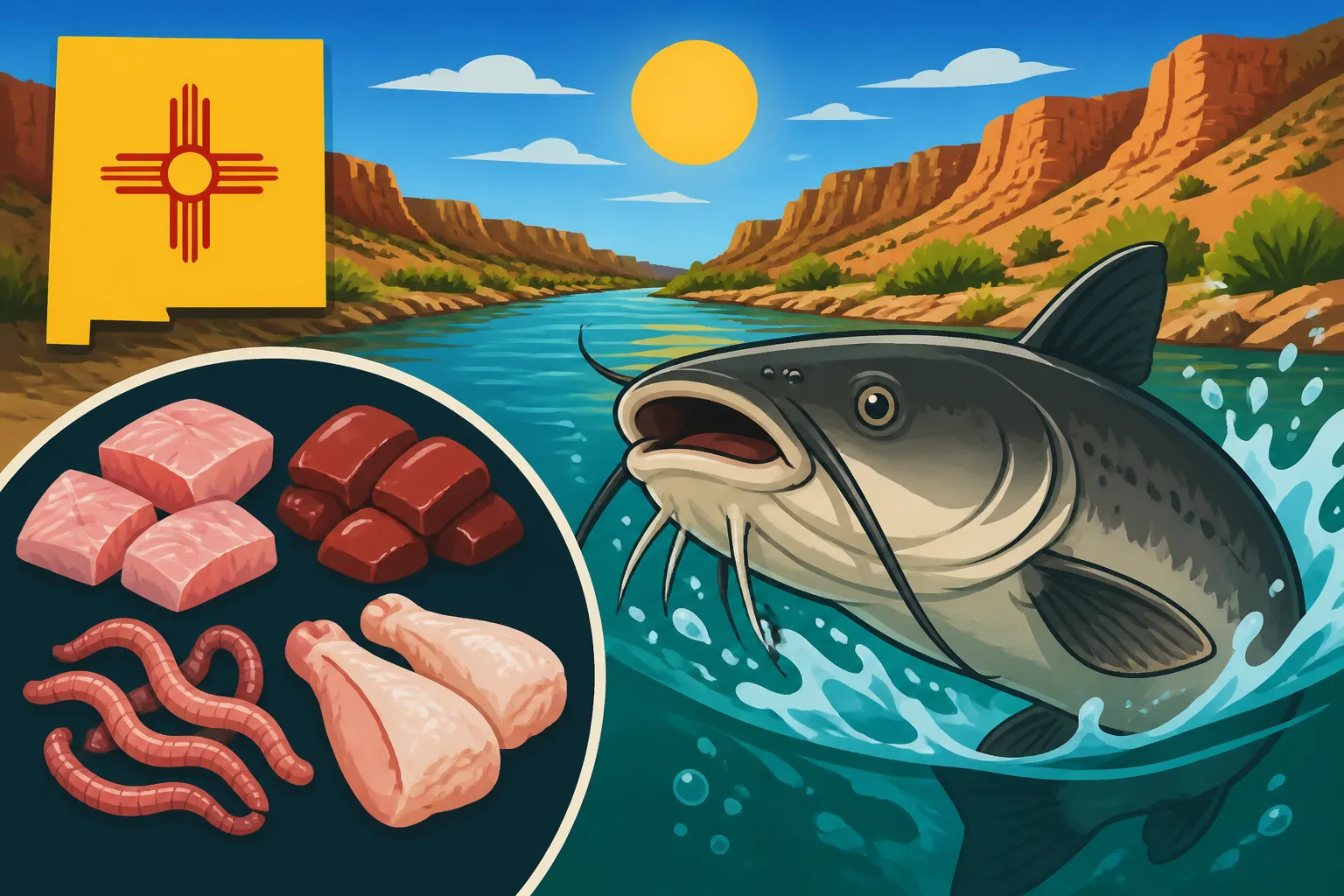
Common choices for cut bait include shad, carp, sunfish, or even small portions of hot dogs or chicken livers. Shad, if legal to catch and use in your specific area, is particularly potent due to its high oil content. For chicken livers, ensure they are fresh and firm enough to stay on the hook. You can often toughen them up by letting them sit in the sun for a short period or by adding a bit of garlic powder, which also adds an extra layer of scent. When using cut bait, aim for chunks about 1-2 inches in size. You want enough meat to provide scent and be visible, but not so much that a smaller channel cat can't get it into its mouth. Ensure your hook point is exposed for a good hook set.
The pros of cut bait are its natural appeal and effectiveness. The cons can include sourcing it (you might have to catch your bait first!), and some options like chicken liver can be extremely soft and prone to falling off the hook with a strong cast or current. Nevertheless, a fresh piece of cut bait can often outfish anything else, especially for larger channel cats.
Live Bait and Worms
Though Channel Catfish love a good stink, they're also not above chasing down a live meal. Live bait can be incredibly effective, especially when fishing in areas where catfish are actively foraging.
Good old earthworms – nightcrawlers being a perennial favorite – are always a reliable choice for Channel Catfish. They're easy to find, relatively inexpensive, and appealing to a wide range of fish, including catfish. Hook a worm several times to ensure it stays on and wriggles enticingly. While not strictly "live bait" for catfish, using a bunch of wriggling worms on a hook can often be the ticket, particularly for smaller to medium-sized channel cats.
Small live minnows or sunfish (where legal, always check New Mexico's fishing regulations for specific rules on baitfish in different waters) can also entice channel cats, especially larger ones looking for a more substantial meal. These baits appeal to the catfish's predatory instincts. The challenges with live bait include keeping them alive, and understanding specific regulations for their use, which can vary by water body. Always verify current New Mexico fishing regulations overview before using live bait.
Specialized Baits for Flathead Catfish in New Mexico Rivers
Flathead Catfish are the true predators of the New Mexico river systems, and their dietary preferences are starkly different from their Channel Catfish cousins. If you're serious about targeting a trophy flathead, you absolutely must switch up your bait strategy. Forget the stink baits; flatheads want live, struggling prey.
The Live Bait Advantage
When it comes to flathead catfish, live bait isn't just an option—it's practically a requirement. These fish are ambush predators that rely on motion, vibration, and the distress signals of live prey to trigger a strike. A flathead's diet is almost exclusively live fish, making anything else largely ineffective.
The best live bait for flatheads in New Mexico rivers includes sturdy, lively fish that can withstand being on a hook for a while and put out plenty of action. Sunfish (bluegill, green sunfish), small carp, suckers, and robust minnows are excellent choices. Check local regulations on size limits and species allowed for bait. The key is to use baitfish that are legal and readily available. Size matters here; you're not trying to catch a small channel cat, so don't be afraid to use a baitfish that's 4-8 inches long. A bigger bait often equals a bigger flathead.
The advantages of live bait are clear: it's what flatheads naturally hunt. The main drawback is the effort involved in sourcing and keeping live bait healthy. You'll need a good aerator and a bait bucket or livewell to ensure your baitfish remain feisty and attractive to a flathead.
Rigging Live Bait for Flatheads
Properly rigging live bait for flatheads is paramount to success. You need a setup that allows the baitfish to swim naturally, stay alive, and present the hook effectively when a flathead strikes.
A classic setup for flatheads is a sturdy Carolina rig or a Santee Cooper rig. For a Carolina rig, you'll thread your mainline through an egg sinker (1-3 oz depending on current) or a flat no-roll sinker, tie on a heavy-duty swivel, and then attach a 1-2 foot fluorocarbon or monofilament leader (50-80 lb test for big fish) to a strong, sharp circle hook (8/0 to 12/0 is common). Circle hooks are excellent for flatheads because they typically hook the fish in the corner of the mouth, making for easier release if desired and reducing gut-hooking.
When hooking your live bait, try to keep it as lively as possible. Hooking a baitfish through the back, just behind the dorsal fin, allows it to swim naturally and stay off the bottom. You can also hook it through the lips, which is particularly useful if you want to keep the bait in a specific zone or allow it to flutter in the current. Ensure the hook point is fully exposed. Place your rig in known flathead haunts like deep holes, logjams, or undercut banks along the Rio Grande. Once your bait is out, keep a close eye on your rod. Flathead strikes can be subtle at first, often feeling like a gentle tug or the rod slowly loading up as they mouth the bait before running with it.
Essential Rigging and Presentation Techniques
Knowing the best bait is only half the battle; how you present that bait in New Mexico's varied river currents is equally critical. A perfectly chosen bait presented poorly will likely yield nothing but frustration. Mastering basic rigging and presentation techniques will significantly increase your chances of success.
Simple Bottom Rigs for Catfish
Most river catfishing revolves around presenting bait on or near the bottom, where catfish spend the majority of their time feeding. Two rigs stand out for their effectiveness and simplicity:
The Carolina Rig is a versatile and extremely popular choice for all types of catfishing. It consists of a weight (usually an egg sinker or a no-roll sinker) sliding freely on your main line, followed by a swivel, and then a leader (typically 12-24 inches) tied to your hook. The sliding weight allows the fish to pick up the bait and run with it without feeling immediate resistance from the sinker, which can cause them to drop the bait. This rig is fantastic for both stationary fishing and for slowly drifting bait downstream into likely holding spots.
The Santee Cooper Rig is a variation of the Carolina rig, designed specifically to keep your bait slightly elevated off the bottom, preventing it from getting snagged in debris or buried in mud. It adds a small float or cork (often a peg float or cigar float) to the leader, positioned just above the hook. This small float helps to suspend your bait at a desired depth, making it more visible and accessible to cruising catfish, particularly in areas with a lot of bottom structure or soft sediment. This can be especially useful in stretches of the Pecos River where the bottom might be silty.
Best Practices for Baiting Hooks
Properly baiting your hook is more than just sticking the bait on; it’s about maximizing its appeal and ensuring a solid hook set.
For stink baits and prepared baits, always make sure your hook point is exposed. If using dip bait, a bait holder (like a small spring or sponge) or a treble hook is ideal to keep the bait on. Mold dough baits securely around a single or treble hook, ensuring enough bait to create a scent cloud but not so much that it completely masks the hook point.
When using cut bait, thread the chunk onto your hook so that the hook point emerges clearly from the meaty side. You want enough bait to create a scent trail, but not so much that it interferes with the hook's ability to penetrate. Sometimes, a smaller piece presented well is better than a huge chunk that's difficult for the fish to mouth.
For live bait (especially for flatheads), hooking through the back just behind the dorsal fin or through the lips are common methods. The back-hook method keeps the bait lively and swimming horizontally, while lip-hooking allows it to dart forward more naturally. Always ensure your hook is sharp and strong enough to handle a powerful flathead strike.
Locating Catfish Hotspots in Rivers
Successfully catching catfish often boils down to finding them. Reading the river and identifying potential hotspots is a skill that develops with experience but has some fundamental principles.
Look for areas of current breaks. Catfish don't like fighting strong currents all day; they prefer to conserve energy by holding in calmer water adjacent to the main flow. This includes eddies, behind large rocks, fallen trees, bridge pilings, and inside bends of the river. Cast your bait upstream of these features and allow the current to carry it naturally into the slack water.
Depth changes are another key indicator. Rivers often have deeper holes and troughs where fish can find cooler water and shelter. These can be found on outside bends, near confluences of smaller tributaries, or below rapids or riffles. A fish finder can be invaluable if you're fishing from a boat, but bank anglers can often identify these areas by observing the surface flow and looking for darker, slower moving water.
Finally, pay attention to structure. Any kind of submerged structure, whether natural like logjams and rock piles, or man-made like old bridge foundations, provides excellent cover and ambush points for catfish. These are particularly important for flatheads. Cast your bait as close to this structure as possible without getting immediately snagged. Understanding how to find these prime spots is as important as having the best bait for catfish in New Mexico rivers.
Tips for Maximizing Your Catfish Catch
Beyond just bait and rigs, there are a few additional strategies and considerations that can significantly improve your catfish catch rates in New Mexico's dynamic river environments. Thinking about timing, scent, and appropriate gear can make a big difference between a slow day and a successful outing.
Timing Your Fishing Trips
Catfish are generally more active during certain times of the day and year. While you can catch them year-round in New Mexico, optimizing your timing will boost your success.
During the warmer months, late evening, night, and early morning are prime times for catfishing in New Mexico's rivers. As the sun sets and temperatures drop, catfish become much more active, moving into shallower feeding areas. Night fishing can be incredibly productive, especially for larger flatheads that are primarily nocturnal hunters. For more seasonal insights, our guide on New Mexico Fishing Season Calendar offers a broader overview.
In cooler seasons, catfish activity tends to slow down, but they still feed. During fall and spring, daytime fishing can be quite effective, particularly on warmer, overcast days. They'll often move into deeper holes and slower currents, so adjust your targeting accordingly. In winter, catfish are less active but can still be caught in their deep-water holding areas, often requiring a more patient approach.
Understanding Scent Trails and Dispersal
Scent is a catfish's superpower, especially for channel cats. Their barbels and olfactory organs are incredibly sensitive, allowing them to detect food from a considerable distance. Your bait's ability to create a strong, lasting scent trail is paramount.
When fishing in current, the scent from your bait will naturally disperse downstream, acting as a beacon for hungry catfish. This is why stink baits and oily cut baits are so effective. If you're fishing in stagnant water or very slow current, occasionally lifting and dropping your bait can help release more scent into the water column. Some anglers even "milk" their stink baits by squeezing them gently to enhance scent dispersal. Consider adding attractants or oils to your cut bait to amplify its odor. For those interested in the intricacies of how fish find food, learning about the various Fish Species Found in New Mexico can provide a deeper understanding of their sensory capabilities.
Don't be afraid to leave your bait out for a while. Catfish will often take their time locating a scent source. Unlike some other species that strike quickly, catfish might sniff around the bait for a bit before committing. This is where patience truly pays off.
Gear Considerations for River Catfishing
Having the right gear makes a huge difference, especially when battling a strong river current and a powerful catfish.
For rods, you'll want something with a medium-heavy to heavy action and a good backbone. A rod length of 7 to 9 feet is common for river catfishing, offering enough leverage for casting heavier baits and controlling larger fish. A strong, reliable reel, either a spinning or baitcasting model, is essential. Look for reels with a smooth, powerful drag system. For those looking to upgrade their gear, a quick browse on Amazon will show you a huge selection of robust rods and reels perfect for battling those big New Mexico river cats. You can also explore specific recommendations in our guide on Best Rods and Reels for New Mexico Trout Fishing, though you'll want heavier versions for catfish.
Line strength should match the size of fish you're targeting and the amount of current. For general channel catfishing, 15-30 lb monofilament or braided line is a good starting point. If you're specifically targeting trophy flatheads in heavy cover, you might bump that up to 50-80 lb braided line.
Don't forget the terminal tackle: strong swivels, appropriate sinkers (no-roll or flat weights are great for rivers), and sharp, heavy-duty hooks are non-negotiable. Circle hooks are highly recommended for catfishing, as they typically result in mouth hooks, making catch-and-release easier and safer for the fish. A good set of pliers, a sturdy net, and a comfortable chair for long waits are also essentials. A well-organized Best Tackle Box Setup for New Mexico Anglers will ensure you have everything you need.
Ultimately, catfishing in New Mexico's rivers is a rewarding pursuit that combines patience with strategy. By understanding the different species, their preferences, and how to present your chosen bait effectively, you'll be well on your way to experiencing the thrill of a big cat on the line.
| Bait Type | Target Species | Pros | Cons | Best Use Scenario |
|---|---|---|---|---|
| Stink Baits | Channel Catfish | High scent, easy to use, readily available | Can be messy, less effective for flatheads | Slow currents, targeting active channel cats |
| Cut Bait | Channel Catfish, larger | Natural scent, effective for bigger cats | Can be hard to keep on hook, requires sourcing | Any river condition, targeting larger channel cats |
| Live Bait | Flathead Catfish (primary), Channel Catfish (secondary) | Highly effective for predatory flatheads | Requires effort to source/keep, regulations | Deep pools, heavy cover, targeting trophy flatheads |
| Earthworms | Channel Catfish | Universally appealing, easy to find | Smaller fish may steal, less potent scent | General river fishing, family outings |
| Chicken Liver | Channel Catfish | Strong scent, affordable | Very soft, difficult to keep on hook | Slow currents, quick-hitting channel cat bites |
Disclaimer
The information provided in this guide is for general informational purposes only and is not intended as legal advice. Fishing regulations in New Mexico can change frequently. Always consult the official New Mexico Department of Game and Fish (NMDGF) regulations handbook or website before fishing to ensure compliance with all current laws, licensing requirements, bag limits, and any specific rules for the waters you plan to visit.