Best Spot for Kokanee at Navajo Lake
Finding those elusive, hard-fighting kokanee salmon at Navajo Lake can feel like a real treasure hunt, especially if you're not entirely sure where to start. It’s frustrating to spend hours on the water, trolling around without a single bite, wondering if you’re even in the right zip code for these delicious fish. This comprehensive guide is here to unravel the mystery, providing you with detailed insights into the best spots on Navajo Lake to successfully target kokanee salmon, from understanding their behavior to mastering the right techniques.
Understanding Kokanee Salmon at Navajo Lake
Kokanee salmon are a unique and highly sought-after species in New Mexico, particularly in the deep, clear waters of Navajo Lake. Unlike their ocean-going cousins, kokanee are landlocked sockeye salmon, meaning they complete their entire life cycle in freshwater. This makes them a fascinating target for anglers, but also one that requires a specific approach due to their particular habits and preferences.
Why Navajo Lake is a Kokanee Hotspot
Navajo Lake provides an almost perfect habitat for kokanee salmon, which is why it's consistently one of the top kokanee fisheries in the state. What makes it so special? For starters, the lake is incredibly deep and offers vast expanses of cold, oxygen-rich water that kokanee absolutely thrive in. They prefer water temperatures in the low to mid-50s Fahrenheit, which is readily available in the lake's deeper sections even during the heat of summer. The lake’s large size also means a huge amount of forage is available, primarily zooplankton, which is the kokanee's main food source. This abundance of food allows them to grow to a respectable size, making them a rewarding catch.
Beyond the perfect aquatic conditions, the natural structure of Navajo Lake with its numerous coves, arms, and submerged features, provides ample areas for kokanee to roam and feed. The lake's connection to the San Juan River system also plays a role, though the kokanee population is sustained primarily through stocking efforts by the New Mexico Department of Game and Fish. These consistent stockings ensure a healthy population for anglers year after year, reinforcing Navajo Lake's reputation as a premier destination for these silver treasures.
The Life Cycle and Habits of Navajo Lake Kokanee
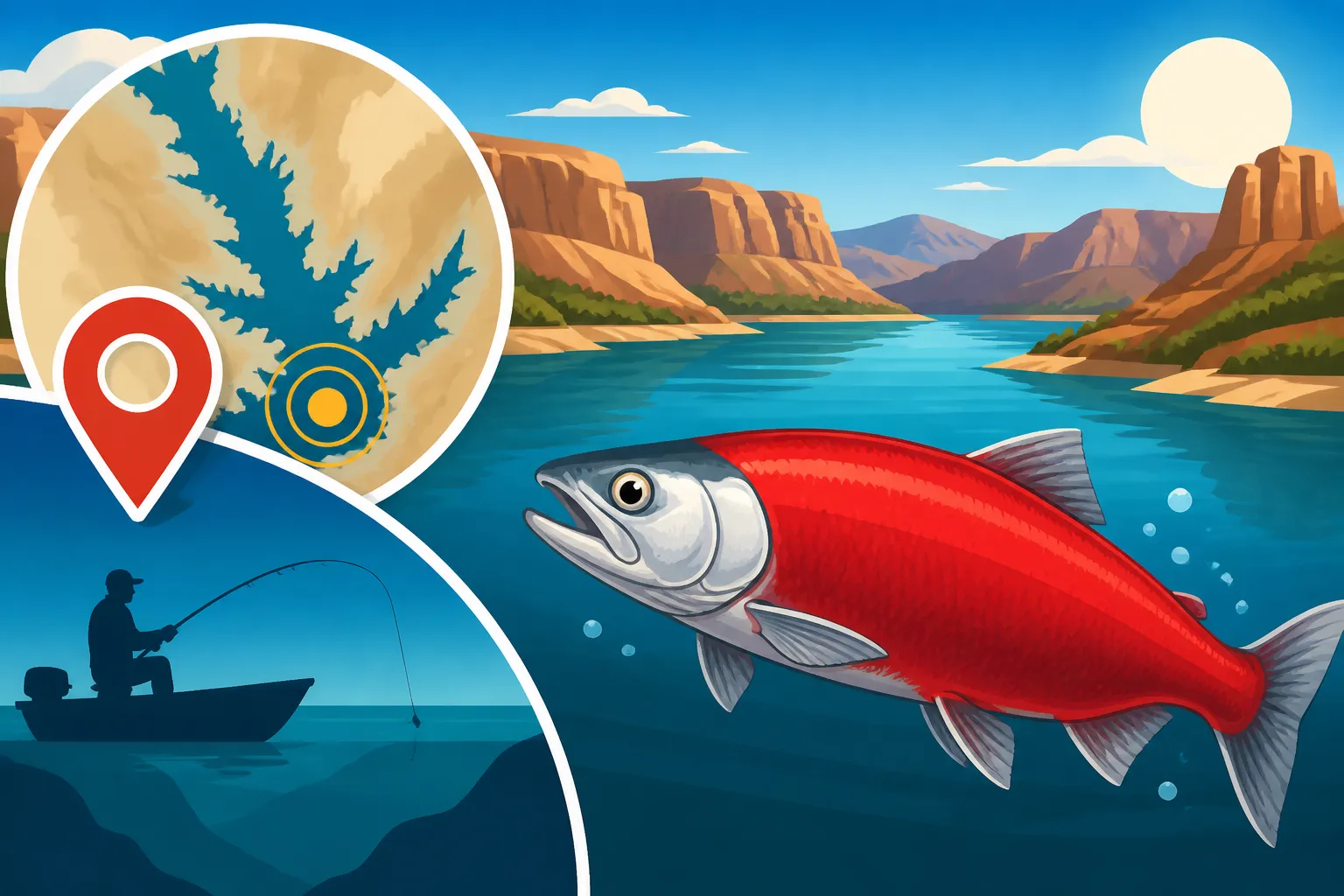
Understanding the kokanee's life cycle and daily habits is crucial for consistently finding them. Kokanee typically live for about four years in the lake, growing steadily until their final year when they undergo a dramatic transformation. In the late summer and early fall, mature kokanee begin their spawning run. Their bodies change color from a vibrant silver to a deep red, and the males develop a distinct humped back and hooked jaw (kype). During this time, they migrate upstream into the tributaries of Navajo Lake, such as the Pine River and the upper reaches of the San Juan River arm, to reproduce. This is often when anglers participate in the popular "snagging" season.
Outside of the spawning season, kokanee are pelagic fish, meaning they spend most of their lives in the open water column, away from the bottom or shore. They are filter feeders, primarily consuming zooplankton, which they locate using their keen eyesight. This makes them highly sensitive to light and water clarity. They tend to school up, often in large numbers, and will follow the thermocline—the layer where warm surface water meets cold deep water—as it shifts with the seasons. Their schooling behavior means that once you find one, you're likely to find many, making a successful outing even more exciting.
Identifying Prime Kokanee Habitat
When you're out on Navajo Lake, you're essentially looking for a combination of depth, cool water, and available forage. Kokanee are not typically found in shallow, muddy areas. Instead, focus on the deeper sections of the lake, particularly those with access to open water where zooplankton drifts. Using a good fish finder is invaluable here, as it can help you locate schools of kokanee and identify the thermocline. Look for "arches" or "blobs" on your sonar screen suspended off the bottom, often at depths ranging from 20 to 80 feet, depending on the time of year and day.
Areas where main lake channels narrow, or where submerged points and humps rise from the depths, can also concentrate kokanee as they move through the water column. Creek and river mouths feeding into the lake, especially those that bring in cooler water, can be productive, particularly in the spring and fall. But remember, kokanee are always on the move, so while knowing these general areas is a great start, staying mobile and constantly scanning your sonar will be key to consistent success.
Top Fishing Spots for Kokanee at Navajo Lake
Navajo Lake is vast, stretching across the New Mexico-Colorado border with numerous arms and coves. Knowing where to focus your efforts can save you a lot of time and increase your chances of finding those beautiful kokanee. While kokanee can be found throughout the main body of the lake, certain areas consistently produce better results due to their depth, structure, and accessibility.
The Main Channel and Upper San Juan Arm
Without a doubt, the main channel of Navajo Lake, particularly stretching from the dam up towards the confluence with the San Juan River arm, is a prime hunting ground for kokanee. This area offers vast expanses of deep water, ideal for kokanee to cruise in large schools. The deeper water here provides the consistent cool temperatures and ample oxygen that these salmon require, especially during the warmer months. Anglers often find success by systematically trolling through this main body, paying close attention to depth contours and any activity detected on their fish finders.
The Upper San Juan Arm itself, especially before it shallows out too much, is another fantastic zone. The consistent flow from the San Juan River provides a steady supply of nutrients and cooler water, creating an attractive environment. As you move further up the arm, away from the main lake, you’ll encounter narrower channels and more defined banks, which can sometimes funnel kokanee into more concentrated areas. During the fall, this arm becomes particularly important as kokanee begin their migration upstream for spawning, making it a hotspot for those looking to participate in the New Mexico Salmon Snagging Season. Look for areas just outside the primary river channel that offer a good mix of depth and proximity to potential spawning grounds.
The Pine River Arm and Francis Canyon
While perhaps not as famous as the San Juan arm for kokanee, the Pine River Arm offers excellent opportunities, especially earlier in the season and during the spawning run. This arm is characterized by its own distinct canyon features and depth variations. Like the San Juan, the Pine River feeds into the lake, creating a colder water inflow that kokanee appreciate. Trolling through the deeper sections of the Pine River Arm, particularly around submerged points and along the old river channel, can be incredibly productive.
Francis Canyon, a smaller tributary bay off the main lake, also holds its own charm for kokanee anglers. It's often a bit less pressured than the main lake and can provide a more intimate fishing experience. The depths in Francis Canyon can vary, but there are areas with ample cool water where kokanee will hold. It’s a good spot to explore if the main channel feels too crowded, or if you're looking for a slightly different approach. Sometimes, these less-frequented spots can yield surprisingly good results, particularly if you're paying attention to what your fish finder is telling you about the suspended fish.
Shoreline Access vs. Boat Fishing for Kokanee
When it comes to kokanee fishing at Navajo Lake, owning a boat gives you a significant advantage. Kokanee are primarily pelagic, meaning they live in the open water column, far from shore. This makes them difficult to reach from the bank. A boat, especially one equipped with a good sonar unit and downriggers, allows you to access the deep-water areas where kokanee predominantly reside and to present your lures at the precise depths they are holding. Many anglers utilize the various Navajo Lake Boat Ramps to get their vessels onto the water efficiently.
However, if you're a shore angler, all hope is not lost, but your opportunities will be more limited and seasonal. During the fall spawning season, when kokanee move into the shallow reaches of the Pine River and San Juan arms, they become accessible from the bank. This is typically during the designated snagging season, which requires specific techniques and regulations. Outside of this time, bank fishing for kokanee is rare, as they prefer deeper waters. For general fishing, you might have better luck targeting other species from the shore, but for kokanee, a boat is almost essential for consistent success throughout most of the year. For those without a boat, considering a guided trip through services like FishingBooker can provide access to these prime deep-water spots and expert advice on Trolling Techniques for New Mexico Lakes.
Seasonal Strategies for Targeting Kokanee
Kokanee salmon behavior, and thus the best fishing spots and techniques, changes dramatically with the seasons at Navajo Lake. Understanding these seasonal shifts is paramount to success, ensuring you're fishing the right depths with the right presentation at the right time.
Spring and Early Summer Success
As the ice melts (if any formed) and spring gives way to early summer, the kokanee at Navajo Lake become more active and are often found shallower than they will be later in the season. The entire lake is relatively cool at this time, and kokanee will spread out more, often found in the upper 20 to 40 feet of the water column, especially during morning and evening hours. This is a fantastic time for trolling, as fish are actively feeding after the winter and before the intense summer heat sets in.
Focus your efforts on the main lake body and the wider sections of the San Juan and Pine River arms. Look for areas with slight changes in depth, or subtle contours that might indicate schooling activity. Small, brightly colored lures, such as dodgers and hoochies in pinks, oranges, and chartreuse, are often very effective. The kokanee are fresh from winter, eager to eat, and can be quite aggressive. Keep an eye on your fish finder, but be prepared to experiment with depths until you find the active feeding zone. This is a great time to implement your general New Mexico Fishing Season Calendar knowledge.
Mid-Summer Deep Water Tactics
Once the scorching New Mexico summer truly takes hold, the surface waters of Navajo Lake warm up significantly. This forces kokanee salmon to retreat to deeper, cooler, and more oxygenated waters. During mid-summer, you'll typically find them suspended in the 40 to 80-foot range, sometimes even deeper, concentrating around the thermocline. This is when downriggers become absolutely indispensable for presenting your lures at precise depths.
The main channel of Navajo Lake, especially near the dam and in the deepest parts of the San Juan arm, becomes the primary target area. Kokanee will school tightly in these deep-water havens, making them easier to locate with good sonar. Trolling speeds might need to be adjusted; sometimes a slower presentation is more effective for these deeper, somewhat lethargic fish in the heat. Again, bright colors remain popular, but don't be afraid to try some UV-enhanced lures, as light penetration is reduced at these depths. Adding scent to your lures is also critical, as kokanee rely heavily on their sense of smell in deeper, darker water.
Fall Spawning Run Opportunities
As summer wanes and the days shorten, a distinct shift occurs in the kokanee population: the annual spawning run. Typically starting in late August and peaking in September or early October, this is a unique time to target kokanee, but it requires a change in strategy and often involves special regulations. During this period, the mature kokanee, now brilliant red with distinct male kypes, move from the deep open waters into the shallower tributaries like the Pine River and the upper reaches of the San Juan arm.
This is when the popular "snagging" season often opens, allowing anglers to harvest these fish as they prepare to spawn. While controversial for some, snagging is a permitted method during specific times and locations, and it’s a highly anticipated event for many local anglers. It's crucial to consult the New Mexico Fishing Regulations Overview for the exact dates and rules for When Does Salmon Snagging Start at Navajo Lake and where it is allowed, as these can change annually. During this time, the fish are no longer actively feeding on zooplankton but are driven by their biological imperative to reproduce. They are typically targeted in the shallower river sections where they congregate, rather than in the open lake.
| Season | Primary Location | Typical Depth Range (feet) | Key Technique | Recommended Lures/Bait |
|---|---|---|---|---|
| Spring | Main Lake, upper San Juan & Pine Arms | 20-40 | Trolling | Small spoons, dodgers, hoochies (pink, orange, chartreuse) |
| Early Summer | Main Lake, San Juan & Pine Arms | 30-50 | Trolling | Small spoons, dodgers, hoochies (pink, orange, chartreuse) |
| Mid-Summer | Main Channel, Deepest parts of San Juan Arm | 40-80+ | Trolling (downriggers) | UV hoochies, wedding rings, squids (red, orange, green) with corn |
| Fall (Spawning) | Upper San Juan Arm, Pine River Tributaries | 5-20 (tributaries) | Snagging | Specific snagging hooks (check regulations) |
Essential Gear and Techniques for Navajo Lake Kokanee
Successfully catching kokanee salmon at Navajo Lake isn't just about knowing where they are; it's equally about having the right tools and knowing how to use them. These fish can be finicky, and a dialed-in setup makes all the difference.
Recommended Rods, Reels, and Line
For kokanee, you'll want a rod that's sensitive enough to detect the subtle bites of these smaller salmon but also has enough backbone to handle their spirited fights. A light to medium-light action spinning or casting rod, typically 6 to 7.5 feet long, with a fast or moderate-fast tip, is ideal. Many anglers prefer specialized kokanee rods, which often have a very soft tip to absorb head shakes and prevent hooks from pulling out. The soft tip is also critical when using downriggers, as it allows you to see the rod "load" when a fish hits, rather than ripping the lure out of its mouth.
Pair your rod with a quality spinning or baitcasting reel that has a smooth drag system. A reel in the 1000-2500 size range for spinning, or a low-profile baitcaster, is usually sufficient. For line, fluorocarbon is a popular choice for its low visibility and sensitivity. A 6 to 10-pound test fluorocarbon mainline or leader is common. Many anglers also spool their reels with braided line (10-20 lb test) for increased sensitivity and then add a 6-10 lb fluorocarbon leader of 20-50 feet. This setup provides a good balance of strength, sensitivity, and stealth, which is crucial for wary kokanee.
Best Lures, Baits, and Scent
Kokanee are attracted to flash, vibration, and scent. The primary lures are dodgers or flashers, followed by a short leader (6-18 inches) to a small lure. Dodgers and flashers are not meant to catch fish themselves but to attract kokanee by mimicking schooling baitfish and creating vibration. Popular brands like Shasta Tackle, Les Davis, and Vance's Tackle make excellent dodgers in various colors, with metallic and UV finishes often outperforming others.
Trailing behind the dodger, popular lures include small hoochies (squid skirts), wedding rings, and tiny spoons. Color is incredibly important, and it can change day to day. Pinks, oranges, chartreuse, and sometimes reds or purples are consistent producers. Many anglers will tip their lures with bait, most commonly a kernel or two of Shoepeg corn that has been soaked in a kokanee-specific scent like Pautzke Fire Dye or Krill scent. The corn provides visual appeal and holds the scent, which is a major attractant for kokanee. These scented baits are key to getting strikes, especially when the fish are less aggressive. If you're looking for more specific recommendations, our guide on Best Lures for New Mexico Trout can offer additional insights, as kokanee share some lure preferences with trout species.
Trolling and Downrigging Techniques
Trolling is the most effective method for catching kokanee at Navajo Lake, especially outside of the spawning season. This involves moving your boat at a slow, consistent speed (typically 1.0 to 1.8 mph) while dragging your lures behind. The speed and direction of your troll will directly impact the action of your dodger and lure, so experiment until you find what triggers bites.
Downriggers are practically mandatory for mid-summer kokanee fishing. These devices allow you to precisely control the depth of your lure, dropping it right into the kokanee's preferred thermocline. A heavy cannonball attached to a cable is lowered to a set depth, and your fishing line is temporarily clipped to the cable. When a fish bites, the line releases from the clip, allowing you to fight the fish directly without the weight of the cannonball. For those new to this, a detailed guide on How to Troll for Kokanee at Navajo Lake would be incredibly helpful. Without downriggers, you can use lead-core line or snap weights, but depth control will be less precise. Services like FishingBooker can connect you with guides who have all the necessary gear, including downriggers, to put you on the fish.
Disclaimer
Please remember that fishing regulations, seasons, and access can change. Always consult the official New Mexico Department of Game and Fish website or obtain a current copy of the New Mexico Fishing Regulations before heading out. Your safety and adherence to local laws are paramount.