When Does Salmon Snagging Start at Navajo Lake?
It can be incredibly frustrating trying to pin down the exact dates for specific fishing seasons, especially when you're planning a trip to a popular spot like Navajo Lake with a unique opportunity like Kokanee salmon snagging. You don't want to show up a day too early or too late and miss out on the action, or worse, accidentally break a regulation. This comprehensive guide is designed to clear up all that confusion, detailing precisely when Kokanee salmon snagging starts at Navajo Lake, what regulations you need to follow, and how to make the most of this exciting, albeit short, season.
Understanding Kokanee Salmon Snagging Season at Navajo Lake
For many anglers in New Mexico, the Kokanee salmon snagging season at Navajo Lake is a highly anticipated event. It's a unique opportunity, different from traditional rod-and-reel fishing, and it centers around a very specific biological phenomenon: the salmon's annual spawning run. Knowing when this window opens and why it's permitted is key to participating successfully and legally.
The Annual Snagging Window and What It Means
The Kokanee salmon snagging season at Navajo Lake typically kicks off in the fall, driven by the fish's natural reproductive cycle. Unlike their ocean-going cousins, Kokanee salmon are landlocked sockeye salmon, meaning they complete their entire life cycle in freshwater. As autumn approaches, usually around September and October, these mature salmon begin their journey up the San Juan River arm of Navajo Lake to spawn. Their bodies undergo dramatic changes – males develop a distinctive hooked jaw (kype) and a humped back, and both sexes turn a brilliant crimson red.
This pre-spawning and spawning period is when snagging becomes a legal, and often necessary, method for harvest. By this point in their life cycle, the Kokanee have largely stopped feeding, making them very difficult to catch with traditional baits or lures. The New Mexico Department of Game and Fish (NMDGF) permits snagging during this limited timeframe to allow anglers to harvest these fish before they naturally die after spawning. It's a way to utilize a valuable resource that would otherwise go to waste. Missing this window means missing the only time you can legally employ this technique for Kokanee.
Why Snagging is Permitted During This Time
The decision to allow snagging for Kokanee salmon is rooted in ecological and management principles. As mentioned, once Kokanee begin their spawning run, their focus shifts entirely to reproduction. Their digestive systems start to atrophy, and they cease active feeding. This makes them less responsive to conventional fishing methods. If snagging wasn't permitted, a significant portion of these fish, which are nearing the end of their lives, would not be harvested by anglers, leading to an underutilized resource.
Furthermore, allowing regulated snagging helps manage the fish population. While Kokanee are stocked in Navajo Lake, they also have natural recruitment. Harvesting these terminal-phase fish through snagging helps ensure that the lake's ecosystem remains balanced and that future generations of Kokanee have ample resources. It's a careful balance between conservation and providing unique recreational opportunities for anglers. Without this specific provision, many anglers would find it impossible to catch these mature, vibrant salmon, which offer a different kind of challenge and reward during this unique time of year. It’s important to remember that snagging is very rarely permitted for other species or at other times of the year, underscoring the specific biological context here.
Key Dates to Mark on Your Calendar
The exact dates for Kokanee salmon snagging at Navajo Lake can vary slightly year to year based on environmental conditions and NMDGF regulations, but generally, the season runs for a specific period in the fall. You'll want to consult the current year's official New Mexico Fishing Regulations Overview for the most precise dates. However, historically, the snagging season has often commenced around October 1st and continued through December 31st.
It is absolutely critical to verify these dates each year, as they are subject to change. Factors like water levels, water temperatures, and the timing of the salmon run itself can influence the NMDGF's decisions. The New Mexico Department of Game and Fish website is your go-to source for the most current information. Additionally, local tackle shops around Farmington and Navajo Lake are usually excellent resources, as they stay up-to-date on any changes to the fishing calendar. Planning your trip weeks or months in advance requires you to re-check those dates right before you head out, just to be sure. A quick phone call to the NMDGF office can also confirm the official start and end points for the Kokanee salmon snagging season at Navajo Lake.
Essential Regulations for Snagging Kokanee at Navajo Lake
Participating in Kokanee salmon snagging requires more than just knowing when the season starts; it demands a thorough understanding of the specific regulations governing this unique activity. Misinterpreting or ignoring these rules can lead to fines and penalties, so it's vital to be informed and prepared.
Required Licenses and Stamps for New Mexico Anglers
Before you even think about casting a line or, in this case, snagging for Kokanee, you absolutely must ensure you have the correct and current licenses. All anglers aged 12 and older are required to possess a valid New Mexico Fishing License Guide. This isn't just a suggestion; it's the law. For New Mexico residents, options range from a New Mexico Annual Fishing License to shorter-term permits if you're just visiting for a brief period. Non-residents also have various options tailored to their stay.
In addition to your general fishing license, you will likely need a New Mexico Habitat Management and Access Validation (commonly known as a Habitat Stamp or HMAV). This stamp is typically required for anyone 18 years or older participating in fishing (or hunting or trapping) on public lands in New Mexico. Since Navajo Lake and its surrounding areas are largely public access, you'll almost certainly need this. There are some specific exemptions, but it’s safest to assume you’ll need it unless you’ve confirmed otherwise for your specific circumstances. Make sure you understand the New Mexico Habitat Stamp and Validation Requirements. You can purchase these online through the NMDGF website, at local license vendors, or even sometimes over the phone. Don't let a missing stamp or an expired license cut your snagging trip short!
Legal Snagging Methods and Prohibited Gear
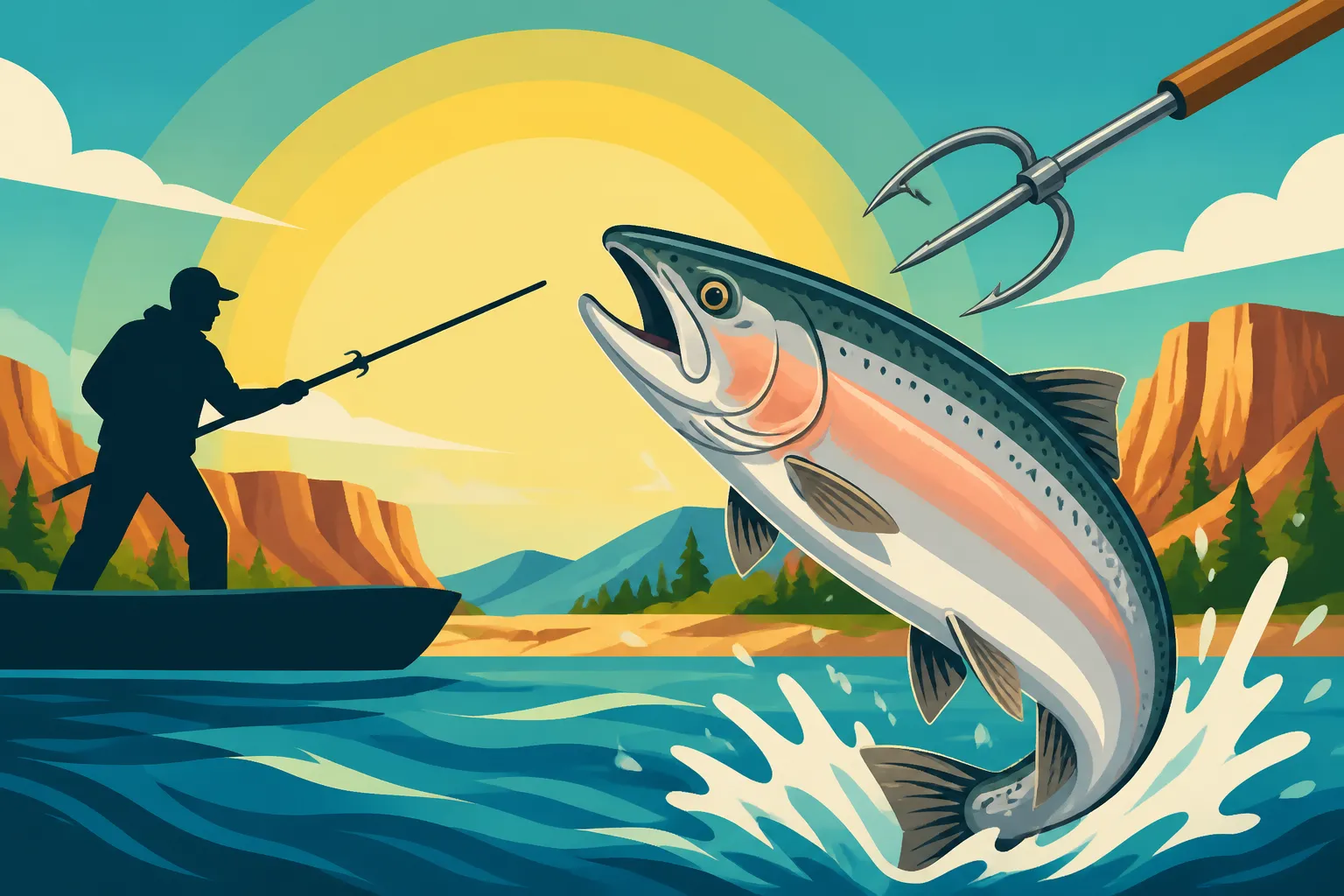
Snagging, by its very nature, is a distinct fishing technique, and the regulations are quite specific about how you can do it legally. The core idea behind snagging is to impale the fish with a hook from the outside of its mouth, rather than enticing it to bite. While this might sound simple, there are rules to ensure it's done within acceptable parameters.
Generally, you will use heavy gear – stout rods, strong line, and large, weighted treble hooks. The technique usually involves casting out and then aggressively ripping the rod back to try and hook a salmon as it swims by. However, there are nuances:
- Number of Hooks: Typically, a single rod may only have one line, and that line is often restricted to a certain number of hooks, often no more than three. For snagging, this usually means a single treble hook. Always double-check this in the regulations.
- Artificial Lures Only: While snagging isn't about the lure's attraction, the regulations might specify that only artificial lures (which a large treble hook would be classified as) are permitted. Live bait is almost certainly prohibited for snagging.
- Prohibited Methods: Using gaffs, nets (other than a landing net for a legally hooked fish), or firearms to take fish is strictly illegal. The spirit of the regulation is to allow a specific method of fishing for these spawning salmon, not indiscriminate harvesting.
It's crucial to understand these specifics to avoid a citation. The NMDGF takes regulations seriously, especially for specialized seasons like Kokanee snagging, which are often under closer scrutiny.
Bag and Possession Limits to Observe
Just like any other game fish in New Mexico, Kokanee salmon snagged during the special season are subject to strict bag and possession limits. These limits are in place to ensure fair distribution of the resource and to prevent overharvesting, even for fish nearing the end of their lives.
For Kokanee salmon at Navajo Lake, the daily bag limit is typically 12 fish, with a possession limit of 24 fish. The daily bag limit refers to the number of fish you can take in a 24-hour period, regardless of how many times you go out fishing within that day. The possession limit refers to the total number of fish you can have on your person, in your cooler, in your vehicle, or at your campsite at any given time. This means if you have 12 fish from Monday's trip in your cooler, and you go out again on Tuesday, you can only catch another 12 on Tuesday, bringing your total possession to 24.
Here's a quick breakdown:
| Limit Type | Description | Typical Kokanee Salmon Limit (Navajo Lake) |
|---|---|---|
| Daily Bag Limit | The maximum number of fish you can legally keep within a single calendar day. | 12 fish |
| Possession Limit | The maximum number of fish you can have in your possession at any time. | 24 fish |
Remember, these numbers are subject to change, so always, always refer to the most recent New Mexico Fishing Regulations Overview before your trip. Exceeding these limits is a serious offense and can result in significant fines and the confiscation of your catch and gear. Be honest and count your fish carefully to ensure you stay within the legal bounds.
Preparing for a Successful Snagging Trip to Navajo Lake
Once you've got your license and you're clear on the regulations, it's time to get down to the practicalities of a successful snagging trip. Navajo Lake is a vast and beautiful body of water, and having the right gear and knowing the best spots can make all the difference.
Best Locations and Conditions for Snagging
Kokanee salmon during their spawning run will congregate in specific areas, making them easier to locate for snagging. At Navajo Lake, the primary area for snagging is the San Juan River arm. As the salmon migrate upstream from the main lake, they funnel into this river channel. You'll often find concentrations of fish in the slower-moving sections of the river arm, in deeper holes, or along bends where they might rest before continuing their journey. Access points like the Simms Point and Cottonwood campgrounds can be good starting points, offering shore access or places to launch a boat. The Navajo Lake Boat Ramps are important to consider if you plan to access more remote parts of the river arm.
Ideal conditions for snagging usually involve clear to slightly stained water, allowing you to see the red-colored salmon. Overcast days can also be beneficial, as bright sun can make fish more skittish. Watch for visible signs of spawning activity, such as groups of fish milling around or splashing near gravel beds. Often, the best time of day is early morning or late afternoon when the light is softer, and the fish may be more active in their movements. Keep an eye on the Kokanee Salmon Spawning Time at Navajo Lake for more insights into their behavior during this critical phase. Sometimes, local knowledge is invaluable here, so don't be shy about asking anglers you see on the water or employees at nearby tackle shops for recent reports.
Recommended Gear and Tackle for Kokanee Snagging
Snagging Kokanee isn't finesse fishing; it requires robust gear that can handle the aggressive nature of the technique and the strong fish you're targeting. Here's a breakdown of what you'll typically need:
- Rods: A medium-heavy to heavy action spinning or casting rod, 7 to 9 feet in length, is ideal. You need something stiff enough to set the hook firmly and muscle in a fish without the rod breaking. Brands like Ugly Stik or Penn offer durable options that can stand up to the abuse of snagging.
- Reels: A sturdy spinning or baitcasting reel with a reliable drag system is essential. It should be spooled with 20-30 pound test monofilament or braided line. Braided line offers less stretch and more direct hook-setting power, which is a big plus in snagging.
- Hooks: This is where the "snag" comes in. You'll typically use large, heavy treble hooks, often sized 2/0 to 4/0. Some anglers might add a lead weight directly above the hook to help it sink quickly and stay in the strike zone. You can find these hooks readily available on platforms like Amazon or at your local tackle shop.
- Weight: Depending on the current and depth, you might need additional weight, such as bell sinkers or pencil weights, to get your hooks down to where the salmon are holding. These can range from 1/2 ounce to several ounces.
- Landing Net: A good, large landing net is crucial. Once you've snagged a fish, bringing it ashore or into the boat quickly and efficiently prevents it from getting off the hook. A rubberized net is also gentler on any fish you might accidentally snag and wish to release (if legal and feasible).
- Cooler: A large cooler filled with ice is non-negotiable. Best Coolers for Keeping Fish Fresh in New Mexico are essential to preserve the quality of your catch, especially if you're out for several hours or planning to harvest your daily limit.
- Pliers/Hook Remover: Large pliers or a dedicated hook remover will be invaluable for safely unhooking fish, as those treble hooks can get buried deep.
For a more detailed list, check out resources on Gear Checklist for Snagging Salmon at Navajo Lake. Remember, durable, reliable gear is your friend when it comes to snagging.
Safety and Ethical Considerations
Snagging, while legal during this specific season, comes with its own set of safety and ethical considerations. Being a responsible angler means more than just following the letter of the law.
- Personal Safety: When you're vigorously ripping your rod back to snag a fish, there's a risk of the heavy hook flying through the air. Always be aware of your surroundings and any other anglers nearby. Wear sturdy shoes with good grip, especially if you're wading, as riverbanks can be slippery. Required Safety Gear on a New Mexico Boat if you're on the water.
- Handling Fish: Spawning Kokanee are typically nearing the end of their lives and are very delicate. Handle them with care if you intend to keep them. If you accidentally snag a non-target species or a fish that isn't suitable for harvest, try to release it as gently and quickly as possible, minimizing its time out of water.
- Respect for Others: Snagging can sometimes be perceived negatively by anglers using traditional methods. Maintain a respectful distance from other anglers, and be courteous. Everyone is out there to enjoy the outdoors.
- Litter: Pack out everything you pack in. Dispose of all fishing line, bait containers, and other trash properly. Keeping Navajo Lake clean is everyone's responsibility.
- Respect for the Resource: While snagging is allowed, it's still about harvesting, not wasting. Only take what you can reasonably consume and process. The Kokanee Color Change During Spawning Season is a good indicator of their condition; while still edible, their meat quality starts to decline as they get closer to death.
By adhering to these ethical guidelines, you contribute to a positive angling environment and help ensure these unique seasons can continue for years to come.
Disclaimer
The information provided in this guide is for general informational purposes only and is subject to change. Always consult the official New Mexico Department of Game and Fish regulations handbook or website for the most current and accurate rules, dates, and licensing requirements before engaging in any fishing activities. Fishing regulations can change without notice, and it is the individual angler's responsibility to know and comply with all applicable laws.