Fishing New Mexico Reservoirs in Summer Heat
The scorching New Mexico summer sun can make fishing our beautiful reservoirs feel like an uphill battle. You head out with high hopes, only to find the fish seemingly gone, the bites nonexistent, and the relentless heat taking its toll. It’s frustrating when your usual tactics just don't cut it. This guide is dedicated to helping you unravel the mysteries of reservoir fishing in the dog days of summer, providing you with practical strategies, species-specific insights, and essential safety tips to ensure your angling adventures are still productive and, most importantly, comfortable.
Understanding the Challenges of Summer Reservoir Fishing
Summer fishing in New Mexico, especially on our expansive reservoirs, presents a unique set of challenges that can baffle even seasoned anglers. The dramatic increase in air temperature inevitably leads to significant changes in the water, directly impacting fish behavior. It’s not just about the sun being hot; it’s about how that heat permeates the aquatic environment.
Water Temperature Stratification
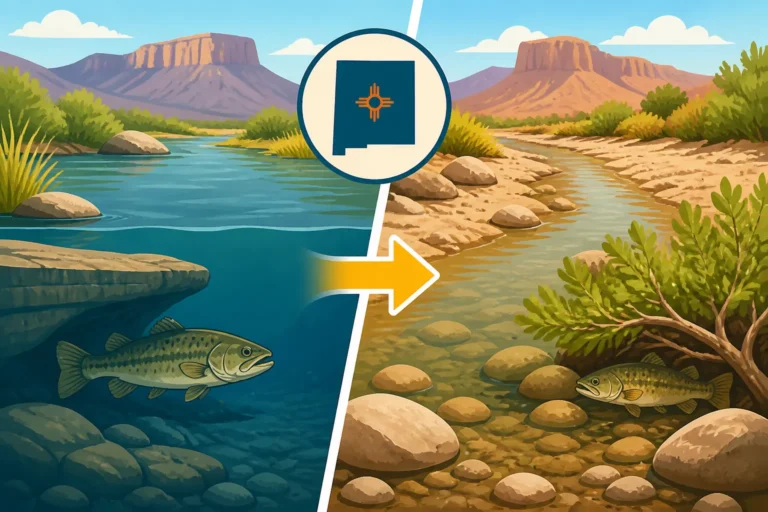
One of the biggest scientific realities we face when fishing reservoirs in the summer is called thermal stratification. Essentially, the water in a deep reservoir doesn't mix uniformly. Instead, it layers itself into distinct temperature zones. The warmest, least dense water stays at the top, forming the "epilimnion." Below that is the "thermocline," a relatively thin layer where the temperature drops rapidly. And at the very bottom, you have the coldest, densest water, the "hypolimnion."
This layering profoundly affects where fish can comfortably exist. Most game fish are looking for a specific temperature range that suits their metabolism. In summer, the surface waters of lakes like Elephant Butte Lake or Navajo Lake can become too warm and oxygen-depleted for many species, pushing them deeper into the cooler thermocline or even into the hypolimnion if enough oxygen is present. Understanding this stratification is key to finding fish, as it dictates the depth at which they'll be holding. If you're fishing shallow in the middle of a hot afternoon, you might be casting into a barren zone.
Oxygen Depletion in Deeper Waters
While deeper waters offer cooler temperatures, they often come with another significant challenge: oxygen depletion. As surface waters warm up, the decomposition of organic matter on the lake bottom, combined with reduced gas exchange, can rapidly consume dissolved oxygen in the hypolimnion. This creates an anaerobic (oxygen-free) zone that fish cannot survive in, even if the temperature is ideal.
So, while fish might seek cooler temperatures at depth, they won't go too deep if there's no oxygen. This means they often get squeezed into a relatively narrow band within or just above the thermocline where both temperature and oxygen levels are suitable. This "sweet spot" can be quite specific, sometimes only a few feet thick. Using a good fish finder with temperature and depth readings becomes absolutely critical for identifying this zone. Without it, you’re just guessing, and in the summer, guessing usually leads to an empty cooler.
Fish Behavior Changes
Beyond just where they hold, the summer heat significantly alters how fish behave. Their metabolism speeds up, requiring more food, but they become much more lethargic and less willing to expend energy during the hottest parts of the day. This translates into shorter, more predictable feeding windows. You won't see the all-day bite you might experience in spring or fall.
Instead, fish become highly sensitive to light and temperature, often retreating to deeper, shadier areas or only venturing out to feed during periods of low light intensity, like dawn, dusk, or even at night. This also means they might be less aggressive in striking baits, requiring slower presentations, more subtle lures, and perhaps even smaller offerings. It's about adapting your entire approach to match their changed demeanor; otherwise, you'll be frustrated by a lack of activity.
Targeting Heat-Tolerant Species
While many fish species become more challenging in the summer, some are better adapted to warmer waters and can provide excellent angling opportunities. Focusing on these more tolerant species, or those that have specific summer patterns, can significantly increase your success rate. New Mexico's diverse reservoirs are home to several such species, often found in good numbers even when the thermometer is pushing well past comfortable.
Walleye
Walleye are excellent cool-water predators, but they can be incredibly active in New Mexico's reservoirs throughout the summer, especially at lakes like Conchas Lake or Ute Lake. They typically seek out deeper, cooler water during the day, often relating to submerged structures like humps, points, and old river channels. As the sun climbs, you’ll find them congregating in these spots, usually in that crucial thermocline layer.
The key to summer walleye is often about covering water and presenting baits at the right depth. Trolling crankbaits or spinner rigs with live bait (like nightcrawlers) are incredibly effective methods. Pay close attention to your electronics; mark any fish you see relating to structure, and experiment with different depths until you find that productive zone. Many anglers find success at depths of 20 to 40 feet, but this can vary daily based on conditions. Early mornings and late evenings are prime times, but walleye can be caught throughout the day if you present your bait directly to them in their deeper haunts.
Catfish
If there's one fish that truly thrives in the summer heat, it's the channel catfish. These opportunistic feeders love warm water and can be found in almost every New Mexico reservoir, from Elephant Butte Lake to smaller urban ponds. They're less sensitive to temperature changes than trout or walleye, making them a fantastic target when other species are hunkering down.
Catfish are often found patrolling shallow flats, submerged weed beds, and creek channels, especially during low-light conditions. As the day progresses, they might move to deeper holes or areas with some current if available. The beauty of catfish fishing is its simplicity: a sturdy rod, some heavy line, and a smelly bait are often all you need. Common baits include cut bait (shad or carp), shrimp, chicken livers, and various prepared stink baits. Night fishing for catfish can be incredibly productive and offers a welcome escape from the daytime heat. Check out our guide on Catfish Fishing in New Mexico for more detailed tips.
Striped Bass
For a powerful fight in the summer heat, look no further than the striped bass, particularly at Elephant Butte Lake. These hard-fighting fish are true warm-water specialists, but they still prefer cooler, oxygenated water during the hottest parts of the day. They are often found suspended in the water column or relating to deep structures like the old river channel.
Stripers are notorious for schooling, and once you find a school, the action can be fast and furious. Live shad are by far the most effective bait, whether drifted, trolled, or fished under a balloon. Artificial lures like swimbaits, large crankbaits, or topwater plugs (during low light) can also be productive. Keep an eye out for bird activity, as diving birds often indicate stripers pushing baitfish to the surface. Trolling with large lures or downriggers can help you reach the depths where these powerful fish are holding. Our Striped Bass Fishing in New Mexico article offers in-depth advice on landing these behemoths.
Crappie and Panfish
Don't overlook crappie and other panfish like bluegill and sunfish during the summer. While they might not be the giants of the lake, they offer consistent action, especially for family outings or when you just want to bend a rod. Crappie, in particular, will seek out submerged brush piles, timber, and deeper creek channels as the water warms.
Look for crappie to suspend around these structures, often in schools, at specific depths. A good fish finder is invaluable for pinpointing these brush piles and the depth at which the crappie are holding. Small jigs tipped with a minnow or soft plastic are irresistible to them. For bluegill and sunfish, focus on shaded areas near docks, submerged vegetation, or shallow feeder creeks in the mornings and evenings. A simple bobber rig with a worm or small beetle spin can provide endless entertainment. These species make for excellent targets when you're looking for Best Lakes for Family Fishing Trips in New Mexico.
Strategic Timing and Location
Success in summer reservoir fishing hinges on a proactive approach to timing and location. You can’t just show up and expect fish to be everywhere; you need to understand when and where they're most likely to be active and accessible. This often means adjusting your entire fishing schedule and focusing your efforts on specific types of cover or structure.
Early Mornings and Late Evenings
This is perhaps the most fundamental rule for summer fishing: embrace the low light. The period from an hour before sunrise until a couple of hours after, and then again from a couple of hours before sunset until dark, offers the best chances for consistent action. During these times, surface water temperatures are at their coolest, and the sun's intensity is much lower.
This encourages fish, even those that have been holding deep, to move into shallower feeding grounds or to become more active in their deeper haunts. Predators like bass and walleye will often move onto points, flats, and around submerged cover to ambush baitfish. Catfish will actively forage in the shallows. By getting on the water early, you can capitalize on that brief window of heightened activity before the heat drives fish back to their deeper, more secure holding patterns. Similarly, staying out until after sunset can provide a fantastic evening bite, often continuing into the night for species like catfish and stripers. Consult the New Mexico Fishing Season Calendar to plan your trips effectively.
Deep Water and Structure
As the sun climbs and temperatures soar, the vast majority of game fish will retreat to deeper water where temperatures are more stable and comfortable. This is where your electronics become your best friend. Instead of casting aimlessly, focus on mapping out the bottom contours and identifying significant underwater structures.
Look for creek channels, humps, ledges, points that drop off sharply, and submerged rock piles. These features provide cover, ambush points, and often act as highways for fish moving between feeding and resting areas. Modern fish finders can not only show you the depth but also identify the thermocline and even individual fish arches or schools of bait. Once you've located a promising structure, use vertical presentations like drop-shot rigs, jigs, or slow-trolled baits to target fish holding directly on or around it. Don't be afraid to fish depths of 20, 30, or even 50 feet – that's often where the fish are hiding.
Shade and Current
Even in the summer heat, fish need to conserve energy. This means they will actively seek out areas that offer respite from the sun and, ideally, some form of current that brings them food and oxygen. Shaded areas, whether from steep canyon walls (like parts of Navajo Lake or the Rio Grande Gorge), overhanging trees, or even large docks and bridges, can hold surprisingly active fish, especially during midday.
Current, even subtle current, is another major attractant. It delivers oxygen, stirs up bait, and provides an easy way for fish to ambush prey without expending much energy. Look for areas where feeder creeks enter the reservoir, dam outflows, or constrictions that create a bottleneck. These current breaks often concentrate baitfish and, consequently, the predators that feed on them. While not all New Mexico reservoirs have strong current features, identifying even subtle water movement can give you a significant advantage. Even boat shade over a deep spot can make a difference.
Essential Gear and Techniques for Summer Heat
To truly succeed at fishing New Mexico reservoirs in the summer, you need to be prepared with the right gear and be willing to adapt your techniques. The lazy, sun-soaked fishing of spring gives way to a more strategic, often challenging, approach that demands efficiency and smart choices.
Electronics for Deep Water
As we've discussed, finding that specific sweet spot of temperature and oxygen in deep water is paramount. This makes a quality fish finder with GPS and mapping capabilities an indispensable tool. Brands like Humminbird and Lowrance offer excellent models with features like side imaging and down imaging, allowing you to not only see fish directly beneath your boat but also scan wide areas to either side, revealing submerged structures, brush piles, and schools of baitfish.
Having a good unit means you're not just casting blind. You can mark waypoints on productive spots, return to them precisely, and observe how fish relate to structure. Many units also display water temperature at different depths, helping you pinpoint the thermocline. Investing in a reliable fish finder and taking the time to learn how to use it effectively will dramatically increase your catch rates in summer. It’s a tool that pays for itself in avoided frustration and more fish in the net. You can find a wide range of these devices on Amazon.
Appropriate Baits and Lures
Summer fishing often calls for a slight shift in your bait and lure selection. While traditional favorites still work, adjusting to deeper presentations and more subtle triggers can be key. For deep-holding fish, consider larger profile jigs, deep-diving crankbaits that can reach depths of 15-30 feet, and heavy spoons. For walleye, a crawler harness trolled slowly along the bottom is a proven killer. For catfish, the stinkier the better, with cut bait or prepared baits being top choices.
Live bait is often unbeatable for summer fish that are less willing to chase. Minnows, shiners, or shad (where legal) can be fished on drop-shot rigs, suspended under a bobber over deep structure, or trolled slowly. The natural action and scent can entice strikes from finicky fish. Experiment with colors, but often natural or metallic finishes work best in clear, deep water, while brighter colors can be effective in stained water or for aggressive feeders. Make sure you check the New Mexico Fishing Regulations Overview for any restrictions on bait usage.
Trolling and Jigging Strategies
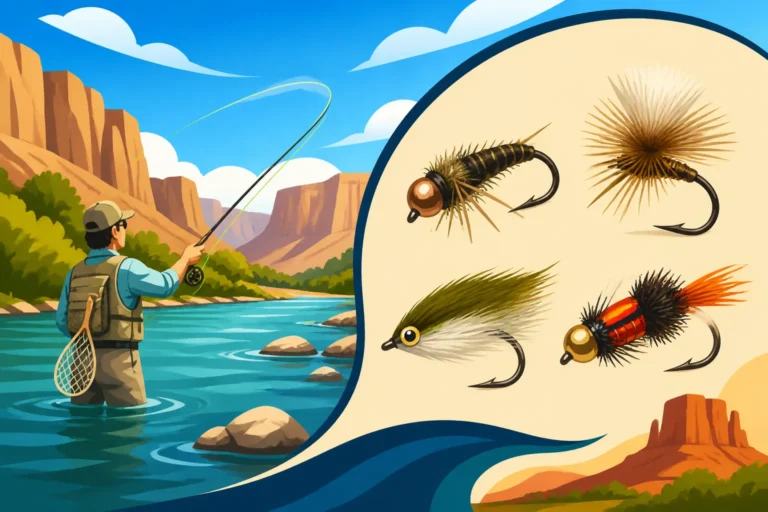
When fish are holding deep and scattered, covering water effectively is crucial. This is where trolling shines. Using planer boards can help you spread out your lines and cover a wider swath of water, while downriggers allow you to precisely present baits at specific depths in the water column, often just above where you're marking fish on your sonar. For kokanee salmon at Navajo Lake or Heron Lake, for example, trolling small dodgers or flashers with kokanee bugs or wedding rings is the go-to method.
For more stationary fish holding on specific structures, vertical jigging is highly effective. Drop a jigging spoon, a heavy soft plastic jig, or a blade bait directly down to the depth where you're marking fish. The subtle presentation often provokes a strike from lethargic fish that might ignore a faster-moving lure. Experiment with jigging cadence—sometimes a slow, methodical lift and fall is best, while other times a more aggressive snap-jig can trigger a reaction strike. Check out our guide on Best Lures for New Mexico Bass for additional options.
Safety First: Beating the Heat on the Water
Summer days on New Mexico’s reservoirs are glorious, but the heat can be dangerous if you’re not prepared. Protecting yourself and staying comfortable is just as important as finding fish. A miserable angler rarely makes good decisions, so prioritizing your well-being should always come first.
Hydration and Sun Protection
This can't be stressed enough: stay hydrated! Bring more water than you think you’ll need. Dehydration can creep up on you quickly, leading to fatigue, headaches, and even heatstroke. Electrolyte drinks can also be beneficial, especially on long, hot days. Avoid excessive alcohol and sugary drinks, as they can contribute to dehydration. Consider bringing a large, insulated cooler filled with ice and plenty of fluids; many reliable coolers are available on Amazon.
Equally important is sun protection. The New Mexico sun, especially at higher elevations or reflecting off the water, is incredibly intense.
- Wear a wide-brimmed hat to protect your face, ears, and neck.
- Invest in polarized sunglasses to reduce glare and protect your eyes.
- Use long-sleeved, lightweight, and breathable UPF-rated clothing. This type of clothing is far more effective and comfortable than repeatedly applying sunscreen.
- Apply broad-spectrum sunscreen (SPF 30 or higher) to any exposed skin, reapplying every two hours or more frequently if sweating heavily or getting wet. Don't forget the tops of your feet if wearing sandals!
Recognizing Heat Stress
It's critical to be aware of the signs of heat stress, both in yourself and your fishing companions. Early symptoms of heat exhaustion include heavy sweating, cold, clammy skin, nausea, muscle cramps, dizziness, and headache. If you or someone in your party experiences these, move to a cooler, shaded area immediately, drink plenty of fluids, and try to cool down with wet towels or by splashing water on the skin.
Heatstroke is a much more severe and life-threatening condition, characterized by a high body temperature (over 103°F), red, hot, dry skin (or sometimes still sweaty), confusion, disorientation, and even loss of consciousness. This is an emergency. Call 911 immediately. While waiting for help, try to cool the person rapidly with any available means, such as dousing them with cold water. Being proactive with hydration and sun protection is the best way to avoid these dangerous scenarios entirely.
Emergency Preparedness
Beyond heat-related illnesses, being on a reservoir in summer means being prepared for other contingencies. Always inform someone of your float plan – where you're going, when you expect to return, and who is with you. Carry a fully charged cell phone (in a waterproof bag) and consider a satellite communication device if fishing in remote areas with no cell service.
Ensure your boat is equipped with all required safety gear, including enough personal flotation devices (PFDs) for everyone on board, a fire extinguisher, signaling devices (whistle or horn), and navigation lights if you'll be out at dusk or dawn. For more on this, check our guide on New Mexico Boat Registration and Titling Guide. A basic first-aid kit, extra water, and some emergency food should always be part of your Best Fishing Gear for New Mexico Anglers. Unexpected breakdowns or changes in weather can turn a pleasant day into a challenging situation quickly, so always be prepared.
Post-Catch Care and Responsible Angling
Catching fish in the summer heat requires effort, and ensuring their well-being, whether you plan to release them or keep them for dinner, is a vital part of responsible angling. High water temperatures add extra stress to fish, making proper handling even more critical.
Handling Warm Water Fish
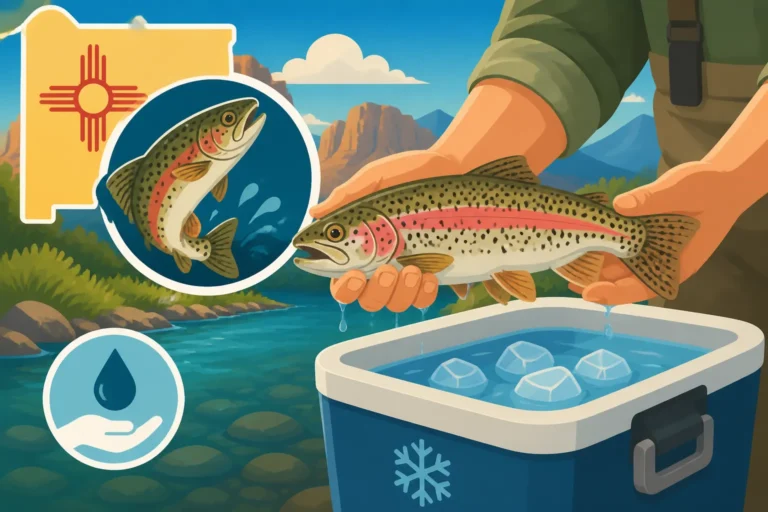
When fishing in warm water, fish are already under physiological stress. If you intend to release them, minimize handling time as much as possible. Avoid dragging fish across hot boat decks or dry ground, which can strip their protective slime coat. Instead, use a knotless, rubberized landing net to keep them in the water while you remove the hook.
Hold fish gently with wet hands, supporting their body weight horizontally. Avoid holding them vertically by the jaw, especially larger fish, as this can damage their internal organs. If the hook is deeply set, consider cutting the line rather than trying to forcefully remove it, which can cause more harm. Revive fish by holding them gently in the water, facing into any current, until they swim away strongly under their own power. A good pair of pliers from Amazon can help quickly remove hooks.
Quick Release Methods
For catch-and-release, especially with trout in designated "Quality Waters" or "Special Trout Water" areas, quick and efficient release is paramount. In warmer water, the fish's metabolic rate is higher, meaning they use oxygen more quickly and stress compounds faster. Use barbless hooks, or pinch down the barbs on your hooks before fishing. This makes hook removal much easier and faster, often allowing you to release the fish without even taking it out of the water.
When a fish is hooked, try to land it as quickly as possible to reduce exhaustion. Prolonged fights can be fatal in warm water. Once landed, keep the fish submerged if possible while you use forceps or pliers to gently back out the hook. Observe the fish carefully; if it seems disoriented or struggles to swim away, continue to revive it by gently moving it back and forth in the water until it regains its strength. Being mindful of these practices ensures a healthy fishery for future generations, complementing the specific rules found in the New Mexico Special Trout Water Rules.
Keeping a Catch Fresh
If you plan to keep your catch, proper storage is essential, especially in the heat. Fish spoils rapidly in warm temperatures. The best way to preserve freshness is to immediately place your fish on ice, in an insulated cooler. A good rule of thumb is to have a cooler that is at least half-filled with ice before you even put any fish in.
Bleeding your fish shortly after catching them (if you’re comfortable doing so) can also improve the taste and quality of the meat by removing blood that can cause a strong, "gamey" flavor. Once bled, quickly get them into the ice slurry. The goal is to drop the fish's core temperature as rapidly as possible to slow bacterial growth. Avoid leaving fish exposed to the sun or simply tossing them into a livewell filled with warm lake water; this will compromise their quality quickly.
| Species | Best Summer Time | Preferred Depth Range (Feet) | Typical Structure/Habitat | Effective Summer Baits/Lures |
|---|---|---|---|---|
| Walleye | Early/Late, Night | 20-40+ | Humps, points, channels, ledges | Crawler harnesses, deep crankbaits, jigs |
| Catfish | All Day, Night | 5-30+ | Shallows, flats, deep holes, timber | Cut bait, chicken liver, stink bait, shrimp |
| Striped Bass | Early/Late, Midday (deep) | 20-60+ | Open water, old river channels, humps | Live shad, swimbaits, deep crankbaits, spoons |
| Crappie | Early/Late | 10-25 | Brush piles, timber, creek channels | Small jigs, minnows, soft plastics |
| Bluegill/Sunfish | Early/Late | 3-15 | Shaded docks, vegetation, shallow creeks | Worms, small jigs, beetle spins |
Disclaimer
The information provided in this guide is for general informational purposes only. Fishing regulations in New Mexico can change, and it is always your responsibility to consult the most current New Mexico Department of Game and Fish regulations before heading out on the water. Stay safe and enjoy your fishing adventures!