Pecos River Fishing Near Santa Fe
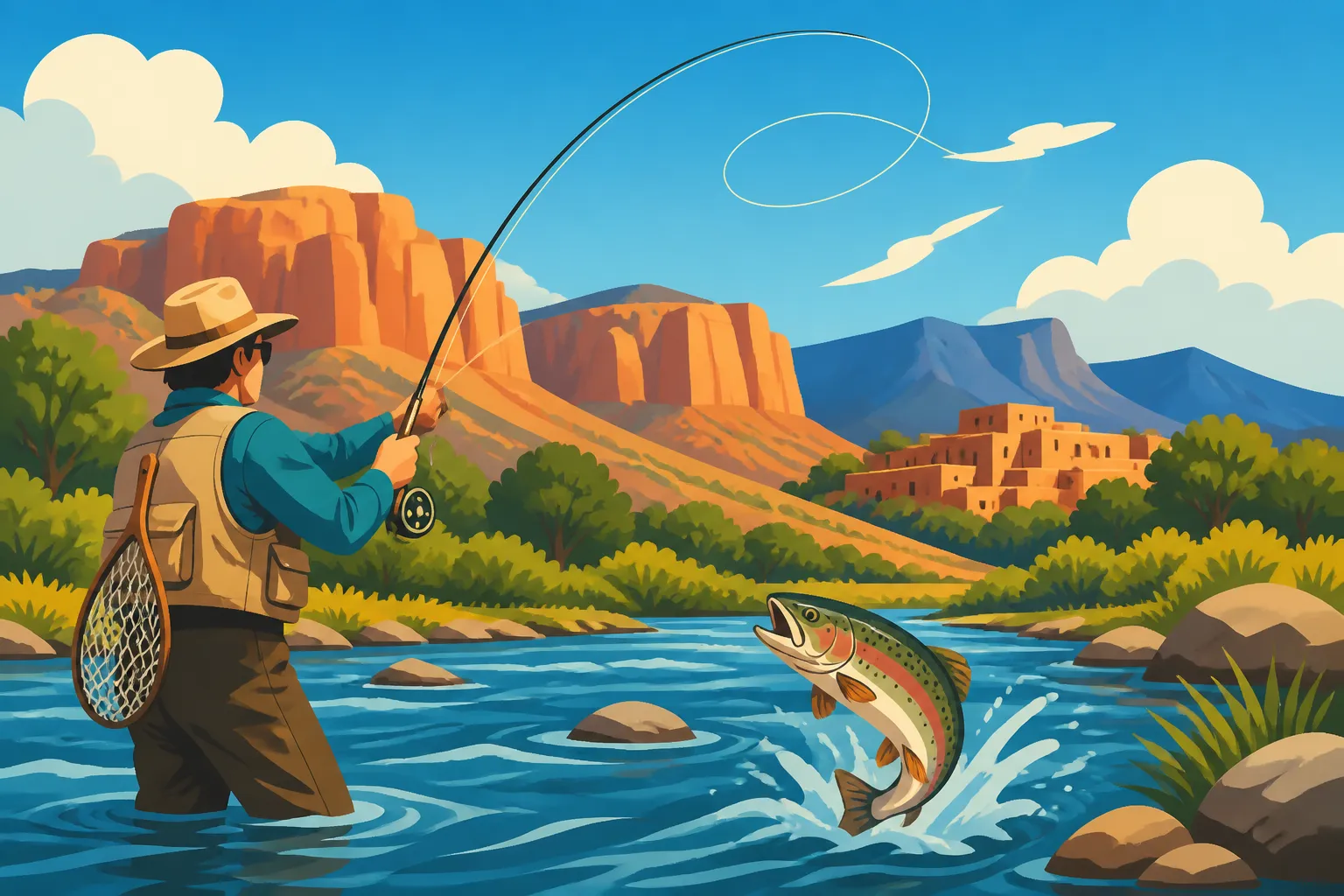
Trying to find that perfect fishing spot near Santa Fe can feel like searching for a hidden treasure, especially when you want clear water, beautiful scenery, and a good chance at some feisty trout. You've heard whispers about the Pecos River, but knowing where to go, what to use, and when to go can be overwhelming. This guide is here to unravel the secrets of Pecos River fishing, giving you all the nitty-gritty details to make your next trip a successful and memorable one.
Understanding the Pecos River Near Santa Fe
The Pecos River, originating high in the Sangre de Cristo Mountains, offers a diverse and incredibly picturesque fishing experience just a stone's throw from Santa Fe. It's a true gem for anglers, transitioning from a pristine, high-mountain trout stream to broader, more accessible waters as it flows south. The river's character changes significantly along its length, and understanding these shifts is key to a successful outing.
Geographic Overview and Access Points
The Pecos River's journey begins in the Pecos Wilderness, a rugged, high-elevation wonderland within the Santa Fe National Forest. This upper section is characterized by crystal-clear, freestone streams tumbling through dense conifer forests and open alpine meadows. Access here often requires a hike, sometimes a substantial one, but the solitude and wild trout opportunities are unparalleled. Key access points for the upper river typically involve heading east from Santa Fe on I-25, then taking Highway 63 north from Pecos village. As you drive north on Highway 63, you'll find numerous pull-offs, designated campgrounds, and trailheads that lead into the wilderness. Areas around Terrero, Cowles, and the Holy Ghost Campground offer a mix of roadside access and entry points to the wilderness trails.
Lower down, closer to Pecos village itself, the river broadens and becomes more accessible, with sections running alongside roads and through private land. While some of these areas might be less pristine, they often offer easier access for bank fishing and are frequently stocked, especially the sections managed by the New Mexico Department of Game and Fish. Always be mindful of private property signs in these areas; respecting private landowners ensures continued access for everyone. Remember, navigating these beautiful waters often means you'll be on federal land, so understanding the New Mexico Habitat Stamp and Validation Requirements is crucial for compliance.
Key Fish Species to Expect
When you're casting your line into the Pecos River, especially in the sections near Santa Fe, you're primarily targeting trout. This river is a renowned trout fishery, home to several species that thrive in its cold, oxygenated waters.
- Rainbow Trout: These are probably the most common catch, particularly in the more accessible and regularly stocked sections. Rainbows are known for their vibrant colors and aggressive strikes, making them a favorite for many anglers. You'll find them throughout the system, often in eddies, riffles, and deeper pools.
- Brown Trout: A bit more elusive and wary than rainbows, brown trout are often the prize for seasoned anglers. They tend to grow larger and are more prevalent in the wilder, upper reaches and deeper, more structured pockets of the river. Brown trout are incredibly intelligent and challenging to catch, offering a true test of skill.
- Rio Grande Cutthroat Trout: As New Mexico's state fish, the native Rio Grande Cutthroat holds a special place in the hearts of local anglers. These beautiful fish, identified by the distinctive "cut" marks under their jaw, are found predominantly in the higher, more pristine headwaters and tributaries of the Pecos, particularly within the designated Pecos Wilderness. They are an incredible conservation success story, and catching one is a privilege.
- Brook Trout: While less common than rainbows and browns, brook trout can be found in some of the smaller, colder tributary streams of the Pecos. They are smaller, vibrant fish that prefer very cold, clear water and are a delight to catch on light tackle.
Beyond trout, depending on how far downstream you venture, you might encounter other species like white suckers, dace, or chub, but for anglers focused on sportfishing, trout are the main draw. If you're keen to learn more about the broader array of fish in the state, our guide on Trout Species Found in New Mexico offers an in-depth look.
General Regulations and Permits
Before you even think about wetting a line, it's absolutely essential to be squared away with the New Mexico Department of Game and Fish (NMDGF) regulations. Fishing without a valid license or ignoring specific rules can lead to hefty fines and loss of privileges.
First and foremost, every angler 12 years of age and older needs a valid New Mexico fishing license. There are different options available, whether you're a resident or a nonresident, and for various durations like annual, one-day, or five-day licenses. Additionally, a Habitat Management and Access Validation (HMAV) or a Habitat Stamp is often required, depending on where you plan to fish, especially on National Forest and Bureau of Land Management lands, which include much of the Pecos River. You can easily purchase these licenses online through the NMDGF website, or from authorized vendors like sporting goods stores and some local shops in towns like Pecos. For a detailed breakdown, check out our New Mexico Fishing License Guide.
It's also crucial to be aware of the specific regulations for the section of the Pecos River you're fishing. While a statewide trout limit of 5 fish per day is common, some sections may have special restrictions, such as catch-and-release only, artificial lures and flies only, or specific slot limits. Always consult the most current NMDGF fishing proclamation, available online or as a physical booklet, before your trip. This ensures you're compliant and helps protect the fishery for future generations. Understanding these nuances is critical, especially when fishing within the New Mexico Trout Fishing Rules.
Prime Fishing Zones and Techniques
The Pecos River, as it tumbles down from the high country towards the plains, presents a diverse range of environments, each calling for slightly different approaches and offering unique rewards. Knowing which section to target and what tactics to employ will significantly enhance your chances of success.
Upper Pecos River and Tributaries Above Pecos Wilderness
This is where the Pecos truly shines for those seeking a more remote and pristine experience. The section of the Pecos River above the village of Pecos, especially as you head further up Highway 63 towards Terrero and Cowles, and particularly into the Pecos Wilderness, is largely freestone trout water. These are classic mountain streams: cold, clear, and constantly changing.
- The Experience: Imagine hiking through towering Ponderosa pines, the scent of pine needles in the air, with the gentle rush of a stream as your constant companion. This is the realm of wild brown trout and native Rio Grande Cutthroat trout. The fish here are often smaller but incredibly vibrant and spirited, a testament to their wild lineage. Solitude is a major draw, though popular trailheads can see some traffic on weekends.
- Access: Access to these upper reaches can be found by driving north on NM 63. You'll pass through several campgrounds, like Terrero and Holy Ghost. Many forest service roads and trails branch off, leading to various stretches of the river and its tributaries such as the Holy Ghost Creek, Jacks Creek, and Cowles Creek. Some of the best fishing might require a hike of a mile or more into the wilderness. Parking areas are usually well-marked.
- Techniques: Fly fishing is king here. The clear water and selective nature of wild trout mean stealth and delicate presentations are often rewarded.
- Nymphing: This is a highly effective method, especially in the deeper pockets and runs. Patterns like Copper Johns, Pheasant Tail Nymphs, Hare's Ear Nymphs, and Stonefly imitations (like a Pat's Rubber Legs) are excellent choices. Use a strike indicator and split shot to get your flies down to where the fish are holding.
- Dry Fly Fishing: When hatches are active, especially in late spring through early fall, nothing beats the thrill of a trout rising to a dry fly. Look for Caddis, Mayflies (Blue-winged Olives, Green Drakes), and Terrestrials (hoppers, ants, beetles) as the season progresses. Fishing these small, high-gradient streams often means short, accurate casts.
- Small Spinners: If you prefer spin fishing, small inline spinners like a 1/8 oz Rooster Tail or Panther Martin in natural colors (gold, silver, black) can be very effective in deeper pools. Always remember to check regulations; some wilderness sections may be fly-and-lure only, or even barbless hook only.
Middle Pecos River Near Pecos Village
As the Pecos River leaves the deepest canyons and flows closer to the village of Pecos, the landscape changes, and so does the fishing. This section is generally more accessible, often running parallel to Highway 63 and through various private lands and public easements.
- The Experience: This area is often stocked by the NMDGF, especially during spring and fall, meaning higher numbers of catchable rainbow trout. It's an excellent choice for families, beginners, or those looking for an easier outing without a long hike. The river here is wider, with more defined pools and runs, but also experiences more angling pressure.
- Access: Numerous pull-offs along Highway 63 provide roadside access. Some sections flow through the Pecos Canyon State Park and various campgrounds, offering convenient entry points. Again, always be vigilant for private property signs.
- Techniques: Both spin fishing and fly fishing can be productive here.
- Bait Fishing: For stocked trout, nothing beats traditional bait. PowerBait (in various colors like chartreuse, rainbow, or garlic scent), salmon eggs, and worms fished on a small hook with a sliding sinker or under a bobber are very successful.
- Spin Fishing with Lures: Small spoons (like a Kastmaster or Thomas Buoyant) or inline spinners are still effective. Experiment with retrieve speeds and depths.
- Fly Fishing: While perhaps not as technically demanding as the wilderness sections, fly anglers can still do very well. Streamers (Woolly Buggers, Sculpzillas) are great for probing deeper pools, especially for larger brown trout. Nymphing with heavier patterns is also effective, as are dry flies during active hatches.
Best Techniques for Pecos Trout
Regardless of which section of the Pecos River you choose to fish, mastering a few core techniques will significantly improve your catch rate.
- Fly Selection for Pecos River: The Pecos is a diverse river, so having a varied fly box is key.
- Nymphs: Always carry a selection of common nymphs like the Copper John (red, black, chartreuse), Pheasant Tail Nymph, Hare's Ear Nymph, and a few stonefly patterns (Pat's Rubber Legs, Girdle Bug). Midge patterns (Zebra Midges) are also essential, especially in colder months or when fish are being particularly selective.
- Dry Flies: For surface action, have some Parachute Adams (a great all-around Mayfly imitation), Elk Hair Caddis, and various attractor patterns like a Stimulator. Don't forget terrestrials like grasshoppers (Dave's Hopper, Morrish Hopper) and ant patterns for summer.
- Streamers: Woolly Buggers (black, olive, brown) are incredibly versatile for enticing aggressive trout, especially larger brown trout. Try stripping them through deeper pools and along undercut banks.
- Bait Fishing Strategies: For the stocked sections, presentation is everything.
- Floating Bait: When using PowerBait, mold it onto a treble hook, ensuring it floats just off the bottom. Use enough weight (split shot or an egg sinker) to get it to the desired depth but allow the bait to drift naturally. This mimics a natural food source drifting into their feeding lane.
- Worms: Nightcrawlers or mealworms fished under a bobber or on the bottom with a small sinker can be irresistible to trout. Let them drift with the current into promising holding lies.
- Spinner Fishing Tips: Spinners are fantastic for covering water and triggering reactionary strikes.
- Vary Retrieve Speed: Don't just reel in at a constant pace. Experiment with fast retrieves, slow retrieves, and even stop-and-go patterns. Trout are curious and a change in retrieve can often spark interest.
- Target Structure: Cast spinners near submerged rocks, fallen logs, undercut banks, and the seams between fast and slow water. These are prime ambush points for trout. Remember, while a New Mexico fishing license covers boat fishing in larger lakes, on the Pecos River near Santa Fe, you'll mostly be fishing from the bank or wading.
Many anglers find booking a local guide through platforms like FishingBooker can make a huge difference in learning the nuances of the Pecos. They know the current hatches, the best access points, and the precise techniques that are working on any given day. If you're looking to dive deeper into techniques, our Fly Fishing Techniques for New Mexico Rivers and How to Catch Trout in New Mexico guides offer extensive advice.
Seasonal Strategies and Considerations
The Pecos River, like all mountain streams, is a living, breathing entity that changes dramatically with the seasons. Understanding these shifts is paramount to planning a successful fishing trip, from knowing when the fish are most active to anticipating water levels and choosing the right gear.
Spring Fishing
Spring on the Pecos River is a time of awakening and can offer some of the most exciting fishing, albeit with its challenges.
- Pre-Runoff Opportunities: Early spring, typically from March to mid-April before the major snowmelt begins, can be fantastic. Water temperatures are slowly rising, and trout are becoming more active after the lethargy of winter. Stream flows are usually moderate, and fish are hungry. Nymphing is often the most productive method, as trout are still primarily feeding on subsurface insects. Midges, small Mayfly nymphs, and even larger stonefly patterns can be effective.
- Runoff Challenges: Late spring (late April through June) often brings the dreaded spring runoff. As the high-mountain snowpack melts, the river swells, becomes muddy, and can be dangerous to wade. Fishing during peak runoff is generally very difficult, if not impossible, in many sections. However, this isn't always a complete write-off. Look for smaller, clearer tributaries that might clear up faster, or target slower eddies and backwaters where fish can escape the main current. Fishing with larger, darker flies (like a big Woolly Bugger) or heavier baits can sometimes entice a strike in off-color water. Keep an eye on local conditions and NMDGF reports for specific river flows before heading out. Our guide to Spring Trout Fishing in New Mexico provides even more detailed insights for this dynamic time of year.
- Hatches: As water temperatures stabilize post-runoff, spring can see prolific hatches of Caddis and various Mayflies, leading to exciting dry fly action. Being prepared with the right patterns can make for an unforgettable day.
Summer Fishing
Summer on the Pecos means warmer weather, longer days, and varied fishing opportunities, often requiring a strategic approach to beat the heat and crowds.
- High-Elevation Retreat: As lower elevations warm up, the best trout fishing often shifts to the higher reaches of the Pecos River and its tributaries within the Pecos Wilderness. The colder water temperatures here keep trout active and healthy. This is prime time for backcountry hiking and camping combined with fishing. Mornings and evenings are typically the most productive times, as midday sun can make fish sluggish.
- Monsoon Season Impact: Late summer (July and August) brings New Mexico's monsoon season. Afternoon thunderstorms are common, which can quickly raise water levels and muddy the river, similar to spring runoff. Be mindful of flash floods, especially in narrow canyons. Fishing after a small, localized rain shower can sometimes be excellent as it cools the water and washes terrestrial insects into the stream, but heavy, prolonged rain can shut down fishing for a day or two.
- Terrestrial Action: During summer, terrestrial insects like grasshoppers, ants, and beetles are abundant. Fishing with large dry fly imitations of these bugs can be incredibly effective, especially along grassy banks and under overhanging vegetation. You'll also find some lingering Caddis and Mayfly hatches, but terrestrials often become the dominant food source. If you're planning a trip during the warmer months, consider checking the Best Time of Year to Fish in New Mexico for general guidance.
Fall Fishing
Fall is arguably the most beautiful and often the most rewarding season for fishing the Pecos River, offering a combination of vibrant foliage, active fish, and fewer crowds.
- Brown Trout Spawning: As water temperatures cool, brown trout begin their annual spawning ritual, typically from late September through November. While actively spawning fish should be left undisturbed, they become much more aggressive and territorial, making them susceptible to streamers and egg patterns. This is often the best time to target a trophy brown trout.
- Rising Activity: Rainbow trout are also highly active, fattening up before winter. Flows are usually stable and clear, offering ideal fishing conditions. Nymphing remains highly effective, but don't overlook streamers and dry flies, especially on warmer afternoons with late-season hatches.
- Scenic Beauty: Beyond the fishing, the fall colors of the Pecos Canyon are absolutely breathtaking, adding an incredible aesthetic to your fishing trip. The crisp air and quiet solitude make for a truly memorable experience. For those passionate about this season, our dedicated guide to Fall Fishing in New Mexico offers an even deeper dive.
Winter Fishing
Winter fishing on the Pecos River can be challenging but offers a unique, serene experience for the dedicated angler.
- Slower Metabolism: Trout metabolism slows significantly in cold water, making them less active. They'll typically congregate in deeper, slower pools and runs, conserving energy.
- Midge and Egg Patterns: During winter, midges are often the primary food source. Fishing small midge nymphs (like a Zebra Midge) under an indicator, or even tiny dry fly midges on warmer, calm days, can be very productive. Egg patterns can also be effective, especially if there are still brown trout spawning or if eggs from other fish are present.
- Ice Formation: Higher up in the Pecos Wilderness, sections of the river and its tributaries can freeze over, making open-water fishing impossible. However, many lower sections remain fishable year-round, especially those with consistent flow. Dress in warm layers, and be prepared for icy banks and cold hands. A good pair of waterproof, insulated wading boots is essential.
| Section of Pecos River | Primary Access | Expected Fish | Key Techniques | Best Time of Year |
|---|---|---|---|---|
| Upper Pecos Wilderness | Hiking trails from NM 63 | Wild Rainbow, Brown, Rio Grande Cutthroat | Fly fishing (nymphing, dry flies, small streamers) | Summer, Fall |
| Terrero/Cowles Area | Roadside pull-offs on NM 63, campgrounds | Wild/Stocked Rainbow, Brown | Fly fishing, small spinners | Spring, Summer, Fall |
| Near Pecos Village | Roadside, Pecos Canyon State Park, private access | Stocked Rainbow, some Brown | Bait fishing, spin fishing, fly fishing (streamers, nymphs) | Spring, Fall |
Disclaimer
Fishing regulations and conditions can change. Always consult the latest New Mexico Department of Game and Fish (NMDGF) regulations and local advisories before planning your trip. The information provided here is for general guidance and educational purposes only. Always prioritize safety, especially when fishing in remote areas or during adverse weather conditions.