Rio Chama Trout Fishing Access Points
For many anglers, the thought of fishing the Rio Chama conjures images of pristine, uncrowded waters teeming with trout. But the reality of finding those perfect, accessible spots can be a real headache, especially if you're not intimately familiar with its winding canyons and varying terrain. It's easy to waste precious fishing time trying to navigate confusing maps or stumbling upon locked gates. This guide is designed to cut through that frustration, offering a comprehensive roadmap to the best public access points along the legendary Rio Chama, ensuring you spend less time searching and more time enjoying its incredible trout fishing opportunities.
Understanding the Rio Chama's Unique Character for Anglers
The Rio Chama isn't just another river; it's a truly special gem in New Mexico's angling crown, offering diverse experiences that range from easily accessible roadside stretches to remote, wilderness adventures. Its character changes dramatically as it flows from the high mountains down through dramatic canyons, making it crucial to understand these distinctions before you even tie on your first fly.
Why the Chama is a Prime Trout Destination
What makes the Rio Chama so alluring for trout enthusiasts? A significant factor is its unique hydrology, largely influenced by the presence of both El Vado and Abiquiu Dams. These dams help regulate water flows, creating consistent cold-water environments that are absolutely ideal for trout. Below the dams, particularly, you'll find what are often referred to as "tailwater fisheries"—sections of river fed by deep, cold water released from the bottom of the reservoirs. These tailwaters are renowned for producing larger, healthier trout due to stable temperatures and a rich aquatic insect population.
Anglers here can expect to target a variety of trout species, including robust rainbow trout, cunning brown trout, and occasionally, the elusive cutthroat trout, especially in the upper, wilder sections. The consistent flows below the dams also mean the river maintains a certain level of clarity for much of the year, making for excellent sight-fishing opportunities when conditions are right. It’s a place where you can truly immerse yourself in the natural beauty of northern New Mexico while chasing some truly magnificent fish.
Navigating Different Sections of the River
The Rio Chama transforms significantly along its length, and understanding these changes is key to planning your trip.
- Upper Chama (Above El Vado Lake): This section, often within the Chama River Canyon Wilderness, is characterized by smaller, freestone stream conditions. It's rugged, remote, and requires significant hiking or backpacking to access. Here, you'll find native Rio Grande Cutthroat Trout in a truly wild setting.
- El Vado Lake Tailwater (Below El Vado Dam to Abiquiu Lake): This is one of the most popular and productive sections. The river is wider, flows are more consistent, and access is generally good, especially near the dam. It's a prime spot for both fly and spin fishing, with plentiful rainbow and brown trout.
- Abiquiu Lake Tailwater (Below Abiquiu Dam): Another fantastic tailwater fishery, though often less discussed than the El Vado section. This area can be excellent for larger trout, with less angler pressure than some other well-known spots. Access here can be a bit more limited to specific points.
- Lower Chama (Below Abiquiu Lake to the Rio Grande Confluence): As the Chama moves downstream, it warms up and becomes more of a warm-water fishery closer to its confluence with the Rio Grande, though trout can still be found in pockets, especially during cooler months or high-water releases. Access here is often through private lands or limited bridges.
Knowing which section you want to explore will dictate the type of fishing experience you'll have, the gear you'll need, and, most importantly, the specific access points you should target.
Key Public Access Points Along the Rio Chama
Finding a good entry point to the Rio Chama can sometimes feel like trying to find a needle in a haystack, especially with the mix of private land and designated wilderness areas. But don't fret! There are several well-known public access points that offer fantastic opportunities to wet a line.
El Vado Lake and Below the Dam
This is arguably the most famous and frequently visited stretch of the Rio Chama, and for good reason. El Vado Lake State Park provides a great base camp with camping and facilities, and the river flowing out of the dam offers spectacular tailwater fishing.
- Access at El Vado Lake State Park: You can access the river directly from within El Vado Lake State Park. There are campgrounds and day-use areas that are right on the river, particularly on the east side. This is often an easier access point, especially for families or those looking for amenities. From here, you can wade upstream or downstream a fair distance. The park is located off NM Highway 112, about 12 miles west of Tierra Amarilla. Simply follow the signs to the state park entrance.
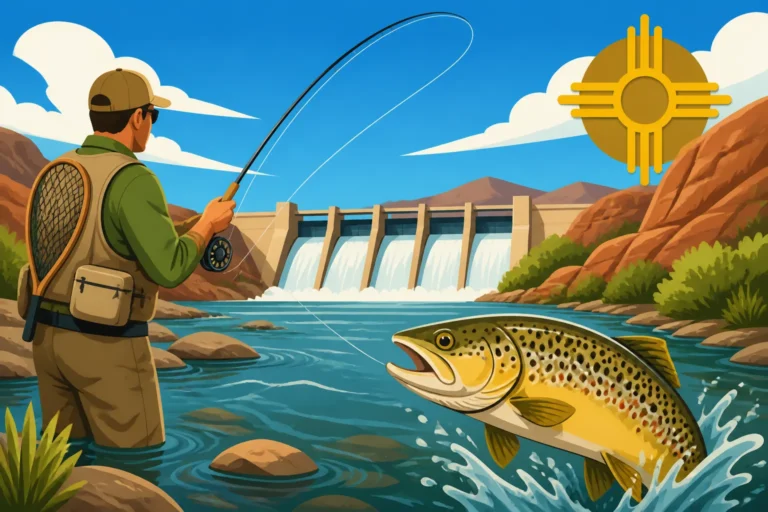
- Below El Vado Dam (East Side): Immediately below the dam, on the east side of the river, there's a dedicated parking area and access road that leads down to the riverbank. This spot, sometimes called "El Vado Dam Tailwater," is a hotspot for large brown trout and is known for its prolific midge hatches. You'll often see fly anglers here. Be prepared for strong currents and deeper water in some areas. The road leading to this access is typically marked and is just off the main road before you fully enter the state park facilities. For those really digging into the specifics of trout fishing, our guide on New Mexico Trout Fishing Rules offers great insights into what you can expect in these prime areas.
Abiquiu Lake Tailwater Section
While the El Vado section gets a lot of attention, the tailwater below Abiquiu Dam offers a more secluded and equally rewarding fishing experience. This section is known for its potential to produce truly large trout.
- Access Near Abiquiu Dam: Public access to the Chama River below Abiquiu Dam is primarily found on the east side of the river. There's a road that leads down from the main highway (US-84/64) to a parking area near the river. This spot is often marked with signage for the "Abiquiu Lake Recreation Area" or "Chama River Access." From the parking area, anglers can usually find trails leading to the river's edge. This area is less developed than El Vado, so bring everything you need. The fishing can be challenging, but the rewards are often worth it. This section is also an excellent place to practice advanced Fly Fishing Techniques for New Mexico Rivers.
Chama River Canyon Wilderness Access
For the adventurous angler who craves solitude and a true wilderness experience, the upper reaches of the Chama, especially within the Chama River Canyon Wilderness, are unbeatable. This is where you'll find the stunning Rio Grande Cutthroat Trout, New Mexico's state fish, in its native habitat.
- Trails and Trailheads: Accessing the Chama River Canyon Wilderness typically involves hiking. Two popular trailheads are the Continental Divide Trail crossings (Forest Road 151 and Forest Road 150) near the town of Chama. From these trailheads, you can hike down into the canyon to reach the river. Be aware that these are challenging, multi-mile hikes with significant elevation changes. This is not a casual day trip and requires proper backpacking gear, wilderness skills, and awareness of New Mexico Habitat Stamp and Validation Requirements as you'll often be on federal lands. The reward, however, is fishing in an incredibly scenic and wild environment, far from the crowds. This is a truly unique opportunity for those prepared for the trek.
Bridges and Roadside Pull-offs
Beyond the major dam access points and wilderness trails, there are often smaller, less formal access points scattered along the Rio Chama, especially as it winds near towns or major roads.
- Chama Town Limits: Near the town of Chama, there are several bridges over the river that may offer limited public access. While these might not be "prime" fishing spots, they can be convenient for a quick cast, particularly if you're staying in or passing through the area. Always look for "Public Access" signs and be extremely mindful of private property.
- Highway 84/64 Pull-offs: As US-84/64 parallels sections of the Chama, you might find small pull-offs or dirt roads leading towards the river. These are hit-or-miss, and it's essential to check for "No Trespassing" signs before venturing down. These spots can offer decent access to less-pressured waters but require careful attention to property boundaries. Always consult a detailed map (like a Forest Service map) to identify public easements.
Here's a quick reference table for some of the key access points:
| Access Point | Primary River Section | Difficulty | Key Features | Recommended Gear/Notes |
|---|---|---|---|---|
| El Vado Lake State Park | Below El Vado Dam (Tailwater) | Easy/Moderate | Family-friendly, camping, stocked trout | Waders, all-around rod/reel, various baits/lures |
| Below El Vado Dam (East) | Below El Vado Dam (Tailwater) | Moderate | Larger trout, popular fly-fishing, strong currents | Chest waders, fly rod, specific midge/nymph patterns |
| Abiquiu Dam Access | Below Abiquiu Dam (Tailwater) | Moderate | Less crowded, potential for trophy trout | Waders, longer casts, good for experienced anglers |
| Chama River Canyon Wilderness | Upper Chama (Freestone) | Difficult | Remote, native cutthroat, solitude | Backpacking gear, wilderness skills, light tackle |
| Chama Town Bridges | Upper Chama (Freestone) | Easy | Convenient, quick casts, check for private land | Spin gear, small lures/bait, respectful of locals |
Planning Your Rio Chama Trout Fishing Trip
A successful trip to the Rio Chama isn't just about knowing where to go; it's also about preparing for the unique conditions of this beautiful, and sometimes challenging, river.
Essential Gear and Preparedness
The gear you bring will largely depend on which section of the Chama you plan to fish.
- Waders and Boots: For both the El Vado and Abiquiu tailwaters, chest waders and sturdy wading boots with good ankle support are absolutely essential. The river bottom can be slick and uneven, and currents can be strong. If you're heading into the wilderness sections, lightweight, breathable waders or even just quick-drying pants and durable hiking boots might be more appropriate. Consider checking out our recommendations for Best Waders for New Mexico Rivers.
- Rods and Reels: For fly fishing in the tailwaters, a 9-foot, 5 or 6-weight fly rod is a versatile choice. Spin anglers will do well with a 6.5-7 foot medium-light to medium action rod paired with a reliable spinning reel. For the remote upper sections, a lighter 3 or 4-weight fly rod is ideal for smaller streams and native trout.
- Tackle: Pack a variety of flies (nymphs, midges, emergers, dry flies) for the tailwaters, as hatches can vary. Common nymph patterns include San Juan Worms, Pheasant Tails, and prince nymphs. Spin fishermen should bring small spinners, spoons, and powerbait. Always remember to check New Mexico Trout Fishing Rules for any specific tackle restrictions, especially in quality waters.
- Safety Gear: Regardless of where you fish, always carry water, snacks, a first-aid kit, sun protection, and a map. For wilderness trips, add a compass or GPS, a headlamp, and emergency shelter. Cell service can be spotty or nonexistent in many areas.
Seasonal Considerations and River Flows
The Rio Chama is influenced significantly by both natural seasonal changes and dam operations, which means conditions can vary wildly throughout the year.
- Spring (March-May): This can be a fantastic time for nymphing and streamer fishing as fish become more active. However, spring runoff from snowmelt can make the river high and muddy, especially in unregulated sections. Dam releases from El Vado and Abiquiu also become a factor as reservoirs fill. Always check current river flow data from the USGS before heading out.
- Summer (June-August): Early summer, after runoff subsides, is prime time for dry fly fishing as insect hatches become more prolific. Later in the summer, water temperatures can rise, pushing trout into deeper, colder pockets, especially in the lower reaches. The tailwaters typically remain cold enough to support trout all summer. Our guide to the New Mexico Fishing Season Calendar provides a more detailed breakdown.
- Fall (September-November): Many consider fall the best time to fish the Chama. Cooler temperatures, active fish (especially brown trout preparing to spawn), and fewer crowds make for excellent conditions. Streamer fishing can be particularly effective during this time.
- Winter (December-February): While cold, winter can offer surprisingly good fishing, especially on the tailwaters where consistent dam releases keep water temperatures relatively stable. Midges are often the primary food source, making for technical but rewarding fly fishing.
Always check the U.S. Geological Survey (USGS) streamflow gauges for the Rio Chama (e.g., "Rio Chama below El Vado Dam" or "Rio Chama below Abiquiu Dam") before you leave. High flows can make wading dangerous or impossible, while very low flows can concentrate fish but also make them spooky.
Respecting Private Property and Regulations
New Mexico has a unique mix of public and private lands, and respecting property boundaries is paramount. Many sections of the Rio Chama flow through private ranch land, and trespassing is a serious offense.
- "High Water Mark" Rule: Unlike some states, New Mexico does not generally recognize the "public right to wade" through private property below the ordinary high water mark. This means if the river flows through private land, you generally cannot wade or float through it without permission, even if you stay in the water. Always confirm public access points.
- Know Before You Go: Research your intended fishing spot thoroughly using maps from the New Mexico Department of Game and Fish (NMDGF), Forest Service, or BLM. Look for public access easements or designated fishing areas.
- NMDGF Regulations: Always carry a current copy of the New Mexico Fishing Regulations Overview (either physical or digital). Pay close attention to special trout water rules, bag limits, and gear restrictions that might apply to specific sections of the Chama, like catch-and-release only zones or restrictions on bait. Violations can lead to hefty fines and loss of fishing privileges.
Utilizing Resources for Up-to-Date Access Information
Staying informed is one of the best ways to maximize your fishing success and ensure you're always fishing legally and safely. There's a wealth of information out there if you know where to look.
Online Tools and Local Knowledge
The digital age has made planning a fishing trip much easier, but nothing quite beats local expertise.
- New Mexico Department of Game and Fish (NMDGF): Their website is an invaluable resource. They often publish maps, stocking schedules, and detailed regulations. Their "Weekly Fishing Report" can give you current conditions and tips for various waters, including the Chama. This is the official source for all regulatory information, so it should be your first stop.
- Online Forums and Social Media Groups: Many New Mexico fishing forums or Facebook groups dedicated to angling in the state are vibrant communities where anglers share real-time conditions, tips, and even photos from their trips. These can be great for getting a feel for current conditions, but always cross-reference information with official sources.
- Local Fly Shops: Don't underestimate the power of local knowledge. Fly shops in nearby towns like Chama, Abiquiu, or even Santa Fe and Taos are goldmines of information. The staff usually fishes these waters regularly and can offer up-to-the-minute advice on conditions, hatches, and the most productive access points. They can also tell you about any temporary closures or access issues you might not find online.
Hiring a Local Guide
For those who want to ensure they hit the best spots, learn the nuances of the river, and save time trying to find access points, hiring a local fishing guide is an excellent investment.
- Benefits of a Guide: A good guide not only knows the river like the back of their hand but also understands the current flows, insect activity, and where the fish are holding. They can often access private waters through special permits, providing opportunities you wouldn't find on your own. They’ll also teach you the specific techniques needed for success on the Chama and ensure you adhere to all local regulations.
- Finding a Guide: Platforms like FishingBooker connect you with reputable, licensed fishing guides in the New Mexico area. You can browse profiles, read reviews from other anglers, and book trips directly, ensuring you find a guide who specializes in trout fishing on the Rio Chama. Local fly shops are also an excellent source for guide recommendations. A guided trip can be especially beneficial if you're targeting specific fish, like the Rio Grande Cutthroat Trout in New Mexico, or if you want to learn advanced techniques for these waters. It takes all the guesswork out of finding access and puts you right on the fish.
Disclaimer
The information provided in this guide is for general informational purposes only and is subject to change. River conditions, access policies, and fishing regulations can vary, so always consult the latest official New Mexico Department of Game and Fish regulations and local land management agency information before planning your trip. Anglers are responsible for understanding and adhering to all applicable rules and respecting private property. Fishing and outdoor activities inherently carry risks; please exercise caution and good judgment.