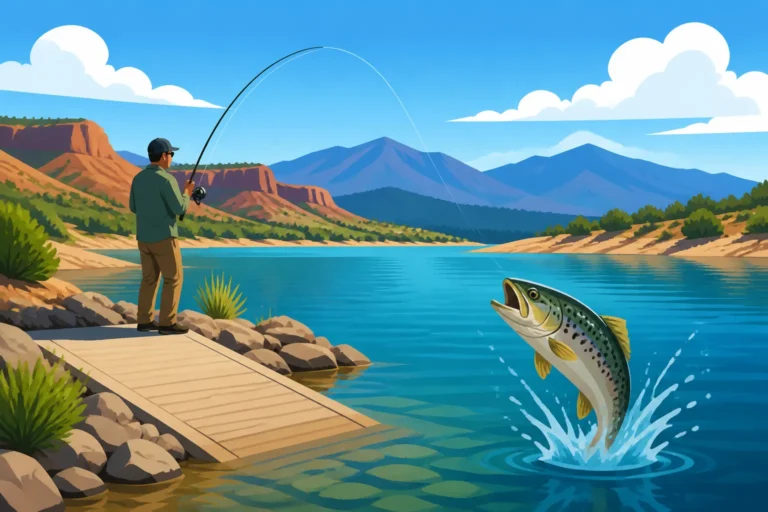
Free Fishing Ponds in New Mexico
Trying to get into fishing in New Mexico can feel overwhelming, especially with all the talk about licenses, permits, and knowing where you can even cast a line without trespassing. You might be dreaming of a peaceful afternoon by the water, reeling in a catch, but the thought of navigating costs and complex regulations can quickly dampen that excitement. This comprehensive guide is here to shed light on a fantastic, often overlooked option: free fishing ponds in New Mexico, helping you understand where and how you can enjoy the outdoors without breaking the bank or getting tangled in unnecessary red tape.
Understanding What "Free Fishing Ponds" Really Means in New Mexico
When we talk about "free fishing ponds" in New Mexico, it’s important to clarify exactly what that term entails. It doesn't typically mean a place where you can fish without any legal requirements, but rather a body of water where you don't need to pay an additional access fee beyond your standard New Mexico fishing license. This distinction is crucial for avoiding misunderstandings and ensuring you're always fishing legally.
The Nuance of Licensing Requirements
The biggest point of confusion for many anglers, especially newcomers or those visiting from out of state, is the fishing license itself. While the pond access might be free, the state of New Mexico generally requires anyone 12 years of age or older to possess a valid fishing license. This license is your ticket to legally fish almost all public waters in the state, including these "free" ponds. The fees collected from these licenses are vital for funding conservation efforts, fish stocking programs, and habitat restoration across New Mexico.
For those planning a trip, it's worth checking out the New Mexico Fishing License Guide to understand the different options available, whether you're a resident or a nonresident. There are also specific rules about who needs a license, so if you're bringing children along, you might wonder, Do Kids Need a Fishing License in New Mexico?. Generally, kids under 12 are exempt, making these free-access ponds perfect for family outings where younger ones can fish without the added cost of a license. However, if you are unsure, it's always best to check the latest regulations directly from the New Mexico Department of Game and Fish website to avoid any surprises.
Beyond the Basic License: Other Potential Fees
Even with a valid fishing license, there can be other state-mandated validations or stamps required depending on where and what you fish. For example, the New Mexico Habitat Management and Access Validation Stamp is often required for anyone 18 or older participating in hunting or fishing activities on specific public lands, even if the pond itself doesn't have a separate access fee. This stamp helps fund access programs and habitat improvements across the state. Similarly, some specific waters might require a special trout stamp if you're targeting trout, though this is less common in the typical "free" community ponds that are often stocked.
It's also important to differentiate "free fishing ponds" from state parks or other recreational areas that charge an entry fee to the park itself. While you won't pay extra to fish the pond once inside the park, you will still need to pay the park's entrance fee. So, while the fishing might be "free" in that context, access to the location might not be. This is a common setup for many well-maintained public fishing areas. Always check if a location is within a state park or a similar managed area before heading out to avoid unexpected costs.
Identifying Accessible Free Fishing Ponds in New Mexico
Finding genuinely free-access fishing ponds can sometimes feel like searching for a needle in a haystack, especially if you’re new to the area. However, New Mexico has several fantastic options, primarily focusing on urban and community-managed waters that aim to provide recreational opportunities to local residents and visitors alike. These ponds are often stocked regularly by the New Mexico Department of Game and Fish (NMDGF), making them excellent spots for beginners and families.
Urban and Community Ponds
The most common examples of free fishing ponds are found within city limits or managed by local communities. These are designed for easy access, often featuring paved parking, restrooms, and sometimes even fishing piers. They are deliberately placed in population centers to give everyone a chance to enjoy angling without having to travel far or navigate complex wilderness areas.
Albuquerque's Urban Fisheries: Albuquerque, for instance, has several popular urban ponds that fall into this category. Locations like Tingley Beach (the Central, North, and South Ponds) are prime examples. While they are part of a larger recreational area, the fishing access to the ponds themselves does not require an additional fee beyond your state fishing license (for those 12 and older). These ponds are heavily stocked with trout in the cooler months and catfish and bass in the warmer months, making them a consistent draw for anglers. If you're looking for more details on these specific spots, you'll find plenty of information about Urban Ponds Stocked With Trout in Albuquerque. Other cities and towns across the state, from Santa Fe to Las Cruces, often have similar community ponds.
Lakes and Ponds within City or County Parks: Many smaller towns and counties maintain local parks that include small lakes or ponds. These often operate under the same principle: free access for fishing (with a license), but with park rules and hours to adhere to. These can be hidden gems, often less crowded than the larger urban fisheries. A quick search on a city's recreation department website or a local visitor's guide can often reveal these spots. They might not be as heavily publicized as major state parks or reservoirs, but they offer a tranquil fishing experience.
State-Managed Public Fishing Areas with Free Access
Beyond urban ponds, some state-managed areas offer public fishing without a specific day-use or access fee for fishing itself, outside of the required New Mexico fishing license and any necessary stamps. These might be part of a larger wildlife management area or simply designated stretches of river or small impoundments.
Access Points Along Rivers: While not strictly "ponds," certain river access points, particularly on less-traveled sections of the Rio Grande or other smaller rivers, can offer a "free" fishing experience. As long as you are on public land or have obtained permission for private land access, and you have your valid fishing license, these spots are effectively free. You won't find specific "river access fees" in most places. However, these spots can be harder to locate and might require more knowledge of public land boundaries. For a broader overview of fishing opportunities, you might want to consult the Best Places to Fish in New Mexico guide.
Seasonal Free Fishing Days: New Mexico also participates in national initiatives offering "Free Fishing Days" a couple of times a year. On these specific days, typically in June and September, anyone can fish New Mexico waters without a state fishing license. This is truly "free" fishing and an excellent opportunity for anyone to try fishing without the initial investment of a license. It's especially perfect for introducing kids or friends to the sport. Keep an eye out for announcements about New Mexico Free Fishing Days to take advantage of these unique opportunities.
Here's a quick overview of typical "free" fishing pond characteristics in New Mexico:
| Feature | Urban/Community Ponds (e.g., Tingley Beach) | Smaller City/County Park Ponds | Designated River Access Points |
|---|---|---|---|
| Primary Access Cost | Free (with license) | Free (with license) | Free (with license) |
| License Required | Yes (12+) | Yes (12+) | Yes (12+) |
| Habitat Stamp Needed | Typically Yes (18+) | Typically Yes (18+) | Typically Yes (18+) |
| Ease of Access | Very easy (paved, restrooms) | Easy (parking, maybe basic facilities) | Varies (can be primitive) |
| Fish Stocking | Frequent (trout, catfish, bass, panfish) | Occasional to Regular (trout, catfish) | Natural populations, occasional stocking |
| Crowd Levels | High, especially weekends | Moderate to Low | Low to Moderate |
| Best for Beginners/Kids | Excellent | Excellent | Good (with some guidance) |
| Typical Species | Rainbow Trout, Catfish, Bass, Bluegill | Rainbow Trout, Catfish, Bass | Rainbow Trout, Brown Trout, Catfish, Bass |
Tips for Successfully Fishing Free Ponds
Fishing "free" ponds in New Mexico is often about accessibility and simplicity. These waters are designed for a broad audience, which means the fish can sometimes be a bit more accustomed to angling pressure. However, with the right approach and a bit of patience, you can have a very rewarding experience.
Gear and Techniques for Easy Success
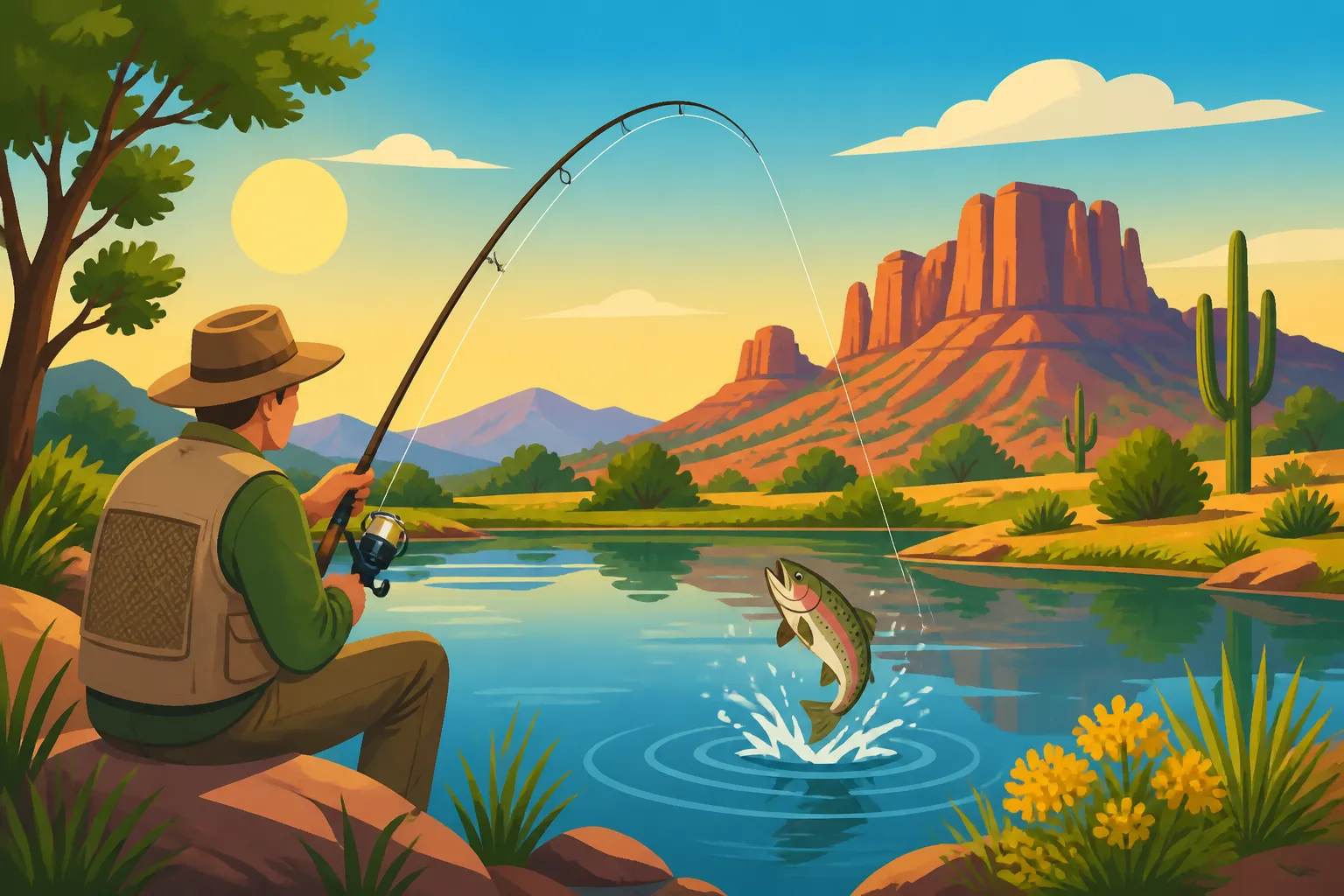
You don't need fancy, expensive equipment to enjoy fishing these ponds. In fact, simpler is often better, especially when you're just starting out or bringing kids along. A basic spinning rod and reel combo, spooled with 6-8 pound test monofilament line, is perfect. You'll want a tackle box with a variety of hooks (sizes 6-10), sinkers (split shot and small egg sinkers), bobbers, and a few simple baits or lures.
For bait, common choices like worms, PowerBait (especially for trout), corn, or small pieces of hot dog work wonders for many species found in these ponds. Trout, which are frequently stocked, are often eager to bite on PowerBait or small spinners. Catfish will readily take worms, cut bait, or stink baits. Panfish like bluegill are usually happy with tiny pieces of worm under a bobber. You might even surprise yourself and catch a bass on a small spinner or soft plastic lure. Remember, the goal here is to keep it fun and accessible, so don't overthink your setup. A quick read through a Beginner Fishing Gear Checklist for New Mexico can help you get started without buying unnecessary items.
Timing and Presentation
Just like any fishing spot, timing can make a difference. Early mornings and late evenings are often the most productive times, especially during warmer months, as fish tend to be more active when the water temperatures are cooler and there's less direct sunlight. Overcast days can also provide excellent fishing conditions throughout the day. In cooler months, mid-day when the sun has had a chance to warm the water slightly can be prime.
When it comes to presentation, subtlety can pay off. While stocked fish might be less wary, they still react to natural movements. If using a bobber, observe how the current or wind affects its drift. Try different depths if you’re not getting bites. If using lures, vary your retrieve speed and add pauses. The key is to experiment and not be afraid to change your bait, lure, or fishing depth if what you're doing isn't working. Sometimes, a slight adjustment is all it takes to trigger a strike.
Respecting the Water and Fellow Anglers
One of the most important aspects of fishing these accessible ponds is practicing good stewardship and courtesy. These are shared spaces, and maintaining a clean and respectful environment benefits everyone. Always pack out everything you pack in, including fishing line, bait containers, and any trash. Leave no trace of your visit.
Be mindful of other anglers. Give them space, especially if they’re fly fishing or trying a specific technique. If you’re fishing with kids, teach them the importance of quiet and patience. These ponds are often a first introduction to fishing for many people, and fostering a positive experience through responsible behavior is crucial. For more general guidelines, reviewing the New Mexico Fishing Regulations Overview will always keep you on the right side of the law and ensure you understand catch limits and ethical practices.
Benefits and Considerations of Fishing Free Ponds
Choosing to fish free ponds in New Mexico offers a unique set of advantages, particularly for those looking for an easy, low-cost way to enjoy the outdoors. However, it also comes with its own set of considerations that seasoned anglers and newcomers alike should be aware of.
The Upsides: Accessibility, Affordability, and Family Fun
The most glaring benefit of free fishing ponds is, of course, the affordability. Beyond the cost of a state fishing license (for eligible individuals) and perhaps some basic tackle, there are no additional fees. This makes fishing accessible to everyone, regardless of their budget. It breaks down a significant barrier to entry that might deter many from experiencing the joys of angling.
Easy Accessibility is another huge plus. These ponds are often located within or very close to urban and suburban areas, meaning less travel time and easier logistics for a spontaneous outing. Many are designed with amenities like paved parking, restrooms, and accessible fishing piers, which make them ideal for families with young children, seniors, or individuals with mobility challenges. They truly embody the spirit of community recreation.
For families and beginners, these ponds are simply fantastic. The frequent stocking by NMDGF ensures a relatively high chance of success, which is incredibly encouraging for new anglers. There’s nothing quite like seeing a child’s face light up after catching their first fish. Ponds like these serve as the Best Spot to Teach a Kid to Fish in New Mexico because they minimize frustration and maximize the fun. The focus here isn't on trophy fish or complex techniques, but on the simple pleasure of fishing and connecting with nature.
Important Considerations to Keep in Mind
While the benefits are significant, it's also realistic to acknowledge a few considerations that come with fishing highly accessible, free ponds.
Firstly, crowding can be an issue, especially on weekends, holidays, or immediately after a stocking event. Because these spots are so popular and easy to get to, you'll often be sharing the bank with many other anglers. This might mean less solitude than you'd find at a remote mountain lake, and sometimes you might need to be patient to find a good spot.
Secondly, the fishing pressure on these ponds can be intense. The fish, especially stocked trout, can become "educated" quickly, meaning they might be warier of baits and lures after being caught and released (or kept) multiple times. This doesn't mean you won't catch fish, but it might require a bit more finesse or a change in tactics than you’d initially expect from a stocked pond.
Finally, while the waters are generally well-maintained, these urban environments mean you might not always experience the pristine wilderness vibe of some of New Mexico's more remote fishing destinations. It's a trade-off for convenience and accessibility. However, the NMDGF and local communities work hard to keep these areas clean and enjoyable.
Ultimately, free fishing ponds in New Mexico are a wonderful resource. They provide a low-barrier entry point into the world of fishing, foster family outdoor activities, and contribute to the overall well-being of communities. If these introductory experiences spark a deeper passion, and you're curious about targeting specific species with professional guidance on larger lakes like Elephant Butte or the renowned San Juan River, resources like FishingBooker can connect you with experienced local guides for more advanced trips. Whether you stick to the local ponds or eventually venture out to explore more of New Mexico's diverse fisheries, these free access spots are a fantastic starting point for any angler. You might even consider exploring options like a New Mexico One-Day and Five-Day Fishing Licenses if you're visiting and want to try out a few different locations before committing to an annual pass or a longer guided excursion.
Disclaimer
The information provided in this guide is for general informational purposes only and is subject to change. While we strive to offer the most current and accurate details, fishing regulations, license requirements, and access rules can be updated by the New Mexico Department of Game and Fish and local authorities. It is always the angler's responsibility to verify the latest regulations, obtain the necessary licenses and stamps, and ensure compliance with all applicable laws before engaging in any fishing activity. Always check the official NMDGF website or contact them directly for the most up-to-date information.