Bill Evans Lake Fly Fishing Only Water
Stepping up to a new fishing spot can sometimes feel like trying to solve a puzzle, especially when you encounter specific regulations that aren't immediately clear. Bill Evans Lake, nestled in the scenic beauty of New Mexico, is one such gem that comes with a distinct "fly fishing only" designation, which can leave many anglers scratching their heads about what exactly that entails and how to best prepare. This comprehensive guide is here to unravel those specific rules, explain the reasoning behind them, and equip you with all the knowledge you need for a successful and compliant fly fishing adventure at this unique lake.
Unpacking the "Fly Fishing Only" Rule at Bill Evans Lake
When a body of water is designated "fly fishing only," it's not just a suggestion; it's a strict regulation designed to protect and enhance the fishery. For Bill Evans Lake, this means you need to leave your spinning rods, bait, and conventional lures at home. This isn't just about what you can't use, but rather defining what you can use, and the nuances are important for every angler to understand.
Defining Legal Tackle and Methods
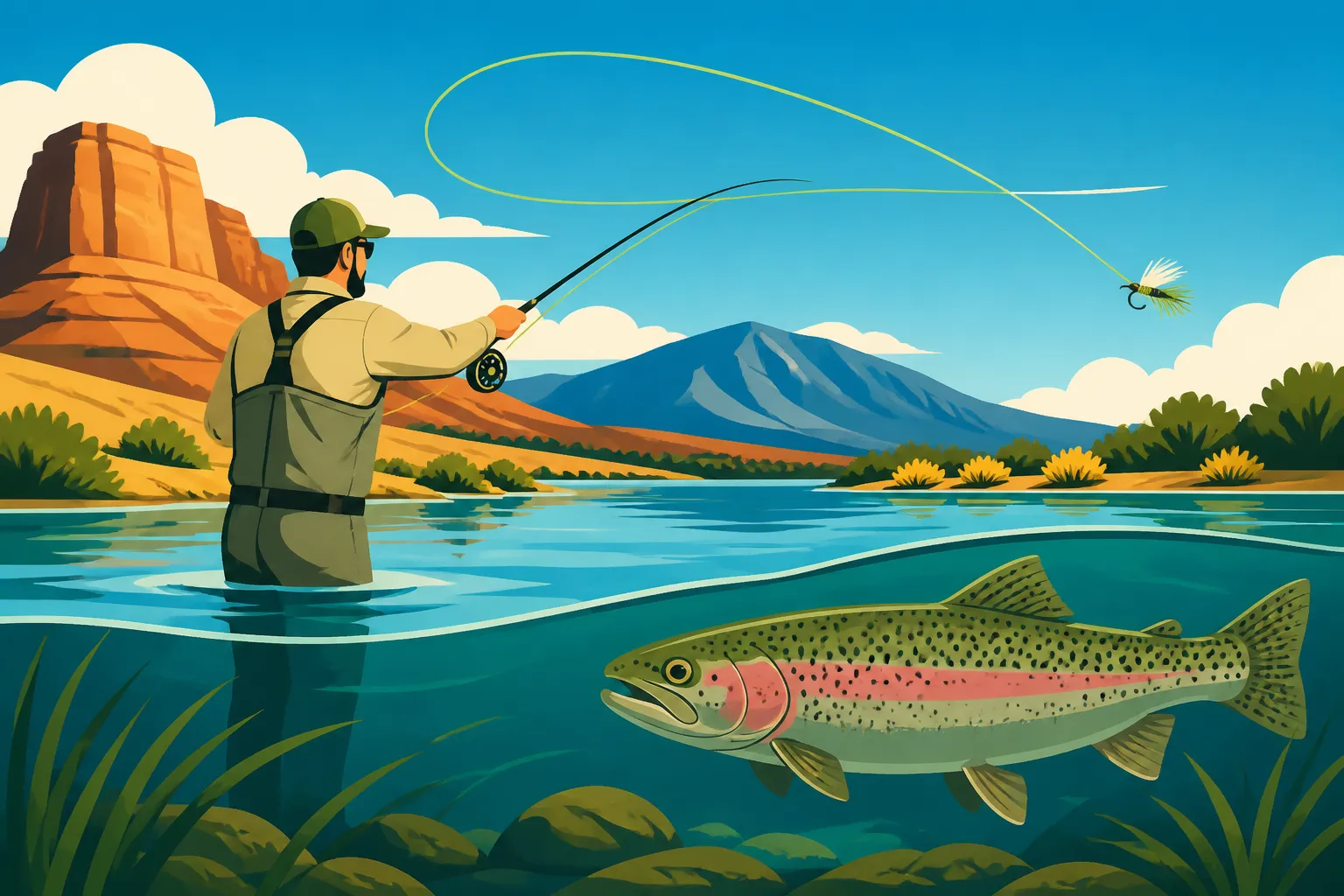
At Bill Evans Lake, "fly fishing only" translates directly to the use of a fly rod, fly reel, fly line, and an artificial fly. This distinction is crucial. An artificial fly is generally understood to be a lure constructed of natural or synthetic materials tied onto a single, barbless hook, designed to imitate aquatic or terrestrial insects, or small baitfish. You won't be able to use any form of bait, whether live or artificial, such as worms, powerbait, corn, or even scent-impregnated soft plastics. Similarly, traditional spinning lures like spinners, spoons, or crankbaits are completely off-limits.
The use of a fly rod is also non-negotiable. This means casting techniques must involve the weight of the fly line to propel the fly, not the weight of the lure itself. This specific method of presentation is a core part of the regulation. Some anglers, new to the concept, might wonder if they can simply attach a fly to a spinning rod with a weight. The answer is a resounding no. The entire setup, from rod to terminal tackle, must adhere to fly fishing standards. It’s all about respecting the spirit of the regulation, which promotes a more specialized and often gentler approach to angling.
The Barbless Hook Requirement
Beyond the "fly fishing only" aspect, Bill Evans Lake also typically mandates the use of barbless hooks. This is a common requirement in many special trout waters throughout New Mexico, and it’s a critical component of conservation efforts. A barbless hook causes significantly less damage to a fish's mouth, increasing its chances of survival after being caught and released. You can either purchase flies that are already tied on barbless hooks, or you can easily crimp down the barb on a standard hook using a pair of pliers.
It's vital to ensure every fly in your box meets this standard before you even cast a line. Enforcement can be strict, and being caught with a barbed hook, even by accident, can lead to fines. This rule is particularly important at a fishery like Bill Evans Lake, where catch and release is often encouraged, if not explicitly required for certain species or sizes, to maintain a healthy and robust fish population. Always consult the latest New Mexico Fishing Regulations Overview for current, exact details.
Why Bill Evans Lake Has Special Regulations
The decision to designate Bill Evans Lake as "fly fishing only" with barbless hook requirements isn't arbitrary. It's a strategic choice by the New Mexico Department of Game and Fish (NMDGF) rooted in ecological preservation, managing fish populations, and providing a specific type of angling experience. Understanding the "why" can deepen your appreciation for this unique fishery.
Conservation and Fish Health
One of the primary reasons for these stringent rules is the conservation of the trout population. Bill Evans Lake is regularly stocked with rainbow trout, and sometimes other trout species, to provide consistent angling opportunities. By limiting tackle to artificial flies on barbless hooks, the lake aims to reduce stress and injury to the fish, especially those that are caught multiple times. Fly fishing, particularly with barbless hooks, typically results in quick, clean hook sets that minimize internal damage. When fish are released unharmed, they have a much higher chance of surviving and contributing to the lake's ecosystem, ensuring sustainable fishing for years to come.
This approach aligns with similar conservation efforts seen in other prized New Mexico fisheries, such as sections of the San Juan River. It's about maintaining a delicate balance where anglers can enjoy the sport while actively contributing to the health of the fish populations. When you adhere to these rules, you're not just following the law; you're participating in a larger conservation effort that benefits everyone.
Promoting a Specific Angling Experience
Beyond conservation, the "fly fishing only" rule also aims to cultivate a particular kind of fishing experience. Fly fishing is often seen as a more challenging and nuanced discipline, requiring a greater understanding of entomology, presentation, and fish behavior. By creating a fly fishing only lake, the NMDGF provides a dedicated space for those who enjoy this unique form of angling, free from the sometimes more aggressive tactics associated with bait or spin fishing.
This specialized environment can foster a sense of community among fly anglers and encourages a more deliberate, patient, and skill-based approach to fishing. It allows for a quieter, more reflective experience on the water, appealing to those seeking a deeper connection with nature and the challenge of fooling fish with meticulously tied imitations. If you’re looking to truly hone your fly casting skills or simply enjoy the tranquility that comes with this method, Bill Evans Lake offers an exceptional opportunity. You might even consider how New Mexico Fishing License Costs Explained can help support these unique conservation-focused fisheries.
Essential Gear and Techniques for Bill Evans Lake
Venturing to a fly fishing only lake requires a different approach to your tackle box and your technique. Don't worry, it's not as intimidating as it might seem! With the right gear and a few foundational techniques, you'll be well on your way to enjoying the unique challenges and rewards that Bill Evans Lake offers.
Recommended Fly Rod and Reel Setup
For Bill Evans Lake, a medium-action fly rod in the 4-weight to 6-weight range is typically ideal. A 5-weight rod is often considered the all-around workhorse for trout fishing and would serve you well here, providing enough backbone to cast various fly sizes while still offering sensitivity for smaller fish. Pair this with a matching reel that balances the rod, spooled with a weight-forward floating fly line. A floating line is versatile, allowing for dry fly presentations, nymphing with indicators, and even some streamer fishing in shallower water. If you're really delving into the specifics, our guide on Best Fly Rods for the San Juan River offers transferable principles for selecting quality gear.
The leader and tippet setup will depend on the clarity of the water and the flies you're using. Generally, a 7.5 to 9-foot tapered leader with a tippet in the 4x to 6x range should cover most situations. Remember, transparency is key, especially in clear lake waters where trout can be finicky. Having extra spools of tippet in various sizes is always a good idea, allowing you to adapt to changing conditions and wary fish.
Effective Fly Patterns for Bill Evans Lake
The trout at Bill Evans Lake will feed on a variety of insects and aquatic life, so having a diverse selection of flies is crucial. Here's a breakdown of some go-to patterns:
- Nymphs: These are often the most productive. Patterns like Prince Nymphs, Hare's Ear Nymphs, Pheasant Tail Nymphs, and Copper Johns in sizes #14-18 are excellent choices, mimicking the aquatic insect larvae trout feed on beneath the surface. Don't forget scud patterns and a few San Juan Worms (tied on barbless hooks, of course), especially after rains when worm-like organisms might be washed into the lake.
- Streamers: For targeting larger, more aggressive trout, streamers can be very effective, especially when stripped along drop-offs or weed lines. Woolly Buggers in olive, black, or brown, and Clouser Minnows in white or chartreuse, in sizes #8-12, are reliable options. These flies imitate baitfish and other larger prey.
- Dry Flies: While nymphing often dominates, don't overlook dry flies, particularly during hatches or in the evenings when insects are active on the surface. Elk Hair Caddis, Parachute Adams, and various Mayfly patterns in sizes #14-18 can entice surface strikes. Keep an eye on the water for rising fish to identify what they might be feeding on.
- Terrestrials: In late summer and fall, patterns imitating grasshoppers, ants, and beetles can be deadly, especially near grassy banks. A few Hopper patterns or Ant patterns in your box can make a big difference.
It’s always a good idea to check with local fly shops or resources like FishingBooker for recent fishing reports or guided trips to get the most up-to-date information on what flies are currently working best.
| Fly Category | Recommended Patterns | Sizes | When to Use |
|---|---|---|---|
| Nymphs | Prince, Hare's Ear, Pheasant Tail, Copper John, San Juan Worm | #14-18 | Year-round, especially when fish are feeding sub-surface |
| Streamers | Woolly Bugger (Olive, Black, Brown), Clouser Minnow (White, Chartreuse) | #8-12 | When targeting larger fish, near drop-offs or structure |
| Dry Flies | Elk Hair Caddis, Parachute Adams, Mayfly patterns | #14-18 | During hatches, evenings, or when fish are rising to surface insects |
| Terrestrials | Hopper, Ant, Beetle patterns | #10-16 | Late summer/fall, near grassy banks or windy conditions |
Essential Fly Fishing Techniques for Lakes
Fly fishing a lake is different from a river. There’s no current to carry your fly, so you need to create the movement.
- Indicator Nymphing: This is a highly effective technique for Bill Evans Lake. Rig one or two nymphs below a strike indicator, using split shot if needed to get your flies down to the desired depth. Cast out, let your rig sink, and watch the indicator for any subtle movement that signals a bite. Experiment with different depths until you find where the fish are holding. This method is particularly effective for targeting stocked trout that often cruise deeper waters.
- Stripping Streamers: For streamers, cast out and retrieve with varying speeds and pauses. A slow, consistent strip can imitate a cruising baitfish, while erratic, quick strips might trigger a predatory strike. Try to cover different depths and areas, especially around submerged structures or ledges.
- Dry Fly Presentation: When fish are rising, careful presentation of a dry fly is key. Cast upstream or across to the rising fish, aiming for a soft landing that doesn't spook them. Allow the fly to drift naturally on the surface. A delicate leader and tippet will help achieve a drag-free drift. If you're just starting out, learning how to Fly and Lure Limit on the San Juan River applies to understanding what counts as a legal fly.
- Retrieve Methods: Since there's no current, you're responsible for imparting action to your flies. For nymphs, a very slow, almost imperceptible retrieve can mimic drifting insects. For streamers, vary your strip to imitate fleeing baitfish. Practice different retrieve speeds and cadences to see what the fish respond to on a given day.
Beyond the Fly Fishing Rules: What Else to Know
Bill Evans Lake is more than just a place to practice your fly casting; it's a destination. Knowing a few extra details about the lake and its surroundings can make your trip even more enjoyable and successful.
Access and Amenities at Bill Evans Lake
Bill Evans Lake is located near Silver City, New Mexico, within the Gila National Forest. Access is generally good, with a paved road leading to the lake and a concrete boat ramp suitable for launching small boats, canoes, kayaks, and float tubes. While it is "fly fishing only," it doesn't mean you can't use a boat. Electric motors are often allowed, but always verify current regulations. Many anglers choose to fish from the bank, wading in certain areas, or using a float tube for greater mobility.
The lake itself is relatively small, making it manageable for a full day of fishing without needing extensive travel time once you're there. There are picnic areas and restrooms available, making it a comfortable spot for a day trip or even a family outing. For specific access points, maps, and current conditions, the New Mexico Department of Game and Fish website is your best resource. If you're looking for other accessible spots, our article on ADA Accessible Fishing Piers in New Mexico might be helpful.
Best Times to Visit and What to Expect
Bill Evans Lake is a year-round fishery, but like any body of water, some seasons are more productive than others.
- Spring (March-May): As water temperatures rise, trout become very active. This is an excellent time for nymphing and streamer fishing. Hatches can also occur, offering dry fly opportunities. The weather is generally pleasant, making it a popular time to visit.
- Summer (June-August): While it can get warm, mornings and evenings can still be very productive. Fish might move to deeper, cooler waters during the heat of the day, so adjusting your depth with nymphs or using streamers near drop-offs is key. Terrestrial patterns can also be effective near the banks.
- Fall (September-November): Many consider fall to be one of the best times to fish Bill Evans Lake. Water temperatures are ideal, and fish are often actively feeding. Nymphing remains strong, and streamer fishing can produce some of the largest trout. Fall colors in the surrounding Gila National Forest add to the beauty of the experience.
- Winter (December-February): Ice fishing can be an option if the lake freezes over sufficiently, but always check ice conditions for safety. Otherwise, open water fishing can still be good on milder days, with fish often holding in deeper sections. Our guide on Winter Fishing in New Mexico has more tips for cold weather angling.
Regardless of the season, always check local weather conditions and water reports before heading out. Sometimes, services like FishingBooker will have guides listed who can provide highly localized, real-time advice on conditions and tactics. Remember that a valid New Mexico Fishing License Guide is always required, regardless of the season or location.
Respecting the Environment and Other Anglers
Fishing at a special regulation lake like Bill Evans Lake comes with an implicit understanding of respecting the resource and fellow anglers. It’s about more than just following the letter of the law; it’s about upholding the spirit of conservation and sportsmanship.
Practicing Catch and Release Ethically
While you are often allowed to keep a limited number of trout at Bill Evans Lake, many fly anglers choose to practice catch and release exclusively, especially with larger, healthier fish. If you do release fish, handle them with care:
- Minimize Air Exposure: Keep the fish in the water as much as possible.
- Wet Hands: Always wet your hands before touching a fish to protect its slime coat.
- Remove Hook Gently: Use a pair of forceps or pliers to remove the barbless hook quickly and carefully.
- Revive If Needed: If a fish seems sluggish, hold it gently in the water, facing upstream into a slight current (if any), until it swims away under its own power.
Our detailed article on Catch and Release Best Practices in New Mexico dives deeper into proper techniques for ensuring fish survival. This mindful approach helps ensure that Bill Evans Lake remains a pristine and productive fly fishing destination for future generations.
Angler Etiquette and Public Land Awareness
When you’re out on the water, whether wading or in a boat, be mindful of other anglers. Give them plenty of space, especially if they are actively casting or working a specific area. Respect private property signs around the lake, if any exist, and always pack out everything you pack in, leaving no trace behind. The Gila National Forest is a beautiful area, and it's up to all of us to keep it that way.
Being aware of the regulations for New Mexico Habitat Management and Access Validation Stamp is also important, as this is often required for fishing on federal lands like those surrounding Bill Evans Lake. Your adherence to these rules and courtesies ensures that everyone can enjoy the peace and beauty of this unique New Mexico fishery.
Disclaimer
The information provided in this guide is for general informational purposes only and is subject to change. Fishing regulations in New Mexico can be complex and are updated annually. Always consult the official New Mexico Department of Game and Fish website or their current fishing proclamation for the most up-to-date and accurate regulations, bag limits, and licensing requirements before planning your fishing trip to Bill Evans Lake or any other body of water.