Best Fishing Spots in the Santa Fe National Forest
Finding that perfect, serene fishing spot in a vast landscape like the Santa Fe National Forest can feel like searching for a needle in a colossal, beautiful haystack. It’s easy to get overwhelmed by the sheer size of the wilderness, unsure where to cast a line for the best chance at success, or how to even begin planning a trip that maximizes your time on the water. This guide is here to cut through that confusion, giving you the insider scoop on the best fishing spots within the Santa Fe National Forest, complete with practical advice for an unforgettable angling adventure.
Unveiling the Santa Fe National Forest's Angling Charms
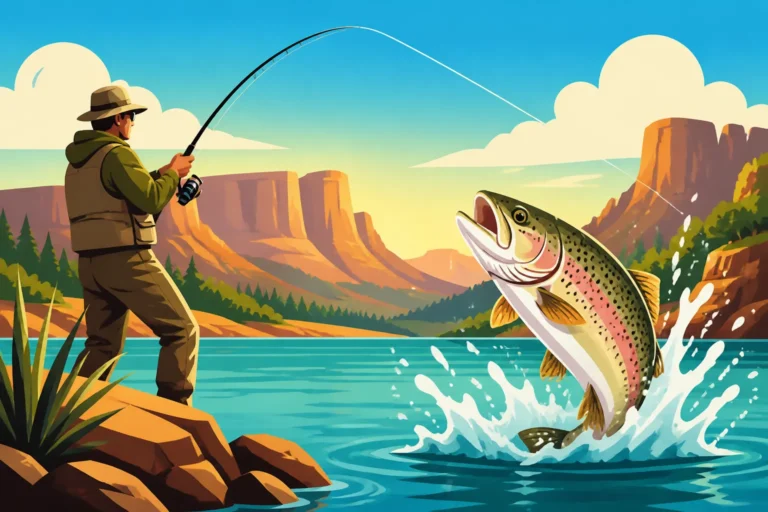
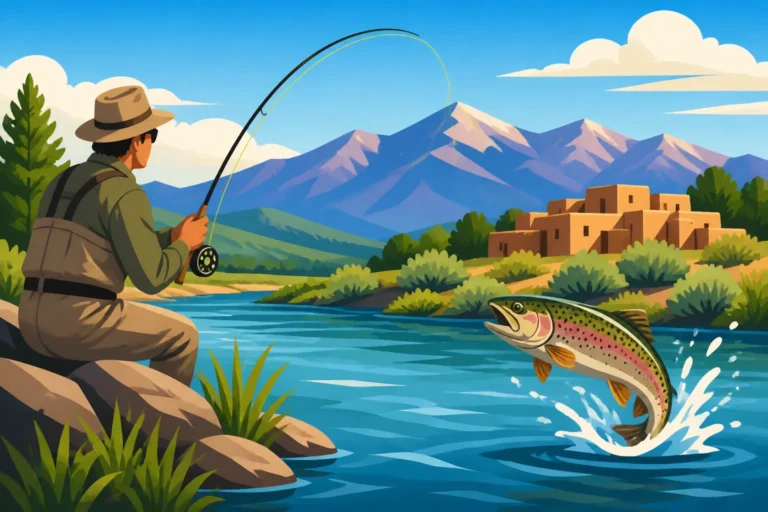
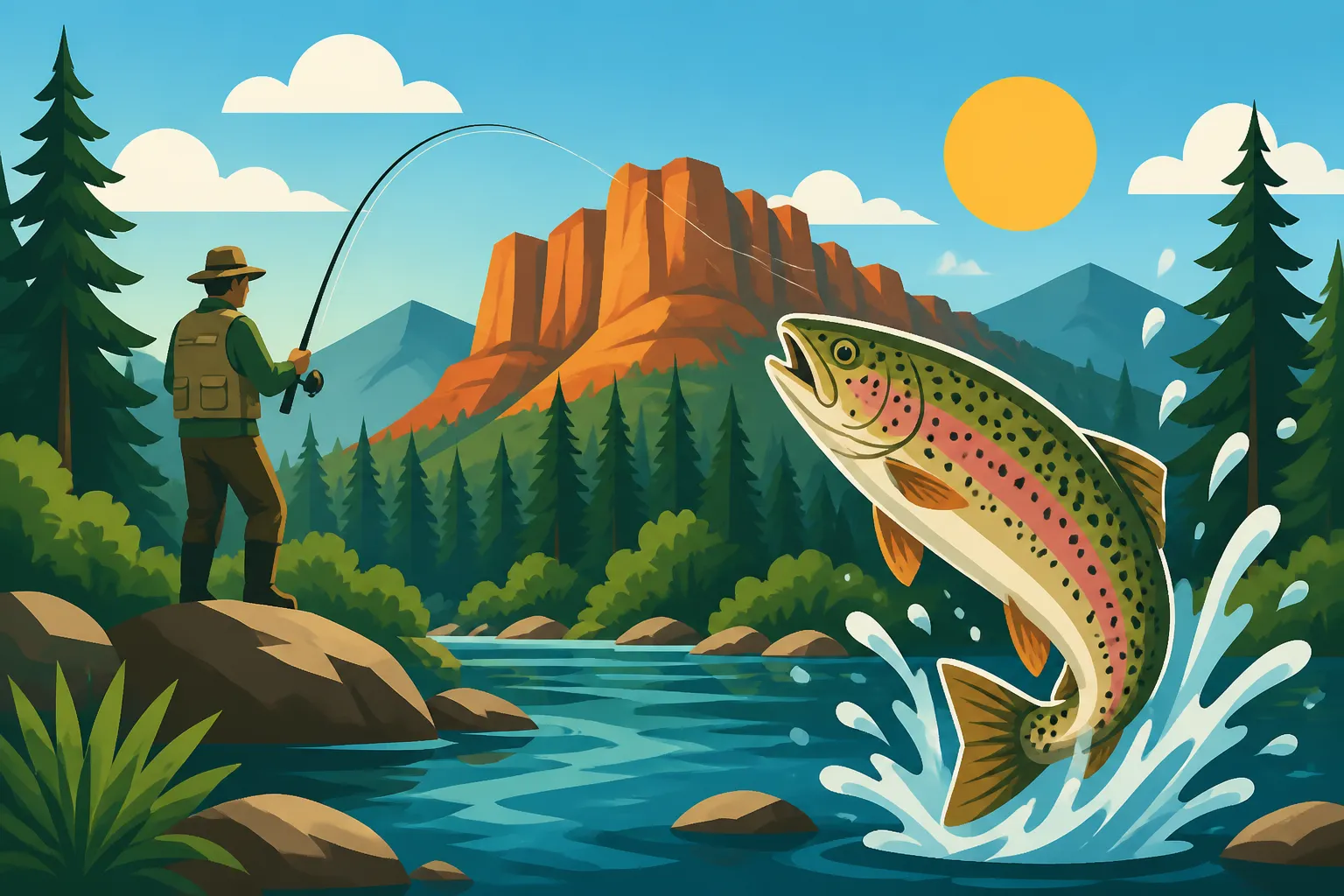
The Santa Fe National Forest is a true gem in New Mexico, offering anglers a breathtaking backdrop of towering pines, alpine meadows, and pristine waterways. It’s not just a place to fish; it’s an experience in solitude and natural beauty, far removed from the hustle and bustle of city life. The fishing here is predominantly for trout, given the high-elevation, cold-water characteristics of most streams and lakes. However, the exact species and fishing experience can vary dramatically depending on whether you’re casting into a remote wilderness stream or a more accessible, stocked lake.
A Diverse Fishery Ecosystem
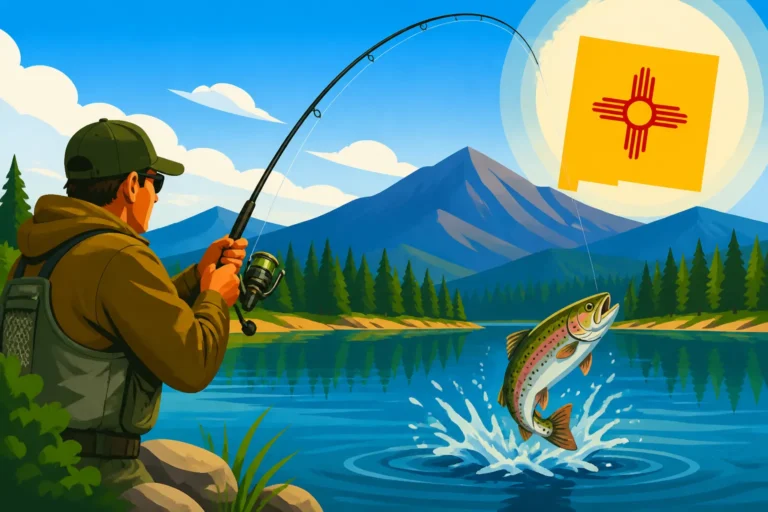
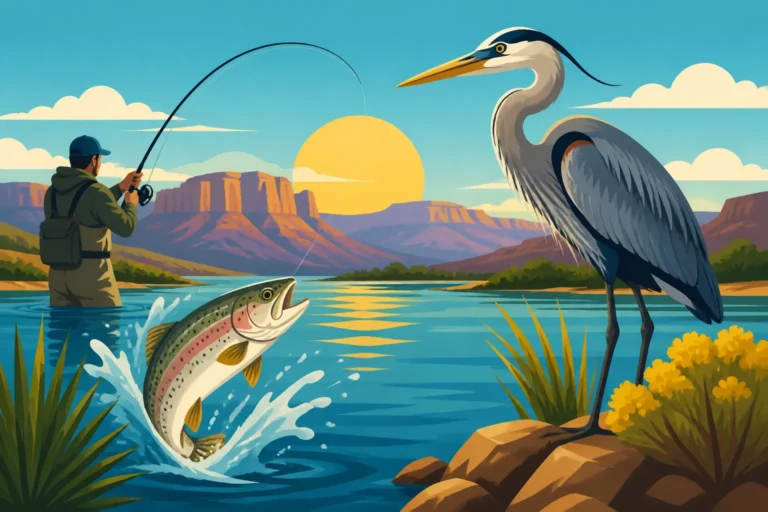
The forest is home to a wonderfully diverse ecosystem, supporting several species of trout that draw anglers from all over. You'll primarily find rainbow and brown trout, often stocked in more accessible areas or thriving in the wilder sections. But for many, the real prize is encountering native species like the Rio Grande cutthroat trout and, in very specific, protected streams, the elusive Gila trout. These native fish represent a unique connection to New Mexico's natural heritage and often inhabit the most pristine, backcountry waters. Catching a brightly colored Rio Grande cutthroat is a badge of honor for any New Mexico angler, requiring patience and a willingness to explore.
Beyond trout, some of the lower elevation impoundments or wider river sections might hold warm-water species, but the true draw here is the cold-water fishery. The quality of these waters is a direct reflection of the forest's health, and careful stewardship ensures these precious resources remain vibrant for generations to come. When you’re planning your trip, consider what kind of trout experience you’re after – a leisurely day at a stocked lake or a challenging hike into a wild trout stream.
Navigating Regulations and Access
Before you even think about packing your gear, understanding the local regulations is paramount. New Mexico has specific rules to protect its fisheries and ensure sustainable angling. Every angler aged 18 and older will need a valid New Mexico Fishing License Guide to fish within the Santa Fe National Forest. Additionally, you’ll likely need a New Mexico Habitat Stamp and Validation Requirements if you plan on fishing on U.S. Forest Service or Bureau of Land Management (BLM) lands, which comprise much of the national forest. These stamps help fund crucial conservation efforts and improve public access to fishing spots.
Access to many of the prime fishing spots in the Santa Fe National Forest can range from roadside convenience to strenuous multi-mile hikes. Some areas, particularly within the designated wilderness areas, are only accessible by foot or horseback, requiring a commitment to backcountry travel. This is where researching your chosen spot beforehand is crucial. Check forest service maps, inquire with local ranger stations, or consult online resources to understand trail conditions, distances, and any special regulations that might apply to a particular stream or lake. Don't underestimate the physical demands of high-altitude hiking, especially if you're carrying a lot of gear.
Top Fishing Destinations Within the Santa Fe National Forest
The Santa Fe National Forest is a sprawling expanse, but certain areas consistently stand out as prime fishing locations. These spots offer a variety of experiences, from tranquil lake fishing to challenging stream adventures, catering to different skill levels and preferences.
The Majestic Pecos Wilderness
For many New Mexico anglers, the Pecos Wilderness is the crown jewel of the Santa Fe National Forest. This vast, roadless area east of Santa Fe is a haven for wild trout fishing, boasting countless miles of pristine rivers and high-mountain lakes. The Pecos River itself, particularly its upper reaches and many tributaries like the Rio Mora and Rio Valdez, offers exceptional opportunities for brown and rainbow trout. You’ll also find robust populations of the native Rio Grande cutthroat trout in many of the higher, more isolated streams.
Accessing these areas often means a significant hike, sometimes several miles, but the reward is unparalleled solitude and the chance to catch truly wild fish in a spectacular setting. Popular trailheads like those at Cowles or Terrero provide entry points into the wilderness. High-altitude lakes such as Pecos Baldy Lake or Stewart Lake are legendary for their healthy trout populations, but getting to them is an adventure in itself. Be prepared for variable weather, carry adequate supplies, and always practice Leave No Trace principles. For those serious about catching wild trout in a truly wild setting, the Pecos River Fishing experience within this wilderness area is second to none. Many anglers even find local guides on platforms like FishingBooker who specialize in these challenging, rewarding trips.
Jemez Mountains' Hidden Gems
On the western side of the Santa Fe National Forest lies the Jemez Mountains, another fantastic area for trout fishing. This region tends to be more accessible than the Pecos Wilderness, with more roads leading to various fishing spots, making it a popular choice for day trips and family outings. The main artery here is the Jemez River, along with its feeder creeks like the East Fork Jemez River, San Antonio Creek, and Cebolla Creek. These waters are regularly stocked with rainbow trout by the New Mexico Department of Game and Fish, ensuring consistent action, especially in the spring and fall.
One of the most notable spots in the Jemez is Fenton Lake State Park. While technically a state park, it’s nestled right within the national forest and is a prime destination for trout. Fenton Lake Fishing is renowned, particularly for its Fenton Lake Winter Trout Fishing and its Fenton Lake Fly Fishing Only Rules in certain sections, which cultivate a quality fishery. The lake holds rainbow, brown, and even tiger trout, offering diverse opportunities. Other smaller streams and ponds throughout the Jemez also provide excellent fishing, often requiring a bit of exploration to find your perfect secluded spot. The mix of easy access and beautiful scenery makes the Jemez Mountains a fantastic choice for both seasoned anglers and those just starting out.
Other Notable Waters and Unique Opportunities
While the Pecos and Jemez regions are the superstars, the Santa Fe National Forest has other lesser-known, yet equally rewarding, waters. Streams like the Rio Nambe, close to Santa Fe, or parts of the Rio Chama, which flows along the western edge of the forest, offer excellent trout fishing. These can be great alternatives if you’re looking to escape the more popular spots or if you're targeting specific areas. Many of these smaller streams hold wild brown trout, offering a more technical challenge for fly anglers.
Additionally, the forest is dotted with numerous high-country alpine lakes, accessible only by arduous hikes. These can hold self-sustaining populations of cutthroat or brook trout, offering truly isolated angling experiences. Always check with the local ranger district for current conditions and specific regulations for these less-traveled destinations. If you're looking for a peaceful day on a smaller body of water, perhaps even one of the Best Lakes for Family Fishing Trips in New Mexico, some of the forest's smaller ponds near campgrounds might be perfect for introducing kids to fishing.
Essential Planning for Your Santa Fe National Forest Fishing Adventure
A successful fishing trip in the Santa Fe National Forest isn't just about knowing where to go; it's about being prepared for the unique challenges and rewards that come with high-country angling. Proper planning can make all the difference between a frustrating outing and a truly memorable one.
Gear Up for Success
When fishing in the Santa Fe National Forest, the right gear is crucial. For stream fishing, especially in the wilder sections, a lighter rod and reel setup is usually best. A 4- to 6-weight fly rod is ideal for most trout streams, allowing for delicate presentations. If spinning is your game, a light to ultralight rod (5-6 feet) paired with a small spinning reel spooled with 4-6 lb test line will serve you well. For a more comprehensive look at options, check out our guide on the Best Rod Setup for New Mexico Trout Fishing. Don't forget a good pair of wading boots and breathable waders, as you'll often be navigating uneven stream beds and cold water. Our article on the Best Waders for New Mexico Rivers can help you choose the right pair.
For those hitting the lakes, especially larger ones like Fenton, a slightly heavier setup might be appropriate, or even a specialized trolling setup if you’re targeting deeper-holding fish from a boat or float tube. A robust tackle box with a variety of lures, flies (if fly fishing), and bait will also increase your chances. Popular choices for trout include small spinners, spoons, PowerBait, and a range of nymph and dry fly patterns specific to the season. You can find more specific recommendations in our Fly Fishing Gear for New Mexico Rivers guide.
Timing Your Trip for Optimal Results
New Mexico offers year-round fishing opportunities, but the best time to visit the Santa Fe National Forest depends heavily on the specific location and what you’re targeting. Generally, spring (April-May) and fall (September-October) offer excellent conditions. In spring, as snowmelt subsides and waters begin to warm, trout become very active. This is often when Spring Trout Fishing in New Mexico truly shines. However, spring runoff can make some rivers high and muddy, so always check streamflows before heading out. Our New Mexico Fishing Season Calendar provides a great overview.
Summer (June-August) can be fantastic for high-mountain lakes and streams, once the snow has fully melted and trails are clear. However, lower elevation rivers can get quite warm, stressing trout, making early mornings or late evenings the best times to fish. Fall Fishing in New Mexico is often a favorite for many, with crisp air, beautiful foliage, and active fish preparing for winter. Winter fishing is possible, particularly at Fenton Lake for Fenton Lake Winter Trout Fishing, but requires appropriate gear and caution for icy conditions. To know precisely when to hit the waters, understanding When Does Trout Season Start in New Mexico? for different species and areas is very helpful.
Hiring a Local Guide or Planning Independently
For newcomers to the Santa Fe National Forest or those looking to maximize their time and expertise, hiring a local fishing guide can be an invaluable investment. Guides know the local waters intimately, understand fish behavior, and can put you on the best spots, often saving you hours of trial and error. They also provide all the necessary gear and often offer instruction, making it a great option for beginners or those trying a new technique like fly fishing. Websites like FishingBooker allow you to browse and book trips with experienced guides operating in the Santa Fe and Jemez areas, offering a streamlined way to find the perfect expert for your adventure. You can filter by species, technique, and location, making it easy to connect with someone who can tailor a trip to your specific interests.
If you prefer the thrill of independent exploration, thorough research is your best friend. Utilize online forums, topo maps, forest service resources, and the New Mexico Department of Game and Fish website. Always let someone know your itinerary, especially when venturing into remote wilderness areas, and be prepared for self-reliance. Carry a first-aid kit, extra layers, plenty of water, and a reliable navigation system. Whether you go with a guide found on FishingBooker or venture out on your own, the Santa Fe National Forest promises a rewarding and beautiful fishing experience.
| Fishing Destination | Primary Fish Species | Typical Access Level | Recommended Gear | Best Time to Visit | Unique Features |
|---|---|---|---|---|---|
| Pecos Wilderness Streams | Wild Brown, Rainbow, Cutthroat | Moderate to Strenuous Hike | Fly Rod (4-6wt), Waders | Spring, Fall | Solitude, pristine wild trout, scenic hikes |
| Pecos Wilderness Lakes | Wild Rainbow, Cutthroat, Brook | Strenuous Hike (Multi-day) | Light Spinning/Fly | Summer (post-snowmelt) | High-alpine beauty, remote fishing |
| Jemez River & Tributaries | Stocked Rainbow, Wild Brown | Easy to Moderate (Roadside/Short Hike) | Spinning/Fly Rod | Spring, Fall | Accessible, consistent action, scenic drives |
| Fenton Lake | Rainbow, Brown, Tiger Trout | Easy (State Park Access) | Fly/Spinning, Float Tube | Year-round (Ice fishing in winter) | Quality Waters, specific fly-fishing sections |
| Rio Nambe | Wild Brown, Stocked Rainbow | Moderate (Short hike from road) | Light Fly/Spinning | Spring, Fall | Close to Santa Fe, technical fishing |
Disclaimer
The information provided in this guide is for general informational purposes only. Fishing regulations, conditions, and access points can change frequently. Always consult the latest New Mexico Department of Game and Fish regulations and check with local Santa Fe National Forest ranger districts before planning any fishing trip to ensure compliance and safety.