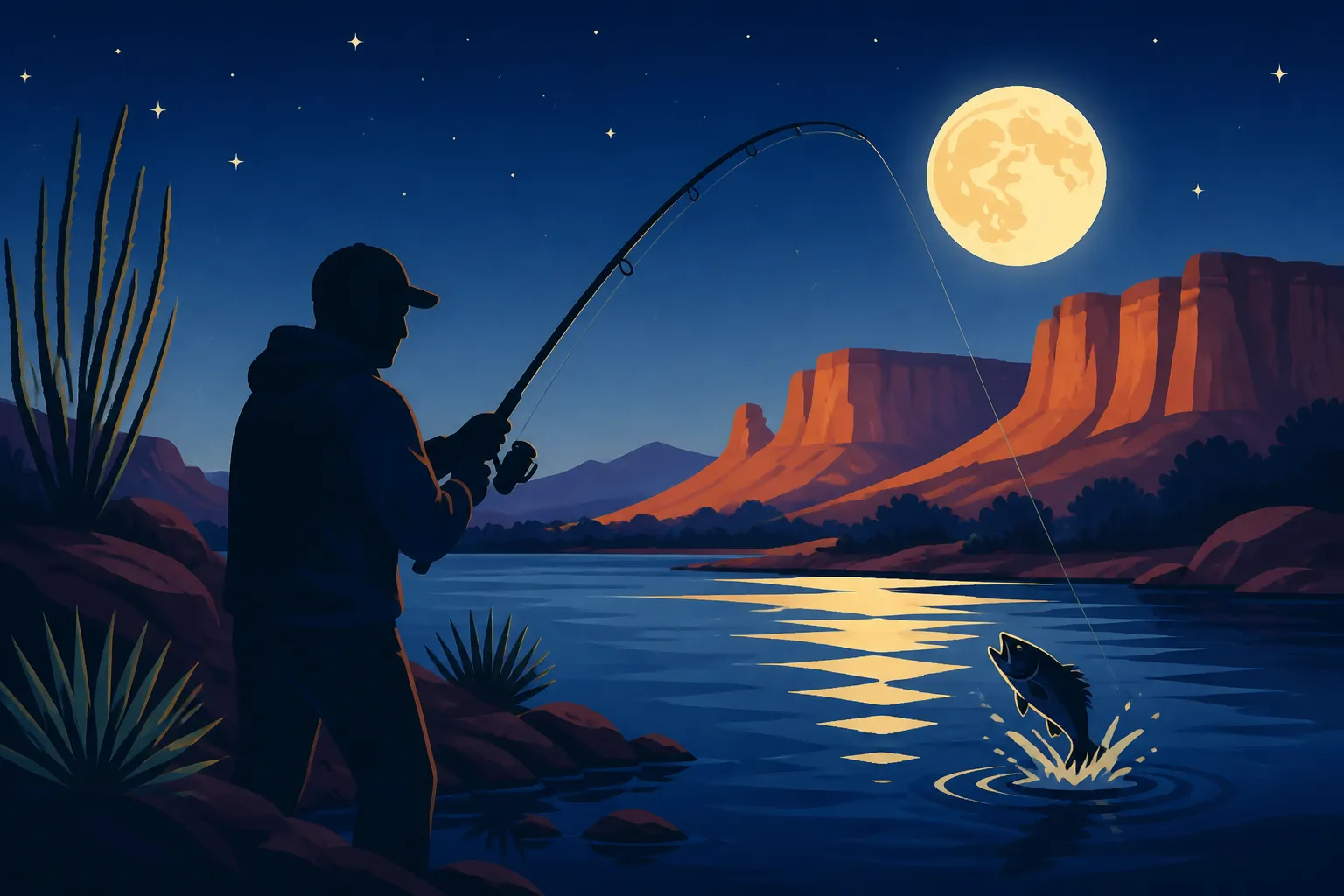
Best Spots for Night Fishing in New Mexico
There’s nothing quite like the relentless summer sun baking down on a New Mexico lake, making you sweat through your clothes, or battling elbow-to-elbow with crowds on a popular fishing spot. For many of us, the frustrations of daytime angling—whether it's the heat, the pressure, or elusive fish retreating to deeper, cooler waters—can really put a damper on what should be a relaxing experience. But what if I told you that some of the best fishing in the Land of Enchantment happens when the sun goes down? This guide will dive deep into the best spots for night fishing in New Mexico, offering you the strategies and knowledge to transform your angling adventures after dark.
Why Night Fishing in New Mexico is a Game Changer
Let's be honest, there's a certain mystique to fishing under the cover of darkness. The world quiets down, the air cools, and the waters seem to come alive in a completely different way. But beyond the ambiance, there are very real, tangible benefits to wetting a line once the stars appear. For many New Mexico anglers, it’s not just an alternative; it's their preferred way to fish.
Beating the Heat and the Crowds
New Mexico summers are legendary for their heat. Standing out on a reservoir in July or August can be brutal, with temperatures often soaring into the high 90s or even triple digits. This isn't just uncomfortable for us; it significantly impacts fish behavior. As the surface waters warm up, many popular game fish like bass, walleye, and even larger catfish become lethargic or retreat to cooler, deeper thermal refuges, making them harder to target during the day.
Night fishing offers a refreshing escape from this oppressive heat. As the sun dips below the horizon, air temperatures drop dramatically, especially in the high desert, creating a much more pleasant environment for anglers. This cool-down also means less boat traffic. Those noisy jet skis and pleasure boats disappear, leaving the water calm and serene. You’ll find less competition for prime spots, fewer tangled lines from passing boats, and a generally more peaceful experience. It's truly a different world, one where you can often have a stretch of water practically to yourself, allowing you to focus purely on the fishing.
The Magic of Nocturnal Fish Behavior
Many of our favorite New Mexico game fish are either naturally nocturnal or become significantly more active under the cloak of night. Think about it: the cover of darkness provides a huge advantage for predatory fish. Their eyes are often better adapted to low light, and the reduced visibility gives them the element of surprise over their prey. This means they'll move out of their deep-water daytime haunts and actively hunt in shallower waters, closer to shore, or near structure that they wouldn't dare approach during daylight hours.
Catfish, for instance, are notoriously nocturnal hunters. Their incredible sense of smell and touch allows them to forage effectively in total darkness. Bass, while often active during dawn and dusk, frequently extend their feeding forays well into the night, especially in warmer months. Walleye, with their large, light-sensitive eyes, often move from deep rock piles to shallower feeding flats after sunset. Even crappie can be drawn to lights over the water at night. Understanding these behavioral shifts is key to successful night fishing; you're essentially tapping into a different, often more aggressive, feeding window for a variety of species.
Overcoming the Challenges of Darkness
Now, I won't sugarcoat it—night fishing isn't without its unique challenges. The most obvious one is, well, the darkness! Visibility is severely limited, which can make everything from tying knots to navigating the water a bit trickier. It's easy to get disoriented, stumble, or even injure yourself if you're not careful. This can be a major hurdle, especially for those new to the experience, leading to frustration and sometimes even a premature end to the trip.
However, these challenges are far from insurmountable and, with the right preparation, can actually add to the adventure. Specialized gear like headlamps, boat lights, and glow-in-the-dark lures become your best friends. Familiarity with your chosen fishing spot is also a huge advantage; knowing the layout of the banks, the location of submerged hazards, or the general depth changes can make all the difference. We’ll delve into specific gear and safety tips later, but for now, understand that while the dark can be intimidating, it’s also the very thing that makes night fishing so productive and exciting. With a little planning, you can turn potential pitfalls into part of a rewarding experience.
Top New Mexico Lakes and Rivers for Night Anglers
When it comes to New Mexico, there are definitely some prime locations that truly shine after dark. These spots offer consistent action for a variety of species and are generally accessible for night fishing adventures. From massive reservoirs to winding rivers, the Land of Enchantment holds some fantastic opportunities for the nocturnal angler.
Elephant Butte Lake: Striper and Catfish Heaven
Elephant Butte Lake is New Mexico's largest body of water, and it's practically tailor-made for night fishing. During the day, the sheer size of the lake and the intense sun can make fish scatter and go deep. But once night falls, particularly in the warmer months, this reservoir transforms into a bustling buffet for predatory fish.
The main draw here at night is often the striped bass. These hard-fighting fish are aggressive hunters and will move into shallower coves, points, and humps to ambush baitfish after dark. Anglers often find success drifting cut bait (like shad or carp) on the bottom or trolling large swimbaits and crankbaits just below the surface near submerged points and channels. For those without a boat, targeting lighted areas near the dam or marinas where baitfish congregate can also be productive. Additionally, the channel catfish population in Elephant Butte is legendary. These whiskered warriors cruise the shallows and flats, using their keen sense of smell to track down food. Stink baits, cut bait, and even hot dogs fished on the bottom are highly effective for catfish, especially along mud lines or near drop-offs. Being prepared with a good headlamp and knowing the Required Safety Gear on a New Mexico Boat if you're out on the water after hours is crucial.
Navajo Lake: Walleye and More Under the Stars
Up in the northwest corner of the state, Navajo Lake offers a different, yet equally rewarding, night fishing experience. While it's famed for its kokanee salmon and trout, it’s the walleye that really turn on when the lights go out. Walleye have incredible low-light vision, which gives them a distinct advantage over their prey, particularly small baitfish. They’ll often move from their deep-water haunts into shallower flats, submerged humps, and along weed lines to feed.
Anglers often target walleye by trolling crankbaits or by drifting jigs tipped with nightcrawlers along contours. Focus on areas where you know there’s submerged structure or gradual slopes leading into deeper water. Some dedicated night anglers will use submersible lights to attract baitfish, which in turn draws in walleye and even crappie. The lake also holds good numbers of channel catfish, which, like at Elephant Butte, will readily take cut bait or stink baits fished on the bottom. Remember to check the Navajo Lake Fishing Guide for specific regulations and access points, as some areas might have restricted night access. This lake, with its rugged shoreline and clear waters, provides a wonderfully serene experience under the New Mexico night sky.
Conchas Lake: A Hidden Gem for Nighttime Bites
Conchas Lake, located in eastern New Mexico, is another fantastic, albeit often overlooked, option for night fishing. It’s known for its robust populations of walleye, bass (both largemouth and smallmouth), and catfish. Similar to the other reservoirs, the cooler night temperatures and reduced light penetration trigger heightened feeding activity for these species.
Walleye fishing here can be exceptional at night. Look for rock reefs, main lake points, and the edges of submerged weed beds. Trolling crankbaits, especially those with rattles or in dark colors, can be very effective. Jigging spoons or blade baits vertically over structure can also produce strikes from larger walleye. For bass anglers, casting spinnerbaits, dark-colored jigs, or large soft plastics (like worms or creature baits) along the shorelines, especially near cover like submerged timber or rocky banks, can yield impressive results. Catfish, as always, are a reliable target, with cut bait or prepared baits producing consistent bites on the bottom. The various coves and arms of Conchas Lake offer plenty of secluded spots for a peaceful night of angling, making it a great destination when looking for a less crowded experience than some of the larger, more popular lakes. You can find more detailed information on this body of water in the Conchas Lake Fishing Guide.
Rio Grande: Catfish and Carp After Dark
While the big reservoirs often get all the glory, don't forget about New Mexico's iconic Rio Grande. This expansive river offers some incredible night fishing opportunities, particularly for channel catfish and carp. The river system, with its diverse habitats of deep pools, slow eddies, and faster runs, provides prime territory for these species to forage under the cover of darkness.
Catfish are the undisputed kings of night fishing on the Rio Grande. They become incredibly active once the sun sets, moving into shallower areas, sandbars, and the slower edges of currents to root around for food. Cut bait (like shad, carp, or even hot dogs), chicken livers, and various stink baits are exceptionally effective. Focus your efforts on the outside bends of the river, deep holes, or any spot where current breaks create an eddy. Often, a simple bottom rig with an ounce or two of weight and a large hook is all you need.
Carp are another species that can provide fantastic, hard-fighting action at night. While often overlooked, they are powerful fish that will readily take dough balls, corn, or even pieces of bread fished on the bottom. Like catfish, they become less wary in the dark and will venture closer to shore. The advantage of river fishing at night is that you often don't need a boat, making it very accessible. Just find a safe, well-known access point, bring a good chair, and enjoy the sounds of the river. For detailed advice on this majestic waterway, check out the Rio Grande Fishing Guide. Many local anglers, sometimes through services like FishingBooker, will seek out guides specifically for the best night-time river excursions.
Essential Gear and Techniques for a Successful Night Trip
Venturing out onto the water after dark requires a bit more preparation and specialized gear than your typical daytime outing. It’s not just about what bait to use, but also how to see, how to stay safe, and how to effectively present your offerings when visibility is low. Taking the time to properly equip yourself will not only increase your success rate but, more importantly, ensure your safety and enjoyment.
Lighting Up Your Night Fishing Experience
The most obvious challenge of night fishing is the lack of light, but with modern gear, it's easily overcome. A reliable headlamp is absolutely essential. Look for one with multiple settings, including a red-light option. Red light preserves your night vision better than white light and is less disruptive to fish and other anglers. You'll need it for tying knots, rigging baits, and moving around safely. Don't forget spare batteries!
For boat anglers, navigation lights (red and green on the bow, white on the stern) are legally required in New Mexico after sunset and are critical for preventing collisions. Beyond that, consider adding deck lights or a lantern to illuminate your workspace, making it easier to see your tackle box, bait, and the fish you catch. Some anglers even use submersible green fishing lights (often LED) which are lowered into the water. These lights attract plankton, which then attract baitfish, and in turn, predatory game fish like walleye, crappie, and even striped bass. Position them off the side or stern of your boat to create a feeding zone. When bank fishing, a simple lantern or a portable LED work light can provide ambient light for your area, making it safer and more comfortable.
Baits, Lures, and Strategies for Nighttime Success
When the sun goes down, fish rely more heavily on their other senses – smell, lateral line, and vibration – to locate prey. This significantly influences your bait and lure choices.
- Scent is King for Catfish: For species like channel and flathead catfish, smell is paramount. Fresh cut bait (shad, carp, perch), chicken livers, and prepared stink baits (like those from Berkley or Magic Bait) are top choices. Rig them on a simple Carolina rig or a slip sinker rig to keep them on the bottom. Consider soaking baits in garlic or other attractants to enhance their appeal. Check out How to Catch Channel Catfish at Night for more in-depth techniques specific to these whiskered wonders.
- Vibration and Profile for Predatory Fish: For bass, walleye, and stripers, lures that create strong vibrations and have a good profile are often key.
- Spinnerbaits and Buzzbaits: These are excellent for bass in low light. The thumping blade and skirt create a disturbance that fish can track. Use dark colors (black, blue, purple) which create a strong silhouette against the moonlit sky.
- Crankbaits: Large, rattling crankbaits can be highly effective for walleye and stripers. Trolling them at night can cover a lot of water and attract attention. Again, dark colors or lures with glow-in-the-dark accents can work wonders.
- Jigs and Soft Plastics: For deeper walleye, a jig tipped with a scented plastic worm or a live nightcrawler can be deadly. Bass anglers often throw large dark-colored plastic worms or creature baits on Texas rigs or Carolina rigs, slowly working them through structure.
- Live Bait: Don't underestimate the power of live bait. Shiners, shad, or large minnows can be irresistible to bass, walleye, and stripers when fished under a bobber or on a free-line near cover.
- Strategy: Slow down your retrieve. Fish are often less active and aggressive in the deep dark, so a slower presentation gives them more time to find and commit to your bait. Pay attention to structure close to shore, drop-offs, and points where fish will move to feed. Utilizing services like FishingBooker can sometimes connect you with local guides who specialize in these nighttime strategies.
Safety First: Navigating the Dark Waters
Safety is non-negotiable when fishing at night. The risks of falls, getting lost, or encountering unexpected hazards are significantly higher.
- Know Your Location: If possible, fish a spot you're already familiar with during the day. Knowing the contours of the bank, potential underwater hazards, or boat launch layouts will vastly improve your safety. If boating, keep a close eye on your GPS and charts.
- Buddy System: Always go with a friend or let someone know exactly where you’re going and when you expect to return.
- Personal Flotation Devices (PFDs): Even strong swimmers should wear a PFD, especially when boating. A fall overboard in the dark can be disorienting and dangerous. This is a critical piece of safety gear, often mandated by the New Mexico Fishing Regulations Overview.
- First Aid Kit: A well-stocked first aid kit is essential for any fishing trip, but even more so at night when emergency services might take longer to reach remote locations.
- Communication: Bring a fully charged cell phone. A marine radio is also advisable if you’re boating on larger waters.
- Weather Check: Always check the weather forecast before heading out. Sudden storms can be much more treacherous in the dark.
- Navigation: If boating, ensure your boat’s navigation lights are functioning correctly and that you understand right-of-way rules. Maintain a safe speed and be alert for other boats or obstacles. For those considering buying a boat, understanding the New Mexico Boat Registration and Titling Guide is a key first step.
By preparing thoroughly with the right gear and adopting a safety-first mindset, you can enjoy all the unique rewards that night fishing in New Mexico has to offer. The peace, the cooler temperatures, and the chance at a trophy fish make it an experience every angler should try.
| Species to Target at Night | Best New Mexico Spots | Recommended Baits/Lures | Key Nighttime Behavior |
|---|---|---|---|
| Channel Catfish | Elephant Butte, Navajo, Conchas, Rio Grande | Cut bait (shad, carp), Stink baits, Chicken liver | Active shallow feeders, rely on scent |
| Striped Bass | Elephant Butte Lake | Large swimbaits, Crankbaits, Cut bait | Move to shallower coves/points to ambush prey |
| Walleye | Navajo Lake, Conchas Lake | Trolled crankbaits (rattling), Jigs tipped with worms | Use superior low-light vision, move to flats/structure |
| Largemouth Bass | Conchas Lake, Elephant Butte | Dark spinnerbaits, Jigs, Large soft plastics | Hunt aggressively near shore/cover under darkness |
| Smallmouth Bass | Conchas Lake, Elephant Butte | Dark jigs, Craw imitations, Spinnerbaits | Feed near rocky structure and points |
| Crappie | Navajo Lake, Conchas Lake | Small jigs, Minnows (under lights) | Attracted to submersible lights, feed near cover |
| Common Carp | Rio Grande | Dough balls, Corn, Bread | Less wary at night, bottom feed in eddies/pools |
Disclaimer
Fishing laws and regulations in New Mexico are subject to change. Always consult the latest New Mexico Department of Game and Fish regulations handbook or website before planning your fishing trip to ensure compliance with all current rules, limits, and licensing requirements.