Navajo Lake Fishing Guide
Navigating a vast, multi-faceted reservoir like Navajo Lake can feel a bit overwhelming, especially if you're chasing specific species or visiting for the first time. The sheer size and diverse habitat mean you could spend days exploring without ever hitting the sweet spot. This comprehensive guide is designed to cut through that confusion, giving you all the insider knowledge and practical advice you need to confidently plan and execute a successful and memorable fishing trip on one of New Mexico's premier waters.
Understanding Navajo Lake: A Jewel in the Desert
Nestled in the high desert of northern New Mexico and extending into Colorado, Navajo Lake is a truly spectacular body of water. Formed by the Navajo Dam on the San Juan River, this sprawling reservoir offers an incredible variety of fishing opportunities, from deep, cold-water canyons to shallow, brushy coves. It's not just a fishing spot; it's an experience, surrounded by dramatic red rock mesas and pinyon-juniper forests, making every cast part of a larger, breathtaking adventure.
The Geography and Unique Features of Navajo Lake
Navajo Lake isn't just one big bowl; it's an intricate network of main channels, side canyons, and expansive bays that stretch for miles. The lake itself covers over 15,000 surface acres at full capacity and boasts more than 150 miles of shoreline. The deepest sections, particularly near the dam, can plunge to over 300 feet, providing ideal cold-water habitat for species like kokanee salmon and trout. Further up the arms, especially in the Pine River and San Juan River sections, the lake becomes shallower, with more structure like submerged timber and rocky points that appeal to warm-water species.
One of the most defining features of Navajo Lake is its diverse ecosystem. You'll find everything from barren, rocky bluffs that drop steeply into the water to gently sloping banks with scattered brush and sandy beaches. This varied terrain means fish can be found at almost any depth and in any type of cover, depending on the season and time of day. Understanding these geographical nuances is key to predicting where your target species might be holding. The lake's clear, often turquoise waters are another distinguishing characteristic, demanding a stealthy approach, especially for sight-fishing opportunities.
A Brief History of Navajo Lake and its Fishery
Navajo Dam was completed in 1962, primarily for irrigation, flood control, and power generation, but it quickly became apparent what an incredible fishery it would create. The flooding of the San Juan River valley and its tributaries submerged vast amounts of timber and created a nutrient-rich environment for fish. Over the decades, the New Mexico Department of Game and Fish (NMDGF) has worked diligently to manage the fishery, stocking various species to establish a thriving ecosystem that supports both cold-water and warm-water game fish.
Initial stockings included rainbow trout and brown trout, which adapted well to the deep, cool waters. Later, kokanee salmon were introduced, creating a unique and highly popular sport fishery, particularly during their snagging season. Warm-water species like smallmouth and largemouth bass, crappie, and channel catfish also found ideal habitats in the lake's shallower, warmer arms. This rich history of management and natural adaptation has made Navajo Lake one of the most productive and diverse fishing destinations in the Southwest, offering something for every angler, regardless of their preferred species or fishing style.
Prime Fish Species in Navajo Lake and How to Find Them
Navajo Lake is a true multi-species haven, offering anglers the chance to target a remarkable array of fish. From the spirited fight of a kokanee salmon to the hard-hitting strike of a smallmouth bass, there's always something to keep your rods bent. Knowing what's available and where they tend to hang out is half the battle won, allowing you to tailor your gear and techniques for maximum success.
Kokanee Salmon: The Silver Bullet of Navajo Lake
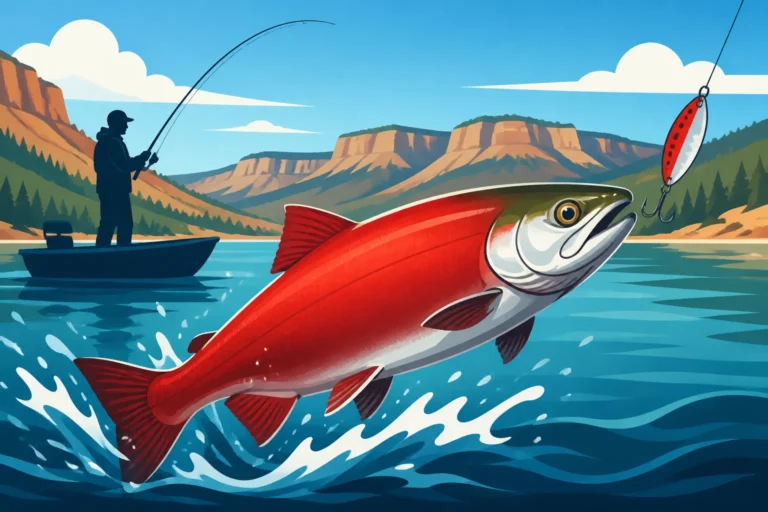
Kokanee salmon are arguably the stars of Navajo Lake, known for their powerful runs and delicious pink flesh. These landlocked sockeye salmon thrive in the deep, cold, oxygen-rich waters of the main lake and its deeper arms. Their life cycle typically involves schooling up in the open water, feeding on plankton, and then making an impressive spawning run up the San Juan and Pine River arms in the fall.
To find kokanee, think open water and deep presentations. During the spring and summer, they often suspend in the water column, ranging from 20 to 60 feet deep, sometimes even deeper in the heat of summer. Trolling with downriggers or lead core line is the most effective method, allowing you to present small lures, dodgers, and wedding rings tipped with corn at precise depths. Look for large schools on your fish finder in the main body of the lake, particularly near the dam and in the open waters between the primary recreation areas. As fall approaches and the New Mexico Salmon Snagging Season opens, the kokanee begin their migration upstream, turning a vibrant red, and can be targeted in the river arms. You'll often find concentrated numbers around the Pine River and San Juan River inlets, where they gather before making their final push upstream to spawn.
Trout Species: Rainbows and Browns Abound
Navajo Lake also boasts a healthy population of trout, primarily rainbow trout and brown trout. While not as dominant in the open water as kokanee, they provide fantastic fishing opportunities, especially in the cooler months and in specific areas of the lake. Rainbow trout are regularly stocked by the NMDGF, ensuring a consistent population for anglers. Brown trout, on the other hand, are often wilder, more elusive, and can grow to impressive sizes, particularly those that lurk in the deeper structure.
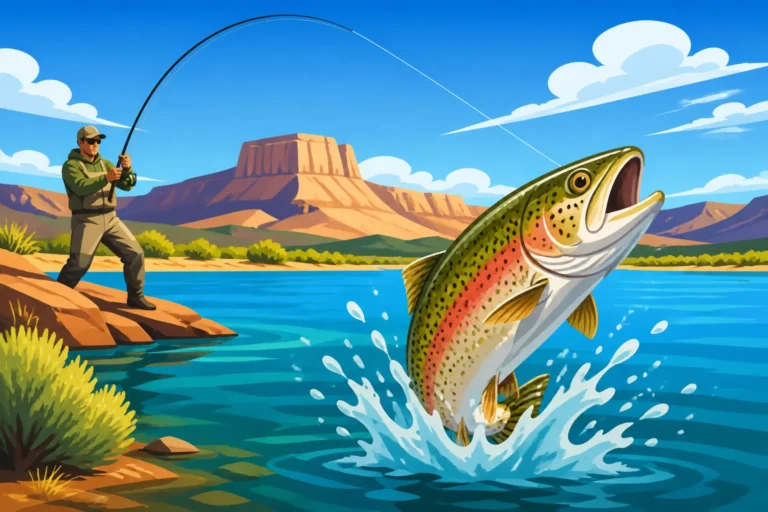
Rainbow trout can be found throughout the lake, but they tend to congregate in areas where cool, oxygenated water meets structure. In the spring and fall, they'll cruise the shallower coves and points, often close to shore. During summer, they retreat to deeper, cooler water, similar to kokanee, but often closer to submerged timber or rocky ledges. Trolling with spoons or spinnerbaits, or bait fishing with PowerBait or worms from shore or a anchored boat, are productive methods. For brown trout, focus on rocky points, submerged cliffs, and areas with deep cover like old creek channels. They are ambush predators and often prefer artificial lures that mimic baitfish. The areas near the dam and the larger, deeper coves are excellent spots to target bigger browns, especially during low light conditions or at night. The deeper sections of the lake also frequently receive supplemental stockings, ensuring there's always a good chance to hook into some feisty trout.
Bass Species: Smallmouth and Largemouth Action
For anglers who love a hard-fighting game fish, Navajo Lake delivers with both smallmouth and largemouth bass. These species thrive in the lake's varied structure and warmer waters, offering exciting action, particularly in the spring and summer. Smallmouth bass are particularly prolific in Navajo, having found the rocky, clear-water environment much to their liking. Largemouth bass tend to be more elusive, preferring the thicker cover of brushy coves and weed beds in the shallower sections.
Smallmouth bass are quintessential rock dwellers. Look for them around rocky points, submerged humps, boulder fields, and along rocky shorelines. They are aggressive feeders and will readily strike crankbaits, spinnerbaits, jigs, and soft plastics. During the spring, they'll move into shallower areas to spawn, making them more accessible to shore anglers or those fishing from kayaks. As the water warms, they'll move deeper but will still relate to rocky structure. The middle and upper arms of the lake, particularly around the Pine River and San Juan River inflows, offer excellent smallmouth habitat. For largemouth bass, shift your focus to the shallower, brushier coves and areas with submerged timber. They prefer quieter, more protected waters. Jigs, plastic worms, and topwater lures fished around cover are your best bets. The slower-moving sections of the Pine and San Juan arms, especially with flooded vegetation, are prime largemouth territory.
Other Notable Catches: Crappie, Catfish, and More
While kokanee, trout, and bass tend to get most of the attention, Navajo Lake is also home to a variety of other species that offer excellent fishing, especially for those looking for a diverse creel or a more relaxed fishing experience. These include crappie, channel catfish, and various panfish.
Crappie can provide fast-paced action, particularly in the spring and fall. They tend to school up around submerged brush, timber, and bridge pilings in shallower bays. Small jigs, minnows, or tiny spinnerbaits are incredibly effective. Look for them in the mid-lake coves and the upper arms of the lake where there's more flooded timber. Channel catfish are abundant throughout Navajo Lake and offer a great option for evening or night fishing, particularly during the warmer months. They prefer the bottom, often in deeper channels or around muddy flats, but will venture into shallower areas to feed. Stink baits, cut bait, or worms fished on the bottom are proven catfishing tactics. The areas around the boat ramps and main recreation zones often hold good numbers of catfish. For a fun day with the kids, targeting bluegill and other sunfish in the shallow, protected coves with worms under a bobber can provide constant entertainment.
| Species | Preferred Habitat | Best Season (Primary) | Common Techniques |
|---|---|---|---|
| Kokanee Salmon | Deep, open water; river arms (spawning) | Summer, Fall | Trolling (downriggers), Snagging |
| Rainbow Trout | Deep water near dam; coves, creek channels | Spring, Fall, Winter | Trolling, Bait fishing, Spin casting |
| Brown Trout | Rocky points, submerged cliffs, deep cover | Spring, Fall | Trolling, Casting (lures), Night fishing |
| Smallmouth Bass | Rocky points, humps, boulder fields | Spring, Summer | Casting (crankbaits, jigs), Soft plastics |
| Largemouth Bass | Brushy coves, submerged timber, weed beds | Spring, Summer | Flipping/Pitching (jigs, worms), Topwater |
| Channel Catfish | Bottom of channels, muddy flats, coves | Summer, Fall | Bottom fishing (bait) |
| Crappie | Submerged brush, timber, bridge pilings | Spring, Fall | Jigging, Minnows |
Navajo Lake Fishing Techniques for Every Season
Fishing Navajo Lake successfully often means adapting your techniques to the time of year. The lake's diverse climate and varied depths mean that what works in spring might be completely ineffective in the dead of winter. Understanding these seasonal shifts and having a few specialized techniques in your arsenal will significantly increase your chances of a memorable catch.
Spring: Waking Up the Lake's Fishery
Spring on Navajo Lake is a time of transition and renewed activity. As water temperatures begin to rise, fish become more active and move into shallower waters to feed and spawn. This is an exciting time for anglers as many species are accessible and hungry.
For trout and kokanee, early spring can still see them in deeper water, but as the water warms, they will start to move shallower. Trolling small spoons or wedding rings in the top 20-30 feet of the water column can be very effective, especially in the main lake near the dam. Pay close attention to your fish finder for baitfish schools, as the predatory species won't be far behind. This is also when you'll see increased activity for bass. Both smallmouth and largemouth will move into shallower coves and bays to feed on baitfish and prepare for spawning. Fan-casting with crankbaits, spinnerbaits, or jigs around rocky points and submerged timber can yield aggressive strikes. It’s a great time to experiment with lipless crankbaits or jerkbaits. Crappie also become active in spring, moving into brushy areas in 5-15 feet of water. Vertical jigging small jigs or using minnows under a bobber near submerged brush is a highly productive method. Don't forget that the lake's inflow areas, where the San Juan and Pine Rivers enter, warm up first and can be hotspots for early-season action.
Summer: Deep Water and Early Morning Bites
Summer on Navajo Lake brings consistent warm weather, which means a significant shift in fish behavior. While surface waters become quite warm, the deeper sections of the lake remain cool, providing a refuge for cold-water species. This often translates to a need for deeper presentations and targeting early morning or late evening bites for certain species.
Kokanee salmon and trout will largely move to the cooler, deeper parts of the lake. This is prime time for Trolling Techniques for New Mexico Lakes using downriggers to present your lures at depths ranging from 40 to 80 feet, sometimes even deeper. Pay close attention to thermoclines shown on your fish finder, as kokanee often stack up just above or within these temperature breaks. Look for them in the main body of the lake, particularly in the deep canyons. For bass, the early mornings and late evenings are key. As the sun rises and heats the water, bass will often retreat to deeper, cooler structure or seek shade under docks, submerged trees, or rocky overhangs. Focus on working jigs, Texas-rigged worms, or deep-diving crankbaits around these deeper structures. Night fishing for catfish can also be incredibly productive during the summer, as they become more active under the cover of darkness. The warmer surface temperatures push dissolved oxygen deeper, making those deeper zones more appealing.
Fall: The Transition and Spawning Runs
Fall is a spectacular time to fish Navajo Lake, both for the stunning scenery and the excellent fishing. As water temperatures begin to cool, many fish become highly active, feeding aggressively in preparation for winter, and some species undertake significant spawning runs.
This is the famous kokanee salmon snagging season. As the days shorten and water cools, kokanee begin their transformation, turning red and migrating up the San Juan and Pine River arms. While snagging is a unique technique, it's also a window to observe incredible natural behavior. Check the New Mexico Salmon Snagging Season regulations carefully for dates and specific rules. For trout, fall can offer some of the best fishing of the year. Both rainbows and browns will become more active, feeding heavily in shallower waters. Trolling or casting spoons and spinners, or drifting bait, can be very effective, especially in the river arms and large coves. The bass bite also picks up significantly in the fall. Smallmouth and largemouth bass will be aggressively feeding, often schooling up. Targeting rocky points, coves, and areas with submerged timber with crankbaits, spinnerbaits, or jigs can result in numerous catches. This is a time when fish are often willing to chase, making for exciting, action-packed days.
Winter: Ice Fishing and Cold-Water Opportunities
While Navajo Lake doesn't fully freeze over due to its size and depths, the upper arms and shallower coves can develop safe ice in colder winters, opening up ice fishing opportunities. Even without ice, winter offers excellent cold-water fishing, particularly for trout.
When conditions allow for safe ice, the Pine River and San Juan River arms can become popular ice fishing destinations. Anglers target rainbow trout, brown trout, and even some kokanee through the ice. Small jigs tipped with bait, or spoons, are the go-to presentations. Always check local ice conditions and NMDGF advisories before venturing out onto the ice. Even without ice, open-water fishing during winter can be fantastic for trout. The cold water concentrates baitfish, and the trout remain active, though often slower-moving. Deep trolling or vertical jigging with spoons and heavily weighted nymphs in the main lake's deeper sections can be very productive. Areas near the dam are often good winter spots, as they maintain consistent water temperatures. This is also a fantastic time to chase larger brown trout, which are often less pressured and actively feeding in the cold water.
Navajo Lake Boat Ramps and Access Points
Getting your boat onto Navajo Lake is generally straightforward, thanks to several well-maintained boat ramps and access points. However, like any large body of water, knowing the best place to launch for your target species or preferred fishing style can make a significant difference. Water levels can fluctuate, so it's always wise to check current conditions before heading out.
Primary Boat Ramps and Marinas
Navajo Lake State Park operates several key facilities that provide excellent access for boaters. These ramps are generally paved and offer ample parking, though they can get busy during peak seasons.
The Pine River Recreation Area is one of the most popular access points, located on the western arm of the lake. It features multiple boat ramps, including one at Sims Mesa and another at Pine River Marina. Sims Mesa offers a modern, multi-lane ramp suitable for all types of boats, with plenty of parking and restrooms. It's an excellent choice for accessing the central and western portions of the lake, including prime kokanee and smallmouth bass areas. Pine River Marina itself also has launch facilities and is a hub for amenities like fuel, boat rentals, and supplies. This area is particularly convenient if you plan to explore the Pine River arm of the lake, known for its smallmouth bass and good spring crappie fishing. You'll find that many anglers utilize this side of the lake because of its comprehensive facilities.
On the eastern side of the lake, the San Juan River Recreation Area offers access via the Frances Canyon boat ramp. This ramp provides access to the eastern arm of the lake, which eventually leads to the renowned San Juan River Quality Waters below the dam. Frances Canyon is a good launching point for exploring the main lake's eastern sections and for accessing the San Juan River arm, which is excellent for bass and offers opportunities for trout near the inflow. While perhaps a bit more rustic than Pine River, it still provides solid concrete ramps. It's less crowded than the Pine River side at times, offering a slightly more serene launch experience. Knowing about Navajo Lake Boat Ramps can save you a lot of time and hassle when planning your trip.
Shoreline and Alternative Access Points
For anglers without a boat or those preferring bank fishing, Navajo Lake still offers numerous opportunities. While a boat certainly opens up more of the vast lake, you can still have a very productive day from shore.
The San Juan River Quality Waters Recreation Area, just below the dam, offers abundant bank access to the San Juan River, renowned for its trout fishing. While not on the lake itself, it's an extension of the Navajo Lake system and is easily accessible. Within Navajo Lake State Park, many of the picnic areas, campgrounds, and day-use areas provide shoreline access. Areas around Sims Mesa and the various campgrounds offer stretches of shoreline that are accessible for casting. These spots are great for bait fishing for rainbow trout, catfish, or panfish. Just be mindful of park rules and private property.
For those looking for a more adventurous experience, numerous coves and points throughout the lake can be reached via hiking trails or unimproved roads. These "backcountry" spots often offer solitude and access to less-pressured fish. Always check trail conditions and be prepared for varying terrain. Kayakers and canoeists also have the flexibility to launch from many informal spots that larger boats cannot access, allowing them to explore hidden coves and shallow bays that are prime for bass and crappie. However, remember that paddling on such a large body of water can be challenging, especially in windy conditions. Always wear your life jacket and be aware of changing weather.
Navajo Lake Regulations and Essential Permits
Fishing at Navajo Lake, like any regulated fishery, requires adherence to specific rules and regulations. Understanding these requirements, from obtaining the correct licenses to knowing bag limits and special restrictions, is crucial for a legal and enjoyable outing. The consequences of not following these guidelines can range from fines to loss of fishing privileges, so it's always best to be prepared and informed.
New Mexico Fishing License and Habitat Stamp Requirements
To fish any public waters in New Mexico, including Navajo Lake, you must possess a valid New Mexico Fishing License Guide. This applies to most anglers aged 12 and older. New Mexico offers various license options, including annual resident and non-resident licenses, one-day licenses, and five-day licenses, perfect for visitors on a short trip. You can purchase these licenses online through the New Mexico Department of Game and Fish (NMDGF) website, at authorized vendors like sporting goods stores, or sometimes even at the state park offices around the lake.
In addition to your fishing license, most anglers will also need a Habitat Management and Access Validation stamp. This stamp helps fund crucial habitat improvement projects and provides access to public lands for fishing and hunting. There are exemptions for certain age groups and license types, so it's always best to check the current NMDGF regulations booklet. For those fishing on tribal lands adjacent to the lake (though most of Navajo Lake itself is within New Mexico State Parks and managed by NMDGF), additional tribal permits may be required. Always consult with the specific tribal entity if you plan to fish their waters. A New Mexico Habitat Stamp Cost and Requirement will typically be a small, additional fee on top of your license.
Lake-Specific Rules and Bag Limits
Navajo Lake has general statewide fishing regulations, but it also has specific rules, especially concerning certain species or fishing methods. It's imperative to consult the current NMDGF fishing regulations booklet, available online or at license vendors, before you head out. These booklets are updated annually, and rules can change.
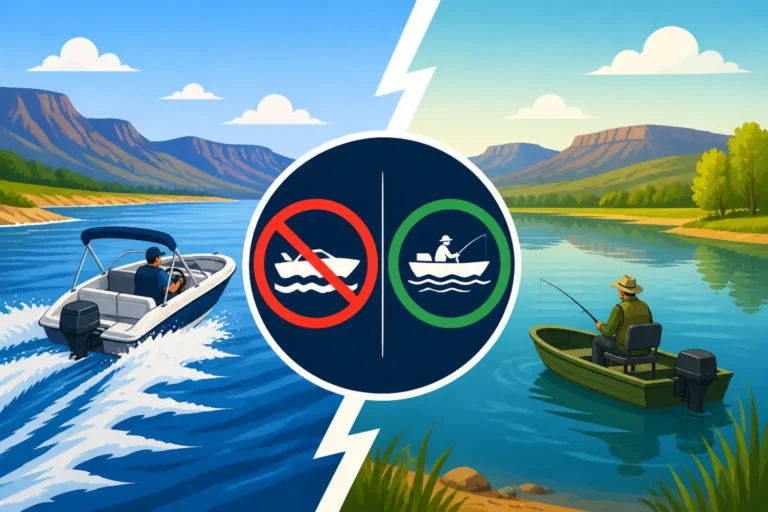
For instance, kokanee salmon have unique bag and possession limits, and there's a specific "snagging" season in the fall. The New Mexico Salmon Snagging Season is a popular event, but it comes with strict dates and gear restrictions. Bag limits for trout, bass, crappie, and catfish are generally generous but can vary, so know your limits to avoid any issues. Pay particular attention to any length restrictions for certain species, as keeping undersized or oversized fish can lead to penalties. The lake is vast, and certain areas might have specific closures or restrictions, though these are less common on the main body of Navajo Lake itself. Always be aware of designated "no-wake" zones or speed restrictions in certain coves or near marinas, which are for safety but can also impact your fishing.
Catch and Release Practices and Responsible Angling
While many anglers visit Navajo Lake with the intention of harvesting fish for dinner, practicing responsible catch and release is vital for sustaining the fishery, especially for certain species like larger bass or native trout (if encountered). Knowing how to properly handle fish you intend to release minimizes stress and increases their chances of survival.
Always wet your hands before handling a fish to protect its slime coat, which is crucial for disease resistance. Use a rubberized landing net, which is less abrasive than knotted nylon, to minimize scale damage. If possible, keep the fish in the water while unhooking it. Use needle-nose pliers or a hook remover to quickly and gently remove hooks. If a fish is deeply hooked, it's often best to cut the line as close to the hook as possible rather than trying to yank it out, which can cause irreparable internal damage. When releasing, hold the fish upright in the water until it regains its strength and can swim away on its own. Avoid tossing it back. Practicing these techniques helps ensure that future generations can enjoy the incredible fishing opportunities that Navajo Lake provides.
Maximizing Your Navajo Lake Fishing Trip: Tips and Gear
A successful fishing trip on Navajo Lake isn't just about showing up with a rod; it's about smart planning, having the right gear, and knowing how to adapt. Given the lake's size and diversity, a little preparation goes a long way in turning a good day into a great one.
Essential Gear for Navajo Lake Anglers
Your gear selection should largely depend on the species you intend to target and the time of year. However, some items are universally valuable for any serious angler on Navajo Lake.
For kokanee salmon and deep-water trout, a good trolling setup is essential. This includes a medium-light action rod (7-8 feet), a line counter reel spooled with monofilament or fluorocarbon, and either downriggers or a lead core line setup. A variety of small dodgers, flashers, and wedding rings, often tipped with corn or Gulp! maggots, are Best Lures for New Mexico Trout and kokanee. For bass and general trout fishing, a versatile spinning combo with a medium-light to medium action rod (6-7 feet) and a 2500-3000 size reel spooled with 8-12 lb test fluorocarbon or braid is a great all-around choice. Carry a selection of crankbaits, spinnerbaits, jigs, and soft plastics for bass, and some spoons, inline spinners, and PowerBait for trout. Don't forget a fish finder – a quality unit with side imaging or down imaging can be invaluable for locating structure, baitfish schools, and even individual fish in a large reservoir like Navajo Lake. This can greatly increase your efficiency, especially when targeting suspended fish like kokanee. Companies like Lowrance and Humminbird offer excellent models.
Beyond the fishing tackle, consider the environment. Polarized sunglasses are a must for reducing glare and spotting structure or cruising fish in Navajo's clear waters. A wide-brimmed hat and sunscreen are essential for protection from the intense New Mexico sun. A cooler with ice is crucial for keeping your catch fresh, and plenty of water will keep you hydrated. Finally, a first-aid kit is always a wise addition to your boat or backpack, as emergencies can happen, and you might be a distance from assistance.
Top Tips for Successful Fishing on a Large Reservoir
Fishing a large reservoir like Navajo Lake presents unique challenges compared to smaller lakes or rivers. Here are some tips to help you navigate its vastness and find success:
- Study the Maps: Before you even leave home, spend time with a detailed contour map of Navajo Lake. Identify main channels, old creek beds, submerged islands, and sharp drop-offs. These are often key holding areas for various species. Many modern fish finders also have excellent mapping capabilities.
- Monitor Water Conditions: Water temperature, clarity, and levels can significantly impact fish behavior. Keep an eye on these factors. Clearer water often means fish are more wary, requiring lighter lines and subtler presentations. Higher water levels can inundate new vegetation, creating fresh cover, while lower levels expose structure that was previously hidden.
- Focus on Structure: Fish, especially bass and trout, are almost always associated with some form of structure. This could be rocky points, submerged timber, ledges, humps, or even changes in bottom composition. Use your fish finder to locate these features.
- Early Bird Gets the Worm (or Fish): Especially during the warmer months, the period around dawn and dusk often offers the most active bites. Fish move into shallower waters to feed under low light conditions, making them more accessible.
- Don't Be Afraid to Move: Navajo Lake is huge. If a spot isn't producing after a reasonable amount of time, don't be afraid to pull anchor or fire up the motor and try a new area. The fish are somewhere, and persistence in moving can pay off.
- Hire a Guide (Optional but Recommended): Especially for your first trip, consider hiring a local guide. A good guide knows the lake intimately, understands seasonal patterns, and can put you on fish quickly, saving you a lot of trial and error. Websites like FishingBooker can help you find reputable local guides who specialize in Navajo Lake. They can share invaluable insights into the specific patterns for Navajo Lake Kokanee Salmon Fishing or how to best target smallmouth.
Safety Considerations on Navajo Lake
Navajo Lake is a beautiful place, but its size and sometimes unpredictable weather can pose safety risks. Always prioritize safety for yourself and your companions.
- Life Jackets: Ensure everyone on board has a properly fitting life jacket, and children under a certain age are required to wear them at all times. This is a non-negotiable safety rule on New Mexico waters.
- Weather Watch: The weather in New Mexico, especially in the mountains, can change rapidly. Clear skies can quickly turn into strong winds or thunderstorms, creating dangerous waves on such a large body of water. Check the forecast before you leave, and keep an eye on the sky while you're out. If bad weather approaches, head for shore or a protected cove immediately.
- Tell Someone Your Plans: Always let a friend or family member know where you're going, your planned return time, and a description of your boat. This simple step can be crucial in an emergency.
- Boat Maintenance: Before each trip, do a quick check of your boat's safety equipment, including lights, horn, fire extinguisher, and bailer. Make sure your engine is running well and you have enough fuel. If you're considering buying a new boat for such waters, understanding Best Boats for New Mexico Reservoir Fishing can help ensure you choose one suited for the conditions.
- Hydration: The high desert sun can be relentless. Bring plenty of water and drink it regularly, even if you don't feel thirsty. Dehydration can quickly lead to fatigue and impaired judgment.
Beyond the Main Lake: Exploring Navajo's Tributaries and Coves
While the expansive main body of Navajo Lake holds its own allure, some of the most rewarding fishing experiences can be found by venturing into the lake's numerous tributaries and secluded coves. These areas often offer different fishing challenges and unique opportunities, providing a sense of discovery that adds another layer to your angling adventure.
The San Juan River and Pine River Arms
The two main river arms—the San Juan River arm to the east and the Pine River arm to the west—are incredibly important sections of Navajo Lake. They are distinct ecosystems within the larger reservoir and offer diverse fishing experiences. These arms transition from broad, lake-like conditions near the main body to narrower, riverine environments as you move upstream.
The San Juan River arm is particularly famous as the migration route for kokanee salmon during their fall spawning run. During this time, the river arm, especially its upper reaches, becomes a hotspot for snagging and observing these vibrant fish. Beyond the kokanee, this arm is also excellent for smallmouth bass, which thrive in its rocky structure and clearer waters. As you move further upstream, you'll encounter areas with submerged timber and slower currents that can hold largemouth bass and crappie. Exploring the San Juan arm allows you to experience a gradual shift from the deep, open lake environment to a more intimate river setting, requiring a different approach with your boat and casting techniques.
Similarly, the Pine River arm offers fantastic fishing opportunities. Like the San Juan, it's a significant spawning ground for kokanee and also holds a robust population of smallmouth bass. The Pine River arm tends to have more flooded timber and brush in its shallower sections, making it a prime location for largemouth bass and crappie, especially in the spring and fall. These submerged trees provide excellent cover and ambush points for predatory fish. Accessing these river arms often means navigating shallower waters and being mindful of submerged hazards, but the reward of less-pressured fish and varied scenery is often worth the effort. Utilizing a versatile fishing boat that handles both open water and shallower conditions is beneficial here.
Hidden Coves and Secluded Bays
Beyond the major river arms, Navajo Lake is dotted with countless coves and smaller bays. Many of these are only accessible by boat and offer a chance to escape the crowds and discover your own private fishing haven. These secluded spots can be incredibly productive, especially if you're targeting bass, crappie, or even cruising trout.
When exploring these hidden gems, look for coves that offer a mix of habitat: rocky shorelines, submerged brush, fallen trees, or even small feeder creeks. These diverse features attract a variety of fish. For bass, target the transition zones where rock meets brush or where a steep bank flattens out into a shallower shelf. Work your lures slowly and methodically, covering all potential holding areas. Crappie will often suspend around any submerged structure in these coves, so a fish finder is invaluable for locating their schools. Even rainbow trout will cruise these calmer waters, particularly in the cooler months, looking for an easy meal. Many of these coves are also fantastic for bank fishing if you can find access, offering quiet spots away from boat traffic. A good kayak fishing setup can unlock some of the most remote and productive of these spots, allowing for stealthy approaches to undisturbed fish.
Fishing the Tailwaters Below Navajo Dam
While technically not part of Navajo Lake itself, the San Juan River Quality Waters below Navajo Dam are an integral part of the overall Navajo Lake fishing experience and a world-renowned trout fishery. This section of the San Juan River is fed by the cold, clear waters released from the bottom of Navajo Lake, creating ideal conditions for prolific insect hatches and exceptional trout growth.
This is a true "quality water" fishery, meaning it's managed under special regulations to produce trophy-sized trout. Rules for the San Juan River Special Trout Water typically include catch-and-release only in certain sections, artificial flies and lures only, and often barbless hook requirements. It’s an angler’s paradise, especially for fly fishermen. The primary target here is large rainbow trout and brown trout, which grow fat on the abundant midge and annelid populations. While you'll need a separate strategy and often different gear for this river section compared to the lake, many anglers combine a trip to Navajo Lake with a day or two on the Quality Waters, offering a completely different but equally rewarding experience. It's a short drive from the main lake access points and well worth exploring for any serious trout enthusiast.
Planning Your Stay: Accommodations and Amenities Around Navajo Lake
A multi-day fishing trip to Navajo Lake requires more than just knowing where the fish are; it involves comfortable accommodations, access to supplies, and a general understanding of the amenities available. Luckily, the area around Navajo Lake State Park is well-equipped to support visiting anglers and their families.
Navajo Lake State Park Campgrounds and Cabins
Navajo Lake State Park itself offers excellent options for staying right on the water. Camping is a very popular choice, allowing anglers to wake up just a stone's throw from the lake and quickly get out on the water.
The park features multiple campgrounds, including Sims Mesa Campground and Pine River Campground on the western side, and Cottonwood Campground and Cedar Reef Campground on the eastern side. These campgrounds offer a range of sites, from primitive tent sites to developed RV sites with electric hookups, water, and dump stations. Most sites include picnic tables and fire rings, and many offer stunning lake views. Restrooms and shower facilities are typically available, making for a comfortable stay. Reservations are highly recommended, especially during peak season (spring through fall), and can be made through the New Mexico State Parks reservation system. Beyond traditional camping, Navajo Lake State Park also offers cabins for rent at the Pine River Recreation Area. These fully furnished cabins provide a more comfortable, "glamping" experience, complete with kitchens, bathrooms, and heating/cooling, perfect for families or those who prefer solid walls over canvas. They offer a fantastic base camp for your fishing adventures, especially if you're planning an extended stay.
Marinas, Boat Rentals, and Supplies
For many anglers, access to services like boat rentals, fuel, and tackle is essential. Navajo Lake has well-established marinas that cater to these needs, making it easy to stay stocked and on the water.
The main hub for services is the Pine River Marina, located within the Pine River Recreation Area. This full-service marina offers gasoline, a general store stocked with fishing tackle, bait, snacks, drinks, and essential groceries. They also provide boat rentals, including pontoon boats, fishing boats, and even personal watercraft, which can be a great option if you don't own a boat or want to try a different style of fishing. Additionally, the marina often has repair services and transient slips available. On the eastern side of the lake, near the San Juan River arm, you'll find other smaller concessionaires or stores that might offer basic supplies or bait. It's always a good idea to call ahead to confirm availability and hours of operation, especially during the off-season. You might also find local guides listed at these marinas, which can be very helpful for newcomers.
Nearby Towns and Services
While the state park provides many amenities, for more extensive services, dining options, or lodging beyond camping, you'll need to venture into nearby towns.
The closest sizable town is Farmington, New Mexico, located about an hour's drive west of Navajo Lake. Farmington is a regional hub and offers a full range of services, including numerous hotels, motels, restaurants, large grocery stores (like Walmart or Sam's Club), bait and tackle shops, and sporting goods retailers (such as Dick's Sporting Goods). If you need specific gear, a major resupply, or a sit-down meal, Farmington is your best bet. Heading south from the lake, the smaller town of Navajo Dam, New Mexico, is closer and offers a few basic services, including a general store, a couple of small restaurants, and some limited lodging. It's a convenient stop for quick essentials or a meal without venturing too far. Planning to stock up in Farmington on your way in is often the most practical approach to ensure you have everything you need for your time on the lake.
Disclaimer
The information provided in this guide is for general informational purposes only and is subject to change. Fishing regulations, license requirements, and park amenities can be updated by the New Mexico Department of Game and Fish and New Mexico State Parks. Always consult the most current official regulations booklet and verify conditions before planning your trip. Fishing inherently involves risks; please prioritize safety and exercise caution on and around the water.