Best Boats for New Mexico Reservoir Fishing
Choosing the right boat for fishing New Mexico's vast and often unpredictable reservoirs can feel like navigating a maze blindfolded. You've got these enormous bodies of water, from the sprawling depths of Elephant Butte to the high-mountain beauty of Navajo Lake, all presenting unique challenges. The wind whips up, water levels constantly change, and the fish you're targeting could be holding deep or cruising shallow. It’s enough to make you wonder if there’s even one perfect vessel out there. This guide is here to cut through the confusion, helping you understand the best boat options tailored specifically for the diverse and sometimes demanding fishing conditions you’ll encounter on New Mexico's fantastic reservoirs.
Understanding New Mexico's Diverse Reservoir Environments
New Mexico’s reservoirs aren't just big puddles; they are complex, dynamic ecosystems, each with its own personality and challenges. Before you even start dreaming about the perfect casting deck or the fastest motor, it’s crucial to understand what these unique environments demand from your boat. Ignoring these factors can lead to a less-than-ideal experience, or worse, put you in a tough spot out on the water.
The Impact of Wind and Open Water
If you’ve spent any time on a New Mexico reservoir, you know one thing for certain: the wind can show up uninvited and make a grand entrance. What starts as a calm morning can quickly transform into white-capped waves that toss smaller, less stable boats around like toys. This isn't just uncomfortable; it can be downright dangerous and certainly makes fishing difficult, especially if you're trying to hold a precise line or make accurate casts. Imagine battling a strong crosswind while trying to land a trophy walleye – it’s not for the faint of heart.
Larger, deeper reservoirs like Elephant Butte Lake and Navajo Lake are particularly susceptible to strong winds that can build up significant chop over their vast expanses. A boat with a wider beam (the width of the boat) and a deeper V-hull design will generally provide a much more stable and comfortable ride in these conditions. It cuts through the waves rather than bouncing over them, keeping you drier and less fatigued. This stability also translates to a safer platform, reducing the risk of swamping or capsizing when unexpected gusts hit. Don’t underestimate the power of New Mexico’s winds; they’re a major factor in boat selection.
Variable Water Levels and Access Challenges
One of the most frustrating realities of reservoir fishing in New Mexico is the ever-changing water level. Our arid climate means these reservoirs can fluctuate dramatically throughout the year, and even from one year to the next, often leaving boat ramps high and dry or submerged far below their ideal launch points. This isn't just an inconvenience; it can severely limit where and when you can launch your boat, and even damage your equipment if you're not careful. Picture arriving at your favorite ramp only to find it ending 50 yards short of the water, or navigating shallow, submerged hazards you didn't know existed.
A boat with a shallower draft, meaning it doesn't sit as deep in the water, can be a huge advantage when water levels are low. Aluminum hulls are generally more forgiving than fiberglass if you accidentally bump a submerged obstacle or drag over a shallow patch. Additionally, many anglers opt for boats that are easier to launch and retrieve, even on less-than-ideal ramps. This might mean a lighter boat that can be pushed off a short ramp or one designed to handle steeper angles. Always check current water levels before heading out, especially during drier periods, to avoid unpleasant surprises.
Deep vs. Shallow Water Fishing Opportunities
New Mexico reservoirs offer a fascinating mix of fishing opportunities, from chasing deep-dwelling lake trout and striped bass to targeting largemouth bass lurking in shallow coves or crappie hugging submerged brush. The kind of fishing you plan to do most often should heavily influence your boat choice. A boat perfectly suited for deep-water trolling might not be ideal for navigating tight, shallow backwaters.
For anglers focused on deep-water species like walleye, kokanee salmon, or even the big striped bass in Elephant Butte, a boat with ample deck space for multiple rods, a strong fish finder setup, and comfortable seating for long hours of trolling or vertical jigging is paramount. Conversely, if you're a bass angler who loves pitching lures into shoreline cover, a boat with a stable casting deck and a powerful, reliable bow-mount trolling motor for precise positioning will be your best friend. Some boats offer a good balance, but understanding your primary fishing style will help you prioritize features.
Types of Boats Best Suited for New Mexico Reservoirs
With New Mexico's diverse reservoir conditions, it’s no surprise that different types of boats excel in different situations. What works perfectly on the massive, open waters of Elephant Butte might be overkill or impractical for a smaller, high-mountain lake. Let's break down the most popular and effective boat types you'll see out on the water, highlighting their strengths and weaknesses for New Mexico angling.
Bass Boats: Speed, Stability, and Specialized Features
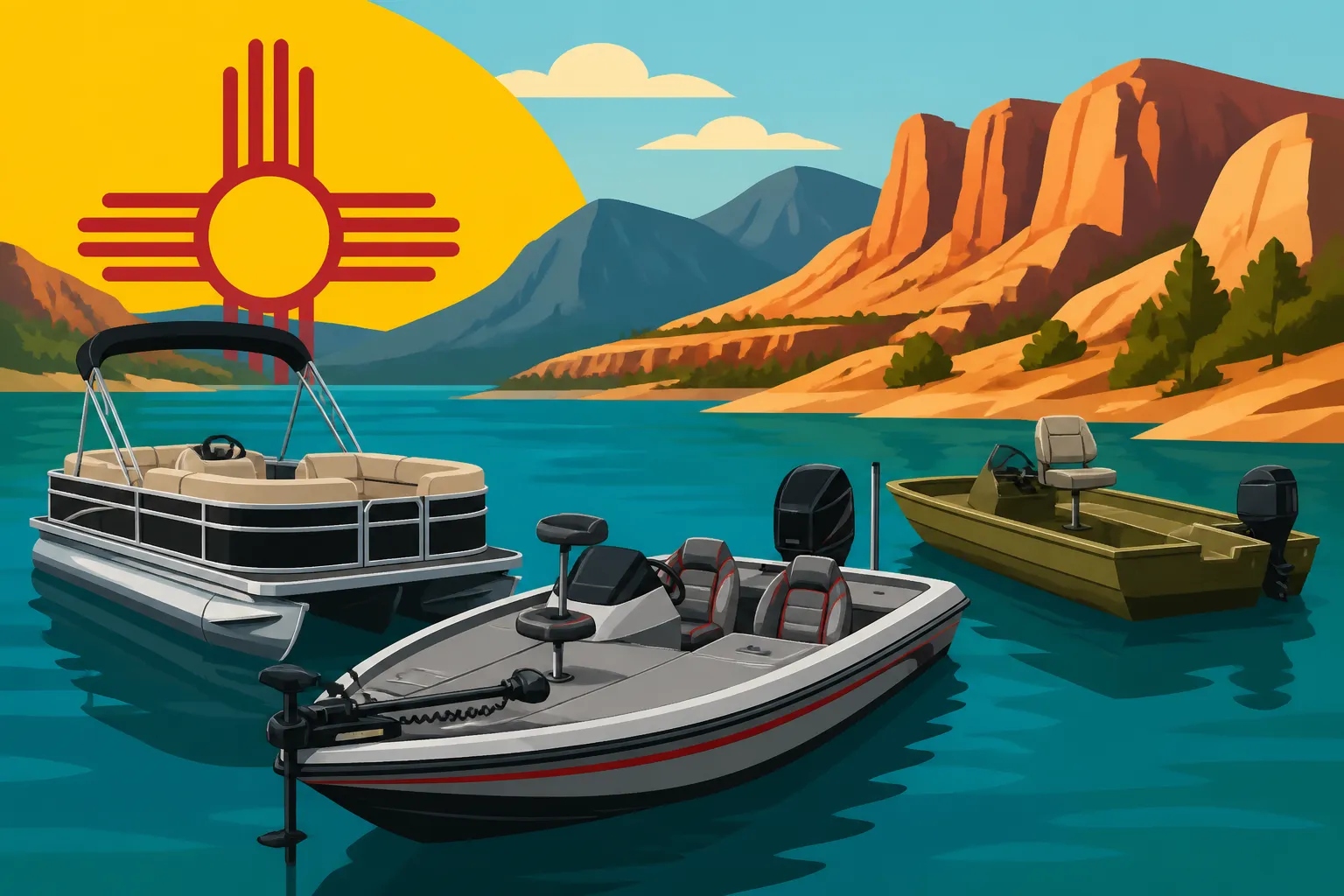
When you think of serious tournament fishing, you probably picture a bass boat. These sleek, powerful machines are designed for one thing: getting anglers to their hot spots quickly and providing an optimal platform for casting. Bass boats typically feature a low profile, wide beam, and powerful outboards that can handle significant speed across open water. Once on location, their flat casting decks offer excellent stability for standing and pitching lures with precision, which is a huge advantage when targeting structure in lakes like Conchas Lake or Ute Lake.
These boats are usually equipped with advanced electronics like high-definition fish finders and GPS, multiple rod lockers, and aerated livewells to keep your catch healthy throughout the day. The bow-mount trolling motor, often with GPS-controlled spot-lock technology, is indispensable for holding position against wind and current while you work a particular stretch of cover. However, their low freeboard (the distance from the water to the top of the boat’s side) can make them less comfortable in very choppy conditions, and their specialized design means they're not always the most versatile for other types of fishing, such as deep-water trolling for kokanee salmon. For competitive bass and walleye anglers, however, they're often the top choice. You can find excellent selections of specialized gear for bass boats, from trolling motors to advanced sonar units, at retailers like Bass Pro Shops.
Multi-Species Boats (Walleye/Deep-V Boats): Versatility for All Fish
If you’re the kind of angler who loves to chase whatever is biting, from hard-fighting walleye to majestic trout or even the occasional striper, a multi-species or deep-V boat might be your ideal companion. These boats are designed for versatility, offering a fantastic balance between stability, comfort, and fishability across a wider range of conditions and species. They typically have a deeper V-hull than bass boats, allowing them to cut through choppy water with greater ease, providing a much smoother and drier ride when the New Mexico wind decides to blow. This makes them particularly well-suited for larger, wind-prone reservoirs like Heron Lake, Navajo Lake, and Elephant Butte, where conditions can change rapidly.
Multi-species boats usually feature more open cockpit space, making them comfortable for multiple anglers and providing plenty of room for both casting and trolling. They often come equipped with larger livewells, ample storage for various types of tackle, and strategically placed rod holders for different fishing techniques. While they might not match the top-end speed of a dedicated bass boat, their ability to adapt to diverse fishing styles and weather conditions makes them an incredibly popular choice for New Mexico anglers who don't want to limit their options. They are excellent for trolling crankbaits for walleye, jigging for crappie, or even casting spoons for trout.
Pontoon Boats: Comfort, Space, and Family-Friendly Fishing
For many families or groups of friends looking to combine a relaxed day on the water with some casual fishing, pontoon boats have become incredibly popular. While not designed specifically for hardcore angling, their sheer comfort and spaciousness make them a fantastic option for leisurely trips on New Mexico's larger reservoirs. Imagine having enough room for a picnic lunch, comfortable couches, and still plenty of deck space for a few lines in the water. They are incredibly stable platforms, thanks to their twin (or sometimes triple) pontoons, which makes them very forgiving for beginners or those who might be a bit unsteady on their feet.
Pontoon boats excel in calm to moderately choppy conditions and are perfect for anchoring up in a quiet cove to soak some bait for catfish or jig for panfish. While they lack the speed and maneuverability of bass boats, many modern pontoon boats can be equipped with powerful enough outboards to cruise comfortably and even tow tubers or wakeboarders. Some models even come with fishing-specific layouts, including swiveling fishing seats, livewells, and built-in rod holders. For those who prioritize comfort, social interaction, and a laid-back approach to fishing, a pontoon boat offers an unbeatable experience on lakes like Sumner Lake or Caballo Lake.
Aluminum Jon Boats: Lightweight, Durable, and Budget-Friendly
If you’re looking for a practical, no-frills, and incredibly durable option, particularly for smaller lakes, river sections, or accessing remote areas with questionable launch sites, the aluminum jon boat is a classic choice. These boats are typically flat-bottomed or have a very shallow V, making them incredibly stable in calm water and allowing them to operate in very shallow depths. Their aluminum construction makes them lightweight, easy to trailer, and highly resistant to bumps and scrapes—a huge plus when navigating rocky shorelines or variable water levels.
Jon boats are often quite affordable and can be customized endlessly to suit your fishing needs. Many anglers add flooring, pedestal seats, rod holders, and even basic electronics. They are perfectly suited for bank fishing, fishing smaller ponds, or exploring sections of the Rio Grande where a larger boat would be impractical. While they won't win any speed races and can offer a very bumpy and wet ride in rough chop, their utility, durability, and cost-effectiveness make them an excellent entry-level option or a perfect second boat for specific applications. For gear and accessories to outfit a jon boat, sites like Amazon offer a wide array of options, from trolling motors to seat mounts.
Kayaks and Canoes: Stealth, Access, and Portability
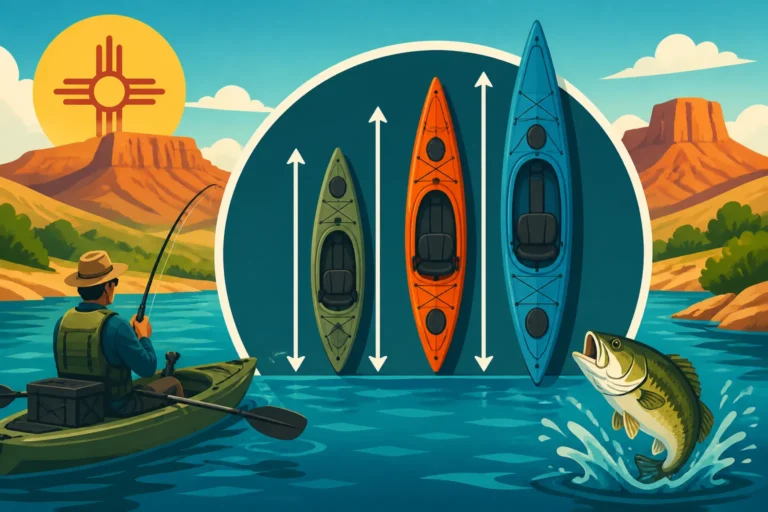
For the angler who craves solitude, stealth, and access to waters larger boats simply can’t reach, kayaks and canoes are exceptional choices. Modern fishing kayaks, in particular, have evolved into highly capable fishing platforms, offering incredible stability, ample storage, and even options for pedal drives or small electric motors. They allow you to quietly approach wary fish in shallow coves, paddle up narrow inlets, or explore the quietest corners of larger reservoirs like Heron Lake or Cochiti Lake. The portability of kayaks and canoes means you can launch them almost anywhere, bypassing crowded ramps and giving you unmatched flexibility.
While they require more physical effort than a motorized boat, and storage space is more limited, the rewards of kayak fishing—the close connection to nature, the challenge, and the ability to reach untouched spots—are immense. Many fishing kayaks come rigged with rod holders, gear tracks for mounting electronics, and comfortable seats for long hours on the water. They are especially popular for fly fishing or sight fishing for trout and bass in clear waters. For keeping your kayak anchored in a specific spot, you might want to look at specific kayak anchor systems available on Amazon. Kayak Fishing Gear for New Mexico Lakes can provide more detail on setting one up for success.
| Boat Type | Best For | Pros | Cons | Typical Use in NM Reservoirs |
|---|---|---|---|---|
| Bass Boat | Fast travel, tournament bass/walleye fishing | Speed, large casting decks, excellent electronics, great for stand-up fishing | Rough in chop, lower freeboard, less versatile, higher cost | Elephant Butte, Ute, Conchas for bass/walleye |
| Multi-Species | All-around fishing, varying conditions | Versatile, handles chop well, comfortable ride, good for trolling/casting | Slower than bass boats, may not have as large casting decks | Navajo, Heron, Elephant Butte for trout, walleye, striper |
| Pontoon Boat | Family trips, group fishing, comfort | Extremely stable, spacious, comfortable, good for entertaining | Slow, poor in rough water, limited serious angling features | Sumner, Caballo, warmer lakes for leisure & panfish |
| Aluminum Jon | Shallow water, durability, budget-friendly | Lightweight, easy to launch/retrieve, very durable, affordable | Rough ride in chop, basic features, less comfortable for long days | Smaller ponds, river sections, remote access points |
| Kayak/Canoe | Stealth, access, solo fishing | Portable, quiet, access remote areas, cost-effective | Limited space, slower, more physical effort, exposure to elements | High mountain lakes, quiet coves, river sections |
Key Features to Look for in a New Mexico Reservoir Fishing Boat
Once you've got a handle on the types of boats available and how they generally fit into the New Mexico fishing scene, it’s time to drill down into the specific features that can make or break your experience. It's not just about the size of the motor or the color of the hull; it's about how the boat's design and integrated systems will perform under real-world conditions on our challenging waters.
Hull Design and Stability: Cutting Through Chop and Staying Steady
The hull is the foundation of your boat, and its design dictates how the boat interacts with the water. In New Mexico, where winds can kick up quickly and create significant chop, the right hull design is paramount for both comfort and safety.
- Deep-V Hulls: These hulls have a pronounced V-shape extending from the bow all the way to the stern. They are excellent at cutting through waves, providing a smooth, dry ride even in rough conditions. This makes them ideal for large, open reservoirs like Elephant Butte, Navajo Lake, or Heron Lake where you might encounter serious chop. The trade-off is they can be less stable when stationary (at anchor or drifting) compared to flatter hulls, and they require more power to push through the water efficiently. Many multi-species boats feature a deep-V design.
- Modified-V Hulls: This design offers a compromise, with a sharper V-shape at the bow to slice through waves, gradually flattening out towards the stern for increased stability and quicker planning. This is a very popular and versatile hull design, offering a good balance of ride comfort and stability at rest. Many bass boats and some smaller multi-species boats use a modified-V.
- Flat-Bottom Hulls: Commonly found on jon boats, these hulls offer maximum stability when stationary and allow for extremely shallow draft, making them perfect for accessing skinny water. However, they provide a very jarring and wet ride in anything more than a ripple, which limits their suitability for larger, open reservoirs on windy days.
When evaluating stability, also consider the beam (width) of the boat. A wider beam generally correlates with greater stability, both at rest and while underway, making it more comfortable for multiple anglers moving around or standing to cast.
Storage and Livewell Systems: Keeping Gear Organized and Fish Alive
A fishing boat, regardless of its type, needs smart storage and an effective livewell system to be truly functional. There's nothing worse than a cluttered deck, tangled lines, or realizing your prized catch isn't going to make it to the weigh-in or the dinner table in good condition.
- Storage: Think about the gear you typically bring. Do you need long rod lockers to protect expensive rods and reels? Are there dedicated, waterproof compartments for tackle boxes, electronics, and safety equipment? Larger boats often feature integrated storage solutions, while smaller boats like jon boats might require aftermarket additions. Consider dry storage for personal items and easily accessible compartments for frequently used tools like pliers and measuring tapes. For keeping your fishing backpack and other gear secure, a good layout can make all the difference.
- Livewells: For anglers who practice catch and release, or who participate in tournaments, a properly designed livewell is essential. Look for livewells that are aerated (to oxygenate the water), insulated (to maintain a stable temperature), and have good circulation systems to keep fish healthy. Size matters too; if you plan on keeping larger fish or multiple limits, a generous livewell capacity is important. Some livewells even have dividers to separate different species or prevent fish from bruising each other.
Electronics and Trolling Motor Integration: Navigating and Positioning
Modern fishing success often hinges on advanced electronics and precise boat control. These tools allow you to find fish, understand underwater structure, and hold your position even in challenging conditions.
- Fish Finders and GPS: These are almost non-negotiable for reservoir fishing. A good fish finder (sonar) allows you to locate fish, identify bait schools, and map underwater contours and structure. Integrated GPS helps you navigate vast reservoirs, mark waypoints for productive spots, and safely return to the ramp. Many units offer side-imaging and down-imaging capabilities, providing incredibly detailed views of the underwater world. Choosing a Fish Finder for Deep Reservoirs can offer more in-depth advice here. Look for units that are easy to use, have clear displays, and are compatible with mapping chips for New Mexico waters.
- Trolling Motors: For precise boat positioning and stealthy approaches, a bow-mount electric trolling motor is invaluable, especially for bass and walleye fishing. Modern trolling motors often come with GPS functionality, allowing for "spot-lock" or "anchor" modes that automatically hold your boat in place against wind and current, freeing you up to focus on fishing. This is a game-changer when working a specific point, submerged brush pile, or rock ledge. For larger boats, a powerful 24V or 36V system is usually recommended to provide enough thrust and battery life for a full day of fishing. Consider remote control options for ultimate convenience.
Engine Power and Fuel Efficiency: Getting There and Back
Your boat's engine is its heart, and choosing the right one impacts everything from how quickly you get to your fishing spot to your overall running costs.
- Outboard Power: Most New Mexico reservoir boats will use an outboard motor. The horsepower needed depends heavily on the size and type of your boat. Bass boats and larger multi-species boats often run powerful outboards, from 150HP to 300HP+, to achieve high speeds across big water. Pontoons might have anything from a modest 50HP for cruising to a 150HP+ for watersports. Jon boats might run anything from a small tiller-steer 9.9HP to a 50HP. Always adhere to the boat manufacturer's maximum horsepower rating. A properly sized engine will allow your boat to plane efficiently, offering a better ride and fuel economy. Best Motor Horsepower for Reservoir Fishing offers a deeper dive into this topic.
- Fuel Efficiency: While getting to your spot quickly is great, burning through fuel at an alarming rate is not. Modern four-stroke outboards are significantly more fuel-efficient and environmentally friendly than older two-stroke models. Consider the size of your fuel tank and how far you typically travel. On large reservoirs like Elephant Butte, where a long run to a distant cove is common, better fuel economy translates to more fishing time and less worrying about running dry.
Navigating the Purchase: New vs. Used, Costs, and Customization
Deciding to buy a fishing boat for New Mexico's reservoirs is a big step, and there are several important factors to consider beyond just the type of boat itself. The choice between new and used, understanding the full financial picture, and thinking about how you'll customize your vessel are all crucial parts of the journey.
New vs. Used Boats: Weighing the Pros and Cons
This is often one of the first and most significant decisions an aspiring boat owner faces. Both new and used boats have distinct advantages and disadvantages.
- New Boats: The allure of a brand-new boat is undeniable. You get the latest technology, a full factory warranty, and the peace of mind knowing you're the first owner. You can often choose your exact specifications, colors, and installed options. The downside, of course, is the cost. New boats depreciate quickly, similar to cars, meaning a significant portion of their value is lost the moment you drive (or tow) it off the lot. Financing can be easier to obtain for new boats, but monthly payments will be higher. For someone who wants the absolute latest features, a full warranty, and doesn't mind the higher upfront cost, a new boat from a reputable dealer, perhaps one that carries brands also found at Bass Pro Shops, might be the way to go.
- Used Boats: Opting for a used boat can be a fantastic way to get more boat for your buck. Depreciation has already taken its toll, so you can often find a well-maintained, feature-rich boat for a fraction of the new price. This allows you to potentially afford a larger or more highly equipped model than you could new. However, buying used comes with inherent risks. You're buying someone else's history, and there might not be a warranty. A thorough inspection by a qualified marine mechanic is absolutely essential, as is checking the engine's hours and overall condition. Be prepared for potential repairs or upgrades shortly after purchase. Websites like Amazon can be great for finding replacement parts or aftermarket accessories for used boats.
Understanding the Costs Beyond the Sticker Price
Many first-time boat buyers focus solely on the purchase price, but the reality is that owning a boat involves a host of ongoing expenses. It's vital to budget for these additional costs to avoid financial surprises and ensure you can enjoy your vessel without stress.
- Maintenance: Just like a car, a boat requires regular maintenance. This includes oil changes, filter replacements, lower unit servicing, and general checks on electrical systems, trailer bearings, and pumps. More complex issues can arise, especially with older engines.
- Fuel: New Mexico's reservoirs are vast, and running a powerful outboard for a full day of fishing or cruising can consume a significant amount of fuel. Factor in the cost of gasoline, which can fluctuate.
- Insurance: Most lenders will require comprehensive boat insurance, and even if you pay cash, it's a wise investment to protect your asset against damage, theft, or liability.
- Registration and Titling: Every motorized boat in New Mexico must be registered and titled with the state. There are initial fees and annual renewal costs. New Mexico Boat Registration Cost by Length Class will give you an idea of these fees based on your boat's size.
- Storage: If you don't have space to keep your boat at home, you'll need to budget for storage fees at a marina or storage facility. This can vary widely depending on location and whether you opt for indoor or outdoor storage.
- Accessories and Upgrades: Very few boats come "turnkey" with every piece of equipment you'll ever need. You'll likely want to add or upgrade items like extra rod holders, a better fish finder, a comfortable seat, or a bimini top for sun protection. These costs can add up quickly.
Customizing Your Boat for New Mexico's Unique Waters
One of the great joys of boat ownership is making it truly your own and optimizing it for your specific fishing style and local conditions. Even if you buy a well-equipped boat, there are always opportunities for customization.
- Rod Holders: Different fishing styles require different rod holder setups. Trolling for walleye might call for flush-mount or rail-mount holders, while bass anglers might prefer vertical rod trees. Adding more or strategically placed holders can make a huge difference in convenience and efficiency.
- Anchor Systems: Given the often-windy conditions, a robust anchor system is crucial. This might include a traditional grapple or fluke anchor, or for more advanced control, a shallow water anchor system (like a Power-Pole or Talon) for quick, quiet deployment in shallower areas. For those with bow-mount trolling motors, a strong drift sock can also help slow your drift in windy conditions.
- Bimini Tops: New Mexico's sun can be intense, especially during the summer months. A bimini top provides much-needed shade and UV protection, making long days on the water far more comfortable and safer.
- Electronics Upgrades: Many boat owners start with basic electronics and then upgrade to larger screens, more powerful transducers, or add networked systems with radar or side-scanning capabilities as their needs and budget evolve.
- Deck and Interior Enhancements: This could involve adding marine-grade carpet or non-slip flooring, upgrading seats for more comfort, installing additional lighting for night fishing, or even building custom storage solutions for specialized gear. Remember, a boat isn't just a tool; it's an investment in your passion.
Essential Gear and Safety Considerations for Reservoir Anglers
Even the best boat is only part of the equation for a successful and safe fishing trip on New Mexico's reservoirs. Beyond the vessel itself, you need the right gear and, more importantly, a steadfast commitment to safety. The open waters, sudden weather changes, and potential for emergencies mean being prepared is not just a good idea, it's essential.
Must-Have Safety Equipment: Always Be Prepared
Neglecting safety equipment is never an option. The New Mexico State Parks Division, which manages boating safety on many reservoirs, has clear requirements, and these are the absolute minimums. Don't cut corners here; your life, and the lives of your passengers, could depend on it.
- Life Jackets (PFDs): This is perhaps the most critical piece of safety gear. You must have at least one wearable U.S. Coast Guard-approved life jacket for every person on board your vessel. Additionally, any boat 16 feet or longer (excluding canoes and kayaks) must also carry one throwable flotation device (Type IV PFD). Children 12 years of age and younger are required to wear a life jacket at all times while underway on any vessel. Make sure they fit properly and are easily accessible, not stowed away in a locked compartment. Required Safety Gear on a New Mexico Boat outlines these requirements in detail.
- Fire Extinguisher: All motorized boats are required to carry a readily accessible, U.S. Coast Guard-approved fire extinguisher. Check its gauge regularly to ensure it's charged and ready to use.
- Sound-Producing Device: Whether it's a whistle, horn, or bell, you need a way to signal other boaters, especially in emergencies or low visibility conditions.
- Navigation Lights: If you plan on being on the water from sunset to sunrise, or in periods of restricted visibility, your boat must be equipped with proper navigation lights (red/green bow lights and a white stern light) that are fully functional.
- First-Aid Kit: A well-stocked first-aid kit is crucial for handling minor injuries like hook punctures, cuts, or scrapes, which are common occurrences on a fishing trip.
- Anchor and Line: Even if you have a trolling motor with spot-lock, a traditional anchor with sufficient line is a vital backup for holding your position in an emergency or during equipment failure.
- Bailing Device: A bucket, bilge pump, or other bailing device is necessary to remove water from your boat in case of leakage or swamping. Most powerboats have automatic bilge pumps, but a manual backup is always wise.
Important Fishing Accessories for Reservoir Success
Beyond the essentials, certain accessories can greatly enhance your fishing experience and efficiency on New Mexico's reservoirs. These aren't just luxuries; they're tools that contribute to a more enjoyable and productive day on the water.
- Drift Socks: For fishing large, open reservoirs like Elephant Butte when the wind is up, a drift sock (sea anchor) is an invaluable tool. It deploys off the side of your boat and acts like a parachute in the water, slowing your drift and allowing you to present lures or bait more effectively, especially for walleye or stripers.
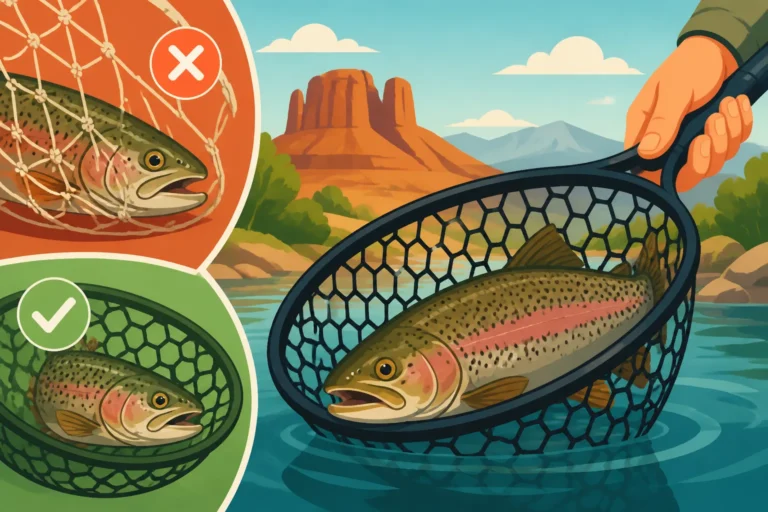
- Long-Handled Landing Net: A good, long-handled landing net is essential for safely landing larger fish, especially when fishing alone or trying to quickly net a fish for catch and release. Rubberized nets are preferred as they are gentler on fish and less likely to tangle hooks.
- Coolers: Keep your drinks and snacks cold, and more importantly, keep your catch fresh. Invest in a good quality cooler that can hold ice for extended periods, especially during New Mexico's hot summers. Best Coolers for Keeping Fish Fresh in New Mexico provides more detail.
- Specialized Rods and Reels: Depending on your target species and preferred techniques, having a range of rods and reels can be beneficial. From heavy-action rods for casting big swimbaits for stripers to sensitive spinning outfits for finesse walleye fishing, having the right tool for the job makes a difference.
- Binoculars: For spotting distant boils of feeding stripers, identifying birds diving on baitfish, or simply scouting new areas, a good pair of binoculars can be surprisingly useful.
- Sun Protection: New Mexico’s high desert sun is no joke. Wide-brimmed hats, polarized sunglasses (crucial for spotting fish and structure), long-sleeved UPF-rated shirts, and plenty of sunscreen are absolute necessities for preventing sunburn and eye strain.
Boat Maintenance and Winterization Tips
A boat is a significant investment, and proper maintenance is key to its longevity, reliability, and safe operation. Neglecting basic upkeep can lead to costly repairs and even dangerous breakdowns on the water.
- Regular Cleaning: Salt, dirt, and UV exposure can take a toll on your boat's finish and components. Rinse your boat thoroughly with fresh water after every trip, especially if you've been in dusty or muddy areas. Use marine-specific cleaners and protectants to keep surfaces clean and prevent sun damage.
- Engine Checks: Follow the manufacturer's recommended service schedule for your outboard motor. This typically includes oil changes, fuel filter replacements, spark plug inspections, and checking the propeller for damage. Always inspect your propeller before launching and after retrieving for dings or bent blades.
- Trailer Maintenance: Your trailer is just as important as your boat. Check tire pressure, wheel bearings, lights, and hitch components regularly. Lubricate moving parts and replace any worn-out components to ensure safe transport.
- Battery Care: Marine batteries are critical. Keep terminals clean and free of corrosion, check water levels in flooded batteries, and use a marine-grade battery charger or tender, especially during periods of non-use, to keep them topped off.
- Winterization: If you plan to store your boat during the colder months, proper winterization is crucial to prevent damage from freezing temperatures. This usually involves stabilizing the fuel, fogging the engine cylinders, changing the lower unit oil, and draining water from pumps and livewell systems. If you're not comfortable doing it yourself, invest in professional winterization to protect your investment. Even in New Mexico, temperatures can drop significantly, making this a vital step.
New Mexico Boat Registration and Titling Requirements
Navigating the paperwork for boat ownership can be a chore, but it's a legal necessity in New Mexico. Before you even think about launching your new vessel, you need to understand and comply with the state's registration and titling regulations. Ignoring these can lead to fines, hassles with law enforcement, and prevent you from enjoying the waters you've invested in.
Understanding State Regulations
In New Mexico, almost all motorized vessels, regardless of size, and sailboats 10 feet or longer, are required to be registered and titled with the Motor Vehicle Division (MVD). This includes traditional powerboats, bass boats, multi-species boats, pontoon boats, and even canoes or kayaks equipped with electric trolling motors. The only real exemptions are non-motorized vessels under 10 feet (like many canoes and kayaks without motors) and documented vessels (typically commercial or large recreational vessels registered with the U.S. Coast Guard, which is rare for typical fishing boats).
The purpose of registration is primarily for identification and to fund state boating programs, while titling establishes legal ownership. It's crucial to understand that these are separate, though often related, processes. When you purchase a new or used boat, ensuring you receive the proper title documents from the seller is your first step toward legal ownership. Without a valid title, you cannot register the boat in your name. For a deeper dive into the specifics, check out New Mexico Boat Registration and Titling Guide.
The Registration Process Step-by-Step
Registering and titling your boat in New Mexico generally follows a clear procedure, but gathering the correct documentation beforehand will make the process much smoother.
-
Gather Required Documents:
- Proof of Ownership: This is typically a Manufacturer’s Statement of Origin (MSO) for new boats or a properly endorsed title from the previous owner for used boats. If buying a very old boat without a title, specific forms for establishing ownership may be required, so check with the MVD first.
- Bill of Sale: A detailed bill of sale showing the purchase price, date, and signatures of both buyer and seller is crucial.
- Identification: A valid New Mexico driver's license or state ID.
- Application Forms: You'll need to complete specific MVD forms for both title and registration.
- Proof of Sales Tax Payment (if applicable): If you purchased the boat in New Mexico, you'll likely pay sales tax at the time of registration unless it was part of a private sale with a specific exemption.
- Hull Identification Number (HIN): This unique 12-digit number identifies your boat, much like a VIN for a car.
-
Visit Your Local MVD Office: All boat registrations and titling are handled through the New Mexico MVD. You will need to appear in person to complete the process. Be prepared for potential wait times, especially during peak seasons.
-
Pay Fees: There are fees associated with both titling and registration, which vary based on the length of your boat and other factors. You will also pay any applicable sales tax at this time. Always check the current fee schedule on the MVD website or call ahead.
-
Receive Registration and Decals: Once processed, you'll receive your boat's registration certificate, which must be kept on board the vessel whenever it's in operation. You'll also be issued registration decals (stickers) that must be affixed to both sides of your boat's bow, typically within six inches of the registration numbers, in a clearly visible location.
-
Affix Registration Numbers: You'll also need to display your boat's registration numbers (usually two letters, four numbers, and two letters, e.g., "NM 1234 AB") on both sides of the bow. These numbers must be block characters, at least three inches high, and in a color that contrasts sharply with the hull color. This is critical for easy identification by law enforcement.
Remember, boat registrations are typically valid for one year and must be renewed annually. New Mexico Fishing License Year and Renewal and New Mexico Boat Registration Renewal Steps can offer further insights into timing and process for renewal, making sure you stay on the water legally and without interruption.
Disclaimer
This article is for general informational purposes only and does not constitute professional advice. Laws, prices and regulations vary by location and change over time. Consult a qualified professional for guidance on your specific situation.