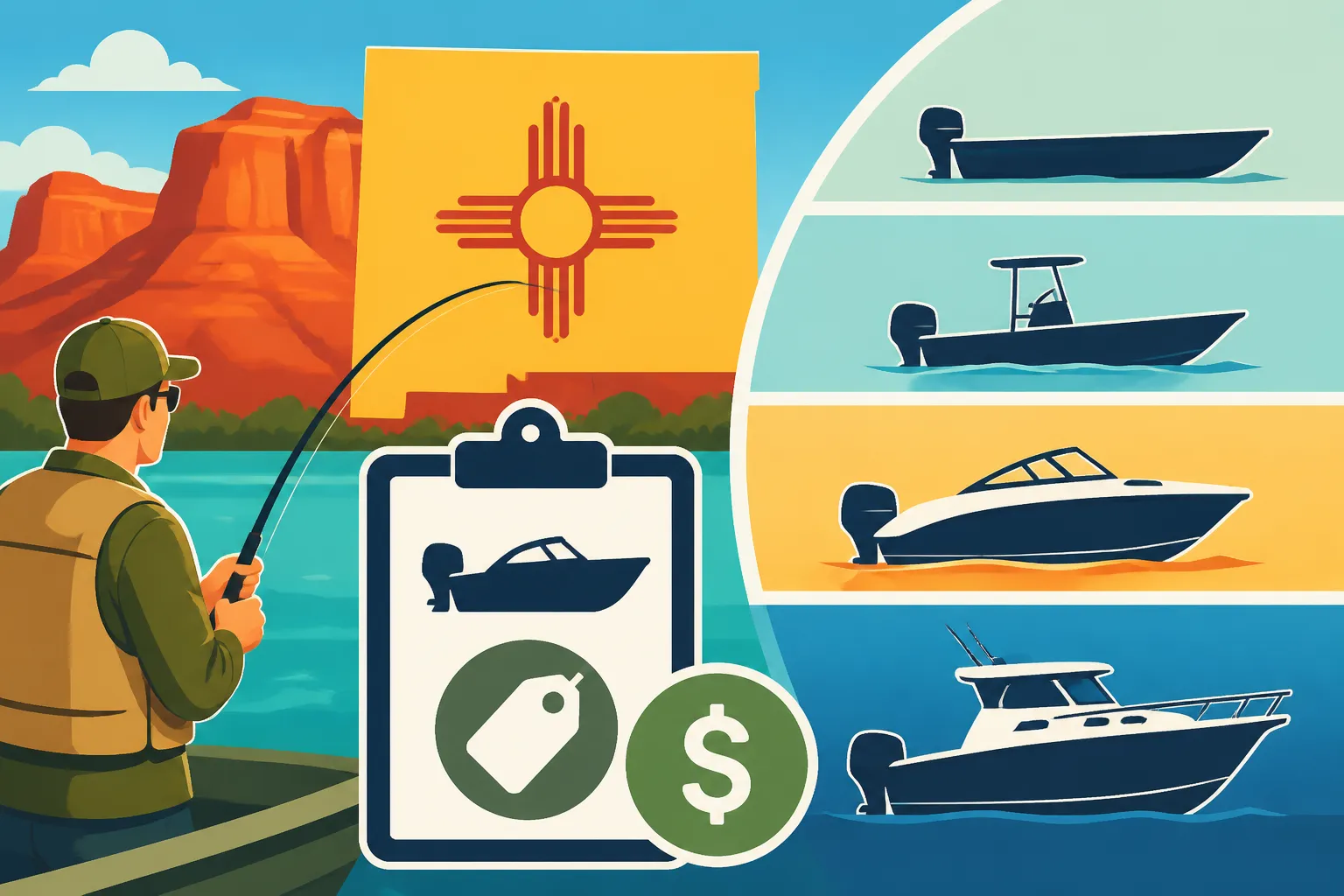
New Mexico Boat Registration Cost by Length Class
Trying to figure out the exact cost to register your boat in New Mexico can feel like navigating a maze, especially with all the different forms and fee schedules out there. It’s easy to get bogged down in the details and wonder if you’re missing something important. This guide is here to untangle all that confusion, giving you a clear, detailed breakdown of New Mexico’s boat registration costs based on your vessel’s length, along with other essential fees you need to know about.
Understanding New Mexico Boat Registration Essentials
Before we dive into the nitty-gritty of what you’ll pay, let’s talk about why we even have to do this in the first place. Nobody likes extra paperwork or fees, but boat registration serves a really important purpose, not just for the state, but for us anglers and recreational boaters too.
Why Boat Registration Matters
Think of boat registration much like registering your car. It's how the state keeps track of who owns what on the water, ensures vessels meet basic safety standards, and helps fund vital programs. These programs include things like maintaining boat ramps, enforcing boating laws to keep everyone safe, and even search and rescue operations. When you register your boat, you're contributing to a safer and more enjoyable environment for everyone who uses New Mexico's beautiful lakes and rivers, from the sprawling waters of Elephant Butte Lake to the serene Navajo Lake. It’s not just a hoop to jump through; it's a way to ensure our waterways remain accessible and managed. Without proper identification through registration, emergency services would have a much harder time locating vessels in distress or identifying boats involved in incidents.
Which Vessels Need to Be Registered?
This is where some folks get tripped up. The general rule of thumb in New Mexico is that any motor-driven vessel, regardless of its size, has to be registered. This includes everything from your big bass boat with a powerful outboard to a small jon boat with a tiny electric trolling motor. Even a kayak or canoe that you decide to attach an electric motor to for a little extra oomph will need to be registered. However, there are some exceptions that are worth noting. Non-motorized vessels like kayaks, canoes, paddleboards, and rowboats are typically exempt from registration unless they are mechanically propelled. So, if you're just paddling your way around Abiquiu Lake, you're likely in the clear. Federally documented vessels, typically larger commercial or recreational boats, also have different registration requirements. Make sure you understand the nuances by checking the official New Mexico Motor Vehicle Division (MVD) guidelines or by consulting our detailed guide on New Mexico Boat Registration and Titling Guide.
Breaking Down Registration Costs by Boat Length
Alright, let's get to the main event: the actual costs. New Mexico structures its boat registration fees based on the length of your vessel. This is pretty common among states, as larger boats generally place more demand on infrastructure and resources. The good news is that these fees are relatively straightforward once you know your boat’s class.
The Length Class System Explained
New Mexico categorizes boats into several length classes, each with its own registration fee. It’s crucial to accurately measure your boat from the tip of the bow to the stern, excluding any attachments like swim platforms or bowsprits, to ensure you’re paying the correct fee. Misrepresenting your boat’s length could lead to issues down the line. Here’s a general breakdown of the classes and their associated fees:
- Class A (Less than 16 feet): This category often includes many smaller fishing boats, personal watercraft (PWCs), and utility boats. The annual registration fee for these vessels is typically the lowest.
- Class 1 (16 feet to less than 26 feet): This is a popular class for many recreational powerboats, ski boats, and larger fishing boats used on reservoirs like Conchas Lake. The fee steps up a bit from Class A.
- Class 2 (26 feet to less than 40 feet): These are larger cruisers, pontoon boats, and bigger offshore-style fishing vessels. The fees reflect the increased size and potential usage.
- Class 3 (40 feet to less than 65 feet): You’re looking at serious yachts and substantial houseboats in this category. The registration cost jumps significantly.
- Class 4 (65 feet and over): These are truly large vessels, often custom-built or commercial in nature. The registration fees are the highest in this class.
It’s also important to remember that these fees are typically for annual registration. You’ll need to renew your registration periodically, often on a yearly cycle. Our guide on New Mexico Boat Registration Renewal Steps can walk you through that process.
Current Registration Fees by Length Class
To give you a clearer picture, here's a table outlining the current typical registration fees. Please keep in mind that these figures are subject to change, so always double-check with the official New Mexico Motor Vehicle Division (MVD) website for the most up-to-date information.
| Boat Length Class | Length Range | Annual Registration Fee (Approximate) |
|---|---|---|
| Class A | Less than 16 feet | $10 – $15 |
| Class 1 | 16 feet to < 26 feet | $20 – $25 |
| Class 2 | 26 feet to < 40 feet | $30 – $35 |
| Class 3 | 40 feet to < 65 feet | $40 – $45 |
| Class 4 | 65 feet and over | $50+ (varies) |
| Personal Watercraft | (Often Class A or specific PWC fee) | $10 – $15 |
These fees are generally for a one-year registration period. When you're budgeting for your boating adventures, whether it's catching walleye at Ute Lake or targeting striped bass at Elephant Butte Lake, remember to factor this recurring cost into your plans.
Additional Fees and Hidden Costs to Consider
While the basic registration fee is the most obvious cost, there are other fees that can sneak up on you if you're not prepared. These include titling fees, excise taxes, and potentially even a Habitat Management & Access Validation if you also plan to fish from your registered vessel.
Boat Titling Fees and Sales Tax
Every motorized vessel in New Mexico, much like a car, needs a title. This proves ownership and is a one-time fee when you first acquire the boat. The cost for a title is usually a flat fee, but it's an essential part of the process. If you’re buying a brand-new boat or even a used one, you'll also be subject to an excise tax, which is essentially New Mexico's version of a sales tax on vehicles and vessels. This tax is calculated as a percentage of the boat's purchase price or its fair market value, whichever is higher. So, a new fishing boat from your local dealer in Albuquerque will incur this tax, as will a used one you bought from a private seller. Don't forget to account for this significant upfront cost in your budget. It's often overlooked, but it can be substantial. For more details on this, check out our guide on New Mexico Boat Titling and Registration.
Late Fees and Penalties
Life happens, and sometimes we forget deadlines. However, with boat registration, forgetting can cost you. New Mexico has late fees for expired registrations, and these can add up. It’s always best to mark your calendar for your renewal date to avoid these unnecessary charges. Furthermore, operating an unregistered vessel can lead to fines and citations from law enforcement. Imagine getting pulled over on the Rio Grande and realizing your tags are expired – that's a quick way to put a damper on your fishing trip! Make sure you know the Deadline to Register a Boat After Buying It in New Mexico to avoid these issues from the start.
Habitat Management & Access Validation
If your registered boat is primarily used for fishing, you'll also need to consider the New Mexico Habitat Management & Access Validation (HMAV). This isn't strictly a "boat registration" fee, but it's a mandatory purchase for most anglers (18 years and older) who possess a fishing license. This validation helps fund access to public lands and waters and critical habitat improvements. Even if your boat is solely for fishing, this is an additional cost you'll need to factor in annually. It’s part of the broader financial commitment to enjoying our state's natural resources responsibly. For a full breakdown of this, refer to New Mexico Habitat Management and Access Validation Stamp.
How to Register Your Boat in New Mexico
Now that you know what it’ll cost, let’s talk about how to get it done. The process is fairly straightforward, but it requires gathering the right documents and knowing where to go.
Required Documents for Registration
Before you head to the MVD, make sure you have all your ducks in a row. You'll generally need:
- Proof of Ownership: This could be a manufacturer's statement of origin (MSO) for a new boat, a properly assigned title (if the boat was previously titled in New Mexico or another state), or a bill of sale. For new purchases, you'll need documentation of the sale, often a sales agreement from the dealer.
- Application for Title and Registration: This form is available from the MVD. You can often find it online and fill it out in advance.
- Proof of Residency: If you're applying for a resident registration, you'll need documents like a New Mexico driver's license or utility bills.
- Payment for Fees: Be ready to pay the registration fee, titling fee, and excise tax (if applicable).
- Hull Identification Number (HIN): This unique 12-digit code is usually found on the transom of the boat. It's like your boat's VIN.
- Odometer Disclosure Statement (if applicable): While not typically for boats, sometimes the MVD asks for this depending on the vehicle type.
- Proof of Vessel Inspection (sometimes): In some cases, especially for homemade boats or those without clear HINs, an inspection might be required.
Always double-check the specific requirements on the New Mexico MVD website or call them before your visit to ensure you have everything needed. It saves a lot of time and frustration!
Where to Register Your Boat
You have a couple of options for registering your boat in New Mexico, depending on what works best for you.
In-Person at the MVD
The most common way to register your boat is by visiting your local New Mexico Motor Vehicle Division (MVD) office. This is often the best route if you have a complicated situation, unique documents, or just prefer to speak with someone in person to ensure everything is correct. They can help you navigate the paperwork and make sure all fees are paid. You can find a list of MVD offices on the state's official website. It’s a good idea to arrive early, especially during peak times, as waiting can be a factor. While you're waiting, you might scroll through Amazon on your phone for some boat accessories or safety gear. For a detailed list of locations, see our guide on Where to Buy a New Mexico Fishing License in Person – though it’s about fishing licenses, many of these locations also handle MVD services.
Online Registration (for Renewals)
While initial registration typically requires an in-person visit, especially for titling and excise tax payment, renewals can often be handled online through the New Mexico MVD's portal. This is a huge convenience and can save you a trip to the office. Just make sure your information is up-to-date and you have your previous registration details handy. The online system makes it relatively easy to pay your annual fee and print a temporary registration if needed. This streamlined process is a godsend for busy anglers who would rather spend their time on the water, perhaps trying to reel in a lunker at Bill Evans Lake, than in a government office. For more details on how to do this, check out Buying a New Mexico Fishing License Online, which shares similar online portal mechanics to boat registration renewals.
What Happens After You Register
Once you've successfully navigated the paperwork and paid your fees, you'll receive your boat registration certificate and new decals. These decals, which display your registration number and expiration year, must be prominently displayed on the bow of your boat. This is crucial for identification by law enforcement. You'll also need to carry your registration certificate on board your vessel whenever it's in use. Think of it as your boat's driver's license – always keep it accessible! Having all your required documents and safety equipment in order, like life jackets you might have ordered from Amazon, will make any encounter with game wardens or marine patrol officers smooth and brief, allowing you to get back to the serious business of fishing or boating.
It's also a good idea to keep a digital copy of your registration on your phone or tablet, just in case the paper copy gets wet or lost. While a physical copy is generally preferred, having a backup can be a lifesaver. Ensure you also understand other regulations, such as the Required Safety Gear on a New Mexico Boat to stay fully compliant and safe on the water.
Disclaimer
The information provided in this guide is for general informational purposes only and does not constitute legal advice. While we strive to keep the information up-to-date and correct, boat registration costs and regulations in New Mexico can change. Always consult the official New Mexico Motor Vehicle Division (MVD) website or contact them directly for the most current and accurate information before making any decisions related to boat registration, titling, or fees.