Where to Find Cutthroat Trout in New Mexico
Finding native cutthroat trout in New Mexico can feel like searching for a hidden treasure, a quest many anglers dream of but few truly understand how to achieve. These beautiful, wild fish often inhabit remote, challenging terrain, making the pursuit both rewarding and elusive. This guide will walk you through where these iconic trout make their homes, the best ways to reach them, and how to fish for them responsibly to preserve their legacy for generations to come.
Understanding New Mexico's Cutthroat Trout Species
When we talk about cutthroat trout in New Mexico, we're primarily focusing on one very special, native subspecies: the Rio Grande Cutthroat Trout. These fish are not just another species; they are a vital part of New Mexico's natural heritage and a testament to the wild, rugged beauty of its high country.
The Iconic Rio Grande Cutthroat Trout
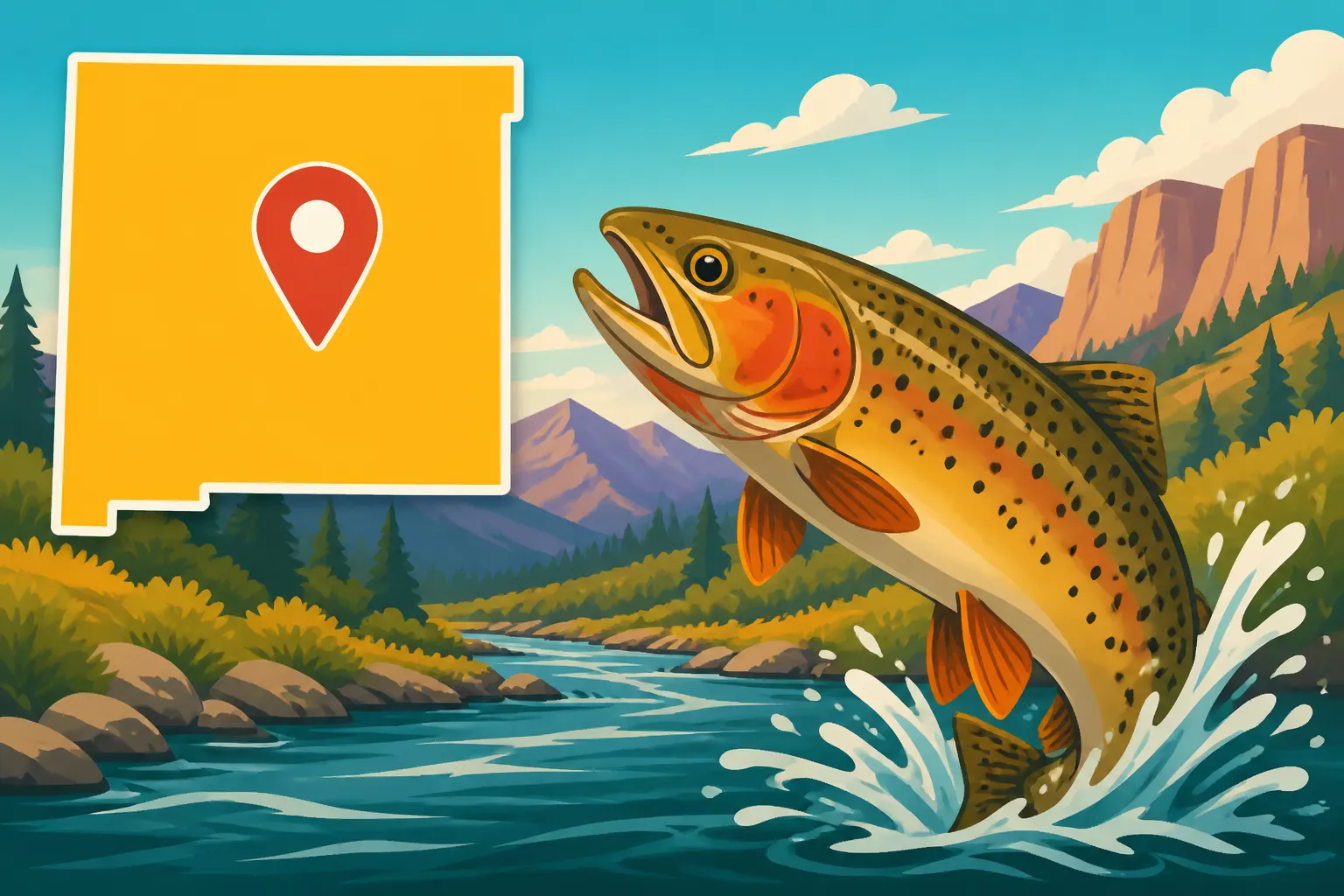
The Rio Grande Cutthroat Trout ( Oncorhynchus clarkii virginalis ) is New Mexico's state fish, and for good reason. It's a stunning fish, typically displaying olive-green to yellowish-brown coloration on its back, fading to lighter shades on its sides and belly. What truly distinguishes it, of course, are those brilliant red-orange slashes beneath its jaw, the "cutthroat" mark that gives the species its name. Their bodies are typically covered in small, evenly distributed spots that are often more concentrated towards the tail.
These incredible fish are native to the Rio Grande and Pecos River drainages in New Mexico and southern Colorado. For centuries, they thrived in the cold, clear waters of high-elevation streams and mountain lakes. However, like many native species, their populations have faced significant challenges due to habitat loss, drought, and competition/hybridization with introduced trout species like rainbows and browns. Thankfully, dedicated conservation efforts are working tirelessly to restore and protect these precious genetic strongholds. When you catch a Rio Grande Cutthroat, you're not just landing a fish; you're connecting with a piece of living history.
Other Cutthroat Varieties and Historical Presence
While the Rio Grande Cutthroat is the star of the show in New Mexico, it's worth noting that other cutthroat subspecies, such as Yellowstone Cutthroat or Colorado River Cutthroat, might have been introduced or historically present in certain waters. However, these introductions are typically considered non-native and often pose a threat to the genetic purity of the indigenous Rio Grande Cutthroat.
Conservation efforts today are heavily focused on identifying, protecting, and expanding the range of genetically pure Rio Grande Cutthroat populations. This means that while you might encounter a hybridized cutthroat or even another subspecies in some areas, the true target for the native cutthroat enthusiast in New Mexico will almost always be the Rio Grande Cutthroat. It's a subtle but important distinction that reflects the ongoing commitment to restoring these unique fish to their rightful place in the ecosystem. Anglers should be aware of these efforts and always prioritize responsible fishing practices that support the recovery of native fish.
Prime Locations for Rio Grande Cutthroat Trout in New Mexico
Finding Rio Grande Cutthroat isn't like fishing for stocked rainbow trout in a local pond. These are wild fish that prefer pristine, often remote, high-elevation environments. The journey to reach them is often as much a part of the experience as the fishing itself.
High-Elevation Wilderness Streams and Lakes
The heart of cutthroat country in New Mexico lies in its northern mountains, primarily within the Pecos Wilderness and parts of the Carson National Forest and Santa Fe National Forest. These areas offer the cold, clean water and undisturbed habitats that Rio Grande Cutthroat need to survive and thrive.
One of the most renowned areas is the Pecos Wilderness. Here, you'll find numerous small streams and headwaters that hold native cutthroat. Think of creeks that feed into the Pecos River, like the Rio Mora, Holy Ghost Creek, or the upper reaches of the Pecos River itself, high above the more accessible sections. These streams are often narrow, choked with willows, and require considerable bushwhacking and hiking to reach. The fish in these waters are typically smaller than their hatchery-raised cousins, often ranging from 6 to 12 inches, but what they lack in size, they make up for in beauty and tenacity. You'll need to study detailed maps and be prepared for strenuous backcountry travel. Remember to check the latest New Mexico Fishing Regulations Overview for any specific rules pertaining to these remote waters.
Further north, the high country of the Carson National Forest also offers opportunities. Streams draining from the Sangre de Cristo Mountains, particularly those flowing into the Rio Grande, can harbor populations of cutthroat. The Rio de las Vacas area, for example, is another spot where dedicated anglers might find these native treasures. Similarly, within the Santa Fe National Forest, numerous small tributaries offer potential. These aren't heavily stocked "put-and-take" fisheries; they are places where persistence and respect for nature are key. High-altitude lakes in these wilderness areas, though less common for cutthroat, can occasionally be found with self-sustaining populations, often accessible only via long hikes.
Lesser-Known Tributaries and Restoration Areas
Beyond the well-known wilderness, many smaller, often unnamed tributaries hold isolated pockets of Rio Grande Cutthroat. These are the unsung heroes of the cutthroat world, often serving as critical refugia for genetically pure strains. State agencies like the New Mexico Department of Game and Fish (NMDGF), along with conservation groups, actively work on restoring these populations. This often involves removing non-native fish species (like brook trout or rainbow trout) from specific headwater sections and then reintroducing genetically pure Rio Grande Cutthroat.
These restoration areas are typically very sensitive and may have specific, often restrictive, fishing regulations, or even temporary closures. Always consult the official NMDGF fishing proclamation before heading out. Sometimes, these small streams require considerable effort to locate and navigate, often involving steep terrain and dense vegetation. The reward, however, is the chance to fish in truly wild environments and connect with a fish that represents a successful conservation story. If you're looking for an unforgettable experience and perhaps a guide to help navigate these challenging spots, platforms like FishingBooker can sometimes connect you with local experts who specialize in native trout trips.
Considerations for Accessing Cutthroat Habitats
Accessing these high-elevation cutthroat habitats is not for the faint of heart. Most require significant hiking, often several miles, into designated wilderness areas. This means you need to be physically prepared, carry appropriate gear, and understand wilderness ethics.
Preparation is paramount:
- Navigation: A good topographical map and compass, along with a GPS device or smartphone app, are essential. Cell service is often non-existent in these remote areas.
- Gear: Sturdy hiking boots, appropriate layering for rapidly changing mountain weather, plenty of water, and emergency supplies are crucial. A quality Fishing Backpack and Wading Gear for New Mexico will be invaluable.
- Regulations: Always carry your valid New Mexico fishing license and be intimately familiar with the specific regulations for the water you intend to fish. Many wilderness streams have special restrictions, such as catch-and-release only, artificial flies and lures only, or even barbless hook requirements. Make sure you understand New Mexico Special Trout Water Rules before you go.
- Respect: Practice Leave No Trace principles. Pack out everything you pack in, minimize your impact, and respect wildlife. These are fragile ecosystems.
Many of these areas fall under federal land management, meaning you'll need a New Mexico fishing license and potentially a New Mexico Habitat Stamp and Validation Requirements for specific access points. Checking with the local Forest Service or BLM office before your trip can also provide valuable insights into current conditions, road closures, or any specific area restrictions.
Tactics for Successfully Catching New Mexico Cutthroat Trout
Once you've made the trek into cutthroat country, the fishing itself presents its own unique challenges. These wild fish are often wary and require a stealthy, precise approach.
Fly Fishing for Wary Wild Trout
For many dedicated cutthroat anglers, fly fishing is the method of choice. The delicate presentation and subtle nature of fly fishing are perfectly suited for these skittish fish in clear, shallow streams.
When fly fishing for Rio Grande Cutthroat, stealth is your absolute best friend. These fish are incredibly sensitive to movement and shadows. Approach the stream cautiously, staying low and out of sight as much as possible. A long leader and fine tippet (5x or 6x) are often necessary to avoid spooking them.
Effective Fly Patterns:
- Small Dry Flies: Cutthroat are opportunistic surface feeders, especially in summer. Think small caddis (Elk Hair Caddis), attractors (Parachute Adams, Royal Wulff), or terrestrial patterns (Ants, Beetles, Grasshoppers) in sizes 14-18.
- Nymphs: When fish aren't looking up, small nymph patterns are highly effective. Focus on common aquatic insects like Pheasant Tail Nymphs, Hare's Ear Nymphs, Copper Johns, and San Juan Worms in sizes 16-20.
- Streamers: Very small streamers, like a Woolly Bugger in olive or black (size 10-14), can sometimes entice a more aggressive strike, especially in deeper pools.
Techniques:
- Accurate Casting: Often, you'll have only small windows to cast, navigating overhead branches or streamside vegetation. Accuracy is more important than distance.
- Reading Water: Look for deeper pools, undercut banks, and current seams where fish might hold. Cutthroat often tuck into cover.
- Short Drifts: In small streams, your drifts will be short. Focus on getting a natural, drag-free drift through the most likely holding water.
- Upstream Approach: Casting upstream and letting your fly drift back down is often the least intrusive way to present a fly without spooking fish.
While gear like a Best Fly Rods for the San Juan River is optimized for larger tailwaters, a shorter, lighter rod (2-4 weight, 6-7.5 feet) is often ideal for the tight, brushy streams where cutthroat reside.
Spin Fishing with Light Tackle and Artificial Lures
If fly fishing isn't your preferred method, spin fishing can also be effective, provided you use the right gear and maintain a stealthy approach. The key here is "light tackle" and "artificial lures." Live bait is generally prohibited in cutthroat recovery waters, and for good reason – it can introduce non-native species or diseases.
Gear Considerations:
- Ultra-Light Rod and Reel: A lightweight spinning rod (5-6 feet) paired with a small reel spooled with 2-4 pound test line will allow for delicate presentations and make even a small cutthroat feel like a trophy.
- Small Lures: Focus on small spinners (Mepps, Panther Martin, Rooster Tail) in sizes 0 or 1, small spoons (Kastmasters, Dardevles), or tiny soft plastics (grubs, micro jigs) rigged on very light jig heads. Natural colors like silver, gold, black, or brown are often best.
- Single, Barbless Hooks: To minimize harm to these delicate fish, crimp down the barbs on your lures or replace treble hooks with single, barbless hooks. Many cutthroat waters require this by regulation.
Techniques:
- Accurate Casting: Similar to fly fishing, precise casts into small pockets and behind structure are crucial.
- Slow Retrieve: Cutthroat often prefer a slower, more natural presentation. Experiment with retrieve speeds.
- Work the Water Thoroughly: Don't just cast into the middle of a pool. Fan your casts, hitting the edges, undercuts, and seams.
- Stealth: Again, keep a low profile and move slowly along the bank to avoid spooking fish.
Spin fishing for cutthroat can be incredibly rewarding, but it demands the same level of respect for the environment and the fish as fly fishing.
The Importance of Catch and Release
Catch and release is not just a suggestion; it's often a necessity when pursuing Rio Grande Cutthroat Trout. These populations are often fragile, and every fish released safely back into the water contributes to the species' recovery and long-term viability. Many cutthroat streams are designated as "catch-and-release only" or have strict bag limits of zero.
Best Practices for Catch and Release:
- Minimize Handling: Try to keep the fish in the water as much as possible. If you must handle it, do so with wet hands and support its body, especially its belly.
- Use Barbless Hooks: This makes hook removal quick and easy, reducing stress and injury to the fish.
- Quick Hook Removal: Use hemostats or pliers to quickly remove the hook. If the fish is deeply hooked, consider cutting the line as close to the hook as possible.
- Revive Carefully: If the fish seems sluggish, hold it gently in the current, facing upstream, until it swims away under its own power. Do not drag it backward.
- Limit Photo Time: While a quick photo is fine, get the shot and release the fish promptly. Prolonged exposure to air can be very detrimental.
Understanding How to Handle a Trout Before Releasing It is vital for the survival of these precious native fish. Responsible angling directly supports the conservation efforts that allow future generations to experience the thrill of catching a wild Rio Grande Cutthroat.
Understanding Regulations and Conservation Efforts for Cutthroat Trout
Fishing for native cutthroat trout in New Mexico isn't just about finding them and catching them; it's also about understanding and respecting the intricate web of regulations and conservation efforts designed to protect them. These efforts are crucial, and every angler plays a part.
Specific Rules for Cutthroat Fisheries
Due to their sensitive status, waters holding Rio Grande Cutthroat Trout often have very specific and restrictive regulations. It is absolutely non-negotiable to consult the current New Mexico Fishing Rules and Regulations document before planning your trip. This guide is updated annually and can be found on the NMDGF website. Failure to do so could result in hefty fines and penalties.
Common restrictions you might encounter in cutthroat waters include:
- Catch and Release Only: This is perhaps the most common regulation for pure strain cutthroat waters. It means you must release all fish caught immediately and unharmed.
- Artificial Lures and Flies Only: To prevent the introduction of disease or non-native species, and to reduce incidental mortality, live bait is almost always prohibited. An "artificial lure" typically means a lure that does not contain animal or plant parts, natural or synthetic food products, or any flavor or scent attractant.
- Barbless Hooks: Many designated cutthroat waters require the use of barbless hooks to ensure quick and easy release with minimal injury to the fish. You can buy barbless hooks or simply crimp down the barbs on your existing hooks with pliers.
- Daily Bag and Possession Limits: While many pure cutthroat waters are catch and release, some might have extremely limited bag limits (e.g., one fish) to allow for occasional harvest while still protecting the population. It is critical to know these specific numbers. For example, if you're curious about Can You Keep Cutthroat Trout in New Mexico?, the answer truly depends on the specific body of water you're fishing and its regulations.
These regulations are not arbitrary. They are carefully crafted by fisheries biologists to provide the best chance for these native populations to recover and thrive. Your adherence to them is a direct contribution to conservation.
How Anglers Contribute to Conservation
As an angler, you are on the front lines of conservation. Your actions in the field have a direct impact on the health of cutthroat populations and their habitats.
Ethical angling and Leave No Trace principles are paramount:
- Support NMDGF: When you purchase a New Mexico Fishing License Guide, a significant portion of those fees goes directly to funding fisheries management, habitat restoration, and enforcement programs, including those specifically targeting Rio Grande Cutthroat. Understanding Where New Mexico Fishing License Fees Go can highlight the importance of your contribution.
- Leave No Trace: This isn't just a suggestion; it's a code of conduct for wilderness users. Pack out all trash, including discarded fishing line and even biodegradable items like orange peels. Stay on designated trails where possible to avoid trampling delicate vegetation, and never build new fire rings or leave human waste exposed.
- Report Violations: If you witness illegal fishing activity, habitat destruction, or pollution, report it to the New Mexico Department of Game and Fish. Your vigilance helps protect these precious resources.
- Educate Others: Share your knowledge of responsible angling and conservation with fellow anglers, especially those new to fishing in the high country. Help foster a culture of respect for native species.
- Respect Private Land: Much of New Mexico's land is private. Always know where you are fishing and respect private property boundaries. Obtaining permission is essential when accessing private lands. If you're unsure about access or want to explore new spots, guides found through services like FishingBooker often have intimate knowledge of access points and regulations, ensuring a legal and ethical trip.
The future of the Rio Grande Cutthroat Trout depends heavily on the collective actions of informed and responsible anglers. By following regulations, practicing ethical catch and release, and supporting conservation efforts, you help ensure these magnificent fish continue to grace New Mexico's waters for generations to come.
Cutthroat Trout Locations and Access Overview
Here's a quick look at some key characteristics of prime cutthroat fishing areas in New Mexico. Remember, specific conditions and regulations can change, so always verify with NMDGF.
| Location Type | Typical Cutthroat Size | Access Difficulty | Key Regulations | Recommended Approach |
|---|---|---|---|---|
| Pecos Wilderness Streams | 6-12 inches | High (long hikes) | Catch & Release, Artificial Flies/Lures, Barbless | Fly Fishing (small dries/nymphs), Stealth |
| Carson NF Headwaters | 6-10 inches | Medium-High | Often similar to Pecos, check specific stream | Fly Fishing, Ultra-Light Spin, Patience |
| Santa Fe NF Tributaries | 6-12 inches | Medium-High | Variable, likely Catch & Release | Focus on small pockets and runs |
| Restoration Areas | Variable, often small | High (sensitive) | Very strict (C&R, artificial, barbless, closures) | Research specific area regulations meticulously |
| High Mountain Lakes | 8-16 inches (rarer) | Very High (expedition) | Variable, often remote general trout rules | Trolling, shore casting, specific fly patterns |
Disclaimer
The information provided in this guide is for general informational purposes only and is not intended as legal advice. Fishing regulations in New Mexico can change frequently. It is the angler's sole responsibility to consult the most current New Mexico Department of Game and Fish (NMDGF) regulations and proclamations before engaging in any fishing activity. Always be aware of local conditions, weather, and safety protocols when venturing into the outdoors.