Where New Mexico Fishing License Fees Go
It's a common thought, isn't it? You dutifully purchase your New Mexico fishing license, maybe a habitat stamp, and perhaps a second rod validation, and a little voice in the back of your head wonders, "Where exactly does all this money go?" It's a fair question, especially when every dollar counts. This guide is here to pull back the curtain and show you precisely how those essential fees are put to work, ensuring the Land of Enchantment remains a fantastic destination for anglers for years to come.
Understanding the Flow of Funds: Why Your Fishing License Matters
When you fork over your hard-earned cash for a fishing license in New Mexico, you're not just buying a piece of paper that grants you permission to wet a line. You're actively participating in a time-honored tradition of conservation. The New Mexico Department of Game and Fish (NMDGF) is primarily funded by these license sales, along with federal aid, meaning that without anglers and hunters, the very resources we cherish would rapidly decline. It's a self-sustaining model, where the users of the resource directly fund its protection and enhancement.
The "Why" Behind the Fee
Think about it this way: New Mexico boasts an incredible diversity of fisheries, from the pristine high-mountain trout streams in the Pecos Wilderness to the vast, warm-water reservoirs like Elephant Butte Lake, teeming with striped bass and walleye. Maintaining these diverse ecosystems isn't free. There are fish to stock, habitats to protect, water quality to monitor, and regulations to enforce. Each of these activities requires personnel, equipment, and scientific research. Your license fee is the foundational bedrock that supports these efforts, ensuring that when you plan your next trip, the fish are there, and the waters are healthy. It's an investment in your own future angling experiences and those of generations to come.
The Broader Conservation Picture
Beyond the immediate benefit to your fishing hole, these fees contribute to a much broader conservation strategy. The NMDGF manages all wildlife and fish species in the state, not just those that are game species. This means that the funds derived from your fishing license can indirectly support projects that benefit non-game fish, amphibians, and the myriad of other aquatic life forms that create a healthy ecosystem. A vibrant river system that supports native Rio Grande cutthroat trout will also provide habitat for countless other species. It's all interconnected. Your contribution helps maintain the delicate balance of New Mexico's natural heritage, protecting biodiversity across the state's varied landscapes. This holistic approach ensures that conservation efforts are far-reaching, from the high desert to the mountain peaks.
Key Destinations for Your Dollars: How Fees Are Allocated
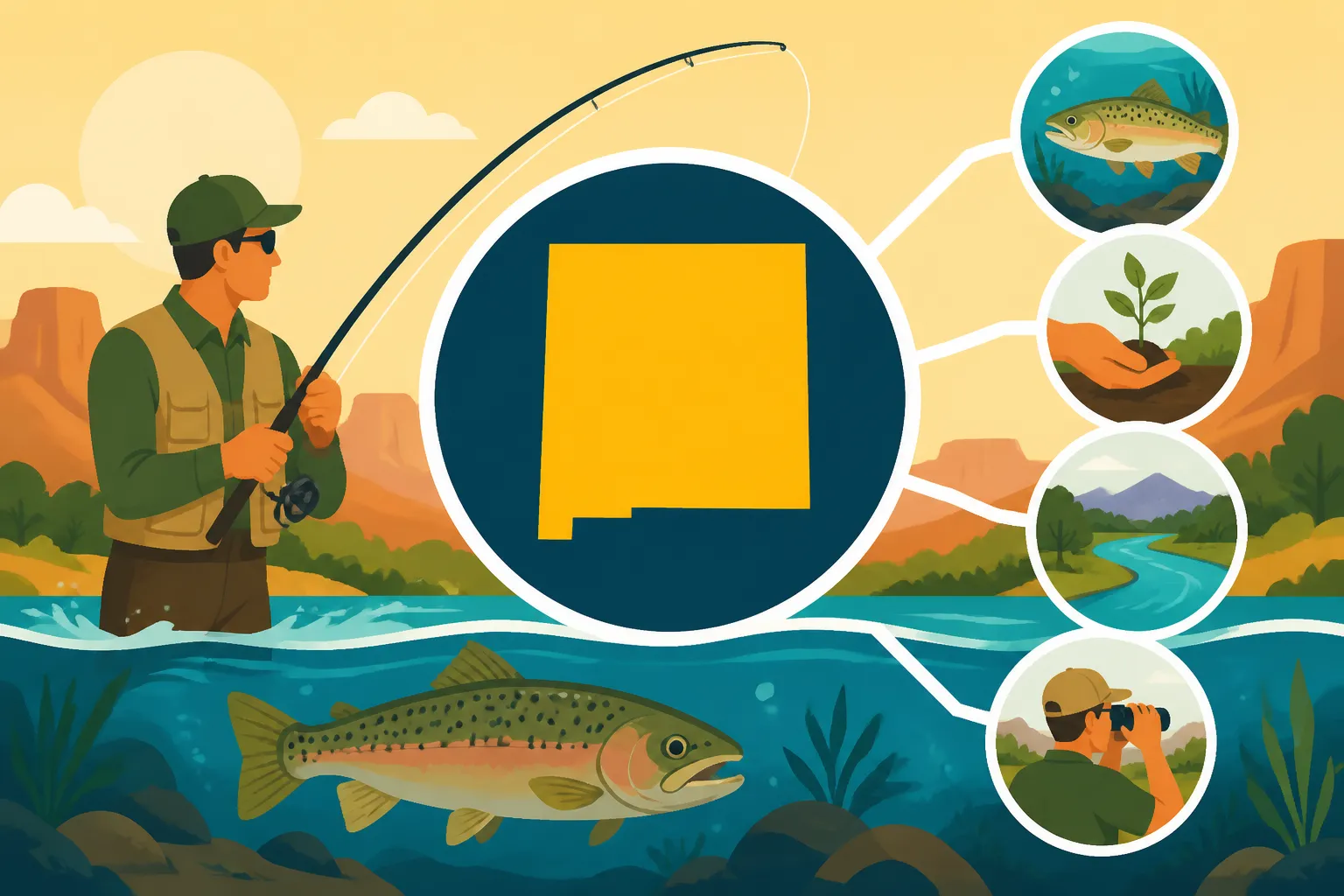
The money collected from your New Mexico fishing license isn't just tossed into a general fund. It's carefully allocated across several critical areas that directly benefit anglers and the aquatic environments they enjoy. While specific percentages can shift year to year based on emergent needs and budget cycles, the core categories remain consistent.
Fish Stocking and Habitat Restoration
This is often one of the most visible and appreciated uses of your license fees. New Mexico actively stocks millions of fish each year, primarily rainbow trout, into lakes, rivers, and urban ponds across the state. This practice ensures consistent angling opportunities, especially in areas with high angler pressure or where natural reproduction is limited. Whether you're chasing freshly stocked trout in a local pond or hoping for a trophy catch in one of the state's larger reservoirs, these fish are there because of funding from license sales. The NMDGF fish hatcheries, like the one in Seven Springs, rely entirely on these funds to operate, raise fish, and transport them to stocking locations.
But it's not just about stocking. A significant portion of your fees goes into habitat restoration projects. This could involve restoring degraded stream banks, improving spawning grounds for native fish species like the Gila trout, or managing aquatic vegetation in lakes. For example, projects might focus on mitigating the effects of erosion or restoring riparian zones along critical waterways, all of which improve water quality and create healthier environments for fish to thrive naturally. These efforts are crucial for long-term sustainability, often yielding more resilient fish populations than stocking alone.
Law Enforcement and Public Safety
Another vital component funded by your license fees is the enforcement arm of the New Mexico Department of Game and Fish. Game wardens are not just there to check your license (though they will!). They are highly trained law enforcement officers responsible for enforcing all fishing and wildlife regulations, protecting New Mexico's wildlife resources from poaching and illegal activities, and ensuring public safety on the water and in the field. This includes patrolling lakes and rivers, investigating violations, responding to emergencies, and educating the public about proper fishing practices and regulations. Without adequate enforcement, rules like those detailed in the New Mexico Fishing Regulations Overview would be ineffective, leading to overfishing, habitat destruction, and a general decline in the quality of the fishing experience. These officers are on the front lines, ensuring everyone plays by the rules and that the resources are there for everyone to enjoy responsibly.
Education, Outreach, and Access
Your license dollars also support critical programs aimed at educating the public, especially the next generation of anglers. NMDGF offers various outreach initiatives, including youth fishing clinics, hunter education courses, and workshops on topics like fly tying or safe boating. These programs are essential for fostering a love of the outdoors and teaching responsible stewardship. They also help new anglers understand the importance of things like the New Mexico Habitat Stamp and Validation Requirements or how to properly How to Get a New Mexico Fishing License.
Furthermore, a portion of the funds contributes to improving and maintaining public access to fishing areas. This can mean developing new boat ramps, maintaining existing access points, or purchasing easements to ensure anglers can reach prime fishing locations. Think of the well-maintained trails along the San Juan River or the public docks at popular reservoirs; these are often a direct result of investments funded by license sales. Ensuring that everyone, from families with young children to disabled anglers, can access fishing opportunities is a key objective.
Here's a simplified breakdown of typical allocation categories:
| Allocation Category | Description | Example of Funded Activity |
|---|---|---|
| Fish Management | Covers all activities related to sustaining fish populations, including stocking, research, population surveys, disease prevention, and genetic diversity programs. | Rearing millions of rainbow trout at Seven Springs Hatchery; monitoring walleye populations at Conchas Lake. |
| Habitat Improvement | Projects focused on enhancing, restoring, or protecting aquatic and riparian habitats crucial for fish survival and reproduction. | Stream bank stabilization on the Rio Chama; restoring native vegetation along the Gila River. |
| Law Enforcement | Funding for game wardens and related equipment (vehicles, boats, communications) to enforce fishing regulations, investigate violations, and promote public safety. | Patrols on Navajo Lake; investigating illegal netting incidents; providing boating safety checks. |
| Public Access & Facilities | Development and maintenance of public access points, boat ramps, fishing piers, parking areas, and informational signage at fishing locations. | Constructing an ADA-compliant fishing pier; maintaining boat launches at Elephant Butte Lake. |
| Education & Outreach | Programs designed to educate the public about fishing, conservation, outdoor ethics, and safety. | Youth fishing clinics; publishing the annual fishing regulations guide; "Hooked on Fishing" program. |
| Administration & Support | Essential operational costs of the Department, including salaries for non-field staff, IT, facilities maintenance, and other overhead necessary to run a complex state agency. | Processing license sales (whether in person or when you're buying a New Mexico Annual Fishing License online from the NMDGF website); managing finances. |
The Impact of Your Investment: Real-World Examples
It's one thing to talk about where the money goes in broad categories, but it's another to see the tangible results. Your investment in a New Mexico fishing license directly translates into vibrant fisheries and accessible outdoor recreation. These aren't just abstract numbers; they represent real projects and real fish in the water.
Specific Projects and Success Stories
Consider the ongoing efforts to restore the Rio Grande cutthroat trout, New Mexico's state fish. Funds from license sales contribute significantly to projects aimed at preserving and expanding populations of this beautiful native trout in its historical range. This often involves carefully removing non-native species from certain streams and then reintroducing genetically pure Rio Grande cutthroats. It's a meticulous, long-term endeavor that wouldn't be possible without consistent funding. Similarly, efforts to protect and recover the Gila trout in the Gila Wilderness rely heavily on state resources, ensuring that these rare and precious fish continue to swim in their native waters.
Another prime example is the management of our trophy trout waters. The famous Quality Waters of the San Juan River below Navajo Dam, known for its incredible density of large trout, benefits immensely from intensive management funded by angler dollars. This includes regular population surveys, habitat enhancements, and the rigorous enforcement of New Mexico Trout Fishing Rules, all designed to maintain its status as a world-class fishery. When you're standing knee-deep in that incredible river, catching and releasing beautiful fish, you're directly experiencing the return on your investment.
Maintaining Popular Fishing Spots
Your fishing license fees are also hard at work maintaining the popular spots you love to visit. Take Fenton Lake, for instance, a picturesque mountain lake that offers fantastic trout fishing. The regular stocking of trout, the maintenance of boat ramps and picnic areas, and the presence of game wardens to ensure a safe and fair experience are all supported by license sales. Or consider the urban fisheries program in cities like Albuquerque and Santa Fe, which stocks smaller ponds with catchable trout and catfish, providing easily accessible angling opportunities for families and beginners. These community-focused efforts are a direct response to angler demand and are sustained by your contributions. These initiatives help create welcoming environments for everyone, from seasoned anglers looking to relax to newcomers casting a line for the very first time.
Beyond the License: Other Funding Sources and Future Challenges
While your fishing license fees are the cornerstone of New Mexico's aquatic conservation, they are not the only source of funding. A significant portion of the NMDGF budget also comes from federal aid, primarily through a program that has a fascinating history and continues to be crucial for wildlife management nationwide.
Federal Aid and Grant Programs
The primary source of federal funding for state fish and wildlife agencies comes from the Dingell-Johnson Act, officially known as the Federal Aid in Sport Fish Restoration Act. Enacted in 1950, this act established an excise tax on fishing tackle, certain fishing equipment (like those you might find on Amazon or at your local sporting goods store), and motorboat fuel. The revenue from these taxes is then apportioned back to states based on their land and water area and the number of fishing license holders. This "user pays, user benefits" model is incredibly effective. So, every time you buy a new fishing rod, a tackle box, or fill up your boat with gas, you're indirectly contributing to this federal fund, which then flows back to New Mexico to support fishing and boating access, aquatic education, and fish conservation projects. This federal aid often matches or supplements state funds, essentially doubling the impact of your license fees.
The NMDGF also actively pursues various grants from federal agencies and private foundations for specific projects, such as habitat restoration for endangered species or research into critical fish populations. These grants help extend the reach of the department beyond what license sales alone could achieve, tackling larger-scale or more specialized conservation challenges.
The Ongoing Need for Angler Support
Despite these various funding streams, the challenges facing New Mexico's fisheries are constant and often growing. Drought, climate change, increasing recreational demands, and the introduction of invasive species all put pressure on our aquatic resources. This means the need for dedicated funding from anglers is as critical as ever. Every time you purchase a fishing license, whether it's a New Mexico One-Day and Five-Day Fishing Licenses for a short trip or commit to a full annual license, you're making a direct contribution to the health and future of New Mexico's waters. It's a testament to the fact that anglers are not just users of the resource, but its most passionate and vital stewards. Your continued support ensures that the NMDGF can adapt to new challenges and continue its essential work in protecting and enhancing New Mexico's incredible fishing opportunities for all.
Disclaimer
The information provided in this guide is for general informational purposes only and is subject to change. While we strive to offer accurate and up-to-date content, fishing regulations, license requirements, and funding allocations can be updated by the New Mexico Department of Game and Fish. Always consult the official NMDGF website or their current regulations booklet for the most precise and legally binding information before planning your fishing activities.