Pecos River Fishing
There’s nothing quite like the allure of casting a line in a beautiful, wild river, but sometimes finding that perfect spot in New Mexico can feel like a puzzle. With its vast, diverse landscapes, figuring out where to go, what to use, and what to expect on the Pecos River, specifically, can be a real head-scratcher. This comprehensive guide is here to untangle all those questions, helping you plan an unforgettable fishing adventure on one of the state's most iconic waterways, from its icy mountain headwaters to its warmer, sprawling lower reaches.
The Pecos River: A Journey Through Diverse Ecosystems
The Pecos River is an absolute gem in New Mexico, offering an incredible variety of fishing experiences that shift dramatically as the river snakes its way from the high Sangre de Cristo Mountains all the way down to the Texas border. It's truly a river of contrasts, where one day you might be wading through icy, clear mountain streams chasing native trout, and the next you could be casting for bass and catfish in wider, warmer stretches further south. Understanding this incredible diversity is key to unlocking its full potential as an angler.
From Alpine Headwaters to Desert Flows
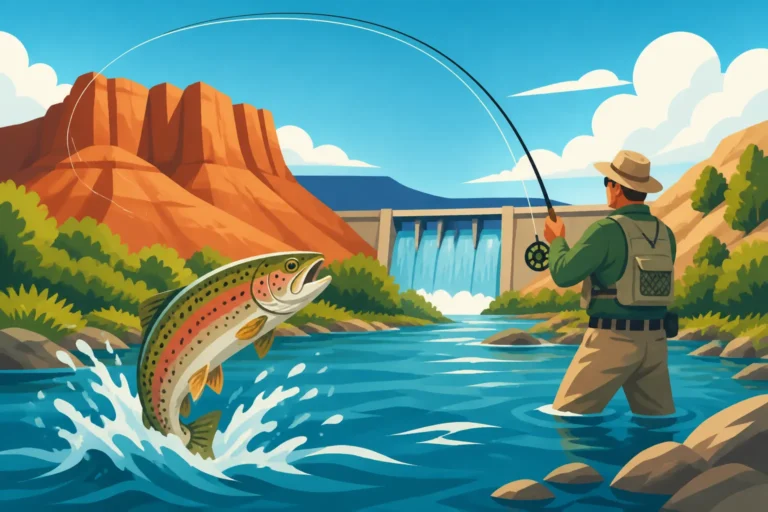
Let’s start at the very top, where the Pecos River is born high in the Pecos Wilderness, nestled within the Santa Fe National Forest. Up here, it’s a quintessential coldwater trout stream – think crystal-clear water, dense pine forests, and challenging but rewarding fishing. This is where you'll find healthy populations of wild trout, including the prized native Rio Grande Cutthroat Trout. The river is narrow, often cascading over rocks, and requires stealth and precise casting. Access here is typically via hiking trails, and it's a true wilderness experience.
As the Pecos flows south, passing through the village of Pecos and continuing past Villanueva State Park, it begins its transformation. The elevation drops, the river widens, and the water slowly warms. This middle section can offer a mixed bag, especially in the spring and fall, as the New Mexico Department of Game and Fish often stocks trout in more accessible areas, creating fantastic opportunities for anglers who prefer an easier approach. However, as summer progresses, warmwater species start to dominate. Further downstream, particularly as it approaches cities like Roswell and Carlsbad, the Pecos becomes a classic warmwater river. Here, it’s wide and slower, often influenced by irrigation demands, and holds entirely different species like bass, catfish, and panfish, presenting a whole new set of angling challenges and rewards.
Water Conditions and Flow Variations
One of the biggest factors influencing fishing success on the Pecos River is its constantly changing water conditions and flow. In the upper, mountainous sections, spring runoff from snowmelt can turn the river into a raging torrent, making fishing nearly impossible from late April through early June. However, once the runoff subsides, usually by mid-to-late June, the water clears and drops, revealing prime trout habitat. Anglers targeting this high country should always check streamflow gauges before heading out to avoid a wasted trip.
Further downriver, the Pecos is more susceptible to monsoon season rains, which typically occur from July through September. Heavy downpours can cause localized flash floods and turn the water muddy and high quickly. While this can temporarily shut down fishing, some warmwater species, like catfish, can actually become more active during and after these events. Additionally, irrigation diversions significantly impact water levels in the middle and lower Pecos, especially during dry periods. These diversions can lower water levels considerably, concentrating fish but also making them more vulnerable to predators and stress. Being aware of these seasonal and environmental factors is crucial for planning a successful trip.
Unlocking the Upper Pecos: Trout Fishing Paradise
For many, the Pecos River means one thing: trout. And indeed, the upper stretches of this magnificent waterway offer some of the most spectacular trout fishing opportunities in New Mexico. But it's not a "drive up and catch 'em" kind of place; it often requires a bit of effort and preparation, which is precisely why it's so rewarding.
Renowned Trout Waters and Access Points
The most celebrated trout waters of the Pecos are found within the vast and rugged Pecos Wilderness. This is where the river truly shines as a destination for anglers seeking solitude and wild fish. Access points often involve hiking several miles from trailheads like those near Cowles, Glorieta, or even further north in the Santa Fe National Forest. Trails such as the Jack's Creek Trail or the Pecos Baldy Lake trails lead to remote sections of the main Pecos River and its numerous feeder streams and alpine lakes. These remote areas hold strong populations of native Rio Grande Cutthroat Trout, often alongside wild Brown Trout and stocked Rainbow Trout. Be prepared for a backcountry experience; services are non-existent, and self-sufficiency is key. It's a truly immersive experience that gets you away from the crowds and into the heart of New Mexico's stunning natural beauty.
Closer to civilization, the Pecos National Historical Park also offers some unique, if more regulated, fishing opportunities. While the river runs through parts of the park, specific fishing access and rules may apply, so it's vital to check with park rangers. Additionally, sections of the Pecos River near the town of Pecos, especially those flowing through public lands or easily accessible state game and fish easements, are regularly stocked with Rainbow Trout. These spots provide excellent opportunities for families or those looking for a more relaxed day of fishing without the strenuous hike. However, even in these more accessible areas, knowing the specific New Mexico Trout Fishing Rules is paramount, as regulations can vary from catch-and-release only to bait restrictions.
Target Species and Proven Tactics
When you're in the high country of the Pecos, your main targets will be trout. The Rio Grande Cutthroat Trout is New Mexico's state fish and a true prize. These beautiful, vibrant fish often sport distinct red slashes under their jaw. They are found predominantly in the smaller, higher elevation tributaries and the more remote sections of the main Pecos. Alongside them, you'll encounter robust wild Brown Trout, known for their wariness and larger size potential, and plentiful Rainbow Trout, often the result of stocking programs by the New Mexico Department of Game and Fish.
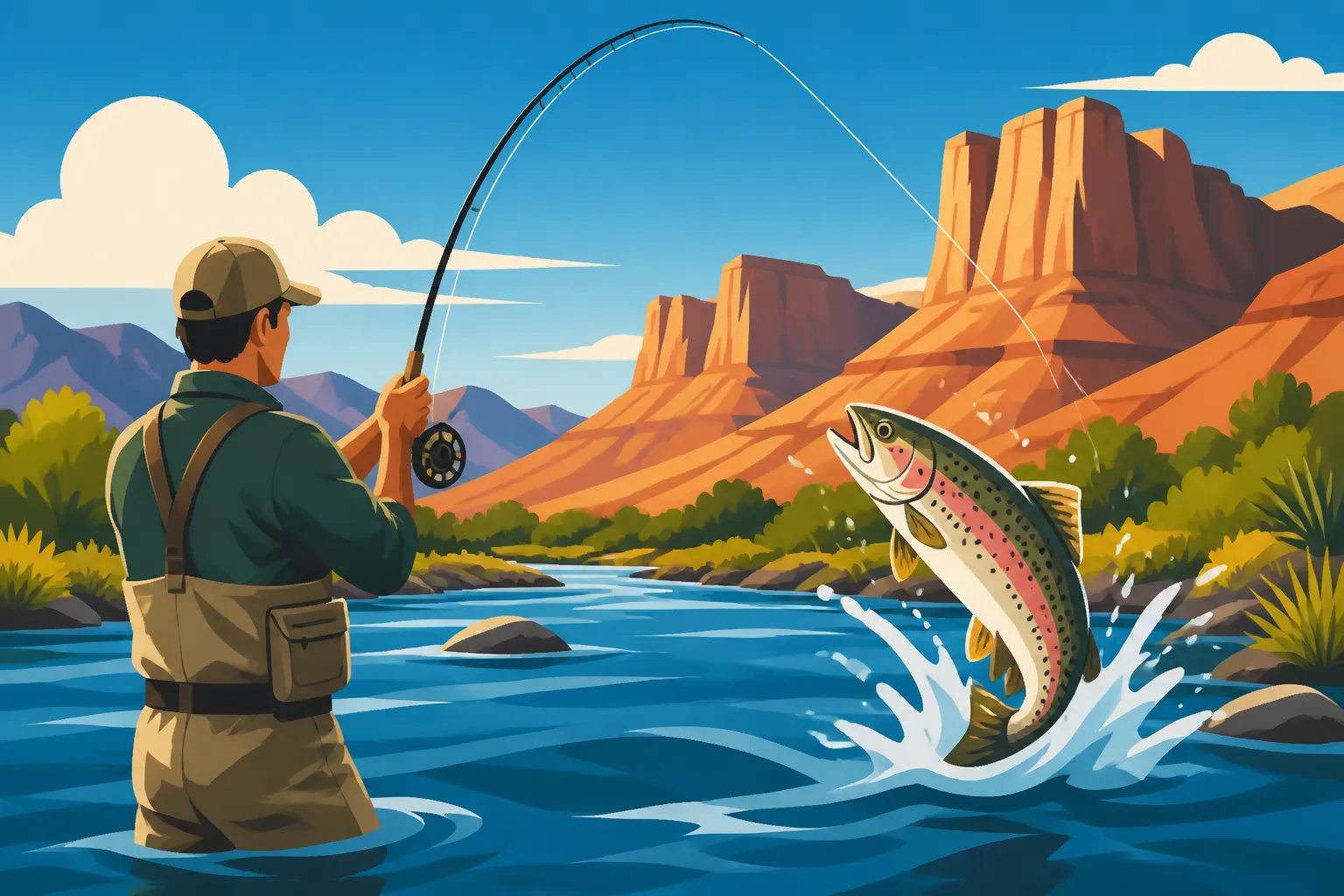
For these cold, clear waters, fly fishing is often the most effective and popular method. Matching the hatch is critical, as trout in these pristine environments can be quite selective. Common insect hatches include various species of mayflies (like Blue-winged Olives and Pale Morning Duns), caddisflies, and stoneflies. Carrying a selection of dry flies, nymphs (like Pheasant Tails, Hare's Ears, and Prince Nymphs), and small streamers (such as Woolly Buggers) will serve you well. A 3-weight to 5-weight fly rod is ideal for these streams, offering the delicate presentation needed. For those who prefer spin fishing, small inline spinners (like Panther Martins or Mepps) and tiny spoons can be incredibly effective. Using light line (2-4 pound test) and making accurate casts are essential. Stealth is also key; trout in these clear waters are easily spooked, so approach riverbanks carefully and avoid heavy footsteps. Understanding Fly Fishing Techniques for New Mexico Rivers will greatly enhance your success in these challenging but rewarding waters.
Exploring the Middle and Lower Pecos: Warmwater Adventures
As the Pecos River leaves its mountainous cradle and flows eastward and then south, its character profoundly changes, opening up an entirely different world of angling opportunities. The cold, swift waters give way to broader, warmer flows, bringing with them a diverse array of warmwater species.
Transition Zones and Mixed Bag Opportunities
The stretch of the Pecos River as it descends from the Pecos Wilderness and passes through towns like Pecos and past Villanueva State Park represents a fascinating transition zone. In these areas, especially during the cooler months of spring and fall, you can still find good trout fishing, often boosted by regular stockings from the New Mexico Department of Game and Fish. However, as the mercury rises through late spring and into summer, these waters become increasingly suitable for warmwater species. This means anglers can sometimes enjoy a "mixed bag" day, potentially catching both trout and, say, smallmouth bass or channel catfish in the same outing.
This transitional nature demands versatility in your approach. You might start the morning with a light rod and small spinners for trout, then switch to a slightly heavier setup with soft plastics or live bait for bass and catfish as the day warms. Public access points along this section, like those at Villanueva State Park, often provide amenities and good bank fishing opportunities. However, it's always wise to consult the latest New Mexico fishing regulations, as specific areas might have unique rules regarding bait use or catch limits, particularly if they are part of special management areas or are heavily stocked.
Bass, Catfish, and Panfish Hotspots
Once the Pecos River truly enters the warmer, flatter landscapes of eastern and southeastern New Mexico, particularly downstream from Fort Sumner, it becomes a premier warmwater fishery. Here, the river is often wider, slower, and at times takes on a murkier appearance, a stark contrast to its clear mountain origins. The fishing here is less about delicate presentations and more about power, patience, and understanding the habits of species like largemouth bass, smallmouth bass, channel catfish, crappie, and various panfish.
The Pecos feeds several important reservoirs in this region, which become incredible fishing destinations in their own right, and these lakes influence the river fishing. For instance, Sumner Lake, Santa Rosa Lake, and Brantley Lake, all fed by the Pecos, are renowned for their excellent bass and catfish populations. Within the river channels themselves, particularly in deeper pools, bends, and areas with submerged structure, you'll find plenty of action. For Largemouth Bass Fishing in New Mexico, focus on areas with cover like fallen trees, brush piles, or weed lines, using lures such as crankbaits, spinnerbaits, and soft plastic worms. Smallmouth bass prefer rockier sections with current. Channel catfish are abundant throughout the middle and lower Pecos, and they can be targeted effectively with a variety of natural baits, including nightcrawlers, chicken liver, or prepared stink baits, fished on the bottom. For crappie and other panfish, small jigs, live minnows, or worms under a bobber can yield great results, especially around submerged brush. Understanding the habits of these Warm Water Game Fish in New Mexico is key to success.
Accessing the Lower River
Access to the Pecos River in its lower sections can be a bit trickier than in the mountains due to the prevalence of private land. While some sections flow through public land, much of the river is bordered by ranches and farms, meaning anglers need to be vigilant about respecting private property. However, several state parks and municipal areas provide excellent public access.
Near Fort Sumner, access points along the river are available, and the nearby Sumner Lake State Park offers fantastic boat launches and shoreline fishing, essentially fishing Pecos River water. Further south, around Roswell, the river winds through various city parks and public areas, some of which are maintained for fishing. Likewise, near Carlsbad, there are several public parks and sections where the river is accessible for bank fishing, often alongside developed recreational areas. Many anglers find success by focusing on the public lands surrounding the larger reservoirs like Brantley Lake State Park, which offers robust access to the lake fed by the Pecos. When exploring these areas, always look for designated public fishing easements or state park boundaries. Using resources like New Mexico Game and Fish maps or even scouting via satellite imagery can help identify promising access points.
Essential Gear, Bait, and Techniques for the Pecos
Successful fishing on the Pecos River demands a flexible approach to gear, bait, and techniques, given its dramatically changing character from high mountains to desert plains. What works wonders for a delicate cutthroat in an alpine stream won't necessarily entice a trophy catfish in a warm, slow-moving stretch hundreds of miles downstream.
Rods, Reels, and Line for Every Section
When you're tackling the upper, coldwater reaches of the Pecos, lightness and finesse are your best friends. For fly anglers, a 3-weight to 5-weight fly rod, typically 7.5 to 9 feet long, paired with a matching reel and floating line, is perfect for casting small flies with precision. The lighter rods offer the sensitivity needed for delicate takes and protect light tippets. For spin fishermen, a lightweight spinning rod (5-6 feet) with a fast action tip, spooled with 4-6 pound monofilament or fluorocarbon line, will allow for accurate casting of small lures and baits. These setups offer the sensitivity to detect subtle bites from wary trout and prevent over-powering smaller fish. You can find more specific recommendations for Best Rods and Reels for New Mexico Trout Fishing to optimize your mountain stream setup.
As you move into the middle and lower Pecos, where you'll encounter larger warmwater species like bass and catfish, you'll need to step up your gear. A medium to medium-heavy action spinning or baitcasting rod, 6.5 to 7.5 feet in length, is a versatile choice. Pair this with a sturdy reel spooled with 8-15 pound test monofilament or fluorocarbon. Braided line in the 20-30 pound range is also an excellent option for its strength, sensitivity, and resistance to abrasion, especially when fishing around submerged structures. This heavier tackle provides the backbone needed to cast larger lures, manage stronger currents, and effectively fight larger fish that call these warmer waters home.
Lures, Flies, and Natural Baits
The diversity of the Pecos River means your tackle box should reflect its varied offerings. For the trout in the upper Pecos, a well-stocked fly box is essential. Think small nymphs like Hare's Ears, Pheasant Tails, and Prince Nymphs in sizes #16-22 for subsurface presentations. Dry flies such as Parachute Adams, Elk Hair Caddis, and various stimulators (size #12-18) will imitate surface insects. Don't forget streamer patterns like Woolly Buggers (black, olive, or brown) in smaller sizes, which can be deadly for larger trout. Spin fishermen targeting trout should carry an assortment of small inline spinners (Panther Martin, Mepps, Rooster Tail), tiny spoons, and small Rapala-style minnow imitations. For bait, PowerBait and worms are always reliable choices. More detail can be found in our guide on the Best Bait for New Mexico Trout.
For bass fishing in the middle and lower Pecos, you'll want a selection of crankbaits (diving and lipless), spinnerbaits, jigs (with plastic trailers), and a variety of soft plastics (worms, creature baits, flukes). Colors will vary depending on water clarity, but natural patterns, greens, browns, and black/blue are generally good starting points. Best Lures for New Mexico Bass offers an in-depth look at optimal choices. When targeting channel catfish, natural baits are often king. Nightcrawlers, chicken liver, cut bait (especially shad or carp), and commercially prepared stink baits are all highly effective. Sunfish and crappie will readily take small jigs (1/32 to 1/16 oz), tiny soft plastic grubs, or simply a piece of worm under a bobber. Always have a variety on hand to adapt to what the fish are biting on any given day.
Techniques for Success
Mastering a few key techniques will dramatically improve your success on the Pecos. In the upper river, precise casting and presentation are paramount for trout. For fly fishermen, learning to "read the water" to identify holding lies and current seams is critical, as is executing delicate drifts with minimal drag. Spin fishermen should focus on casting upstream and allowing their lure to tumble naturally with the current, retrieving just fast enough to impart action. Stealth is always a factor in these clear waters, so keeping a low profile and moving slowly will prevent spooking fish.
In the middle and lower Pecos, where the river is wider and often slower, different techniques come into play. For bass, understanding how to work lures around submerged structure, retrieve crankbaits at various depths, and effectively twitch soft plastics will yield results. For catfish, a simple bottom-rig setup with a weight and a hook, often fished in deeper holes or slow-moving current, is highly effective. Many anglers employ the "slip sinker" rig, which allows the fish to take the bait without feeling immediate resistance. Patience is a virtue when catfishing; sometimes, it's a waiting game. Regardless of the section, practicing ethical catch-and-release is vital, especially for native species and when adhering to specific regulations. Always handle fish gently, minimize their time out of water, and use barbless hooks where required or preferred for easier release.
Navigating Pecos River Regulations and Seasons
Fishing on the Pecos River, like anywhere in New Mexico, requires a keen understanding of the local regulations and seasonal nuances. Ignoring these details can not only lead to fines but also negatively impact the precious fishery resources that make the Pecos so special.
Licensing, Stamps, and Special Water Rules
First and foremost, any angler aged 12 or older needs a valid New Mexico fishing license. Whether you're a resident or non-resident, annual, short-term, or even a combination hunting and fishing license, you'll need one. Our comprehensive New Mexico Fishing License Guide breaks down all the options and requirements. Beyond the basic license, many areas along the Pecos River, especially within the Pecos Wilderness and other federal lands in the Santa Fe National Forest, require an additional New Mexico Habitat Stamp and Validation Requirements. This stamp helps fund crucial wildlife habitat restoration and public access projects, and it's mandatory for anyone 18 years or older, even if you're otherwise exempt from a fishing license (unless specifically exempted from the stamp itself).
Certain sections of the Pecos River, particularly some of the more productive trout stretches or those managed for native fish conservation, may be designated as "Special Trout Waters." These areas often come with unique restrictions, such as catch-and-release only, artificial lures and flies only (no bait), or specific size and bag limits that differ from statewide regulations. For instance, some stretches might require barbless hooks to minimize harm to released fish. It is absolutely essential to consult the most current New Mexico Department of Game and Fish Fishing Rules and Information Booklet before heading out. This booklet is updated annually and details all specific regulations for every water body in the state, including any Pecos River-specific rules. Don't rely on old information or hearsay; get the current guide to ensure you're fishing legally and responsibly.
Seasonal Best Times to Fish
The best time to fish the Pecos River largely depends on which section you plan to visit and what species you're targeting, truly embodying New Mexico Fishing by Season.
- Spring (March-May): In the upper Pecos, spring can be challenging due to heavy snowmelt runoff, which often makes the river high and muddy. However, once runoff subsides, usually by late May or early June, trout fishing can be excellent. In the middle and lower Pecos, spring is prime time for pre-spawn bass activity and increasingly active catfish as waters warm. This is also a good season for trout in stocked areas before summer heat sets in.
- Summer (June-August): For the high country of the Pecos Wilderness, summer (especially July and August) offers superb trout fishing as water levels stabilize and insect hatches are in full swing. However, afternoon monsoon thunderstorms can cause sudden water fluctuations. In the middle and lower Pecos, summer mornings and evenings are best for warmwater species, as midday heat can make fish sluggish. Catfish are particularly active at night during the summer.
- Fall (September-November): Many consider fall to be the absolute best time to fish the entire Pecos River. In the upper sections, trout become very aggressive as water temperatures cool, feeding heavily before winter. The fall foliage provides a stunning backdrop, and crowds thin out. In the middle and lower Pecos, bass and crappie fishing can be fantastic as they feed aggressively, and catfish remain active. This is a truly golden season for anglers across the state, making it a key period in the New Mexico Fishing Season Dates and Limits.
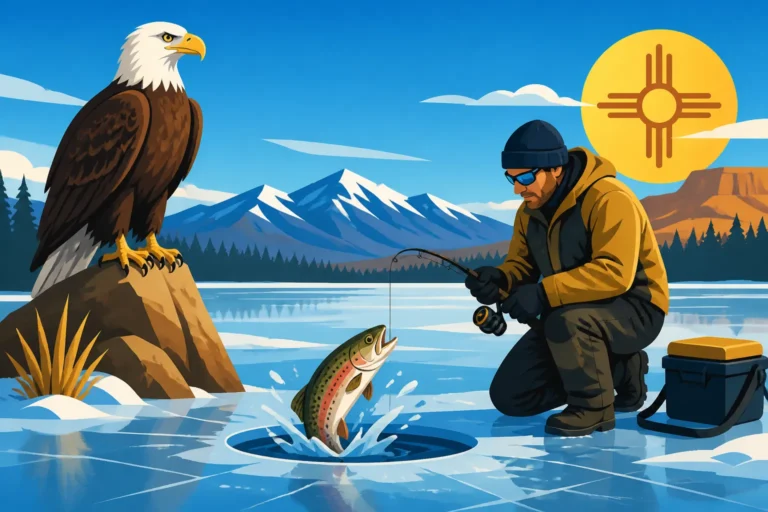
- Winter (December-February): Winter fishing on the Pecos is primarily limited to the middle and lower sections, or the very lowest, slowest parts of the upper river where ice doesn't form. Trout fishing on the Pecos will generally slow down or cease in frozen areas. However, larger reservoirs fed by the Pecos, such as Santa Rosa Lake or Sumner Lake, can offer ice fishing opportunities for walleye, perch, and trout if ice conditions are safe. Always check local ice conditions if considering this.
Conservation and Ethical Angling
Beyond simply following regulations, adopting an ethical approach to fishing is vital for sustaining the Pecos River's health. This is particularly true for native species like the Rio Grande Cutthroat Trout, which are vulnerable to overfishing and habitat degradation. If you're fishing in designated catch-and-release areas or targeting native trout, using barbless hooks is highly recommended, as it minimizes injury to the fish and allows for easier, quicker release.
When handling fish, keep them in the water as much as possible, especially trout in warmer temperatures. Wet your hands before touching them to protect their protective slime layer. If you plan to keep fish, know and adhere strictly to the bag and possession limits. These limits are set to ensure sustainable populations. Consider the impact of your actions on the environment; pack out all trash, avoid disturbing spawning beds, and respect the natural habitat. By practicing responsible angling, you help ensure that the Pecos River remains a vibrant and productive fishery for generations to come.
Planning Your Pecos River Expedition
Embarking on a fishing trip to the Pecos River, whether it's a day trip to a stocked pond or a multi-day backcountry adventure, requires careful planning. From understanding logistical needs to knowing where to find help, a little preparation goes a long way to ensure a safe and successful outing.
Logistics: From Permits to Packing
For those venturing into the Pecos Wilderness in the upper reaches of the river, while a specific fishing permit beyond your state license and habitat stamp usually isn't required, you'll want to be prepared for a true backcountry experience. This means packing all your essentials: sufficient water, food, navigation tools (map, compass, or GPS), a first-aid kit, and appropriate clothing layers. Mountain weather can change rapidly, so a rain jacket, warm layers, and sturdy hiking boots are non-negotiable. If you plan to camp overnight, be aware of wilderness camping regulations, including fire restrictions and Leave No Trace principles. Always inform someone of your itinerary, especially if you're heading into remote areas.
For trips to the more accessible middle and lower sections, logistical considerations might be simpler, but still important. Check the weather forecast for the area you plan to visit, as extreme heat is common in the lower Pecos during summer. Pack plenty of water, sunscreen, a wide-brimmed hat, and insect repellent. If you plan to fish from a boat on any of the reservoirs connected to the Pecos, ensure your boat is properly registered and equipped with all required safety gear, including life jackets for everyone on board. Always have a plan for where you'll launch and retrieve your boat, as well as where to get fuel and supplies.
Finding Resources and Local Knowledge
One of the best ways to prepare for a Pecos River fishing trip is to tap into available resources and local expertise. The New Mexico Department of Game and Fish website is an invaluable tool. It provides the most up-to-date fishing regulations, stocking schedules, and sometimes even real-time streamflow data for key rivers. Checking their website for current conditions and recent stocking reports (if you're targeting stocked trout) can save you a lot of guesswork.
Local fly shops and bait and tackle stores, especially those in towns like Santa Fe, Pecos, or even Albuquerque, are goldmines of information. The staff in these shops live and breathe fishing in New Mexico, and they can offer incredibly valuable insights on current hatches, effective flies or lures, and specific hot spots that might not be widely known. They often have the most current information on water levels and clarity. Additionally, for those seeking a more curated experience or for anglers new to the area, considering a guided trip can be hugely beneficial. Websites like FishingBooker connect anglers with local guides who specialize in the Pecos River. A guide can provide all the necessary gear, local knowledge, and techniques to maximize your success, especially if you're targeting a specific species or exploring remote sections. It's a great way to learn the ropes quickly and efficiently.
Safety Considerations on the River
Safety should always be a top priority on any fishing expedition. The Pecos River, with its diverse terrain, presents a range of potential hazards. In the upper, mountainous sections, be aware of unpredictable weather, which can bring sudden thunderstorms, lightning, hail, or even snow, even in summer. The terrain can be rugged, with slippery rocks, steep banks, and swift currents. Always wear appropriate footwear with good traction, and consider a wading staff for stability. Wildlife encounters, including bears, mountain lions, and rattlesnakes, are possible in wilderness areas, so know how to react safely.
In the middle and lower Pecos, the primary concerns shift. Summer heat can be extreme, leading to heat exhaustion or dehydration. Always carry more water than you think you'll need. During monsoon season (July-September), flash floods can occur quickly, even if it's not raining directly where you are. Be mindful of rising water levels and avoid camping or fishing in low-lying areas during heavy rain. If fishing from a boat, always have your life jacket on or readily accessible, and be aware of other boaters. Regardless of where you fish on the Pecos, never fish alone if possible, and always let someone know where you're going and when you expect to return. Being prepared and aware of your surroundings will help ensure your Pecos River fishing adventure is both memorable and safe.
| Feature / Section | Upper Pecos (Wilderness/Mountain) | Middle Pecos (Transition Zone) | Lower Pecos (Plains/Reservoir-fed) |
|---|---|---|---|
| Primary Species | Rainbow Trout, Brown Trout, Rio Grande Cutthroat | Stocked Trout, Smallmouth Bass, Catfish | Largemouth Bass, Channel Catfish, Crappie |
| Water Characteristics | Cold, clear, swift, rocky bottom, narrow | Warming, wider, moderate current, varied bottom | Warm, wide, slow, often turbid, silty bottom |
| Typical Gear | Light fly rods (3-5 wt), ultralight spinning | Medium light spinning/baitcasting | Medium-heavy spinning/baitcasting |
| Preferred Lures/Bait | Flies (nymphs, dries, streamers), small spinners | Spinners, soft plastics, worms, cut bait | Crankbaits, jigs, worms, chicken liver |
| Access | Hike-in via wilderness trails (remote) | Public parks, state parks, some easements | Public parks, reservoir access, limited bank |
| Best Season | Summer, Fall (post-runoff) | Spring, Fall | Spring, Summer (mornings/evenings), Fall |
| Key Regulations | Special Trout Waters, barbless hooks likely, catch & release for natives | Standard regulations, stocking dependent | Standard regulations |
Disclaimer
Please be aware that fishing regulations, conditions, and access points can change frequently. Always consult the official New Mexico Department of Game and Fish website or current regulations booklet before planning your trip to ensure you have the most up-to-date and accurate information. This guide is for informational purposes only.