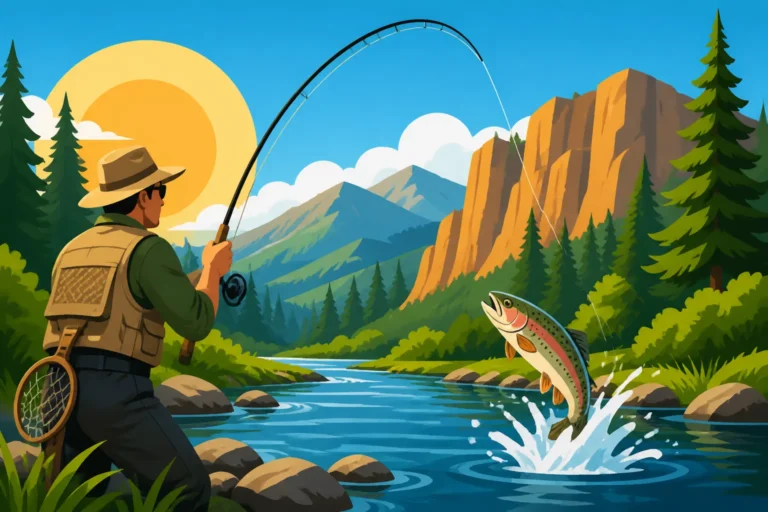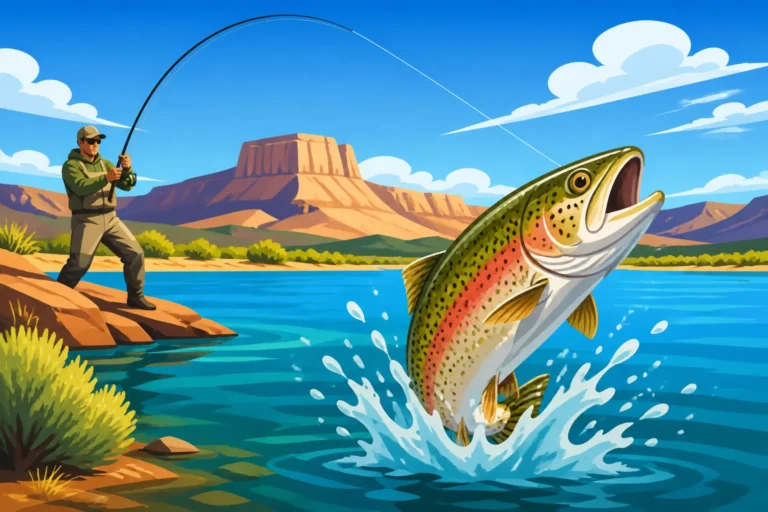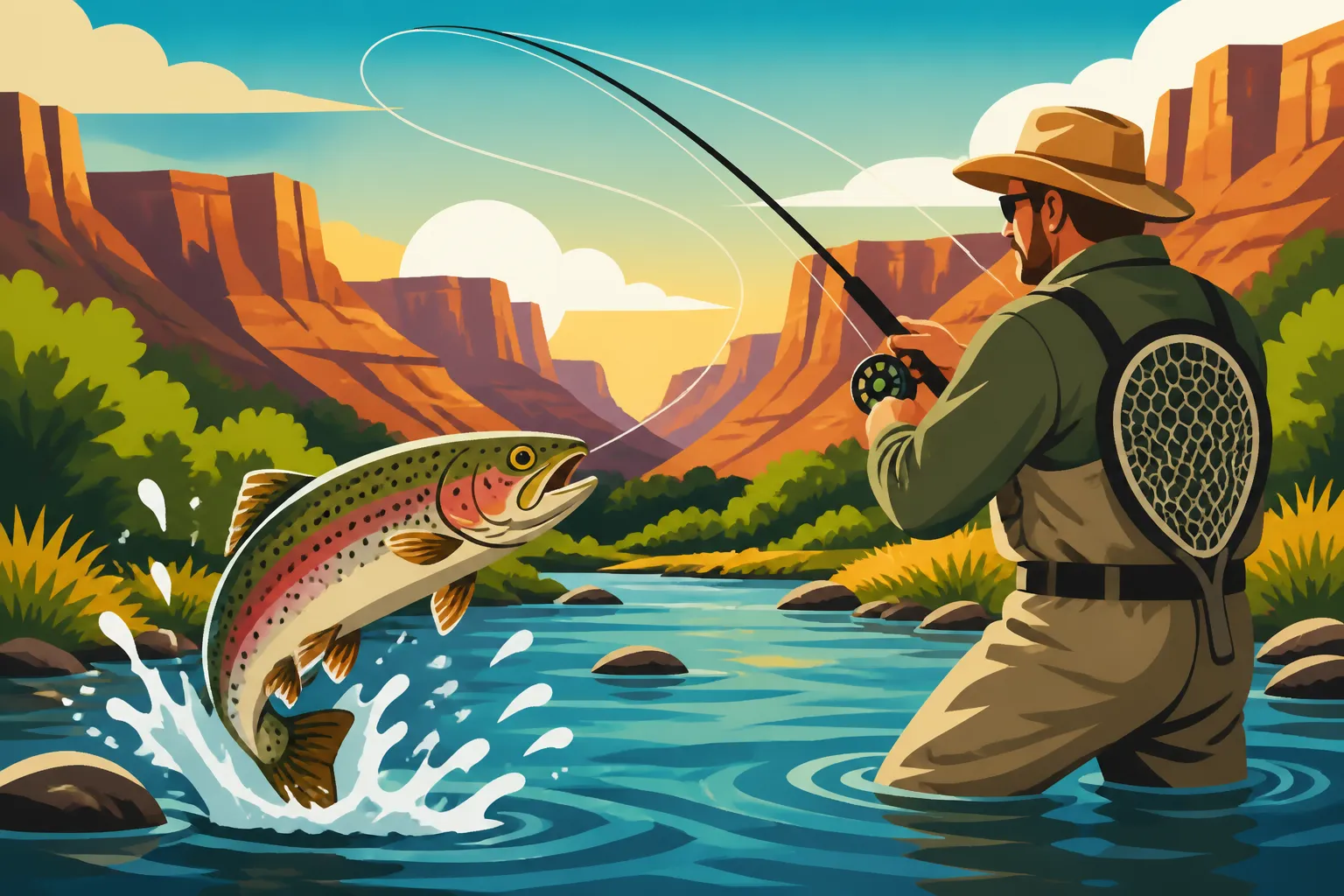
Rio Chama Fishing
Trying to navigate the diverse and sometimes challenging waters of the Rio Chama for a fantastic fishing experience can feel like a puzzle, especially with its varied regulations and sections. This comprehensive guide is here to demystify the Rio Chama, offering detailed insights into its unique characteristics, prime fishing locations, target species, and the most effective techniques to help you land that dream catch.
Understanding the Rio Chama's Unique Character
The Rio Chama is more than just a river; it's a dynamic system shaped by towering canyon walls, lush riparian zones, and the significant influence of two major dams. Its personality changes dramatically along its course, offering everything from pristine, wild trout waters to accessible stretches near towns. Many anglers, especially those new to New Mexico, find it challenging to grasp these distinctions, leading to frustration when their usual tactics don't pan out. But once you understand the river's rhythm, you'll unlock its full potential.
Wild vs. Tailwater Sections
The Rio Chama truly has a Jekyll and Hyde personality when it comes to its fishing character, primarily due to the presence of two large dams: El Vado Dam and Abiquiu Dam. This distinction is absolutely critical for any angler planning a trip, as it dictates everything from fish behavior to water temperature and fishing regulations. Many folks make the mistake of approaching the entire river with a single mindset, only to be met with disappointment because what works in one section simply won't in another.
Above El Vado Dam, and particularly in its headwaters within the Chama River Canyon Wilderness, you'll find what many refer to as the "wild" sections. Here, the river flows much more naturally, dictated by snowmelt, rainfall, and groundwater. The fish populations are primarily wild, self-sustaining brown and rainbow trout, often smaller but incredibly vibrant and wary. Access can be difficult, often requiring hiking or even horseback riding into remote canyons, but the reward is solitude and a truly untamed fishing experience. The river here is more susceptible to seasonal changes, such as heavy spring runoff or low summer flows, which can significantly impact fishing conditions.
Below El Vado Dam, and especially in the stretch known as the "Quality Waters," the Rio Chama transforms into a tailwater fishery. This section benefits from consistent, cold water releases from the bottom of El Vado Lake, creating an ideal environment for trout to thrive. The water is nutrient-rich, supporting prolific insect life, which in turn allows trout to grow larger and more numerous. This section is heavily managed for quality trout fishing, often with special regulations like catch-and-release and artificial flies and lures only, to protect the thriving populations of rainbow and brown trout. This is where you'll find more consistent fishing throughout the year, as the dam buffers against extreme temperature and flow fluctuations. However, it also means you'll share the water with more anglers.
The section between El Vado and Abiquiu Dams, while also influenced by dam releases, has a more remote feel than the immediate tailwater below El Vado. This stretch is often float-fished, offering a mix of wild and stocked fish. Finally, below Abiquiu Dam, the river again becomes more accessible, though its character changes once more as it flows towards its confluence with the Rio Grande, often holding a different mix of species and offering different challenges.
Seasonal Flow and Water Levels
Understanding the seasonal flow and water levels of the Rio Chama is like knowing the secret code to successful fishing. This river is heavily managed by the U.S. Army Corps of Engineers and the Bureau of Reclamation due to its role in water storage and delivery, meaning flows can change dramatically and often without much notice. Anglers often get frustrated when they arrive at the river only to find it too high, too low, or completely off-color, ruining their carefully planned trip. However, with a little foresight, you can usually predict and adapt.
Spring, particularly from April to early June, is typically dominated by snowmelt runoff. This can lead to very high and turbulent flows, often making the river unfishable due to muddy conditions and powerful currents. Wading becomes impossible, and even float fishing can be dangerous. It's during this time that you might be better off exploring other New Mexico Fishing Spots. However, once runoff begins to subside, usually by late May or early June, the flows stabilize, and the river becomes incredibly productive. The fish have had a chance to gorge on flushed-out insects and are actively feeding. Checking the U.S. Geological Survey (USGS) streamflow gauges for the Rio Chama is essential during this period to catch the prime window after peak runoff.
Summer brings warmer temperatures, and flows are largely controlled by dam releases. Below El Vado Dam, releases usually remain cool and consistent, offering excellent fishing. However, below Abiquiu Dam, the water can warm up considerably, especially during heat waves, making it less ideal for trout and more suitable for warm water species if they are present. Afternoon monsoon rains in July and August can cause sudden spikes in flow and turbidity, especially in the wilder sections. It's wise to plan early morning fishing trips during the summer to avoid the heat and potential afternoon storms.
Fall is often considered the golden age for fishing the Rio Chama. Flows stabilize, water temperatures are perfect, and the brown trout begin their spawning runs, becoming more aggressive and visible. This is a fantastic time for both fly fishing and spin fishing, with vibrant autumn colors adding to the experience. Winter fishing is also viable, particularly in the tailwater sections, which rarely freeze over completely. Low, clear flows make for technical fishing, but large trout can be found in deep pools and slower runs. Being prepared for cold weather is key for successful winter outings. Remember, consistent checking of flow data is key for planning your Rio Chama adventures, especially if you're traveling from afar.
Prime Fishing Access Points and Zones
The Rio Chama isn't a single, monolithic fishing destination; it's a collection of distinct fishing environments, each with its own charm and challenges. Knowing where to go and how to get there is half the battle, especially for anglers who might drive hours only to find an access point they can't navigate or a section that doesn't match their expectations. We'll break down the most popular and productive zones to help you pinpoint your ideal fishing experience.
Below El Vado Dam
This is arguably the most famous and heavily trafficked section of the Rio Chama, and for good reason. The stretch immediately below El Vado Dam is officially designated as "Special Trout Water" or "Quality Waters" by the New Mexico Department of Game and Fish (NMDGF). This means there are specific New Mexico Special Trout Water Rules in place, typically requiring artificial flies and lures only, and often mandating catch-and-release or very restrictive bag limits to protect the robust population of large rainbow and brown trout. Anglers frequently get confused by these rules, especially if they're used to more relaxed regulations on other waters, so always consult the latest New Mexico Fishing Regulations Overview.
Access to this section is relatively straightforward. There's a well-maintained campground and day-use area managed by the Bureau of Reclamation and El Vado Lake State Park, offering ample parking, restrooms, and easy paths down to the river. The terrain here is generally gentle, with wide gravel banks and moderate current in many areas, making it excellent for wading. However, the riverbed can be rocky and slick, so sturdy wading boots are a must. Many anglers choose to spend an entire day, or even a weekend, exploring the various runs, riffles, and deep pools that characterize this section. It's not uncommon to see multiple anglers spread out, all enjoying the chance to hook into trophy-sized trout.
For those looking to extend their experience, some guides offer float trips through this section, or even further downstream. The consistent cold water from the dam creates a stable environment where trout grow large and healthy, feeding on a rich diet of midges, mayflies, caddisflies, and stoneflies. While popular, the sheer length of the quality water ensures that you can almost always find a productive stretch to yourself, especially if you're willing to walk a bit further from the main access points. This is a fantastic place for both seasoned fly anglers and spin fishermen who are comfortable using artificial lures.
Between El Vado and Abiquiu Dams
This stretch of the Rio Chama is often overlooked by bank anglers, primarily because access can be more challenging and the river flows through a more remote, canyon-like environment. However, for the adventurous angler, particularly those with a raft, drift boat, or sturdy kayak, this section offers an incredible, often solitary, wilderness fishing experience. Think of it as the road less traveled, where the rewards are not just fish, but also stunning scenery and profound solitude.
Public access points are few and far between once you leave the immediate vicinity of El Vado Lake. The river carves its way through the Chama River Canyon Wilderness, characterized by dramatic sandstone cliffs, ponderosa pines, and juniper. This is primarily a float trip destination, with put-in points often at El Vado Lake State Park and take-outs potentially near the Monastery of Christ in the Desert or further downstream, depending on the length of your trip and water levels. Due to the remote nature and potential for rapids (especially during higher flows), it's highly recommended to go with an experienced outfitter or guide if you're not intimately familiar with river navigation and safety protocols. Platforms like FishingBooker can be an excellent resource for finding reputable local guides who specialize in these multi-day float trips, ensuring you have the necessary expertise and equipment for a safe and productive journey.
Fishing in this section can be incredibly rewarding. You'll encounter a mix of wild rainbow and brown trout, and sometimes even the elusive Rio Grande Cutthroat Trout in New Mexico in the smaller feeder streams. Because the fishing pressure is significantly lighter here compared to the tailwater below El Vado Dam, the fish can be less wary, offering exciting dry fly opportunities, especially during prolific hatches. Streamers and nymphing rigs are also highly effective, particularly around structure like large boulders, undercut banks, and fallen timber. This is an all-day or multi-day affair, requiring careful planning for camping, water, and emergency preparedness. It’s an immersive experience for those truly looking to connect with the raw beauty of New Mexico's wilderness and its incredible fishing.
Below Abiquiu Dam
As the Rio Chama flows past Abiquiu Dam and continues its journey towards the Rio Grande, its character shifts once more. This section becomes much more accessible to the general public and often features warmer water, especially during the summer months. While it might not boast the "Quality Waters" designation of the El Vado tailwater, it still offers excellent fishing opportunities, particularly for those who prefer spin fishing or bait fishing (where allowed) and are looking for a more relaxed outing. The blend of fish species also broadens here, reflecting the warmer water temperatures.
Several access points can be found along Highway 84 and other local roads as the river winds its way through picturesque landscapes, including areas near the communities of Abiquiu and Española. These spots often have easier parking and less demanding terrain, making them ideal for families or anglers who prefer not to wade extensively. The NMDGF regularly stocks rainbow trout in various accessible stretches below Abiquiu Dam, especially during the spring and fall, providing consistent action for those looking for a catch. Check the NMDGF stocking schedule to maximize your chances during these periods.
Beyond stocked trout, this section of the Chama can also hold brown trout, particularly in deeper pools and cooler stretches. As it approaches the Rio Grande, you might also start encountering other warm-water species like channel catfish, carp, and various sunfish. Spin fishermen will find success with a variety of small spinners, spoons, and scented baits, while fly anglers can still do well with streamers and nymph patterns, especially in the cooler months. While not as remote or pristine as the upstream sections, the lower Rio Chama offers a more casual and family-friendly fishing experience, serving as a great introduction to New Mexico fishing for beginners or a convenient spot for a quick fishing trip from Santa Fe or Albuquerque.
Targeting Trout Species in the Chama
The Rio Chama is a trout angler's paradise, but not all trout are created equal, nor do they behave the same way across the river's varied environments. Understanding the different species you might encounter and their preferences is key to a successful trip. Anglers often get excited about catching "trout" but don't differentiate, missing out on specialized techniques that could lead to even more consistent catches.
Rainbow and Brown Trout
Rainbow and brown trout are the bread and butter of the Rio Chama, making up the vast majority of the catch in most sections of the river. These species thrive in the Chama's cold, clear waters, especially in the tailwater sections where food is abundant and temperatures are stable.
Rainbow trout are famous for their acrobatic fights and willingness to strike a wide variety of flies and lures. They are regularly stocked by the NMDGF, particularly in the more accessible sections below El Vado and Abiquiu Dams, ensuring a good population for anglers. In the quality waters below El Vado, however, you'll also find a healthy population of wild rainbows that grow to impressive sizes, offering a truly exhilarating challenge. When targeting rainbows, especially in the quality waters, presentation is key. They often feed on tiny insects, so matching the hatch with small nymphs like midges and tiny mayfly imitations is crucial. For spin fishermen, small inline spinners like Mepps or Panther Martins in silver or gold, or even a carefully drifted PowerBait setup, can be very effective, especially where bait is allowed.
Brown trout, on the other hand, are often more elusive and notoriously aggressive predators. While they are stocked in some areas, the Chama is known for its robust wild brown trout populations, particularly in the remote and quality water sections. These fish are known for their beautiful golden-brown flanks, red spots, and impressive size. They tend to be more nocturnal and often hide in deep pools, undercuts, and around large structure during the day, emerging to feed heavily at dawn, dusk, and even after dark. When targeting browns, especially the larger ones, don't be afraid to throw larger streamers that imitate baitfish or crayfish. During the fall spawning season, brown trout become particularly active and aggressive, making it an exciting time to target them with large nymphs or streamer patterns. For spin anglers, larger spoons, jerkbaits, or even Rapala-style minnow imitations can tempt a hungry brown.
Native Rio Grande Cutthroat Trout
For many anglers, encountering a native Rio Grande Cutthroat Trout in New Mexico is the pinnacle of a Chama fishing trip. This beautiful, distinctive fish is New Mexico's state fish and represents a vital piece of the state's natural heritage. Unlike the more widespread rainbow and brown trout, the Rio Grande cutthroat is a species of concern, and efforts are continuously being made to restore and protect its populations in its native range. Anglers who seek out these fish often do so for the experience of connecting with a truly wild, native species, rather than just the size of the catch.
In the mainstem of the Rio Chama, especially in the more accessible lower reaches, you are less likely to encounter pure strains of Rio Grande cutthroat. Their primary strongholds are often in the colder, smaller tributaries that feed into the Chama, particularly in the remote high-country streams within the Chama River Canyon Wilderness and surrounding national forests. Accessing these areas often requires significant hiking into pristine wilderness, adding to the adventure. Due to their protected status, it is critically important to understand and adhere to all specific regulations when fishing for cutthroats, which often include catch-and-release only and specific gear restrictions. The NMDGF publishes detailed New Mexico Trout Fishing Rules annually, which should be consulted before venturing into these sensitive areas.
When targeting Rio Grande cutthroat, especially in their native high-country habitats, light tackle and delicate presentations are usually the most effective. They tend to be less selective than heavily pressured rainbows but can still be spooky due to their wild nature. Small dry flies, such as elk hair caddis, parachute adams, or hoppers during late summer, can be incredibly effective, often resulting in eager surface takes. Small nymphs or even a simple bead-head pheasant tail can also entice a strike. Because these fish are part of a fragile ecosystem, practicing responsible catch and release is paramount. Handle them gently, minimize their time out of water, and ensure they swim away strong. Catching a Rio Grande cutthroat is not just about the fish; it's about experiencing the wild heart of New Mexico and contributing to its conservation.
Essential Gear and Techniques for the Rio Chama
Heading out to fish the Rio Chama without the right gear and a solid understanding of effective techniques is a recipe for frustration. The river's varied conditions demand versatility, and what works wonders on a small stream might be utterly useless on the powerful mainstem. Many anglers arrive with a "one-size-fits-all" approach, only to find themselves constantly changing setups or wishing they had brought something different. This section will guide you through the essential equipment and proven methods to enhance your success.
Fly Fishing Strategies
Fly fishing is arguably the most popular and often most effective method for targeting trout on the Rio Chama, particularly in the quality waters below El Vado Dam. The river boasts a rich insect population, and matching what the fish are actively feeding on is key.
Nymphing: This is the bread and butter technique for most of the year on the Chama, especially in the deeper runs and riffles where trout spend the majority of their time feeding subsurface. A common setup involves a strike indicator, split shot, and a two-fly nymph rig, with patterns like a San Juan Worm, Pheasant Tail, Copper John, or various midge patterns (zebra midges, tiny larva imitations) being consistently productive. The key is getting your flies down to the fish's feeding lane and achieving a natural drift. Paying attention to mend your line to avoid drag is paramount. In the Chama, larger stonefly nymphs can also be effective, especially during early spring or after high flows.
Dry Fly Fishing: While nymphing often produces more numbers, there's nothing quite like a trout rising to a perfectly presented dry fly. Dry fly opportunities are plentiful on the Chama, particularly during specific hatches. Look for periods of sustained insect activity, such as caddisfly hatches in late spring/early summer, various mayfly hatches throughout the year (Blue-winged Olives, Pale Morning Duns), and terrestrial activity (grasshoppers, ants, beetles) from mid-summer into early fall. A precise cast and a drag-free drift are crucial for success. Having a selection of different sizes and patterns is essential, as the fish can be very selective.
Streamer Fishing: For targeting larger, more aggressive brown trout, especially during low light conditions or high water, streamer fishing can be incredibly effective. Streamers imitate baitfish, crayfish, or larger nymphs, and often provoke a territorial strike rather than a feeding one. Patterns like Woolly Buggers, Sculpzillas, or articulated baitfish patterns in olive, black, brown, or white can be deadly. Casting across or slightly upstream and stripping the streamer back in an erratic motion can trigger aggressive takes. This technique is also excellent for covering large amounts of water and locating active fish.
Spin Fishing Approaches
While fly fishing often takes center stage, spin fishing on the Rio Chama can be incredibly productive, especially in the more accessible areas and for anglers who prefer this method. The key is understanding the regulations for specific sections – some "Quality Waters" restrict fishing to artificial flies and lures only, so always double-check the New Mexico Fishing Regulations Overview.
Lure Selection: For trout, small inline spinners are consistently effective. Think about brands like Mepps, Panther Martin, or Rooster Tail, in sizes #0 to #2, with silver, gold, black, or even rainbow trout patterns. Small spoons, such as Kastmasters or Daredevils, are also great for covering water and can entice strikes from aggressive trout. When selecting colors, consider water clarity: brighter colors for murky water, more natural tones for clear water. Small crankbaits or jerkbaits that imitate minnows can also work wonders for larger brown trout, especially in deeper pools or runs. Always ensure your lures have barbless hooks or crush the barbs down if you're fishing in a catch-and-release or special trout water section to minimize harm to the fish.
Bait Fishing (Where Allowed): In sections where bait fishing is permitted (typically below Abiquiu Dam and some other accessible non-special waters), a simple setup can yield great results, especially for stocked rainbow trout. PowerBait, especially in popular colors like chartreuse, orange, or rainbow, fished off the bottom with a small split shot or an egg sinker, is a perennial favorite. Worms (nightcrawlers, mealworms) fished under a bobber or on the bottom are also highly effective. Corn and salmon eggs are other common baits that trout find irresistible. When bait fishing, consider using lighter line (4-6 lb test) to allow for a more natural presentation, and small hooks to avoid detection. Always be mindful of local regulations regarding bait use, as they can vary significantly.
Targeting Warm Water Species: As you move downstream below Abiquiu Dam towards the Rio Grande, the river becomes warmer, and you might encounter species like channel catfish. For these, heavier tackle with a bottom rig using cut bait (such as hot dogs, chicken livers, or commercial stink baits) is often the most effective method. This adds another layer of versatility to fishing the Rio Chama for those who enjoy targeting different species.
Wading and Floating Considerations
Navigating the Rio Chama, whether on foot or by boat, requires careful consideration of safety, river conditions, and proper equipment. Many anglers underestimate the power of the river or the demands of its terrain, leading to potentially dangerous situations or simply a less enjoyable outing.
Wading Safety and Gear: Wading the Rio Chama, especially in the productive quality waters below El Vado Dam, can be incredibly rewarding. However, the current can be strong, and the riverbed is often uneven and slick with moss-covered rocks. Proper wading gear is non-negotiable. You'll need sturdy Best Wading Boots for New Mexico's San Juan River-style boots with felt soles or rubber soles with studs for maximum grip. Chest waders are highly recommended for most of the year, providing warmth and allowing you to access deeper water comfortably. A wading staff is also a crucial safety tool, providing stability and helping you probe the riverbed before taking a step. Always cross currents with caution, facing upstream, and avoid wading in areas where the water depth or current is unknown or looks too strong. It's always a good idea to scout your wading path from the bank first.
Float Fishing Opportunities: For covering more water and accessing more remote stretches, particularly the section between El Vado and Abiquiu Dams, float fishing is the way to go. This typically involves drift boats, rafts, or sometimes even sturdy fishing kayaks. Float trips offer the advantage of presenting flies or lures to undisturbed fish in areas that are otherwise inaccessible to bank anglers. However, float fishing comes with its own set of challenges and safety requirements. Knowledge of river navigation, potential hazards (rapids, logjams), and proper boat handling is essential. All participants must wear personal flotation devices (life jackets) at all times, and a comprehensive safety kit is a must. If you're not an experienced boater on rivers, hiring a professional guide through services like FishingBooker is highly recommended. A guided trip not only ensures safety but also provides invaluable local knowledge on where the fish are holding and what they're biting on, maximizing your chances of a memorable day on the water.
Planning Your Rio Chama Fishing Adventure
A successful fishing trip to the Rio Chama is about more than just rods and reels; it’s about strategic planning. From knowing the best time to visit to understanding crucial regulations and finding a comfortable place to rest, every detail contributes to a memorable experience. Many anglers get caught off guard by New Mexico’s high-desert conditions or specific permit requirements, so let's make sure you're fully prepared.
When to Go
Choosing the right time of year to visit the Rio Chama can dramatically impact your fishing success and overall enjoyment. Each season offers unique advantages and challenges.
Spring (March-May): Early spring, before significant snowmelt, can offer excellent fishing, especially in the tailwaters. The fish are often hungry after winter and less pressured than later in the year. Mid to late spring typically brings the spring runoff, which can make the river high, fast, and muddy, often making it unfishable for a period. However, fishing immediately after the runoff subsides can be phenomenal, as trout gorge on newly available food. This is an important window, so keeping an eye on Fishing After Runoff in New Mexico conditions is vital.
Summer (June-August): Summer is a popular time, especially for float trips through the Chama River Canyon Wilderness. Water levels are generally more stable, and insect hatches can be prolific, offering good dry fly opportunities. However, temperatures can get quite warm, particularly in the lower sections, which can stress trout. Early mornings and late evenings are often the most productive times. Thunderstorms and monsoon rains can cause sudden increases in flow and turbidity, so checking weather forecasts and river flow data daily is a good practice.
Fall (September-November): Many consider fall to be the absolute prime time for fishing the Rio Chama. The weather is usually pleasant, summer crowds thin out, and the brown trout become incredibly active and aggressive as they prepare for their spawning season. This is when you have the best chance at landing a trophy brown. Streamer fishing and larger nymphs are often very effective. The changing foliage also adds a spectacular backdrop to your fishing.
Winter (December-February): Don't discount winter! The tailwater sections of the Chama, fed by the deep waters of El Vado Lake, remain ice-free and offer consistent fishing opportunities. While the fishing can be more technical with smaller flies and slower presentations, the reward can be large, healthy trout. Plus, you'll often have the river largely to yourself. Just be prepared for cold temperatures and potential snow, dressing in warm layers.
Permits and Regulations
Navigating the rules and regulations for fishing in New Mexico, especially on a river as diverse as the Rio Chama, can be confusing. However, adhering to these rules is not just about avoiding fines; it’s about preserving this incredible fishery for future generations.
Fishing License and Stamps: Every angler aged 18 and older needs a valid New Mexico Fishing License Guide. This applies to both residents and non-residents. Depending on what you plan to fish for and where, you might also need a Habitat Management and Access Validation (HMAV) stamp. This stamp is required for anyone 18 years or older who fishes on lands managed by the New Mexico Department of Game and Fish, Bureau of Land Management, or U.S. Forest Service, which includes much of the Rio Chama. You can learn more about this by reading our article on New Mexico Habitat Stamp and Validation Requirements. Junior anglers (ages 12-17) also need specific junior licenses, while those under 12 typically fish free. For visitors, understanding New Mexico Fishing License Costs Explained for annual, one-day, or five-day licenses is important.
Special Trout Water Rules: As mentioned, the stretch of the Rio Chama immediately below El Vado Dam is designated as "Special Trout Water." This means very specific rules apply, typically limiting anglers to artificial flies and lures only, and often requiring barbless hooks for catch-and-release fishing. Bag and possession limits are also typically very restrictive, often catch-and-release or just one fish over 20 inches. These rules are put in place to protect the trophy trout fishery. Always consult the most current NMDGF regulations booklet or website for the exact rules for the section you plan to fish. Misinterpreting these rules can lead to significant penalties.
Tribal Lands: Be aware that some areas surrounding the Rio Chama may fall within tribal lands, such as the Jicarilla Apache Nation or other pueblos. Fishing on tribal lands often requires a separate tribal fishing permit in addition to your state license. Always research land ownership and permit requirements before fishing, as trespassing or fishing without the correct permit can lead to serious consequences.
Lodging and Local Services
Having a comfortable base camp and access to local services can greatly enhance your Rio Chama fishing trip, making it less about logistical headaches and more about enjoying the water.
Camping and Accommodations: For those who love being close to nature, camping is a fantastic option. El Vado Lake State Park and Abiquiu Lake Recreation Area offer developed campgrounds with amenities like restrooms, water, and sometimes electrical hookups. These provide convenient access to the river. For a more rustic experience, primitive camping is available in certain sections of the surrounding national forest and BLM lands, but always check regulations regarding campfires and leave no trace principles.
If camping isn't your style, towns like Chama, Abiquiu, and Española offer various lodging options, from small motels and lodges to vacation rentals. These towns also provide basic services such as gas stations, grocery stores, and restaurants. For a unique experience, consider staying at the Monastery of Christ in the Desert, which offers guest facilities and is located on a particularly scenic stretch of the Chama (though fishing access may be limited and require separate permission).
Guides and Outfitters: For anglers who want to maximize their success or explore the more remote float sections of the Chama, hiring a local guide is an invaluable investment. Guides provide expertise on current conditions, effective techniques, and access to private or hard-to-reach spots. They also supply specialized gear, such as drift boats for float trips. FishingBooker is a great platform to find and book experienced local guides for the Rio Chama, allowing you to compare options and read reviews to ensure you find the perfect match for your adventure. Many guides operate out of nearby towns or from Farmington, which is a bit further but a hub for San Juan River guides who sometimes also guide the Chama.
Fly Shops and Supplies: Before heading to the river, make sure you have all your essential gear, including appropriate flies, lures, and terminal tackle. While major towns might have sporting goods stores, specialized fly shops offer localized knowledge and stock patterns that are currently working on the Chama. Shops in areas like Chama, or even larger cities like Santa Fe, often have staff who can provide up-to-the-minute reports and recommendations for your trip.
| Rio Chama Section | Primary Access | Fish Species | Recommended Gear | Typical Regulations |
|---|---|---|---|---|
| Below El Vado Dam | State Park/Day Use | Rainbow, Brown | Fly (Nymphs, Streamers), Spin (Lures) | Special Trout Water (Artificial, Barbless, C&R often) |
| Between Dams (Float) | Requires Float Trip | Rainbow, Brown, Cutthroat | Fly (Dry, Nymph, Streamer) | General Trout (Check for specifics) |
| Below Abiquiu Dam | Roadside Pull-offs | Rainbow, Brown, Catfish | Spin (Lures, Bait), Fly | General Trout (Check for specifics) |
Disclaimer
The information provided in this guide is for general informational purposes only and is subject to change. Fishing regulations, license requirements, and river conditions in New Mexico can vary significantly and are updated periodically by the New Mexico Department of Game and Fish. It is the responsibility of every angler to consult the most current official regulations and obtain all necessary licenses and permits before fishing. Always prioritize safety and practice responsible angling to protect New Mexico's valuable natural resources.