Gila River Fishing
The Gila River, winding its way through some of New Mexico's most rugged and breathtaking wilderness, can feel like a dream for anglers, yet many are intimidated by its remote nature and unique challenges. If you've ever found yourself wondering how to navigate its wild sections, what species call it home, or what techniques actually work in its pristine waters, you're in the right place. This comprehensive guide will walk you through everything you need to know to plan a successful and responsible fishing adventure on the Gila.
Understanding the Gila River's Unique Character
The Gila River isn't your average fishing hole. It's a lifeline carving through one of the largest and most ecologically diverse wilderness areas in the lower 48 states, offering an experience that's as much about the journey and the scenery as it is about the fish. This isn't a place for quick drive-up access and crowded banks; it's a destination that demands respect, preparation, and a willingness to immerse yourself in its untamed beauty.
The Untamed Wilderness Experience
Fishing the Gila River, particularly within the vast Gila National Forest, is truly a wilderness experience. Imagine rugged canyons, towering ponderosa pines, and water so clear you can often spot the fish before you cast. This isn't just about catching fish; it's about escaping the hustle and bustle, hearing nothing but the rustle of leaves and the flow of the river, and perhaps spotting elk, deer, or even a bear. The sheer isolation can be intimidating for some, but for others, it's the ultimate draw. You'll likely be hiking, possibly even backpacking, to reach many of the prime fishing spots, and that effort often translates into unparalleled solitude and a deeper connection to nature. It's a truly wild environment that requires self-reliance and a solid understanding of backcountry safety.
Different Sections of the River
The Gila River changes dramatically as it flows through New Mexico. Upstream, in the higher elevations and within the Gila Wilderness, you'll find cold, clear waters perfect for trout. These sections are often characterized by tight canyons, rocky streambeds, and dense riparian vegetation. This is where the magic happens for native trout. As the river descends, particularly below the Gila Cliff Dwellings National Monument and towards areas like the Gila Lower Box, it widens and slows, becoming warmer. Here, the focus shifts to different species adapted to these warmer conditions. Understanding which section you plan to visit is crucial for targeting the right fish with the right gear and knowing what kind of adventure awaits. For instance, the main stem of the Gila often has more accessible areas closer to roads, while its tributaries within the wilderness require significant effort.
Water Flows and Seasonal Variations
Like any mountain river, the Gila's character is heavily influenced by water flows, which vary significantly throughout the year. Spring runoff, fueled by melting snowpack, can turn tranquil streams into roaring torrents, making fishing difficult or even impossible in certain sections. During this time, the water can be high and muddy, pushing fish into calmer eddies or making them less active. Later in the summer, especially during the monsoon season, sudden thunderstorms can cause flash floods and rapid changes in water levels and clarity. Conversely, late summer and fall often bring lower, clearer flows, which can be ideal for sight fishing, but also mean fish might be more easily spooked. Always check current river conditions and weather forecasts before heading out. Websites like the U.S. Geological Survey (USGS) provide real-time streamflow data, which is an invaluable resource for planning your trip.
Prime Fish Species of the Gila River
The Gila River is renowned for its diverse aquatic life, but for anglers, a few species stand out. The river's varying temperatures and habitats along its course mean you could be targeting completely different fish depending on where you drop your line.
The Elusive Gila Trout
Without a doubt, the crown jewel of the Gila River system for many anglers is the Gila Trout. These beautiful, native trout are a testament to successful conservation efforts. Once federally endangered, their populations have made a remarkable comeback, primarily within the Gila National Forest. They are typically found in the colder, pristine headwaters and tributaries of the Gila River, often in secluded, high-elevation streams. Catching a Gila Trout is a truly special experience, not just because of their striking appearance (golden-olive bodies with small, dark spots and often a subtle rosy streak), but because you're connecting with a piece of New Mexico's natural heritage. These fish are known for being wary and require a stealthy approach and precise presentations. To learn more about this remarkable species, check out our guide on Gila Trout in New Mexico and also our in-depth article on Where to Catch Gila Trout in New Mexico.
Rainbow and Brown Trout Opportunities
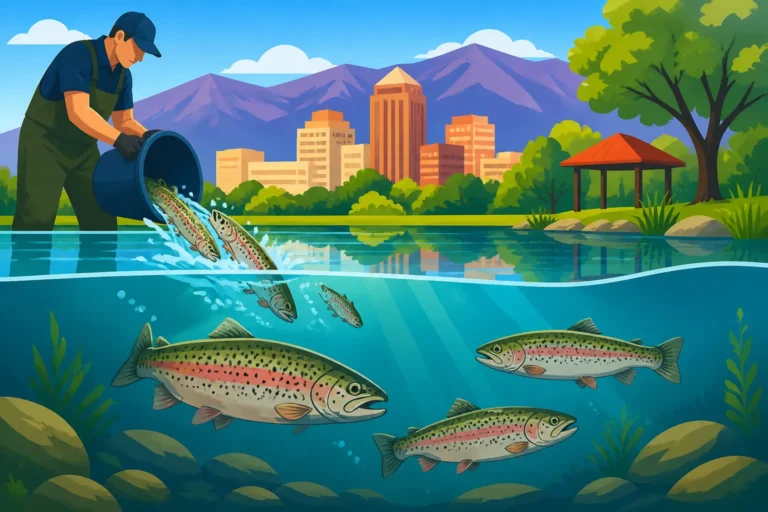
While Gila Trout are a unique draw, you'll also find healthy populations of Rainbow and Brown Trout in many of the Gila River's cold-water sections and its larger tributaries. Rainbow Trout are frequently stocked in more accessible areas or impoundments fed by the Gila, providing excellent opportunities for a wider range of anglers. They are typically less finicky than their native cousins and can be caught using a variety of methods. Brown Trout, on the other hand, are often wild, self-sustaining populations known for their cunning and tendency to grow larger. They prefer undercut banks, submerged logs, and deeper pools, making them a challenging but rewarding target for those who prefer to hunt bigger fish. Look for these species in the main stem of the Gila upstream or in various feeder creeks before the river warms up too much. For more on what to expect when fishing for these species, our guide on Trout Species Found in New Mexico is a great resource.
Warm Water Species Downstream
As the Gila River flows into lower elevations and its waters become warmer, the fishery transitions dramatically. Here, you'll encounter a completely different suite of species. Channel Catfish are prevalent in these sections, offering a fantastic fight and excellent table fare. Smallmouth Bass thrive in the rocky, riffle-filled stretches of the warmer Gila, providing aggressive strikes and acrobatic battles. You might also find other warm-water species like Flathead Catfish, various sunfish, and carp. These downstream sections offer a different kind of challenge and are often more accessible for those who prefer bait fishing or conventional tackle. While not as famous as the trout fishing, the warm-water opportunities can be incredibly fun, especially for families or those looking for a different angling experience.
Essential Techniques for Gila River Anglers
Fishing the Gila River isn't a one-size-fits-all endeavor. The diverse habitats and fish species demand a flexible approach. Whether you're a seasoned fly caster or prefer the simplicity of spin fishing, adapting your techniques to the specific conditions and target species will be key to a successful outing.
Fly Fishing in the High Country
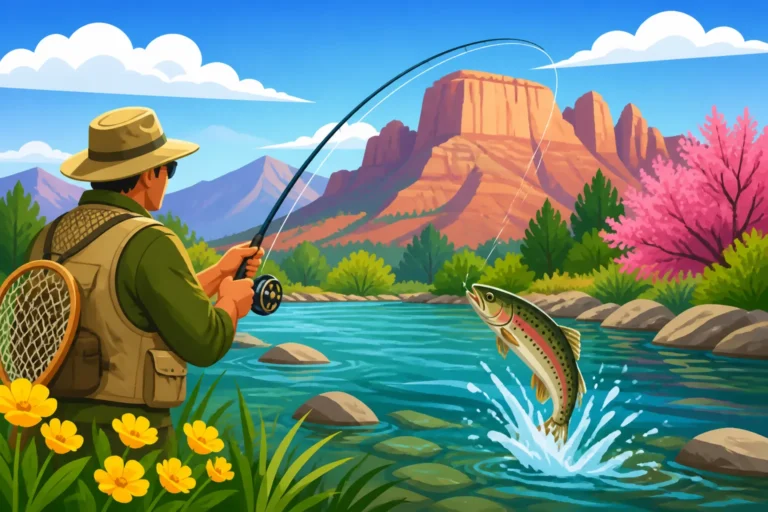
For many, fly fishing is the quintessential Gila River experience, especially in the clear, cold-water sections targeting trout. The challenge and reward of presenting a delicate fly to wary native trout in a wild setting are unmatched. Dry flies can be incredibly effective during hatches, particularly in spring and fall, but nymphing is often the most consistent method. Think small, natural patterns that imitate the aquatic insects found in these pristine waters. Midges, caddis larvae, stonefly nymphs, and various mayfly imitations are all staples. Streamers can also entice larger brown trout hiding in deeper pools or undercuts. Stealth is paramount; Gila Trout are easily spooked. Approach pools carefully, use long leaders and fine tippets, and try to cast from a distance to avoid alarming the fish. For a deeper dive into techniques, our article on Fly Fishing Techniques for New Mexico Rivers can offer more insights. When you're considering a guided trip, especially for specialized fly fishing, platforms like FishingBooker offer experienced local guides who know the Gila's nuances intimately.
Spin Fishing for Accessibility
Don't let the emphasis on fly fishing deter you if you prefer spin gear! Spin fishing can be incredibly effective on the Gila, particularly for stocked rainbow trout, brown trout in slightly larger waters, and certainly for the warm-water species downstream. Light spinning tackle with ultra-light or light action rods is ideal, allowing for accurate casts of small lures and baits. Small spinners, such as Panther Martins or Mepps, in natural colors (gold, silver, black, brown) are perennial favorites for trout. Tiny spoons and small crankbaits can also work well. For warm water species, soft plastics rigged weedless or small jigs can be deadly for smallmouth bass, while cut bait or worms are excellent for catfish. The key is to match the hatch or forage, even with spin gear. Keep your presentations subtle in clear water, and consider using fluorocarbon leaders to reduce line visibility.
Best Baits and Lures
Choosing the right bait or lure depends heavily on your target species and the section of the river you're fishing. For trout in the colder, clearer waters, natural baits like worms or salmon eggs can be effective, but often artificial lures or flies are preferred, especially in designated artificial-lure-only sections. PowerBait, in various colors and forms, is a go-to for stocked rainbow trout. For wilder trout, small, natural-colored spinners or tiny spoons are excellent. For warm-water species, live worms, chicken livers, or commercial stink baits are hard to beat for catfish. Smallmouth bass will hit a variety of lures, including small crankbaits, jigs with soft plastic trailers, and even topwater lures during low-light conditions. Always check the current New Mexico Fishing Regulations Overview for specific restrictions on bait and tackle in the area you plan to fish, as some waters may have special rules to protect sensitive populations like Gila Trout.
Accessing the Remote Gila Fishing Spots
Getting to the prime fishing locations on the Gila River often requires more than just a quick drive. This is truly an adventure that demands preparation and a willingness to explore off the beaten path. Its remote nature is part of its charm, but it also means you need to be self-sufficient and understand the access challenges.
Navigating the Gila National Forest
Much of the prime Gila River fishing occurs within the expansive Gila National Forest, particularly the Gila Wilderness and Aldo Leopold Wilderness areas. Access often involves driving on unpaved, sometimes rough, forest service roads. A high-clearance vehicle, and often 4×4, is highly recommended for reaching trailheads, especially after rain or snow. Once you leave the vehicle, hiking is almost always required to reach good fishing spots, ranging from short strolls to multi-mile treks into the backcountry. Always carry detailed maps (physical and digital), a compass, and know how to use them. Cell service is virtually nonexistent in many areas, so don't rely on your phone for navigation or emergencies. Be prepared for creek crossings, downed trees, and potentially steep, overgrown trails. For information on specific access points and conditions, checking with the local Gila National Forest Ranger Districts before your trip is essential. Our guide to Best Fishing Spots in the Gila National Forest provides more location-specific insights.
Permitting and Regulations for Gila Trout
Fishing for Gila Trout comes with specific responsibilities and regulations designed to protect this sensitive species. While you'll need a standard New Mexico Fishing License Guide for all fishing in New Mexico, certain streams within the Gila drainage that hold Gila Trout may have special provisions. This could include catch-and-release-only rules, specific gear restrictions (like artificial flies and lures only, or even single barbless hooks), or even a free permit requirement for Gila Trout management areas. For example, some areas might require you to release all Gila Trout immediately and unharmed. It's absolutely crucial to consult the most current New Mexico Department of Game and Fish regulations booklet or their website before targeting Gila Trout. Our article on New Mexico Trout Fishing Rules or Do You Need a Permit to Fish for Gila Trout? will shed more light on these specific requirements. Conservation is key when fishing for native species, and adherence to these rules ensures future generations can enjoy this unique resource.
Backcountry Considerations and Preparedness
A trip to the Gila River, especially deep within the wilderness, is often a backcountry excursion. This means being prepared for anything. Essential gear includes plenty of water (and a filter/purifier), food, a first-aid kit, emergency shelter, and appropriate clothing for rapidly changing weather conditions. Temperatures can fluctuate wildly, from scorching hot afternoons to freezing nights, even in summer at higher elevations. Rain gear is a must, especially during monsoon season. Bear spray is also a wise precaution in this habitat. Inform someone of your itinerary and expected return time. Be aware of your physical limitations and don't push yourself beyond your comfort zone, particularly in remote areas. Remember, you're a long way from help if something goes wrong. Considering a guided trip through a service like FishingBooker can significantly enhance safety and success for those less experienced in wilderness angling. A knowledgeable local guide can not only put you on fish but also ensure you're prepared for the unique challenges of the Gila backcountry.
Seasonal Guide to Fishing the Gila
The Gila River offers year-round fishing opportunities, but the experience, accessible areas, and target species shift dramatically with the seasons. Understanding these seasonal changes is vital for planning your trip and maximizing your chances of success.
Spring Runoff and Early Season Fishing
Spring on the Gila is a time of renewal, but it also brings the challenge of snowmelt runoff. Typically from April to June, depending on snowpack, rivers and streams can swell, becoming high, fast, and often murky. While some lower, warmer sections might become unfishable, this doesn't mean all fishing ceases. In fact, early spring, before the peak runoff, can be excellent for trout in the lower reaches of cold-water streams or in larger pools that aren't as affected by turbidity. As runoff subsides, usually by late May or early June, the waters begin to clear and drop, triggering strong insect hatches. This can lead to fantastic dry fly fishing opportunities for trout in the high country. For warm-water species downstream, spring warming wakes them up, making them active feeders. This is often a prime time for smallmouth bass and catfish as they become more active before the intense heat of summer. Always check the New Mexico Fishing Season Calendar for general guidelines, but prioritize current flow conditions.
Summer High Country Escapes
Summer (July and August) can be a mixed bag on the Gila. In the lower, warmer sections of the river, the heat can make fishing challenging, often pushing fish into deeper, cooler pockets or making them most active during early morning or late evening hours. However, summer is prime time for escaping to the high country of the Gila Wilderness. The high-elevation streams and tributaries, typically above 7,000 feet, offer cooler water temperatures, making them ideal for trout, including the native Gila Trout. This is often the best time for backpacking trips to reach these remote, pristine fisheries. Insect hatches are often reliable, providing good dry fly action. Be mindful of afternoon monsoon thunderstorms, which can pop up quickly and lead to dangerous flash floods, especially in canyons. It's always best to be off the water and in a safe location during these storms. For those interested in fishing the Gila River in summer, focusing on elevation can make all the difference.
Fall Colors and Prime Trout Action
Autumn (September and October) is arguably the most glorious time to fish the Gila River. As temperatures cool and the leaves begin to turn vibrant shades of gold and red, the fishing often hits its peak. Water levels are typically lower and clearer than in spring, making for excellent sight-fishing conditions, especially for wary trout. Both Gila Trout and brown trout become more active as they prepare for winter and, for brown trout, their spawning season. Dry fly hatches can still be strong in early fall, but nymphing and streamer fishing often become more productive as water temperatures drop. The cooler weather also means less pressure from summer crowds, and the beauty of the Gila National Forest in its fall splendor is simply breathtaking. For warm-water species, fall can still be productive, particularly in the early part of the season, as fish feed heavily before winter's chill. This is a fantastic time for a truly memorable angling experience in the Gila.
Preserving the Gila's Pristine Waters and Fish
The Gila River system is a fragile ecosystem, and its unique native fish populations, particularly the Gila Trout, are a testament to ongoing conservation efforts. As anglers, we have a critical role to play in protecting these waters for future generations. Responsible angling practices are not just good etiquette; they are essential for the survival of this incredible fishery.
Catch and Release Ethics
Many of the Gila River's most sensitive fisheries, especially those containing Gila Trout, are managed as catch-and-release only. Even in areas where keeping fish is permitted, practicing catch and release is highly encouraged to sustain healthy populations. Mastering proper catch and release techniques is paramount. This includes minimizing handling of the fish, keeping them in the water as much as possible, using barbless hooks (or crimping down barbs on barbed hooks), and ensuring a quick release. Avoid touching the fish's gills or squeezing its body. If you need a photo, do it quickly with the fish mostly submerged, not held high out of the water for an extended period. Our guide on Catch and Release Best Practices in New Mexico provides a detailed overview of how to properly handle fish to give them the best chance of survival.
Protecting Native Gila Trout Populations
The recovery of the Gila Trout is a conservation success story, and it's vital that anglers contribute to their continued well-being. This goes beyond just catch and release. It also means educating yourself on how to identify Gila Trout accurately, as they can sometimes be confused with rainbow trout in certain areas. Knowing the specific regulations for Gila Trout waters, which often include restrictions on bait and specific gear, is non-negotiable. Furthermore, preventing the spread of aquatic invasive species is crucial. Clean, Drain, Dry your waders, boots, and gear thoroughly between fishing trips to different water bodies to avoid transporting unwanted organisms. Our article on How to Catch Gila Trout Without Harming the Population delves into the specific actions you can take to be a responsible Gila Trout angler.
Leave No Trace Principles
The Gila Wilderness is a wild place, and its beauty relies on every visitor adhering to Leave No Trace principles. This means packing out everything you pack in, including all trash, food scraps, and fishing line. Human waste should be properly buried away from water sources. Minimize your impact on vegetation and streambanks. Stay on established trails where possible, and avoid creating new ones. When camping, use existing campsites or choose durable surfaces. Respect wildlife by observing from a distance and never feeding animals. The goal is to leave the area as pristine, or even more pristine, than you found it, ensuring that the wild character of the Gila River endures for everyone. This applies whether you're on a multi-day backpacking trip or just a day hike. Remember, your New Mexico Habitat Stamp and Validation Requirements fees often go towards maintaining these wild places, so it's our duty to help out when we're there.
| Gila River Section | Primary Fish Species | Best Season | Recommended Techniques | Access & Notes |
|---|---|---|---|---|
| Upper Gila (Wilderness) | Gila Trout, Brown Trout, Rainbow Trout | Spring (post-runoff), Summer, Fall | Fly fishing (nymphs, dry flies, small streamers), light spin (small spinners) | Remote, hike-in required, often 4×4 access to trailheads. Catch & Release, special regulations common. |
| Middle Gila (Transition) | Brown Trout, Rainbow Trout, Smallmouth Bass | Spring, Fall | Fly fishing, spin fishing (spinners, small crankbaits), bait fishing | More accessible than upper sections, but still often requires hiking. Mix of cold & warm water species. |
| Lower Gila (Warmer sections) | Channel Catfish, Smallmouth Bass, Flathead Catfish, Sunfish | Spring, Summer, Fall | Bait fishing (worms, cut bait), spin fishing (jigs, soft plastics, crankbaits) | Often more road access, higher flows, warmer water. |
Disclaimer
Fishing in New Mexico involves inherent risks, including but not limited to rapidly changing weather, wildlife encounters, and difficult terrain. Always prioritize safety, check current weather and river conditions, and inform someone of your itinerary. Adhere strictly to all New Mexico Department of Game and Fish regulations. This guide is for informational purposes only and does not substitute for official regulations or professional guidance.