Best Spring Fishing Spots in New Mexico
Spring in New Mexico can be a real mixed bag for anglers. One day you're shedding layers under a warm sun, the next you're bundled up against a surprise late-season snow flurry, leaving many of us wondering where the fish are actually biting amidst the unpredictable weather and the annual surge of snowmelt. This guide is designed to cut through that uncertainty, revealing the best spring fishing spots across New Mexico and equipping you with the knowledge to plan truly successful outings for everything from feisty trout to hard-hitting bass, no matter what Mother Nature throws our way.
Understanding Spring Fishing in New Mexico
Spring is a season of transition, and nowhere is that more evident than in the diverse aquatic environments of New Mexico. Anglers face a unique set of challenges and opportunities as waters warm, snow melts, and fish begin to shake off their winter lethargy. Knowing how to adapt to these changes is paramount to a successful spring fishing trip.
The Dynamics of Spring Weather and Water Conditions
The Land of Enchantment truly lives up to its name in spring, offering a dramatic range of conditions. Early spring, particularly in March and early April, can still feel a lot like winter, especially in the northern high country. Lakes might still have ice, and rivers will be running cold. As we move into late April and May, the snowmelt begins in earnest. This period, often referred to as "runoff," can dramatically swell rivers and streams, making them high, fast, and muddy. While challenging, this influx of fresh, oxygenated water can also trigger intense feeding frenzies as insects and nutrients are washed into the system.
Water temperature is a critical factor. As the water slowly warms, it signals to fish that it's time to become more active. Cold-water species like trout will often be found in shallower areas, seeking out warmer currents and emerging insects. Warm-water species such as bass and walleye will start to move out of their deeper winter haunts, staging for their spawning rituals in slightly warmer, shallower coves and flats. Understanding these temperature shifts and the timing of runoff is key to picking the right spot and the right technique. You'll want to keep an eye on river flow reports and lake temperature data, which can often be found on the New Mexico Department of Game and Fish website or through local tackle shops.
Seasonal Fish Behavior and Target Species
As spring progresses, different fish species become more accessible and active. Trout, particularly rainbow and brown trout, are often excellent targets in early spring. They're hungry after the leaner winter months and will readily strike at nymphs, worms, or small spinners in clearer, more stable waters. As runoff peaks in larger rivers, focusing on the calmer edges, eddies, and feeder creeks can yield good results. High-mountain lakes and streams, once the ice breaks, offer incredible opportunities for eager trout that haven't seen much fishing pressure over winter.
For warm-water species, spring is all about the pre-spawn and spawn. Largemouth and smallmouth bass will be gorging themselves in preparation for spawning, often moving into shallower, warmer bays where they become more aggressive and easier to locate. Walleye also make their move, often congregating on rocky points and submerged structures where they can be targeted with jigs and crankbaits. Crappie and bluegill will also become active, often found in brush piles or near docks, making them fantastic targets for families or those looking for consistent action. Knowing which species are actively feeding or staging allows you to tailor your approach and increase your chances of a memorable catch.
Top Spring Fishing Destinations for Trout
New Mexico is a trout angler's paradise, and spring offers some incredible, albeit challenging, opportunities. From the world-renowned tailwaters to remote alpine lakes, there’s a trout adventure waiting for every skill level.
High Mountain Lakes and Streams Post-Thaw
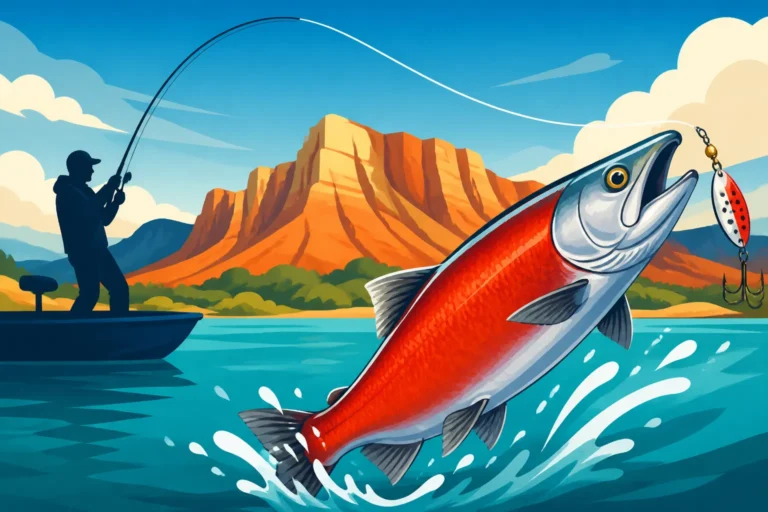
Once the heavy winter snows recede and the ice melts, typically from late April into May depending on elevation and snowpack, New Mexico's high mountain lakes and streams burst with life. These pristine waters, often nestled within the Carson National Forest or Santa Fe National Forest, become accessible, offering some of the most scenic fishing experiences. Lakes like Eagle Nest Lake in northern New Mexico, famous for its kokanee salmon and large trout, starts to shed its ice, allowing for shore and boat access. When considering a trip here, be sure to check the specific regulations, as they can sometimes change seasonally. Further south, Fenton Lake is another jewel, a smaller, often fly-fishing-only lake that warms up nicely in spring, offering excellent opportunities for rainbow and brown trout. Remember that when fishing these high-altitude waters, the weather can change rapidly, so always be prepared for colder temperatures and sudden storms.
The smaller streams and tributaries flowing into and out of these high-country lakes can also be phenomenal. As the snowmelt moderates, these freestone streams clear up, and trout that have been holed up all winter become very active. These wild fish are often eager to take a well-presented dry fly or small nymph. Accessing some of these more remote areas requires a bit of hiking, but the reward of solitude and wild trout in a stunning mountain setting is unparalleled. Keep in mind that a New Mexico Fishing License Guide is essential before heading out, and you should always be aware of the specific New Mexico Trout Fishing Rules for the waters you plan to visit, as special regulations often apply to protect these fragile ecosystems.
Reliable Tailwaters and Lower Elevation Rivers
While many freestone rivers might be raging with runoff in late spring, New Mexico's tailwater fisheries offer a stable and highly productive alternative. The most famous, of course, is the San Juan River Quality Waters below Navajo Dam. This stretch of river maintains a consistent flow and temperature year-round, thanks to the dam releases from Navajo Lake, making it an exceptional trout fishery even during peak runoff elsewhere. Spring on the San Juan means incredible nymphing opportunities, with midges and annelids being primary food sources. As the weather warms, blue-winged olives and other mayflies can hatch, offering exciting dry-fly action.
Another fantastic option is the Rio Chama, particularly the sections below El Vado and Abiquiu Dams. These tailwaters also provide more regulated flows and cooler temperatures than their undammed counterparts, making them productive for trout throughout spring. While the San Juan is world-renowned for its numbers of large trout, the Rio Chama offers a more diverse experience, with beautiful scenery and a chance at wild brown trout alongside stocked rainbows. When planning a trip to these areas, it's wise to consult local fly shops in Chama or Farmington for the most up-to-date reports on hatches and river conditions. They are invaluable resources for knowing what flies are working best and where to focus your efforts. A general understanding of the New Mexico Fishing Season Dates and Limits will also help you plan your outing.
Prime Spring Spots for Warm Water Species
While trout often get the spotlight, New Mexico's warm-water fisheries truly come alive in the spring, offering exhilarating action for bass, walleye, and panfish. These larger reservoirs become bustling hubs of activity as fish prepare for their annual spawn.
Reservoir Action for Bass and Walleye
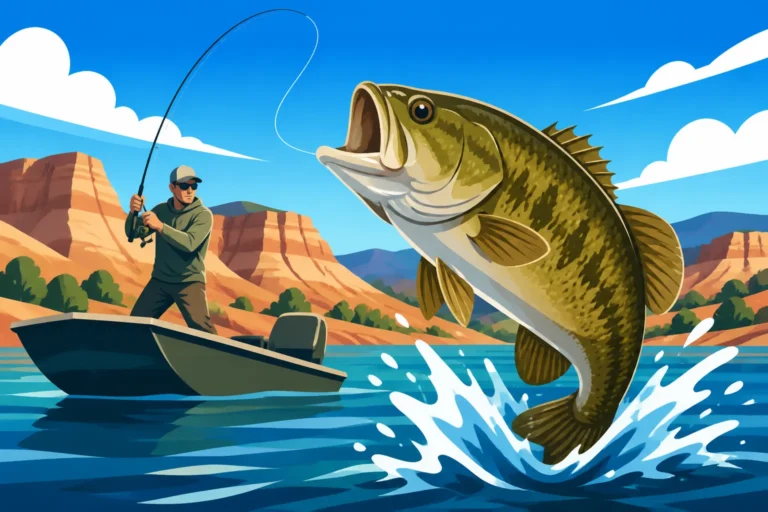
Spring is arguably the best time to target largemouth and smallmouth bass in New Mexico's big reservoirs. As water temperatures climb into the 50s and 60s Fahrenheit, bass move out of their deep winter haunts and into shallower bays, coves, and creek channels where they stage for spawning. Elephant Butte Lake is the undisputed king for this kind of action. In spring, especially from April through May, the bass bite can be phenomenal. Look for them cruising along rip-rap shorelines, around submerged brush, and in any warmer, protected areas. Spinnerbaits, jerkbaits, and soft plastics rigged on a Texas rig or Carolina rig are all highly effective. If you're a fan of catching these powerful fish, be sure to check out our Elephant Butte Lake Fishing Guide for more in-depth tips.
Walleye also become a prime target in spring, often moving to shallower rocky points and humps to spawn. Conchas Lake in eastern New Mexico is a perennial favorite for walleye. As the water warms, these toothy predators will congregate, offering excellent opportunities for anglers drifting with jigs and worms, or slow-trolling crankbaits along submerged structure. Ute Lake, also in eastern New Mexico, similarly provides great walleye fishing, along with good populations of crappie and bass. When targeting walleye, the early morning and late evening hours are often the most productive. Employing a guide service found through a platform like FishingBooker can give you an edge, as local guides often have intimate knowledge of where these fish are holding and what they're biting on during this critical pre-spawn and spawn period.
Catfish and Panfish Opportunities in Warmer Ponds
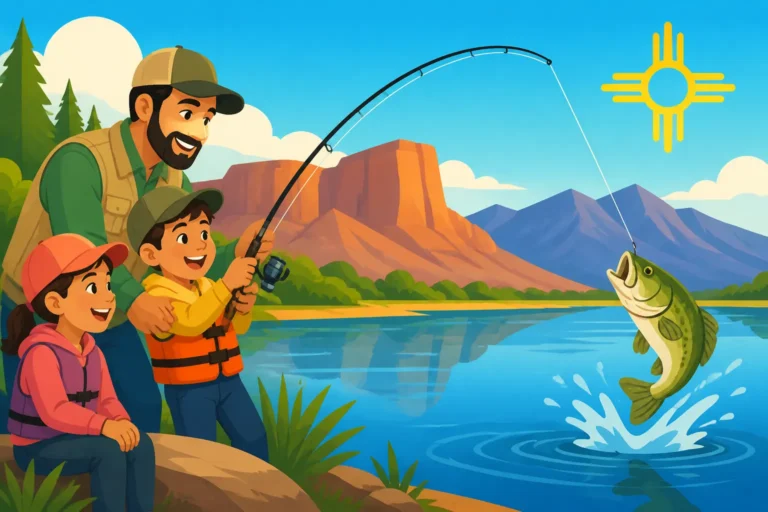
For a more relaxed, family-friendly spring fishing experience, or simply a change of pace, focusing on catfish and panfish in New Mexico's warmer ponds and slower rivers can be incredibly rewarding. Community ponds throughout the state, especially those managed by the New Mexico Department of Game and Fish, often receive spring stockings of channel catfish, making them readily available targets. These urban waters are perfect for introducing kids to fishing, and often provide easy access and amenities. Chicken livers, prepared stink baits, or even hot dogs fished on the bottom are simple yet effective methods.
The slower sections of the Rio Grande and other major river systems, once the runoff subsides and waters begin to warm, also become excellent for channel catfish. Look for them in deeper holes, eddies, and around submerged snags. For panfish like bluegill and crappie, spring is a fantastic time. They'll be moving into shallow cover like brush piles, docks, and submerged vegetation in most New Mexico lakes and ponds. A small hook with a piece of worm, a tiny jig, or a beetle spin under a bobber can lead to non-stop action, providing hours of fun for anglers of all ages. These species are often eager to bite, making them ideal targets during a mild spring day.
Essential Spring Fishing Tips for New Mexico
Navigating the unique challenges and opportunities of spring fishing in New Mexico requires a thoughtful approach to gear, tactics, and trip planning. Being prepared for anything will significantly increase your chances of success.
Gear and Tactics for Variable Conditions
Spring in New Mexico demands versatility in your fishing setup. For trout, whether you're fly fishing the San Juan River or spinning for rainbows in a high mountain lake, carrying a variety of lures and baits is crucial. For fly anglers, a good selection of nymphs (like San Juan worms, pheasant tails, and prince nymphs) is always a safe bet, transitioning to dry flies (such as blue-winged olives and caddis) as hatches become more consistent. Spin anglers should pack small spinners (Mepps, Panther Martin), spoons (Kastmasters), and a selection of PowerBait or worms. Our guide on the Best Lures for New Mexico Trout offers more specific recommendations. For warm-water species, a combination of reaction baits (crankbaits, spinnerbaits) for covering water and soft plastics (worms, jigs) for slower, more precise presentations is effective, especially around pre-spawn.
Weather preparedness is paramount. Layering your clothing is not just a suggestion; it's a necessity. Mornings can be freezing, especially at higher elevations, but afternoons can quickly warm up. Waterproof outer shells are essential, especially during monsoon season or unexpected spring showers. Waders are a lifesaver for river and stream fishing, allowing you to access prime spots safely and stay dry. Always bring plenty of water, snacks, sunscreen, and a first-aid kit. A reliable pair of polarized sunglasses will help you spot fish in clearer waters and protect your eyes from the intense New Mexico sun.
Planning Your Spring Fishing Trip
Thorough planning is the bedrock of a successful spring fishing trip in New Mexico. First and foremost, you need to secure your fishing license. You can find comprehensive details in our New Mexico Fishing License Costs Explained or learn How to Get a New Mexico Fishing License. Always double-check the current New Mexico Fishing Regulations Overview for any specific rules, bag limits, or special water restrictions that might apply to your chosen destination. These regulations are updated annually, so don't assume last year's rules are still in effect.
Secondly, research conditions. Check weather forecasts, river flow rates, and lake levels. Many local tackle shops and the New Mexico Department of Game and Fish website provide current fishing reports that can offer invaluable insights into what's biting and where. If you're traveling from out of state or simply want to maximize your time on the water, consider booking a guided trip. Services like FishingBooker can connect you with experienced local guides who know the ins and outs of New Mexico's spring fisheries. This can be especially beneficial if you're targeting a particular species or exploring new waters for the first time. For more general advice, consult our article on the Best Time of Year to Fish in New Mexico to align your trip with peak activity for your desired species.
| Fishing Spot | Primary Target Species (Spring) | Best Spring Conditions | Typical Techniques | Notes |
|---|---|---|---|---|
| San Juan River Quality Waters | Rainbow, Brown Trout | Consistent flows, stable temps (ideal during runoff elsewhere) | Nymphing, Dry Flies (BWOs, Caddis) | Barbless hooks, artificial lures only. World-class. |
| Elephant Butte Lake | Largemouth, Smallmouth Bass | Water temps 55-65°F, pre-spawn & spawn | Spinnerbaits, Jerkbaits, Soft Plastics | Excellent boat fishing, good bank access. |
| Conchas Lake | Walleye, Bass, Crappie | Water temps 50-60°F, pre-spawn & spawn | Jigs, Crankbaits, Live Bait (for walleye) | Good for multi-species anglers. |
| Eagle Nest Lake | Rainbow Trout, Kokanee Salmon | Ice-off (late April/early May), warming shallow water | Trolling, PowerBait, Spinners | Check for ice-off dates; wind can be a factor. |
| Rio Chama (Tailwaters) | Rainbow, Brown Trout | Stable flows below dams, clear water | Nymphing, Streamers, Spinners | Less crowded than San Juan, beautiful scenery. |
| Fenton Lake | Rainbow, Brown Trout | Ice-off (late April/early May), warmer periods | Fly fishing (often preferred/required) | Smaller lake, peaceful experience. |
| Urban Ponds | Catfish, Trout (early spring), Panfish | Stocking schedules, mild weather for family outings | Worms, Stink Bait, Small Jigs, PowerBait | Easy access, great for beginners and kids. |
Disclaimer
The information provided in this guide is for general informational purposes only and does not constitute legal or professional advice. Fishing regulations, season dates, and water conditions in New Mexico can change frequently. Always consult the official New Mexico Department of Game and Fish regulations and local authorities before planning any fishing trip to ensure compliance and safety. Anglers are responsible for adhering to all current laws and regulations.