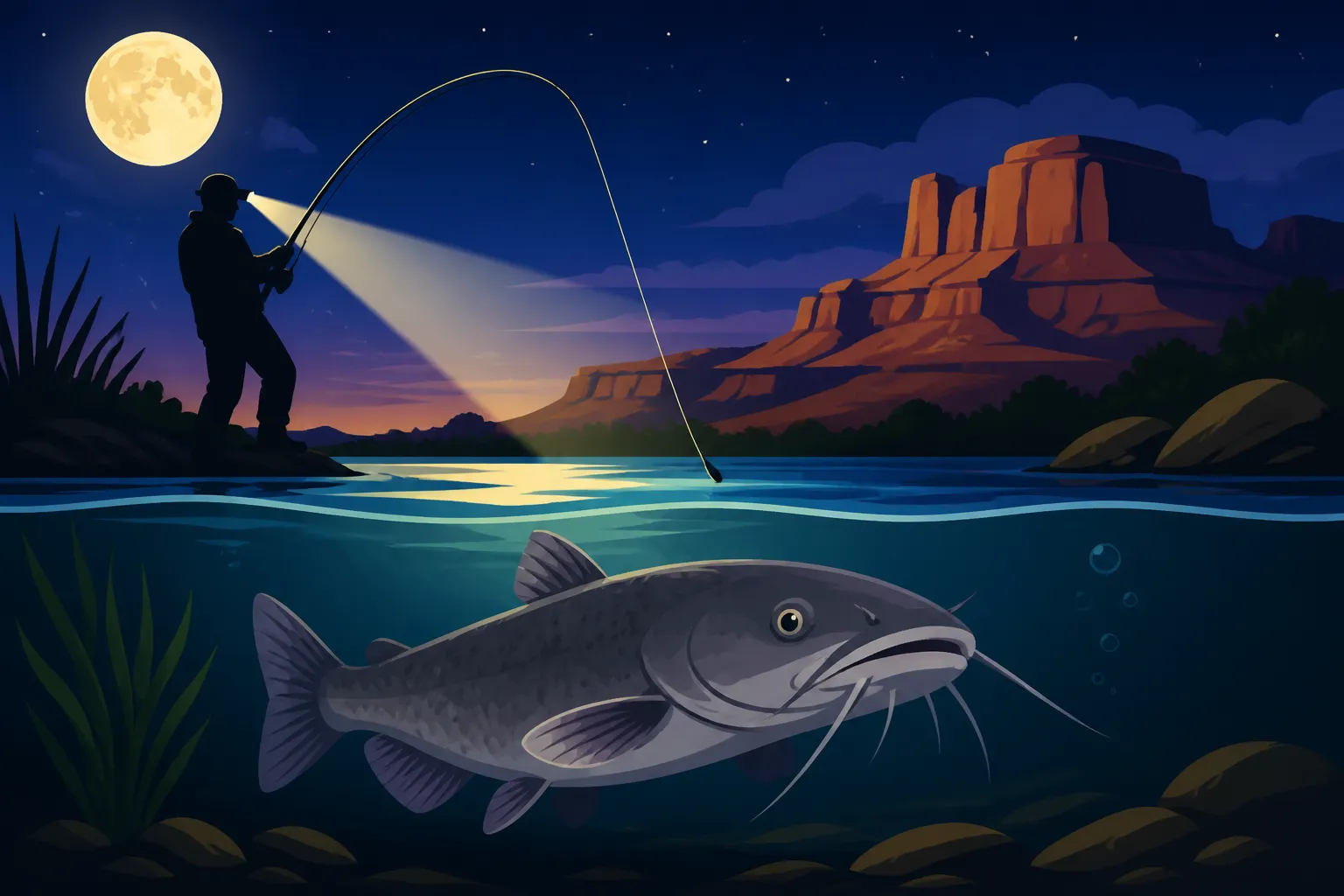
Where to Fish at Night for Catfish in New Mexico
There's a special kind of magic that settles over New Mexico's waters once the sun dips below the horizon, and for many anglers, that's precisely when the real fun begins, especially when you're after those elusive catfish. During the scorching New Mexico daytime, these whiskered bottom-dwellers can be tough to tempt, often retreating to cooler, deeper hideouts. This guide is your comprehensive roadmap to navigating the twilight hours, revealing the prime locations, essential gear, and proven strategies to help you hook into some fantastic catfish action under the stars.
Why Night Fishing for Catfish is So Effective in New Mexico
Fishing at night for catfish isn't just a quirky preference; it's a highly strategic move that capitalizes on their natural behaviors and the unique environmental conditions of New Mexico. Anglers who switch their focus to after-dark hours often find dramatically improved success rates, transforming a slow day into an unforgettable night.
Understanding Catfish Behavior After Dark
Catfish, particularly channel catfish and flatheads, are primarily nocturnal predators. As daylight fades, they become much more active, venturing out from their daytime resting spots to hunt for food. They have an incredible sense of smell and touch, which are perfectly adapted for foraging in low-light conditions. Their barbels, or "whiskers," are packed with taste buds that help them detect food scents in the water, even in murky environments. This means that strong-smelling baits, which might be less effective during the day when fish rely more on sight, become irresistible attractants at night.
Think about it: during the bright hours, they're often hunkered down in deep holes, under submerged structures, or in dense vegetation to avoid predators and intense sunlight. But once darkness falls, the entire aquatic ecosystem shifts. Baitfish become less guarded, and the catfish feel safer to roam shallower areas, shorelines, and flats where they can actively pursue a meal. This behavioral change is the primary reason why night fishing can be so much more productive for these species. If you've been struggling to find them during the day, don't give up – just wait for the moon to rise!
Beating the New Mexico Heat
New Mexico is famous for its bright, often intense sunshine and high daytime temperatures, especially during the peak summer months. For both anglers and fish, these conditions can be challenging. For us, long hours under a blazing sun can be exhausting, leading to dehydration and sunburn, even with the best precautions. For the fish, high water temperatures can make them lethargic and less inclined to feed, as their metabolism slows down to conserve energy.
Night fishing offers a welcome escape from this heat. The cooler evening and nighttime temperatures are not only more comfortable for you, but they also revitalize the fish. As the water cools, oxygen levels often increase, and fish become more active and willing to chase a bait. This is particularly true for many of our warm-water species like catfish. The drop in temperature signals prime feeding time, making them much more aggressive and eager to strike. If you've ever tried to fish a New Mexico lake in July at midday, you know the struggle is real. Switching to a cooler night trip can be a game-changer for your comfort and your catch rate.
Top New Mexico Lakes and Rivers for Night Catfishing
New Mexico offers some fantastic waterways that truly come alive for catfishing once the sun goes down. Each location has its own unique characteristics, but all promise exciting opportunities for those willing to embrace the night. Make sure you're familiar with the New Mexico Fishing Regulations Overview before heading out, as rules can vary by water body.
Elephant Butte Lake
When it comes to catfish in New Mexico, Elephant Butte Lake is often at the top of the list, and it's particularly renowned for its night fishing. This massive reservoir, New Mexico's largest, holds an incredible population of channel catfish and some truly enormous flatheads. The sheer size of the lake means there's a vast amount of habitat for catfish, including countless coves, points, submerged brush, and rocky structures that provide ideal ambush points after dark.
During the day, catfish at Elephant Butte tend to hold in deeper water or tight to cover, but once twilight hits, they move into shallower areas to feed. The flats and rocky shorelines in the many bays become prime hunting grounds. Popular areas for night catfishing include the coves around the Monticello Point area, the Rattlesnake Island vicinity, and the expansive flats near the dam. Anglers often anchor near submerged brush piles or rocky ledges where catfish might be patrolling. The cooler temperatures at night bring baitfish closer to the surface and shore, and the catfish follow. Using a powerful headlamp or boat lights is essential here, not just for rigging but also for navigating the water safely. You can find more detailed information in our Elephant Butte Lake Fishing Guide.
Caballo Lake
Just downstream from Elephant Butte, you'll find Caballo Lake, another fantastic option for night catfishing. While smaller than Elephant Butte, Caballo still boasts a healthy population of both channel catfish and flatheads, and it can be a bit more accessible for some anglers. The lake's structure, with its numerous coves, ledges, and the old river channel, provides excellent habitat for catfish, particularly as they become active in the dark.
Night fishing at Caballo often centers around the main lake points, rocky shorelines, and the shallower coves that receive good current flow. The area near the dam can also be productive, as can the upper reaches of the lake where the Rio Grande feeds in. Like Elephant Butte, catfish here will move into shallower water to feed during the night. Look for areas with a gradual slope or nearby submerged cover. Bank anglers have good access in many areas of Caballo Lake State Park, making it a great choice for those without a boat looking for a night adventure. For more specific insights, check out our Caballo Lake Fishing article.
Rio Grande River
The mighty Rio Grande River, flowing through the heart of New Mexico, offers excellent catfishing opportunities, especially at night. Unlike the reservoirs, river fishing presents its own unique challenges and rewards. The river is home to a robust population of channel catfish, and certain stretches also hold flatheads. The dynamic nature of the river means that catfish are constantly on the move, utilizing current breaks and deeper holes.
Prime night catfishing spots on the Rio Grande often include deep bends, slow-moving eddies, and areas downstream of diversion dams or major confluences where food concentrates. Look for current seams where fast water meets slow water, as catfish will often lie in wait in the calmer water, darting out to snatch unsuspecting prey swept downstream. The cooler night temperatures are a huge benefit on the river, as daytime heat can make river fishing sluggish. Access points can be found throughout the state, particularly in the Middle Rio Grande Valley near Albuquerque and south towards Socorro. Always be mindful of changing water levels and currents when fishing the river at night. Our Rio Grande Fishing Guide offers a deeper dive into fishing this iconic waterway.
Ute Lake
Located in eastern New Mexico, Ute Lake is another excellent spot for targeting catfish, and it's especially popular for its night fishing potential. This long, narrow reservoir offers diverse habitats, including rocky bluffs, sandy beaches, and numerous coves, all of which can hold catfish. Ute Lake is known for producing good numbers of channel catfish and respectable flatheads.
At night, catfish in Ute Lake tend to patrol the shallower coves, main lake points, and areas with submerged timber or rock piles. The calmer waters of the coves provide a safe haven for baitfish, which in turn attracts hungry catfish. Anglers often have success setting up on points that extend into deeper water, casting into the shallows, or drifting baits along the edges of drop-offs. The areas near Ute Lake State Park provide good bank access, and boaters can explore the lake's extensive reaches. Look for areas where wind has pushed baitfish, as catfish won't be far behind. Remember to check the Catfish Limit in New Mexico for Ute Lake before you head out.
Conchas Lake
Further east, Conchas Lake provides another superb venue for night catfishing. This large reservoir, formed by the Conchas Dam on the Canadian River, is known for its rugged beauty and excellent multi-species fishing, with catfish being a significant draw. It's an ideal spot for those seeking a tranquil night fishing experience away from more populated areas.
Conchas Lake is teeming with channel catfish, and decent flatheads are also present. Night fishing here is highly productive along the rocky shorelines, in the various arms of the lake, and around submerged structures. Catfish in Conchas will move into shallower, warmer waters at night to feed, especially near areas where baitfish congregate. Popular spots include the main lake points, the mouths of coves, and areas where there's submerged timber. Bank access is available in Conchas Lake State Park, and there are numerous boat ramps for those with watercraft. It's often a bit less crowded than some of the state's larger reservoirs, offering a more peaceful night fishing experience.
Essential Gear and Safety Tips for New Mexico Night Catfishing
Night fishing for catfish is incredibly rewarding, but it requires a bit more preparation and attention to safety than a daytime excursion. Being properly equipped and aware of your surroundings will make all the difference for a successful and enjoyable outing.
Must-Have Gear for Low-Light Conditions
Heading out into the darkness without the right tools can quickly turn a fun trip into a frustrating one. Here’s a rundown of the gear you absolutely need for night catfishing:
- Lighting: This is non-negotiable. A good quality headlamp with both a white light and a red light option is crucial. The white light is for rigging tackle, baiting hooks, and navigating your immediate area. The red light helps preserve your night vision, which is essential for seeing distant shorelines, detecting subtle bobber movements, or just enjoying the stars without blinding yourself. For boaters, having reliable boat lights (navigation lights, interior lights) is paramount. A portable spotlight can also be invaluable for scanning the water or finding landmarks.
- Rod and Reel: A medium-heavy to heavy action rod, typically 7 to 9 feet long, paired with a robust spinning or baitcasting reel spooled with 15-30 lb monofilament or braided line, is ideal. Catfish fight hard, especially big ones, and you'll appreciate the backbone of a heavier setup when battling them in the dark.
- Tackle Box Essentials: Stock your tackle box with plenty of circle hooks (sizes 3/0 to 8/0 are good starting points), egg sinkers or no-roll sinkers (1/2 oz to 2 oz depending on current/depth), swivels, and extra line. Always have a knife, pliers for hook removal, and line cutters readily accessible.
- Bait: As mentioned, catfish rely heavily on smell at night. Stinky baits are your best friend. Options like cut shad, chicken liver, prepared stink baits (e.g., Catfish Charlie, Secret 7), or even live worms are highly effective. For more ideas, consult our Best Bait for Catfish in New Mexico Rivers guide.
- Net or Gripper: A large, sturdy landing net with a rubberized mesh (better for the fish and less prone to tangling hooks) is essential for safely landing larger catfish. Alternatively, a fish gripper can be useful for controlling a feisty fish.
- Cooler: Keep your bait fresh and your catch even fresher. A good cooler filled with ice is a must, especially given New Mexico's climate.
- First-Aid Kit: Accidents happen, especially in the dark. A basic first-aid kit with bandages, antiseptic wipes, pain relievers, and any personal medications should always be on hand.
- Bug Spray: New Mexico evenings can bring out the mosquitoes and other biting insects, particularly near water. Don't let them ruin your peaceful night.
- Layered Clothing: Even though the daytime is hot, nights can get surprisingly cool, especially in the mountains or on open water. Dress in layers you can easily add or remove.
- Navigation Tools (Boaters): If you're on a boat, ensure your GPS and charts are in working order. Knowing your way around a lake in daylight is one thing; doing it in the dark is another entirely. Apps like Navionics or physical maps can be lifesavers. For planning boat trips, I've heard many anglers find tools on FishingBooker helpful for finding guides and understanding lake layouts.
- Communication Device: A fully charged cell phone or a VHF radio (for boaters) is critical for emergencies.
Staying Safe on the Water After Sunset
Safety is paramount when night fishing. The reduced visibility significantly increases risks, so taking extra precautions is crucial for both bank and boat anglers.
For bank anglers, the primary concerns are uneven terrain, wildlife, and getting disoriented. Always scout your fishing spot during the day to identify potential hazards like steep drops, slippery banks, or hidden obstacles. Inform someone of your plans, including where you're going and when you expect to return. Stick to well-known areas and avoid unfamiliar or difficult terrain. Keep your camp area tidy to avoid tripping hazards, and be aware of local wildlife, as many animals are more active at night.
For boat anglers, the stakes are even higher.
- Know Your Water: Only fish familiar waters at night. Hidden stumps, rocks, or shallow areas that are easy to spot during the day become invisible hazards in the dark.
- Slow Down: Navigate at a reduced speed. It takes longer for your eyes to adjust and for you to react to obstacles.
- Life Jackets: Ensure everyone on board is wearing a U.S. Coast Guard-approved life jacket. This isn't just a recommendation; it's often a legal requirement, and it can save lives if someone falls overboard.
- Lights: Make sure all navigation lights are working correctly and are illuminated. Carry extra batteries for your headlamp and a spare spotlight.
- Pre-Launch Check: Before leaving the dock, perform a thorough safety check of your boat, ensuring all equipment, including a first-aid kit, fire extinguisher, and signaling devices, is on board and accessible.
- Weather Watch: Check the forecast thoroughly before heading out. Sudden storms or high winds can be particularly dangerous on the water at night.
- Buddy System: It's always a good idea to fish with a buddy, especially at night. There's safety in numbers.
For more general night fishing advice, our New Mexico Night Fishing Guide provides broader insights into twilight angling.
New Mexico Night Catfishing Hotspots Comparison
| Location | Primary Catfish Species | Best Night Fishing Areas | Key Considerations |
|---|---|---|---|
| Elephant Butte Lake | Channel Catfish, Flathead Catfish | Coves, Monticello Point, Rattlesnake Island, main lake flats | Large reservoir, requires careful navigation at night, potential for trophy flatheads. Bank and boat access. |
| Caballo Lake | Channel Catfish, Flathead Catfish | Main lake points, rocky shorelines, coves, near the dam | Good bank access, can be less crowded than Elephant Butte, watch for submerged hazards. |
| Rio Grande River | Channel Catfish, (some) Flathead Catfish | Deep bends, slow eddies, current seams, downstream of dams | Dynamic current, varying water levels, focus on current breaks and deeper holes. Bank access prevalent. |
| Ute Lake | Channel Catfish, (some) Flathead Catfish | Shallow coves, main lake points, submerged timber | Good numbers of channel catfish, quieter setting. Bank and boat access at state park. |
| Conchas Lake | Channel Catfish, (some) Flathead Catfish | Rocky shorelines, lake arms, submerged structures | Excellent multi-species potential, less crowded, rugged terrain requires attention. |
Practical Strategies for Landing New Mexico Catfish at Night
Once you've got your gear ready and your safety plan in place, it's time to talk strategy. Night fishing for catfish isn't just about showing up in the dark; it's about understanding how to present your bait and where to focus your efforts for the best results. Many anglers also use resources like FishingBooker to scout prime locations and connect with local experts who know these night patterns well.
Best Baits and Rigging for Night Owls
Catfish, as we've established, are scent-oriented feeders, especially at night. This means your bait choice and how you present it are critical.
-
Scent is King: Forget about flashy lures that rely on visual appeal. For night catfishing, you want something that screams "food" through scent.
- Cut Bait: Fresh cut shad, carp, or even panfish (where legal) are incredibly effective. Cut them into chunks or strips to maximize the release of oils and scent. Their natural oils are irresistible to catfish.
- Chicken Liver: A classic catfish bait. It's notoriously messy but incredibly potent. The blood and strong smell travel far in the water. Keep it in a sealed container and be prepared for sticky fingers!
- Prepared Stink Baits: Brands like "Sonny's Super Sticky Bait" or "Uncle Josh" offer various dough or dip baits specifically formulated for catfish. These are designed to disperse a powerful odor trail. Use them with specialized bait holders or treble hooks that keep the bait on.
- Worms: Large nightcrawlers or a gob of smaller worms can also be very effective, particularly for channel catfish. They provide both scent and movement.
-
Rigging for Success: The most common and effective rig for night catfishing is a simple bottom rig.
- Carolina Rig (Santee Cooper Rig Variation): This is a go-to. Thread an egg sinker (1/2 oz to 2 oz, depending on current and casting distance) onto your main line, followed by a bead (to protect your knot), then tie on a barrel swivel. To the other end of the swivel, tie a fluorocarbon or monofilament leader (12-24 inches) and finally, your circle hook. The Carolina rig allows the fish to pick up the bait without feeling the weight of the sinker, giving you a better hookup ratio. For night fishing, a "Santee Cooper Rig" variation, which adds a small foam float above the hook on the leader, can be highly effective. This float lifts your bait slightly off the bottom, making it more visible (to scent) and keeping it out of the mud or weeds, presenting it perfectly.
- Fixed Sinker Rig: For lighter currents or still water, a simple bell sinker tied to the end of your line, with a dropper loop tied a foot or so above it for your hook, works well.
- Circle Hooks are Your Friend: Use appropriately sized circle hooks. Catfish often swallow baits, and circle hooks are designed to hook in the corner of the fish's mouth, minimizing harm and making release easier if you choose to. With circle hooks, resist the urge to set the hook hard; instead, let the fish take the bait, then slowly reel in until the line tightens and the hook sets itself.
For detailed instruction on setting up your tackle, consider looking into guides on How to Catch Channel Catfish at Night.
Locating Catfish in the Dark
Finding catfish in the vast darkness of a New Mexico lake or river can feel like a daunting task, but by understanding their nocturnal movements, you can significantly narrow your search.
- Shallow Water at Night: Remember, catfish move shallower. During the day, they might be in 20-40 feet of water. At night, they could be as shallow as 2-10 feet, especially near areas with access to deeper water. Focus your efforts on these transitional zones.
- Points and Humps: Any point that extends into deeper water or a submerged hump can act as a highway for patrolling catfish. They'll often cruise along the edges of these structures.
- Coves and Flats: Shallow coves and broad, flat areas with soft bottoms are prime feeding grounds at night. Baitfish will often congregate here, and catfish follow.
- Submerged Structure: Look for brush piles, old timber, rock piles, or even artificial structures like old roadbeds. These provide cover and ambush points for catfish. Use a sonar (if boating) during the day to mark these spots, or rely on maps and local knowledge.
- Current Breaks (Rivers): On rivers like the Rio Grande, catfish will hold in calmer water just out of the main current, waiting for food to be swept past. Look for eddies behind rocks, logs, or sharp bends.
- Wind-Blown Banks: Wind can push baitfish and other forage towards a particular shoreline. If there's a gentle breeze pushing into a bank, especially a flat, consider that a potential hotspot.
- Smell and Sound: In the dark, rely on your other senses. If you can smell baitfish or other organic material in the water, that's a good sign. Listen for splashes or disturbances, which could indicate feeding activity.
- Light Discipline: While you need light for safety and rigging, try to minimize shining bright lights directly onto the water where you're fishing. Catfish, though less sight-dependent, can still be spooked by sudden bursts of light. Use your red light option as much as possible.
- Patience and Persistence: Night fishing often requires a bit more patience. Set multiple rods if legal, spread your baits out to cover different depths or areas, and be prepared to wait. The bite can sometimes be slow for a while, then suddenly turn on. Reviewing the New Mexico Fishing Season Dates and Limits will also help you plan your trips around optimal times.
For those planning to use a boat, understanding New Mexico Boat Registration and Titling Guide rules is crucial for legal and safe operation. Consider downloading a fishing app like the one offered by FishingBooker, which often includes maps with depth contours and marked structures, which can be immensely helpful for locating fishy areas in the dark.
Remember, the experience of night catfishing in New Mexico is about more than just catching fish; it's about the serene quiet, the vast starry skies, and the anticipation of that powerful tug on your line under the glow of the moon.
Disclaimer
The information provided in this guide is for general informational purposes only and should not be considered legal advice. Fishing regulations and conditions in New Mexico can change frequently. Always consult the most current New Mexico Department of Game and Fish regulations before planning any fishing trip. Safety should always be your top priority when fishing, especially at night.