Abiquiu Lake Kokanee Fishing
If you've ever dreamt of battling a vibrant, hard-fighting salmon in the high desert of New Mexico, but assumed you'd have to trek to some far-off coastal state, you're not alone in that frustration. Many anglers are surprised to learn that Abiquiu Lake, nestled in the stunning red rock country north of Española, offers a fantastic opportunity to chase Kokanee salmon. This guide will walk you through everything you need to know to successfully target these elusive, landlocked sockeye salmon in one of New Mexico's most picturesque reservoirs.
Understanding Abiquiu Lake's Kokanee Fishery
Abiquiu Lake isn't just known for its striking scenery and impressive canyon walls; it's also a thriving, albeit sometimes challenging, kokanee fishery. These beautiful salmon, a landlocked cousin of the sockeye, offer a unique angling experience that draws passionate fishermen from all corners of the state.
The Unique Appeal of Kokanee Salmon in Abiquiu
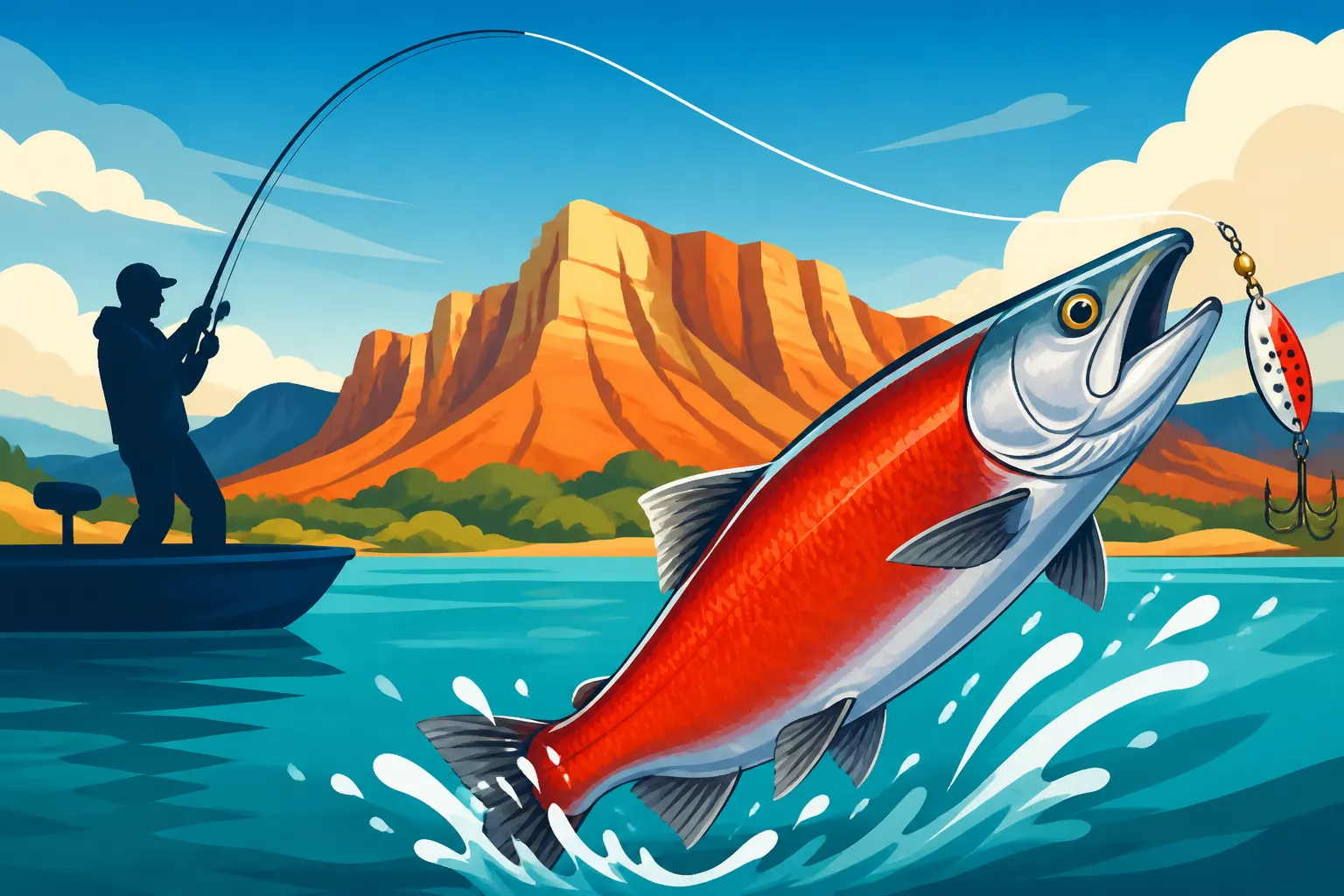
Kokanee salmon are a true gem in New Mexico's diverse fishing landscape. Unlike trout, which are often eager to strike at a variety of baits and lures, kokanee can be incredibly finicky. This pickiness is part of their allure; successfully enticing a kokanee to bite feels like a hard-earned victory. They are primarily plankton feeders, which means traditional fishing wisdom sometimes needs to be thrown out the window. Anglers often spend hours meticulously tweaking their gear, scent, and presentation to crack the code.
What makes them so appealing for many is not just the challenge, but also their fight. Once hooked, kokanee are known for their spirited, acrobatic battles, often leaping clear of the water or making powerful, sustained runs. And let's not forget their table fare! Kokanee salmon, especially those caught in the cold, clean waters of Abiquiu, are absolutely delicious, with firm, reddish-orange flesh that's fantastic smoked, grilled, or baked. Plus, fishing for them offers a wonderful excuse to spend time on the breathtaking waters of Abiquiu Lake, surrounded by ancient geological formations that make every trip feel like an adventure.
Historical Stocking and Population Trends
Kokanee salmon are not native to New Mexico; their presence in Abiquiu Lake is a testament to the New Mexico Department of Game and Fish's (NMDGF) dedicated stocking programs. Over the years, the NMDGF has consistently stocked kokanee fingerlings into Abiquiu, recognizing the lake's potential to host a cold-water fishery. These stocking efforts aim to provide a put-grow-and-take fishery, ensuring that anglers have opportunities to catch these desirable fish.
The success of the kokanee population can fluctuate year to year, largely depending on stocking numbers, water levels, and the abundance of their primary food source, zooplankton. In recent years, Abiquiu Lake has shown a consistent ability to support a healthy population, often producing decent-sized fish. It's not uncommon for anglers to pull out kokanee in the 12- to 16-inch range, with larger specimens occasionally making an appearance. Keep in mind that fisheries are dynamic ecosystems, and factors like reservoir conditions and environmental shifts can influence population density and fish health. Staying informed about the latest stocking reports and New Mexico Fishing Regulations Overview can give you an edge.
Prime Seasons for Targeting Kokanee at Abiquiu
Timing is everything when it comes to kokanee fishing at Abiquiu Lake. These salmon are cold-water species, so their activity levels and locations in the lake change significantly with the seasons.
- Spring (March-May): As ice thaws and water temperatures begin to rise but remain cool, kokanee start to become more active. They'll often be found in the upper water column as the plankton blooms. This can be a fantastic time for trolling, and the fish might be less concentrated, but often very hungry after the long winter.
- Summer (June-August): This is arguably the most popular time for kokanee fishing, but it also presents its own challenges. As surface water temperatures warm, kokanee will retreat to deeper, cooler waters where they can find their preferred temperatures and food. You'll need to employ downriggers or other methods to get your lures down to where they're holding, often 30 to 60 feet deep, or even deeper on warmer days. Mornings and evenings often offer the best bite.
- Fall (September-November): As water temperatures begin to drop, kokanee become very active, especially as they approach their spawning cycle. While they don't successfully reproduce in Abiquiu (hence the need for stocking), their instincts kick in, and they often become more aggressive. This can be an excellent time to target them, often at shallower depths than in summer. However, be mindful of any specific regulations regarding snagging or possession limits during this period, as some areas or times may have special rules. For a complete look at when various species are most active, check out our guide on the Best Time of Year to Fish in New Mexico.
- Winter (December-February): Ice fishing for kokanee at Abiquiu is not typically a primary target. While some brave anglers might try, kokanee are often in very deep water and can be even more challenging to locate and entice under the ice. Most anglers focus on other species during the coldest months.
Understanding these seasonal patterns, along with consulting the New Mexico Fishing Season Dates and Limits, will dramatically increase your chances of success.
Essential Techniques and Gear for Abiquiu Kokanee
Kokanee fishing demands a slightly different approach than your typical trout or bass fishing. These finicky feeders require specific techniques and gear to consistently put them in the net. Don't be discouraged if your usual setup isn't cutting it; a few adjustments can make all the difference.
Trolling Strategies for Success
Trolling is hands down the most effective method for catching kokanee at Abiquiu Lake. Because kokanee are constantly on the move, searching for plankton, covering water is crucial.
- Speed is Key: Unlike bass, which might like a fast retrieve, kokanee often prefer a very slow, almost snail-like troll. Speeds between 0.8 and 1.5 miles per hour are often ideal. You might need to experiment to find the sweet spot on any given day. A good quality trolling motor is invaluable here, allowing you to maintain precise speeds.
- Depth Control: This is perhaps the most critical aspect of kokanee trolling. You need to get your lures right into the feeding zone.
- Downriggers: These are the gold standard for kokanee. They allow you to precisely control the depth of your lure, getting it down to where the fish are holding, even 60 or 80 feet deep. A good fish finder will help you identify the thermocline and where the schools of kokanee are stacked.
- Diving Planers/Lead Core Line: If downriggers aren't in your budget or on your boat, diving planers (like Pink Ladies or Dipsy Divers) or lead core line can get your lures to depth. They are less precise but can still be very effective.
- Weight Systems: Adding inline weights or bottom bouncers can also help, though they are usually less effective for suspended kokanee over deeper water.
- S-Turns and Zig-Zags: Instead of trolling in a straight line, make gentle S-turns or zig-zag patterns. This causes your lures to speed up and slow down on the turns, creating an enticing erratic action that can trigger strikes from following fish.
- Scents: Kokanee have an incredible sense of smell. Always tip your lures with a small piece of corn or Gulp! Maggot, soaked in a kokanee-specific attractant like Pautzke's Krill Juice or Pro-Cure scents. Change your bait and refresh your scent frequently.
- Multiple Rods (Where Permitted): If regulations allow, running multiple rods at different depths and with different lure colors can help you quickly identify what the fish are keying in on. Make sure to check the New Mexico Second Rod Validation rules if you plan to use more than one rod.
For more in-depth knowledge on this specialized technique, consider our guide on Trolling Techniques for New Mexico Lakes or even How to Troll for Kokanee at Navajo Lake, as many strategies are transferable.
Best Baits and Lures for Abiquiu Kokanee
Kokanee are attracted to small, flashy, and vibrant presentations. They're drawn to color, flash, and scent.
- Flasher/Dodger Combinations: These are almost mandatory for kokanee fishing. A flasher or dodger is a large, metallic or reflective blade that's rigged ahead of your lure. It creates flash, vibration, and an erratic action that attracts kokanee from a distance. The lure itself is typically tied 8-18 inches behind the flasher/dodger.
- Dodgers: Produce a wider, slower wobble, giving the trailing lure a more subtle action.
- Flashers: Spin or rotate, imparting a more aggressive action to the lure.
- Lures:
- Small Hoochies/Squid Skirts: These soft plastic skirts in bright colors (pink, orange, chartreuse, red) are incredibly effective.
- Small Spoons: Brands like Dick Nite, Rocky Mountain Tackle, or Vance's Tackle produce excellent kokanee spoons. Again, bright colors with some UV or glitter are often best.
- Small Plugs/Wobblers: Mini Kwikfish or similar small plugs can also work, especially when tipped with corn.
- Colors: Pink, orange, red, chartreuse, and sometimes blue or purple are perennial favorites. Experiment with combinations and look for lures with UV or glow properties, as these can be very effective in deeper, darker water.
- Scented Baits: As mentioned, sweet corn (dyed in garlic, anise, or other kokanee-specific scents) is the classic tip bait. Small pieces of worm, PowerBait, or Gulp! maggots can also be effective. The key is to provide a burst of scent that the kokanee can track.
- Natural Bait (Limited Use): While some anglers might use a small piece of shrimp or even a tiny live minnow (where legal and appropriate for kokanee), artificial lures tipped with corn and scent are generally more effective and widely used.
Remember, kokanee often travel in schools, so if you catch one, there are likely more in the vicinity. Mark your depth and location!
Recommended Rods, Reels, and Line Setups
Having the right gear makes a huge difference in your ability to detect strikes and successfully land these feisty fish.
- Rods:
- Length: A 7- to 8-foot light to medium-light action rod is ideal. Longer rods absorb the headshakes better and help keep the hook pinned.
- Action: A moderate-fast to moderate action is preferred. This softer tip allows the kokanee to "load up" on the rod without feeling too much resistance, preventing them from spitting the hook. It also helps cushion their energetic head shakes.
- Sensitivity: A sensitive graphite or composite rod blank will help you detect the subtle "taps" that kokanee often make before committing to a full bite.
- Reels:
- Spinning or Baitcasting: Both can work, but a small, lightweight baitcasting reel (often called a "trolling reel" or "line counter reel") is favored by many kokanee anglers. Line counter reels are fantastic because they allow you to precisely deploy your line to the desired depth, which is critical when trying to match the depth of a fish finder mark.
- Drag System: A smooth, consistent drag is paramount. Kokanee have soft mouths, and a jerky drag can easily pull the hook.
- Capacity: A reel with sufficient line capacity for your chosen line type and fishing depth is necessary, especially when fishing deep with downriggers.
- Line:
- Main Line: 8-12 pound monofilament or fluorocarbon is generally suitable. Monofilament offers some stretch, which can act as a shock absorber against headshakes, while fluorocarbon is less visible and sinks faster. Some anglers prefer braided line for its sensitivity, but its lack of stretch requires a very soft rod and a finely tuned drag.
- Leader: A lighter fluorocarbon leader (6-8 pounds) is often used between the flasher/dodger and the lure. Fluorocarbon's low visibility is a huge advantage in clear Abiquiu waters.
- Downrigger Release: If using downriggers, a good quality release clip is essential to hold your line without slipping but release cleanly when a fish strikes.
- Terminal Tackle: Always carry a variety of swivels (ball bearing swivels are best for flashers to prevent line twist), snap swivels, and extra hooks to quickly re-rig or change lures.
Having a good selection of Best Rods and Reels for New Mexico Trout Fishing can also set you up for success, as many lighter trout setups can be adapted for kokanee.
Navigating Abiquiu Lake for Kokanee Hotspots
Abiquiu Lake is a substantial body of water, and knowing where to focus your efforts can save you a lot of time and fuel. While kokanee are pelagic (open-water dwellers), they do tend to congregate in certain areas and at specific depths.
Key Areas and Depths to Focus On
Abiquiu Lake's kokanee don't stay in one spot. Their movements are dictated by water temperature, light penetration, and the availability of their primary food source, plankton.
- Main Lake Basin: The deeper, open water sections of the main lake basin are almost always where you'll find kokanee. They avoid shallow areas, especially during the brighter parts of the day.
- The Dam Area: Often, the deeper water near the dam can be a good holding area for kokanee, as this provides access to consistent cold water.
- River Channel and Old Creek Beds: Before the lake was filled, the Rio Chama and other creeks carved channels and depressions into the lakebed. These old channels, visible on good contour maps or fish finders, act as highways and holding areas for fish. Trolling along the edges of these submerged features can be very productive.
- Depths by Season:
- Spring: Look for kokanee anywhere from 10 to 30 feet deep, especially in the mornings and evenings. They'll often be actively chasing plankton near the surface as it begins to bloom.
- Summer: This is when they go deep. Expect to find them anywhere from 30 to 80 feet, or even deeper, depending on the heat. Your fish finder will be your best friend here, helping you locate schools of baitfish and the kokanee that follow them. The thermocline, the layer where warm surface water meets cold deep water, is often a prime zone.
- Fall: As water cools, they may rise again, often found in the 20 to 50-foot range. This can be a fantastic time to fish before the deep winter chill sets in.
- Follow the Bait: Kokanee are plankton eaters, and where the plankton concentrations are, the kokanee will be. Your fish finder won't directly show you plankton, but it will show you dense schools of baitfish (like shiners) that also feed on plankton. Find the bait, and you'll often find the kokanee nearby.
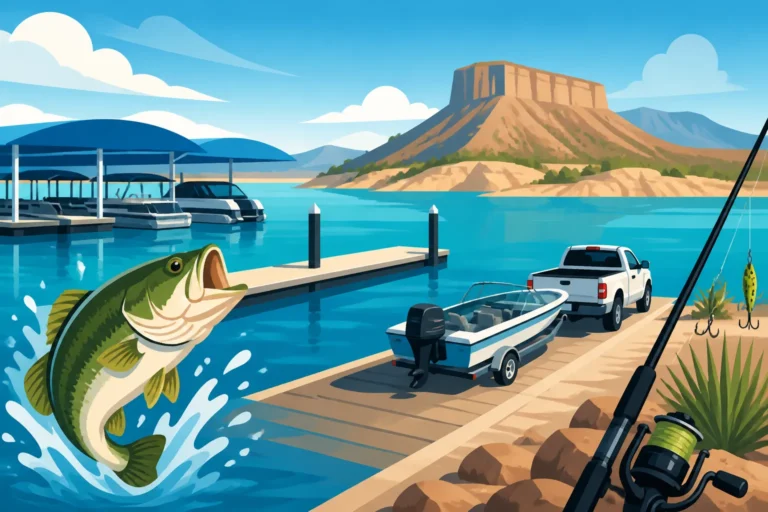
Boat Access and Launching Considerations
Getting your boat into Abiquiu Lake is generally straightforward, but it's always wise to be prepared and check current conditions.
- Abiquiu Lake Main Ramp: The primary boat ramp is usually well-maintained and offers good access for various boat sizes. This is typically where most anglers launch.
- Water Levels: New Mexico's reservoirs, including Abiquiu, are subject to fluctuating water levels, which can impact ramp conditions. Low water levels might make some ramps unusable or require a 4×4 vehicle to launch. Always check the U.S. Army Corps of Engineers or NMDGF websites for the latest water level information before heading out. Current conditions can greatly affect not only launch access but also where fish might be holding.
- Boat Type: For serious kokanee trolling, a boat equipped with a quality fish finder, GPS, and ideally downriggers, is highly recommended. However, smaller boats can still be successful, especially if you learn to read the water and understand kokanee behavior. For general information on what boats work best in the state, see our Best Boats for New Mexico Reservoir Fishing guide.
- Required Equipment: Don't forget your life jackets and other mandatory safety gear! New Mexico has specific requirements for boating safety. Make sure your boat registration is current. If you're new to boating in New Mexico, take a look at our comprehensive New Mexico Boat Registration and Titling Guide.
Shore Fishing Prospects for Kokanee
Let's be realistic: shore fishing for kokanee at Abiquiu Lake is incredibly challenging, if not nearly impossible, to do consistently. Kokanee are pelagic, meaning they live in the open water column, often suspended far from shore in deep water.
- Deep Water Access: To have any remote chance, you'd need to find shore access points that drop off into very deep water quickly, allowing you to cast out into the depths where kokanee might be. Such spots are rare on Abiquiu, and even then, your ability to present a lure at the right depth and cover enough water to find a school is severely limited.
- Alternative Shoreline Species: If you're determined to fish from shore at Abiquiu, your efforts would be far better spent targeting other species like smallmouth bass, which are much more accessible from the bank. For tips on that, check out Abiquiu Lake Smallmouth Bass Fishing.
- Focus on Boat Fishing: For any serious attempt at kokanee, a boat is almost a prerequisite. It allows you to explore the vast expanse of the lake, use a fish finder to locate schools, and employ effective trolling techniques to present lures at the precise depths where kokanee are feeding.
While shore fishing offers tranquility, it's not the ideal method for connecting with Abiquiu's kokanee. If you're relying on a shore-based approach, it's probably best to temper your expectations for catching salmon and enjoy the beautiful scenery instead.
Abiquiu Lake's Environment and Angler Etiquette
Fishing at Abiquiu Lake is not just about catching fish; it's about respecting the environment and the fellow anglers who share this incredible resource. Understanding the local conditions and regulations ensures a pleasant and sustainable experience for everyone.
Water Levels and Their Impact on Fishing
Water levels in New Mexico reservoirs are a constant topic of conversation among anglers, and for good reason. They have a significant impact on fishing.
- Access: As mentioned, fluctuating water levels directly affect boat ramp access. Low water can mean limited or no access at some ramps. Always check before you go.
- Fish Behavior: High water can spread fish out, making them harder to locate. It also floods new vegetation, which can provide temporary cover and food sources, but also make trolling more challenging. Low water, conversely, concentrates fish into smaller areas, which can make them easier to find, but also put them under more fishing pressure. It also exposes structure that was once submerged, changing the underwater landscape.
- Temperature: Water levels can also indirectly affect water temperatures and the thermocline, influencing where kokanee will hold. Deeper lakes generally maintain more stable cold-water refuges for kokanee.
- Resources: Before planning your trip, always check the U.S. Army Corps of Engineers (which manages Abiquiu Lake) and the NMDGF websites for current water levels and any advisories. This is crucial for both safety and fishing strategy.
Local Regulations and Conservation Efforts
Adhering to New Mexico's fishing regulations is not just about avoiding a fine; it's about contributing to the conservation of this precious fishery.
- Fishing License: Every angler over the age of 12 needs a valid New Mexico fishing license. Make sure you understand the options, whether it's an New Mexico One-Day and Five-Day Fishing Licenses or an annual pass. You can easily purchase them online or from various vendors.
- Habitat Management and Access Validation: This stamp is required for most anglers and helps fund critical conservation efforts. There are specific exemptions, but most will need one.
- Bag and Possession Limits: Kokanee salmon have specific daily bag and possession limits. These are designed to ensure sustainable harvesting and prevent overfishing. Always know the current limits before you start fishing. These details are usually found in the official NMDGF fishing proclamation, updated annually.
- Method of Take: Ensure your fishing methods comply with general regulations. While snagging is prohibited for most species, there are specific, limited seasons for kokanee snagging in certain lakes (like Navajo and Heron). However, these specific regulations DO NOT typically apply to Abiquiu Lake. Always check the current proclamation for Abiquiu specifically. When trolling, standard hook and line methods apply.
- Catch and Release Best Practices: If you're practicing catch and release, especially for smaller kokanee, handle them with care. Minimize their time out of water, use wet hands, and release them gently to ensure their survival. Use a rubberized net to protect their slime coat.
- Cleanliness: Pack out everything you pack in. Leave no trace. Litter not only spoils the natural beauty of Abiquiu Lake but can also harm wildlife and the aquatic environment.
The NMDGF, along with organizations like FishingBooker, works to promote responsible angling practices and provide valuable information to help maintain healthy fish populations. Being a responsible angler means understanding and respecting these rules.
Seasonal Kokanee Fishing at Abiquiu Lake
| Season | Typical Depth Range (feet) | Recommended Lure Colors | Key Considerations | Success Rate |
|---|---|---|---|---|
| Spring | 10-30 | Pink, Orange, Chartreuse | Fish moving up in water column, actively feeding. | Moderate |
| Summer | 30-80+ | Red, Orange, Pink (UV enhanced) | Deepest fishing, need downriggers/diving planers. Best early/late. | High |
| Fall | 20-50 | Red, Orange, Silver (Spawning colors) | Fish more aggressive due to spawning instincts. Excellent bite. | High |
| Winter | 80+ (or ice-bound) | N/A (Limited kokanee fishing) | Very challenging, not a primary target for ice anglers. | Low |
This table provides a general overview. Always adapt to current conditions and fish behavior.
Disclaimer
The information provided in this guide is for general informational purposes only and is subject to change. Fishing regulations, stocking schedules, and water body conditions in New Mexico can vary. Always consult the most current New Mexico Department of Game and Fish (NMDGF) fishing proclamation, official NMDGF website, or local authorities before planning your fishing trip to ensure compliance with all applicable rules and for the latest updates. Fishing involves inherent risks; please exercise caution and good judgment while on the water.