Highest-Elevation Trout Lakes in New Mexico
It can be incredibly frustrating to plan a fishing trip in New Mexico, only to arrive at your favorite spot and find the water levels low or the trout sluggish from warm temperatures. Many anglers face the challenge of consistently finding healthy trout populations, especially during the warmer months when lower elevation waters can struggle. This comprehensive guide will help you navigate the stunning high-elevation trout lakes of New Mexico, ensuring you know where to go, what to expect, and how to successfully target those vibrant cold-water species.
Why Elevation Matters for New Mexico Trout Lakes
When you're chasing trout, one of the biggest factors in success, especially in a sunny, often arid state like New Mexico, is water temperature. Trout, particularly species like rainbow, brown, and cutthroat, are cold-water fish. They thrive in oxygen-rich water that stays below roughly 68 degrees Fahrenheit (20 degrees Celsius). As temperatures rise, fish become stressed, less active, and are harder to catch. This is precisely where elevation plays a critical role, creating natural havens for trout.
The Unique Climate of High-Altitude Waters
High-altitude lakes and reservoirs in New Mexico are fundamentally different from their lower-elevation counterparts. For starters, the air temperature is generally cooler, which directly impacts water temperature. Even on a hot summer day, a lake at 7,000 to 8,000 feet of elevation will experience less extreme heat than one at 4,000 feet. This cooler ambient temperature helps prevent the water from overheating, keeping it within the comfortable range for trout.
Furthermore, these higher lakes often receive more snowmelt, which contributes a steady supply of fresh, cold water throughout the spring and early summer. This constant replenishment not only maintains cool temperatures but also brings in essential oxygen, vital for fish health and activity. The surrounding mountainous terrain also provides shade, further mitigating the sun's heating effects. These unique climatic conditions create microclimates that mimic northern latitudes, allowing trout to flourish where they otherwise might not.
Challenges and Rewards of Fishing Elevated Lakes
Fishing high-elevation lakes certainly comes with its own set of challenges, but the rewards often far outweigh them. One common challenge is access. Some of these lakes can be in more remote locations, requiring longer drives on sometimes less-maintained roads, or even a hike to reach. Weather can also be unpredictable; a sunny morning can quickly turn into an afternoon thunderstorm, hail, or even snow, even in summer. The thinner air at these elevations can also be more taxing on anglers, so it's important to be mindful of your physical limits and stay hydrated.
However, the rewards are immense. You'll often find more vibrant, active trout in these cold, clear waters. The scenery is typically breathtaking, offering a serene escape from the hustle and bustle. And because the conditions are more favorable for trout, the fishing can be exceptionally good, sometimes yielding larger, healthier fish. For many, the peace and solitude of fishing an alpine lake high in the Sangre de Cristo or Jemez Mountains is an experience unto itself, whether the fish are biting or not.
Top Highest-Elevation Trout Lakes in New Mexico
New Mexico boasts a fantastic array of high-elevation lakes, each with its own character and charm, offering diverse fishing experiences. These spots are renowned for their consistent trout action and stunning surroundings. If you’re looking to immerse yourself in trout fishing, these are some of the prime locations you should consider exploring.
Eagle Nest Lake: A Northern Gem
Nestled in the picturesque Moreno Valley near the village of Eagle Nest, this expansive lake sits at an elevation of approximately 8,300 feet. Eagle Nest Lake is a true gem in Northern New Mexico, famous not only for its robust rainbow trout population but also for its landlocked kokanee salmon. The lake’s cool, deep waters provide an ideal habitat for these cold-water species, making it a popular destination for anglers seeking both quantity and quality.
Anglers here often target trout and salmon using a variety of methods. Trolling with spoons, spinners, or small dodgers and a wedding ring behind a downrigger is highly effective, especially for kokanee salmon. Bank fishing can also be productive, particularly in spring and fall, using PowerBait, worms, or small spoons. Because of its large size and open waters, Eagle Nest Lake can be susceptible to strong winds, so always check the forecast before heading out. If you're looking for an unforgettable experience or need assistance navigating these waters, considering a guided trip found on platforms like FishingBooker can offer local expertise and ensure a productive day on the water.
Heron Lake: Serenity and Salmon
Just west of Tierra Amarilla, Heron Lake offers a distinctly different, yet equally rewarding, high-elevation fishing experience at around 7,200 feet. Known as a "no-wake" lake, Heron is celebrated for its peaceful atmosphere, making it a favorite for canoeists, kayakers, and sailors, as well as anglers. It's another prime location for kokanee salmon, with strong populations of rainbow and brown trout as well. The calm waters often reflect the stunning mountain scenery, adding to the allure of this tranquil destination.
Fishing at Heron Lake often involves trolling for kokanee salmon, similar to Eagle Nest, but its calmer waters make for a more relaxed experience. Bank fishing is also very popular, especially along the many accessible shores and coves. Fly fishing can be excellent, particularly in the inlets during certain times of the year. The lack of motorized boat wakes means you can really connect with nature and the fish in a serene setting. For more specific details on fishing this beautiful lake, check out our Heron Lake Fishing Guide.
Fenton Lake: Fly Fishing Paradise
Venturing into the Jemez Mountains, you'll discover Fenton Lake State Park, a true paradise for trout anglers at an elevation of nearly 7,900 feet. This smaller, spring-fed lake is primarily managed for trout and often has specific regulations in place, including fly and lure-only sections and catch-and-release rules to protect its prized fish. It's a fantastic spot for fly anglers looking for a more intimate high-country experience. The surrounding ponderosa pines and volcanic rock formations create a stunning backdrop for your fishing adventure.
Fenton Lake is regularly stocked with rainbow trout and also holds brown trout and even tiger trout. Given its specific regulations, it’s crucial to be familiar with the New Mexico Special Trout Water Rules before you cast a line here. Fly fishing with nymphs, dries, and streamers can be incredibly effective, depending on the season and hatch. Spinning enthusiasts can also do well with small artificial lures. Because it's a state park, amenities are readily available, making it a great option for families, though the focus here is definitely on quality trout fishing in a natural, serene environment.
Bluewater Lake: Tiger Muskie and Trout
Located near Grants, Bluewater Lake offers a slightly different high-elevation experience at approximately 7,400 feet. While it's famously known for its elusive tiger muskie – a sterile hybrid fish stocked to control rough fish populations – it also offers excellent fishing for rainbow trout. The lake's clear waters and varied structure, including submerged timber and rocky points, provide diverse habitats for both species.
Trout fishing at Bluewater Lake can be very productive, especially in the cooler months or deeper waters during summer. Anglers often find success using PowerBait, worms, or small spinners from the bank or while trolling from a boat. For those looking for a thrill, the chance to hook into a trophy tiger muskie while trout fishing adds an exciting element. It's always a good idea to check the most current stocking reports from the New Mexico Department of Game and Fish to plan your visit for the best trout action.
Other Notable High-Altitude Waters
New Mexico is dotted with many other high-elevation lakes and streams that offer fantastic trout opportunities. Here are a few more to keep on your radar:
- Lake Maloya: Situated in Sugarite Canyon State Park, this small, picturesque lake at over 7,700 feet is known for its consistent trout stocking and serene atmosphere. It's a wonderful spot for both bait and lure fishing, and often produces good numbers of rainbow and brown trout.
- Latir Lakes (Wilderness): For the truly adventurous, the Latir Lakes in the Latir Peak Wilderness are a series of stunning alpine lakes above 11,000 feet. These require a significant hike or horseback ride to access, but offer incredible wild trout fishing for species like Rio Grande cutthroat trout in an untouched wilderness setting. Permits are often required for access, so plan well in advance.
- Chama River Headwaters: While primarily a river system, the high-elevation sections and associated small lakes in the Chama River watershed, particularly within the Rio Chama Fishing, offer fantastic cold-water fishing for various trout species.
Essential Gear and Techniques for High-Elevation Fishing
Successfully fishing New Mexico's highest-elevation trout lakes requires more than just knowing where to go; it demands the right gear and an understanding of appropriate techniques. The mountain environment can be demanding, so being prepared is key to a comfortable and productive trip.
Packing for Variable Mountain Weather
The old adage "if you don't like the weather, wait five minutes" rings especially true in New Mexico's high country. Temperatures can fluctuate dramatically within a single day, and sudden storms are common, especially during monsoon season. Therefore, layering is absolutely essential. Start with a moisture-wicking base layer, add an insulating fleece or down jacket, and top it with a waterproof and windproof outer shell. Even in summer, bringing a warm hat and gloves is a smart move for early mornings or sudden cold fronts.
Don't forget robust sun protection either. At higher elevations, the sun's UV rays are much more intense. A wide-brimmed hat, polarized sunglasses (which also help you spot fish!), and high-SPF sunscreen are non-negotiable. Comfortable, waterproof hiking boots are also a must, as you might be traversing uneven terrain to reach your desired fishing spots. Always pack extra water and snacks, as services can be sparse in these remote areas.
Effective Fishing Methods for Alpine Trout
The most effective fishing methods will vary slightly depending on the specific lake and target species, but a few techniques consistently produce results in high-elevation trout waters.
- Trolling: For larger lakes like Eagle Nest or Heron, trolling is a highly productive method, especially for kokanee salmon and larger trout. Using small spoons, spinners, or dodgers with a trailing lure or bait can imitate the forage fish these predators pursue. Vary your depth until you find where the fish are holding. Many anglers also find that exploring options for guided fishing trips via platforms like FishingBooker can provide valuable insights into local trolling patterns and gear.
- Bait Fishing: Simple and effective, bait fishing is a go-to for many anglers, especially in stocked waters like Fenton Lake or Lake Maloya. PowerBait, salmon eggs, or worms fished under a bobber or on the bottom with a sliding sinker rig are often irresistible to hungry trout. This is a great technique for beginners and kids, and you can often find success from shore.
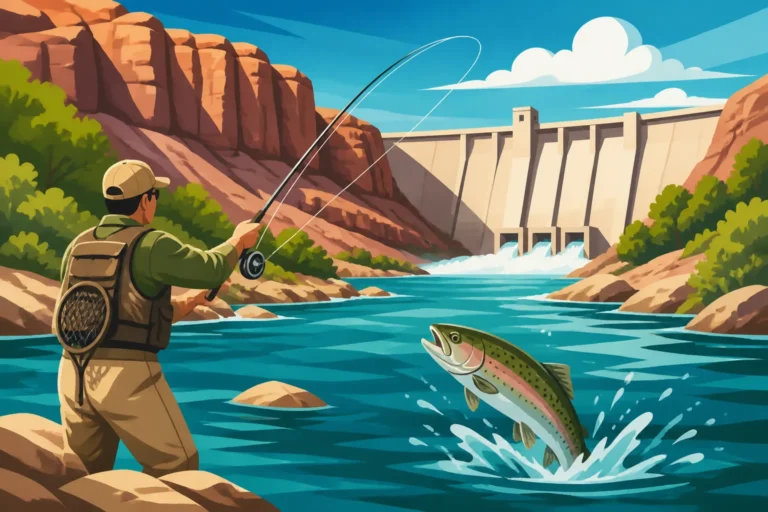
- Fly Fishing: For purists and those seeking a challenge, fly fishing can be incredibly rewarding. High-elevation lakes and their feeder streams often have abundant insect hatches. Matching the hatch with dry flies, or prospecting with nymphs and streamers, can yield impressive results. Places like Fenton Lake are particularly suited for fly fishing, and understanding local insect patterns is crucial. You might also want to explore our guide on Fly Fishing Techniques for New Mexico Rivers for broader insights.
- Lure Fishing: Casting and retrieving small spinners (e.g., Mepps, Rooster Tail) or spoons (e.g., Kastmaster, Dardevle) is a highly versatile and effective method for trout in most high-elevation lakes. Vary your retrieve speed and depth until you get bites. These lures mimic small baitfish or insects and are excellent for covering water, whether you're fishing from the bank or a boat.
Planning Your High-Altitude Fishing Adventure
A successful high-elevation fishing trip in New Mexico isn't just about showing up with a rod and reel; it's about preparation, research, and respect for the environment. These remote locations require a bit more forethought.
Checking Access and Conditions
Before you even load up your vehicle, always verify the current access and conditions for your chosen lake. Mountain roads can be seasonal, with some not opening until late spring or early summer due to snowpack. Drought conditions can also impact water levels, potentially making boat ramps unusable or reducing fish habitat. Fire restrictions are also common, especially in dry years, so always check for any current bans on campfires or certain activities.
The New Mexico Department of Game and Fish website is an invaluable resource for stocking reports, road conditions, and any emergency closures. Park websites (for State Parks like Fenton Lake) or Forest Service alerts are also crucial. You might even call a local bait shop or outfitter in a nearby town; they often have the most up-to-date, real-time information on fishing conditions. If you’re traveling a long distance, it’s also wise to check weather forecasts for the specific elevation of the lake, not just the nearest town.
Understanding Regulations and Conservation
Fishing in New Mexico's high-elevation lakes, like all waters in the state, requires adherence to specific regulations. First and foremost, you'll need a valid New Mexico Fishing License Guide, along with a Habitat Management & Access Validation (HMAV) stamp, which supports wildlife conservation and access. Remember that youth under the age of 18 are often exempt from needing a license, but it's always best to check current rules regarding Do Kids Need a Fishing License in New Mexico?.
Beyond licenses, pay close attention to the specific rules for each body of water. Some lakes, like Fenton Lake, might have special trout water regulations that dictate bait types (e.g., artificial flies and lures only), hook types (e.g., barbless hooks), or require catch and release. Bag and possession limits for trout can also vary, so always consult the current New Mexico Trout Bag and Possession Limits booklet. Practicing responsible catch and release, especially for native species like the Rio Grande Cutthroat, helps ensure these beautiful fisheries remain healthy for generations to come.
High-Elevation Lake Comparison
Here's a quick comparison of some of New Mexico's prominent high-elevation trout lakes:
| Lake Name | Approximate Elevation (Feet) | Primary Target Species | Typical Fishing Methods | Special Considerations |
|---|---|---|---|---|
| Eagle Nest Lake | 8,300 | Rainbow Trout, Kokanee Salmon | Trolling, Bait, Lures | Often windy, boat rentals available |
| Heron Lake | 7,200 | Kokanee Salmon, Rainbow Trout | Trolling, Bait, Fly Fishing | "No-wake" lake, very calm and scenic |
| Fenton Lake | 7,900 | Rainbow Trout, Brown Trout | Fly Fishing, Lures, Bait | State Park, special regulations often apply |
| Bluewater Lake | 7,400 | Rainbow Trout, Tiger Muskie | Bait, Lures, Trolling | Known for trophy tiger muskie |
| Lake Maloya | 7,700 | Rainbow Trout, Brown Trout | Bait, Lures | State Park, easily accessible from shore |
Disclaimer
Please note that fishing regulations, conditions, and access can change rapidly in New Mexico. Always consult the official New Mexico Department of Game and Fish website or current fishing proclamation for the most up-to-date information before planning your trip. This guide is for informational purposes only and does not constitute legal advice or guarantee fishing success.