Clayton Lake Walleye State Record
The thrill of landing a truly massive fish is a feeling unlike any other, and for many anglers dreaming of a trophy walleye, New Mexico's waters hold incredible potential. But when you set your sights on a state record, it's not just about luck; it’s about understanding where, when, and how to fish for those elusive giants. This guide dives deep into the legendary walleye state record caught right here in New Mexico, specifically from Clayton Lake, offering insights into what it takes to join the ranks of record-holding anglers.
The Legendary New Mexico Walleye State Record at Clayton Lake
For decades, anglers have flocked to Clayton Lake, hoping to hook into its renowned walleye population. While consistent catches are one thing, producing a state record is another entirely, and Clayton Lake delivered. It’s a testament to the dedication of anglers and the quality of the fishery that New Mexico boasts such an impressive record.
Details of the Record-Breaking Catch
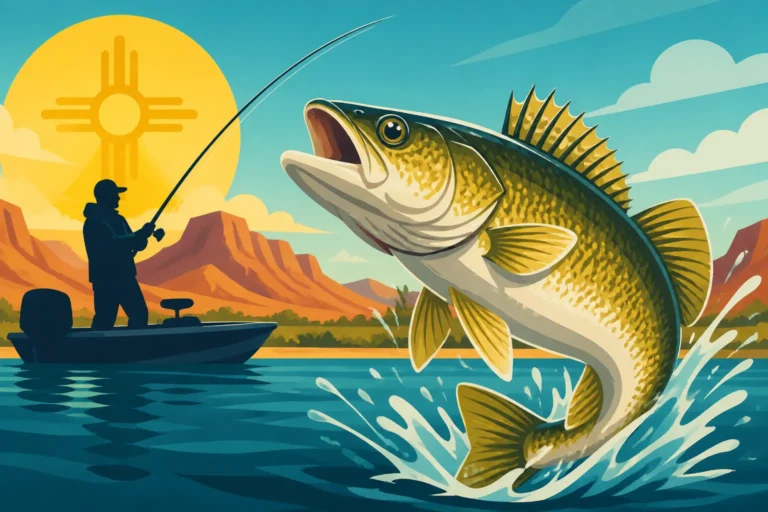
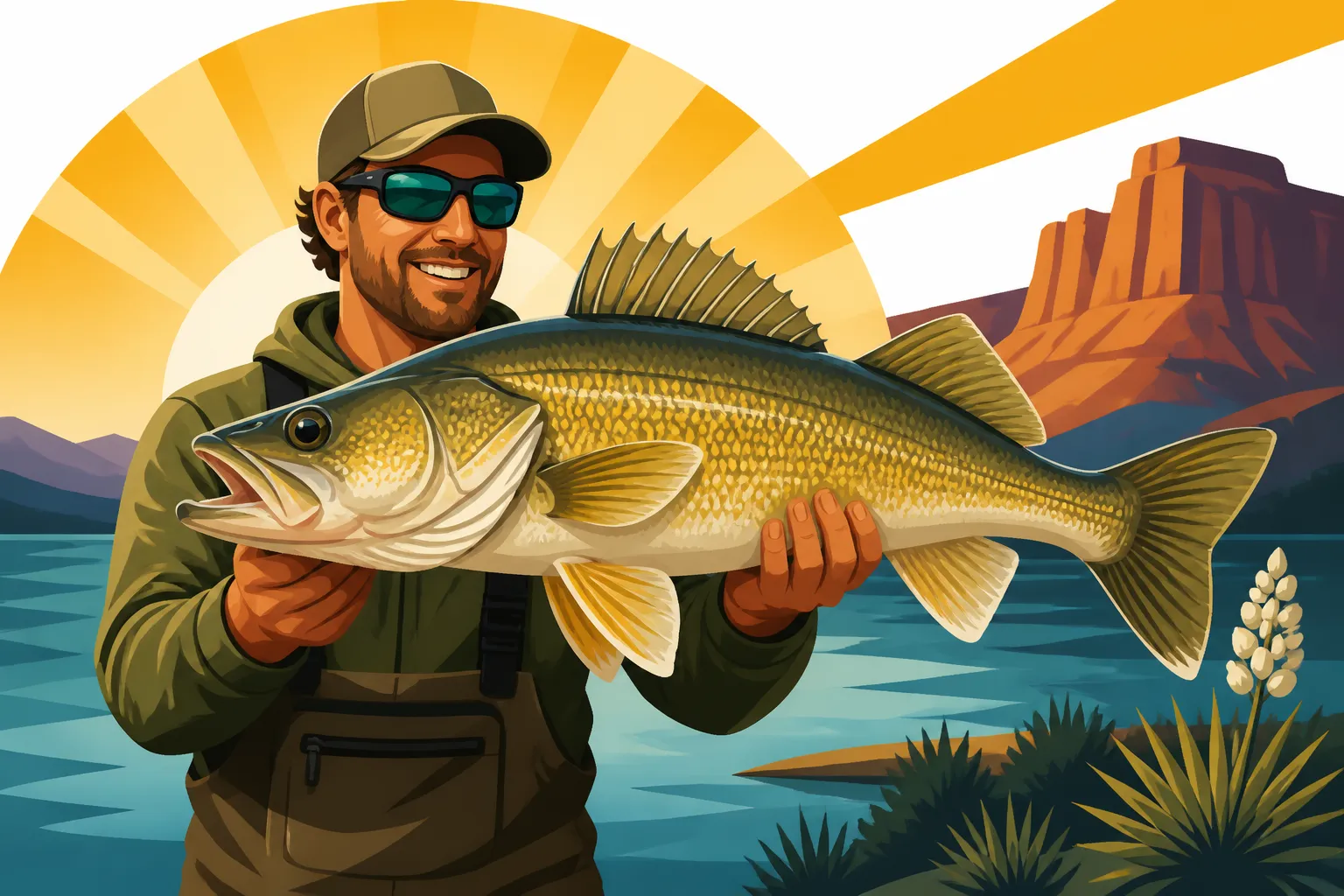
The New Mexico state record walleye, a truly magnificent specimen, tipped the scales at an astounding 16 pounds, 9 ounces. This legendary fish was caught by angler Cody S. Smith on October 18, 2016, right in the waters of Clayton Lake. Imagine the sheer excitement and disbelief as that behemoth emerged from the depths! It wasn't just a big fish; it was a testament to patience, skill, and the incredible potential that Clayton Lake holds for trophy walleye.
This fish wasn't just a heavy hitter; it measured an impressive 31 inches in length, with a girth of 20 inches. These are the kinds of measurements that send shivers down a walleye angler's spine! The conditions that day, the bait or lure used, and the fight itself all contribute to the lore of such a catch. For many, this record validates the belief that truly massive walleye lurk in New Mexico's waters, especially in places like Clayton Lake.
Why Clayton Lake is a Trophy Walleye Destination
Clayton Lake isn't just a pretty face; it’s a powerhouse for walleye fishing, and it’s no accident that it produced the state record. This reservoir, located in northeastern New Mexico, offers a combination of ecological factors that are absolutely ideal for walleye to not only survive but thrive and grow to immense sizes.
First, the forage base is incredibly rich. Walleye are predators, and a healthy population of baitfish like shad, shiners, and various panfish species provides them with an endless buffet, allowing them to pack on the pounds. Secondly, the lake's structure plays a crucial role. Clayton Lake features a mix of rocky points, submerged humps, and old creek channels, all of which offer perfect ambush points and holding areas for walleye, particularly the larger, more solitary ones. The water quality and depth also contribute, creating a stable environment where these fish can grow steadily over many years.
Furthermore, the New Mexico Department of Game and Fish (NMDGF) has historically put significant effort into stocking programs at Clayton Lake. These strategic stockings ensure a robust population, providing a constant supply of fish that have the potential to grow into trophy-sized specimens like the state record. These efforts, combined with the lake's natural attributes, cement Clayton Lake's reputation as a premier destination for those serious about Walleye Fishing in New Mexico.
Strategies for Targeting Trophy Walleye at Clayton Lake
Chasing a state record isn't something you do on a whim. It requires a dedicated approach, keen observation, and the right techniques. While you might not land another 16-pounder every trip, understanding how to target bigger fish will certainly increase your odds.
Top Techniques for Big Walleye
When it comes to pulling lunkers out of Clayton Lake, a few techniques consistently prove effective. You're not just fishing for dinner-plate walleye; you're looking for the giants that are often solitary and a bit more cunning.
- Trolling with Crankbaits: This is arguably one of the most effective ways to cover water and find active fish, especially larger walleye that might be patrolling deeper breaks or open water. Look for specific crankbaits that mimic the local forage base. Brands like Rapala, Berkley Flicker Shad, or Wally Diver are often favorites among serious walleye anglers. Vary your trolling speed and depth until you find what triggers a bite. Pay close attention to your electronics to identify schools of baitfish or structure that might be holding big walleye. The key is to match the hatch and present your lure at the right depth.
- Jigging Specific Structures: When walleye are concentrated, often around rock piles, submerged timber, or dramatic depth changes, jigging can be deadly. Vertically jigging spoons, blade baits, or soft plastics tipped with live bait (like a minnow or nightcrawler piece) can entice a strike from even the most finicky fish. This technique requires a good feel for the bottom and an understanding of how walleye relate to structure. Focus your efforts on main lake points, sunken islands, and the edges of old creek channels.
- Live Bait Rigging: Sometimes, the natural presentation of live bait is simply irresistible to a big walleye. Using a bottom-bouncer rig with a crawler harness, or a simple slip-sinker rig with a lively minnow or leech, can be incredibly effective. This is especially true during slower bite periods or when walleye are holding tight to the bottom. Remember to adjust your leader length and weight based on the depth and current to ensure your bait is presented naturally.
Success often comes from adapting your technique to the specific conditions of the day. Considering the Best Time of Year to Fish in New Mexico for walleye will also influence which techniques are most productive.
Essential Gear for Chasing Giants
Having the right gear is non-negotiable when you're targeting big walleye. A lightweight crappie rod simply isn't going to cut it when a state-record contender bites.
- Rod and Reel Setups: A medium-heavy power spinning or baitcasting rod, typically 6'6" to 7'6" in length, with a fast action tip is ideal. This combination gives you the backbone to handle a powerful fish while providing the sensitivity needed to detect subtle walleye bites. Pair it with a reliable reel in the 2500-3000 size range for spinning, or a low-profile baitcaster with a smooth drag system.
- Line Choices: Many experienced walleye anglers opt for a braided main line (10-20 lb test) for its sensitivity and strength, often adding a fluorocarbon leader (8-12 lb test) for its invisibility in clear water and abrasion resistance. The low stretch of braid helps you feel those light bites, while the fluoro leader provides a stealthy presentation.
- Specific Lures and Baits: Stock your tackle box with a variety of crankbaits in different sizes and colors, focusing on natural baitfish patterns and some brighter "attractor" colors. Jigging spoons (like a Northland Forage Minnow Spoon), blade baits (e.g., Sebile Vibrato), and soft plastics (grubs, paddle tails) in natural and glow colors are also essential. And don't forget your live bait staples: minnows, nightcrawlers, and leeches, when permitted.
- Electronics are Key: A high-quality fish finder with down imaging and side imaging capabilities can drastically improve your success. This technology allows you to pinpoint structure, identify baitfish schools, and even mark individual walleye, giving you a huge advantage in locating where the big ones are hiding. For serious trophy hunters, knowing what's beneath the boat is half the battle.
Reading the Water and Finding Walleye
Walleye are creatures of habit and structure. Learning to "read the water" means understanding how these fish relate to their environment.
- Understanding Wind's Effect: Wind can be your friend when walleye fishing. A steady breeze pushing across a point or shoreline can concentrate baitfish, which in turn attracts hungry walleye. Fishing the wind-blown side of the lake or a particular structure often yields better results.
- Depth and Structure: Walleye are almost always associated with some form of structure. In Clayton Lake, this means looking for main lake points, submerged humps, rock piles, sudden drop-offs, and even the edges of deeper channels. Use your depth finder to locate these features. Big walleye often hold slightly off the main structure, or in deeper water nearby, moving up to feed.
- Using Contour Maps: Before you even launch your boat, study a detailed contour map of Clayton Lake. Identify potential hotspots – areas with sharp breaks, points extending into deeper water, or isolated humps. These maps are invaluable for planning your attack and understanding the underwater topography where walleye like to ambush prey.
Knowing where the fish should be based on conditions and structure is a huge part of the puzzle. If you're looking to maximize your chances, consider connecting with a local guide who knows Clayton Lake intimately. Services like FishingBooker can help you find experienced captains specializing in walleye.
Understanding New Mexico's Walleye Fisheries and Regulations
While Clayton Lake holds the state record, New Mexico offers a fantastic variety of walleye fishing opportunities across its numerous lakes. Knowing the bigger picture of the state's walleye scene and the regulations that govern it is crucial for a responsible and successful trip.
Statewide Walleye Hotspots Beyond Clayton Lake
New Mexico is blessed with several other lakes that provide excellent walleye fishing, often with healthy populations and the potential for trophy-sized catches.
- Conchas Lake: Located east of Santa Rosa, Conchas Lake is another popular destination known for its consistent walleye bite. It features extensive rocky shorelines, submerged timber, and a diverse forage base, making it a prime spot for both numbers and size. Anglers often find success here with trolling crankbaits and jigging.
- Ute Lake: Further east, near Logan, Ute Lake is New Mexico's second-largest lake and is well-regarded for its walleye. Its long, winding arms and varying depths provide ample habitat. Like Conchas, trolling and jigging are productive, but live bait presentations can also shine here.
- Sumner Lake: Down in the southeastern part of the state, Sumner Lake offers a different kind of walleye experience, with flatter terrain but still good structure in the old river channel and submerged points. This lake can be fantastic for both boat and bank anglers targeting walleye.
Each of these lakes, while offering walleye, has its own unique characteristics and best fishing seasons. Exploring New Mexico State Record Fish reveals how these other lakes contribute to the state's angling history across various species.
Navigating New Mexico Walleye Regulations
Before you even cast a line, it is absolutely paramount to familiarize yourself with the current fishing regulations set by the New Mexico Department of Game and Fish. These rules are in place to manage fish populations, protect the resource, and ensure fair chase for all anglers.
- General Statewide Limits: For walleye in New Mexico, the statewide bag limit is generally 5 fish per day, with a possession limit of 10 fish. However, regulations can vary, sometimes including specific size restrictions (e.g., minimum length or slot limits) on certain waters to protect larger spawning fish or increase the number of trophy-sized fish. Always check the current regulations before heading out.
- Clayton Lake Specific Rules: While Clayton Lake generally adheres to statewide regulations, it's always wise to double-check if there are any specific length limits or special rules for that particular water. Fisheries managers might implement specific regulations to enhance the trophy potential of a lake or address particular population dynamics.
- Importance of Up-to-Date Information: The New Mexico Department of Game and Fish annually publishes a fishing proclamation that details all the rules and regulations. It's available online and at license vendors. You'll want to review the latest New Mexico Fishing Regulations Overview and the New Mexico Fishing Season Calendar before every trip. Ignorance of the law is not an excuse, and violations can result in hefty fines or the loss of fishing privileges. Being a responsible angler means being informed.
Planning Your Clayton Lake Walleye Adventure
A successful fishing trip, especially one targeting trophy fish, requires careful planning. From where you'll stay to how you'll access the water, every detail counts.
Lodging and Lake Access
Clayton Lake State Park is your primary hub for fishing this fantastic body of water. The park offers developed campgrounds with hookups, primitive camping sites, and even a few cabins, making it convenient to stay right on the lake. The nearby town of Clayton, just a short drive away, provides additional amenities like hotels, restaurants, and grocery stores where you can stock up on supplies.
When it comes to accessing the lake, Clayton Lake State Park has multiple boat ramps suitable for various boat sizes, depending on water levels. It’s always a good idea to check the park's website or call ahead for current conditions, especially regarding ramp accessibility. For those without a boat, there are also designated bank fishing areas and a fishing pier, though targeting trophy walleye often benefits from boat access to cover more water and reach prime structure.
Consider a Guide for Your Trophy Quest
While self-guided fishing is incredibly rewarding, if you're serious about increasing your chances of landing a true trophy walleye, or perhaps even challenging the state record, hiring a local fishing guide can be an invaluable investment.
- Benefits of Hiring a Local Expert: Guides spend countless hours on the water, meticulously tracking fish movements, understanding seasonal patterns, and knowing the nuances of the lake's structure that aren't always apparent on a map. They have up-to-date knowledge on what baits are working, at what depths, and where the fish are currently holding. They can teach you specific techniques for Jigging for Walleye in New Mexico or trolling that are most effective on Clayton Lake.
- Connecting with Guides: Websites and services like FishingBooker specialize in connecting anglers with professional, licensed guides in specific regions. You can search for guides who explicitly mention walleye fishing on Clayton Lake, read reviews from other anglers, and compare rates and services. This takes the guesswork out of finding a reputable expert.
- What to Look For in a Walleye Guide: When choosing a guide, look for someone with a proven track record specifically for walleye on Clayton Lake. Check their experience, their knowledge of local regulations, and their commitment to client safety and enjoyment. A good guide will not only put you on fish but also teach you valuable skills that you can apply to future trips. They often provide all the necessary gear, which is a great benefit, especially if you're traveling from out of state or just starting your walleye journey.
Table: New Mexico Walleye State Record Details
| Category | Detail |
|---|---|
| Species | Walleye |
| Weight | 16 pounds, 9 ounces |
| Length | 31 inches |
| Girth | 20 inches |
| Angler | Cody S. Smith |
| Date | October 18, 2016 |
| Location | Clayton Lake, New Mexico |
| Significance | Current New Mexico State Record |
Disclaimer
Fishing conditions and regulations in New Mexico can change. Always check the latest New Mexico Department of Game and Fish regulations before planning and undertaking any fishing trip. Safety should always be your top priority on the water.