Ute Lake Fishing
Getting out on the water, whether it's for a weekend getaway or a dedicated angling adventure, can sometimes feel like a puzzle. You want to make the most of your precious fishing time, but knowing where to go, what to target, and how to fish a particular lake effectively can be daunting, especially when you’re exploring a new spot. This comprehensive guide is designed to cut through that confusion, giving you all the in-depth, practical information you need to have a successful and enjoyable fishing trip at Ute Lake in New Mexico.
Ute Lake: An Angler's Overview and Unique Character
Ute Lake, nestled in the vast expanse of eastern New Mexico near Logan, is a true gem often overlooked by those who focus solely on the state's more famous trout waters. It's the second-largest lake in New Mexico, offering an incredible diversity of fishing opportunities that appeal to anglers of all skill levels. What makes Ute Lake truly special isn't just its size, but its unique blend of warm-water species and rugged beauty, making it a prime destination for bass, walleye, crappie, and even the formidable striped bass. It’s a place where the high desert meets a sprawling aquatic playground, creating conditions that can challenge and reward in equal measure.
Geographical Charm and Reservoir Specifics
Ute Lake State Park itself is carved out by the Canadian River, forming a reservoir with over 8,200 surface acres when full, boasting an impressive 58 miles of shoreline. The lake's irregular shape, featuring numerous coves, submerged structures, and varying depths, provides a complex and interesting habitat for fish. From the shallower, brushier upstream sections where the Canadian River feeds in, to the deeper, rockier areas near the dam, there’s a wide range of environments for different species to thrive. This geological diversity means that while one area might be perfect for casting into brush for largemouth bass, another might be ideal for trolling deep ledges for walleye or striped bass.
The lake's depth can reach over 100 feet near the dam, but many of its productive fishing areas are found in depths ranging from 10 to 40 feet. The water clarity tends to vary, generally being clearer in the deeper main lake sections and murkier closer to the river inflow, especially after rain. Understanding these nuances is key to adapting your approach; clear water often calls for more subtle presentations and lighter lines, while stained water allows for more aggressive tactics and brighter lures. Ute Lake’s unique structure, including its numerous submerged points and humps, provides excellent ambush points for predatory fish, making it a fantastic location for those who enjoy exploring different fishing patterns.
Water Levels and Their Impact on Fishing
Like many reservoirs in arid regions, Ute Lake's water levels can fluctuate significantly depending on snowmelt, rainfall, and irrigation demands. These fluctuations profoundly impact fishing conditions and access. When water levels are high, new shoreline vegetation becomes submerged, creating fresh cover and feeding grounds for panfish and bass. It also generally improves boat ramp access and opens up more of the lake's coves for exploration.
Conversely, during periods of low water, submerged structures like old roadbeds, rock piles, and timber become exposed or more easily identifiable, which can be fantastic for anglers who know how to target these features. However, low water can also make some boat ramps unusable and concentrate fish in smaller, deeper areas. Always check current lake levels before you head out. Websites like the U.S. Bureau of Reclamation or New Mexico State Parks often provide up-to-date information, which can save you a lot of frustration when planning your trip, especially if you're coming from afar. Adapting to these changing conditions is a fundamental skill for successful fishing at Ute Lake.
Targeting Prized Fish Species at Ute Lake
Ute Lake is renowned for its diverse fishery, boasting a healthy population of both warm-water and cool-water species. Unlike some New Mexico waters primarily known for trout, Ute offers a true mixed-bag experience, allowing anglers to switch targets throughout the day or season. This diversity is a major draw, ensuring that no matter your preferred style of fishing, there’s likely something biting.
Pursuing Walleye and Smallmouth Bass
Walleye are one of Ute Lake's most sought-after species, known for their delectable fillets and challenging bite. These elusive predators often patrol rocky points, submerged humps, and drop-offs, particularly in the lower end of the lake. The best time to target walleye is typically in the spring during their spawn, when they move into shallower rocky areas, or in the summer and fall when they transition to deeper structures. Effective techniques include trolling with crankbaits or spinner rigs, vertical jigging with spoons or soft plastics, and drifting with live bait like nightcrawlers or minnows. Many anglers find success at dusk and dawn, as walleye are known for their light-sensitive eyes. For detailed guidance, check out our insights on Ute Lake Walleye Fishing.
Smallmouth bass, another aggressive fighter, absolutely thrive in Ute Lake's rocky environments. These feisty fish love to ambush prey around boulders, riprap, and submerged ledges. They are active throughout the warmer months, providing excellent sport for anglers using a variety of artificial lures. Smallmouth often hold in deeper water during the heat of the day, moving shallower to feed during low-light conditions. Topwater lures, jerkbaits, and soft plastic presentations like tubes or Ned rigs are incredibly effective for enticing a strike. Focus your efforts on the countless rocky points and sheer cliff faces found throughout the lake, particularly in the clearer main lake body. Knowing the New Mexico Statewide Bag Limit for Bass is crucial before you head out.
Unlocking the Potential of Catfish and Crappie
Ute Lake is a fantastic destination for channel catfish, offering both quantity and quality. These bottom-dwelling scavengers are abundant throughout the lake and provide consistent action, especially during the warmer months. Catfish can be caught day and night, but night fishing can be particularly productive as they move into shallower water to feed. Stink baits, cut bait (like shad or hot dogs), and live worms are all highly effective. Look for them in areas where the river feeds into the lake, in deeper channels, or around any submerged structure that might offer cover or food. Bank anglers will find plenty of opportunities to target catfish from shore in various coves and access points.
Crappie are another popular panfish at Ute Lake, known for their schooling behavior and delicious taste. Both black and white crappie inhabit the lake, often congregating around submerged brush piles, standing timber, and bridge pilings. Spring is prime crappie time when they move into shallower water to spawn, but they can be caught year-round by adjusting your depth. Small jigs tipped with minnows or soft plastics are the go-to baits. A technique called "spider rigging," using multiple rods to cover different depths, can be very effective when crappie are scattered. Keep an eye on your fish finder for schools, and once you find them, you can often catch several in one spot.
The Thrill of Ute Lake's Striped Bass and White Bass
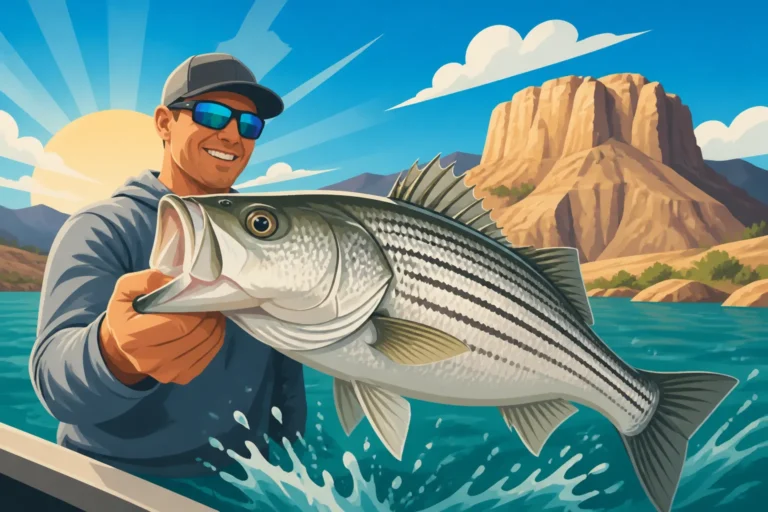
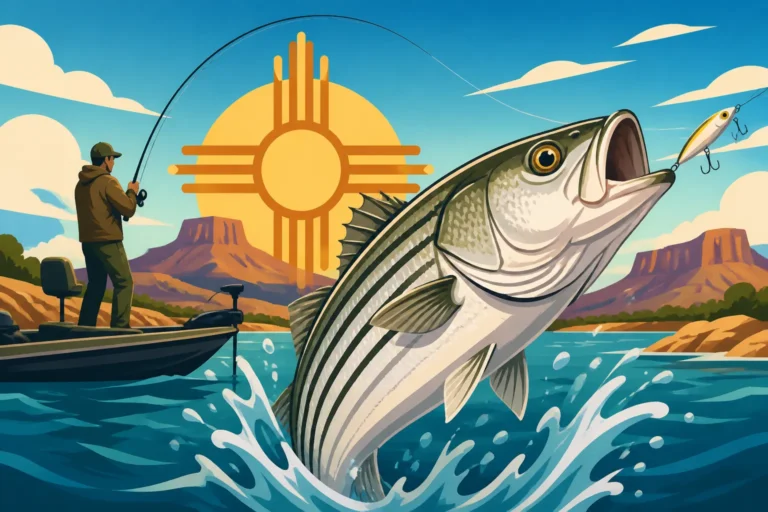
Perhaps one of the most exciting species in Ute Lake, for many, is the striped bass. While not as heavily publicized as some other lakes, Ute Lake offers a surprising and often overlooked opportunity for these powerful, hard-fighting fish. These open-water predators often chase schools of shad, creating explosive surface boils that are a sight to behold and a joy to cast into. Trolling with large crankbaits, spoons, or umbrella rigs is a common method for covering water and finding active schools. Casting topwater lures or large swimbaits into boiling schools can result in unforgettable strikes. Striped bass are nomadic, so staying mobile and watching for signs of activity (like diving birds or splashing fish) is key to success. Dive deeper into the specifics of Ute Lake Striped Bass Fishing for more in-depth strategies.
White bass, often confused with smaller stripers, are another schooling species that provides fast and furious action, particularly in spring and summer. They are smaller than their striped cousins but fight with surprising tenacity. White bass often feed aggressively on shad in open water, creating similar surface boils. Light tackle with small spoons, spinners, or soft plastic jigs are highly effective. When you find a school of white bass, it’s not uncommon to catch fish after fish until the school moves on. They are excellent table fare and provide fantastic sport for anglers of all ages, making them a great target for family fishing trips.
Effective Fishing Techniques and Seasonal Strategies for Ute Lake
Fishing Ute Lake effectively means understanding the nuances of how different species behave throughout the year and adapting your techniques accordingly. The lake presents varying conditions from season to season, influencing fish location, feeding patterns, and the best approaches to tempt a bite. A successful angler here is one who is versatile and observant.
Spring and Summer Tactics for Active Fish
Spring at Ute Lake is an exciting time as water temperatures rise, triggering spawning activities for many species. This is often the best period to target walleye, as they move into shallower, rocky areas to spawn. Trolling crankbaits along points and submerged humps, or pitching jigs to rocky shorelines, can be highly productive. Smallmouth bass also become very active, aggressively hitting jerkbaits, spinnerbaits, and soft plastics fished around their rocky haunts. Crappie will be in the coves and around brush piles, making them easy targets for small jigs and minnows. This is also when you'll start to see white bass and striped bass chasing shad in open water, providing thrilling topwater action.
As summer progresses, the heat drives many fish deeper, especially during the brightest parts of the day. This is when understanding structure and depth becomes paramount. Walleye and striped bass will often be found suspended over deeper points or humps, requiring downriggers or heavy spoons and jigs to reach them. Largemouth and smallmouth bass will relate to deeper cover, seeking shade and cooler water. Night fishing for catfish becomes exceptionally good, with many anglers setting up along the banks with cut bait or stink baits. Early mornings and late evenings remain prime times for all species, as they move shallower to feed under lower light conditions. Using a quality fish finder to locate schools and structure is almost essential during summer's heat. Learning Trolling Techniques for New Mexico Lakes can really pay off during these warmer months.
Fall and Winter Approaches for Cooler Waters
Fall fishing at Ute Lake can be fantastic, as cooling water temperatures re-energize fish and trigger aggressive feeding before winter sets in. Walleye, bass, and crappie will often move shallower again, gorging themselves on baitfish. Trolling or casting crankbaits for walleye can be highly effective, especially in the transition areas between deep and shallow water. Bass will be chasing shad, making spinnerbaits, jerkbaits, and lipless crankbaits excellent choices. Striped bass and white bass will continue to school and can often be found chasing baitfish in open water, offering some of the year's most consistent action. The cooler weather also means fewer crowds, allowing for a more peaceful fishing experience.
Winter is the slowest season at Ute Lake, but dedicated anglers can still find success. The lake rarely freezes over completely, making open-water fishing possible year-round. Fish will be much more sluggish, so a slower, more subtle approach is required. Walleye will often be found in deep water, where vertical jigging with small spoons or blade baits can entice a bite. Catfish will also be concentrated in deeper holes, and a patient approach with cut bait can still yield results. Trout are occasionally stocked in Ute Lake, and during the colder months, they might become a viable target, though it's not primarily a trout fishery. Checking the current stocking schedules from the New Mexico Department of Game and Fish (NMDGF) can help inform your winter strategy. For a broader perspective on how the seasons play out, consult our guide on the Best Time of Year to Fish in New Mexico.
Specialized Gear and Presentations for Ute Lake
Given the diverse fishery at Ute Lake, a versatile gear setup is often best. For general purpose fishing targeting bass, walleye, or even smaller stripers, a medium to medium-heavy spinning rod or baitcasting combo is ideal. Pair it with 10-15 lb fluorocarbon or monofilament line, or braided line with a fluorocarbon leader for added sensitivity and strength. You'll want a tackle box stocked with a variety of lures, including:
- Crankbaits: Medium to deep diving models in shad, perch, or chrome patterns for walleye and bass.
- Soft Plastics: Grubs, worms, and creature baits for bass, particularly smallmouth around rocky areas.
- Jigs: Both bucktail and soft plastic jigs for walleye and crappie.
- Spoons: Casting spoons for schooling fish like stripers and white bass, and vertical jigging spoons for deeper walleye.
- Spinnerbaits: Great for covering water and attracting aggressive bass.
- Live Bait: Nightcrawlers, minnows, and shad (where legal) are often deadly for walleye and catfish.
When targeting the larger striped bass or flathead catfish, you might consider stepping up to a heavier rod and reel combination, capable of handling powerful runs and heavier lines. For those pursuing walleye or bass with a boat, a good fish finder is an invaluable tool for locating submerged structures and schools of baitfish. Don't forget essential items like pliers for hook removal, a landing net for safely handling fish, and a cooler to keep your catch fresh. Our article on Best Fishing Gear for New Mexico Anglers can provide a comprehensive checklist.
| Fish Species | Primary Locations | Best Baits/Lures | Peak Seasons |
|---|---|---|---|
| Walleye | Rocky points, humps, deep ledges | Crankbaits, jigs, nightcrawlers, minnows | Spring, Summer, Fall |
| Smallmouth Bass | Rocky shorelines, riprap, boulders | Jerkbaits, tubes, Ned rigs, topwater | Spring, Summer, Fall |
| Channel Catfish | Deeper channels, coves, river inflow | Stink bait, cut bait, worms | Summer, Fall |
| Crappie | Brush piles, timber, bridge pilings | Small jigs, minnows | Spring, Summer, Fall |
| Striped Bass | Open water, chasing shad schools | Large crankbaits, spoons, topwater | Summer, Fall |
| White Bass | Open water, chasing shad schools | Small spoons, spinners, soft plastic jigs | Spring, Summer |
Navigating Access, Facilities, and Local Expertise at Ute Lake
A successful fishing trip isn't just about what you catch; it's also about the overall experience, and that includes ease of access, available amenities, and tapping into local knowledge. Ute Lake State Park offers a welcoming environment with various facilities designed to make your visit comfortable and convenient.
Boat Ramps, Marinas, and Shoreline Access
Ute Lake State Park is well-equipped for boaters, featuring several concrete boat ramps strategically located around the lake. The main ramps are typically found near the park's two main areas: Ute Lake Dam and Logan. These ramps provide easy access to different sections of the lake, catering to various boating preferences. However, as mentioned earlier, water levels can impact the usability of some ramps. It’s always a good idea to check current conditions with the park office or their website before trailering your boat. While many ramps are designed for larger vessels, kayakers, canoeists, and smaller boat owners will also find suitable launch points, often with less crowded access.
For those needing supplies or services, the Ute Lake State Park marina, located near the dam, usually offers fuel, bait, tackle, and sometimes even boat rentals. This can be a lifesaver if you forget something crucial or decide to extend your trip. Beyond the boat ramps, Ute Lake offers extensive shoreline access for bank anglers. Numerous points, coves, and designated fishing areas within the state park allow anglers to cast from shore, often targeting catfish, crappie, and even bass. These areas are usually well-maintained and provide parking, making them accessible for families or those who prefer to fish without a boat.
Camping and Lodging Options Near the Lake
Making Ute Lake a multi-day destination is easy, thanks to a range of camping and lodging options. Ute Lake State Park offers several developed campgrounds with different amenities. You can find sites with electrical and water hookups, perfect for RVs, as well as more primitive tent camping sites for those who prefer a rustic experience. Most campgrounds provide picnic tables, shelters, and restrooms, with some even offering showers. Waking up to the sunrise over Ute Lake and being just steps away from prime fishing spots is a fantastic experience. Many campsites are reservation-only, especially during peak seasons like spring and summer weekends, so booking ahead through the New Mexico State Parks website is highly recommended.
If camping isn't your style, or you're looking for more comfort, the nearby town of Logan (just a few miles from the lake) offers several motel and cabin options. These provide a convenient base for day trips to the lake, allowing you to enjoy a comfortable bed and local dining options after a long day of fishing. For those who appreciate a more personal touch, you might even find vacation rentals or B&Bs in the surrounding area that cater specifically to anglers and outdoor enthusiasts. Having a comfortable place to relax and recharge is key to maximizing your enjoyment on any fishing expedition.
Engaging with Local Resources and Guides
One of the best ways to enhance your Ute Lake fishing experience, especially if you're new to the area or targeting a specific species, is to tap into local knowledge. Local bait and tackle shops in Logan or near the lake are goldmines of information. The staff there often fish the lake themselves and can provide invaluable insights on current hot spots, effective baits, and recent patterns. Don't be shy about asking questions; a few minutes of conversation can save you hours of fruitless casting.
For a truly immersive experience, consider hiring a local fishing guide. Guides who specialize in Ute Lake know the lake like the back of their hand – they understand the seasonal movements of fish, the best techniques for different conditions, and often have specialized equipment for finding and catching target species. A guided trip can fast-track your learning curve, improve your skills, and dramatically increase your chances of a trophy catch. Many independent guides operate in the area, and services like FishingBooker can help you find reputable, experienced charters and guides specifically for Ute Lake, allowing you to compare options and book with confidence. This is particularly useful for targeting elusive species like walleye or for learning the intricacies of striped bass fishing.
Understanding Regulations and Conservation Efforts at Ute Lake
Fishing at Ute Lake, like any public water in New Mexico, comes with a set of rules and regulations designed to protect fish populations and ensure sustainable angling for future generations. It's not just about avoiding penalties; it's about being a responsible steward of this valuable resource.
Specific Bag and Size Limits for Ute Lake Species
While many regulations are statewide, specific lakes like Ute can have unique rules tailored to their particular fisheries. It's absolutely critical to consult the most current New Mexico Fishing Regulations Overview booklet, published annually by the NMDGF. This booklet will detail any special bag limits, size restrictions, or gear restrictions that apply to Ute Lake specifically. For instance, while the general walleye limit might be five fish, Ute Lake could have a protected slot limit to encourage the growth of larger fish. Similarly, bass limits might vary by size to promote a healthy population structure.
Always double-check the rules for each species you plan to target. Misinterpreting or ignoring regulations can lead to fines and the loss of your fishing privileges, which nobody wants. Pay particular attention to fish identification, especially if you're targeting species that have look-alikes, to ensure you're only keeping what's legal. These specific regulations are put in place based on scientific data to ensure the long-term health of the Ute Lake fishery, making it a sustainable resource for everyone.
State Regulations and How They Apply to Ute Lake
Beyond species-specific rules, several overarching state regulations apply to all New Mexico waters, including Ute Lake. First and foremost, anyone aged 12 and older needs a valid New Mexico Fishing License Guide to fish. This license revenue directly funds conservation efforts, stocking programs, and habitat improvement projects across the state. In addition to a fishing license, you'll also likely need a New Mexico Habitat Stamp and Validation Requirements, which helps fund access to public lands and waters.
If you plan to use more than one rod, you'll also need a Second Rod Validation. New Mexico generally allows a maximum of two lines per angler, but this validation covers the second rod. It’s also crucial to understand boat registration rules. Any boat with a motor (including electric trolling motors) on New Mexico waters must be registered and titled with the state. Our comprehensive New Mexico Boat Registration for Anglers guide can walk you through that process. Beyond these, general rules about littering, invasive species prevention (like cleaning your boat and gear), and safe boating practices are strictly enforced. Being informed and compliant ensures a pleasant experience for yourself and helps preserve the natural beauty and ecological balance of Ute Lake.
Disclaimer
Please note: Fishing regulations, water levels, and park amenities can change. Always consult the official New Mexico Department of Game and Fish regulations and Ute Lake State Park resources for the most current and accurate information before planning your trip. The information provided in this guide is for general informational purposes only and should not be considered legal advice or an exhaustive list of all applicable rules.