Where to Fish for Trout Near Santa Fe
It can be incredibly exciting to visit Santa Fe, soaking in the culture, art, and delicious cuisine, only to discover there are incredible trout fishing opportunities just a stone's throw away. But then the frustration sets in: with so many mountain streams and lakes, where do you even begin? This guide is designed to cut through that confusion, helping you pinpoint the best places to cast a line for trout near Santa Fe, detailing what makes each spot special, and equipping you with the knowledge for a successful and enjoyable outing.
The Allure of Trout Fishing Near Santa Fe
Santa Fe isn't just about adobe and art galleries; it's a gateway to some of New Mexico's most pristine and productive trout waters. Nestled in the Sangre de Cristo Mountains, the city is surrounded by high-altitude streams, tranquil lakes, and a network of rivers that sing with the promise of a bending rod. For anyone looking to escape the city hustle and connect with nature, the trout fishing here offers a truly restorative experience.
Santa Fe's Unique Angling Landscape
What truly sets the Santa Fe area apart for anglers is its incredible diversity. You've got everything from tiny, wild mountain brooks that demand stealth and precision, to larger, easily accessible streams that are regularly stocked by the New Mexico Department of Game and Fish. The landscape shifts dramatically from dense pine forests to open meadows, providing a variety of backdrops for your fishing adventures. This means whether you're a seasoned fly-fisher seeking a challenge or a family looking for a relaxed day by the water, there’s a spot waiting for you. The high elevation helps keep many of these waters cool even during the summer months, which is absolutely crucial for trout survival and activity.
Species You'll Encounter in Santa Fe Waters
When you venture out to fish near Santa Fe, you're primarily targeting a few key species of trout, each offering its own unique fight and beauty. Knowing what you're likely to find can help you tailor your approach and gear.
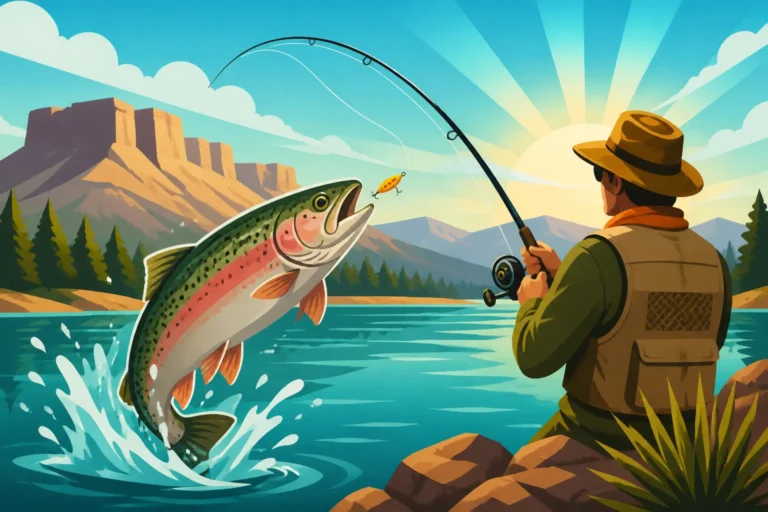
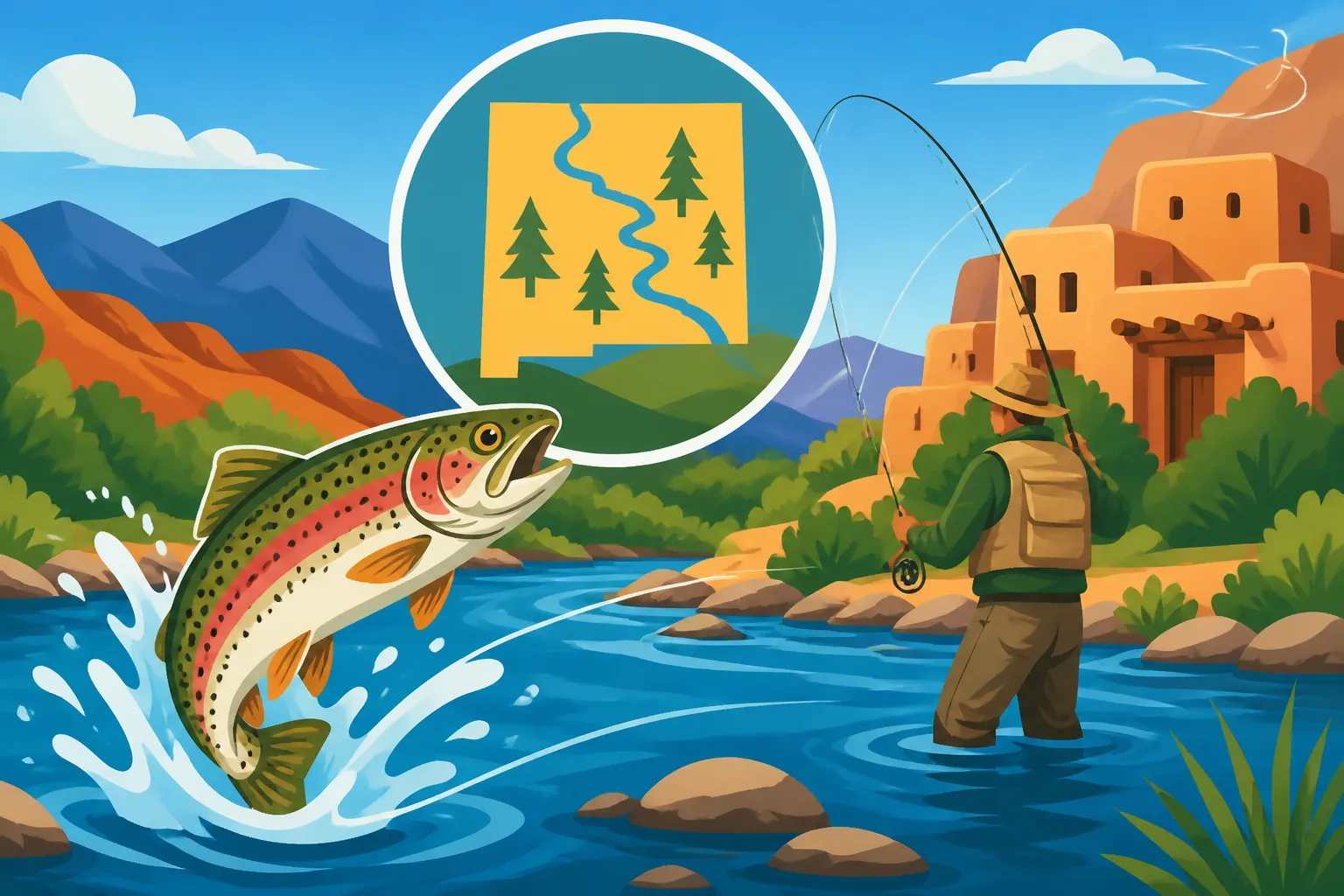
- Rainbow Trout: These are the most commonly stocked trout in New Mexico, meaning you'll find them in abundance in many of the easily accessible lakes and larger rivers near Santa Fe. They're often eager biters, making them a fantastic target for beginners and experienced anglers alike. Their vibrant colors and strong fight on lighter tackle are always a thrill.
- Brown Trout: Revered for their elusive nature and often larger size, brown trout prefer slightly slower currents and are masters of camouflage, making them a prize for many anglers. You'll find wild brown trout populations in many of the area's streams, particularly in the Pecos Wilderness. They tend to be more active during dawn and dusk.
- Rio Grande Cutthroat Trout: As the state fish, the Rio Grande Cutthroat holds a special place in the hearts of New Mexico anglers. These native beauties, identified by the distinctive red or orange slash marks under their lower jaw, are found in pristine, high-elevation streams. Catching one is a truly rewarding experience, symbolizing a connection to the state's natural heritage. Conservation efforts are vital for these fish, so knowing about Rio Grande Cutthroat Trout in New Mexico and practicing careful catch and release is highly encouraged.
- Brook Trout: While less common in the immediate Santa Fe vicinity compared to other species, you can find brook trout in some of the smaller, higher elevation streams that are often overlooked. These smaller, beautifully speckled fish thrive in cold, clear headwaters and offer a unique angling experience for those willing to hike a bit further.
Understanding the specific characteristics of these Trout Species Found in New Mexico helps you prepare for the nuances of each fishery and ensures you're ready for whatever bites your line.
Premier Trout Fishing Destinations Within Easy Reach
The Santa Fe area is blessed with a variety of trout fishing opportunities, ranging from expansive lakes to intimate mountain streams. The key is knowing which spots offer the experience you’re looking for.
Pecos River Wilderness
For many, the Pecos River and its numerous tributaries represent the pinnacle of trout fishing near Santa Fe. This vast wilderness area, easily accessible from Santa Fe with a scenic drive, offers miles upon miles of pristine water. You'll find a mix of stocked and wild trout, including rainbows, browns, and even the cherished Rio Grande Cutthroat in its upper reaches.
Access to the Pecos can be found along NM 63, which follows the river upstream from the town of Pecos. Popular access points include areas around Terrero and Cowles. From these points, you can often hike along the river, finding secluded spots away from the crowds. Fly fishing is incredibly popular here, with anglers often wading into the clear, cool waters. Spin fishing with small lures or bait is also effective in many areas. It's important to remember that much of this is National Forest land, so understanding New Mexico Habitat Stamp and Validation Requirements is crucial before you go.
The further into the Pecos Wilderness you venture, the more likely you are to encounter truly wild trout and experience solitude. This often means longer hikes, but the reward of catching a native cutthroat in its natural habitat, surrounded by stunning mountain scenery, is immeasurable. The river system here provides a classic freestone stream experience, with riffles, runs, and deep pools. Check the New Mexico Fishing Regulations Overview for specific rules, as some sections might have special regulations regarding tackle or catch limits.
Nambe Falls Lake
Just a short drive north of Santa Fe, within the Pueblo de Nambé lands, lies Nambe Falls Lake. This easily accessible lake is a fantastic option, especially for families or those looking for a guaranteed chance to catch some trout. The Pueblo stocks the lake regularly with rainbow trout, often in generous sizes.
What makes Nambe Falls Lake particularly appealing is its convenience and the scenic beauty of the Nambe Falls themselves. You can fish from the bank, which is often very productive, or launch a small boat or kayak. The lake is relatively small, making it easy to cover thoroughly. Beyond the state fishing license, you will need a special permit from the Nambé Pueblo, which can usually be purchased on-site. This extra step is well worth it for the consistent action and the tranquil setting. It’s a great place to introduce kids to fishing, as the stocked fish are typically quite eager to bite. Make sure to call ahead or check their website for current hours and permit fees before you head out.
Santa Cruz Lake
Located northeast of Santa Fe, near Chimayó, Santa Cruz Lake offers another excellent trout fishing experience, but with a bit more variety. This reservoir, fed by the Santa Cruz River, is known for its healthy populations of rainbow trout, which are regularly stocked. However, it also holds other species like brown trout, kokanee salmon, and even some warmwater fish like bass, adding an interesting dynamic to your day.
Santa Cruz Lake features several distinct fishing areas, from the more developed recreation sites with boat ramps to more remote coves accessible by hiking. Bank fishing is popular and often fruitful, particularly around the dam area or points with submerged structure. For those with boats, trolling is a common and effective method for covering water and finding schools of trout or kokanee. The lake is generally open year-round, making it a reliable option regardless of the season. Always verify conditions and regulations, especially during drought years, as water levels can fluctuate. This spot can get busy on weekends, so consider a weekday visit for a more peaceful experience.
Cochiti Lake and the Rio Grande Tailwater
While Cochiti Lake itself, a large flood control reservoir on the Rio Grande, is more known for its warmwater species like bass and pike, the waters immediately below the dam offer a distinct and productive trout fishery. This is a classic tailwater environment, where the cold, oxygenated water released from the bottom of the dam creates ideal conditions for trout.
Fishing the Rio Grande below Cochiti Dam can be excellent for rainbow and brown trout. The water here is often very clear, which can make for challenging but rewarding fly fishing. Nymphing is particularly effective in these flows, imitating the aquatic insects that drift downstream. Spin fishers can also do well with small spinners and spoons. Access points are available from the Cochiti Lake Recreation Area. Remember, tailwater fisheries often have specific New Mexico Trout Fishing Rules that may differ from general statewide regulations, so consulting the current fishing proclamation is essential. This section of the Rio Grande can also be a fantastic place to observe wildlife, making it a great spot for an immersive outdoor experience.
Essential Tips for Success on Santa Fe's Trout Waters
Having the right knowledge and gear can make all the difference between a frustrating day and a memorable one when trout fishing near Santa Fe. These tips will help you prepare for the unique conditions you might encounter.
Recommended Gear and Tackle
You don't need to break the bank to get started, but having appropriate gear will certainly enhance your chances and enjoyment.
- Rods and Reels: For general trout fishing, a light to medium-light spinning rod (5-6.5 feet) paired with a small spinning reel (1000-2000 size) spooled with 4-6 lb test monofilament or fluorocarbon line is perfect. If you're getting into fly fishing, a 3 to 5-weight fly rod (7.5-9 feet) is ideal for the streams and rivers in the area. The "Best Rod Setup for New Mexico Trout Fishing" would lean towards versatility for varied conditions.
- Lures and Bait:
- Spin Fishing: Small inline spinners (Mepps, Panther Martin, Rooster Tail) in sizes #0 to #2 are consistently effective. Small spoons (Kastmasters, Super Dupers) are also great, especially in lakes. PowerBait, particularly the floating varieties, and salmon eggs are go-to baits for stocked trout, especially when still fishing from the bank. For a more natural approach, live worms or corn can be very successful.
- Fly Fishing: The San Juan Worm, Pheasant Tail Nymph, Hare's Ear Nymph, and various midge patterns are staples for subsurface fishing. For dry flies, Adams, Elk Hair Caddis, and small attractor patterns can work when trout are rising. Knowing Best Lures for New Mexico Trout can give you a significant advantage.
- Waders and Boots: If you plan on wading into any of the rivers or streams, breathable chest waders and sturdy wading boots with good grip are essential, especially for navigating rocky riverbeds. Even in summer, mountain waters can be surprisingly cold.
- Other Essentials: A small tackle box or vest, polarized sunglasses (crucial for spotting fish and structure), a hat, sunscreen, insect repellent, a small landing net (preferably rubberized for catch and release), line clippers, and forceps for hook removal. Don't forget plenty of water and snacks, especially if you're hiking into remote areas.
Understanding Local Regulations and Permits
Navigating fishing regulations can sometimes feel like a puzzle, but it’s absolutely critical to ensure you're fishing legally and responsibly. New Mexico has a clear set of rules designed to protect its fisheries.
- New Mexico Fishing License: Anyone 12 years of age or older needs a valid New Mexico fishing license. There are options for residents and non-residents, and various durations from one-day to annual licenses. You can purchase these online through the New Mexico Department of Game and Fish website, at various vendors like sporting goods stores, or even by phone. Learn all about the process in the New Mexico Fishing License Guide or find out How to Get a New Mexico Fishing License.
- Habitat Management & Access Validation (HMAV): In addition to your fishing license, you'll likely need an HMAV stamp if you're fishing on certain state or federal lands. This small fee contributes directly to habitat improvement and public access. Understanding New Mexico Habitat Stamp and Validation Requirements is important.
- Special Regulations: Pay close attention to specific regulations for certain waters. Some "Quality Waters" or "Special Trout Waters" might have length limits, bag limits, or tackle restrictions (e.g., artificial lures only, single barbless hooks). Always check the current New Mexico Fishing Rules and Regulations booklet, available online or at license vendors, before heading out. For instance, some waters might enforce a strict catch-and-release policy for certain species like the Rio Grande Cutthroat.
- Pueblo Permits: As mentioned for Nambe Falls Lake, fishing on tribal lands often requires an additional permit purchased directly from the Pueblo. This is separate from your state license. Always research this in advance for any tribal waters you plan to visit.
Ignoring regulations can lead to fines, so always do your homework!
Best Seasons and Times to Fish
Trout fishing near Santa Fe is largely a year-round activity, but success rates and recommended techniques will vary greatly with the seasons. Understanding the New Mexico Fishing Season Calendar can help you plan your trips effectively.
- Spring (March – May): This is arguably one of the best times to fish, especially after the ice has melted from higher elevation lakes and streams. As waters warm, trout become more active and feeding heavily. Early spring can be excellent for larger trout in rivers. Be mindful of spring runoff from snowmelt, which can make some rivers high and muddy for a period.
- Summer (June – August): While beautiful, summer in New Mexico can mean warmer water temperatures in lower elevations. For trout, this means focusing on higher-elevation streams and lakes, or fishing during cooler parts of the day – early mornings and late evenings. Fish will seek out deeper, cooler water. Monsoon season can bring afternoon thunderstorms, which can muddy waters but also stir up insect activity.
- Fall (September – November): Many consider fall to be the prime season. Water temperatures are ideal, fish are actively feeding in preparation for winter, and brown trout begin their spawn, often becoming more aggressive. The vibrant autumn foliage adds an incredible backdrop to your fishing trip. Crowds tend to thin out, especially on weekdays.
- Winter (December – February): Don't write off winter! While many higher elevation waters freeze over, some lower elevation rivers and tailwaters remain open and can offer fantastic fishing, especially on warmer, sunny days. Ice fishing becomes an option on lakes like Eagle Nest Lake (further north) or some of the high mountain lakes once the ice is thick enough. Patience is key, and fish will often be found in deeper, slower pools.
Generally, the best times of day to fish for trout are during the cooler hours – dawn and dusk – especially during warmer months. During colder seasons or on overcast days, midday fishing can be very productive as the sun warms the water slightly.
Beyond the Popular Spots: Hidden Gems and Planning Your Trip
While the well-known spots are fantastic, New Mexico is full of overlooked gems. A little extra effort can often lead to unforgettable experiences and solitude.
High Mountain Lakes and Streams
For the adventurous angler, New Mexico’s high country offers a wealth of hidden lakes and streams teeming with wild trout. Many of these require a significant hike, often backpacking several miles into wilderness areas like the Pecos Wilderness or the Truchas Peaks. These waters are often home to native Rio Grande Cutthroat Trout, providing a truly unique and challenging experience.
These high-altitude destinations are typically accessible only during the warmer months, usually from late spring to early fall, before heavy snows return. The fishing here is often about stealth, light tackle, and reading the water carefully. Fly fishing is a popular choice, with small dry flies and nymphs being very effective. When planning such a trip, be sure to have proper backcountry gear, knowledge of wilderness safety, and a good map. Always check weather forecasts, as conditions can change rapidly in the mountains. The reward is often absolute solitude and the chance to catch fish that rarely see a human.
Hiring a Local Guide or Outfitter
If you're new to the area, have limited time, or simply want to maximize your chances of success and learn the local nuances, consider hiring a professional fishing guide. A good guide knows the waters intimately, understands the seasonal patterns, and can provide all the necessary gear and instruction. They can take you to the most productive spots, teach you effective local techniques, and even help you navigate the sometimes-complex regulations.
This is where services like FishingBooker come in handy. You can use platforms like FishingBooker to find and book experienced local guides who specialize in trout fishing near Santa Fe. A guided trip isn't just about catching fish; it's an educational experience that can accelerate your learning curve and introduce you to spots you might never find on your own. Whether you're interested in a full-day fly-fishing excursion on the Pecos or a spin-fishing outing on a stocked lake, a guide can tailor the trip to your preferences and skill level. Many guides also offer beginner lessons, making it a perfect way to get started if you're new to fishing or a specific technique. Plus, it takes the stress out of planning, allowing you to simply enjoy the beauty and the fishing.
Hiring a guide can be particularly beneficial if you're targeting specific species or techniques, like trying to catch a Rio Grande Cutthroat on a dry fly in a remote mountain stream. They often provide lunch, snacks, and drinks, turning your fishing trip into a truly hassle-free adventure.
Comparison of Santa Fe Trout Fishing Spots
Here's a quick overview to help you decide where to cast your line near Santa Fe:
| Fishing Spot | Primary Trout Species | Proximity to Santa Fe | Accessibility | Best for | Unique Features |
|---|---|---|---|---|---|
| Pecos River Wilderness | Rainbow, Brown, Cutthroat | ~1 hour | Moderate to Difficult | Fly fishing, solitude, wild trout | Extensive wilderness, diverse sections, scenic beauty |
| Nambe Falls Lake | Rainbow | ~30 minutes | Easy | Families, beginners, consistent action | Stocked, easy bank access, requires Pueblo permit |
| Santa Cruz Lake | Rainbow, Brown, Kokanee | ~45 minutes | Easy to Moderate | Variety of species, boat/bank fishing | Reservoir fishing, good for trolling, can get busy |
| Rio Grande Below Cochiti Dam | Rainbow, Brown | ~1 hour | Easy to Moderate | Tailwater fishing, fly fishing, larger trout | Cold, clear water, consistent flows, unique ecosystem |
| High Mountain Lakes/Streams | Cutthroat, Brook, Rainbow | 1-3+ hours (plus hike) | Difficult | Wilderness experience, native trout, solitude | Backcountry adventure, stunning views, challenging access |
Disclaimer
The information provided in this guide is for general informational purposes only and is subject to change. Fishing regulations, license requirements, and local conditions can vary and are updated periodically by the New Mexico Department of Game and Fish and other governing bodies. Always consult the most current New Mexico Fishing Rules and Regulations booklet, available on the New Mexico Department of Game and Fish website or at authorized vendors, before planning your fishing trip. Additionally, when fishing on tribal lands, always obtain the necessary permits directly from the respective Pueblo or tribe. Be aware of weather conditions and practice responsible outdoor ethics, including Leave No Trace principles.