Best Boats for Conchas Lake
Choosing the perfect boat for Conchas Lake can feel like a daunting task, especially when you're dreaming of reeling in that trophy walleye or a feisty largemouth bass, but you're not sure which vessel will handle the lake's unique conditions best. This comprehensive guide will walk you through everything you need to know to select a boat that's not just a means of transport, but a true partner for your Conchas Lake fishing adventures, ensuring you spend more time catching and less time worrying about your equipment.
Understanding Conchas Lake's Unique Boating Environment
Conchas Lake, nestled in northeastern New Mexico, is a true gem, offering anglers and recreational boaters a vast playground. However, like any large body of water, it has its own personality, and understanding that personality is key to picking the right boat. You can't just drop any boat in the water and expect it to perform optimally; a vessel suited for small, calm ponds might struggle here, just as an ocean-going behemoth would be overkill.
Conchas Lake's Size, Shape, and Depths
Conchas Lake is formed by the Conchas Dam on the Conchas River, near its confluence with the Canadian River. It's a sprawling reservoir, often described as having two main arms—one extending up the Conchas River and the other up the Canadian River. This dual-arm structure creates a fascinating and varied environment. You'll find long, winding stretches that feel almost riverine, alongside more open, expansive bays. The shoreline is incredibly intricate, featuring countless coves, points, and submerged structures that are absolute havens for fish.
The depths in Conchas Lake vary dramatically. While you'll encounter shallow flats and submerged timber that are perfect for casting to bass, there are also deep channels and drop-offs, particularly near the main riverbeds, where walleye and crappie like to congregate. This varied topography means your boat needs to be versatile. A shallow draft is beneficial for navigating skinny water or accessing tucked-away coves, but a boat that can handle deeper water and isn't easily tossed around by unexpected waves is equally important when you venture into the main body of the lake or near the dam. Consider the general size of the lake compared to others when thinking about best boats for Elephant Butte Lake or best boats for Navajo Lake.
Wind and Weather Patterns on Conchas
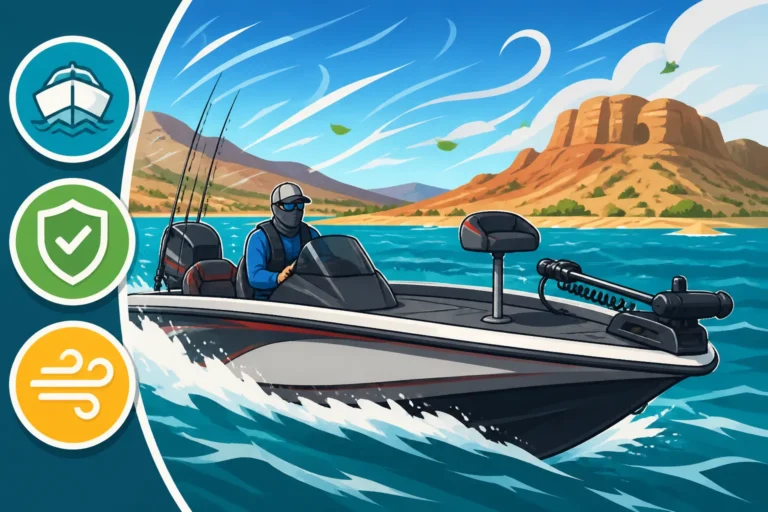
Ah, the wind! If you've spent any time fishing in New Mexico, you know that the wind can be a significant factor, and Conchas Lake is no exception. It's not uncommon for a calm morning to quickly turn into a blustery afternoon, with gusts whipping across the open water, creating considerable chop. This isn't just an annoyance; it can make boating uncomfortable, wet, and even unsafe in smaller, less stable vessels. The lake's wide-open stretches can funnel the wind, amplifying its effects.
When choosing a boat for Conchas, you need something that can cut through or ride over these waves without rattling your teeth loose or soaking you to the bone. A deeper V-hull design, for instance, is often preferred for its ability to handle choppy conditions more smoothly than a flat-bottomed boat. While a flat bottom might be great for stability on calm water, it can deliver a jarring ride when the wind picks up. The ability to stay dry and comfortable even when the lake gets a bit feisty directly impacts your fishing enjoyment and endurance.
Common Fish Species and Their Habitats
Conchas Lake is a fantastic multi-species fishery, renowned for its diverse angling opportunities. You'll find a healthy population of largemouth and smallmouth bass, which often hang around rocky points, submerged brush, and timber. Walleye are another popular target, frequently found along deep ledges, humps, and the main lake channels, especially during cooler months or deeper in summer. Crappie fishing can also be phenomenal, with slabs often holding around brush piles, submerged trees, and bridge pilings. Conchas Lake Crappie Fishing is a particular draw for many. Beyond these, you'll encounter channel catfish, sunfish, and even some striped bass (though less common than at Elephant Butte).
The variety of species means you'll likely be employing different fishing techniques, which, in turn, influences your boat choice. If you're primarily a bass angler, you might prioritize a boat with a powerful trolling motor, multiple rod lockers, and a comfortable casting deck. If walleye trolling is your game, you'll want space for rod holders, a good fishfinder, and a stable platform for moving around. For crappie, a more compact boat that can easily navigate tight coves and submerged structure might be ideal. Considering your primary targets will help narrow down the field significantly, as will understanding Conchas Lake Walleye Fishing tactics.
Top Boat Types for Conchas Lake Anglers
Given Conchas Lake's diverse conditions and fishing opportunities, there isn't a single "perfect" boat. Instead, several types excel depending on your priorities. It's about matching the boat to your personal angling style, comfort needs, and how you plan to spend your days on the water. Think about what kind of fishing you typically do and who you bring along.
Bass Boats and Multi-Species Rigs
For the dedicated angler focused on targeting bass and other game fish, a specialized bass boat or a versatile multi-species rig often comes to mind first.
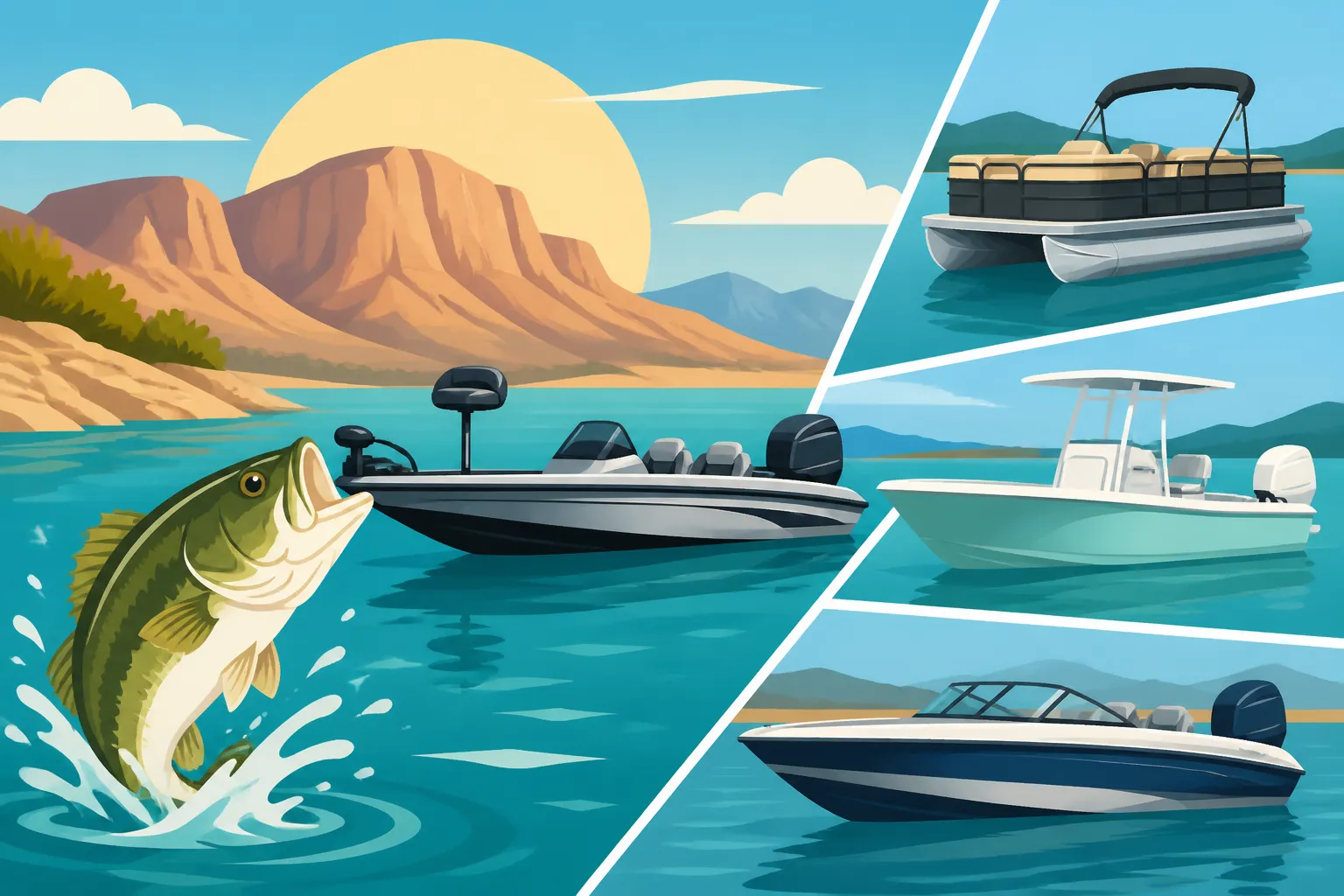
Bass Boats: These sleek, fast boats are engineered for serious fishing. They typically feature powerful outboards, expansive casting decks both fore and aft, built-in rod lockers, large aerated livewells to keep your catch healthy, and integrated trolling motor systems with advanced GPS capabilities. If you live for pitching jigs to submerged timber, running across the lake to hit multiple hot spots quickly, and participating in tournaments, a bass boat is an incredibly efficient tool. They offer excellent maneuverability, particularly with a strong bow-mounted trolling motor, allowing you to hold position precisely over structure. However, their lower profile can make for a wetter, bumpier ride in heavy chop, and seating arrangements are often limited to two or three people, making them less ideal for family outings or larger groups. The storage is usually highly optimized for fishing gear, which is great for tackle but less so for picnic baskets or beach towels.
Multi-Species Rigs: These boats, often called "walleye boats" or "all-around fishing boats," offer a fantastic compromise. They're designed to handle a wider range of conditions and fishing styles than a pure bass boat. They typically have a deeper V-hull, which provides a much smoother and drier ride when the winds kick up and Conchas gets choppy. While they might not be as blindingly fast as some bass boats, they offer plenty of power to get you where you need to go. Multi-species rigs usually have more open cockpit space, higher gunwales for added safety, and seating for more passengers, making them suitable for both serious fishing and family recreation. They come equipped with livewells, rod storage, and often feature adaptable seating. Brands like Lund, Ranger, or Alumacraft offer excellent multi-species options that you might find at a reputable dealer or even through a search on sites like Bass Pro Shops, which often carries a wide selection of these versatile boats. They might not have the ultimate casting platform of a bass boat, but their versatility on a lake like Conchas is hard to beat.
Deck Boats and Pontoon Boats for Family Fun and Fishing
If your Conchas Lake adventures lean more towards family outings, swimming, picnicking, and casual fishing, then a deck boat or a pontoon boat could be your ideal choice.
Deck Boats: Imagine the best elements of a runabout merged with a fishing boat, and you're getting close to a deck boat. These boats are characterized by their open, spacious deck plans, often extending all the way to the bow, providing ample seating and room to move around. They typically have a V-hull design, which offers a smoother ride than a pontoon in choppy water and allows for quicker speeds. Deck boats are fantastic for watersports, cruising, and general recreation, but many modern designs also incorporate fishing-friendly features. You can find models with removable fishing seats, livewells, rod holders, and even bow-mounted trolling motor pre-rigs. They offer a great balance for families who want to enjoy all aspects of Conchas Lake – from tubing and swimming to dropping a line for crappie or catfish. The wide open deck is perfect for spreading out gear or having a comfortable spot for everyone to relax.
Pontoon Boats: Long gone are the days when pontoons were just slow, boxy barges. Today's pontoons are incredibly versatile, comfortable, and often surprisingly well-appointed. For Conchas Lake, where you might have multiple generations fishing together, or just want a stable platform for relaxation, a pontoon is a superb choice. Their wide, flat deck provides unmatched stability, making them feel less prone to rocking, even with several people moving around. This is a huge advantage for families with small children or older adults. They offer incredible space for coolers, fishing gear, and people, and many come with plush seating, bimini tops for shade, and even small galleys. Modern fishing pontoons come rigged with aerated livewells, dedicated rod holders, and sturdy casting platforms. While they won't cut through chop as smoothly as a deep V-hull, their stability in moderate waves is excellent. They are generally slower than V-hull boats, but for leisurely cruising and a relaxed fishing experience, they are hard to beat. You can often find great deals on accessories or even used pontoons by searching online marketplaces or checking with local dealers.
Aluminum Jon Boats and Small Utilities for Specific Needs
Sometimes, simpler is better, or perhaps your fishing style involves accessing specific, hard-to-reach areas on Conchas. This is where aluminum jon boats and other small utility vessels shine.
Aluminum Jon Boats: These are the workhorses of the fishing world. Jon boats are typically flat-bottomed aluminum boats, known for their incredible stability in calm, shallow water and their no-frills, durable construction. While they might not be the most comfortable ride when Conchas gets rough, they are fantastic for accessing shallow coves, backwaters, and smaller tributaries that larger, deeper-draft boats can't reach. They are lightweight, easy to launch and retrieve, and can be powered by smaller, more fuel-efficient outboards or even just a trolling motor. Many anglers customize their jon boats with casting decks, swivel seats, and rod holders, turning them into surprisingly effective fishing machines for specific tactics like targeting shallow-water bass or crappie around brush. If your budget is a primary concern, or if you prefer a minimalist approach to fishing, a jon boat is a very economical and practical choice for certain parts of Conchas Lake. They are also notoriously easy to maintain, which is a big plus for many.
Small Utilities (Kayak, Canoe, Inflatable): While not traditional "boats" in the same vein as those mentioned above, kayaks, canoes, and even robust inflatable rafts can be surprisingly effective for fishing Conchas Lake, especially for solo anglers or those looking for a different experience. A fishing kayak, for example, allows you to silently paddle or pedal into very tight spaces, offering an intimate connection with the water and the fish. They are excellent for stalking bass in lily pads or sneaking up on crappie. Canoes provide more space for gear and a second paddler, ideal for exploring calmer sections of the lake. Inflatable rafts, particularly those designed for river fishing or hunting, offer incredible portability and durability, though they are more susceptible to wind and waves. These smaller vessels require a different approach to safety, especially on a large lake like Conchas where conditions can change quickly. Always wear a life jacket, check weather forecasts, and stay aware of larger boat traffic. You can find a vast array of accessories, from rod holders to anchors, for these smaller craft on Amazon, making them quite capable for a dedicated angler. Kayak Fishing Techniques for New Mexico Lakes can provide more specific guidance.
Key Features to Look for in a Conchas Lake Fishing Boat
Once you have an idea of the type of boat that suits your style, it's time to dive into the specific features that will make your Conchas Lake fishing experience truly enjoyable and productive. Not all boats are created equal, and small details can make a huge difference in functionality and comfort.
Hull Design and Stability in Chop
This is perhaps the most critical factor for Conchas Lake. As we discussed, the wind can be a constant companion, and navigating chop comfortably and safely is paramount.
- V-Hull Design: A deeper V-hull (where the bottom forms a sharper 'V' shape) is generally superior for cutting through waves. It absorbs the impact of the chop, providing a smoother, drier ride. The downside is that a deep V might be less stable when stationary (at rest), meaning it will rock more with movement inside the boat or with passing wakes. However, the trade-off for comfort and safety in rough water is often worth it on a larger reservoir like Conchas.
- Modified V-Hull: Many multi-species boats feature a modified V-hull. This design starts with a sharper V at the bow to cut through waves, then flattens out somewhat towards the stern. This offers a good compromise, providing a decent ride in chop while maintaining better stability at rest compared to a pure deep V. This is a very popular choice for lakes with varied conditions like Conchas.
- Flat-Bottom Hull: Found on most jon boats, flat-bottom hulls offer exceptional stability at rest and a very shallow draft, allowing access to extremely shallow water. However, they pound severely in chop, making for a rough, wet, and uncomfortable ride in anything but perfectly calm conditions. This design is best suited if you plan to stick exclusively to calm coves or backwaters or only fish on perfectly windless days.
When you're out on Conchas and a sudden gust of wind kicks up, you'll be thankful for a hull that handles it gracefully. Imagine battling a strong fish when a boat wake hits you unexpectedly – a stable hull keeps you upright and focused. For instance, brands like Alumacraft or Lowe often offer models with robust, well-designed hulls that are known for their performance in varied conditions, providing a good blend of stability and wave-cutting ability suitable for Best Boats for Conchas Lake and other large New Mexico reservoirs.
Motor Size and Fuel Efficiency
Your outboard motor is the heart of your fishing boat, and its size and efficiency directly impact your range, speed, and overall cost of operation on Conchas Lake.
- Horsepower (HP): The appropriate horsepower depends heavily on your boat's size, weight, and intended use. A larger boat will need more horsepower to get on plane and perform well, especially when loaded with gear and passengers. While it might be tempting to max out the HP rating, sometimes a slightly smaller, more efficient motor is a better choice. A boat that's underpowered will struggle to get on plane, burn more fuel, and be frustrating to operate in strong currents or headwinds. Conversely, an overpowered boat can be unnecessary and might exceed legal limits or void warranties. Always refer to the boat manufacturer's maximum HP rating. For a multi-species boat around 18-20 feet, a 115 HP to 150 HP engine is often a sweet spot for balancing performance and fuel economy on Conchas.
- Two-Stroke vs. Four-Stroke: Modern four-stroke outboards are generally more fuel-efficient, quieter, and produce fewer emissions than older two-stroke engines. While two-strokes have made significant advancements in technology (like direct injection), four-strokes often remain the preferred choice for many anglers due to their smoother operation and reduced running costs over time.
- Trolling Motors: Don't forget the trolling motor, especially if you're a serious angler! A bow-mounted electric trolling motor is indispensable for precise boat positioning, stealthy approaches to fish, and holding your spot over structure. Look for models with sufficient thrust for your boat size (e.g., 80-112 lbs of thrust for larger boats), long battery life, and advanced features like GPS spot-lock (which can hold your boat in place automatically) or integrated sonar. Brands like Minn Kota and MotorGuide are popular choices, and you can often find a wide selection of accessories for these on Amazon. A good trolling motor means you can quietly work a submerged brush pile for crappie without scaring them away.
| Boat Type | Typical HP Range | Trolling Motor Importance | Rough Water Ride | Stability at Rest | Best Use Case |
|---|---|---|---|---|---|
| Bass Boat | 150-300 HP | High | Moderate | Moderate | Fast travel, tournament bass fishing, precise casting |
| Multi-Species Rig | 90-200 HP | High | Good | Good | Versatile fishing, moderate family recreation |
| Deck Boat | 115-250 HP | Moderate | Good | Excellent | Family recreation, casual fishing, watersports |
| Pontoon Boat | 40-150 HP | Moderate | Fair (stable) | Excellent | Leisurely cruising, family fishing, large groups |
| Aluminum Jon Boat | 9.9-50 HP | High | Poor | Excellent | Shallow water access, budget fishing, small waters |
Onboard Storage and Livewell Capacity
When you're packing for a day on Conchas Lake, you'll quickly realize how much gear you need: rods, tackle boxes, coolers, safety equipment, rain gear, snacks, drinks, and maybe even some extra clothing. Adequate, well-designed storage is crucial.
- Rod Storage: Do you prefer horizontal rod lockers to keep expensive rods safe and out of the way, or vertical rod holders for quick access? Bass boats and multi-species rigs often have excellent built-in rod storage. Consider how many rods you typically bring and if they need to be protected from the elements or other passengers.
- Tackle Storage: Dedicated compartments for tackle boxes, soft plastics, and other terminal tackle keep your boat organized and prevent clutter. Some boats even feature built-in tackle organizers.
- Dry Storage: Water inevitably gets into a boat. Having dry, sealable compartments is invaluable for protecting electronics, phones, wallets, and extra clothing from spray or rain.
- Cooler Space: Whether it's for keeping your lunch fresh or your drinks cold, dedicated cooler space or a built-in cooler is a huge convenience.
- Livewells and Baitwells: For serious anglers, a well-designed livewell is non-negotiable. Look for ample capacity, aeration systems that keep water oxygenated, and recirculation pumps to maintain water quality. A good livewell should be easy to fill and drain, and some even have timers or automatic features. A separate baitwell for live minnows or worms is also a desirable feature for certain types of fishing. Keeping fish healthy for release or for transport home is paramount, especially when practicing Catch and Release Best Practices in New Mexico.
Imagine trying to find a specific lure with tackle boxes sliding around the deck, or realizing your phone is soaked after a rogue wave. Thoughtful storage makes a world of difference in your day-to-day experience on the water.
Navigating and Launching Your Boat on Conchas Lake
Getting your boat in the water and safely navigating Conchas Lake requires more than just a good vessel; it also involves understanding the local infrastructure and having the right tools on board. This is where practical planning really comes into play, ensuring a smooth start and end to your fishing trip.
Conchas Lake Boat Ramps and Access Points
Conchas Lake offers several boat ramps, primarily concentrated around Conchas Lake State Park. It's vital to know their locations, conditions, and any potential fees before you head out.
- State Park Ramps: Conchas Lake State Park generally offers well-maintained concrete ramps that can accommodate a wide range of boat sizes. These ramps are usually paved, have ample parking, and often include courtesy docks, which are invaluable for loading and unloading passengers or tying up your boat while you park your vehicle. However, during peak seasons or busy weekends, these ramps can get crowded. Early mornings or weekdays are often less congested. It's a good idea to check the state park website or call ahead for current conditions, especially regarding water levels, which can impact ramp usability. Sometimes, lower water levels might mean only certain ramps are accessible, or require longer launches.
- Other Access Points: Beyond the main state park ramps, there might be other, less developed access points around the lake. These are often unpaved or might be seasonal, depending on water levels. While they can offer more secluded launching options, they may not be suitable for larger boats or require a four-wheel-drive vehicle. Always scout these locations beforehand if you're unfamiliar with them. Knowing the best access for Conchas Lake State Park Fishing Access is crucial.
- Consider Ramp Slope and Depth: Different ramps have different slopes and extend into varying depths of water. If you have a particularly heavy boat or a shallow-draft trailer, this can impact your launching experience. Newer, longer ramps are generally more forgiving. Always be mindful of your trailer's capabilities and your vehicle's towing capacity.
Essential Electronics for Conchas Lake Boating
Modern boating and fishing are greatly enhanced by a suite of electronic aids. These tools not only make navigation easier but can also dramatically improve your fishing success.
- Fishfinders/Sonar: A quality fishfinder is an absolute game-changer on Conchas Lake. Look for units with advanced sonar capabilities like Down Imaging and Side Imaging (or similar technologies from brands like Humminbird or Lowrance). These allow you to not only see fish directly beneath your boat but also identify submerged structures, drop-offs, and schools of baitfish off to the sides. This is invaluable for locating walleye on humps, bass around brush, or crappie suspended over timber. A good GPS-enabled unit also allows you to mark waypoints for productive fishing spots or hazards.
- GPS Navigation: While integrated into many fishfinders, a dedicated GPS unit or a reliable GPS app on your smartphone (with pre-downloaded maps, as cell service can be spotty) is critical for navigation, especially on a large, intricately shaped lake like Conchas. It helps you stay oriented, find your way back to the ramp, and navigate safely around submerged hazards that might not be visible from the surface.
- VHF Radio: For safety, especially on a large lake where you might be out of cell service, a VHF marine radio is highly recommended. It allows you to communicate with other boaters, the state park, or emergency services. A handheld unit is good, but a permanently mounted unit with a good antenna offers better range and reliability.
- Battery Power: All these electronics need reliable power. Ensure your boat has a robust battery system, possibly with dedicated batteries for the trolling motor and starting engine, and consider a reliable onboard charger. Nothing ruins a fishing trip faster than dead batteries.
Safety Gear and Best Practices
Safety should always be your top priority on the water, especially on a large, potentially windy lake like Conchas. It's not just about legal requirements but about protecting yourself and your passengers.
- Personal Flotation Devices (PFDs): You must have a Coast Guard-approved PFD for every person on board your boat. For children under a certain age (which varies by state, so always check New Mexico's specific regulations), wearing a PFD while the boat is underway is often mandatory. Beyond the legal requirement, it's simply smart practice, especially for less experienced swimmers or when conditions are rough. Check Life Jacket Requirements for New Mexico Boaters for details.
- Visual and Audible Signals: Carry a whistle or horn for audible signals (e.g., in fog or to signal other boats), and visual distress signals like flares or an orange flag, especially if you plan to be out after dark.
- Fire Extinguisher: A marine-rated fire extinguisher is usually required on motorized boats of a certain size. Ensure it's easily accessible and properly maintained.
- Anchor and Line: A functional anchor with sufficient rope (at least 3-5 times the maximum depth you anticipate) is essential for holding your position, especially in windy conditions, or in case of engine trouble.
- First-Aid Kit: A well-stocked first-aid kit for minor cuts, scrapes, and other common injuries is a must.
- Tool Kit: A basic tool kit with wrenches, pliers, screwdrivers, electrical tape, and spare fuses can often help you address minor mechanical issues on the water, preventing a trip-ending breakdown.
- Communication Device: Beyond a VHF radio, ensure you have a fully charged cell phone (in a waterproof bag) and let someone on shore know your float plan – where you're going, who's with you, and when you expect to return. This is crucial for your safety.
Always check the weather forecast before heading out on Conchas Lake, and if conditions deteriorate, don't hesitate to cut your trip short. No fish is worth risking your safety or the safety of your passengers. Familiarize yourself with New Mexico's boating regulations to ensure you're always compliant, a topic often covered in resources like New Mexico Boat Registration and Titling Guide.
Budgeting and Maintenance for Your Conchas Lake Vessel
Acquiring a boat for Conchas Lake is an investment, and like any investment, it comes with considerations beyond the initial purchase price. Thinking about the long-term costs and upkeep will help you make a more informed decision and avoid any unwelcome surprises down the line.
New vs. Used Boat Considerations
The choice between a new and a used boat is a classic dilemma, and there are valid arguments for both sides when considering a vessel for Conchas Lake.
-
New Boat Advantages:
- Warranty: New boats come with manufacturer warranties, offering peace of mind against unforeseen defects or issues. This can be a huge comfort, especially with complex modern engines and electronics.
- Latest Technology: You get the most current hull designs, engine technology, and integrated electronics. This might mean better fuel efficiency, more advanced fishfinders, or superior comfort features.
- Customization: You can often choose colors, options, and layouts to perfectly suit your preferences.
- Fewer Unknowns: You know the boat's history from day one, reducing the risk of inheriting hidden problems.
- Financing: New boats often have more favorable financing options available through dealerships.
However, the sticker price for a new boat is significantly higher, and boats depreciate rapidly. You might find a new boat at a dealer, or search listings through sites like Bass Pro Shops for current models.
-
Used Boat Advantages:
- Cost Savings: This is the primary driver. A used boat can be tens of thousands of dollars cheaper than a comparable new model, allowing you to get more boat for your money or save on the overall investment.
- Less Depreciation: Much of the rapid initial depreciation has already occurred, so you won't lose as much value if you decide to sell it later.
- Proven Performance: You can often find reviews and feedback on specific used models, giving you a better idea of their real-world performance on lakes similar to Conchas.
- Immediate Availability: You can often take possession of a used boat much faster than waiting for a new one to be ordered and delivered.
However, used boats come with risks. Their history might be unknown, they may require immediate repairs, and they typically don't have warranties. Always get a professional marine survey and an engine inspection before purchasing a used boat. Check the condition of the hull, transom, engine, and all electrical systems. Reputable used boat listings can be found on various online platforms, including general marketplaces or specialized marine sites.
Routine Maintenance and Winterization
To keep your Conchas Lake boat running smoothly and reliably for years to come, routine maintenance is non-negotiable.
- After Every Trip: Flush your outboard engine with fresh water to remove any lake sediment or mineral buildup (especially important for cooling systems). Wipe down all surfaces, check fluid levels, and ensure no lines are tangled or props damaged. Clean your livewell thoroughly.
- Regular Checks: Periodically inspect steering and throttle cables, check trailer tires and lights, and ensure all electronics are functioning correctly. Keep your batteries charged and terminals clean.
- Engine Service: Follow the manufacturer's recommended service schedule for your outboard engine. This typically involves oil changes, spark plug replacements, fuel filter changes, and inspection of belts and hoses. Regular professional service prevents major issues down the road and ensures optimal performance and fuel efficiency.
- Winterization (Crucial for New Mexico): Although New Mexico has relatively mild winters compared to some northern states, Conchas Lake does experience freezing temperatures. Proper winterization is absolutely crucial to prevent costly damage. This process typically involves stabilizing fuel, changing engine oil and filter, fogging the engine cylinders, draining and refilling the lower unit gear lube, protecting internal components from corrosion, and ensuring all water is drained from the boat's systems to prevent freezing and cracking. Don't skip this step, or you could face thousands in repairs when spring rolls around. Local marine shops in New Mexico are well-versed in proper winterization techniques.
Long-Term Storage and Trailering Tips
How you store and trailer your boat impacts its longevity and your convenience.
- Storage Options:
- Outdoor Storage: The most common and often most affordable. Ensure your boat is covered with a high-quality, breathable boat cover that protects it from UV rays, rain, and snow. A good cover prevents water accumulation and sun damage, which can degrade upholstery and gel coat.
- Indoor/Covered Storage: Ideal for maximum protection. This could be a garage, a carport, or a dedicated boat storage facility. It offers the best defense against the elements and can extend the life of your boat significantly.
- Dry Stack Storage: Some larger marinas offer dry stack storage where your boat is kept indoors on a rack and launched for you when you want to use it. While convenient, this is often more expensive and might not be available at Conchas Lake itself.
- Trailering Tips:
- Proper Fit: Ensure your trailer is properly sized and fitted for your boat. The boat should sit securely on the bunks with adequate support.
- Tires: Keep trailer tires properly inflated and check them regularly for wear and tear. Carry a spare tire, a jack, and a lug wrench.
- Bearings: Trailer wheel bearings require periodic inspection and greasing to prevent overheating and failure. Bearing buddies can make this easier.
- Lights: Always ensure your trailer lights (tail, brake, turn signals) are fully functional before hitting the road.
- Secure the Load: Use tie-downs to secure your boat firmly to the trailer at the bow and stern. Remove any loose items from the boat before trailering to prevent them from flying out. This is especially important on New Mexico's highways, where wind can be a factor.
- Driving: Practice backing up with your trailer. Take wide turns, allow extra stopping distance, and check your mirrors frequently. A safe trailering experience gets your boat to and from Conchas Lake boat ramps and access points without a hitch.
By considering these budgeting, maintenance, and storage aspects, you'll be better prepared for the full experience of boat ownership and ensure many enjoyable years of fishing on Conchas Lake.
Disclaimer
This article is for general informational purposes only and does not constitute professional advice. Laws, prices and regulations vary by location and change over time. Consult a qualified professional for guidance on your specific situation.