Do You Need a Trailer to Launch at Navajo Lake?
Planning a fishing trip to the stunning Navajo Lake often brings up a practical question right away: do you really need a trailer to launch your boat? It's a common concern, especially for those new to the area or considering different types of watercraft. This guide will walk you through everything you need to know about launching your vessel at Navajo Lake, from traditional boat ramps to options for smaller, hand-launched craft, so you can arrive prepared and hit the water without a hitch.
Navajo Lake Launch Facilities
Navajo Lake, with its vast stretches of water and intricate canyons, offers various access points for anglers and recreational boaters. Understanding these facilities is the first step in figuring out your launch strategy. It's not a one-size-fits-all situation; what works for a large bass boat won't be necessary for a kayak.
Developed Boat Ramps and Marinas
For anyone bringing a motorized boat – think anything from a modest Jon boat with an outboard to a full-sized bass boat or cruiser – the developed boat ramps at Navajo Lake are going to be your primary access points. These ramps are designed for exactly what you'd expect: backing a boat trailer down into the water, floating your vessel off, and then parking your tow vehicle and trailer.
Navajo Lake boasts several excellent developed boat ramps, often near marinas or park facilities. These locations typically have ample parking, restrooms, and sometimes even bait and tackle shops or fuel services nearby. When you're dealing with a boat that requires a trailer, these are absolutely essential. Imagine trying to get a 20-foot fishing boat into the water without a proper ramp – it's virtually impossible, not to mention unsafe for both you and your equipment. The ramps can get busy, especially on peak weekends and during popular fishing seasons like the Navajo Lake Kokanee Salmon Fishing run, so a little patience and good trailer-backing skills are always a plus. You'll want to be mindful of other boaters and ensure your boat is fully prepped before you ever get to the ramp to keep things moving smoothly.
Primitive Launch Areas
While most larger boats will rely on developed ramps, Navajo Lake also has a scattering of more primitive access points. These aren't your concrete, perfectly sloped launch pads. Instead, they might be natural shorelines, gravelly banks, or slightly sloped dirt roads leading to the water's edge.
These primitive areas are generally not suitable for trailer-launched motorized boats. The primary reason is often a lack of proper substrate to prevent your tow vehicle from getting stuck, uneven terrain that makes backing difficult, or insufficient water depth at the end of the "ramp." Trying to force a trailer down one of these can lead to damaging your boat, trailer, or even your vehicle. However, they can be a fantastic option for small, hand-launched craft, which we'll discuss next. These spots often offer a more secluded experience, allowing you to get away from the crowds found at the main marinas, and access areas that might be less fished. Just be sure to scout these locations beforehand, either online or by driving by, to ensure they're appropriate for your specific gear.
Boat Types and Launch Requirements
The heart of the "do you need a trailer?" question truly lies in the type of watercraft you intend to use. Different boats have different needs when it comes to getting them into the water.
Motorized Boats and Trailers
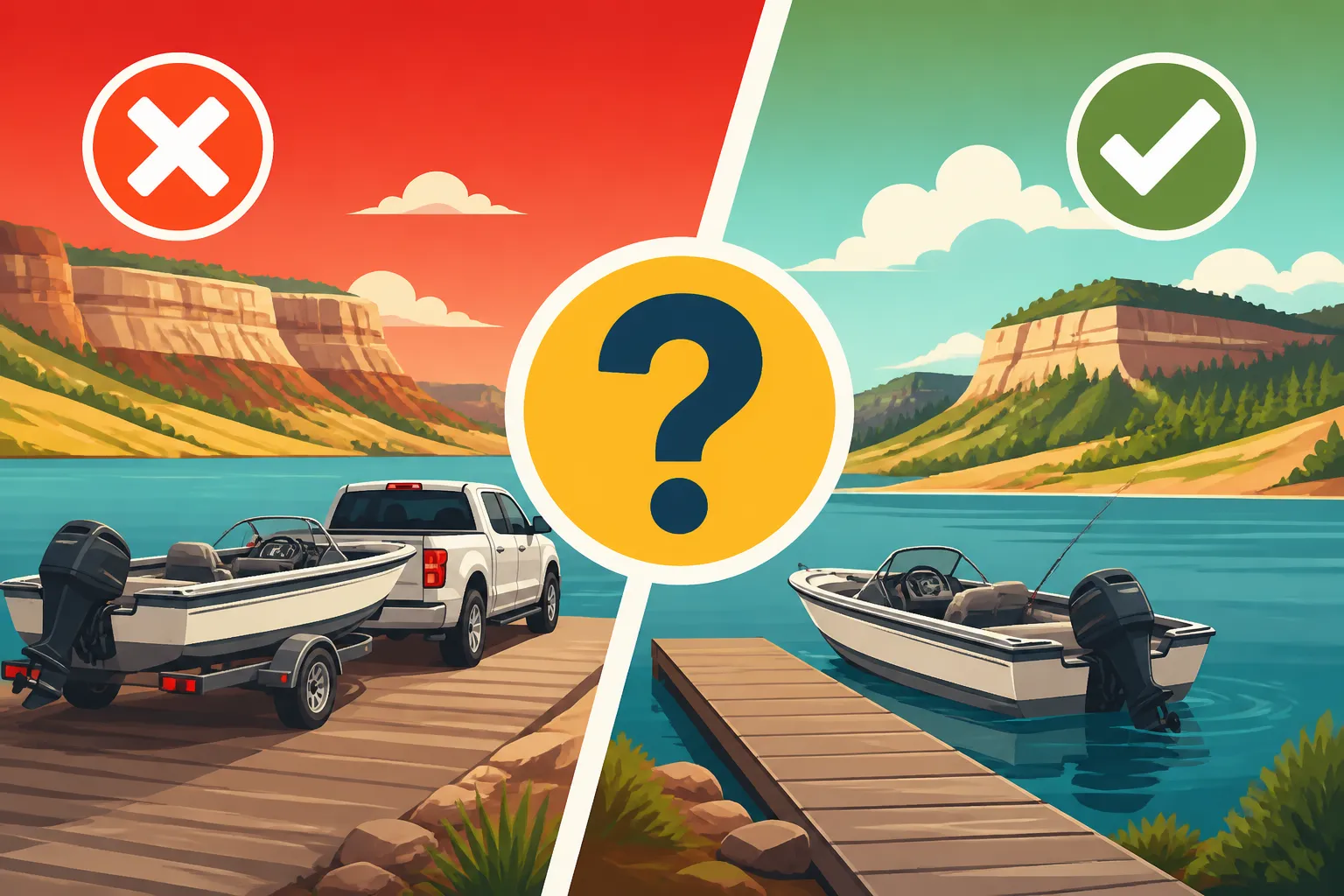
For the vast majority of motorized boats on Navajo Lake – from speedy bass boats to comfortable pontoon boats and even smaller aluminum fishing boats with engines – a trailer is practically non-negotiable. These vessels are simply too heavy, too large, and too cumbersome to be carried or otherwise "hand-launched" by most individuals. A properly fitted boat trailer allows you to safely transport your boat to the lake, back it down a ramp, and launch it with relative ease.
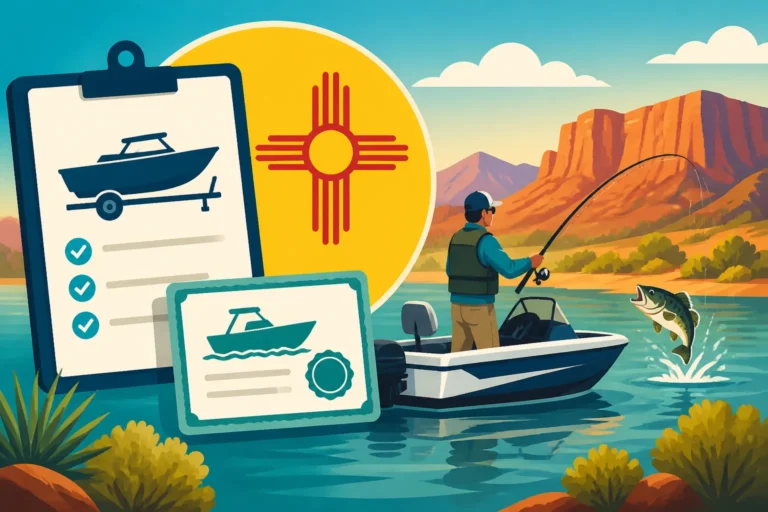
When considering a motorized boat, remember that the trailer itself has its own set of requirements. You'll need a tow vehicle capable of handling the weight of your boat and trailer, and it's essential to understand New Mexico Boat Registration and Titling Guide rules, which extend to trailers as well. Maintaining your trailer is just as important as maintaining your boat; checking tires, lights, bearings, and brakes regularly ensures a safe trip to and from the lake. For those hauling larger setups, you might even consider specialized gear available at places like Bass Pro Shops to make launching and retrieving a smoother process, like guide-ons or upgraded winches. Without a trailer, launching a motorized boat at Navajo Lake, especially one of any significant size, is simply not a realistic or safe endeavor.
Smaller Watercraft: Kayaks, Canoes, Paddleboards
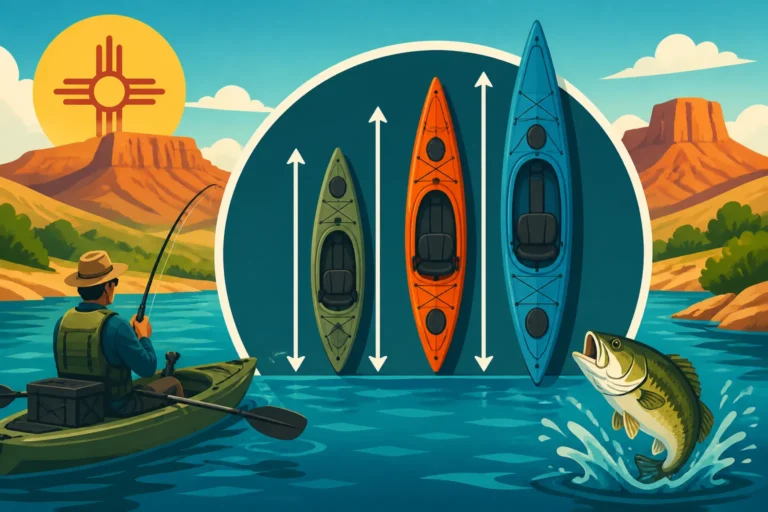
Now, here's where the answer to "do you need a trailer?" starts to change significantly! If your preferred mode of getting out on the water at Navajo Lake is a kayak, canoe, or paddleboard, then the answer is a resounding no, you absolutely do not need a trailer. In fact, using a trailer for these types of craft would be overkill and often less convenient.
These smaller, often lightweight vessels are designed for easy transport on top of a vehicle (roof racks are popular) or in the bed of a pickup truck. They can be hand-launched from nearly any accessible shoreline, whether it's a designated hand-launch area, a primitive access point, or even a quiet spot off a developed boat ramp where you won't impede trailer traffic. The beauty of these craft is their portability, allowing you to explore tucked-away coves and narrow canyons that larger boats can't reach. If you're outfitting a kayak for fishing, checking out specialized Kayak Fishing Gear for New Mexico Lakes can make your experience even better, and much of this gear is designed to be lightweight and portable, making the hand-launch process seamless. For convenience, many anglers find great deals on portable gear and accessories on Amazon, from lightweight paddles to dry bags.
Float Tubes and Portable Boats
Even smaller and more portable than kayaks and canoes are float tubes and certain types of portable, inflatable boats. These are the ultimate in "no trailer needed" watercraft. Float tubes, often resembling a large, comfortable inner tube with a seat, are designed for individual anglers and are usually carried to the water's edge and slipped into. They're fantastic for accessing smaller ponds or quieter sections of larger lakes, where you can literally walk in and begin fishing.
Similarly, many inflatable boats are designed to be deflated, folded, and stored in a car trunk or bed. Once at the lake, they can be quickly inflated with a hand or electric pump and launched by hand. These options are perfect for spontaneous fishing trips or for accessing remote spots where vehicle access might be limited. They're also great for those who don't have a tow vehicle or storage space for a trailer. While they might not cover as much water as a motorized boat, they offer a unique, intimate fishing experience. Just remember that even these small craft might have Required Safety Gear on a New Mexico Boat guidelines, such as wearing a life jacket, so always check the regulations before heading out.
Alternatives to Traditional Trailer Launch
For many, the idea of owning, storing, and maintaining a boat trailer, not to mention the specialized skill of backing one, can be daunting. Luckily, if your heart is set on fishing Navajo Lake but you're trailer-averse, there are indeed viable alternatives.
Hand-Launching Options
As mentioned, for kayaks, canoes, paddleboards, and float tubes, hand-launching is the standard. This method offers unparalleled flexibility. You don't need a specific ramp; any reasonably accessible shoreline will do. This is a huge advantage at a lake as expansive as Navajo, allowing you to discover hidden gems and escape crowded areas. You simply carry your craft to the water, step in, and go.
To make hand-launching easier, especially if you're venturing to more rugged spots, consider durable gear like a kayak cart to roll your boat from your vehicle to the water. A good pair of water shoes with sturdy soles can also make navigating rocky or slippery shorelines much safer. The primary "cost" of hand-launching is your physical effort, but the reward is often a more peaceful and personalized fishing experience. Many keen kayak anglers will stock up on essential accessories like waterproof phone cases, small anchors, and fishing rod holders, often found through online retailers like Amazon, making their hand-launched expeditions more productive and enjoyable.
Rental Services and Guided Trips
Perhaps you want the experience of a larger, motorized boat but don't own one or don't want the hassle of trailering. Navajo Lake often has rental services available, especially at its main marinas. You can typically rent pontoon boats, fishing boats, and sometimes even smaller motorboats for a day or half-day. These boats are already at the lake, launched and ready to go, eliminating any need for you to worry about a trailer. This is a fantastic option for family outings or for trying out a different type of fishing experience without a long-term commitment.
Another excellent alternative is booking a guided fishing trip. Professional guides on Navajo Lake will provide the boat, all necessary fishing gear, and their expert knowledge of the lake. This is arguably the most hassle-free way to fish, as everything is handled for you, from launch to retrieval. It's also an incredible way to learn about the best spots, specific techniques for species like Navajo Lake Kokanee Salmon Fishing, and local conditions. These services often utilize their own large, trailer-launched vessels, so you get to enjoy the benefits of a robust fishing platform without any of the logistical headaches.
Preparing for Your Navajo Lake Launch
No matter what type of boat you plan to launch or how you plan to get it into the water, a little preparation goes a long way. Thinking ahead can save you time, stress, and potential headaches, ensuring your fishing trip to Navajo Lake starts on the right foot.
Pre-Launch Checklist
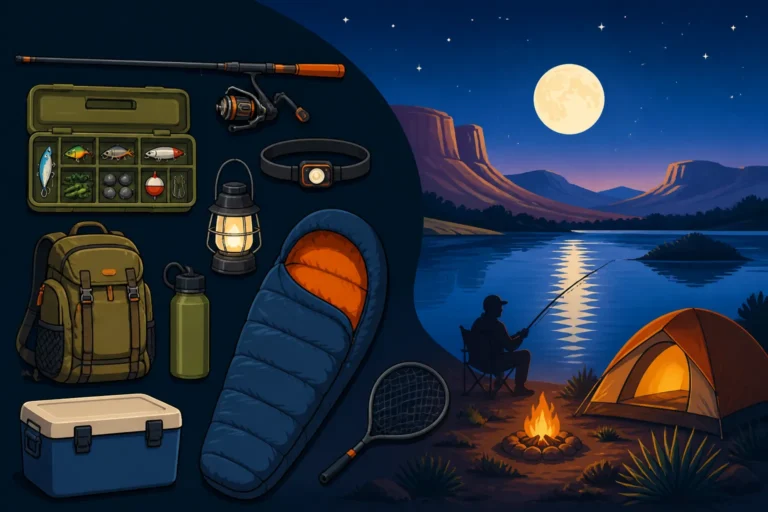
Before you even leave your driveway, having a mental or physical checklist can prevent many common launch-day frustrations. For those with trailer boats, this includes checking your trailer lights, tire pressure, and ensuring your boat is securely strapped down. Make sure your drain plug is in – an all-too-common oversight that leads to a very wet and embarrassing start! For all types of boats, ensure you have your New Mexico Fishing License Guide and any necessary permits, all required safety gear like life jackets, paddles, and a sounding device, and enough fuel, water, and snacks for your trip.
It's also wise to check the weather forecast for Navajo Lake, as conditions can change rapidly, especially regarding wind. Knowing the current lake levels and any potential ramp closures can save you a wasted trip. Pack all your rods, tackle, bait, and a cooler with ice. If you're targeting specific species, ensure you have the right lures or bait ready. A well-organized tackle box, perhaps one you picked up at Bass Pro Shops or found a great deal on online, can make a huge difference in efficiency once you're on the water.
Safety Considerations
Safety should always be your top priority on the water, whether you're in a large powerboat or a small float tube. Familiarize yourself with all New Mexico Fishing Regulations Overview, including specific rules for Navajo Lake. Always wear a life jacket, especially if you're not a strong swimmer or if conditions are windy or cold. For motorized boats, ensure you understand basic boating safety, including right-of-way rules and how to properly use your vessel's controls. Carry a first-aid kit, a fully charged cell phone (in a waterproof bag), and tell someone your float plan – where you're going and when you expect to return.
For smaller, hand-launched craft, be mindful of your capabilities and the lake's conditions. Navajo Lake is large and can get choppy, particularly in the afternoons. Always fish with a buddy if possible, or at least let someone know your plans. Understanding basic self-rescue techniques for kayaks and paddleboards can also be invaluable. Even for small craft, a whistle or horn is a good idea to alert others in an emergency. Being prepared for the unexpected is key to a safe and enjoyable day on the water.
Navajo Lake Specific Regulations
Beyond general statewide fishing and boating regulations, Navajo Lake might have specific rules or advisories that are important to know. These can relate to speed limits in certain coves, designated no-wake zones, or specific fishing regulations for certain areas or seasons. For instance, there might be particular rules about bait use or catch-and-release practices in certain sections, similar to New Mexico Special Trout Water Rules found in other parts of the state.
Always consult the latest New Mexico Department of Game and Fish regulations booklet, available online or at license vendors. Park rangers at Navajo Lake can also provide up-to-date information. Understanding these nuances before you launch ensures you're compliant and helps protect the lake's resources for everyone. Taking the time to understand these rules will help you have a smooth and enjoyable trip, preventing any unexpected fines or issues while you're out enjoying one of the Best Places to Fish in New Mexico.
Here's a quick reference table to help visualize boat types and their launch requirements:
| Watercraft Type | Trailer Needed? | Common Launch Method(s) | Best Suited For |
|---|---|---|---|
| Motorized Boats | Yes (Almost always) | Developed Boat Ramps | Covering large distances, larger groups, trolling |
| Kayaks/Canoes | No (Generally) | Hand-launch from any accessible shoreline, primitive areas | Exploring coves, quiet fishing, individual/duo |
| Paddleboards | No | Hand-launch from any accessible shoreline | Sight-fishing, exercise, shallow waters |
| Float Tubes | No | Hand-launch from any shoreline, walk-in access | Secluded spots, still water, intimate fishing |
| Inflatable Boats | No (Generally) | Hand-launch after inflation, primitive areas | Portability, small lakes, flexible access |
| Rental/Charter Boats | No (Provided by service) | Marinas, designated rental docks | Hassle-free experience, trying out different boats |
In conclusion, whether you need a trailer to launch at Navajo Lake truly depends on your chosen vessel. For most motorized boats, a trailer is essential and accessing developed boat ramps is key. However, if you prefer the simplicity and versatility of kayaks, canoes, paddleboards, or float tubes, then leave the trailer at home! With a little planning and the right approach for your craft, you'll be enjoying the pristine waters of Navajo Lake in no time.
Disclaimer
This article is for general informational purposes only and does not constitute professional advice. Laws, prices and regulations vary by location and change over time. Consult a qualified professional for guidance on your specific situation.