Number of Life Jackets Required on a New Mexico Boat
There’s nothing quite like a peaceful day out on New Mexico’s waters, whether you’re casting a line on Elephant Butte Lake, navigating the Rio Grande, or exploring a quiet pond. But that peace can quickly turn to anxiety if you’re suddenly faced with a New Mexico Game and Fish warden and realize you might not have all the required safety gear on board, especially something as critical as life jackets. This guide is here to untangle the specifics of exactly how many life jackets you need on your boat in New Mexico, ensuring your next outing is both safe and stress-free.
The Absolute Basics: One Life Jacket for Every Person
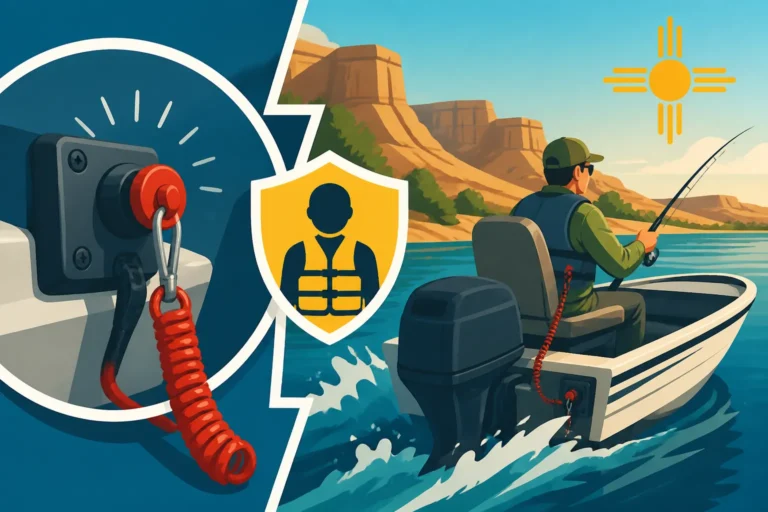
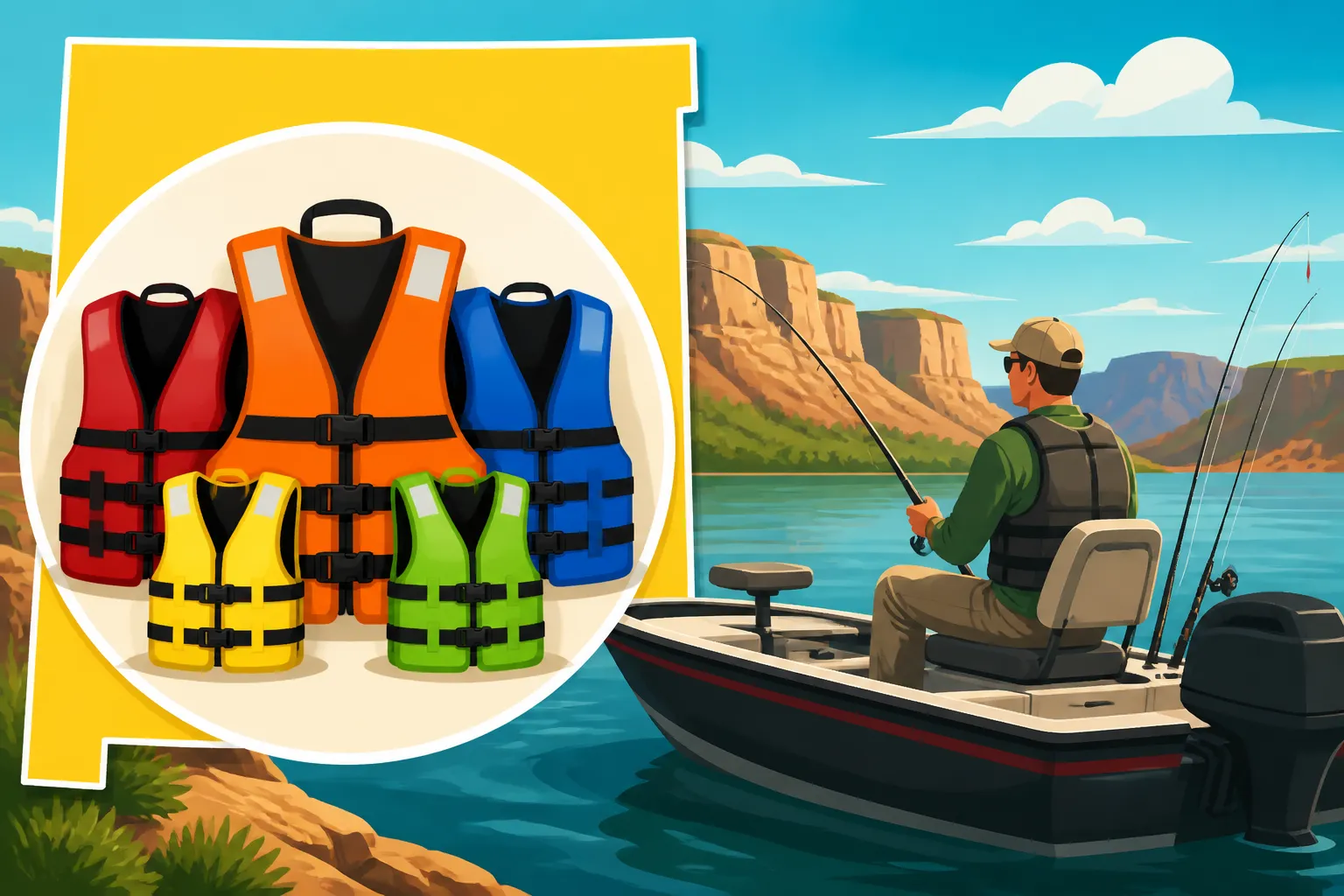
Let's cut right to the chase because this is the fundamental rule that applies to virtually every vessel on New Mexico's public waters: you must have a U.S. Coast Guard-approved wearable personal flotation device (PFD), commonly known as a life jacket, for every single person on board your vessel. No exceptions for strong swimmers, no "I'm just going for a quick spin," no "we're staying close to shore." Every person needs their own. This isn't just a suggestion; it's the law, and it's there to protect lives.
Why This Rule Exists: Safety First, Always
It might seem obvious, but it's easy to dismiss safety rules when the sun is shining, and the water looks calm. However, even experienced boaters know that conditions can change in an instant. A sudden wake from another boat, an unexpected mechanical failure, or even just slipping on a wet deck can put someone in the water quickly. Having a life jacket for everyone ensures that if the worst happens, there's an immediate means of flotation available. It's not about being a bad boater; it's about being prepared for the unforeseen. This simple rule dramatically increases survival chances in cold water, during capsizing, or if someone is knocked unconscious.
Think about it: when you're out enjoying Best Places to Fish in New Mexico, you want to focus on the experience, not on worrying about safety violations or, worse, a genuine emergency. Adhering to this basic requirement is the cornerstone of responsible boating and fishing. It provides immense peace of mind, allowing you and your companions to truly relax and enjoy the beauty of New Mexico's lakes and rivers.
What "Readily Accessible" Really Means
Having a life jacket for everyone isn't enough if it's buried under a pile of gear or stowed in a locked compartment. New Mexico regulations, mirroring federal standards, state that these PFDs must be "readily accessible." This means they need to be quickly and easily available for immediate use by everyone on board.
For example, imagine your boat suddenly hits a submerged object, and someone is thrown overboard. If their life jacket is still in a storage locker at the bow, it's not going to do them any good. "Readily accessible" usually means within arm's reach, or at least that they can be retrieved and put on within a matter of seconds. They shouldn't be covered by other items, in their original packaging, or requiring a complicated maneuver to get to. For larger boats, this might mean having PFDs hanging on hooks, in open bins, or tucked under seats in a way that allows for quick deployment. This rule is often where boaters get into trouble, as they might technically have enough PFDs but fail the accessibility test.
Special Considerations: Children and Throwable Devices
While the "one for every person" rule is universal, there are additional specifics, especially concerning children and the requirement for throwable flotation devices on certain boats. These details are critical for full compliance and maximum safety.
Children and Life Jackets: A Mandatory Requirement
This is a non-negotiable point for parents and guardians: any child 12 years of age or younger must wear a U.S. Coast Guard-approved life jacket whenever the vessel is underway. This applies whether they are on a motorboat, canoe, kayak, or even a paddleboard. The only exception is if they are below deck in an enclosed cabin. This isn't just about having the jacket on board; it's about having it on the child.
The reason for this strict rule is simple: children, especially young ones, often lack the swimming skills, strength, or presence of mind to stay afloat in an emergency. A life jacket provides continuous protection, giving them a much better chance of survival if they accidentally fall overboard. It's a proactive measure designed to prevent tragedy. When you're bringing your kids out to learn how to fish, perhaps at one of the Best Lakes for Family Fishing Trips in New Mexico, making sure they are properly outfitted is the first step. You'll find a wide array of child-sized PFDs at retailers like Bass Pro Shops or through online vendors such as Amazon, ensuring you can find a comfortable and effective fit for your little anglers.
It's also crucial that the child's life jacket fits properly. A jacket that is too big can slip off, and one that is too small won't provide adequate flotation. Always check the weight and chest size recommendations on the PFD's label.
The Importance of Throwable PFDs for Longer Boats
Beyond the wearable life jackets, New Mexico law also requires an additional safety device for certain vessels: boats 16 feet in length or longer (excluding canoes and kayaks) must have at least one U.S. Coast Guard-approved throwable personal flotation device (Type IV PFD) on board. This throwable device must also be readily accessible.
This is often a square cushion, a ring buoy, or a horse-shoe buoy. The purpose of a throwable PFD is different from a wearable one. It's meant to be thrown to someone who has unexpectedly fallen into the water, particularly if they are conscious and able to grasp it, or if they are some distance from the boat. It allows the boat operator to provide immediate flotation without having to jump into the water themselves. It's an essential rescue tool, especially when someone goes overboard unexpectedly and might be struggling. Make sure yours isn't strapped down or tucked away in a place where it can't be quickly grabbed and thrown. This additional requirement helps ensure you're prepared for a wider range of potential water emergencies.
Understanding Different PFD Types and How They Count
Not all life jackets are created equal, but generally, any U.S. Coast Guard-approved wearable PFD counts towards your "one for every person" requirement. However, understanding the different types can help you choose the best and most comfortable option for your boating style.
The Coast Guard categorizes PFDs into different types, each designed for specific activities and levels of flotation. While most recreational boaters will use Type II or Type III, it's good to know the distinctions.
Types of U.S. Coast Guard Approved PFDs
| PFD Type | Description & Purpose | Best Use Case |
|---|---|---|
| Type I | Off-Shore Life Jacket: Most buoyant, designed for rough or remote waters where rescue may be delayed. Turns unconscious wearers face-up. | Ocean voyages, fishing far from shore, stormy conditions. |
| Type II | Near-Shore Buoyancy Vest: Good for calm, inland waters. May turn unconscious wearers face-up in some conditions. Less bulky than Type I. | General boating, fishing on lakes and calm rivers, close to shore. |
| Type III | Flotation Aid (Vest): Designed for conscious wearers in calm, inland waters. Offers more comfort and freedom of movement than Type II. Wearer must tilt head back to stay face up. | Water sports like waterskiing, kayaking, canoeing, personal watercraft, general recreational boating. |
| Type IV | Throwable Device: Not designed to be worn. A cushion or ring buoy to be thrown to a person in the water. | Emergency rescue situations, required on boats 16 feet or longer. |
| Type V | Special Use Device: Includes work vests, deck suits, and hybrid PFDs. Approved for specific activities or conditions. Can include inflatable PFDs. | Specialized activities like kayaking, sailing, fishing, requiring active participation. Must be worn to count. |
It's important to remember that for Type V inflatable PFDs to count towards your minimum carriage requirements, they generally must be worn by the individual. Simply having an inflatable PFD stowed away doesn't always meet the "wearable" and "readily accessible" criteria unless specifically designed as such for certain conditions. Always check the label of any PFD for its specific approval and usage instructions. When choosing a PFD, comfort is key to ensuring it gets worn, especially for long days out on the water. Many modern Type III vests are very comfortable and come in designs optimized for fishing, offering pockets and tool attachment points.
Ensuring Proper Fit and Maintenance
Just having the correct number of life jackets isn't the full story. Each PFD must be in good, serviceable condition, U.S. Coast Guard approved, and appropriate for the size and weight of the person intended to wear it. An old, torn, waterlogged PFD that has lost its buoyancy doesn't count.
Before every outing, take a few moments to inspect your PFDs. Check for:
- Tears or rips: Even small ones can compromise buoyancy.
- Degradation: Look for fading, mildew, or hardened material.
- Straps and buckles: Ensure they are all present, functional, and secure.
- Buoyancy: Give older PFDs a "squeeze test" – if they feel flat or spongy, they might not provide enough flotation.
Making sure your gear is in top shape is part of responsible boating. If you're looking for replacement PFDs or want to upgrade, both Bass Pro Shops and Amazon offer extensive selections. Remember that new regulations might update PFD labels to harmonize with international standards, but any U.S. Coast Guard-approved PFD remains valid. For more details on all boating requirements, be sure to check out the New Mexico Boat Registration and Titling Guide.
Paddlecraft: Often Overlooked but Still Regulated
One common area of confusion is paddlecraft – kayaks, canoes, stand-up paddleboards (SUPs), and rafts. Many assume that because these are "small" or "unpowered," the rules don't apply. This is a dangerous misconception.
Kayaks, Canoes, and SUPs: Same Rules Apply
Whether you're gracefully paddling a kayak across Heron Lake or enjoying a relaxing float down a calm section of the Rio Grande, the one U.S. Coast Guard-approved wearable PFD per person rule still applies. And just like with motorized boats, if a child 12 years or younger is on board, they must wear their life jacket. This includes stand-up paddleboards, which are legally considered vessels when used beyond swimming and surfing areas.
This is a point often missed by casual paddlers, but the consequences can be severe, both in terms of safety and potential fines. A sudden tip, strong current, or unexpected gust of wind can easily separate a paddler from their craft. A life jacket is your primary safety net. For those passionate about kayak fishing, having comfortable and reliable PFDs is part of the essential Kayak Fishing Gear for New Mexico Lakes. Don't ever head out without them, even for a short trip.
You might be thinking, "But I'm a great swimmer!" While that's commendable, unforeseen circumstances, cold water shock, or even a head injury could quickly incapacitate you. A PFD works even if you can't. This is why the question Do Kayaks Need Life Jackets in New Mexico? is answered with an unequivocal "yes."
When Throwable PFDs Aren't Required for Paddlecraft
There's a slight relief in the regulations for paddlecraft: canoes and kayaks, regardless of their length, are exempt from the requirement to carry a throwable (Type IV) PFD. This is largely due to the practical challenges of storing and deploying such a device on a smaller, often open-deck vessel, where it could become a hazard itself. However, this exemption doesn't diminish the importance of having a wearable PFD for every person. Your best defense on a kayak or canoe is a properly worn life jacket.
While the throwable PFD isn't mandated for these craft, some experienced paddlers still choose to carry a small, easily accessible throw bag with a rope, which can be useful for rescuing a swimmer or another paddler. This isn't a substitute for wearable PFDs, but an additional safety tool worth considering for those venturing into more challenging waters.
Compliance, Enforcement, and Avoiding Penalties
Understanding the rules is one thing; consistently following them is another. New Mexico Game and Fish officers take boating safety very seriously, and for good reason. Violations can lead to citations and fines, but more importantly, non-compliance can have tragic real-world consequences.
Pre-Trip Checks: Your Best Defense
Before you even launch your boat or paddlecraft, make it a habit to do a quick safety check. This should include:
- Count your PFDs: Ensure you have one U.S. Coast Guard-approved wearable PFD for every person on board.
- Check for proper size/fit: Verify that each PFD is appropriate for the individual who will wear it. Especially for kids 12 and under, confirm they are wearing their PFD.
- Ensure accessibility: Make sure all PFDs are readily available for immediate use, not buried under gear.
- Verify condition: Inspect PFDs for tears, rips, or signs of degradation.
- Throwable PFD (if applicable): If your boat is 16 feet or longer (and not a canoe or kayak), confirm you have one Type IV throwable PFD, also readily accessible.
This routine takes only a few minutes but can save you from a stressful encounter with law enforcement and, more critically, could save a life. It's part of your overall boat preparation, just like checking your fuel or ensuring you have your New Mexico Fishing License Guide.
What Happens if You're Non-Compliant?
If you're stopped by a New Mexico Game and Fish warden, or other law enforcement on the water, and found to be in violation of life jacket requirements, you could face a citation. These penalties vary but are typically a fine. The exact amount of a Penalty for Boating Without Registration in New Mexico (or without required safety gear) can differ based on the specific violation and the officer's discretion, but it's always an unpleasant and costly experience.
Beyond the financial penalty, there's the lost time on the water, the embarrassment, and the stark reminder that you put yourself or your passengers at unnecessary risk. Nobody wants to have their peaceful day of fishing interrupted by a safety inspection that results in a ticket. It's far better to invest a little time and effort upfront to ensure you're fully compliant. Remember, these regulations aren't arbitrary; they are the result of years of data showing what prevents accidents and fatalities on the water. Staying safe and legal is a huge part of enjoying New Mexico's incredible aquatic resources.
Disclaimer
This article is for general informational purposes only and does not constitute professional advice. Laws, prices and regulations vary by location and change over time. Consult a qualified professional for guidance on your specific situation.