Penalty for Boating Without Registration in New Mexico
There's nothing quite like the feeling of launching your boat onto a beautiful New Mexico lake, the sun glinting off the water, ready for a day of fishing or watersports. But that sense of freedom can quickly turn into a headache, and an expensive one at that, if you're caught without proper boat registration. Many anglers and recreational boaters underestimate the state's strict rules, and getting pulled over for an unregistered vessel can instantly ruin your trip and hit your wallet hard. This guide will walk you through exactly what happens if you're found boating without current registration in New Mexico, helping you understand the penalties and, more importantly, how to avoid them.
Understanding New Mexico Boat Registration Requirements
Before we dive into the nitty-gritty of penalties, it’s crucial to understand what New Mexico expects from boat owners. The state is serious about ensuring all vessels on its public waters are properly accounted for, and for good reason—it’s about safety, identification, and funding for aquatic resources.
What Kinds of Vessels Need to Be Registered?
The first thing many people wonder is, "Does my boat even need to be registered?" The general rule in New Mexico is quite broad: any motor-propelled vessel, regardless of length, and any sailboat 10 feet or longer, must be registered with the New Mexico Motor Vehicle Division (MVD). This includes everything from a small fishing skiff with an electric trolling motor to a large pontoon boat or a powerful bass boat. It doesn't matter if it's new or used, whether you bought it from a private seller or a dealership like Bass Pro Shops; if it falls into these categories, it needs to be registered.
There are a few exceptions, of course, but it’s a short list. Things like canoes, kayaks, paddleboards, and other non-motorized vessels (unless they are sailboats 10 feet or longer) are typically exempt from registration requirements. However, even if you’re exempt from state registration, always double-check local regulations for the body of water you plan to visit, as some private lakes or specific parks might have their own rules. For a complete understanding of what needs to be registered, you might want to read our New Mexico Boat Registration and Titling Guide.
Displaying Your Registration: Decals and Numbers
It's not enough to simply have your boat registered; you must also ensure your registration numbers and validation decals are correctly displayed. This is a common oversight that can lead to being stopped by a game warden or marine patrol officer, even if you’ve technically completed the paperwork.
Your registration numbers, which are assigned by the MVD, must be painted or permanently attached to both sides of the bow of your vessel. They need to be block letters, at least three inches high, and in a color that contrasts sharply with the background of your boat. There shouldn't be any other numbers or letters displayed in the same area. Following the numbers, you'll need the current validation decal, which proves your registration is active for the current year. This decal needs to be affixed within six inches of the registration numbers on both sides. Think of it like your license plate sticker on your car – it needs to be visible and current. Without these displayed correctly, even if you have the physical registration card in your wallet, you could still face issues.
The Immediate Repercussions of Unregistered Boating
So, what happens when you’re out on the water, perhaps reeling in a nice walleye at Conchas Lake, and a New Mexico Department of Game and Fish officer pulls alongside your boat only to discover you haven't taken care of your registration? The immediate consequences can range from a stern warning to a hefty fine and potentially having your entire outing cut short.
The Initial Encounter: Citation and Fines
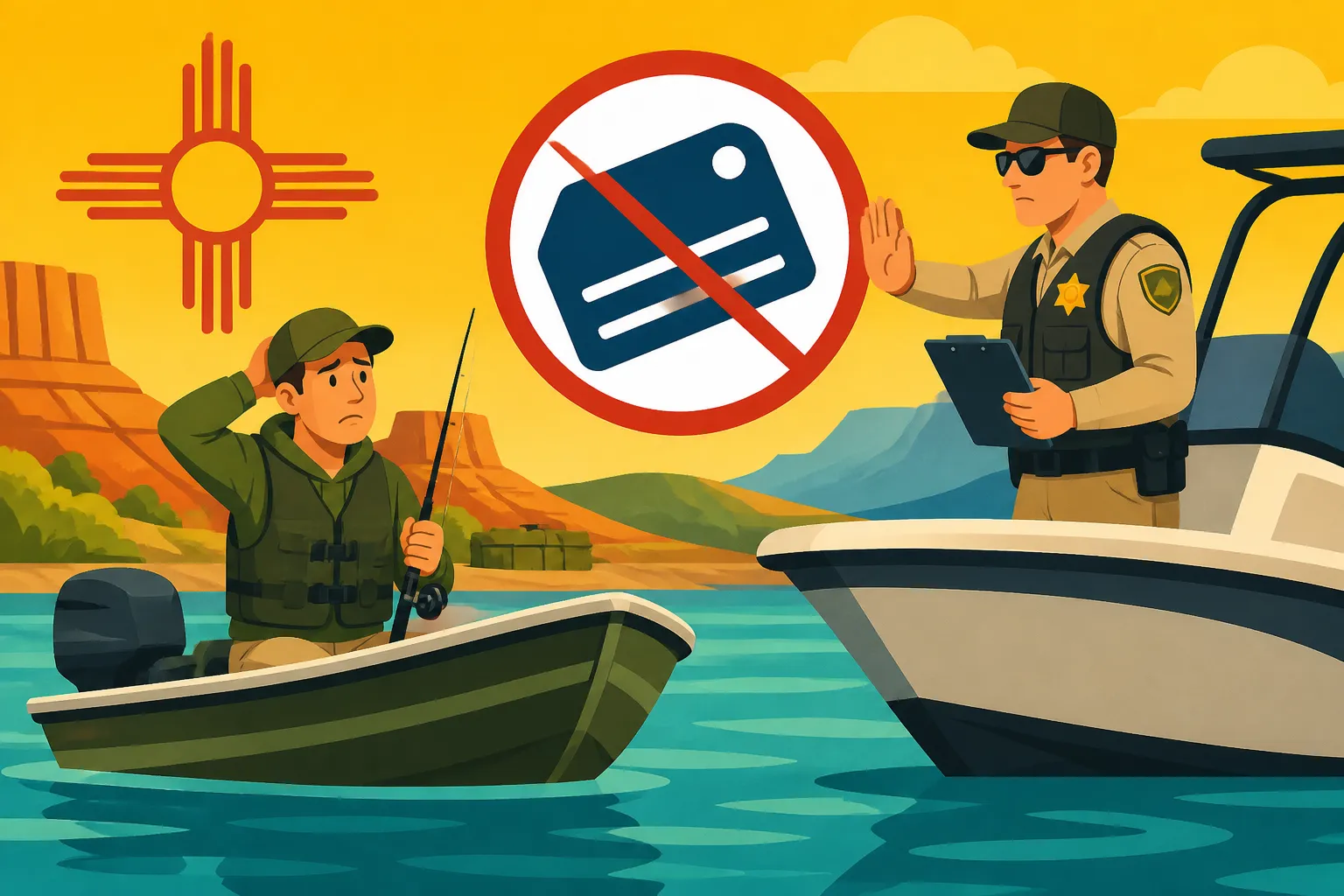
The most common penalty for boating without registration in New Mexico is a citation, which is essentially a ticket carrying a monetary fine. This isn’t just a slap on the wrist; these fines can be significant, designed to deter non-compliance. While specific fine amounts can vary based on the discretion of the issuing officer, the specific statute violated, and whether it's your first offense or a repeat infraction, it’s safe to say it will be a sum that you'd rather spend on new fishing gear from Bass Pro Shops or even a well-deserved meal after a long day of fishing.
Law enforcement officers have the authority to issue these citations on the spot. They typically don't accept excuses like "I just bought it" or "I forgot." The responsibility lies solely with the owner to ensure the vessel is compliant before it ever touches the water. It’s also important to remember that this isn't just about the initial fine. A citation can mean a court appearance, administrative fees, and an overall hassle that far outweighs the simple steps required to register your boat properly in the first place. You’ll also want to be mindful of New Mexico Fishing Violations and Penalties as well, as some violations can overlap or lead to additional charges.
Beyond the Ticket: Impoundment and Interruptions
Getting a ticket is bad enough, but in some circumstances, the consequences for an unregistered boat can be even more severe. Law enforcement officers have the authority to order you off the water and even impound your vessel if it's found to be operating illegally without proper registration. Imagine driving all the way to Elephant Butte Lake for a long-anticipated fishing trip, only to have it cut short because your boat isn't registered. You'd be forced to load your boat back onto the trailer, or worse, have it towed and impounded.
This means your day of fun is over, and you'll then incur additional towing and storage fees on top of the initial fine. These costs can quickly escalate, turning a relatively minor oversight into a major financial burden. Such an interruption can also impact any plans you had, such as meeting friends, or even missing a fishing tournament you spent months preparing for. It's a preventable situation that highlights just how seriously New Mexico takes its boating regulations.
Navigating the Registration Process to Stay Compliant
The good news is that avoiding these penalties is straightforward. New Mexico has a clear process for boat registration, and with a little planning, you can ensure your vessel is always legal and ready for the water.
Step-by-Step: Getting Your Boat Registered
The process of registering your boat in New Mexico primarily goes through the Motor Vehicle Division (MVD). You’ll need to gather a few essential documents to get started. Typically, this includes a completed application form, proof of ownership (like a manufacturer's statement of origin or a bill of sale if it's a used vessel), and proof that you’ve paid any applicable sales tax. If you're buying a used boat, make sure the bill of sale is detailed and includes the HIN (Hull Identification Number) to avoid any future complications.
You can visit an MVD office in person, or in some cases, you might be able to complete parts of the process online. It’s always a good idea to check the MVD's official website for the most current forms and requirements before you go. Having all your paperwork in order significantly speeds up the process and reduces the chance of needing to make multiple trips. Don't forget, if you’re purchasing a new boat from a dealer, they will often handle the initial registration paperwork for you, but it’s still your responsibility to follow up and ensure everything is completed correctly. Our guide Where to Register a Boat in New Mexico provides more specific details on locations.
Keeping Up-to-Date: Renewals and Transfers
Registration isn't a one-time thing; it needs to be renewed regularly. New Mexico boat registrations are typically valid for a certain period, and it's your responsibility to keep track of the expiration date. The MVD usually sends out renewal reminders, but these can sometimes get lost in the mail or overlooked. It's wise to make a note of your renewal date and process it promptly. Many renewals can be handled online or through the mail, which makes it a simple task.
If you sell your boat, you'll need to transfer the title and registration to the new owner. Similarly, if you buy a used boat, you'll need to transfer the existing registration into your name. Failing to complete these transfers can cause issues for both the buyer and the seller, creating legal ambiguities and potentially leading to fines for the new owner. Make sure to consult New Mexico Boat Registration Renewal Steps for specific details on how to keep your registration current and avoid any lapse in compliance.
| Aspect of Registration | Requirement | Potential Issue if Missed |
|---|---|---|
| Vessel Type | All motor-propelled vessels, sailboats 10ft+ must be registered. | Illegal operation, fines. |
| Proof of Ownership | Manufacturer's Statement of Origin or Bill of Sale. | Inability to register, questions of ownership. |
| Application Form | Complete and accurate MVD registration application. | Delays in processing, rejection of application. |
| Registration Fees | Payment of all applicable registration and excise taxes. | Application rejection, fines for non-payment. |
| Display of Numbers | 3-inch block numbers, contrasting color, on both bow sides. | Citation for improper display, enforcement stop. |
| Validation Decals | Current decal affixed within 6 inches of registration numbers. | Citation for expired or missing decal, enforcement stop. |
| Renewal | Annual or biennial renewal required before expiration. | Fines for operating with expired registration. |
| Transfer of Title | Within a set timeframe after buying/selling a boat. | Legal complications, fines for improper transfer. |
What to Do if You're Stopped by Law Enforcement
Even if you think everything is in order, you might still get stopped for a routine check or if an officer spots something they believe is non-compliant. If this happens, remain calm and cooperative. Have your registration card, proof of insurance, and any required safety equipment readily accessible. Just like with a vehicle, producing these documents quickly and courteously can make the interaction much smoother.
If an officer points out an issue, listen carefully to their explanation. If you receive a citation, accept it gracefully and address the issue as soon as possible. Arguing on the spot is unlikely to change the outcome and can sometimes escalate the situation. Instead, use the opportunity to learn what specifically needs to be corrected and take action immediately after your encounter. If you need any safety equipment, like extra life jackets or a first aid kit, places like Amazon offer a wide selection that can be delivered right to your door, helping you quickly get back into compliance. For a comprehensive list of what safety gear is required, see Required Safety Gear on a New Mexico Boat.
Why Registration Matters: Beyond Just Avoiding a Penalty
While avoiding fines and impoundment is a powerful motivator, boat registration serves several important purposes that benefit all boaters and the environment in New Mexico. It's more than just a bureaucratic hurdle; it's a component of responsible boating.
Ensuring Safety and Accountability on the Water
Proper boat registration is fundamental to ensuring safety on New Mexico's lakes and rivers. When a boat is registered, it can be easily identified. This is absolutely critical in emergencies, such as an accident, a vessel adrift, or someone needing assistance. Imagine a scenario where a boat capsizes, and only fragments of its hull are recovered. If it's registered, law enforcement can quickly identify the owner and potentially account for those on board, initiating search and rescue operations more efficiently.
Beyond emergencies, registration helps promote overall accountability. It ties a vessel to a responsible owner, making it easier to enforce boating laws and regulations, deter illegal activities, and ensure that individuals operating boats adhere to safety standards. When everyone complies with registration, it creates a safer environment for all recreational users, from anglers casting lines to families enjoying a leisurely cruise. Knowing that vessels can be traced back to an owner encourages responsible operation and adherence to rules, such as those detailed in New Mexico Boat Registration for Anglers.
Supporting New Mexico's Aquatic Resources
The fees collected from boat registrations are not just arbitrary taxes; they play a vital role in funding the very resources that make boating and fishing in New Mexico so enjoyable. These funds often go directly towards conservation efforts, maintenance of public access points, boat ramps, and educational programs. For instance, your registration fee contributes to the ongoing stocking programs in various lakes and rivers, ensuring healthy fish populations.
It also supports invasive species prevention, water quality monitoring, and the enforcement efforts of the New Mexico Department of Game and Fish, who are dedicated to protecting New Mexico’s precious aquatic ecosystems. By registering your boat, you're directly investing in the future of fishing and boating in the state, helping to maintain the beautiful waters and diverse fish species that draw so many of us outdoors. It’s a small price to pay for the privilege of enjoying New Mexico’s stunning natural beauty and abundant fishing opportunities.
Disclaimer
This article is for general informational purposes only and does not constitute professional advice. Laws, prices and regulations vary by location and change over time. Consult a qualified professional for guidance on your specific situation.