Boat Storage Options Near Elephant Butte Lake
You've just wrapped up an incredible day fishing or boating on the expansive waters of Elephant Butte Lake, and now the familiar question looms: where are you going to keep your boat? Finding reliable, secure, and convenient boat storage near this beloved New Mexico hotspot can be a genuine headache, whether you're a local or a frequent visitor. This guide is here to walk you through all your options, from economical outdoor spaces to premium enclosed facilities, helping you find the perfect home for your vessel when it's not out on the water.
Why Boat Storage Near Elephant Butte is a Real Challenge
Anyone who spends time enjoying the waters of Elephant Butte knows it's a special place, but it also presents some unique logistical hurdles, especially when it comes to boat storage. It’s not just about finding a spot; it’s about finding the right spot that protects your investment and makes your time on the water more enjoyable, not more stressful.
The Climate's Toll on Boats
New Mexico's climate, while beautiful, can be incredibly harsh on boats. We get intense, almost relentless sun exposure that can fade gel coats, crack upholstery, and degrade wiring and plastics. Then there are the strong winds, especially notorious around Elephant Butte, which can whip up dust, debris, and even cause physical damage if a boat isn't properly secured or covered. And let's not forget those dramatic summer monsoons, bringing heavy rains and sometimes hail that can batter unprotected vessels. If you’re not vigilant about protecting your boat from these elements, you’ll be looking at premature wear and tear, costly repairs, and a significant hit to your boat's resale value. It’s a constant battle against nature's forces, and leaving your boat exposed for extended periods is like inviting trouble to dock right alongside it.
Limited Waterfront Property
Unlike some coastal areas, New Mexico's landlocked nature means waterfront property directly on large lakes like Elephant Butte is precious and, frankly, scarce. This scarcity drives up the cost and limits the availability of prime storage locations, especially those with direct water access or within a quick, easy drive to the boat ramps. Most of us aren't lucky enough to have a spacious property right on the lake where we can keep our boat. This forces many anglers and boaters to seek storage further afield, adding to travel time and making spontaneous trips to the lake a bit more of an expedition. The demand for convenient spots consistently outstrips the supply, creating a competitive market where the best options get snapped up quickly.
Security Concerns for Valuable Assets
Let's be honest, a boat isn't just a toy; it's a significant financial investment, often costing as much as a new car, sometimes even more. Leaving such a valuable asset parked in an unsecured location or even at home in your driveway can invite theft or vandalism. Boat motors, electronics, and fishing gear are prime targets for opportunistic thieves. Even if your boat is insured, dealing with the aftermath of a break-in or theft is a monumental headache – the paperwork, the loss of fishing time, and the lingering feeling of vulnerability. Knowing your boat is tucked away in a facility with robust security measures provides immense peace of mind, allowing you to focus on planning your next big catch rather than worrying about what might happen while you're away.
Types of Storage Solutions Available
When it comes to housing your beloved vessel near Elephant Butte, you've got a few main avenues to explore, each with its own set of pros and cons. Understanding these can help you decide what fits your lifestyle, your budget, and your boat's specific needs.
Outdoor Storage Yards
Outdoor storage yards are often the most economical choice. Think of them as large, fenced-in parking lots designed for boats, RVs, and trailers. You'll typically find them in designated commercial areas, sometimes a little further from the lake than you might prefer, but they offer a basic solution for keeping your boat off your property. Your boat will be exposed to all the elements – sun, wind, rain, and dust – which means a good, sturdy boat cover is non-negotiable. Many experienced New Mexico boaters find themselves replacing covers every few years due to the intense UV radiation and winds here. While they might have fencing and some level of gate access control, they generally offer the least protection against theft and environmental damage compared to other options. This choice is usually best for those on a tight budget or with boats that see very frequent use, minimizing the exposure time between outings.
Covered Storage Options
Stepping up from basic outdoor storage, covered options provide a crucial layer of protection from the elements. This typically means a car-port style structure, often with open sides, that shields your boat from direct sunlight, rain, and hail. The benefits are immediately noticeable: your boat's gel coat will last longer, upholstery won't fade as quickly, and internal components are less exposed to moisture and UV degradation. These spots are a fantastic middle-ground, offering significant protection without the higher price tag of fully enclosed units. Many covered facilities will still have a secure perimeter and gated access, improving security over open lots. However, your boat is still exposed to dust and wind from the open sides, so a snug-fitting boat cover is still a wise investment to keep the interior clean and further deter pests or casual theft. For many New Mexico anglers, a covered spot is often the sweet spot between protection and affordability, especially when considering the harsh desert sun.
Enclosed Units and Garages
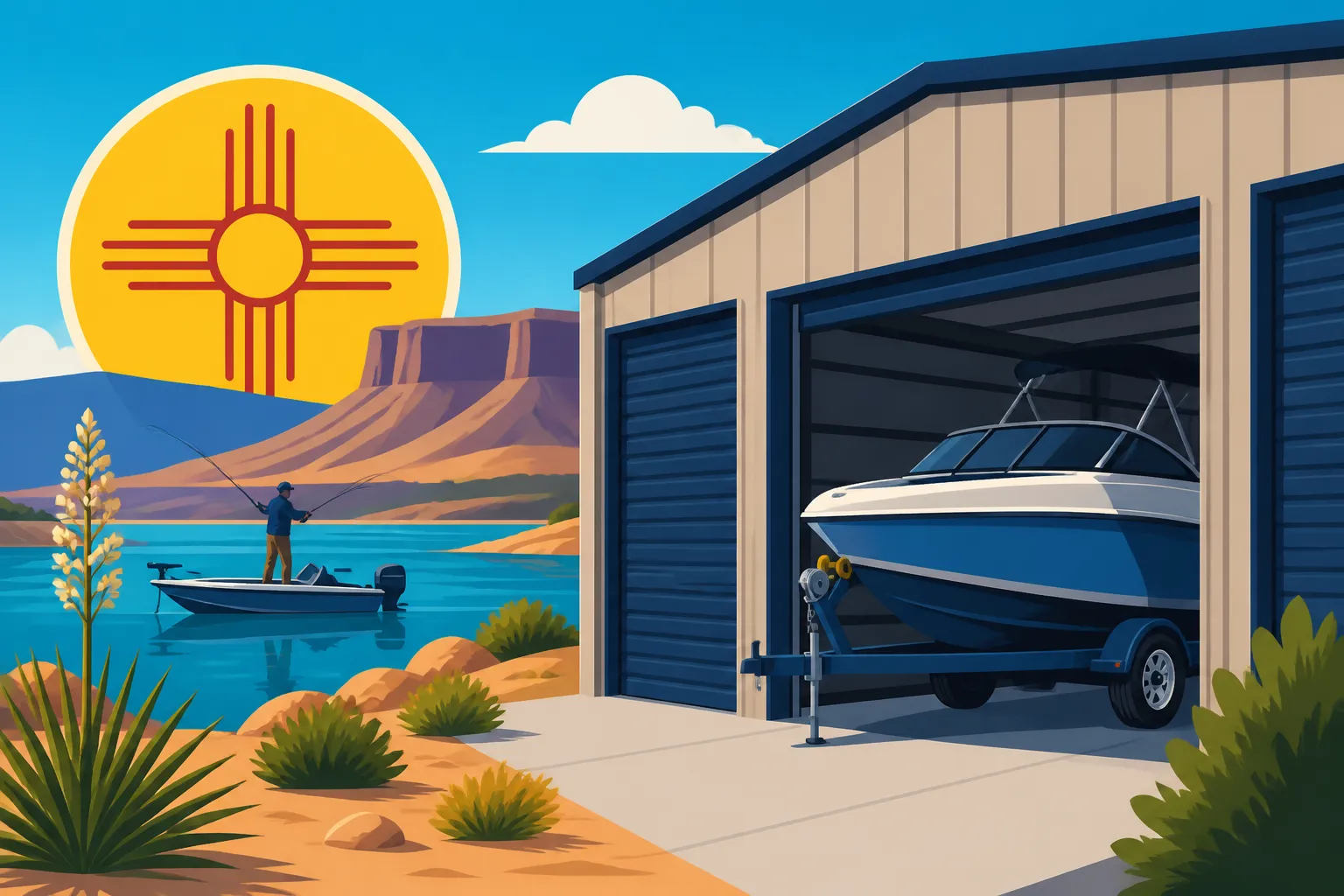
At the top tier of boat storage, you'll find enclosed units and private garages. These are essentially large, private bays, often with roll-up doors, that fully encase your boat. This option provides the ultimate protection from all weather conditions, dust, and significantly boosts security. Your boat is out of sight, out of mind for potential thieves, and completely shielded from the sun, rain, and wind that plague outdoor options. Many of these units are individually lockable, and some facilities offer climate control, which can be invaluable for sensitive electronics or intricate fishing gear. While this is undoubtedly the most expensive route, it offers unparalleled peace of mind and preserves your boat's condition and resale value better than any other option. For those with high-value boats, extensive electronics, or who simply want the best protection available, an enclosed unit is often worth the investment. It’s like having a private garage just for your boat, making it easier to keep it rigged and ready for your next adventure to Elephant Butte.
Assessing Your Boat Storage Needs
Before you start looking at specific facilities, it's really helpful to sit down and honestly evaluate what you actually need. Trying to find a one-size-fits-all solution rarely works because every boater's situation is different. Think about how you use your boat, what kind of boat it is, and what you’re willing to spend.
Boat Size and Type Considerations
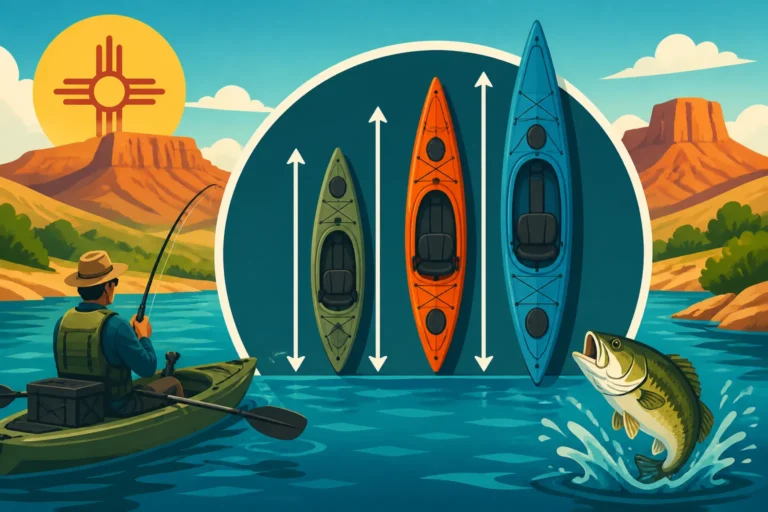
The most obvious factor is, of course, the size and type of your boat. A small jon boat on a single-axle trailer will have vastly different storage requirements than a 25-foot deck boat with a triple-axle trailer. Larger boats often require wider access roads, longer parking spots, or bigger enclosed units, which inherently limits your options and drives up costs. If you have a mast on a sailboat, for instance, you'll need a facility that can accommodate the height, or you'll need to factor in the effort of taking it down each time. A New Mexico Boat Registration Cost by Length Class might give you an idea of how boat size impacts other associated costs, but for storage, it directly impacts the physical space required.
Consider the material of your boat as well. A fiberglass hull might be more resilient to sun than a vinyl-wrapped boat, but both will suffer from prolonged exposure. If you have a sensitive inflatable kayak or a high-performance bass boat laden with electronics, you’ll naturally lean towards more protective, secure, and potentially climate-controlled options. Don't forget the trailer size; sometimes the trailer dictates the necessary space more than the boat itself. You don't want to find the perfect spot only to realize your trailer sticks out two feet, creating a tripping hazard or blocking a fire lane.
Frequency of Use and Accessibility
How often do you actually take your boat out on Elephant Butte Lake? This is a crucial question. If you're a weekend warrior, hitting the water every Saturday and Sunday during peak season, then ease of access to your boat is paramount. Driving an extra hour each way to get to your storage unit might negate the joy of a quick morning fishing trip. You'll want a facility that's reasonably close to Elephant Butte and offers flexible access hours, ideally 24/7, so you're not constrained by office hours.
On the other hand, if you only use your boat a few times a year, or primarily for longer vacations, then a slightly less accessible or more budget-friendly option might be perfectly adequate. You might be willing to trade some convenience for lower costs, especially if you're planning ahead and don't need to grab your boat at a moment's notice. Some facilities require advance notice to retrieve your boat, which can be a deal-breaker for spontaneous anglers. Think about your typical routine: do you like to rig up your boat the night before, or do you prefer to do it all at the ramp? Your answer will help determine the level of accessibility you truly need from a storage solution.
Budgetary Constraints and Long-Term Costs
Let's talk money, because this is often the biggest deciding factor. Boat storage costs vary widely based on the type of storage, its location, and the amenities offered. Outdoor spots are generally the cheapest, moving up to covered, and then to enclosed. Think about your overall boating budget – registration, fuel, maintenance, gear, and now storage. It’s an ongoing expense, not a one-time fee.
Beyond the monthly or annual fee, consider the hidden costs. If you choose an outdoor uncovered spot, you'll likely spend more on high-quality boat covers, frequent cleaning, and potentially more often on repairs due to sun and weather damage. A cheaper storage option might end up costing you more in the long run through accelerated depreciation and maintenance. Conversely, a more expensive enclosed unit might save you money on upkeep and extend the life of your boat. Don't just look at the sticker price; calculate the total cost of ownership, including protective gear, extra cleaning supplies, and potential repair savings. It's an investment in your boat's longevity and your peace of mind. For some perspective, checking out New Mexico Fishing License Costs Explained helps you understand how various recreational costs add up in the state.
What to Look for in a Storage Facility
Once you've narrowed down the type of storage you need, it's time to start evaluating specific facilities. It's not just about a vacant spot; it's about finding a reliable partner to care for your boat when you can't.
Security Features and Peace of Mind
This is arguably the most critical factor, especially given the value of boats and associated gear. A secure facility provides peace of mind, allowing you to relax when you're not on the water. Look for multi-layered security. What kind of fencing do they have? Is it robust and high enough to deter easy access? Gated access with keypad entry or personalized access codes is a must, logging who comes and goes. Surveillance cameras, particularly those that are actively monitored or record 24/7, add another strong deterrent. Beyond cameras, does the facility have good lighting, especially in darker corners, to eliminate hiding spots? Some premium facilities even offer on-site management or resident caretakers, providing an extra layer of human oversight.
Don't be afraid to ask about their security protocols: What happens if an alarm is triggered? How often are security checks performed? Are individual units alarmed? The more layers of protection, the better your boat will be safeguarded against theft and vandalism. For anyone with a substantial investment in their boat, like those with extensive electronics or high-end fishing gear, robust security isn't a luxury; it's a necessity. It also ties into understanding wider rules like New Mexico Fishing Violations and Penalties – you want to ensure your property is protected within the rules.
Amenities and Services Offered
Beyond just parking your boat, some storage facilities go the extra mile with amenities that can make your boating life much easier. Think about what conveniences would genuinely benefit you. Is there a wash-down area available, ideally with fresh water, so you can rinse off your boat and trailer after a saltwater fishing trip or simply remove the dust and grime from a day on Elephant Butte? This saves you from hauling a dirty boat home. Many facilities offer air compressors, which are fantastic for airing up tires or even blowing dust out of crevices before covering your boat.
Consider if they have trash disposal on-site, which is handy for discarding leftover bait or general rubbish from your boat. Some higher-end facilities might even offer services like battery charging, minor repairs, or winterization services, which can be a huge time-saver. If you have a large boat, easy access to a fueling station nearby or even on-site could be a major perk. Remember to ask about access hours. While some offer 24/7 access, others might have more restricted gates, which could be frustrating if you like early morning starts or late-night returns from the lake. The more services a facility offers, the more you can streamline your boating experience.
Proximity to Elephant Butte Lake
Let's face it, one of the biggest factors for most boaters is how close the storage facility is to the lake. The closer you are to the boat ramps and main access points of Elephant Butte, the less time you'll spend towing your boat down the highway. This not only saves on fuel and wear and tear on your vehicle and trailer but also maximizes your actual time on the water. Imagine launching your boat within 15 minutes of leaving the storage yard – that’s a game-changer for early morning fishing expeditions or spontaneous sunset cruises.
However, proximity often comes at a premium. Facilities right on the edge of the lake or in nearby towns like Truth or Consequences (T or C) tend to be more expensive. You might need to weigh the cost against the convenience. Is saving an extra 15-20 minutes of driving worth an additional amount per month? For some, especially those who visit frequently, the answer is a resounding yes. For others who make fewer, longer trips, a spot a bit further out might be more economical. Don't forget to factor in traffic patterns and road conditions, especially during peak seasons when everyone else is heading to Elephant Butte Lake Fishing Guide. A seemingly close spot might involve navigating congested routes, which could negate some of the time savings.
Preparing Your Boat for Storage
Regardless of where you decide to store your boat, proper preparation is non-negotiable. Skipping these steps can lead to unpleasant surprises, costly repairs, and a significant amount of wasted time when you're ready to hit the water again. Think of it as putting your boat to bed properly so it wakes up refreshed.
Winterization Essentials for New Mexico
Even though New Mexico is known for its sunshine, we absolutely get freezing temperatures, especially at night and in higher elevations. For any boat that won't be used regularly during the colder months, proper winterization is critical to prevent expensive damage. The most crucial aspect is preventing water from freezing and expanding in your engine block, cooling systems, and plumbing, which can crack components. This usually involves flushing the engine, adding antifreeze, and stabilizing fuel.
But winterization goes beyond the engine. Drain all water from livewells, bait wells, and any onboard freshwater systems. Remove your boat's battery and store it in a cool, dry place, ideally on a trickle charger to maintain its charge. Even if you plan to use your boat occasionally in winter, understanding New Mexico Fishing Season Dates and Limits will help you align your winterization schedule with usage. Protect your boat's exterior with a good coat of wax or protectant, and ensure your boat cover is securely fastened to keep out snow, ice, and persistent winds. Consider getting supplies from a reputable store like Bass Pro Shops, where you can find everything from fuel stabilizers to engine flush kits designed for marine use.
Cleaning and Maintenance Before Storage
Putting your boat away dirty is like putting away wet laundry – it leads to mold, mildew, and unpleasant odors. A thorough cleaning before storage is vital. Start by removing all personal items, fishing gear, and tackle. Clean out livewells, baitwells, and coolers, ensuring they are completely dry to prevent mildew. Wash down the entire boat, inside and out, using appropriate marine cleaners. Pay special attention to removing any fish scales, bait residue, or mud.
Don't forget the bilges; pump them dry and clean out any debris. Inspect all upholstery for tears or stains, and clean them thoroughly. If you have carpet, vacuum it and consider a carpet cleaner if it's particularly soiled. Once everything is clean, allow the boat to air dry completely to prevent moisture buildup. You might want to leave hatches, storage compartments, and the cabin door slightly ajar (if storing in an enclosed, secure unit) to allow for air circulation. This pre-storage cleaning isn't just about aesthetics; it's about preserving the life and value of your vessel.
Protecting Against Pests and Environmental Damage
The desert environment around Elephant Butte is home to all sorts of critters, and they love making cozy homes in boats during storage. Mice, spiders, wasps, and other insects can cause significant damage to wiring, upholstery, and plumbing. After cleaning, place mothballs, dryer sheets, or specific pest deterrents in various compartments. Cover all intake and exhaust ports to prevent critters from crawling inside.
Beyond pests, environmental damage is a constant threat. As mentioned earlier, UV rays are brutal. Even in covered storage, a high-quality boat cover offers an additional layer of protection and keeps dust and debris out of the interior. If your boat is stored outdoors, regularly check the cover for tears or damage and repair or replace it promptly. Consider using a marine-grade protectant on all vinyl and plastic surfaces to prevent cracking and fading. You can often find a wide array of pest control solutions and boat covers on Amazon that are suitable for long-term boat storage. If you’re also storing your trailer, check tires for proper inflation and consider wheel chocks. Taking these proactive steps will ensure your boat is ready to roll when Best Time of Year to Fish in New Mexico comes around again.
Here's a handy table comparing the different types of boat storage options:
| Storage Type | Pros | Cons | Ideal For |
|---|---|---|---|
| Outdoor | Lowest cost, often readily available | Full exposure to sun, rain, wind, dust; lower security | Budget-conscious, frequent users, smaller boats |
| Covered | Protection from sun/rain/hail; moderate cost | Exposed to dust/wind from sides; moderate security | Most boaters seeking balance of protection & cost, mid-size boats |
| Enclosed Unit | Full weather protection, highest security | Highest cost, limited availability, takes up more space | High-value boats, infrequent users, maximum protection sought |
Disclaimer
This article is for general informational purposes only and does not constitute professional advice. Laws, prices and regulations vary by location and change over time. Consult a qualified professional for guidance on your specific situation.