Are Pedal Kayaks Good for New Mexico Lakes?
Oh, the age-old question for us New Mexico anglers: how do we get around our beautiful, vast lakes without endlessly paddling, especially when a big striper hits, or a sudden gust of wind kicks up on Elephant Butte? If you've ever found yourself wishing you had an extra set of hands while trying to cast, fight a fish, and hold position against a breeze, you're not alone. This guide is going to dive deep into whether pedal kayaks are truly a game-changer for fishing the diverse and often challenging waters of New Mexico.
The Appeal of Pedal Kayaks for Anglers
For years, the kayak fishing world was dominated by paddle power. But then, along came the pedal drive, and it absolutely shifted the landscape for many anglers. It's not just a novelty; for many, it's become an indispensable tool. The promise of hands-free propulsion, better speed, and more efficient movement on the water is incredibly tempting, especially when you're targeting those elusive New Mexico fish species.
Hands-Free Fishing: A Game Changer
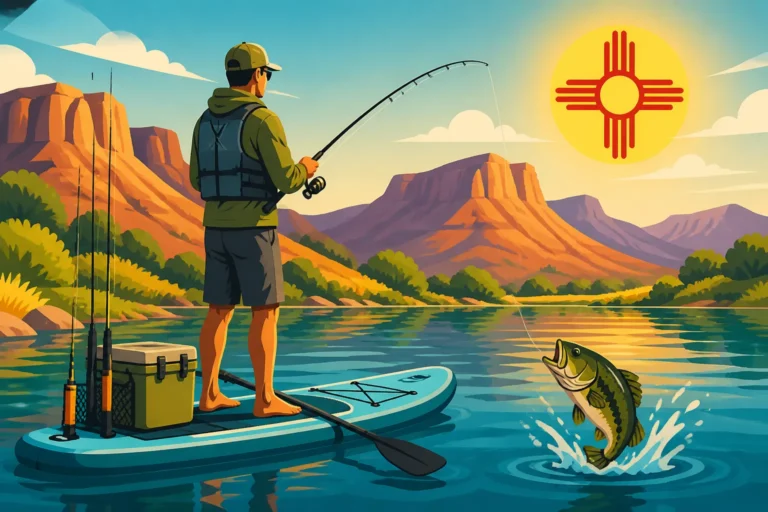
Imagine this: you're drifting along the reeds at Navajo Lake, slowly working a jig for kokanee salmon or smallmouth bass. A traditional paddle kayak requires you to put your rod down, grab your paddle, adjust your position, then pick your rod back up. It's a constant cycle of interruption that can mean missed bites or losing track of that perfect casting lane.
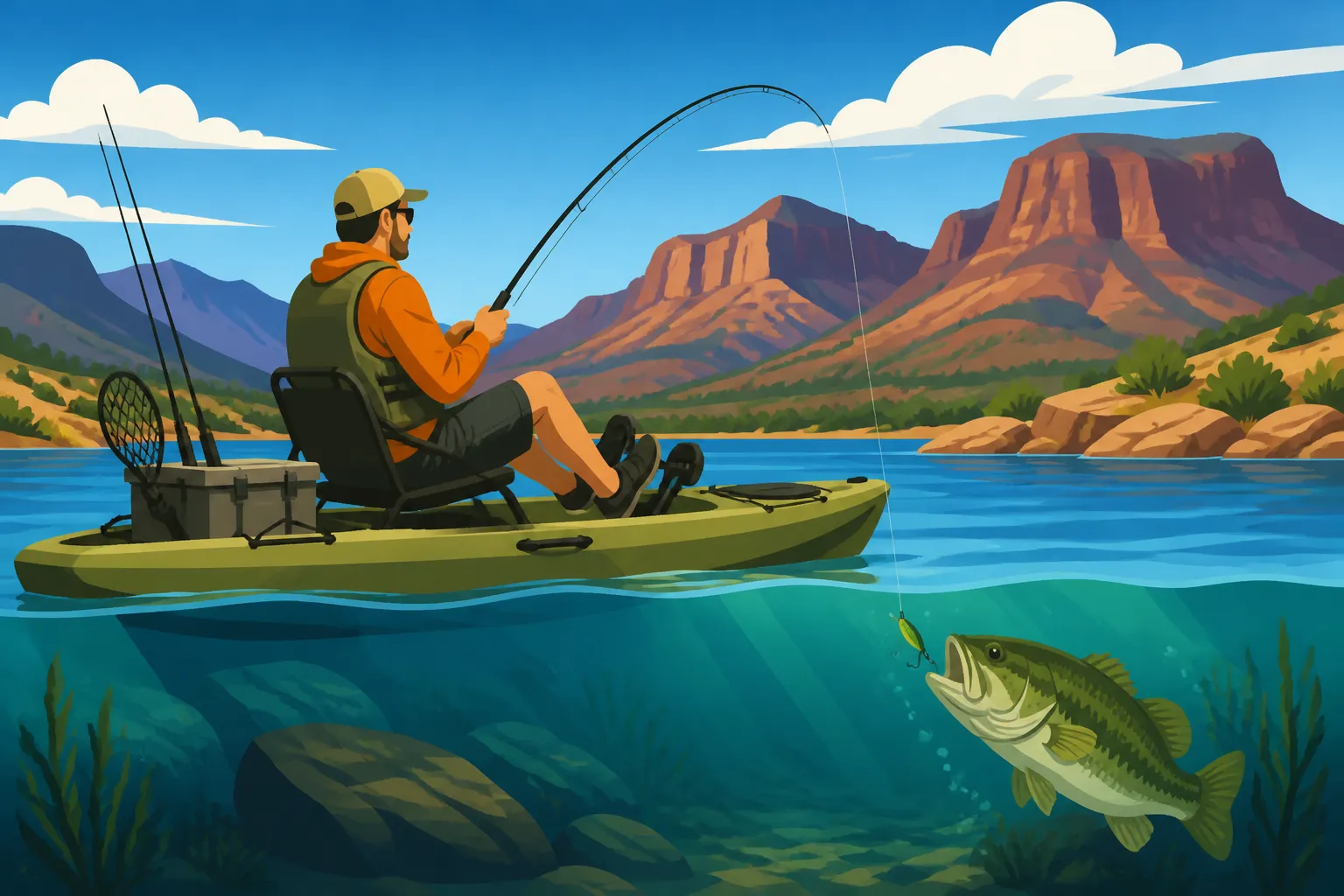
With a pedal kayak, your feet do the work. Your hands are completely free to cast, reel, rig up new bait, net a fish, or even grab a snack. This isn't just about convenience; it's about efficiency and focus. When you can maintain continuous contact with your lure and instantly adjust your position with a subtle pedal stroke, you're always in the game. It allows for a much more natural and fluid fishing experience, particularly for techniques that require constant boat positioning, like trolling small baits for trout or slowly moving along a drop-off. It’s like having an autopilot for your feet, leaving your hands to do what they do best: fish.
Enhanced Mobility and Speed on the Water
New Mexico's lakes are not small ponds. Places like Elephant Butte Lake Fishing Guide or Navajo Lake Fishing Guide are expansive bodies of water where covering ground can be crucial to finding fish. Paddling across miles of open water can be a grueling workout, especially when you're battling headwinds or trying to reach a distant point before the bite shuts off.
Pedal kayaks typically offer significantly more speed and better maneuverability than their paddle-driven counterparts. This is because the pedaling motion utilizes stronger leg muscles, allowing for sustained effort over longer distances with less fatigue. Need to quickly move from one cove to another? A pedal kayak gets you there faster. Did you spot a schooling of striped bass breaking the surface far off in the distance? You can pedal over to them without feeling completely gassed by the time you arrive. The ability to maintain a consistent speed while trolling for walleye or bass is also a huge advantage, as it helps present your lures more effectively. This enhanced mobility translates directly into more time fishing and less time commuting on the water, which is a big win on New Mexico's grand fishing canvases.
Pedal Kayaks vs. Traditional Kayaks on New Mexico Lakes
When it comes to choosing between a pedal kayak and a traditional paddle kayak for fishing New Mexico's diverse waters, it’s not a simple case of one being inherently "better." Both have their strengths and weaknesses, especially when you consider the unique characteristics of our high desert lakes and rivers. The decision often comes down to personal fishing style, the specific waters you frequent, and your priorities on the water.
Navigating Large, Windy Reservoirs
New Mexico is known for its large reservoirs, often situated in open, exposed terrain. This means wind can become a significant factor, transforming calm waters into choppy conditions in a matter of minutes. Places like Elephant Butte, Conchas Lake Fishing Guide, or Ute Lake can get seriously breezy, making it tough to hold your position or make headway with a paddle.
This is where pedal kayaks truly shine. The continuous propulsion from a pedal drive allows you to effortlessly hold your position against moderate winds or current. Instead of constantly correcting with a paddle, you can make subtle adjustments with your feet, keeping your hands free to fish. This becomes incredibly important when you're trying to work a specific structure or stay on a school of fish. Fighting a strong crosswind with a paddle can be exhausting and frustrating, often forcing you to abandon a prime fishing spot. With a pedal kayak, you can often power through these conditions, maintaining your angle and focus. The sheer power derived from your legs also means you can cover more ground against a headwind without completely wearing yourself out, extending your fishing day.
Accessing Remote Fishing Spots
Many of the best fishing spots in New Mexico require a bit of effort to reach. Whether it's a secluded cove on Navajo Lake or a quiet stretch of the Rio Grande accessible only by water, getting away from the crowds can often lead to better success. Both types of kayaks offer excellent access compared to larger boats, but pedal kayaks offer a distinct advantage here too.
The increased speed and reduced fatigue of a pedal kayak mean those "remote" spots become more accessible without needing to pack an overnight bag. You can cover greater distances in less time, making those far-flung honey holes a realistic target for a day trip. Imagine discovering a hidden pocket on Heron Lake that holds big Kokanee, miles from any boat ramp. A paddle kayak might get you there, but you'll likely be too tired to fish effectively once you arrive. A pedal kayak makes the journey part of the adventure, not just a strenuous prelude. This is particularly valuable in areas where motorboat access is restricted or impossible, allowing you to explore untouched sections of water that few others ever see.
Specific Considerations for New Mexico's Unique Waters
New Mexico's waters present a unique set of challenges and opportunities for anglers, from fluctuating water levels in reservoirs to rocky shorelines and sometimes surprisingly shallow river sections. Understanding how a pedal kayak interacts with these specific environmental factors is key to deciding if it's the right choice for your adventures here.
Shallow Water and Obstacles
Not all of New Mexico's fishing spots are deep, open water. Many rivers, smaller lakes, and even the edges of larger reservoirs can feature shallow areas, submerged rocks, fallen timber, or dense vegetation. This is often where fish like to hold, making these areas prime targets.
Most pedal drive systems, like those from Hobie or Old Town (brands you might find at Bass Pro Shops), involve a propeller or fins that extend beneath the hull. While many are designed to retract or kick up when encountering an obstacle, they can still be more prone to snagging or getting fouled in weeds than a paddle kayak. If you primarily fish very shallow rivers, like some sections of the Rio Grande, or frequently navigate through dense aquatic vegetation, you might find yourself needing to pull the drive up often, or even switch to a paddle for short distances. Some advanced pedal drives offer a more flush profile when retracted or even a reverse function that can help navigate out of tight spots. However, a traditional paddle kayak generally offers superior clearance and simpler navigation in extremely skinny water. It's a trade-off: speed and hands-free operation in open water versus ultimate shallow-water versatility.
| Feature | Pedal Kayak | Traditional Paddle Kayak |
|---|---|---|
| Propulsion | Feet (pedals, fins/propeller) | Arms (paddle) |
| Hands-Free Fishing | Excellent, leaves hands free for rod/reel | Limited, requires putting down rod to paddle |
| Speed/Efficiency | Generally faster, less fatigue over distance | Slower, more effort required for speed/distance |
| Wind Resistance | Better at holding position/making headway | More challenging to maintain position/move in wind |
| Shallow Water | Drive can snag/foul, often needs retraction | Excellent, shallow draft, easy to maneuver |
| Obstacles | Drive can be vulnerable to submerged objects | Minimal issues with submerged obstacles |
| Maneuverability | Often rudder-controlled, precise steering | Direct paddle control, good in tight spaces |
| Weight | Generally heavier due to drive system | Lighter, easier to carry/car-top |
| Cost | Higher initial investment | Lower initial cost |
| Maintenance | Requires maintenance of drive system | Minimal maintenance |
| Portability | Bulkier, heavier to load/unload | Easier to transport, especially smaller models |
Portability and Launching Logistics
Let's be realistic: not every fishing trip starts with a paved boat ramp. Sometimes, you're hiking a short distance to a pond, or finding a sandy bank to launch from on a river. The practicalities of getting your kayak from your vehicle to the water are a real consideration, and pedal kayaks definitely have a different profile here.
Pedal kayaks are typically heavier and bulkier than their paddle counterparts. The added weight of the pedal drive system, reinforced hull, and often wider design means they can be a beast to load onto a car roof rack or carry solo for any significant distance. If your vehicle doesn't have a robust roof rack system or if you frequently fish spots that require a bit of a hike, you might find the added weight and awkward shape of a pedal kayak to be a genuine chore. Investing in a good kayak cart is almost a necessity for most pedal kayak owners.
Launching can also be a bit different. While many pedal drives are designed to be inserted and removed easily, there’s still an extra step compared to just sliding a paddle kayak into the water. If you're launching from a very rocky or uneven bank, you might need to carry the kayak further into the water before inserting the drive to avoid damaging the fins or propeller. However, once you're on the water, the ease of hands-free pedaling often makes up for the initial effort. If you're considering buying one, definitely plan out your transport and launching strategy. Look for options at places like Bass Pro Shops or Amazon for durable kayak carts and reliable roof racks to make your life easier.
Cost and Maintenance of Pedal Kayaks
Let's talk brass tacks. Anglers, especially those of us who spend a lot of time on the water, know that fishing can be an investment. And when you're looking at a piece of equipment as significant as a kayak, the price tag and ongoing upkeep are definitely part of the decision-making process. Pedal kayaks introduce a few different considerations compared to traditional paddle models.
Initial Investment and Long-Term Value
There's no sugarcoating it: pedal kayaks generally come with a higher upfront cost than paddle kayaks. The engineering involved in creating a durable, efficient, and reliable pedal drive system, along with the robust hull designs needed to support it, means a heftier price tag. You're paying for advanced technology and convenience. While you can find entry-level paddle kayaks for a few hundred dollars, a good quality pedal kayak designed for fishing often starts at a significantly higher point.
However, consider the long-term value. For many anglers, the enhanced fishing experience, reduced fatigue, and ability to cover more water translate into more productive and enjoyable days on the lake. If you're serious about kayak fishing in New Mexico and plan to spend a lot of time on larger bodies of water, that initial investment can pay dividends in terms of comfort, efficiency, and ultimately, fish caught. Think of it as investing in an experience. For instance, if you're eyeing a specific model, research its resale value; popular brands tend to hold their value well if you decide to upgrade down the line. It's not just a purchase; it's an investment in your passion for New Mexico fishing.
Maintaining Your Pedal Drive System
Just like any mechanical system, a pedal drive requires some attention to keep it running smoothly. This isn't a set-it-and-forget-it piece of gear. The drive unit, whether it's a propeller-based system or a fin-drive, has moving parts, gears, and often cables that can be subject to wear and tear.
After each trip, especially if you've been in silty or sandy water, it's wise to give your pedal drive a good rinse with fresh water. Inspect the propeller or fins for any damage, fishing line tangled around the shaft, or debris. Lubricate moving parts as recommended by the manufacturer. If you happen to hit something, even if the drive kicks up, it’s a good idea to check for cracks or bends. While many modern pedal drives are incredibly durable, neglect can lead to issues. Think about how you treat your outboard motor – a similar level of care will ensure your pedal drive lasts for years. Fortunately, most manufacturers offer replacement parts, and there are plenty of online resources (and even YouTube videos!) that can guide you through routine maintenance tasks. Being proactive about maintenance can save you from costly repairs down the road and ensure your pedal kayak is always ready for your next adventure on a New Mexico lake.
Making the Choice: Is a Pedal Kayak Right for You in New Mexico?
So, after all this talk about the benefits and considerations, how do you know if a pedal kayak is truly the best fit for your New Mexico fishing adventures? It really boils down to aligning your personal fishing style, the specific waters you frequent, and your practical realities like budget and storage. There's no single right answer, but by thinking through these points, you can make an informed decision that enhances your time on the water.
Your Fishing Style and Target Species
Consider how you typically fish and what kind of fish you're after. If you're a serious bass angler who likes to cover a lot of water, troll for walleye, or chase schooling stripers across large reservoirs like Elephant Butte, then a pedal kayak will likely be a game-changer for you. The ability to maintain speed, stay on fish, and keep your hands free for casting and fighting is a massive advantage. Imagine tirelessly working the shorelines of a vast lake or holding your position perfectly while jigging deep structure. Trolling Techniques for New Mexico Lakes and Jigging for Walleye in New Mexico become much more efficient.
However, if your passion lies in fly fishing tight, shallow mountain streams like sections of the Pecos River or navigating extremely narrow river bends in the Gila, where delicate presentations and maneuvering in very skinny water are paramount, a pedal drive might actually hinder you. For these scenarios, the nimble and shallow-drafting nature of a traditional paddle kayak or even a float tube might be a better choice. Similarly, if you enjoy exploring small, remote ponds where portability and minimal gear are key, the bulk of a pedal kayak might outweigh its benefits. Think about the Trout Species in New Mexico you chase and where you typically find them.
Budget and Storage Space
Let's not overlook the practicalities of owning any large piece of fishing gear. As we discussed, pedal kayaks are generally more expensive than paddle kayaks. This isn't just the initial purchase price; it can also extend to accessories like specialized car racks, heavy-duty kayak carts, and potentially even insurance depending on its value. Are you comfortable with that investment for the advantages it offers? Remember, you can often find great deals on fishing gear, and sometimes even used kayaks, through online marketplaces or local fishing shops. Companies like Bass Pro Shops and Amazon are good places to start your research on models and pricing.
Storage is another big one. Pedal kayaks are often wider and heavier than paddle kayaks, requiring more space in your garage, shed, or even on your vehicle. Do you have adequate, secure storage at home? Can you easily transport it to your favorite launch spots? Some anglers opt for shorter, more compact pedal kayaks if storage or transport is a major concern, sacrificing a bit of speed or stability for easier handling. Others might invest in a small trailer specifically for their kayak. Before committing, visualize the entire process: buying it, getting it home, storing it, loading it onto your vehicle, launching it, and taking it back home. If any of those steps seem like a major hurdle, it's worth considering if a paddle kayak might be a less cumbersome option for your lifestyle.
Ultimately, pedal kayaks are an excellent tool for many New Mexico anglers, offering unparalleled convenience and efficiency on our larger lakes and rivers. But they aren't for everyone or every fishing scenario. By honestly assessing your needs, fishing habits, and practical limitations, you can make the best choice and enjoy more successful, hands-free fishing adventures across the Land of Enchantment.
Disclaimer
This article is for general informational purposes only and does not constitute professional advice. Laws, prices and regulations vary by location and change over time. Consult a qualified professional for guidance on your specific situation.