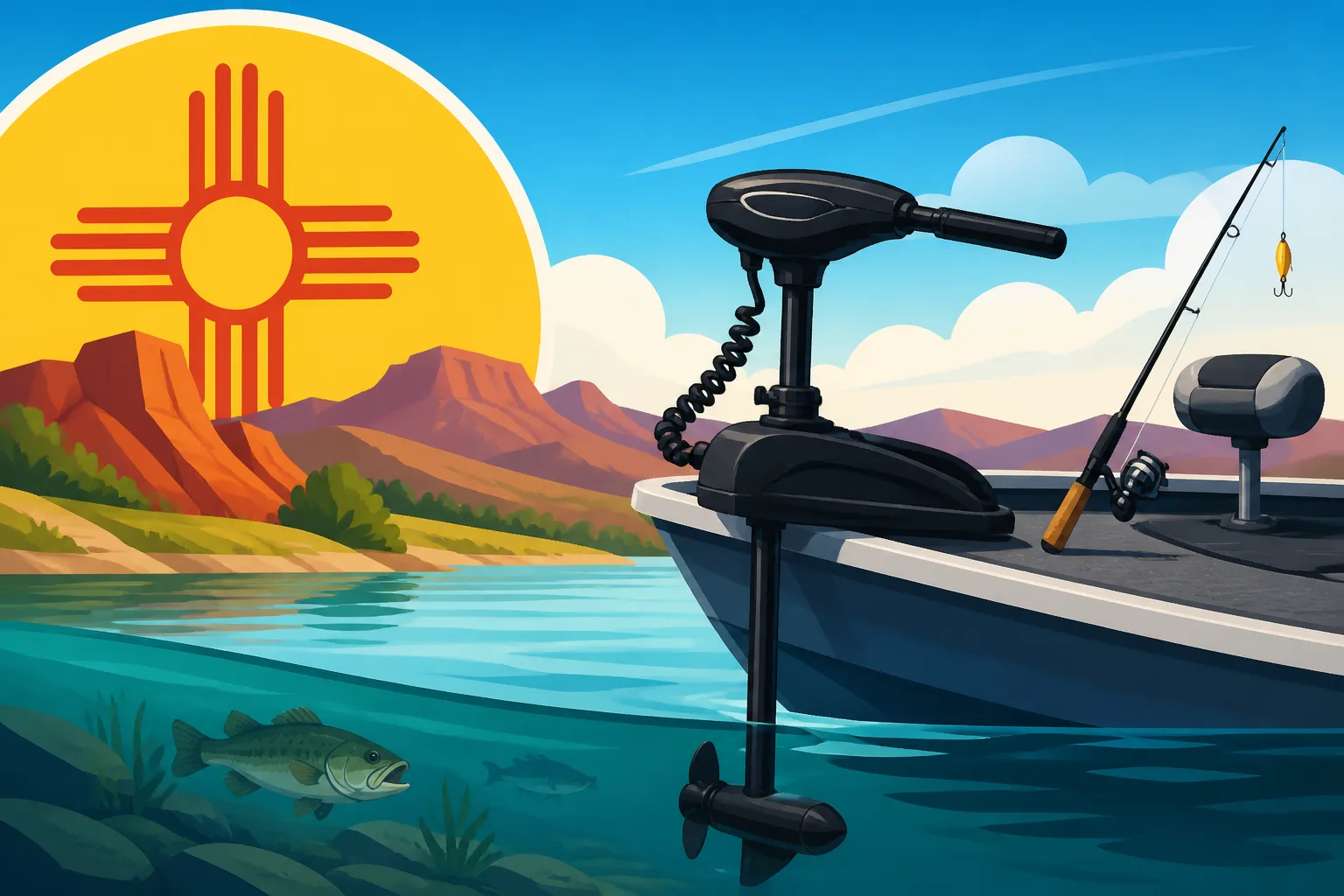
Best Trolling Motors for New Mexico Lakes
Navigating the diverse waters of New Mexico, from the vast expanses of Elephant Butte Lake to the winding stretches of the Pecos River, presents unique challenges for anglers. One common frustration many of us face is battling the wind, staying put over a productive fishing spot, or quietly sneaking up on wary fish in shallow coves. This comprehensive guide is here to demystify trolling motors, helping you choose the best one to enhance your fishing experience on New Mexico's beautiful lakes and rivers.
Why Trolling Motors are Essential for New Mexico Lakes
Let's be honest, rowing or relying solely on your main outboard for precise boat positioning can be an absolute headache, especially when the wind kicks up or you're trying to work a subtle structure. Trolling motors aren't just a luxury; they're a vital tool that can dramatically improve your success and enjoyment on the water. They offer a level of control and stealth that simply can't be matched by traditional methods.
Stealth and Precision for Fickle Fish
Imagine you've located a promising brush pile at Conchas Lake, or a subtle drop-off known to hold walleye. Trying to approach that spot with a gas motor often spooks the fish before you even get a cast in. The loud rumble, the vibrations – it all sends a clear signal that something big and unnatural is coming.
This is where a trolling motor shines. Its electric operation is incredibly quiet, allowing you to glide into position almost silently. You can work the edges of coves at Navajo Lake where spooky trout or bass might be hiding, or slowly cruise along a weed line without disturbing the water. This stealth factor is crucial for tricking those educated fish, giving you more bites and a more successful outing.
Navigating Shallow Waters and Structure
New Mexico's lakes often feature incredible but sometimes treacherous underwater topography – shallow flats, submerged timber, rocky points, and constantly changing water levels. Trying to maneuver a larger boat with an outboard in these areas can lead to prop damage, grounding, or worse.
Trolling motors, particularly those with adjustable shaft lengths, are designed for precision in these tricky spots. They allow you to trim up, navigate over submerged hazards, and access those skinny water pockets where bigger boats dare not tread. Whether you're targeting crappie hiding in flooded timber at Ute Lake or pursuing largemouth bass tucked deep into a brushy cove, a trolling motor provides the control needed to reach these productive, often overlooked, fishing havens.
Enhanced Boat Control for Diverse Conditions
Anyone who's spent time fishing New Mexico's larger reservoirs knows how quickly the weather can change. A calm morning can turn into a blustery afternoon with whitecaps churning the surface. Trying to hold your position with oars or a main engine in strong winds or currents is an exhausting and often fruitless endeavor.
A powerful trolling motor acts as an extension of your steering, giving you immediate and responsive control over your boat's movement. You can counteract wind drift, hold your boat exactly where you want it, or execute subtle maneuvers to follow a contour. This precision is invaluable for vertical jigging for walleye, slowly working a crankbait along a ledge, or simply keeping your bait in the strike zone longer, regardless of what the elements throw at you.
Key Factors When Choosing a Trolling Motor for New Mexico
Selecting the right trolling motor isn't a one-size-fits-all situation. There are several crucial factors you need to consider to ensure you get a motor that performs optimally for your specific boat and the unique fishing conditions found across New Mexico. Neglecting these details can lead to frustration, reduced performance, and a less enjoyable time on the water.
Thrust Rating: Matching Power to Your Vessel and Water
Thrust is arguably the most important specification for a trolling motor, measured in pounds (lbs). It dictates how much power the motor can generate to move your boat. It’s easy to think "more is better," but it's really about finding the right balance for your boat's weight and length, and the conditions you'll typically face. A tiny kayak needs far less thrust than a 20-foot bass boat.
A good rule of thumb is to allow for about 2 pounds of thrust for every 100 pounds of fully loaded boat weight. This includes your boat, gear, passengers, and anything else you'll carry. So, if your boat fully loaded weighs 2,000 pounds, you'd be looking for at least 40 pounds of thrust. However, New Mexico's larger, wind-prone lakes like Elephant Butte or Navajo Lake often necessitate a bit more power than this baseline calculation suggests. When the wind howls or you're fighting a current, that extra thrust means you can maintain control and stay on your spot, rather than being blown off course and constantly fighting the elements. For serious anglers who frequent these big waters, opting for a motor with slightly more thrust than the minimum recommendation is usually a wise investment.
Shaft Length: Avoiding Snags and Prop Wash
The shaft length is the distance from the motor head (where the controls are) down to the propeller. Getting this right is critical. If your shaft is too short, the propeller can come out of the water in choppy conditions, losing thrust and making a noisy racket known as "prop wash," which can easily spook fish. Conversely, a shaft that's too long can hit the bottom in shallow areas, or sit so deep that it creates unnecessary drag and makes launching or trailering more cumbersome.
To determine the ideal shaft length, measure the distance from the mounting surface (either the bow or transom) to the waterline, then add approximately 10-20 inches to that measurement to ensure the prop stays submerged, even in waves. For boats with high bows, common on many deep-V hulls or larger bass boats, a longer shaft (60 inches or more) is often necessary for bow-mount motors. For transom-mount motors on smaller boats or kayaks, a shorter shaft (36-48 inches) might suffice. Consider the typical water depths you fish and how much freeboard your boat has. When fishing areas with fluctuating water levels or navigating rocky river sections, having the correct shaft length can prevent costly damage to your propeller and motor lower unit.
Battery Life and Power Source Considerations
Trolling motors run on battery power, and the voltage system (12V, 24V, or 36V) dictates how many batteries you'll need and, consequently, your potential run time on the water. A 12V system uses one deep cycle battery, a 24V system uses two, and a 36V system uses three. More batteries mean more power and longer run times, but also more weight and charging considerations.
For smaller boats fishing local ponds or calmer stretches of the Rio Grande for a few hours, a 12V system might be perfectly adequate. However, if you're planning all-day excursions on expansive lakes like Heron Lake or needing to fight strong winds, a 24V or even 36V system will provide the endurance and power you need. Always invest in high-quality deep cycle marine batteries and consider a reliable onboard charger. Nothing ruins a fishing trip faster than a dead trolling motor battery miles from the boat ramp. Regularly checking your battery charge before heading out and having a solid charging routine back home are key to ensuring your trolling motor is always ready to go. You can often find a wide array of battery types and chargers online through retailers like Amazon, or get personalized advice on what works best for your specific setup at a store like Bass Pro Shops.
Bow Mount vs. Transom Mount vs. Engine Mount
When it comes to trolling motors, one of the first decisions you'll make is where it attaches to your boat. Each mounting style offers distinct advantages and is suited to different types of boats and fishing styles. Understanding these differences will help you pick the system that provides the best control and convenience for your New Mexico fishing adventures.
Bow Mount: The Ultimate in Control and Maneuverability
Bow-mount trolling motors attach to the front (bow) of your boat and are typically operated by a foot pedal or a remote control. They are the go-to choice for serious anglers, especially those in bass boats, larger jon boats, or deep-V fishing boats. The reason? Pushing a boat from the front offers superior control, much like steering a car from the front wheels. You can steer precisely, easily maneuver around obstacles, and hold your position against wind and current with remarkable accuracy.
This setup is fantastic for working shorelines, navigating tricky coves, or holding over specific underwater structures. If you're constantly casting and needing to adjust your boat's position subtly, a bow mount is incredibly intuitive and frees up your hands for fishing. The only real drawbacks are typically a higher cost, more complex installation, and they can sometimes get in the way on smaller bow decks. However, for sheer command over your vessel, especially on larger New Mexico waters like Elephant Butte Lake or Navajo Lake where wind can be a constant factor, a bow-mount motor is hard to beat.
Transom Mount: Versatility for Smaller Boats and Kayaks
Transom-mount trolling motors attach to the rear (transom) of your boat, similar to an outboard motor. They are typically smaller, more portable, and much easier to install than bow-mount motors, often clamping directly onto the transom. This makes them a popular choice for smaller boats like canoes, kayaks, inflatable boats, or jon boats where space is at a premium and a simpler setup is preferred.
While they don't offer the same pinpoint control as a bow-mount (steering from the rear is like pushing a wheelbarrow), they are incredibly versatile and cost-effective. They are often operated by a tiller handle, which keeps you close to the motor for direct control. For anglers exploring smaller waters, local ponds, or calmer stretches of New Mexico's rivers, a transom-mount motor can provide ample propulsion and maneuverability. They're also great as a secondary motor or for boats where a permanent bow-mount installation isn't feasible. Just be mindful that steering precision might take a little getting used to compared to a bow-mount system.
Engine Mount: Discreet Power for Larger Vessels
Engine-mount trolling motors are a less common, but specialized option that attaches directly to the cavitation plate of your boat's primary outboard motor. These motors are designed to be relatively low-profile and out of the way, offering auxiliary electric propulsion without cluttering your deck. They are typically operated by a remote control.
The main advantage here is that they are completely hidden and don't take up any deck space, which can be appealing for larger vessels where aesthetics or clear deck access are priorities. However, they generally offer less thrust than dedicated bow-mount motors and don't provide the same level of precise maneuverability, as they steer with the main engine. They can be a good choice for anglers who primarily use their gas motor for propulsion but want a quiet electric option for slow trolling or minor positioning adjustments, perhaps on very large boats fishing deep open water. This option is less frequently seen on the typical New Mexico fishing boat but can be suitable for specific applications where space and discretion are paramount.
Advanced Features to Consider for New Mexico Fishing
Modern trolling motors have evolved far beyond simple "point and go" propulsion. Today's models come packed with sophisticated technology that can transform your fishing experience, making you more efficient, more successful, and less fatigued. For New Mexico anglers navigating vast lakes and unpredictable conditions, these advanced features are worth their weight in gold.
GPS Anchoring and Spot-Lock Technology
If there's one feature that has truly revolutionized boat control, it's GPS anchoring, often popularized by names like Minn Kota's "Spot-Lock" or MotorGuide's "Anchor Mode." This incredible technology uses an integrated GPS receiver to pinpoint your boat's location and automatically adjust the trolling motor's thrust and direction to hold you precisely on that spot.
Imagine you've found a school of crappie gathered around a submerged tree in Elephant Butte Lake. With the push of a button, your motor locks your boat in place, even in strong winds or currents. No more constantly bumping your foot pedal or dropping a noisy anchor. This frees you up to focus 100% on fishing, setting hooks, and landing fish. For bass anglers working a brush line, walleye hunters jigging a point, or even trout fishermen trying to stay over a thermocline, GPS anchoring is an absolute game-changer. It dramatically reduces fatigue and allows you to exploit productive spots with unparalleled precision, making every minute on the water more effective.
Integrated Sonar and Depth Finders
Another fantastic innovation is the integration of sonar transducers directly into the trolling motor's lower unit. This allows you to connect your trolling motor to your boat's fish finder or multifunction display, providing a clear, uninterrupted view of the underwater world directly beneath your motor's prop. This means no more worries about transom-mounted transducers losing signal when you're using the trolling motor to navigate shallow areas or move slowly.
Having a dedicated transducer on your trolling motor gives you a "forward-looking" perspective as you slowly work an area. You can see structure, depth changes, and fish directly ahead of where your boat is headed, allowing for more informed decisions on where to cast. Brands like Lowrance and Garmin often integrate seamlessly with various trolling motors, creating a powerful, streamlined electronics package. This feature is particularly useful when exploring new areas or meticulously dissecting structure at places like Abiquiu Lake or Conchas Lake, where understanding the bottom contour is key to finding fish.
Remote Control and Foot Pedal Options
While traditional tiller handles still have their place, modern trolling motors offer a variety of control interfaces designed for convenience and versatility. Foot pedals are incredibly popular with bass anglers, allowing for hands-free operation while standing and casting. They provide immediate, intuitive control over steering and speed with simple toe or heel presses.
Beyond foot pedals, many advanced trolling motors now come with wireless remote controls, often resembling a small handheld device or even a wristband. These remotes allow you to control all motor functions – steering, speed, and even GPS anchoring – from anywhere in the boat. This is a huge advantage for multi-species anglers who might move around the boat to cast from different angles, or for those who prefer to sit down and still maintain full control. Imagine working a long weed line at Ute Lake and being able to steer your boat while simultaneously re-rigging a rod or netting a fish. This flexibility greatly enhances comfort and efficiency, allowing you to maximize your time actually fishing.
Maintenance and Care for Longevity in New Mexico's Environment
Even the most robust trolling motor needs regular care and attention to ensure it performs reliably year after year, especially in the unique environmental conditions of New Mexico. From the fine silt of some river systems to the sometimes alkaline waters of our reservoirs, proper maintenance can significantly extend the life of your investment and prevent frustrating breakdowns on the water.
Post-Trip Cleaning and Freshwater Rinsing
After a long day of fishing, it's tempting to just load up the boat and head home, but taking a few extra minutes for some basic cleaning can make a huge difference. New Mexico's waters, especially certain lakes and rivers, can sometimes carry fine silt, mud, or even have a slightly alkaline mineral content that can accumulate on your motor's components.
A thorough rinse with fresh water is your first line of defense. Pay close attention to the lower unit, propeller, and any exposed shaft. Use a soft brush to gently remove any weeds, mud, or debris that might have built up. Check for fishing line wrapped around the prop shaft – this is a common culprit for motor damage, as it can cut seals and allow water intrusion into the gear housing. A quick visual inspection and rinse ensures that corrosive elements and damaging debris don't sit on your motor, causing long-term issues. This simple habit after every trip helps to prevent corrosion and keep all moving parts functioning smoothly.
Battery Management and Charging Best Practices
Your trolling motor's batteries are its lifeblood, and proper care is paramount for maximizing their lifespan and ensuring consistent performance. Deep cycle marine batteries, whether lead-acid or lithium, require specific charging routines to remain healthy. Never leave your batteries discharged for extended periods, as this can lead to sulfation and permanent capacity loss.
Always use a marine-grade battery charger designed for your battery type. Ideally, an intelligent onboard charger that can maintain a trickle charge is best for keeping batteries topped off when not in use. Regularly check the water levels in lead-acid batteries and top them off with distilled water if needed. For lithium batteries, follow the manufacturer's specific charging and storage instructions. In New Mexico's often hot climate, keeping batteries cool and well-ventilated during charging and storage is also important. Investing in a quality charger and establishing a consistent charging routine will prevent premature battery failure and ensure your trolling motor is always ready for your next adventure on waters like Sumner Lake or Caballo Lake.
Propeller Inspection and Weed Clearing
The propeller is the part of your trolling motor that takes the most abuse. It's constantly pushing water, battling weeds, and occasionally bumping into submerged objects. Regular inspection of your propeller is crucial to catch small issues before they become big problems.
Before and after each trip, take a moment to physically inspect the propeller. Look for any nicks, chips, or bends in the blades. Even minor damage can create vibrations that wear down motor components or reduce efficiency. Also, check thoroughly for any fishing line, monofilament, or stray weeds wrapped tightly around the prop shaft. As mentioned earlier, fishing line is particularly insidious; it can work its way past seals and damage the motor's internal mechanisms, leading to expensive repairs. Keep a spare prop and the necessary tools (a prop wrench and cotter pin) on hand, especially for those longer trips to remote areas, so you can quickly replace a damaged propeller and get back to fishing without losing precious time on the water.
Top Brands and Where to Buy
When you're ready to invest in a trolling motor for your New Mexico fishing adventures, you'll quickly discover that a few brands consistently rise to the top. These manufacturers have earned their reputation through years of innovation, reliability, and robust performance. Knowing where to look for these motors, whether online or in person, is just as important as knowing which brand to choose.
Reputable Trolling Motor Manufacturers
The market for trolling motors is dominated by a few key players who have consistently delivered high-quality, innovative products.
Minn Kota is often considered the industry leader, and for good reason. They offer an extensive range of bow-mount and transom-mount motors, known for their powerful thrust, rugged construction, and groundbreaking features like Spot-Lock GPS anchoring. Their motors are often praised for their quiet operation and user-friendly designs, making them a favorite among both recreational anglers and tournament pros. If you're looking for cutting-edge technology and dependable performance, Minn Kota should definitely be on your radar.
MotorGuide is another highly respected brand that provides strong competition. They also produce a wide variety of trolling motors, including bow-mount and transom-mount options, with features such as Pinpoint GPS technology for precise boat positioning. MotorGuide motors are often recognized for their robust build and responsive steering, making them a solid choice for anglers who demand reliability and power. They offer models that cater to different budgets and fishing styles, ensuring there's a MotorGuide motor for almost any application on New Mexico's waters.
Garmin has made a significant entry into the trolling motor market with their Force trolling motor, which boasts exceptional power, efficiency, and seamless integration with Garmin's extensive ecosystem of marine electronics. While a newer contender, Garmin's reputation for GPS and sonar technology makes their trolling motor a compelling option, particularly for anglers already invested in Garmin fish finders.
These brands represent the pinnacle of trolling motor technology and reliability, ensuring you get a motor that can stand up to the demands of New Mexico's diverse fishing environments.
Shopping Online vs. Local Retailers
Once you've narrowed down your choices, the next step is deciding where to make your purchase. Both online retailers and local shops offer distinct advantages.
Shopping online, through platforms like Amazon, provides an unparalleled selection. You can browse countless models, compare features side-by-side, read extensive user reviews, and often find competitive pricing. It's an excellent way to do your research, especially if you already know exactly what model you want. Many online stores also offer direct shipping to your door, which can be convenient for larger items like trolling motors. However, the downside is you can't physically inspect the motor or get immediate, personalized advice from a sales associate. You'll also need to consider potential shipping costs and the process for returns or warranty claims if issues arise.
On the other hand, visiting a local retailer like Bass Pro Shops offers a hands-on experience that online shopping can't replicate. You can see the motors in person, feel their build quality, and ask specific questions to knowledgeable staff. They can offer invaluable advice tailored to New Mexico's fishing conditions and help ensure you select the correct thrust, shaft length, and mounting style for your boat. Local shops often provide installation services or can recommend reputable installers, which can be a huge benefit for complex bow-mount systems. Plus, supporting local businesses keeps our fishing community strong. While the selection might not be as vast as online, the personalized service and immediate support can be well worth it, especially for a significant investment like a trolling motor.
| Feature / Mount Type | Bow Mount | Transom Mount | Engine Mount |
|---|---|---|---|
| Control | Excellent (Pushes boat, precise steering) | Good (Pulls boat, less precise) | Fair (Steers with main engine, less agile) |
| Maneuverability | Superior for precise positioning, working structure, holding against wind/current. | Good for basic propulsion, steady trolling. | Minimal; best for slow trolling in open water. |
| Installation | More complex; often requires drilling and wiring. | Simple; typically clamps onto transom. | Complex; attaches to cavitation plate of main outboard. |
| Boat Size | Best for larger jon boats, bass boats, deep-V fishing boats. | Best for smaller boats, canoes, kayaks, inflatables. | Best for larger boats with primary outboards. |
| Cost | Generally highest due to advanced features and construction. | Most affordable option. | Mid-range to high, depending on model. |
| Deck Space | Takes up space on the bow. | Minimal impact on deck space, typically at the stern. | No impact on deck space. |
| Popular Features | GPS anchoring, integrated sonar, remote/foot pedal. | Tiller handle control, portability. | Remote control. |
| New Mexico Use Case | Large reservoirs (Elephant Butte, Navajo), windy conditions, bass/walleye fishing requiring precision. | Small lakes, urban ponds, calmer river sections, supplemental power for kayaks/canoes. | Very large boats for discreet auxiliary power in open water, less common. |
Disclaimer
This article is for general informational purposes only and does not constitute professional advice. Laws, prices and regulations vary by location and change over time. Consult a qualified professional for guidance on your specific situation.